Loading Luminary Oddities
Please wait while the next page arrives.
Loading this page…
Return homePlease wait while the next page arrives.


Natural history · Entomological Atlas
Species accounts of butterflies, moths, cicadas, beetles and other insects, covering identification, distribution and natural history.
The Atlas combines specimen illustrations with documented natural history.
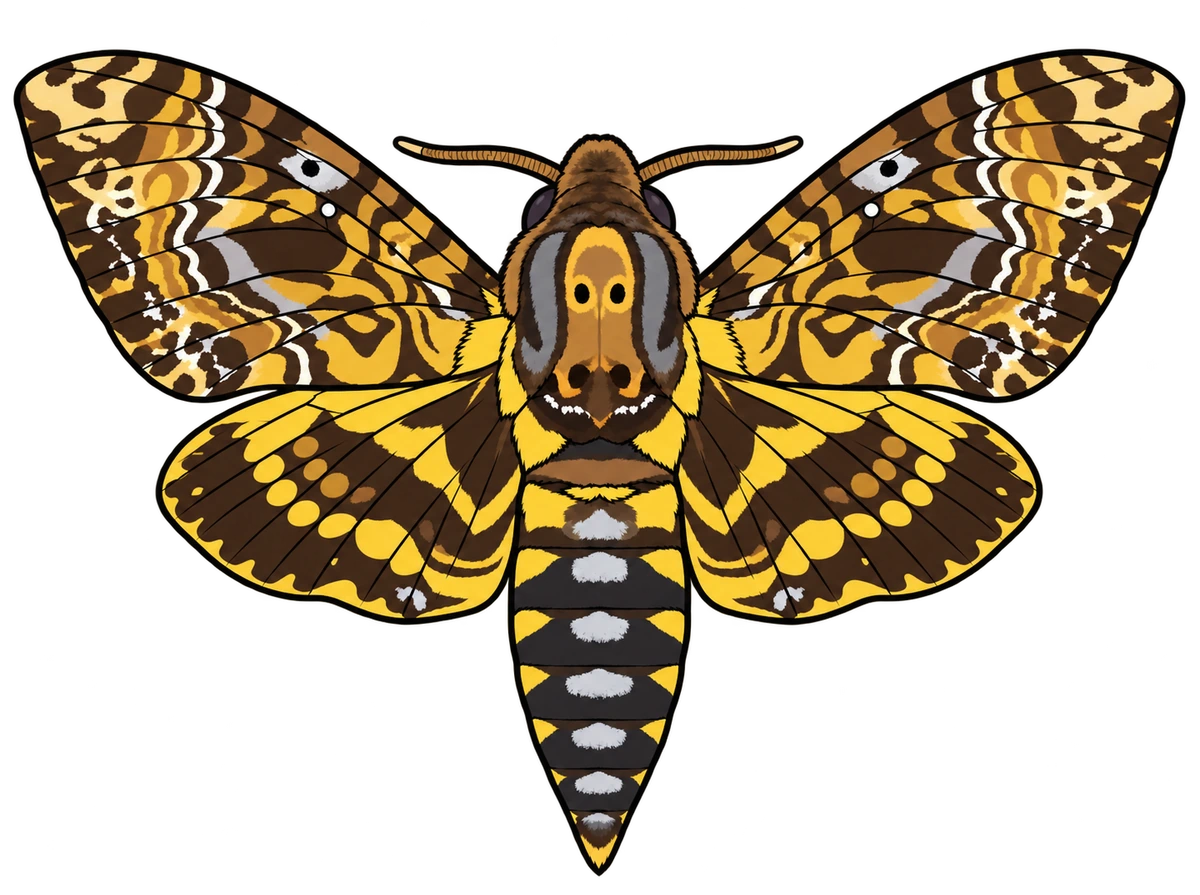
Acherontia lachesis
Acherontia lachesis is a large Asian hawk moth with a skull-like thoracic marking and strongly banded hindwings. Field and rearing studies describe its larval colour variation, underground pupation and rasping defensive sound.
Explore the guide →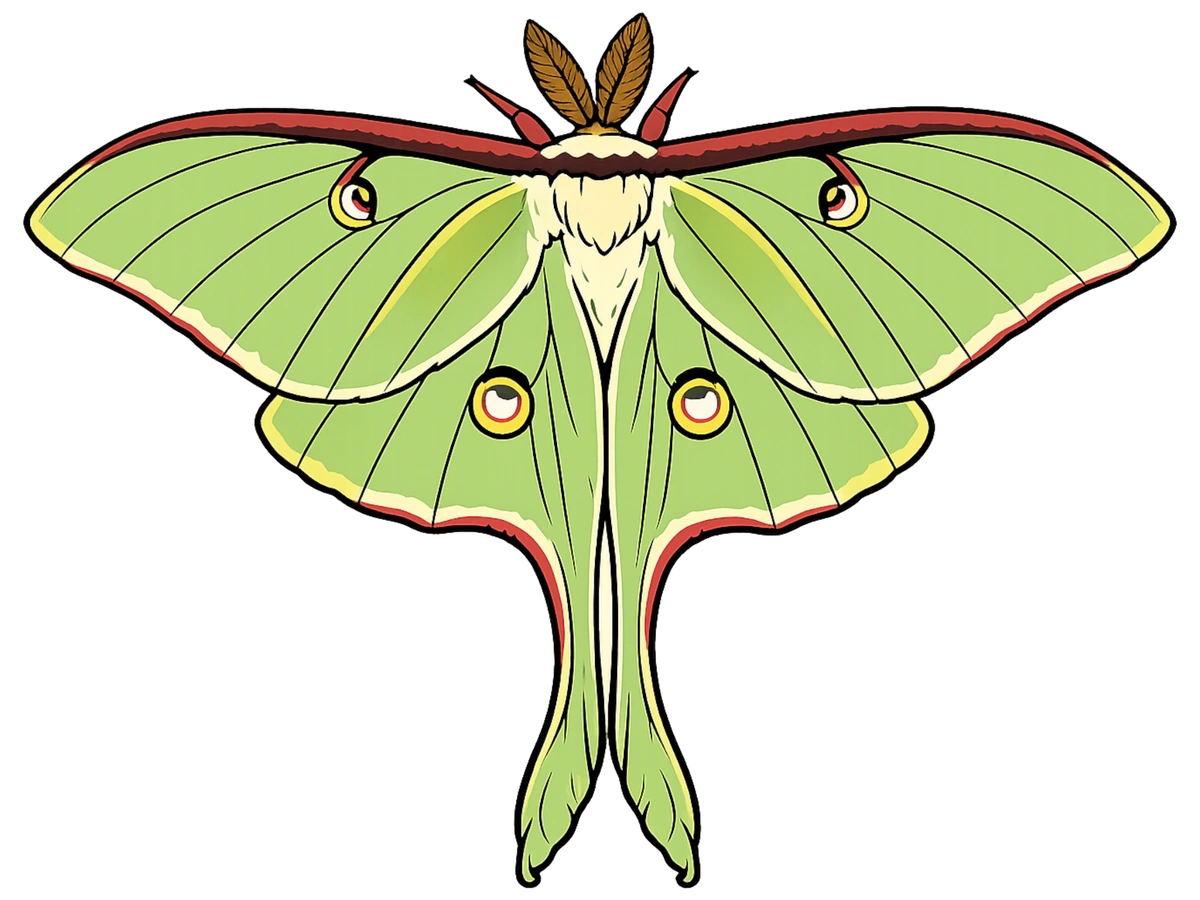
Actias luna
Actias luna is a green silk moth of eastern North America, recognized by its eyespots and long hindwing tails. Its nonfeeding adults rely on larval reserves, and experiments show that the tails can divert attacks by echolocating bats.
Explore the guide →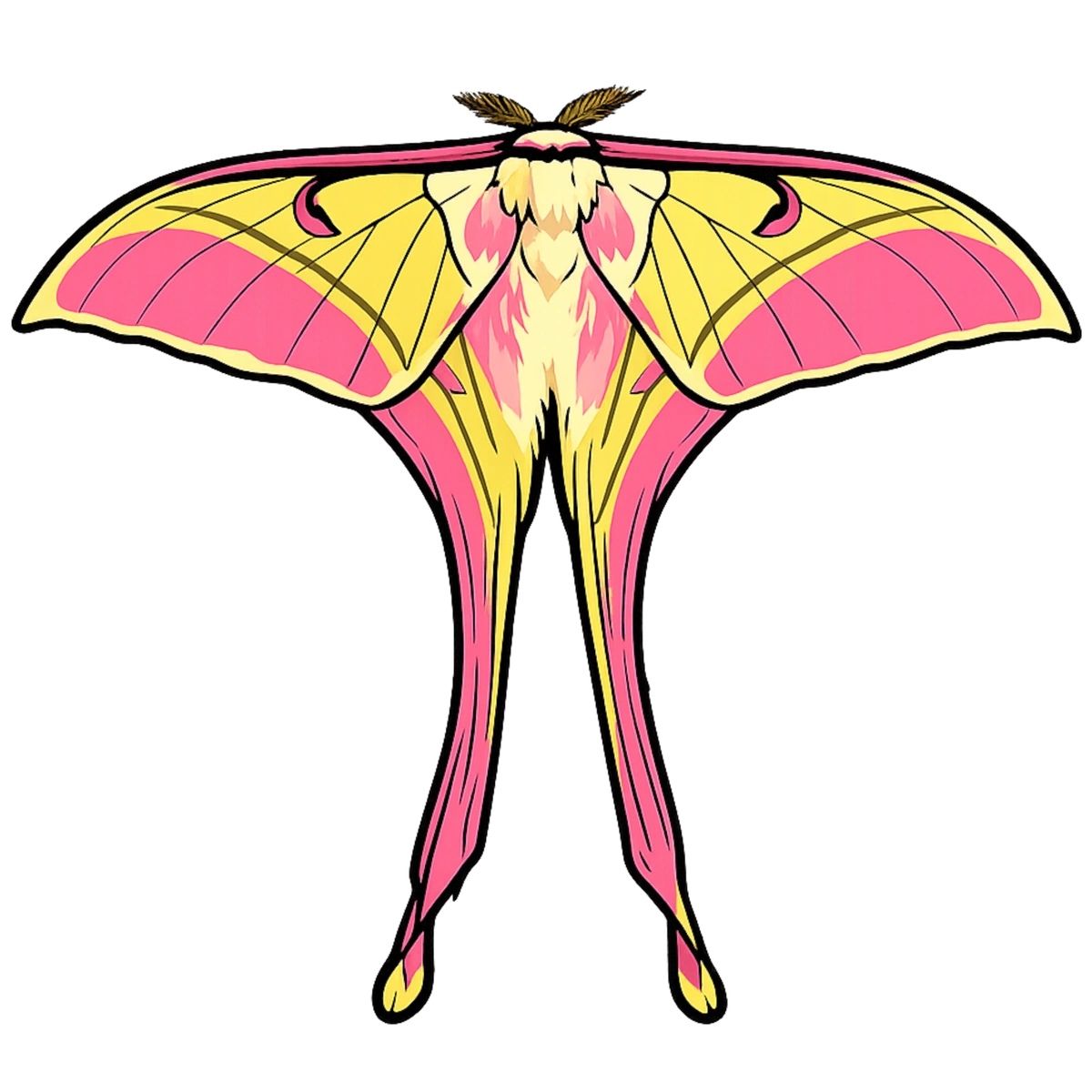
Actias rhodopneuma
Actias rhodopneuma is an Asian moon moth recorded from China and Laos. Documented Laotian specimens include a June collection at 1,800 m and males and females collected in the mountain forests of Phongsaly in August 2024.
Explore the guide →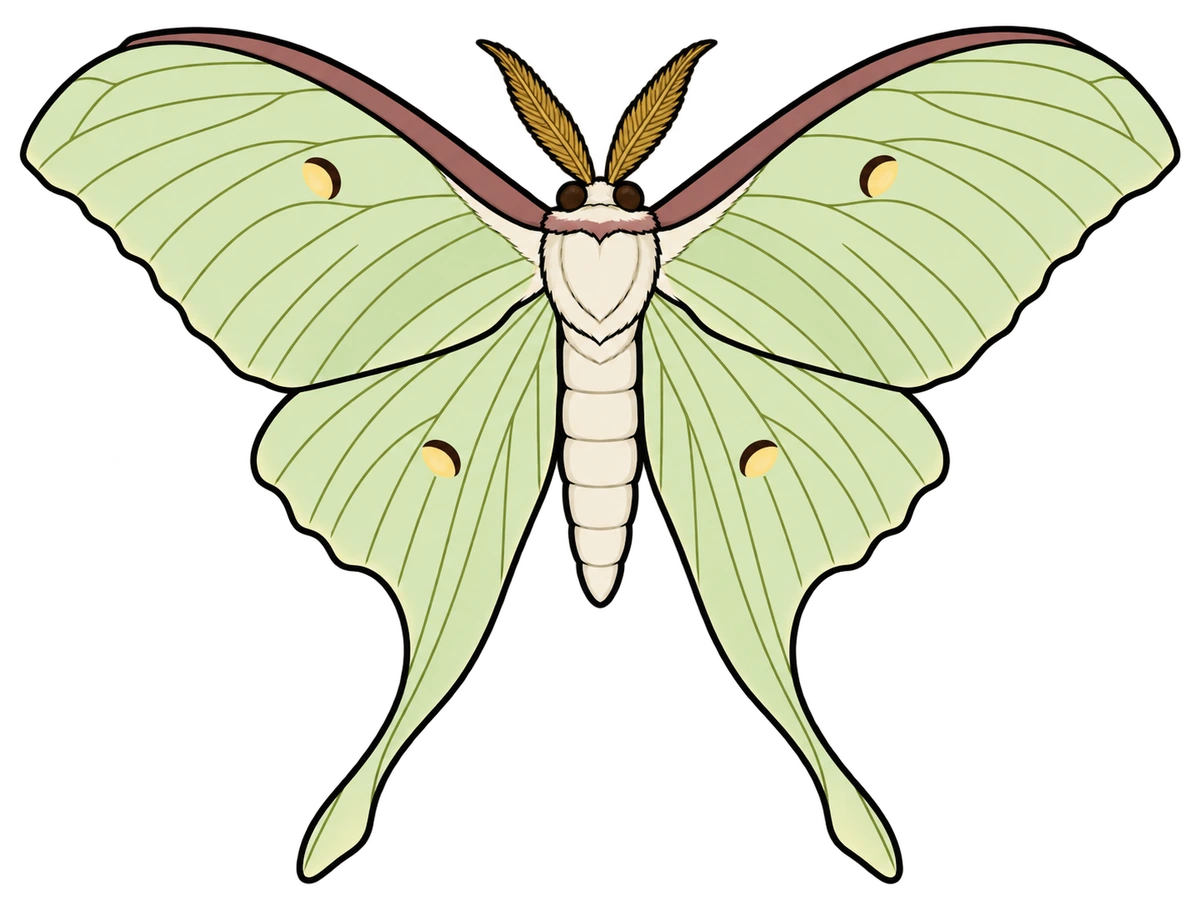
Actias selene
Actias selene is an Asian moon moth with pale emerald wings, crescent-marked eyespots and long hindwing tails. A two-year rearing study in Nagaland documented three annual generations and prolonged winter pupal dormancy.
Explore the guide →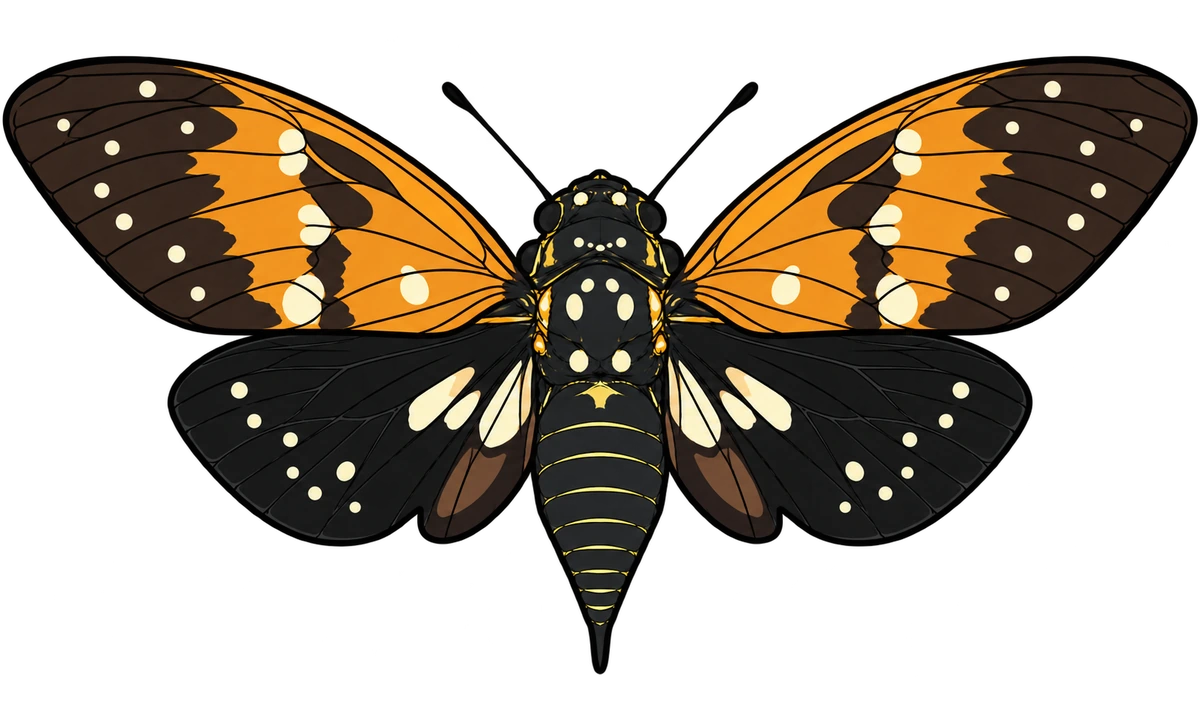
Ambragaeana ambra
Ambragaeana ambra is a patterned Asian cicada and the type species of its genus. Field observations in Thailand describe canopy calling and overnight adult emergence, while examined Vietnamese material provides a dated high-elevation record.
Explore the guide →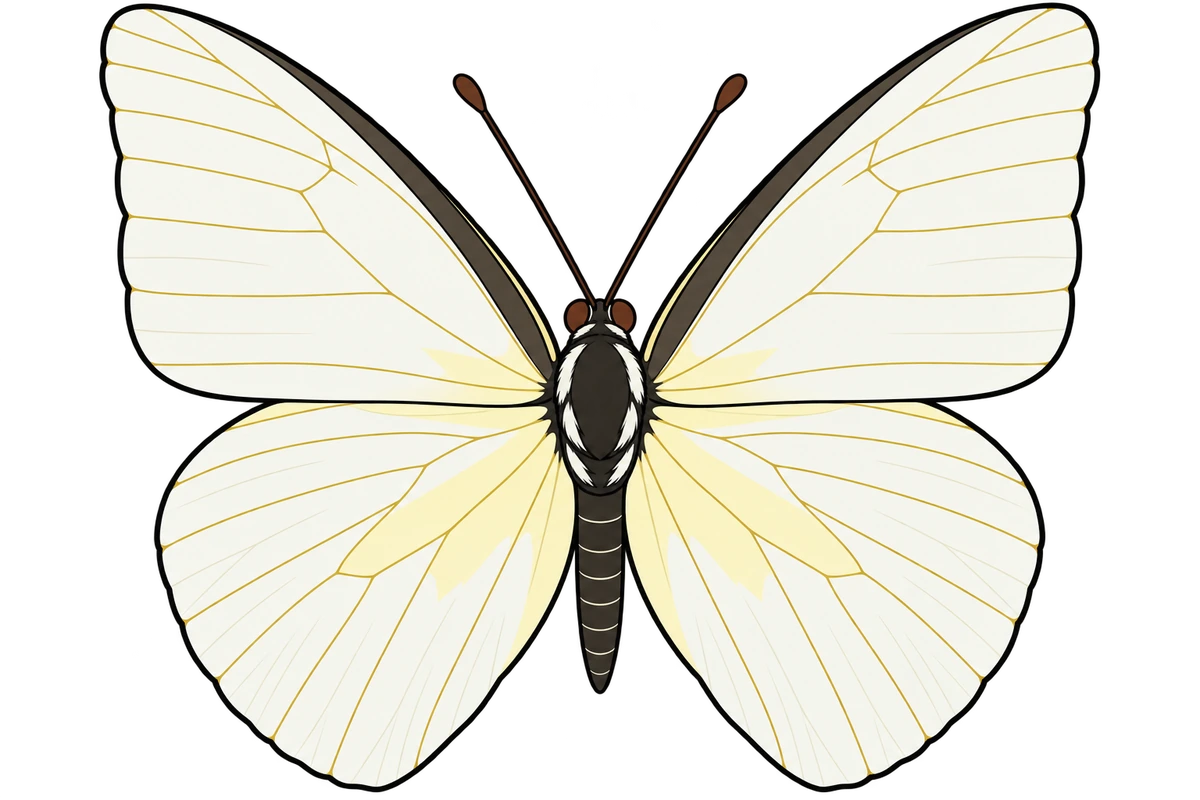
Appias albina
Appias albina is a pierid butterfly with geographically variable colour forms. In northern Australia, its breeding cycle follows the summer monsoon and fresh growth of the larval host, Drypetes deplanchei.
Explore the guide →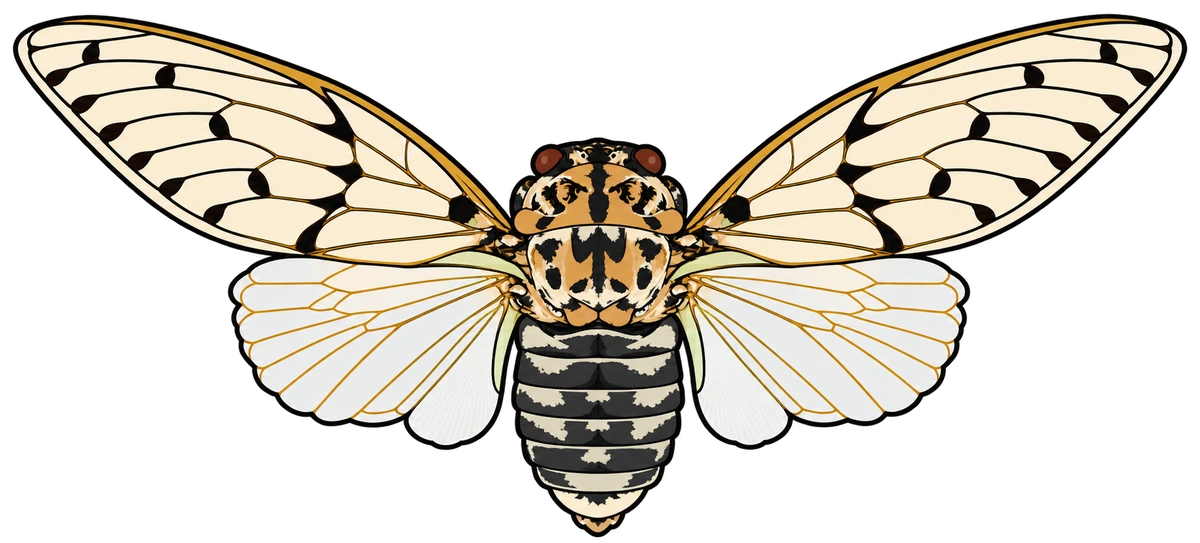
Ayuthia spectabile
Ayuthia spectabile is a Southeast Asian cicada whose creamy white wing regions contrast with transparent tips and a dark body. The transparent forewing membrane carries nanoscale surface pillars investigated in microscopy and polymer-replication studies.
Explore the guide →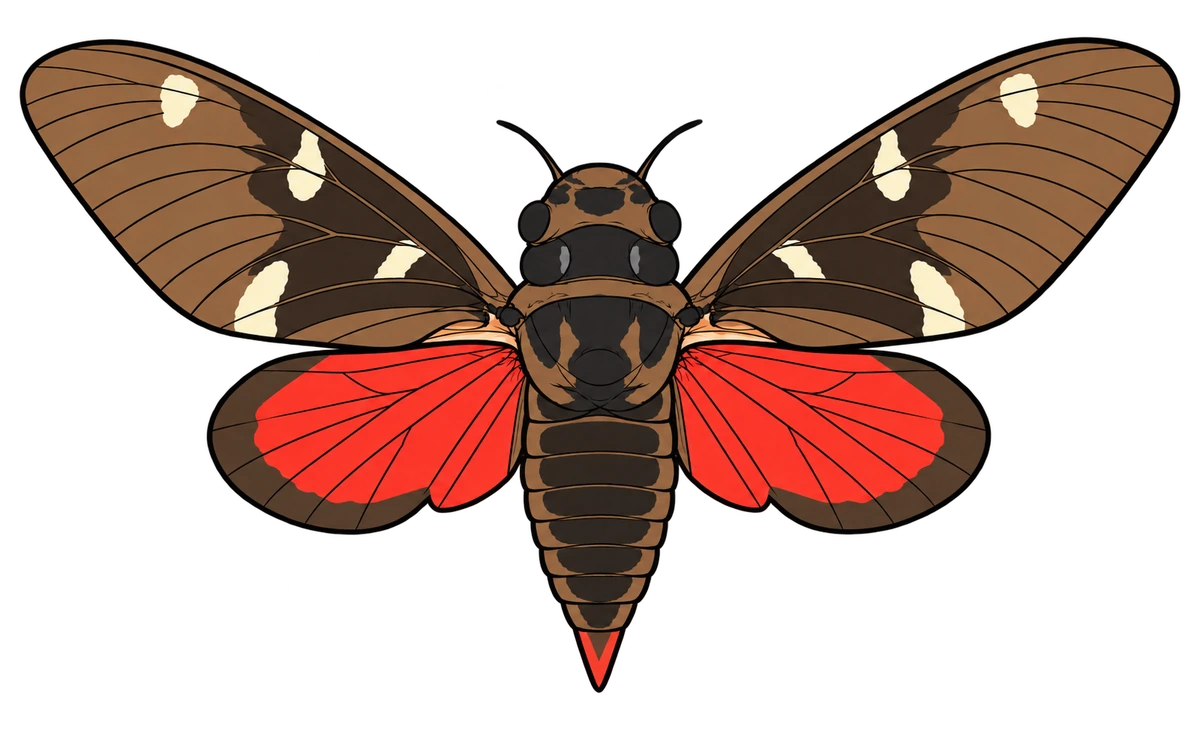
Balinta octonotata
Balinta octonotata is an Asian cicada with cream markings on dark wings. A 2021 specimen study documents extensive variation in the forewing spots and records the species in Assam and Uttarakhand.
Explore the guide →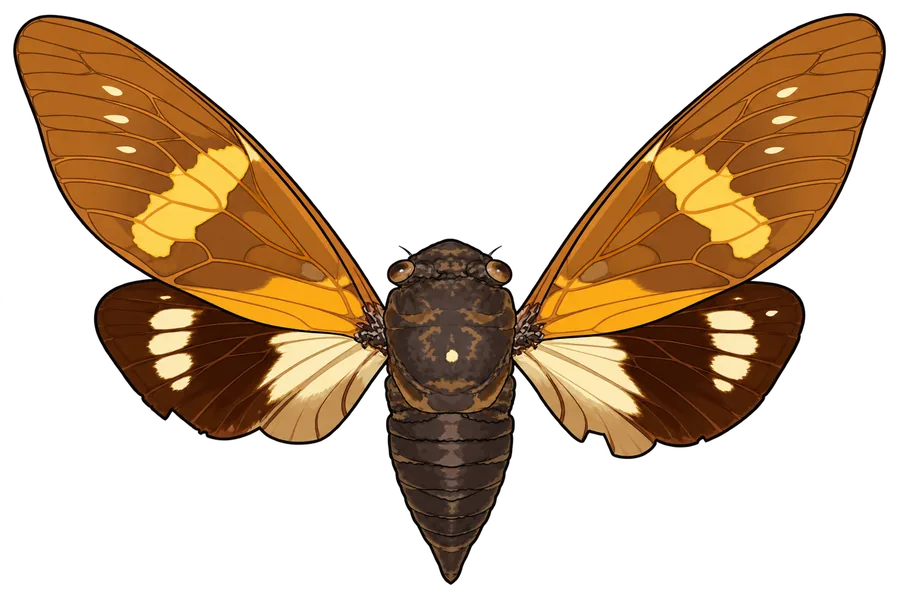
Becquartina bicolor
Becquartina bicolor is a cicada described from Meghalaya in 2024. Its contrasting wing bands occur in saffron and white forms in both sexes; the original study also documents forest localities and male calling activity.
Explore the guide →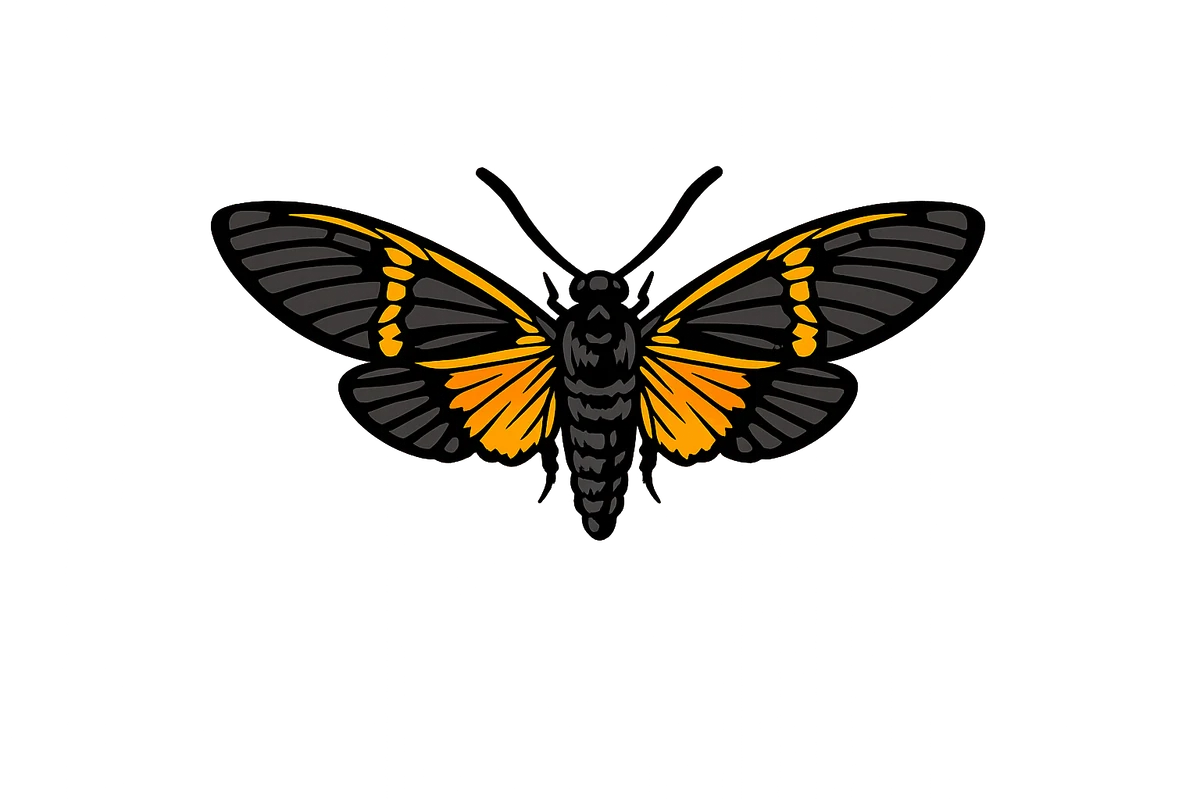
Becquartina electa
Becquartina electa is a dark-bodied Asian cicada with bright yellow body margins and a broad, straight yellow forewing band. Comparative taxonomy describes its pattern alongside related Becquartina species.
Explore the guide →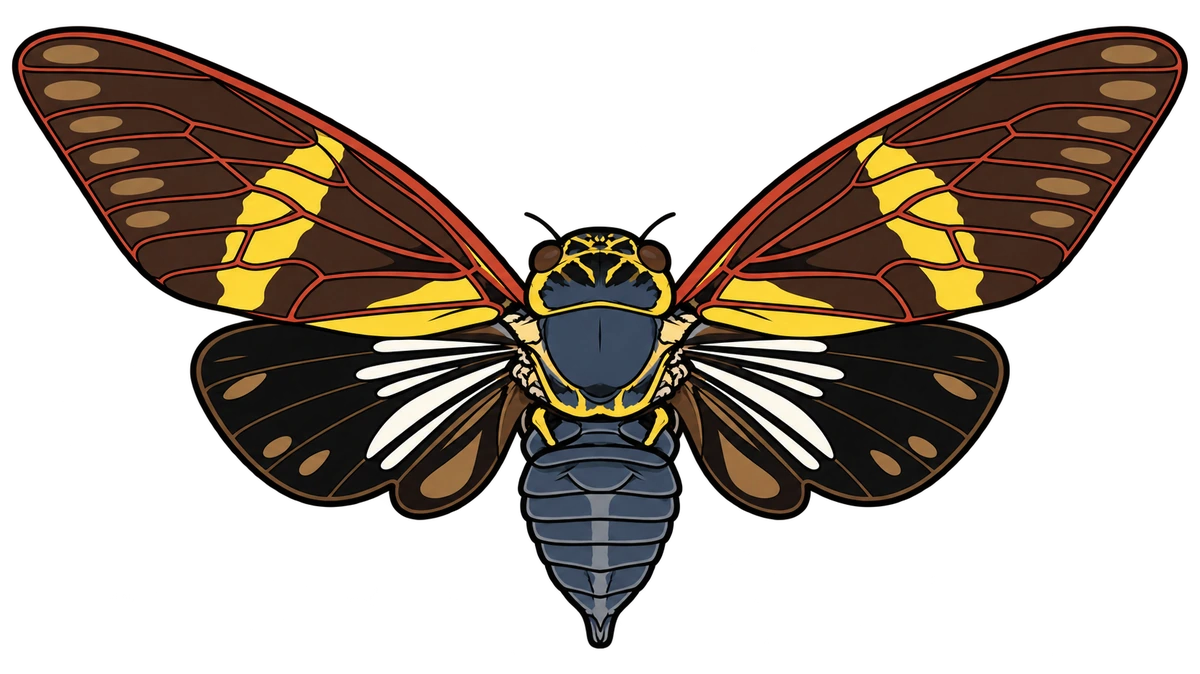
Becquartina versicolor
Becquartina versicolor is a patterned Asian cicada with reddish forewing veins and variable hindwing coloration. Identified photographs and comparative taxonomy document the contrasting markings of its broad wings.
Explore the guide →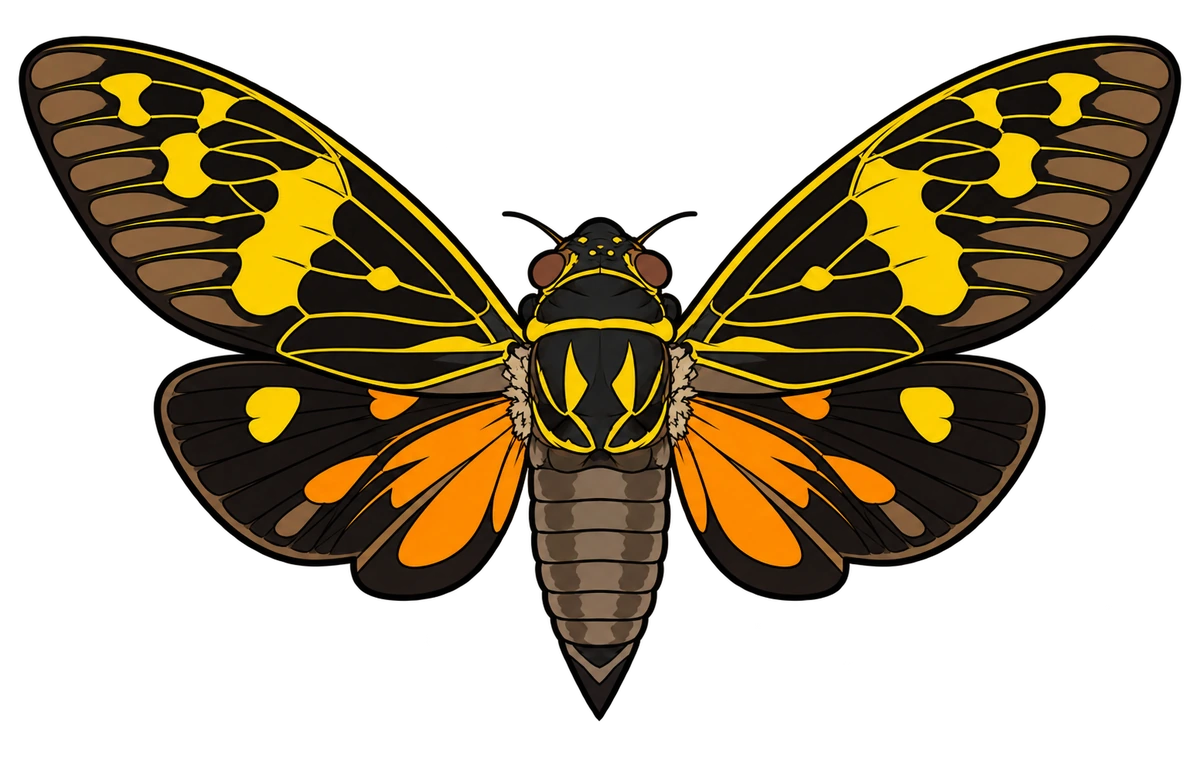
Callogaeana festiva
Callogaeana festiva has dark-and-pale forewing patterns and hindwing colour forms described as orange or blue-green. Historical diagnoses record substantial pattern variation, while recent systematics retains the species in Callogaeana.
Explore the guide →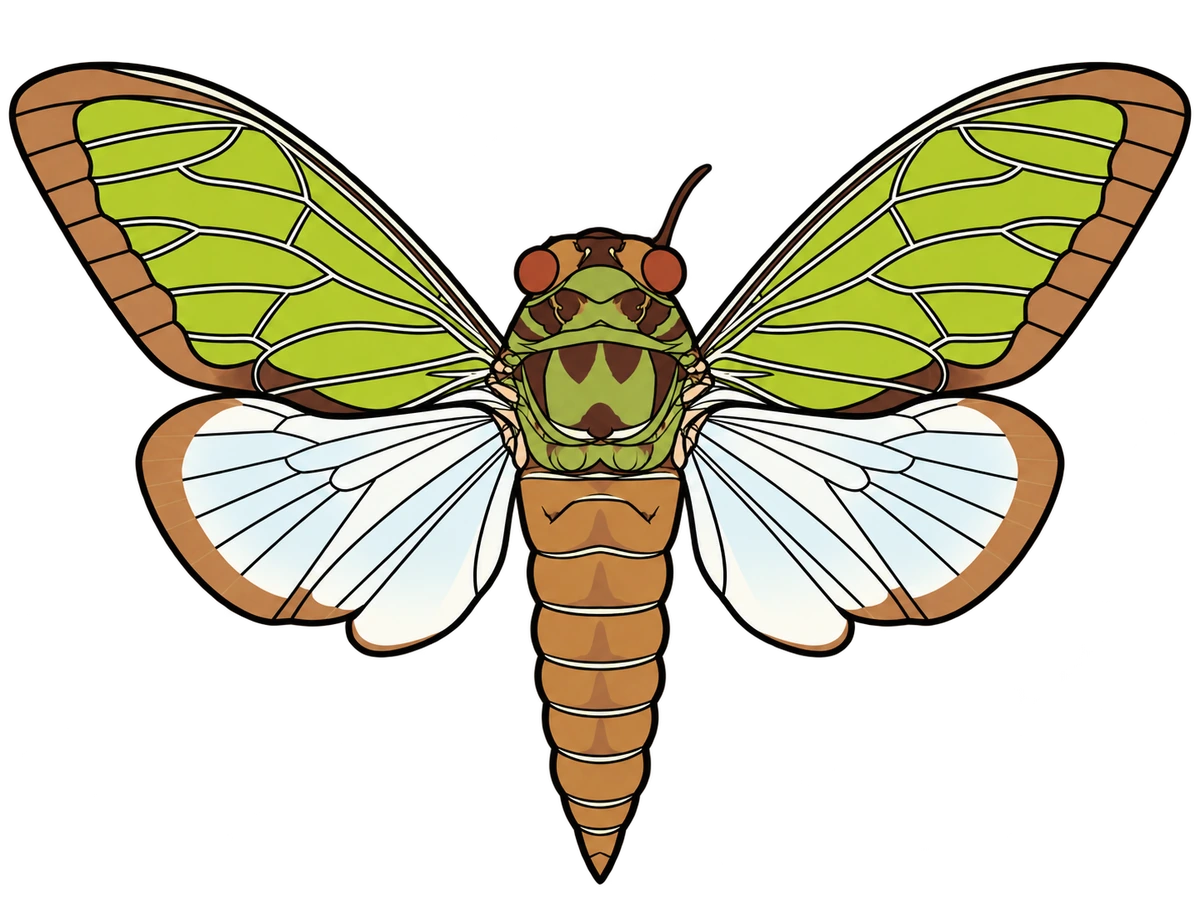
Callogaeana hageni
Callogaeana hageni was described from Sumatran material in 1889. Distant’s diagnosis records pale green forewings with a broad dark apical border and pale blue-green hindwings with a narrower dark edge.
Explore the guide →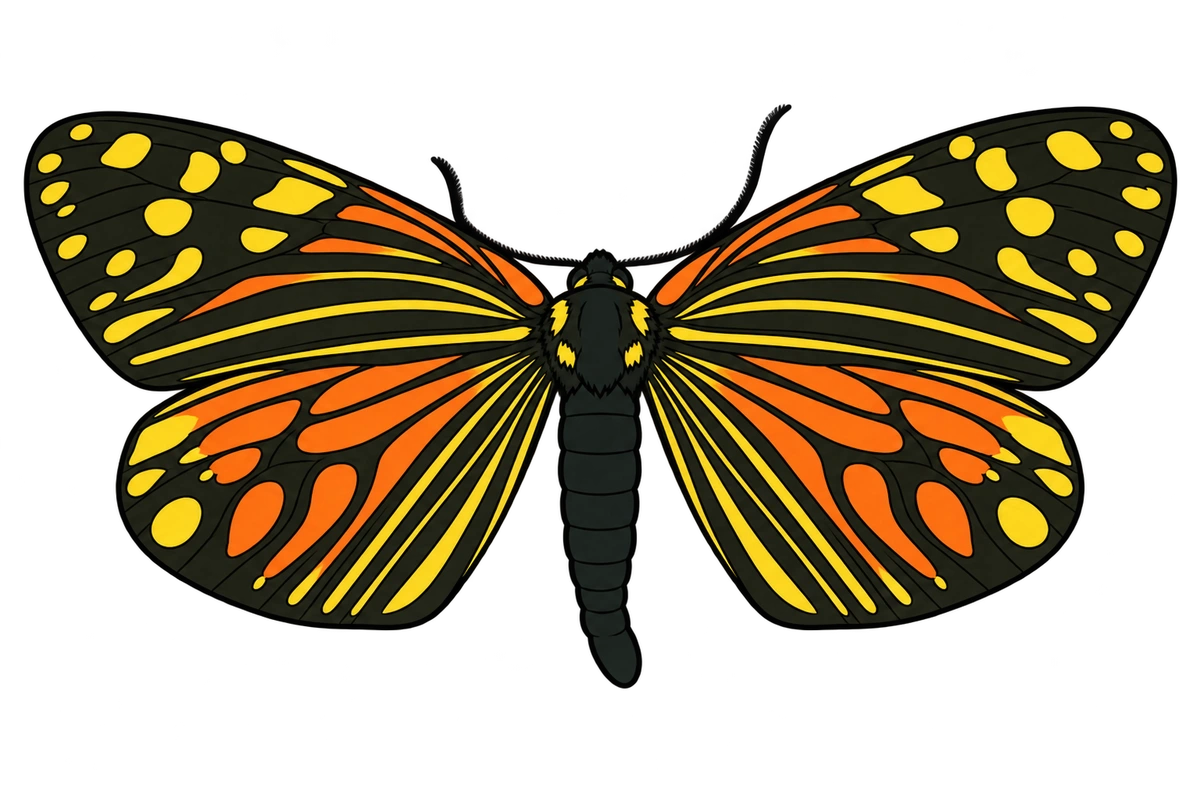
Campylotes histrionicus
Campylotes histrionicus is a day-flying moth recorded across parts of the Himalaya and western China. Regional catalogues document its nomenclature, occurrences and reported larval plants.
Explore the guide →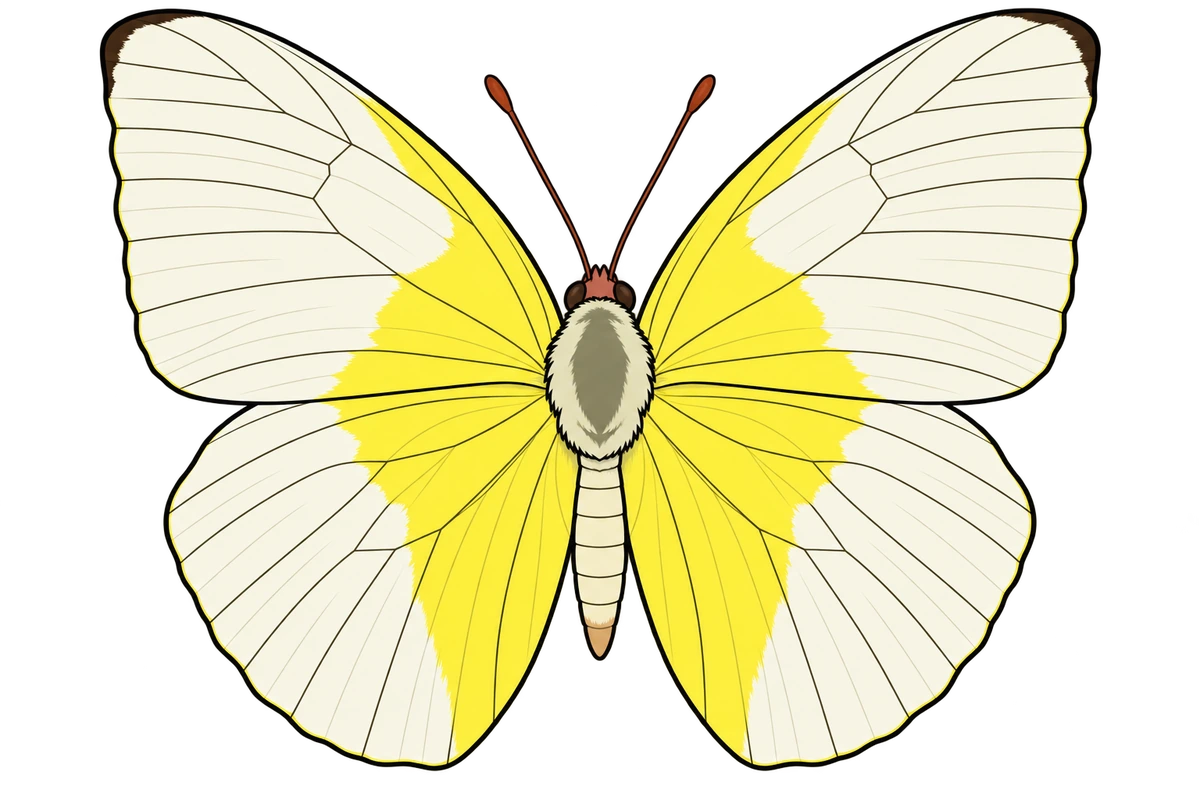
Catopsilia pomona
Catopsilia pomona, the lemon emigrant, has pale cream and yellow wings. Indian studies document larval hosts, seasonal survival and pre-monsoon dispersal associated with reproductive investment.
Explore the guide →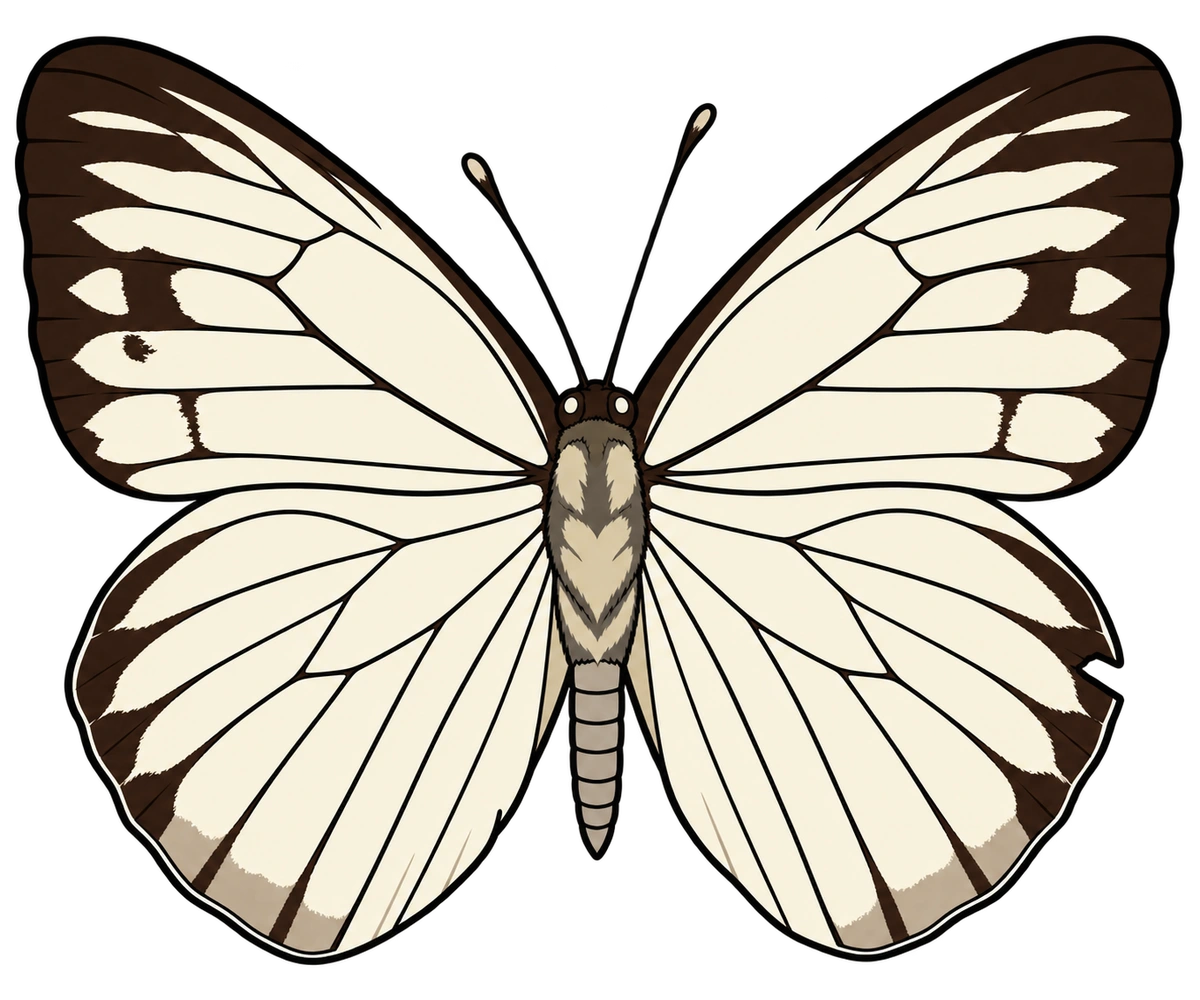
Cepora nerissa
Cepora nerissa, the common gull, has cream wings with dark veins and margins and a yellow-toned underside. Indian accounts document seasonal variation, open-country habitats, larval hosts and adult nectar visits.
Explore the guide →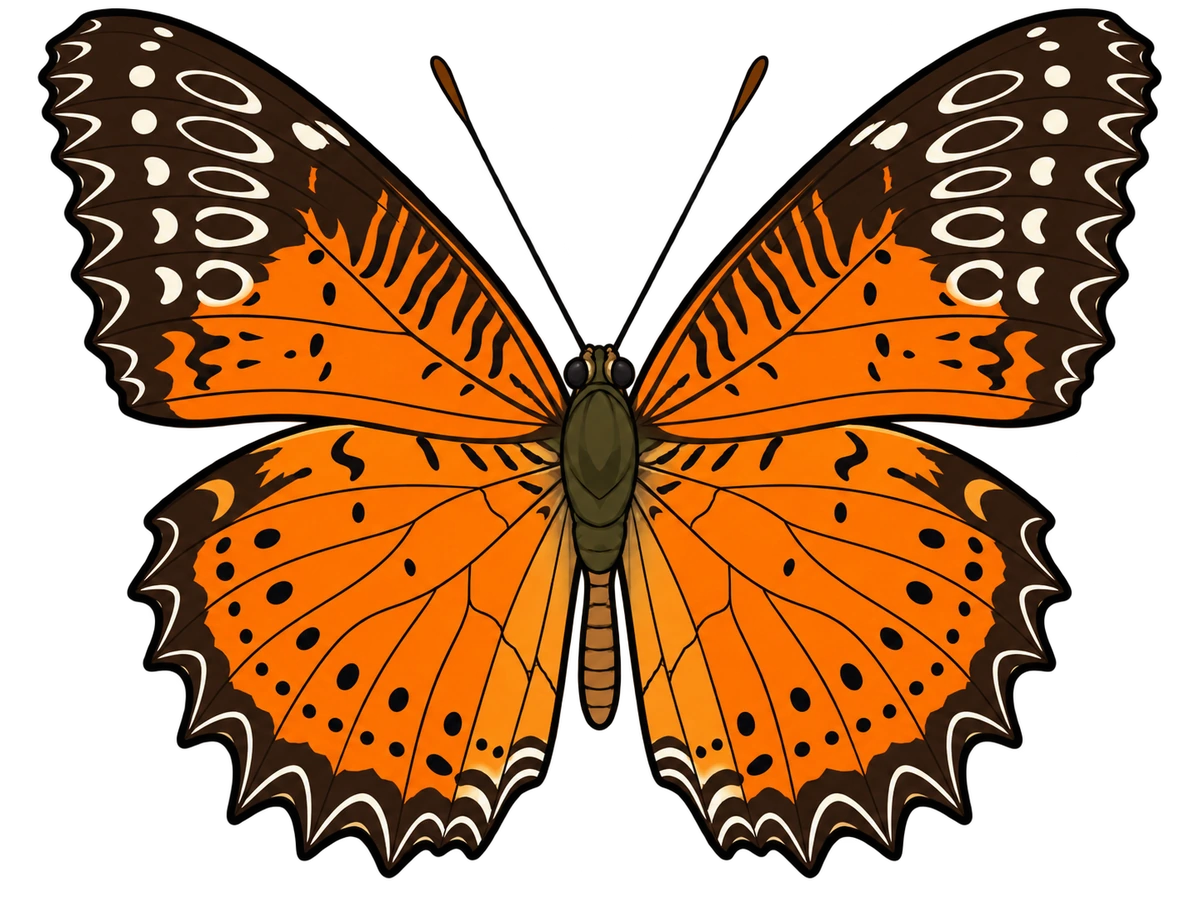
Cethosia biblis
Cethosia biblis combines warm wing colours with intricate light-and-dark margins. A Xishuangbanna study documents clustered eggs, gregarious larvae, named Adenia hosts and adult feeding at flowers and rotting fruit.
Explore the guide →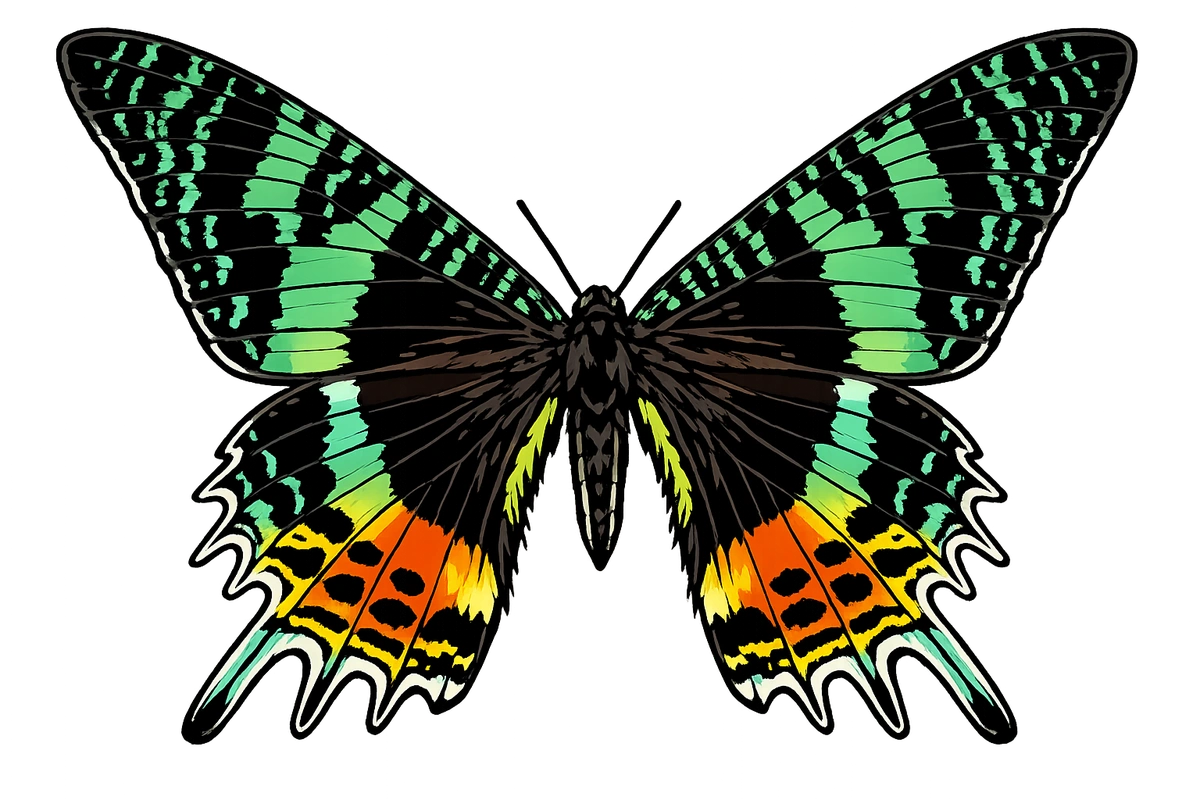
Chrysiridia rhipheus
Chrysiridia rhipheus, the Madagascan sunset moth, flies by day. Its iridescent colours arise from microscopic layers within the wing scales, while compounds acquired from Omphalea hosts contribute to its chemical defence.
Explore the guide →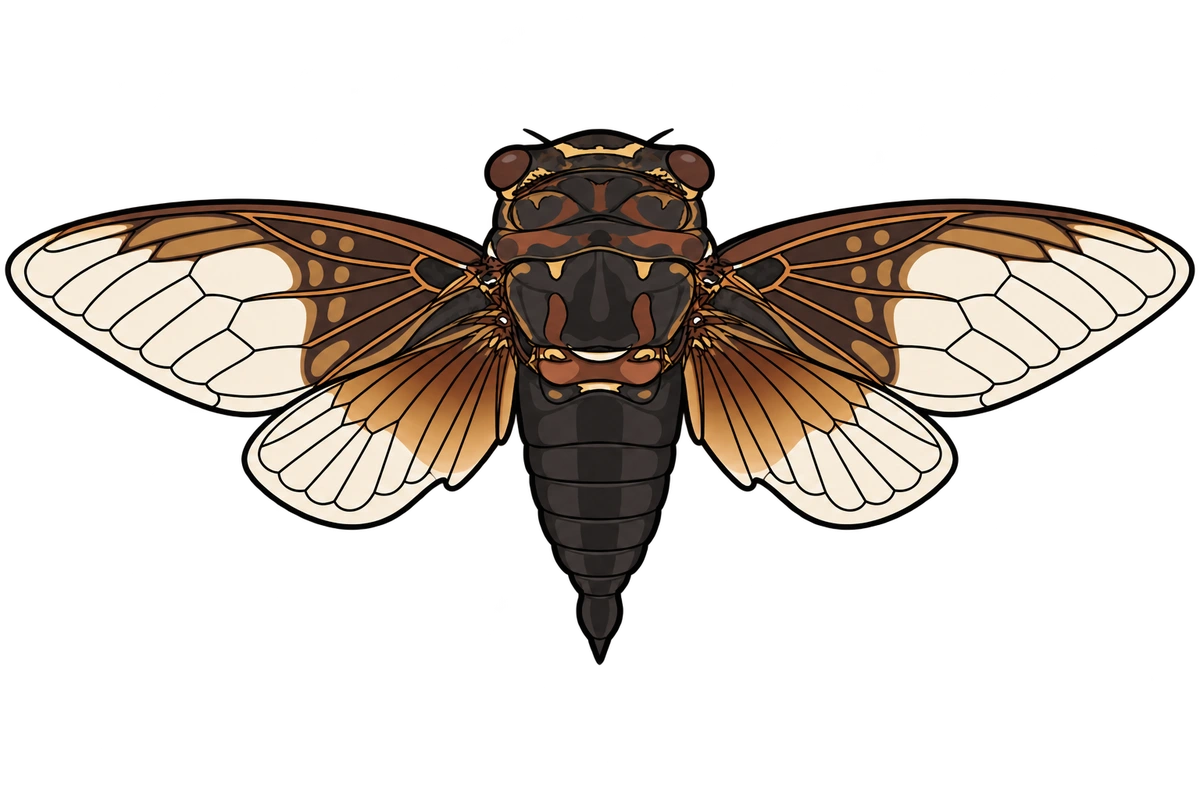
Cryptotympana aquila
Cryptotympana aquila is a Southeast Asian cicada with a glossy dark upper body, an orange-brown underside and partly transparent wings. Malaysian recordings document its structured song, and laboratory research has measured bacterial killing on its forewing surfaces.
Explore the guide →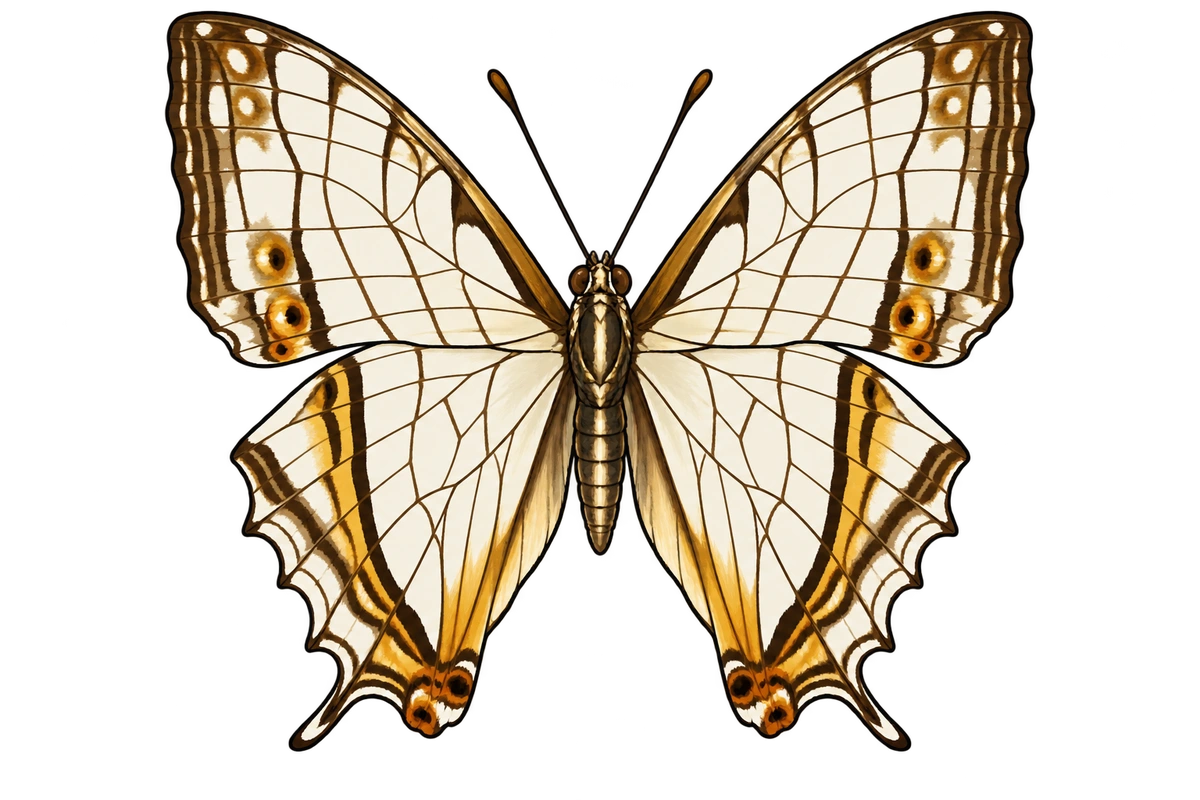
Cyrestis thyodamas
Cyrestis thyodamas has pale wings crossed by fine, dark, map-like markings. Hong Kong accounts describe year-round adult occurrence near the ground, while a Taiwanese museum records Ficus ampelas as a larval host of the formosana subspecies.
Explore the guide →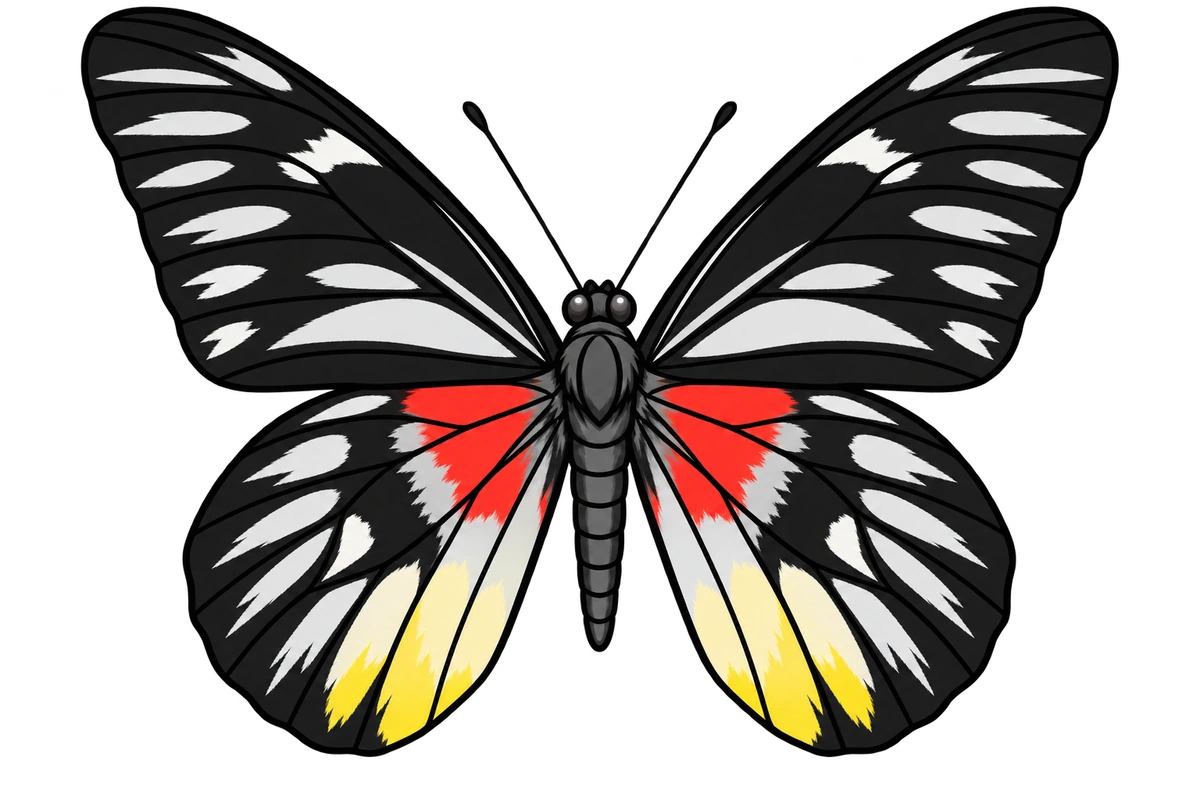
Delias acalis
Delias acalis is an Asian jezebel distinguished in the specialist comparison by a large red area at the base of the upper hindwing. Its regional forms occur from the Himalayas and southern India through mainland Southeast Asia to the Malay Peninsula and southern China.
Explore the guide →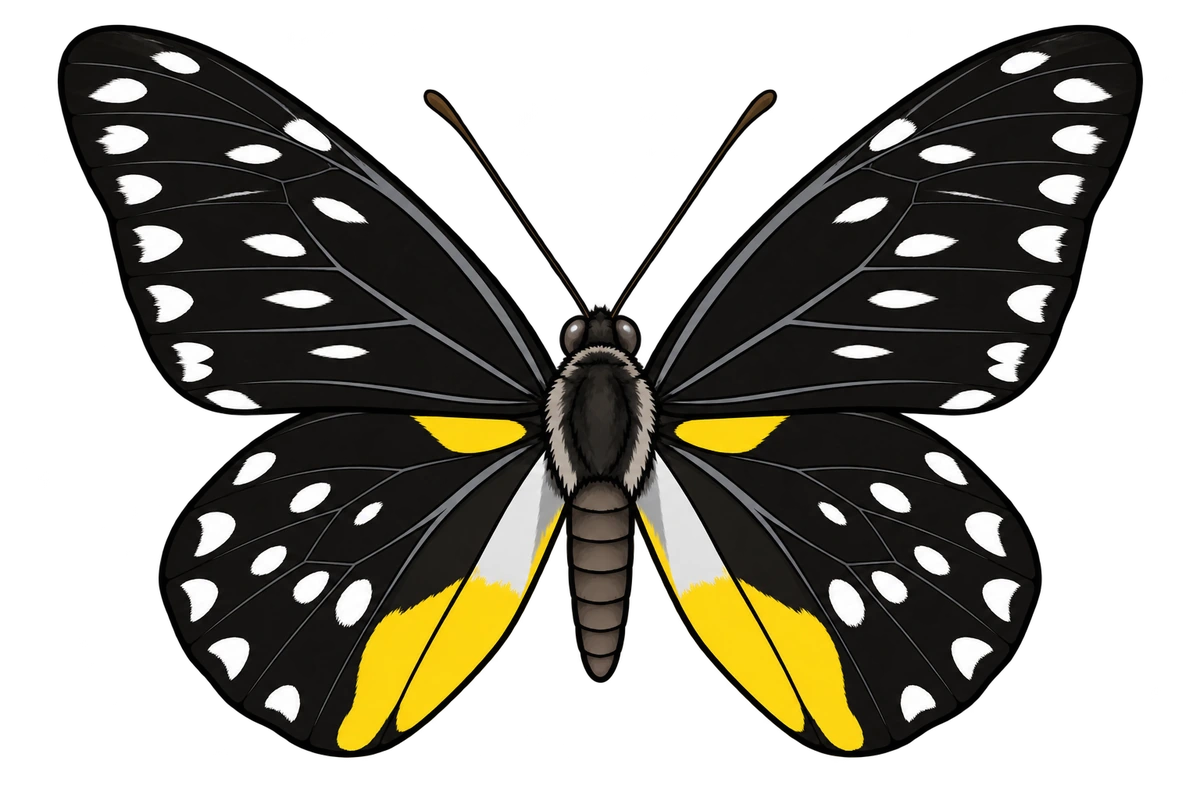
Delias belladonna
Delias belladonna, the Hill Jezebel, has dark wings marked with white and yellow. Its yellow underside hindwing cell patch is a key character in the specialist diagnosis; Indian records describe Dendrophthoe-feeding larvae, adult flower visits and male puddling.
Explore the guide →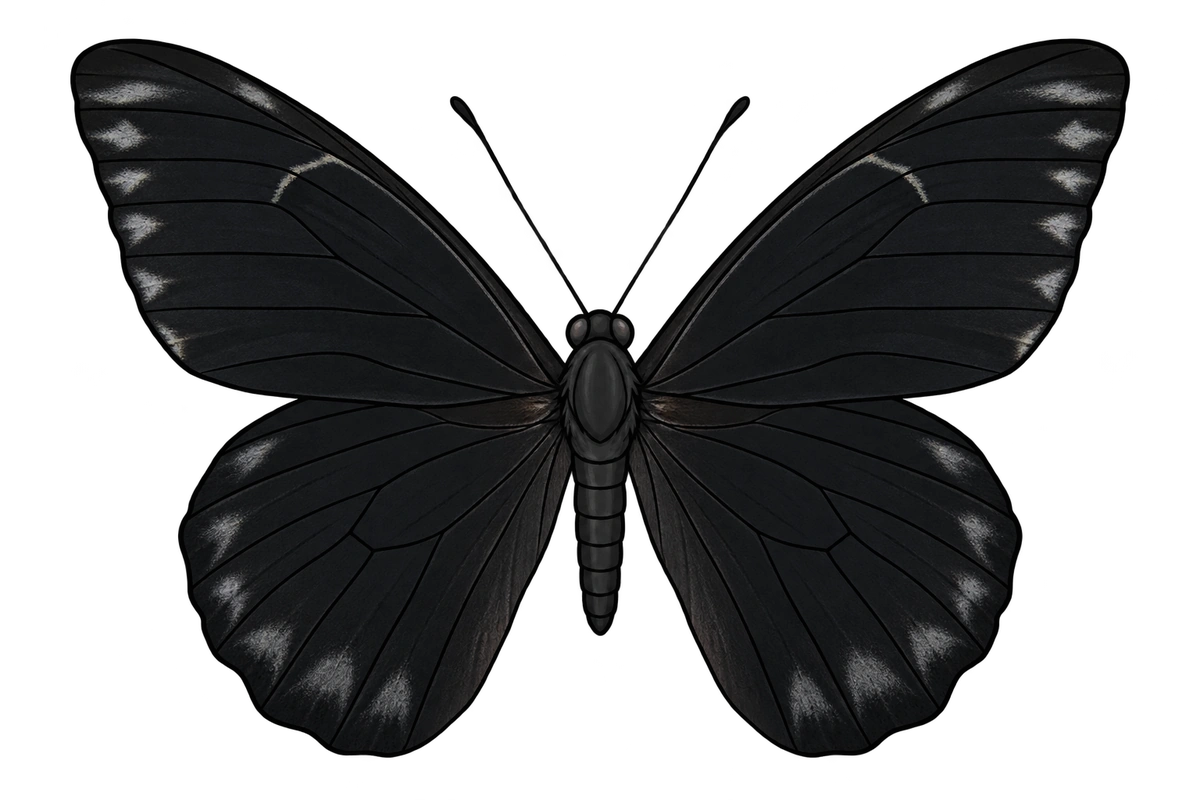
Delias benasu
A Sulawesi jezebel whose sexes differ markedly: the male is grey-black with a bluish cast, while the female bears broad whitish bands crossed by dark veins.
Explore the guide →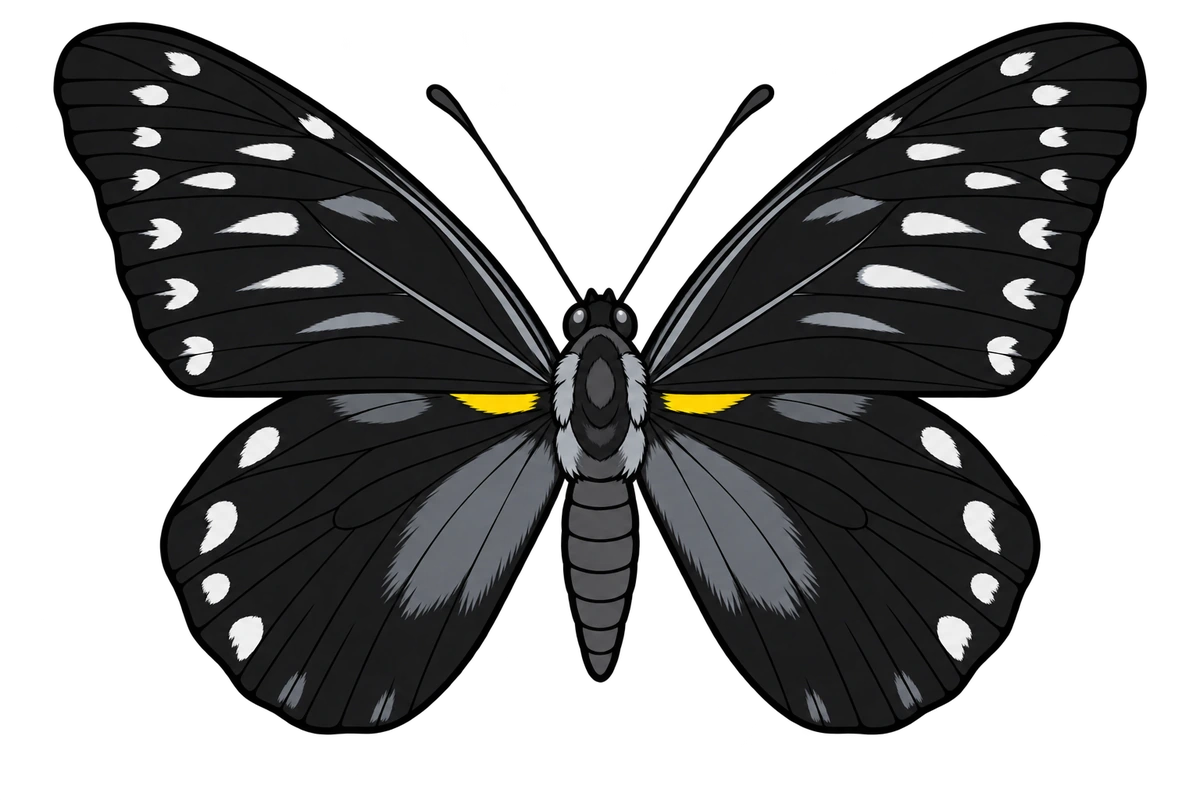
Delias berinda
A Himalayan and mainland Asian jezebel with geographically variable markings, closely resembling Delias sanaca.
Explore the guide →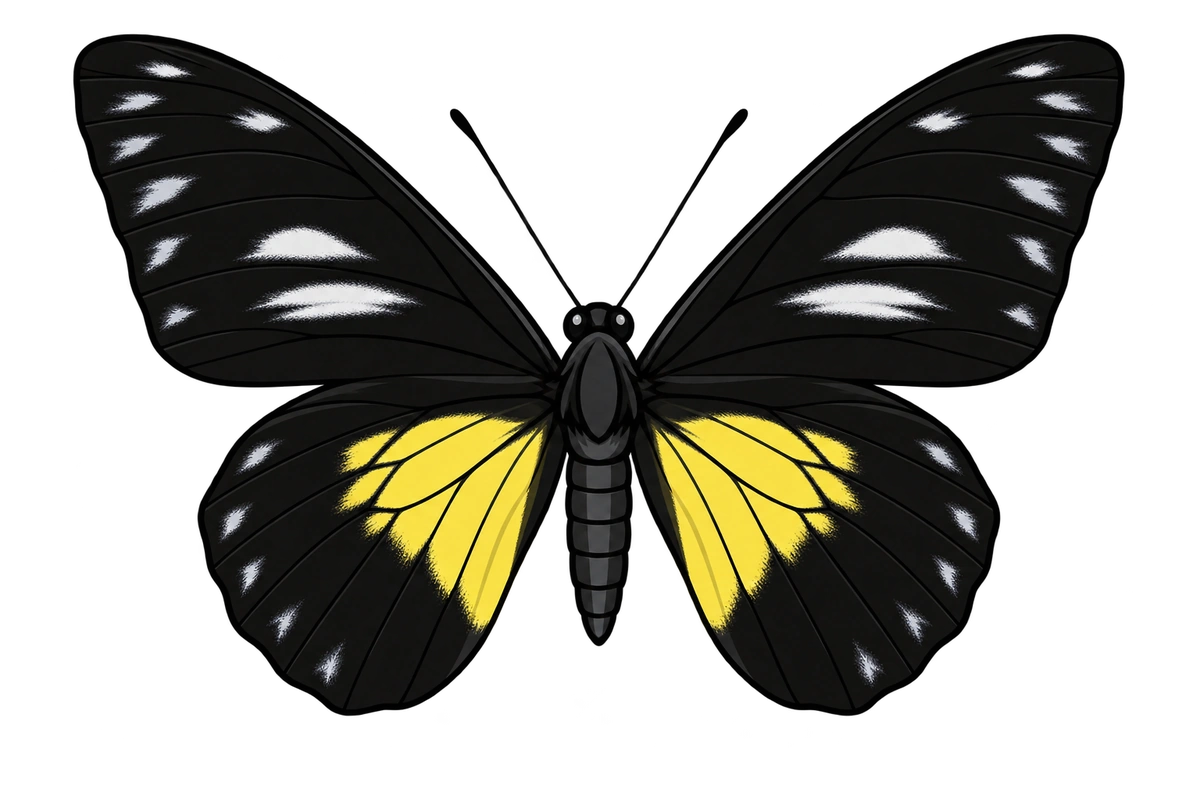
Delias blanca
A Philippine and northern Bornean jezebel with pale forewing streaks and vein-divided lemon-yellow markings on the hindwings.
Explore the guide →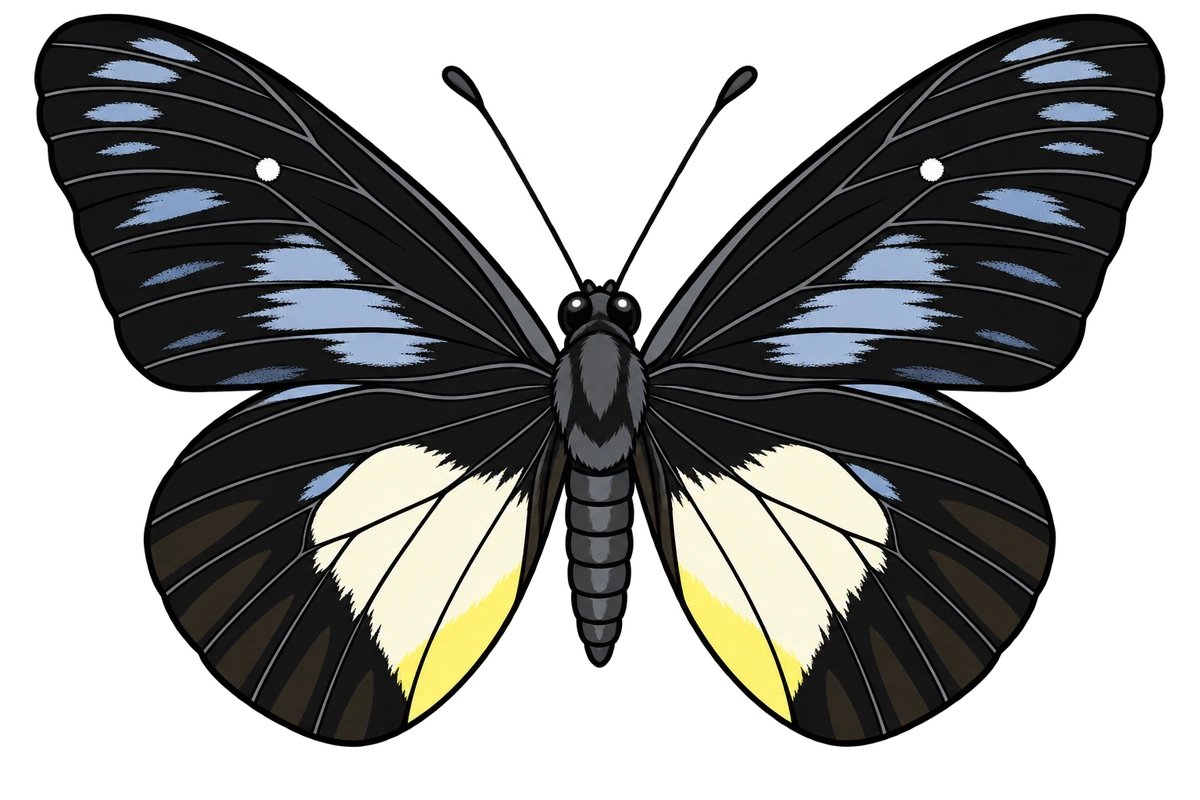
Delias crithoe
An Indonesian jezebel with a yellow hindwing underside and broad red basal band, represented by geographically named island and mountain populations.
Explore the guide →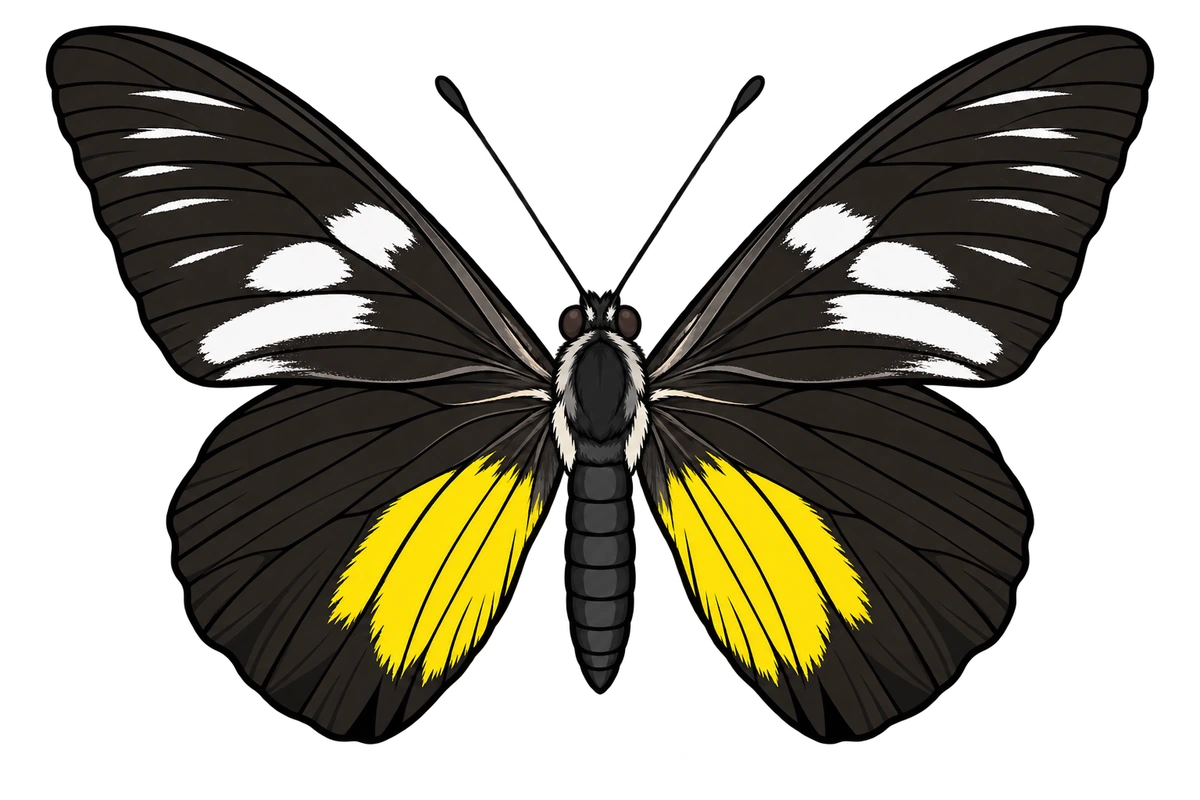
Delias henningia
A Philippine and Bornean jezebel whose larvae use Glochidion zeylanicum, a documented departure from mistletoe feeding within Delias.
Explore the guide →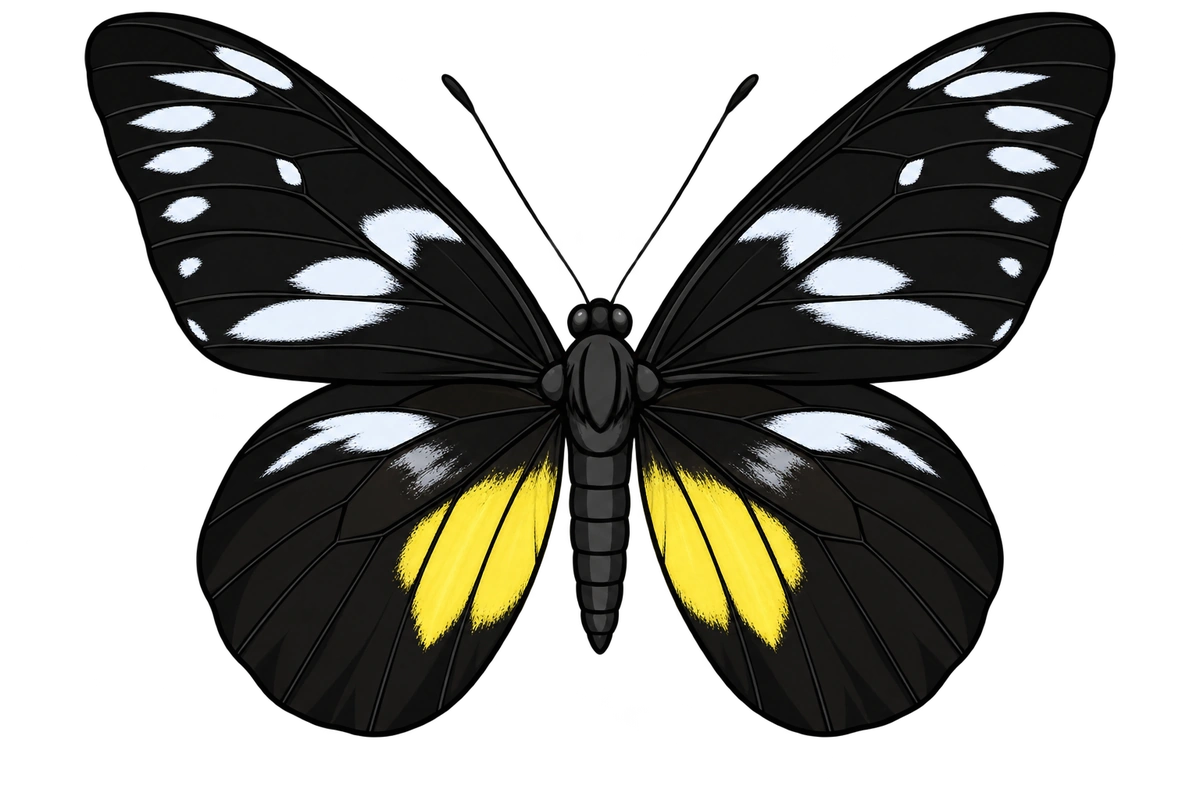
Delias hidecoae
A Philippine jezebel recorded from Mount Halcon on Mindoro, described by Nakano in 1993.
Explore the guide →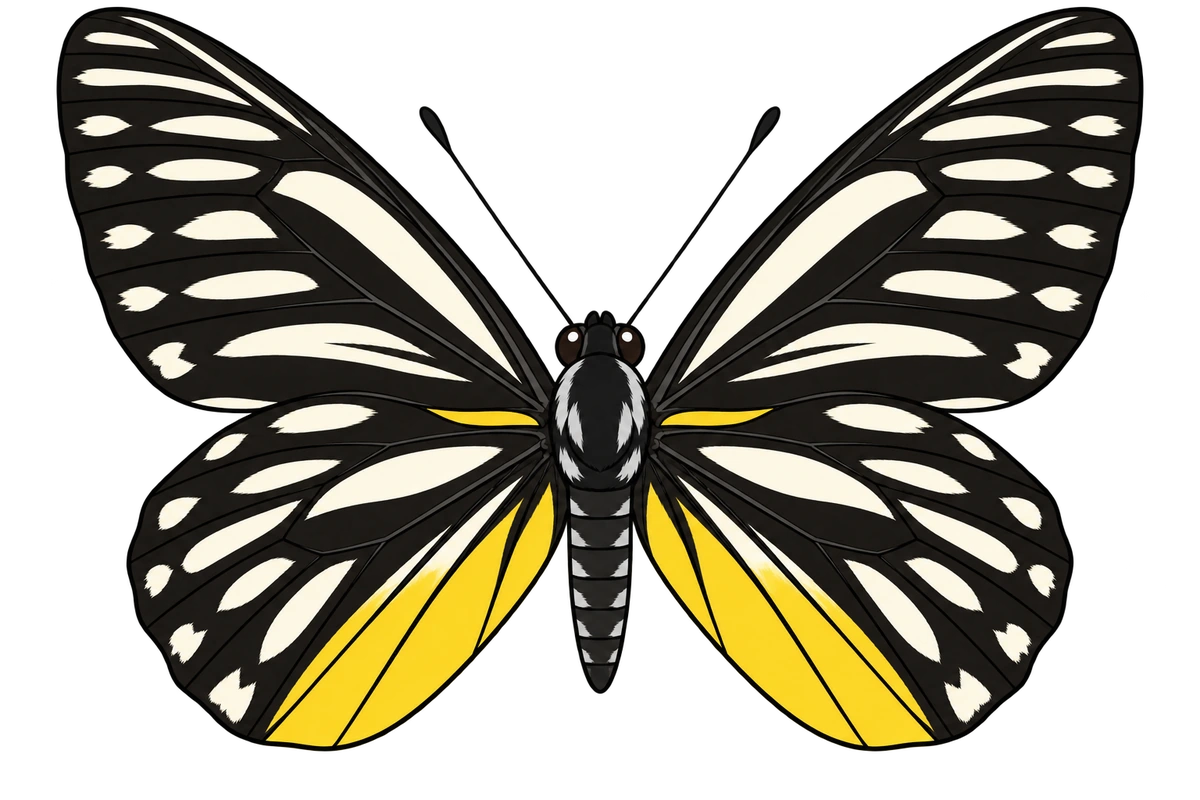
Delias lativitta
An Asian jezebel with a white patch in the central cell of the upper hindwing; Taiwan’s formosana has communal, mistletoe-feeding larvae.
Explore the guide →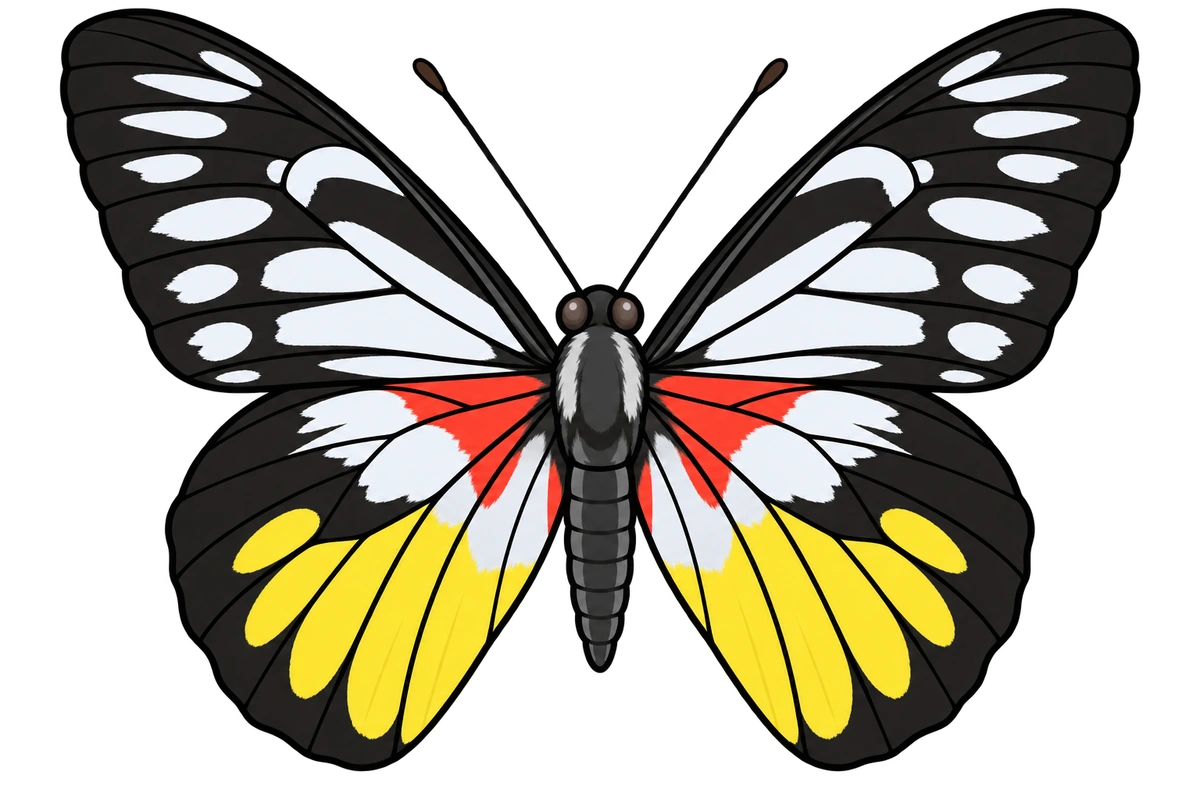
Delias ninus
A Southeast Asian jezebel whose male hindwings combine a red basal mark, a bluish-grey band and an ochre-yellow inner corner.
Explore the guide →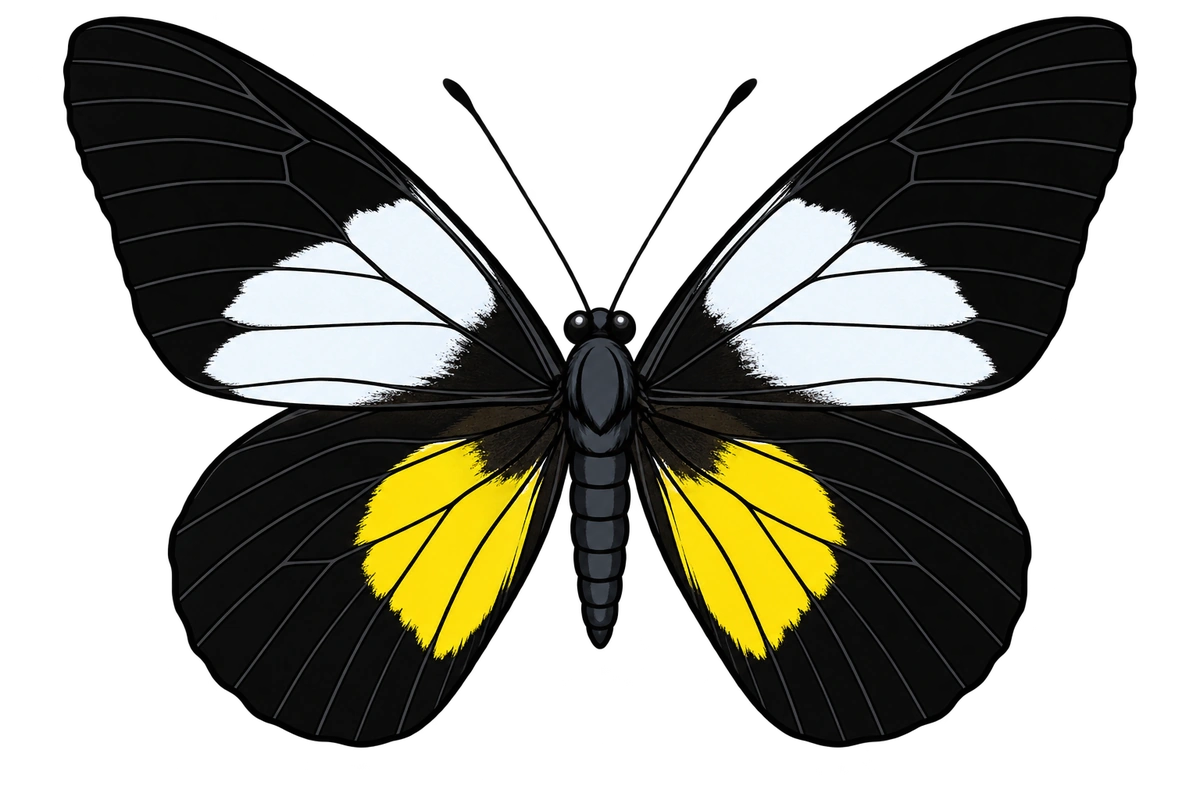
Delias ottonia
A Philippine jezebel with contrasting forewing bands and yellow hindwing patches; named populations occur on Mindanao and Basilan.
Explore the guide →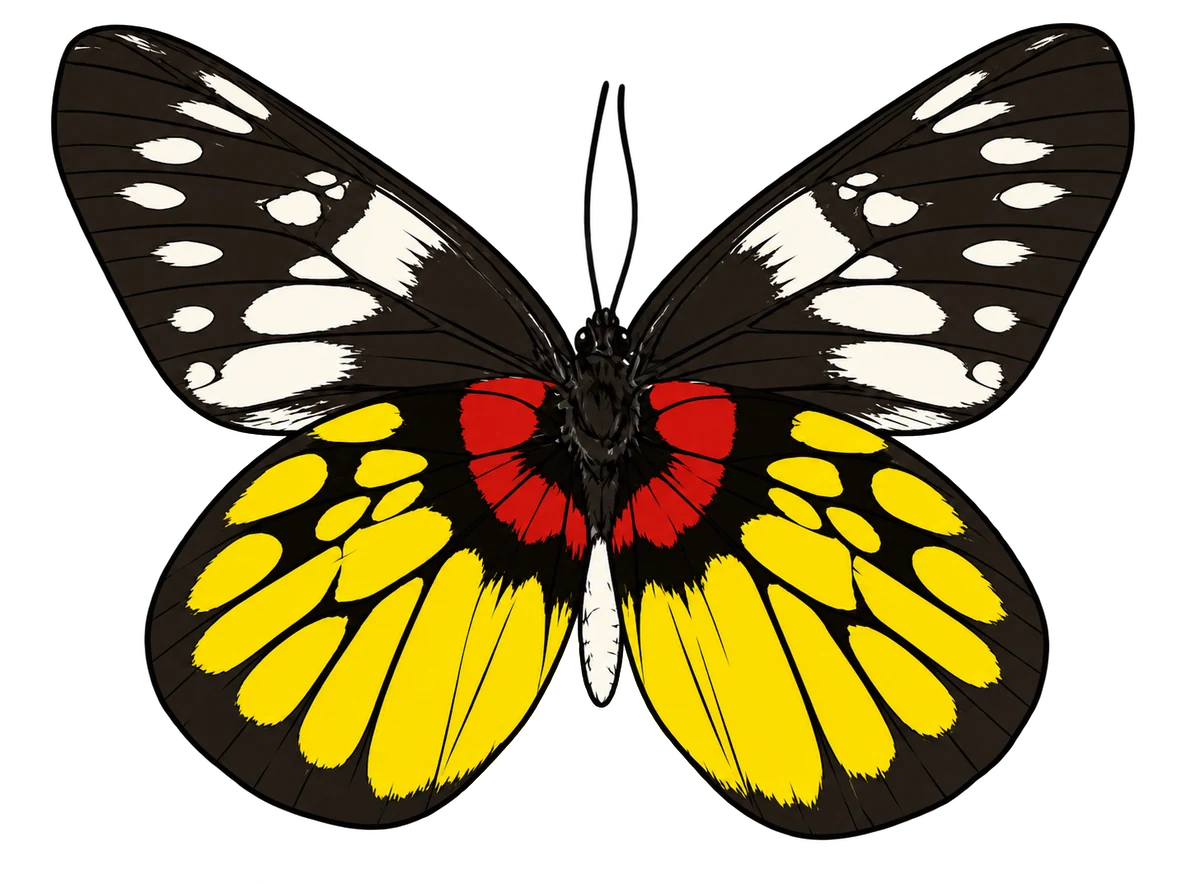
Delias pasithoe
The Red-base Jezebel has a red patch at the base of the hindwing underside. Taiwan’s curasena lays clustered eggs and has communal, mistletoe-feeding caterpillars.
Explore the guide →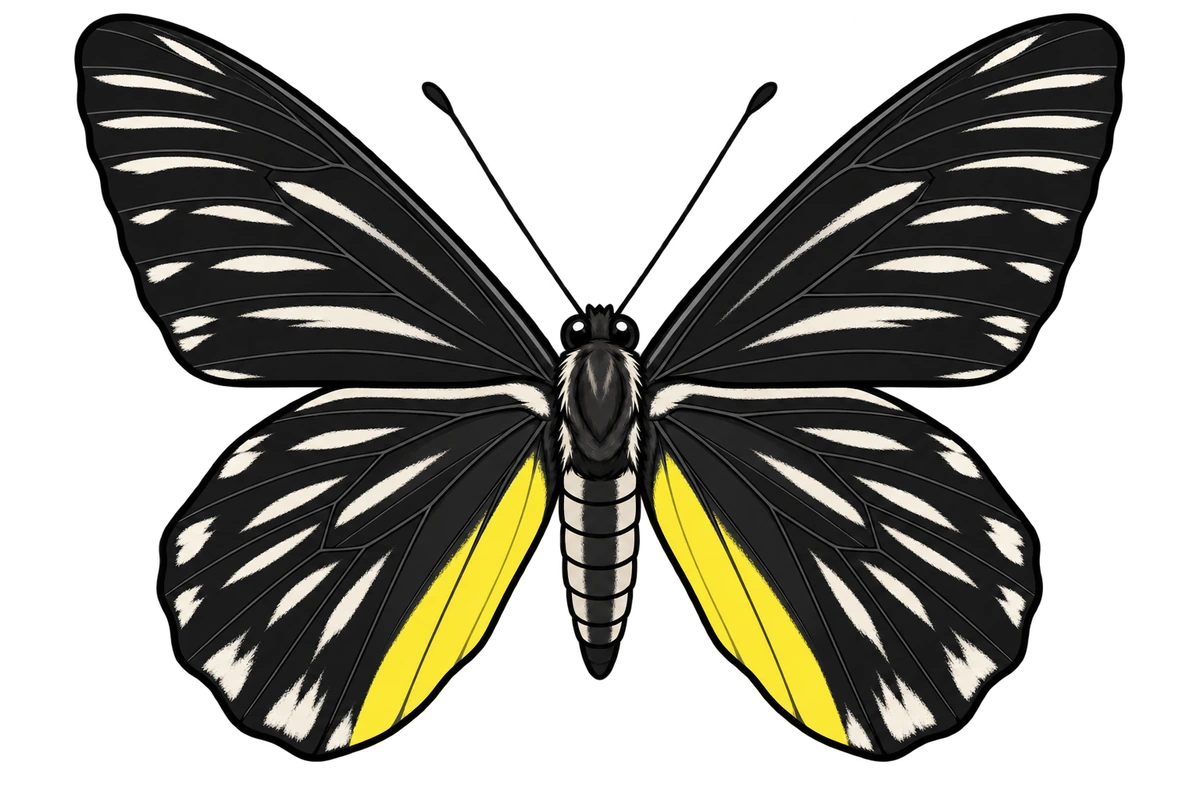
Delias patrua
An Asian jezebel with a dark ground and pale or yellow markings. The eastern Lao subspecies laotiana has smaller, more restricted markings than other named populations.
Explore the guide →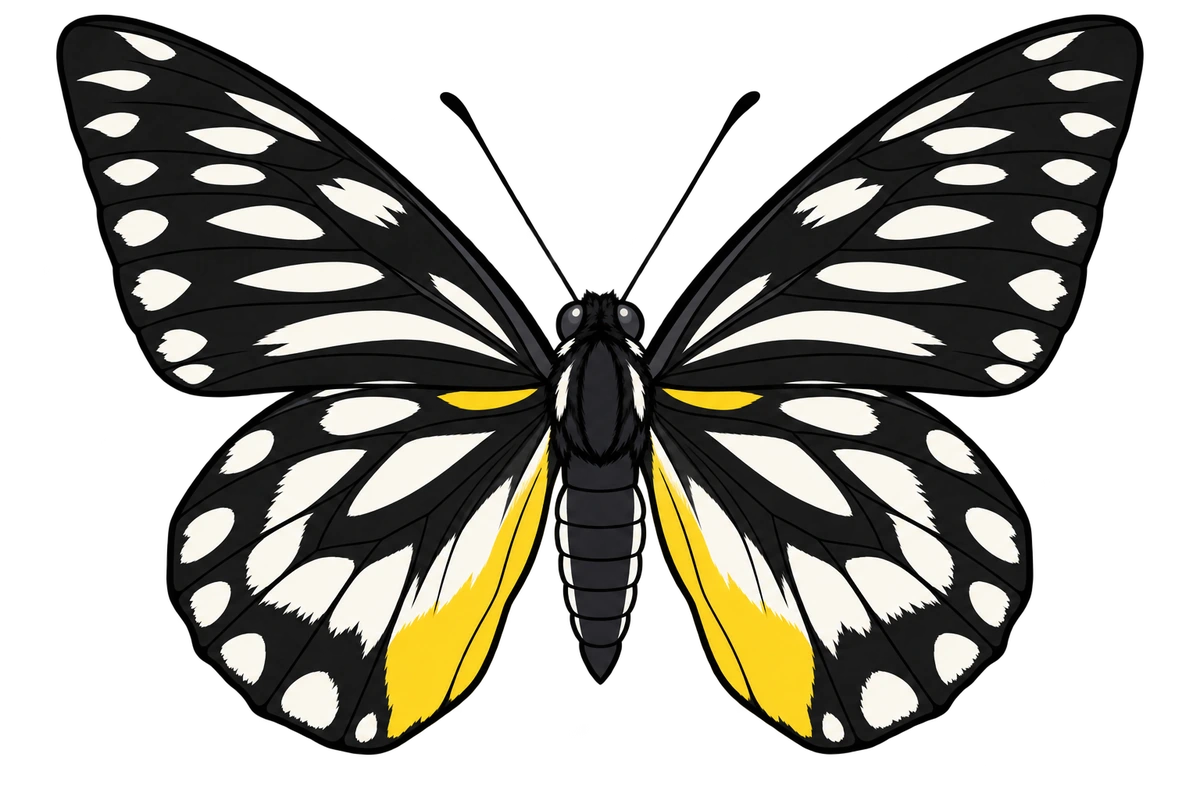
Delias sanaca
A Himalayan and mainland Southeast Asian jezebel with pale and yellow wing markings. The Vietnamese subspecies bidoupa was described from females collected near Mount Bi Doup.
Explore the guide →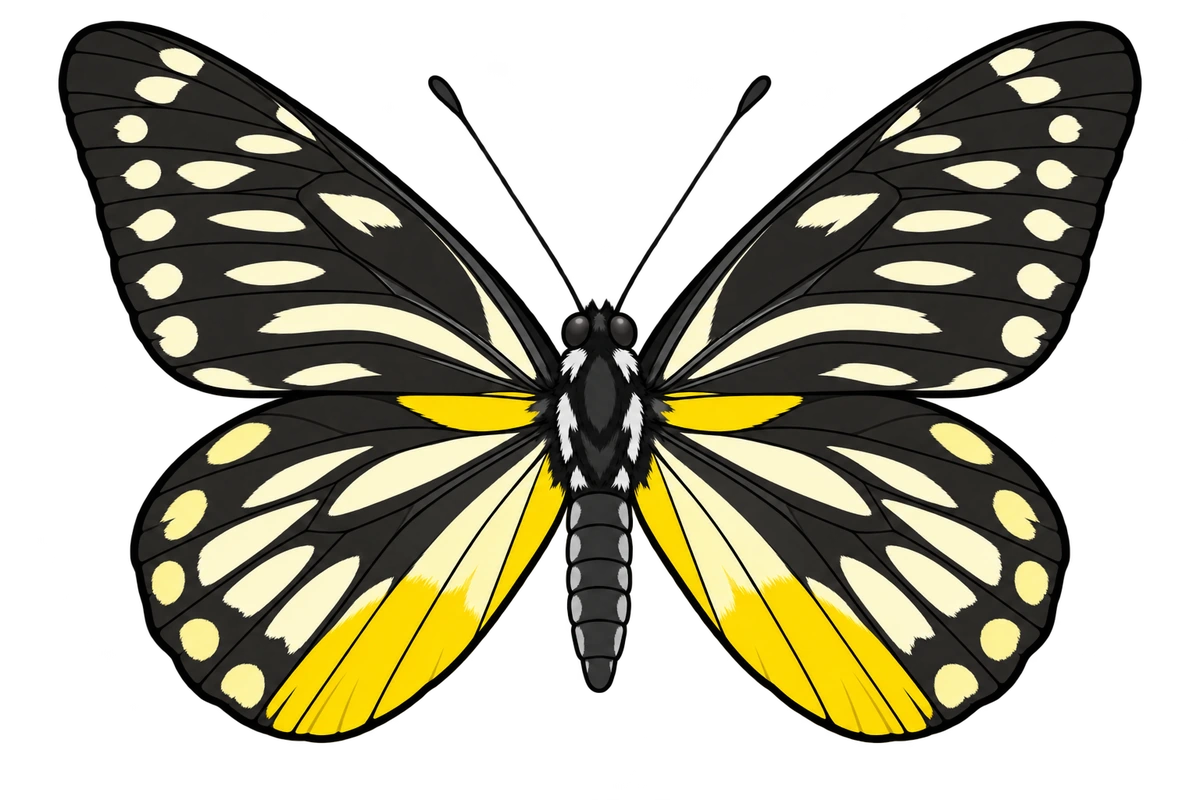
Delias subnubila
A western Chinese jezebel distinguished from Delias wilemani by the absence of its large yellow dorsal hindwing patch between the central and outer markings.
Explore the guide →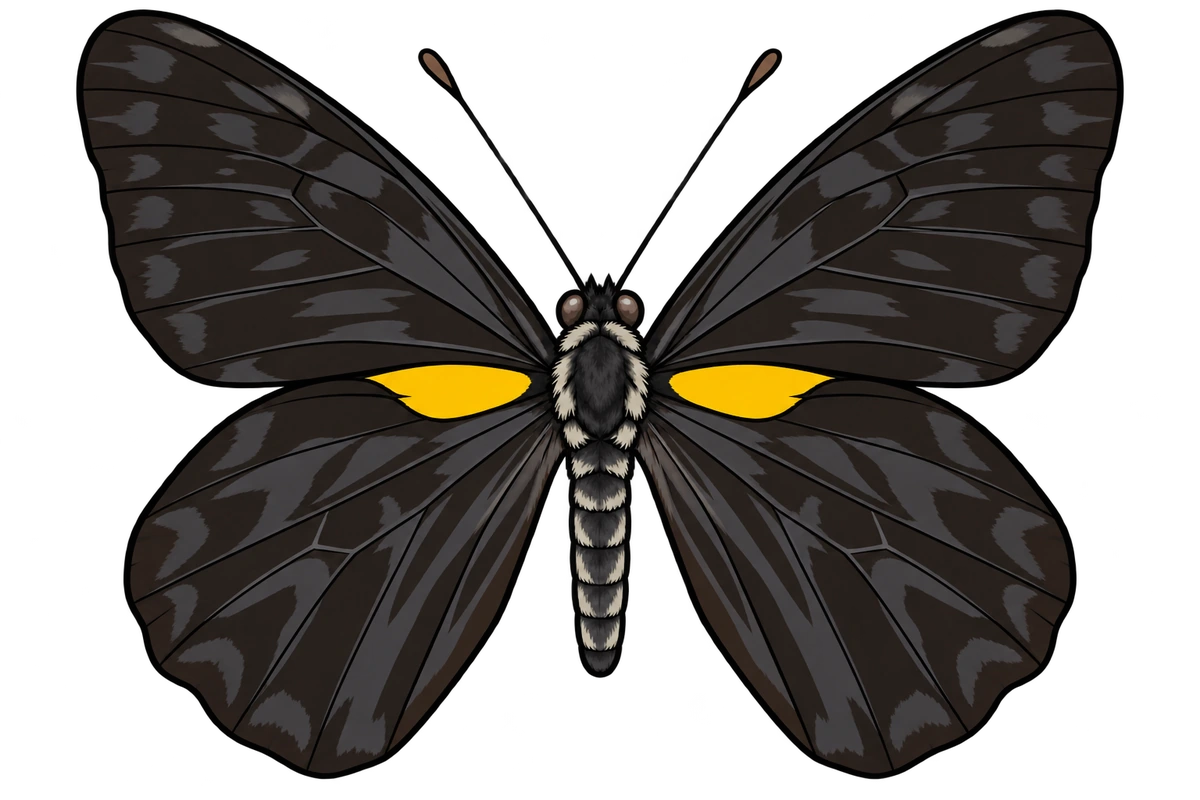
Delias surprisa
A Sulawesi jezebel with greenish-grey upper-wing colouring and large central and outer spots on the hindwing underside.
Explore the guide →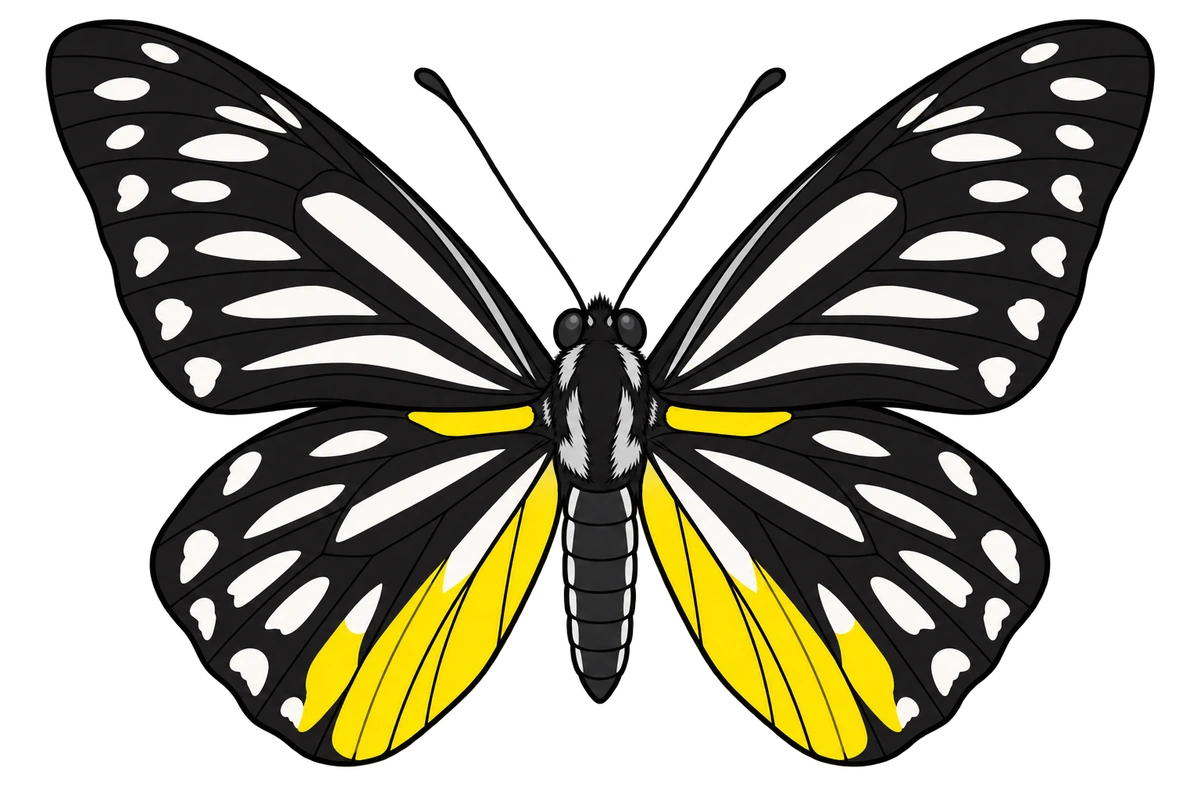
Delias wilemani
A Taiwanese jezebel with a prominent yellow dorsal hindwing patch. Its communal larvae feed on mistletoes, and its pupa has paired curved dorsal projections.
Explore the guide →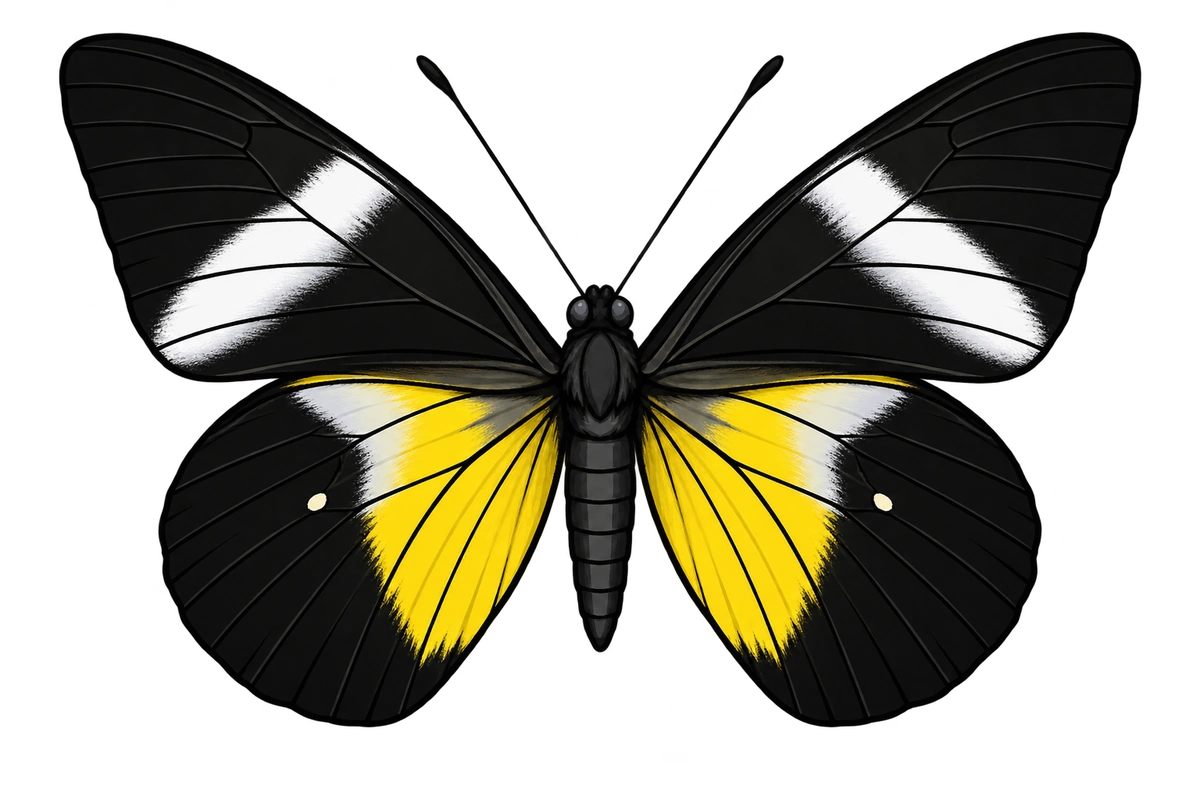
Delias woodi
A Mindanao jezebel with compact wing proportions and clearly defined forewing markings. Named populations occur around Mount Apo, Mount Kitanglad and Mount Parker.
Explore the guide →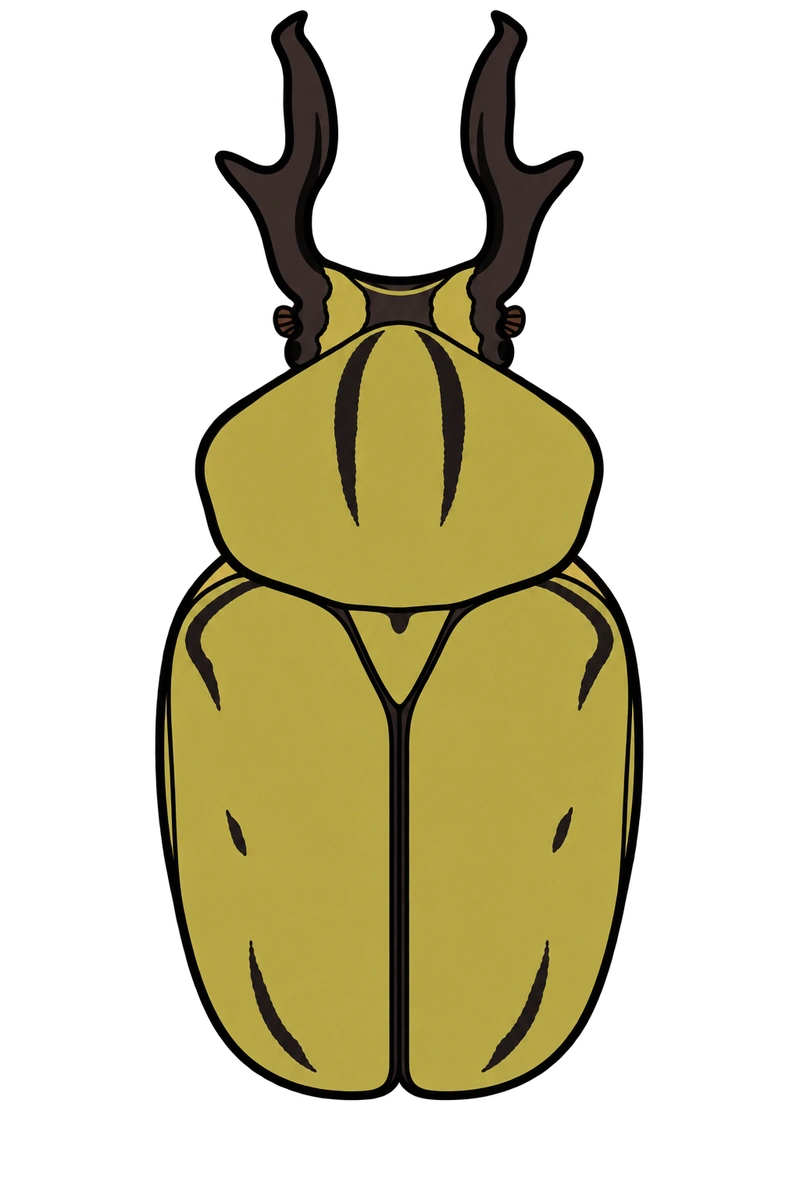
Dicronocephalus wallichi
An antler-horn flower chafer whose males use their forelegs and horns in contests. Females prepare leaf-provisioned nests that support early larval development.
Explore the guide →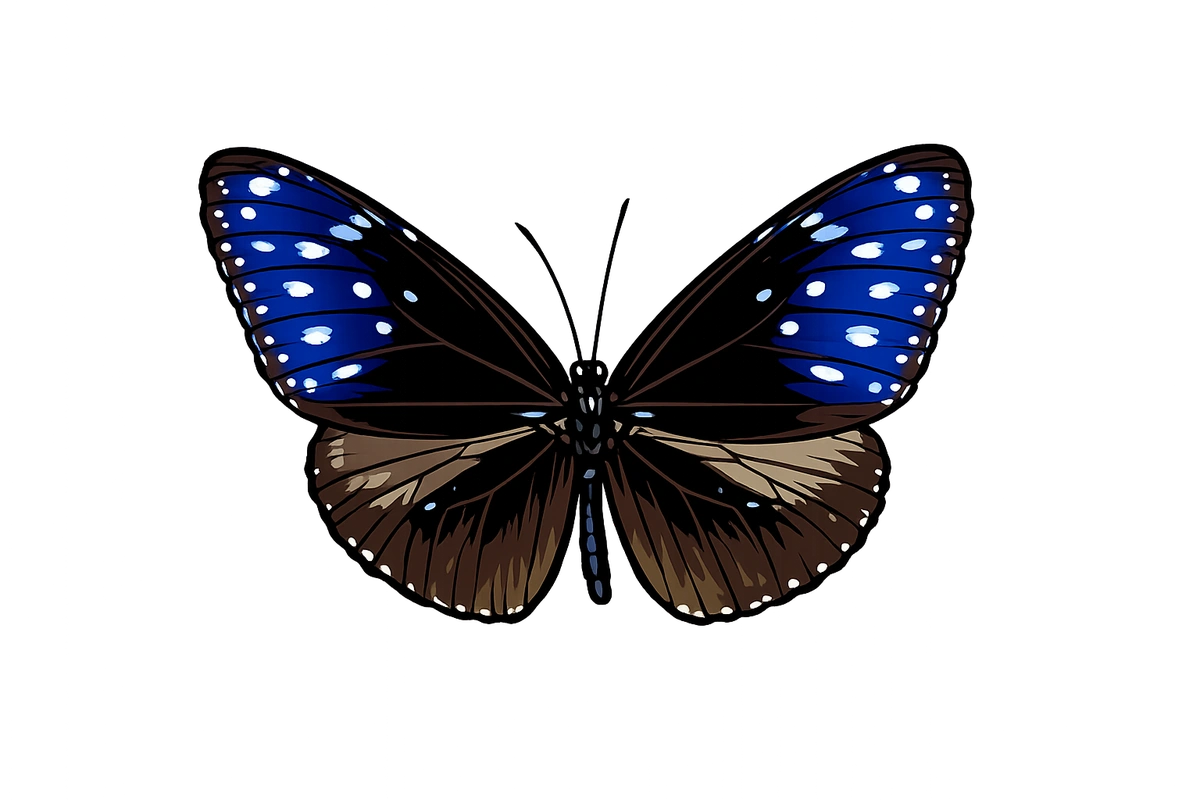
Euploea mulciber
The Striped Blue Crow combines conspicuous blue male forewings with fine white hindwing streaks in the female. Singapore accounts document its development and several larval food plants.
Explore the guide →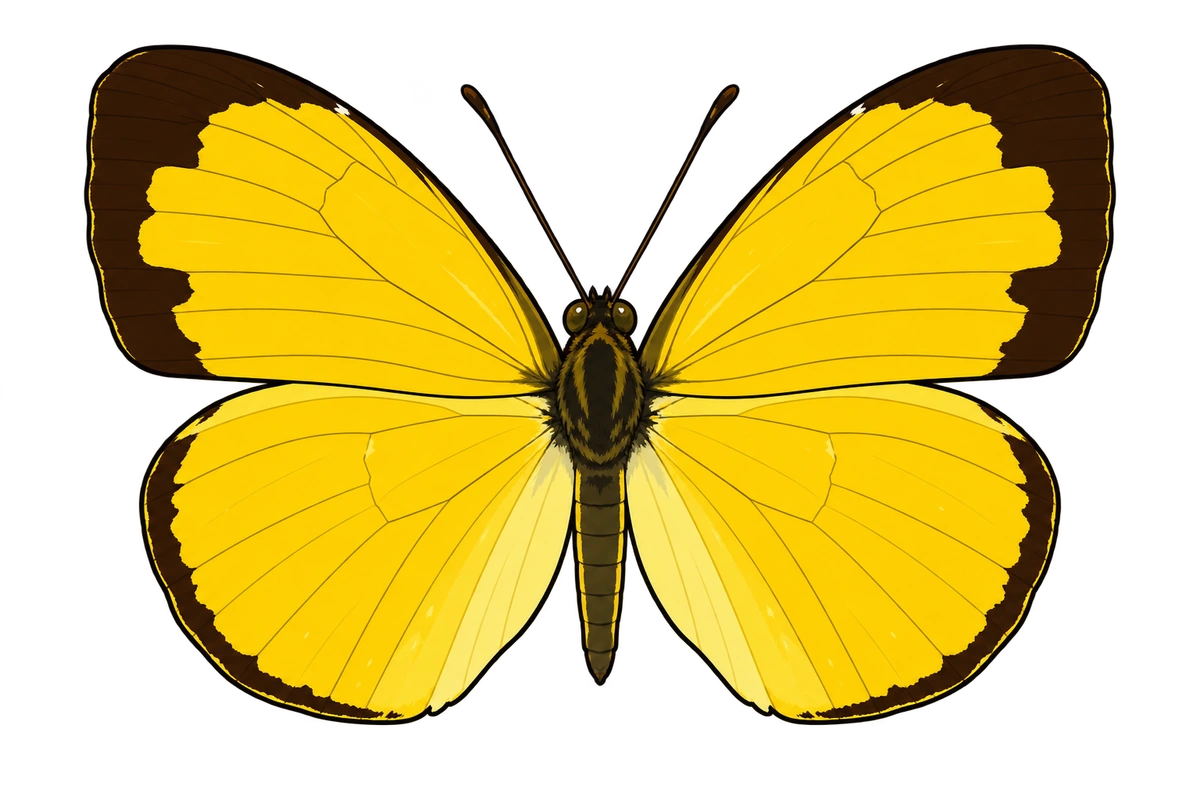
Eurema hecabe
The Common Grass Yellow is a yellow pierid with dark wing borders, found across the Old World tropics. Its caterpillars feed on plants in Fabaceae.
Explore the guide →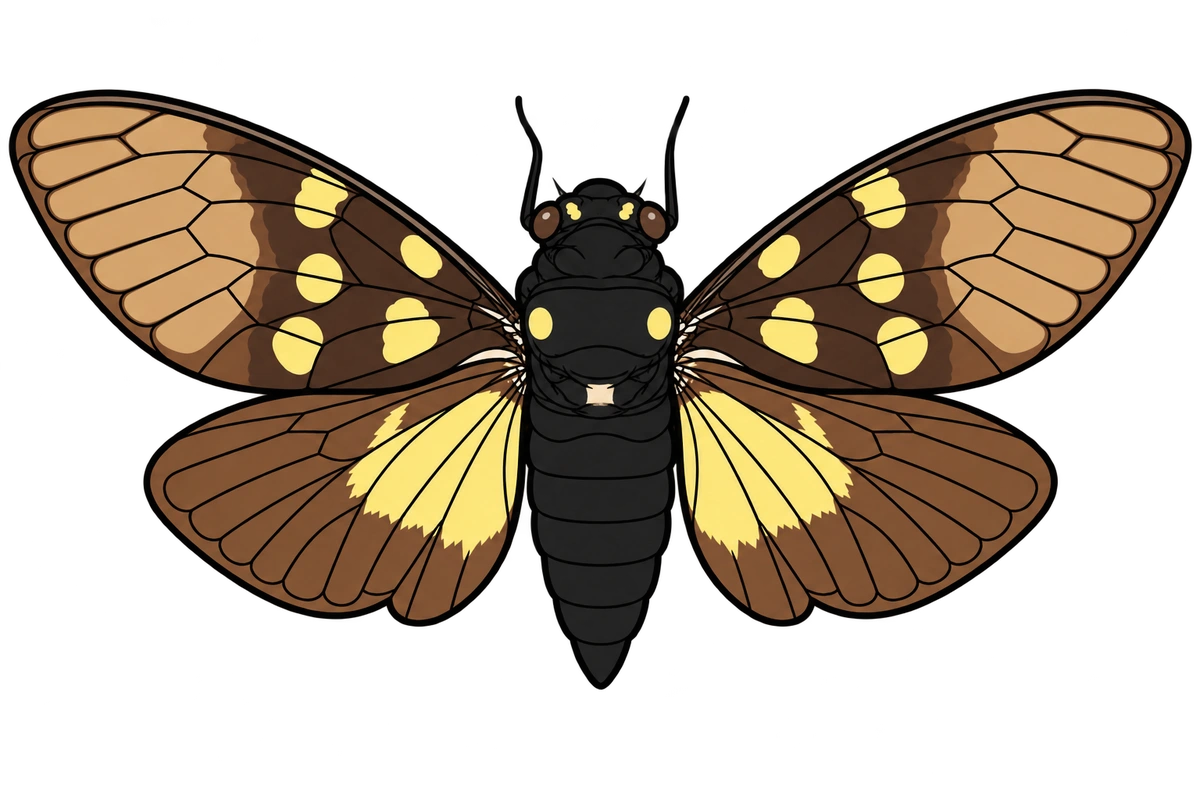
Gaeana maculata
A dark, yellow-patterned cicada currently treated as Gaeana maculata maculata. Northern Thai field observations and wing-surface experiments were published under the name Gaeana cheni.
Explore the guide →
Graphium agamemnon
The Tailed Jay is a swift swallowtail with green-spotted dark wings and short hindwing tails. Regional accounts document larval feeding on Annonaceae.
Explore the guide →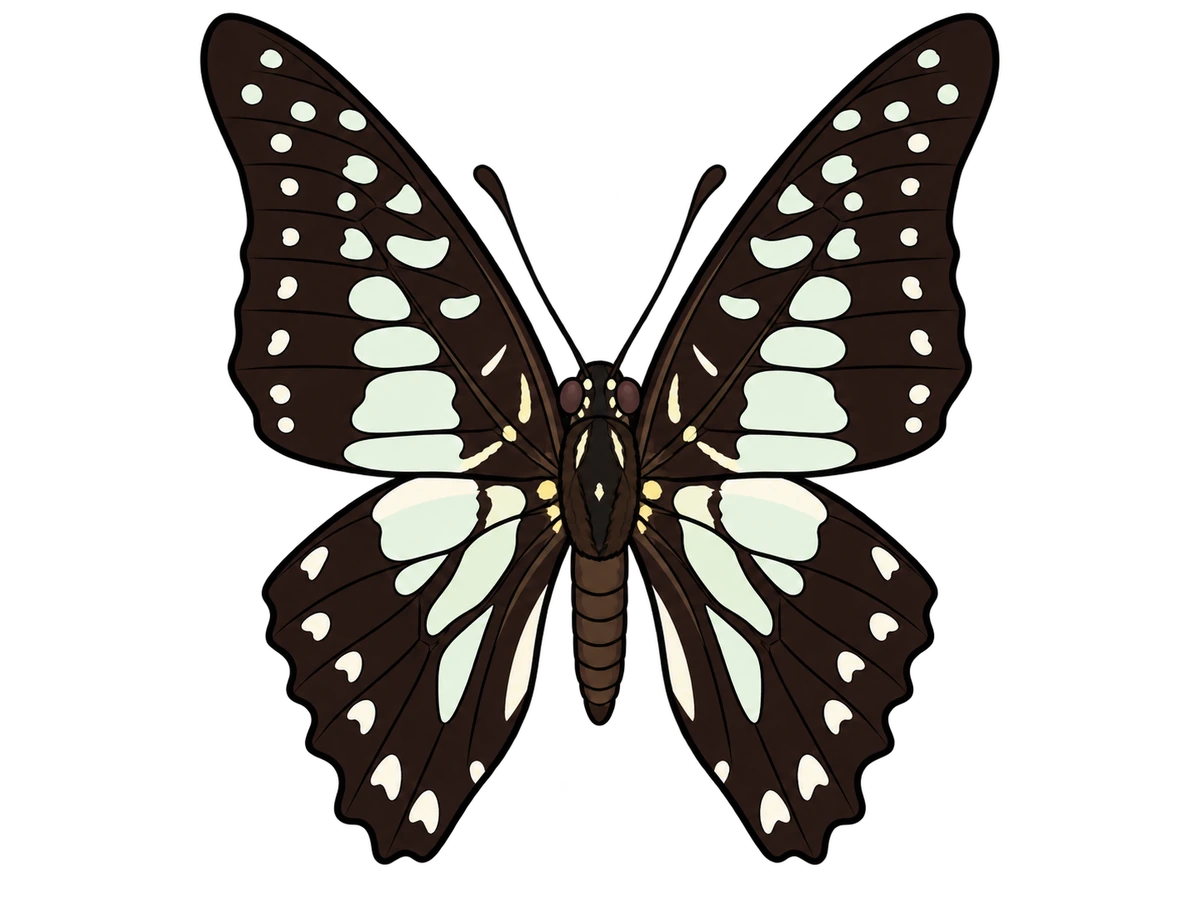
Graphium bathycles
The striped jay has dark wings crossed by segmented pale markings. A 2024 taxonomic study confirmed its distinction from the similar veined jay, Graphium chironides, using adult morphology, male genitalia and mitochondrial DNA.
Explore the guide →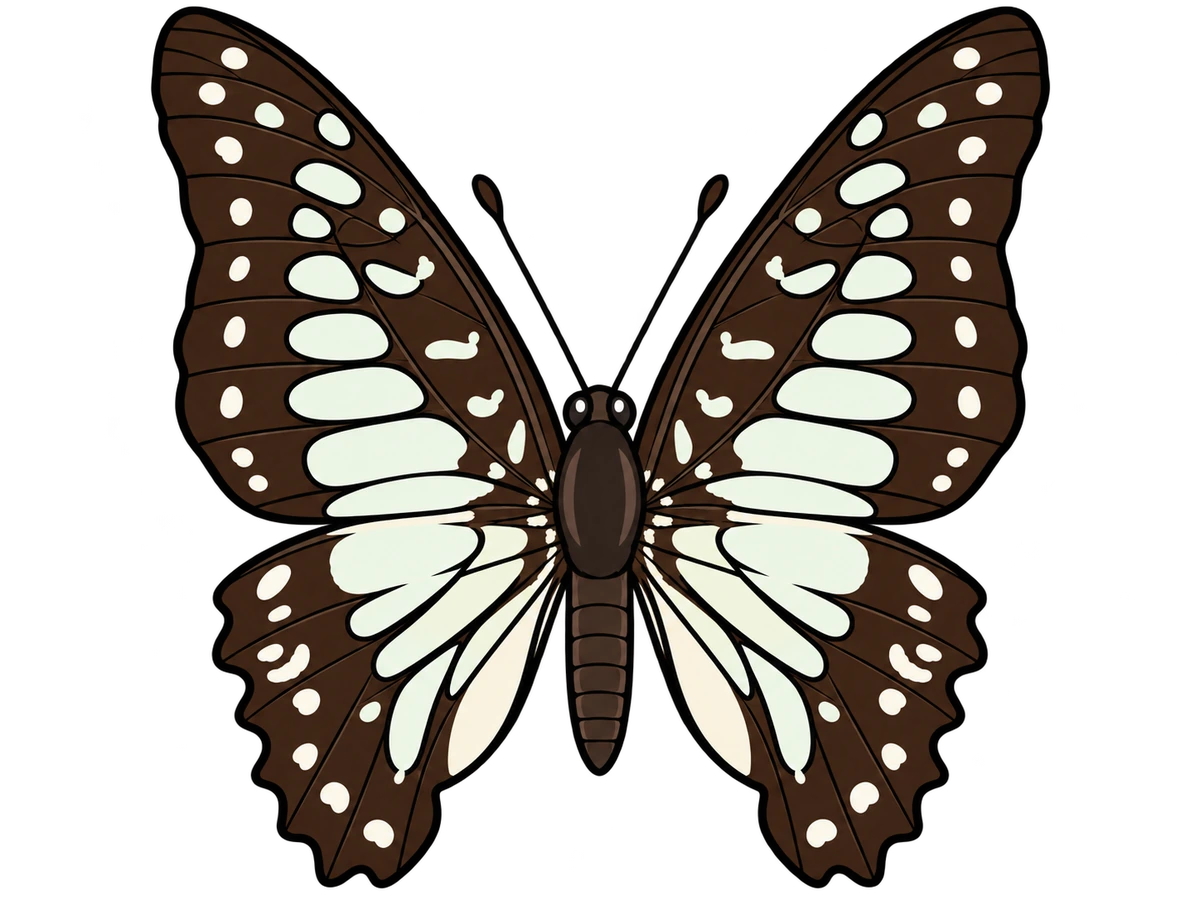
Graphium chironides
The veined jay has dark, tailless wings with segmented pale markings. In the 2024 male comparison, the Malay Peninsula subspecies malayanum has broader discal patches and a less curved forewing than Graphium bathycles bathycloides.
Explore the guide →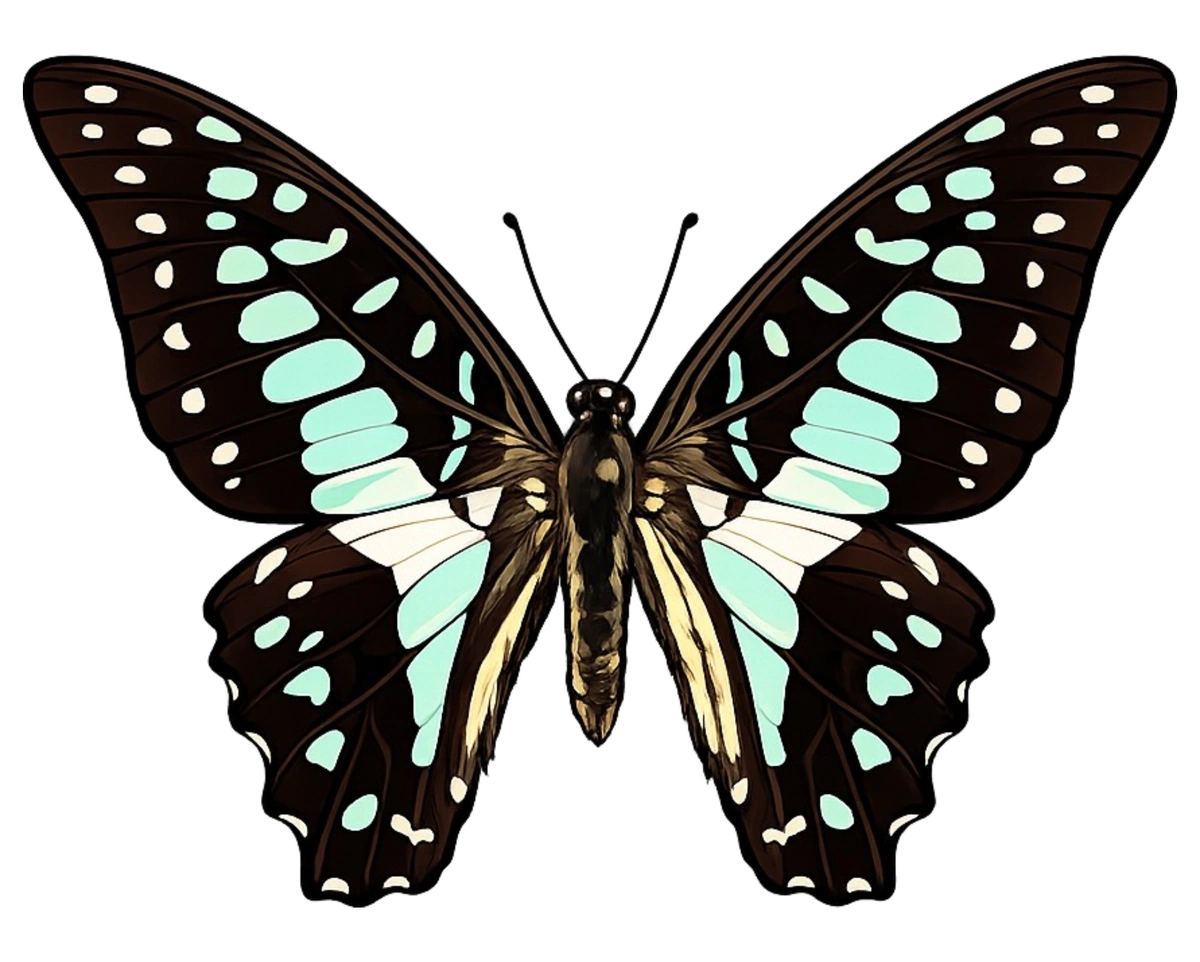
Graphium doson
The common jay has dark wings crossed by pale blue spots. Regional accounts document distinctive underside markings, larval associations with several tree groups and a Vulnerable national assessment for the Singapore subspecies.
Explore the guide →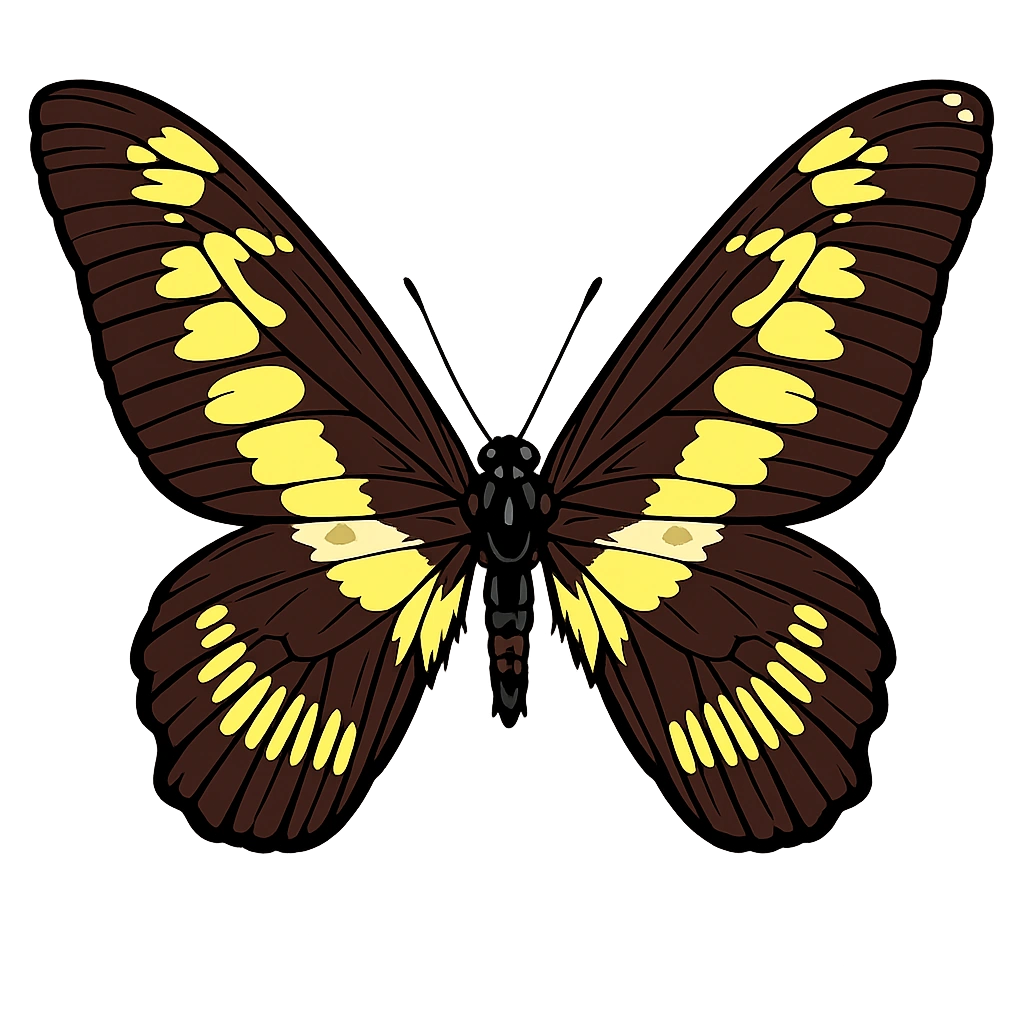
Graphium latreillianus
Graphium latreillianus is a tailless African swallowtail with pale markings above and a metallic copper underside. African accounts associate it with primary forest and document males feeding on damp sand and other moist substrates.
Explore the guide →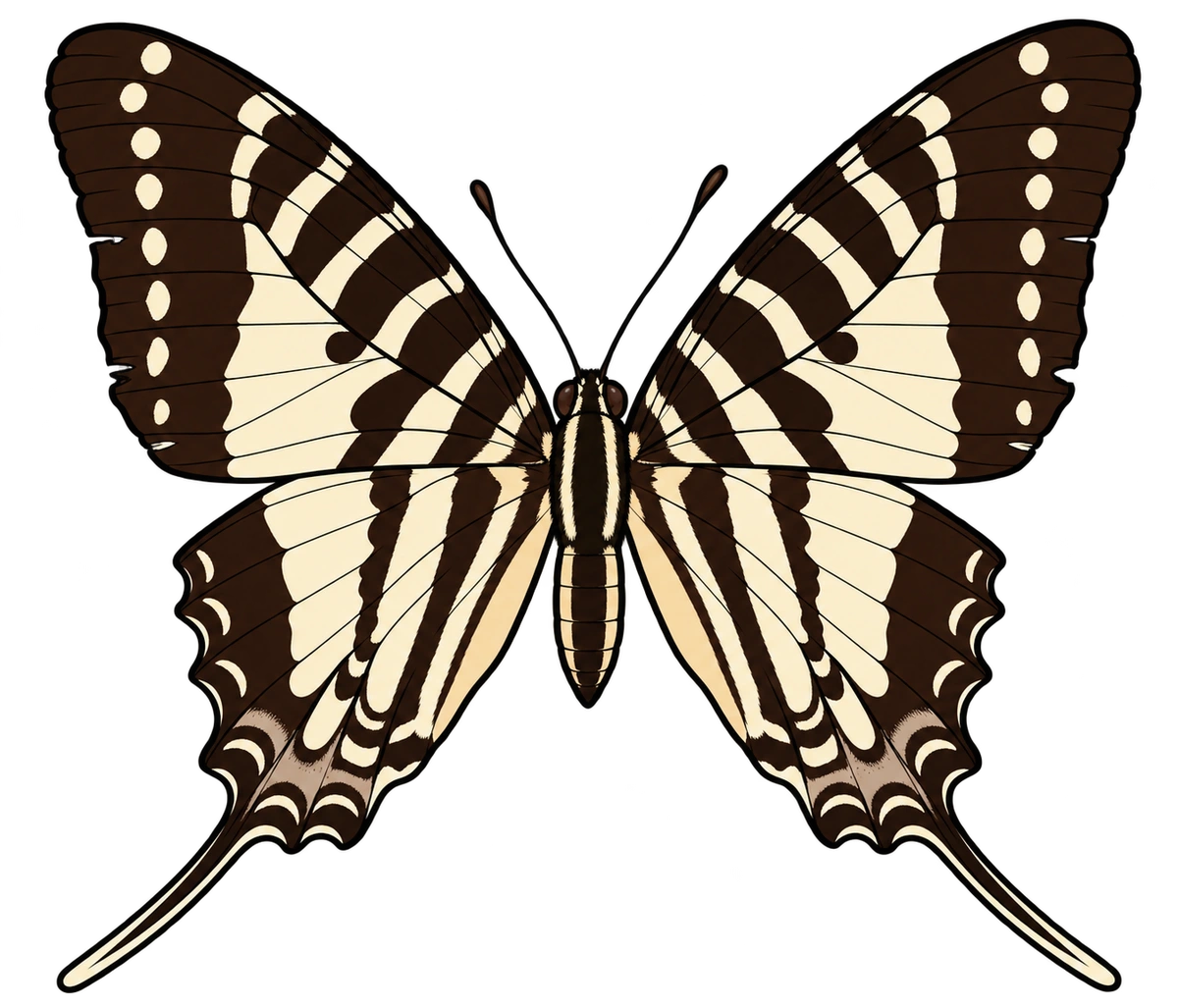
Graphium nomius
The spot swordtail has pale wings with dark bands, red hindwing markings and long narrow tails. Regional studies document Annonaceae larval hosts, mud-puddling and photographed occurrences in India and Sri Lanka.
Explore the guide →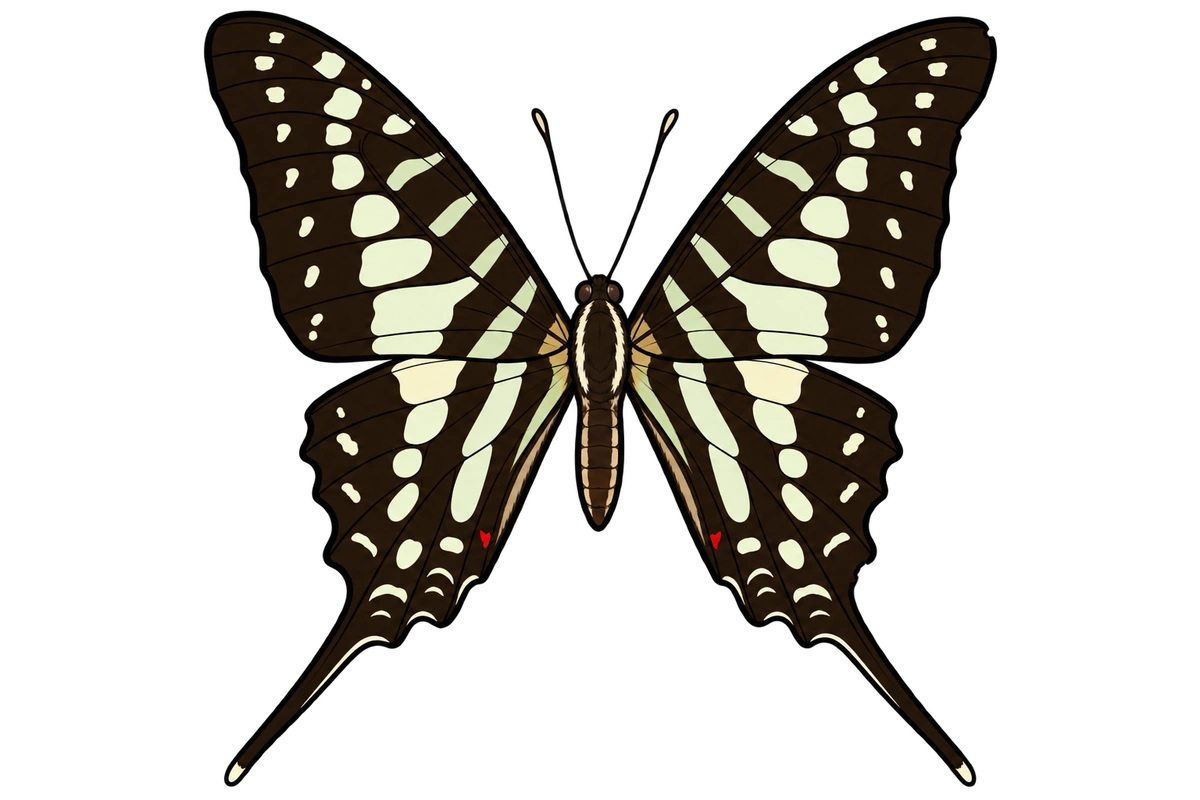
Graphium policenes
The small striped swordtail has dark wings crossed by fine green or blue-green bars, narrow hindwing tails and small red accents. African accounts associate it with coastal and riverine forests, Annonaceae larval hosts and male gatherings on wet ground.
Explore the guide →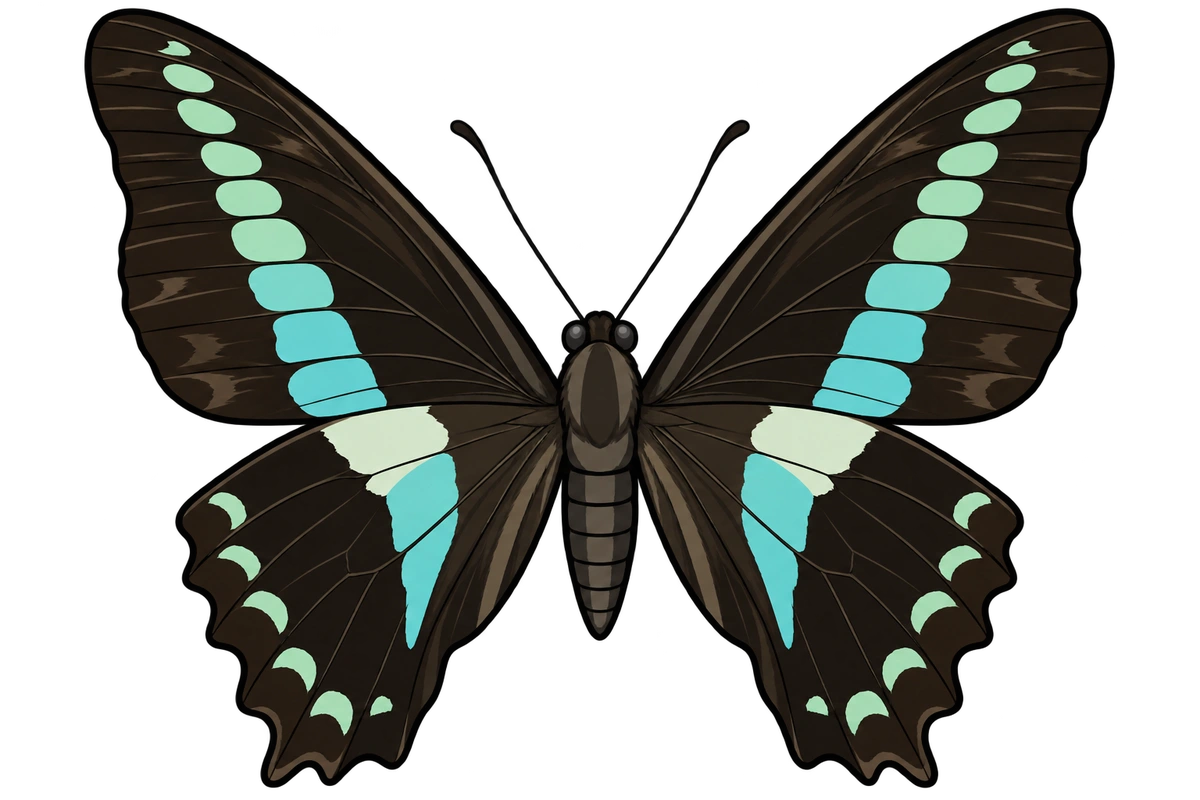
Graphium sarpedon
The common bluebottle has dark wings crossed by a blue-green band. Studies of the Japanese subspecies examine both its wing pigments and a visual system containing fifteen measured photoreceptor spectral sensitivity types.
Explore the guide →
Graphium weiskei
The purple-spotted swallowtail inhabits New Guinea’s highlands. Its black wings carry green, blue, pink and purple patches; experimental research attributes much of this palette to subtractive mixing of wing pigments.
Explore the guide →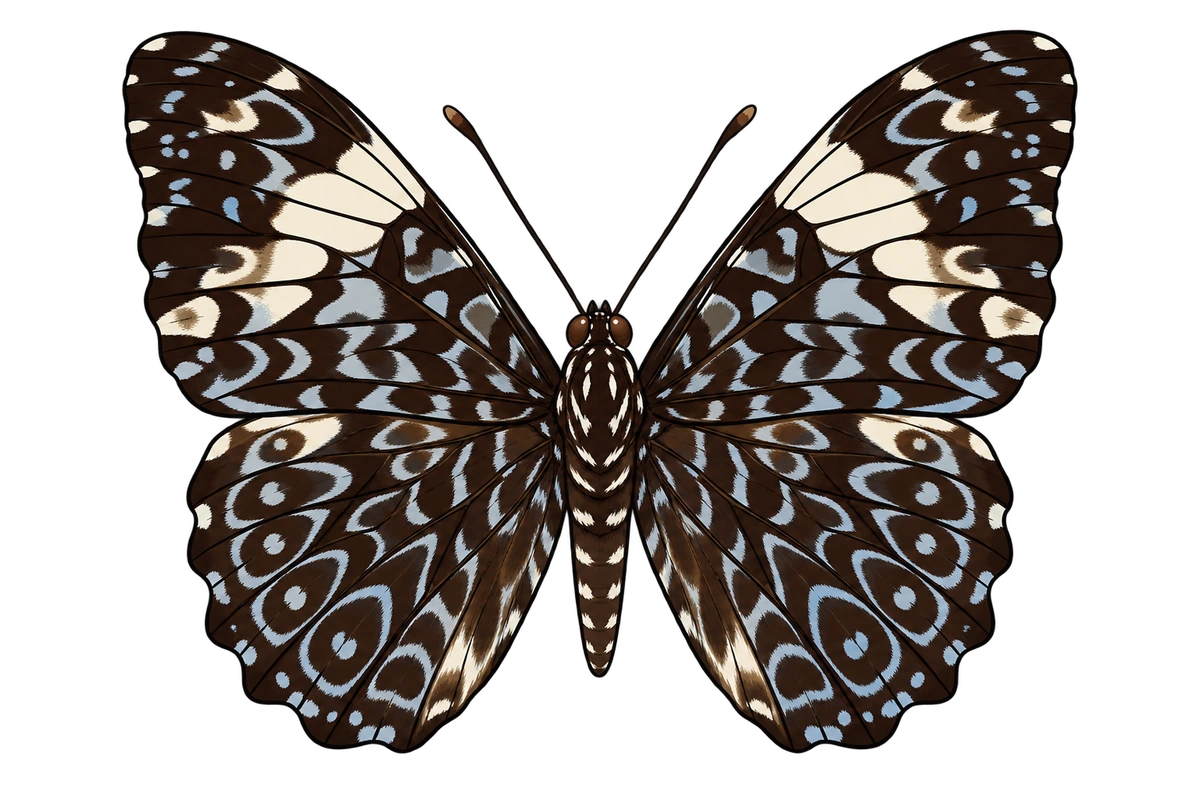
Hamadryas amphinome
The red cracker has blue-black upper wings and a reddish underside. Adults rest head-down on tree trunks and feed at fruit; field research has examined their high perches and the wing movements associated with cracker-butterfly clicks.
Explore the guide →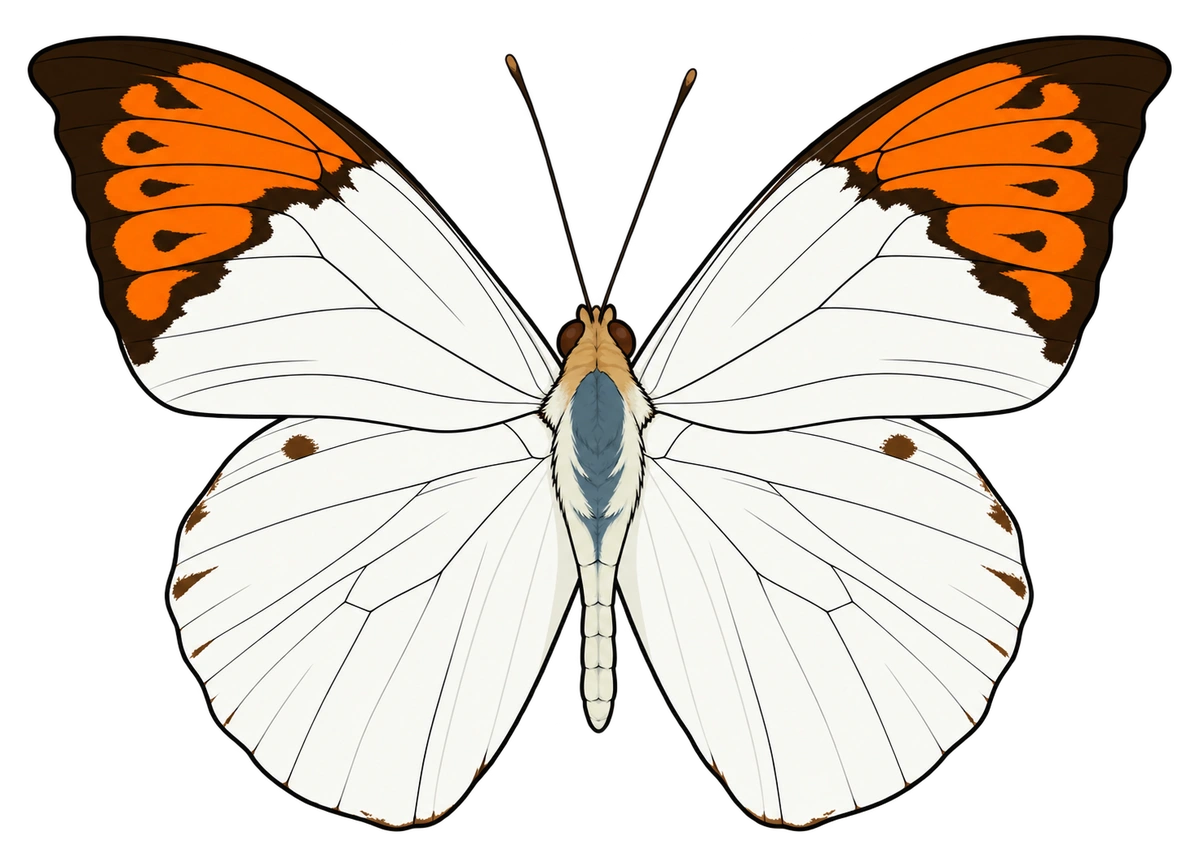
Hebomoia glaucippe
The great orange-tip has bright orange upper forewing tips and a finely mottled underside. Regional accounts document caper-family larval hosts, while chemical research detected a wing peptide previously identified in the cone snail Conus marmoreus.
Explore the guide →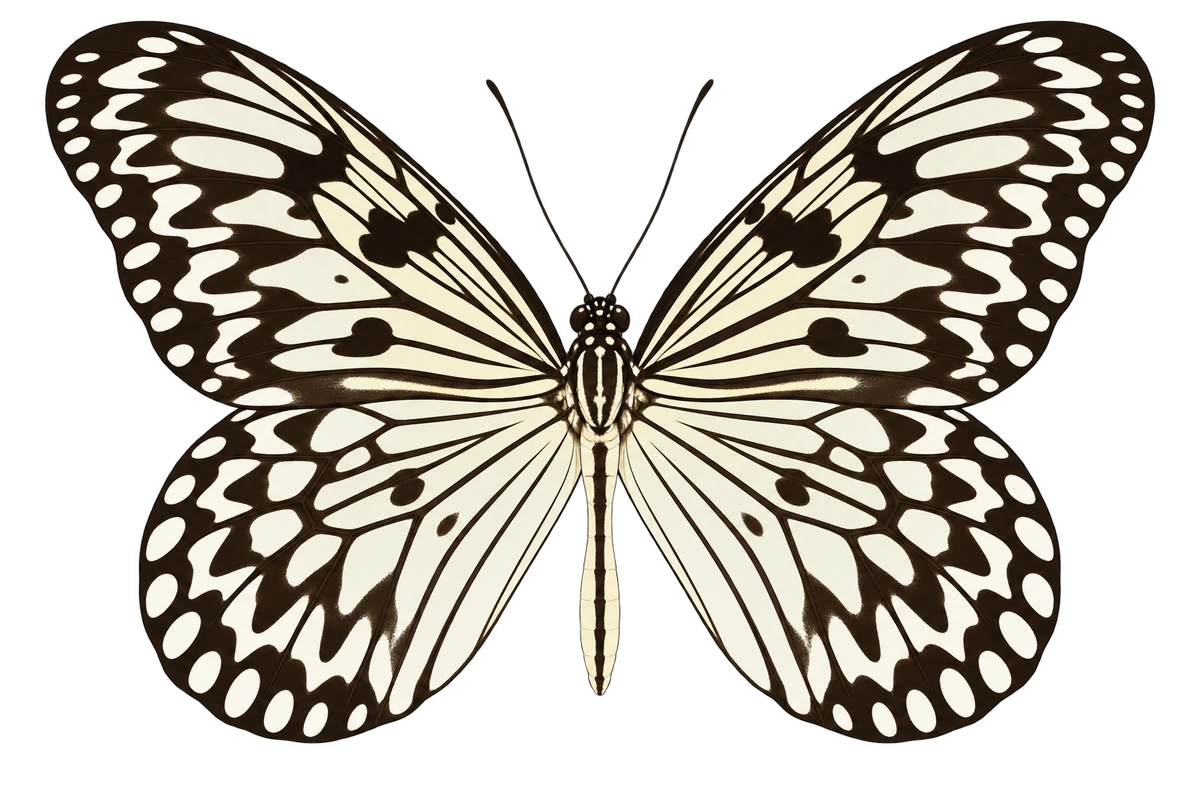
Idea leuconoe
The tree nymph has broad pale wings patterned with black veins and spots. Experiments link egg laying to pyrrolizidine alkaloids in its host plant, and chemical analyses have isolated related compounds from adult bodies.
Explore the guide →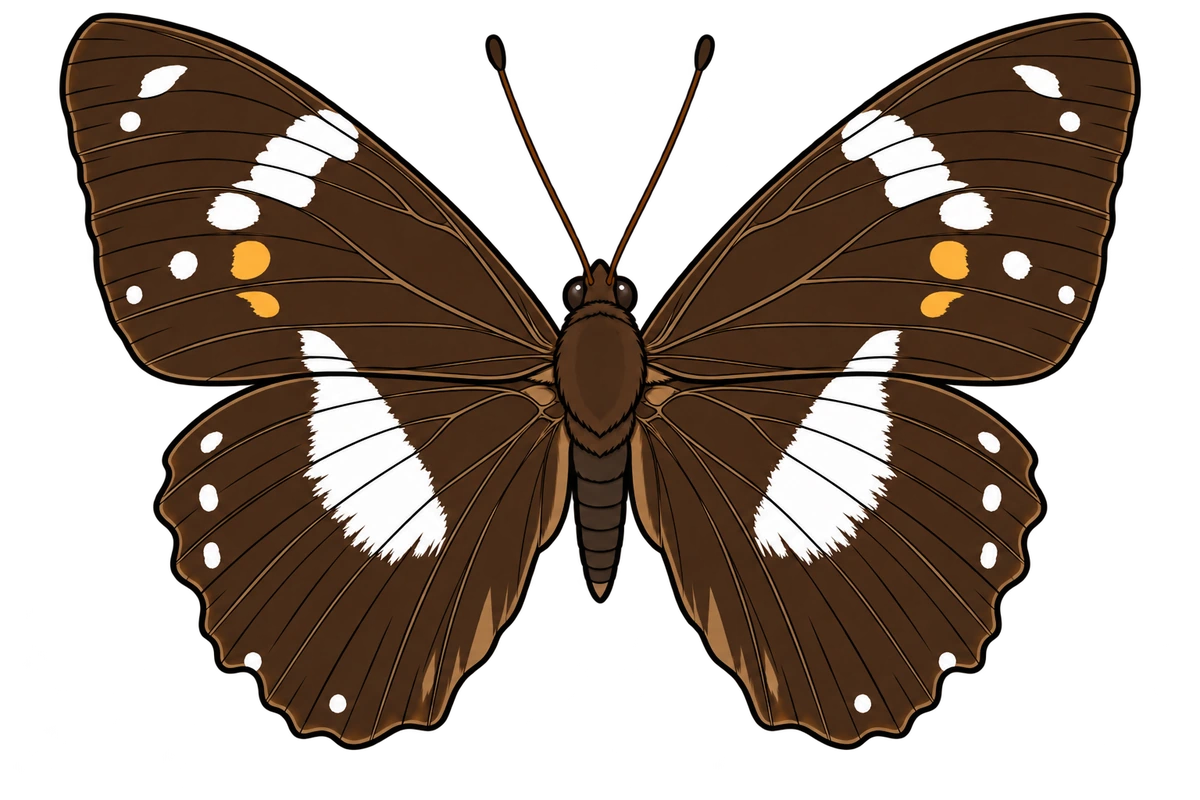
Mimathyma schrenckii
Schrenck’s emperor has a broad pale hindwing band and separate white forewing marks. Korean records document one annual brood, overwintering larvae, woodland host trees and sex differences in adult feeding behaviour.
Explore the guide →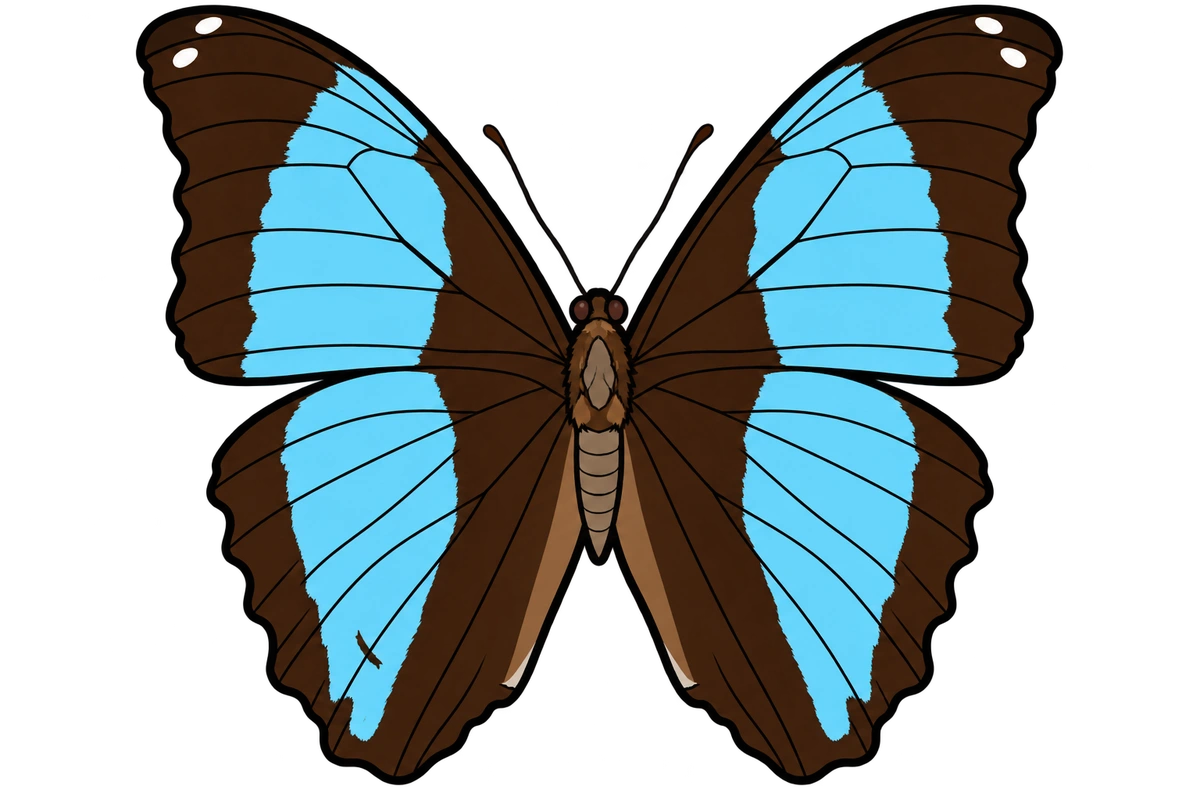
Morpho deidamia
Morpho deidamia has blue-banded upper wings and a complex brown underside. Amazonian research compares it with similarly patterned Morpho species through field experiments and genomic analyses.
Explore the guide →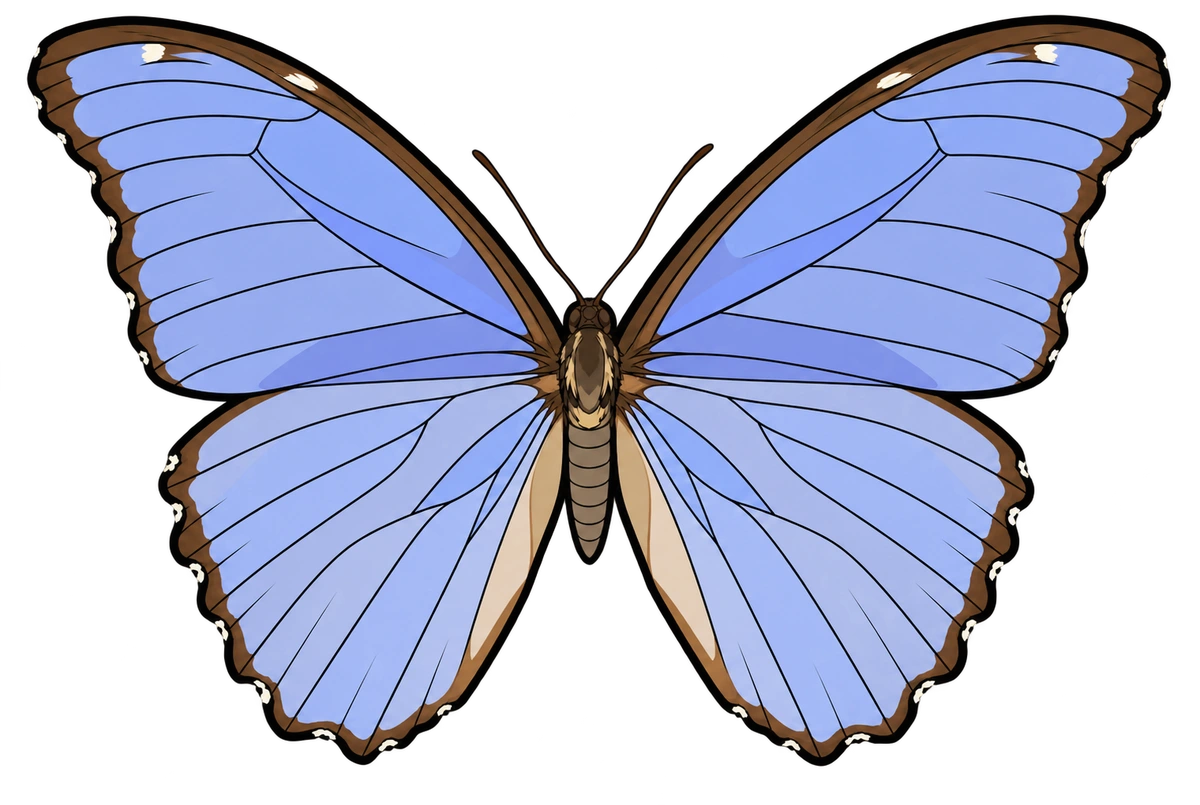
Morpho menelaus didius
This morpho has blue upper wings and a brown, eyespotted reverse. Microscopic scale architecture produces the blue reflection; the Atlas follows the museum name Morpho menelaus didius, also treated as Morpho didius in optical research.
Explore the guide →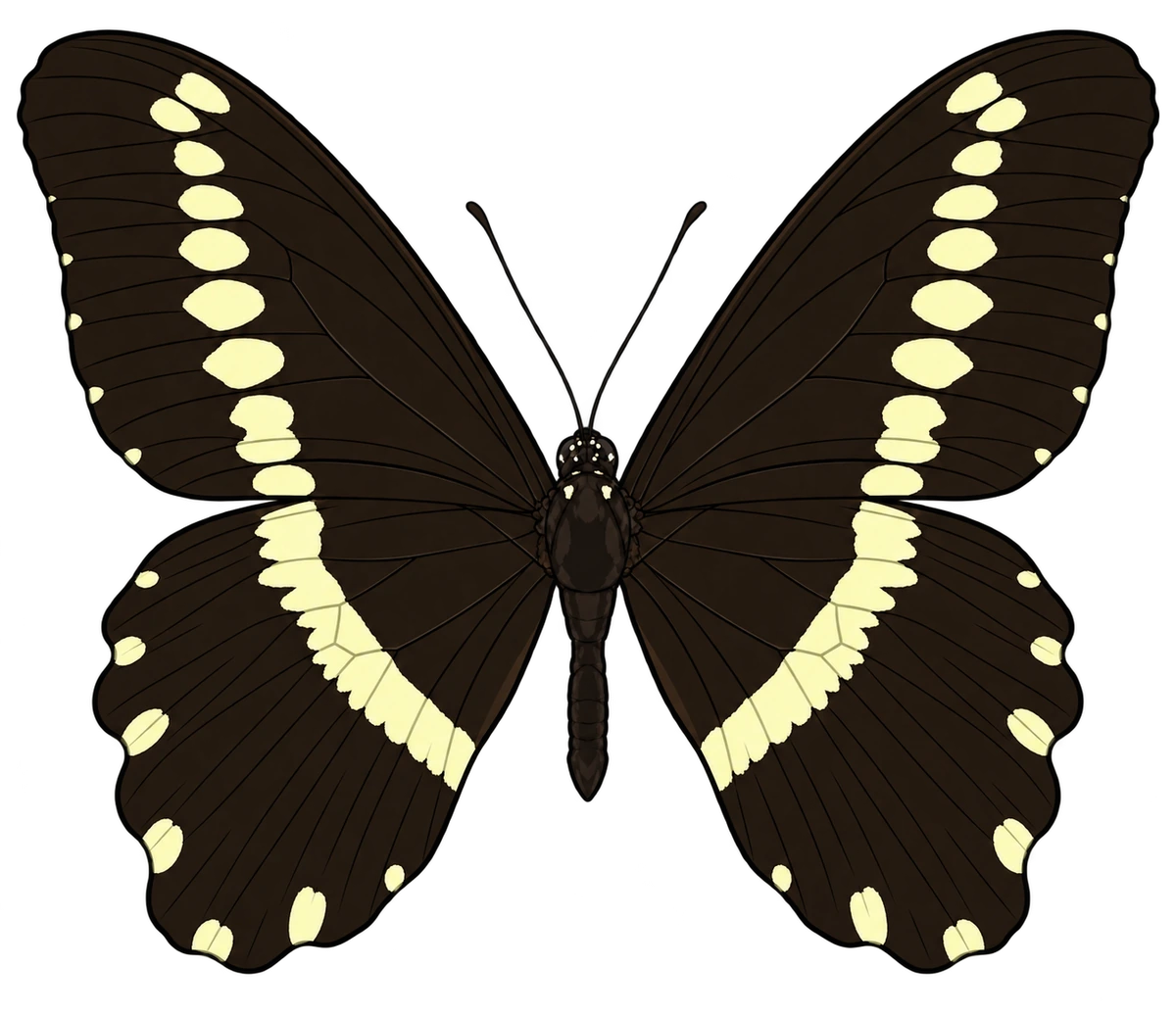
Papilio gallienus
Papilio gallienus has dark wings crossed by a narrow pale-yellow band. African accounts distinguish its band geometry from similar swallowtails and associate it with wet rain forest.
Explore the guide →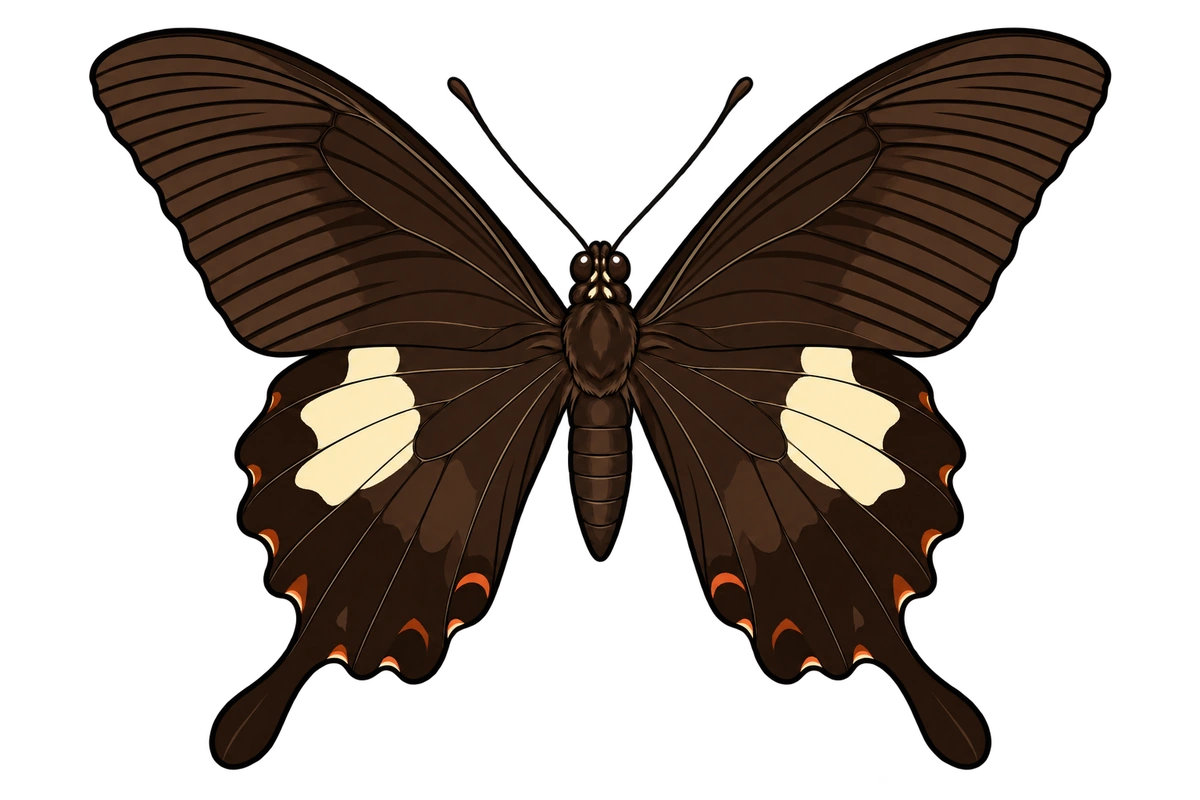
Papilio helenus
The red Helen has dark wings with a creamy-white hindwing patch and red markings near the inner corner. Taiwanese research documents Rutaceae larval hosts, multiple generations and overwintering in pupal diapause.
Explore the guide →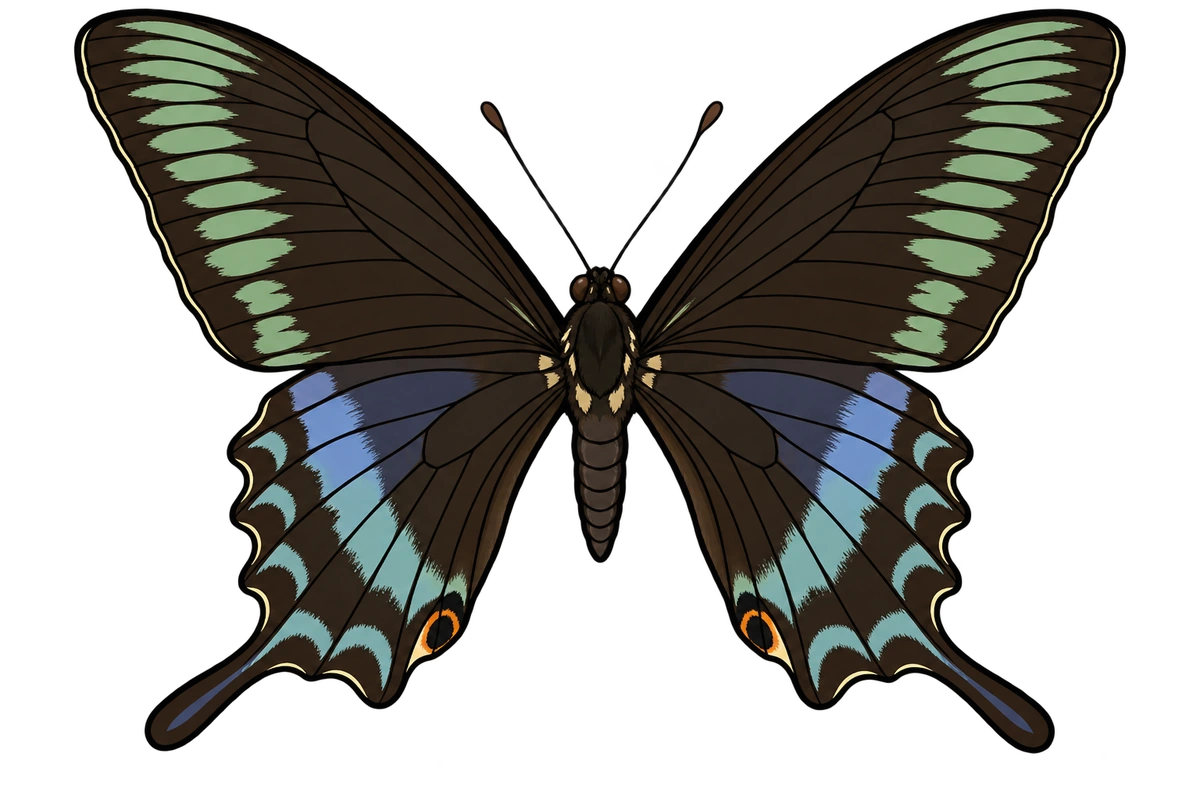
Papilio maackii
The alpine black swallowtail has dark wings with green-blue reflective regions. Their reflected colour shifts with illumination angle, while chemical experiments show how Amur cork tree compounds stimulate female egg laying.
Explore the guide →
Papilio machaon
The Old World swallowtail has yellow wings, dark veins, blue hindwing markings and a red spot near the inner corner. Its regional populations differ in host use, and a 2026 whole-genome study found the British britannicus lineage genetically distinct within the European sample.
Explore the guide →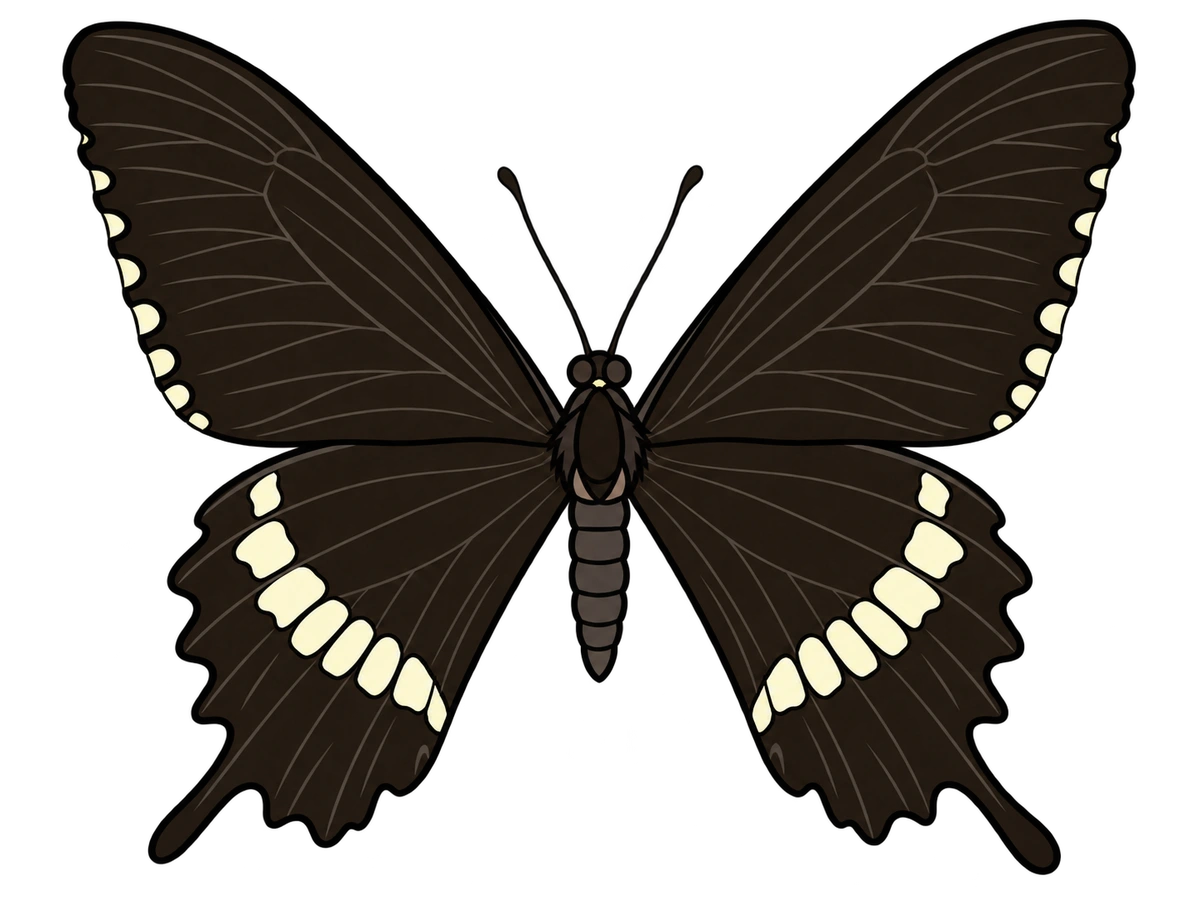
Papilio polytes
The common Mormon has several female wing patterns, including male-like and mimetic forms. Experiments link this female-limited variation to doublesex regulation and show how mimetic patterns can reduce attacks on butterfly replicas in field trials.
Explore the guide →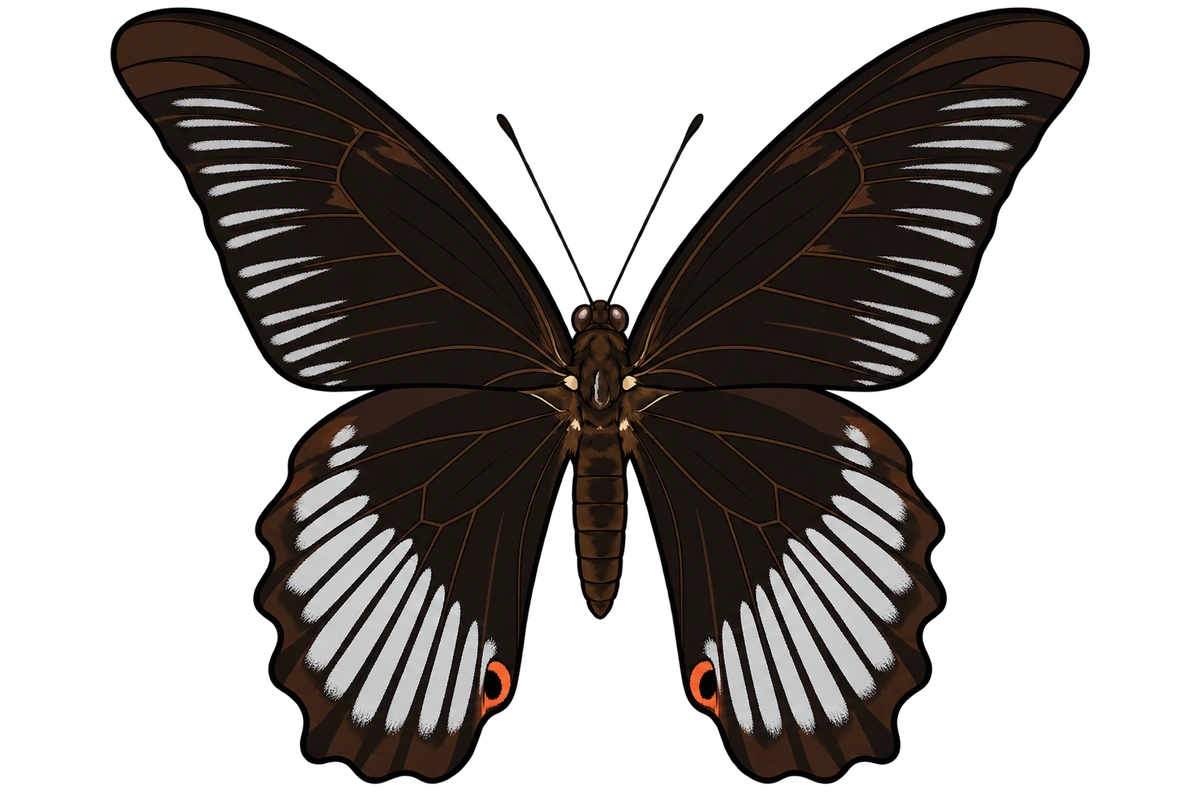
Papilio rumanzovia
The scarlet Mormon is a large Philippine swallowtail with tailless wings and strongly differing male and female patterns. Experimental reduction of doublesex expression produced more male-like patterns in the tested females.
Explore the guide →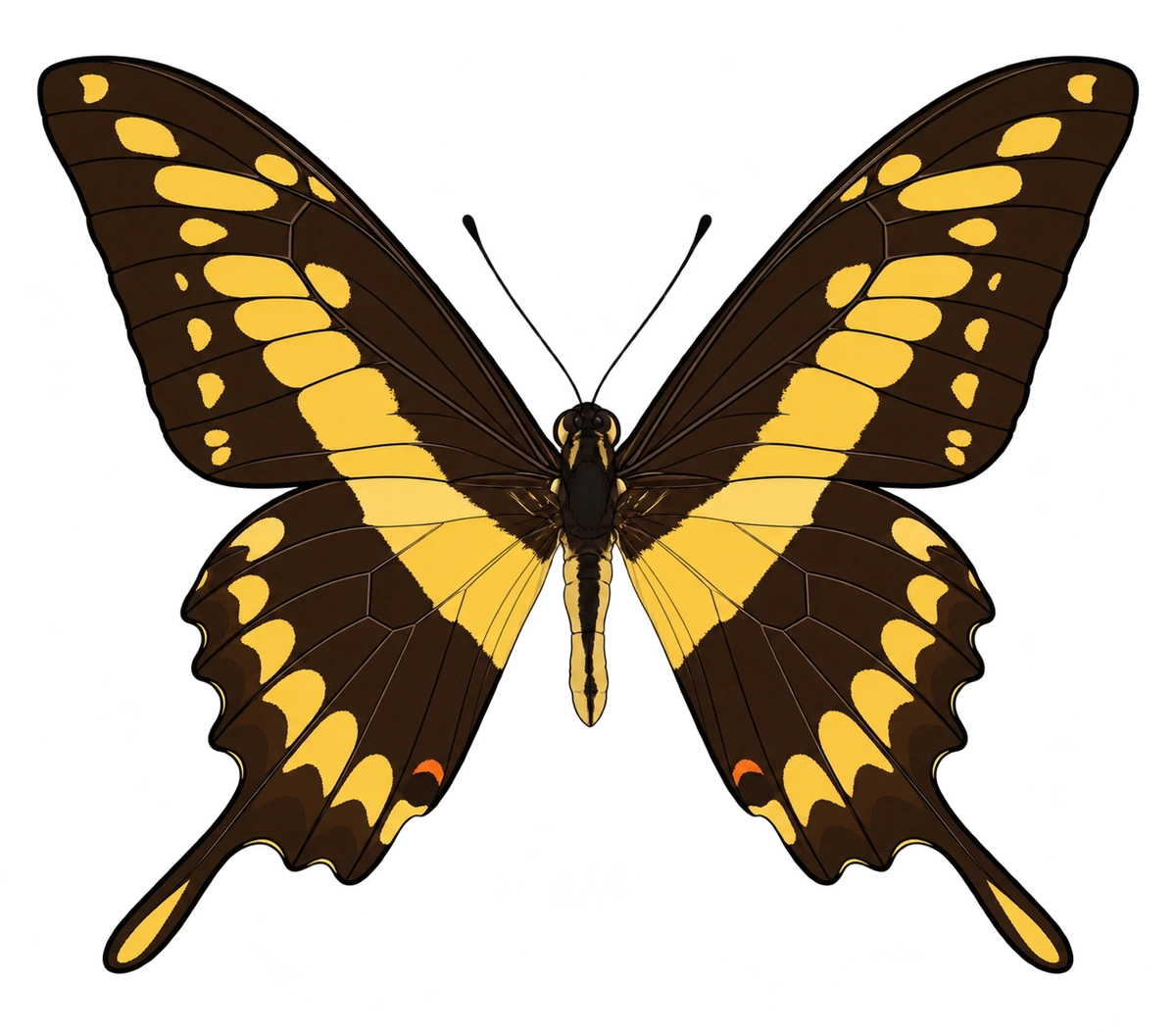
Papilio thoas
The king swallowtail has dark wings with a diagonal band of yellow spots and tailed hindwings. Its bird-dropping-like larva possesses an extensible defensive osmeterium whose anatomy and chemistry have been studied experimentally.
Explore the guide →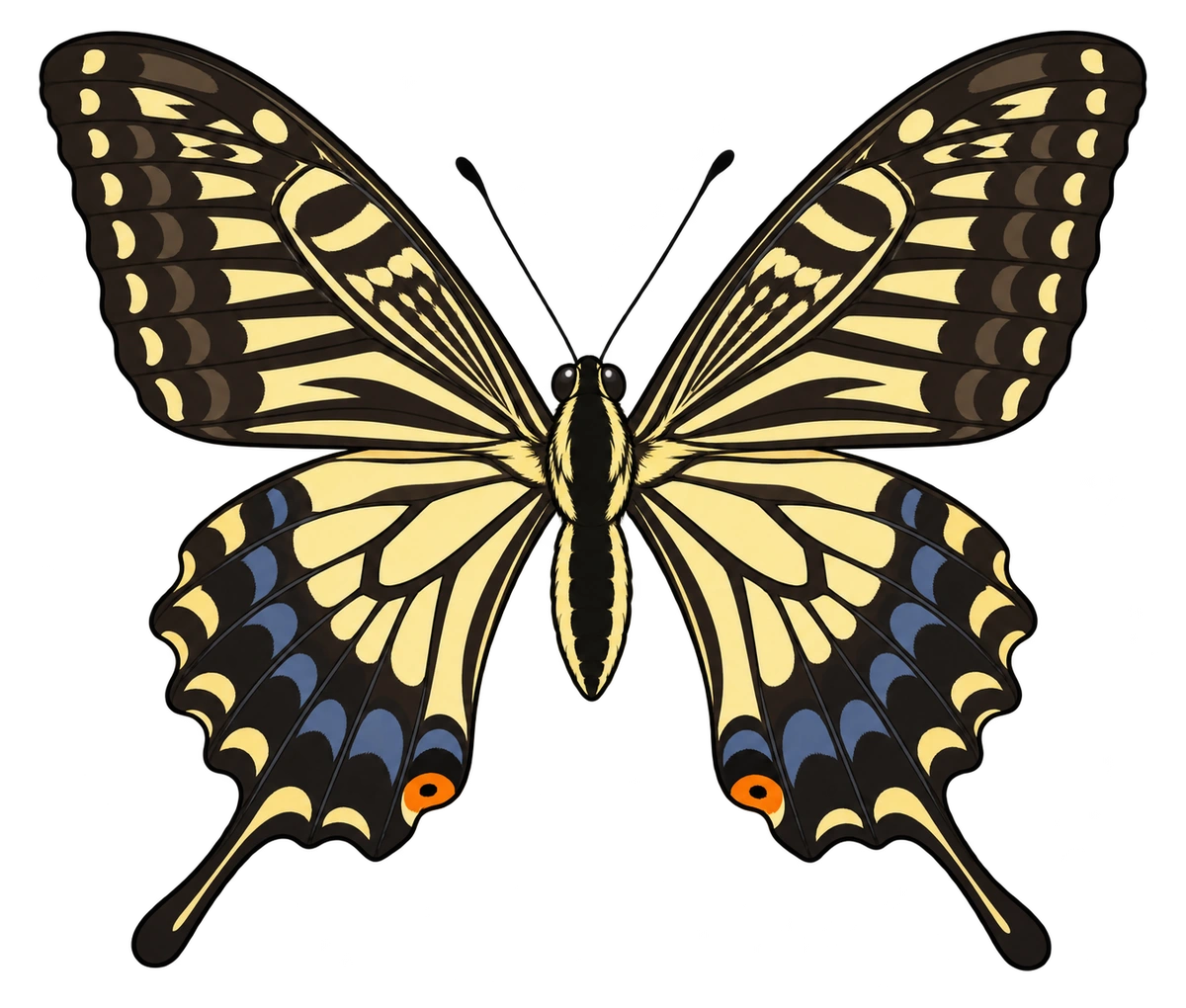
Papilio xuthus
Papilio xuthus is an East Asian swallowtail with cream-yellow wings, black markings and blue and orange hindwing accents. Its colour vision and the optical structures of its scales have made it a prominent species in butterfly sensory research.
Explore the guide →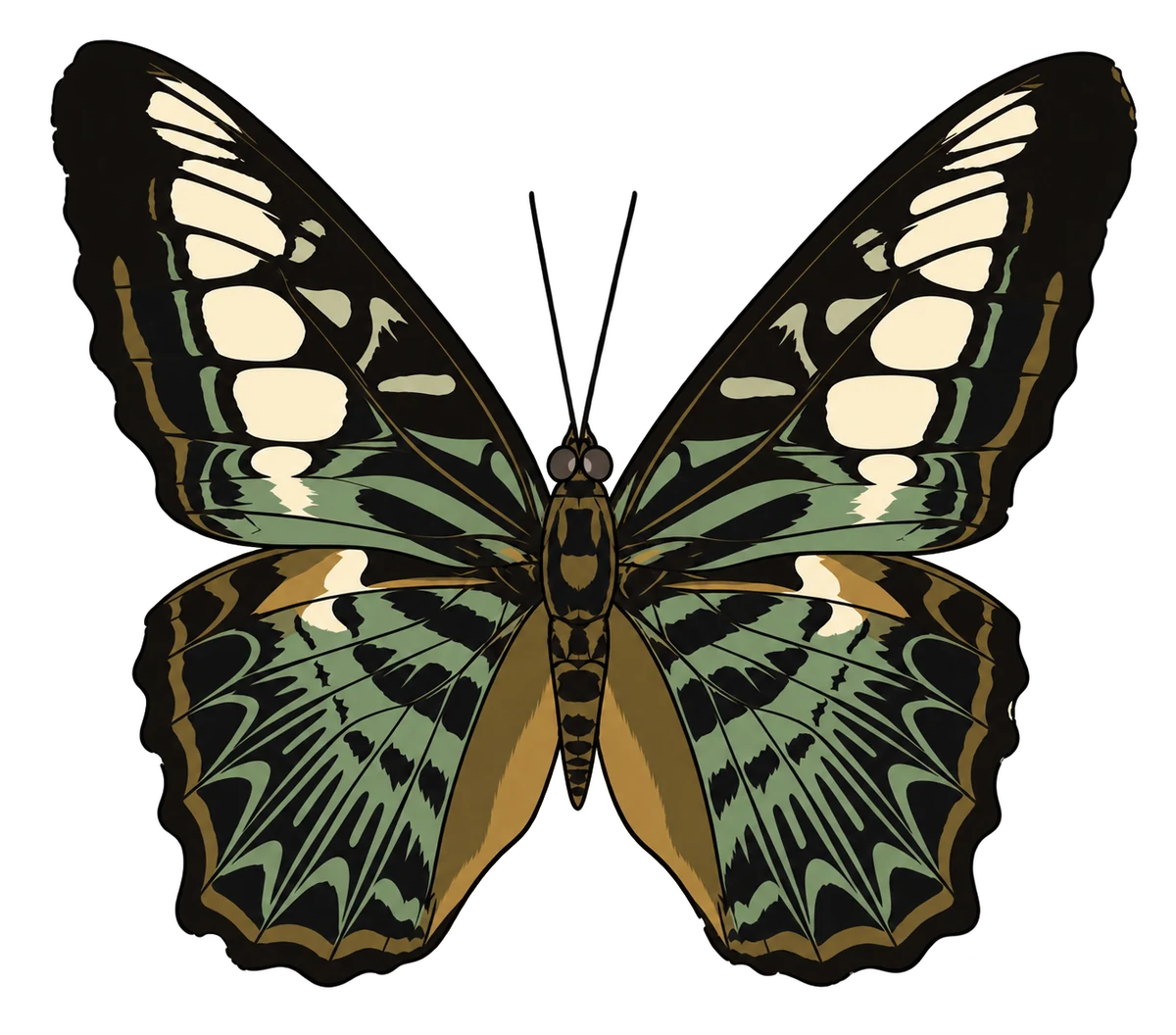
Parthenos sylvia
Parthenos sylvia, the Clipper, has broad wings crossed by pale bands and contrasting forewing patches. Regional studies describe its gliding flight, fruit and sap feeding, and larval use of climbing plants.
Explore the guide →Polyura athamas
Polyura athamas is a Southeast Asian nawab butterfly in the brush-footed family. Its dark wings carry a pale green band, while molecular studies distinguish several species formerly included within the broader athamas group.
Explore the guide →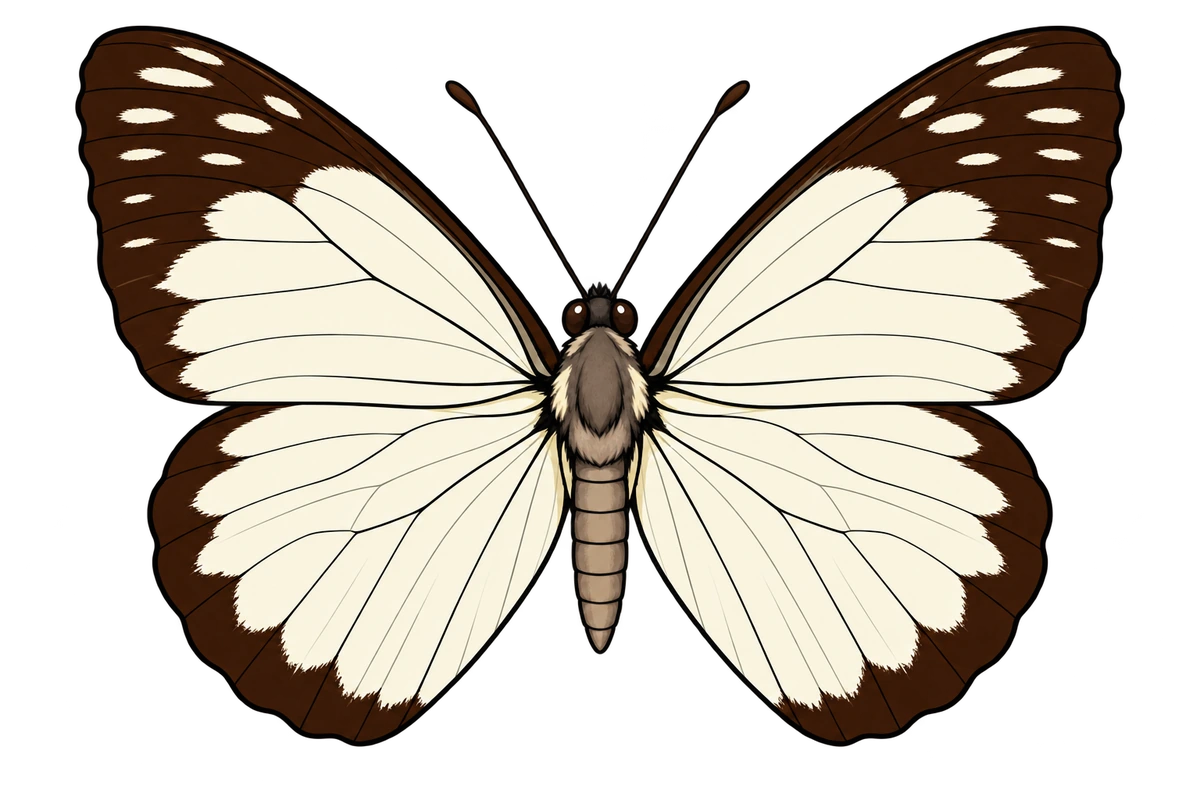
Prioneris autothisbe
Prioneris autothisbe is a Javan sawtooth butterfly with strongly contrasting wing surfaces. Historical descriptions record white dorsal fields, a black forewing apex and yellow ventral hindwings divided by black veins.
Explore the guide →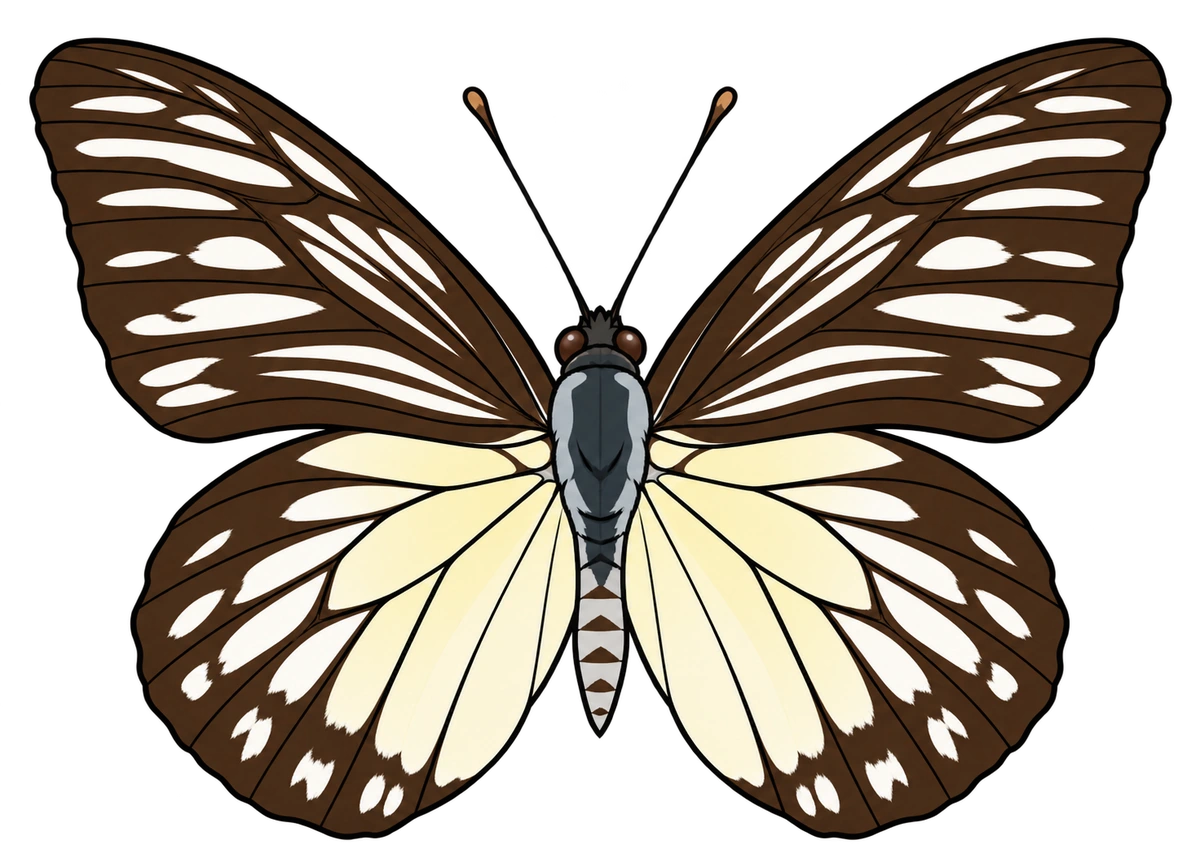
Prioneris clemanthe
Prioneris clemanthe is an Asian sawtooth with pale dorsal fields and a yellow, black-veined hindwing underside. Historical descriptions and Cambodian photographs document marked differences between male and female wing patterns.
Explore the guide →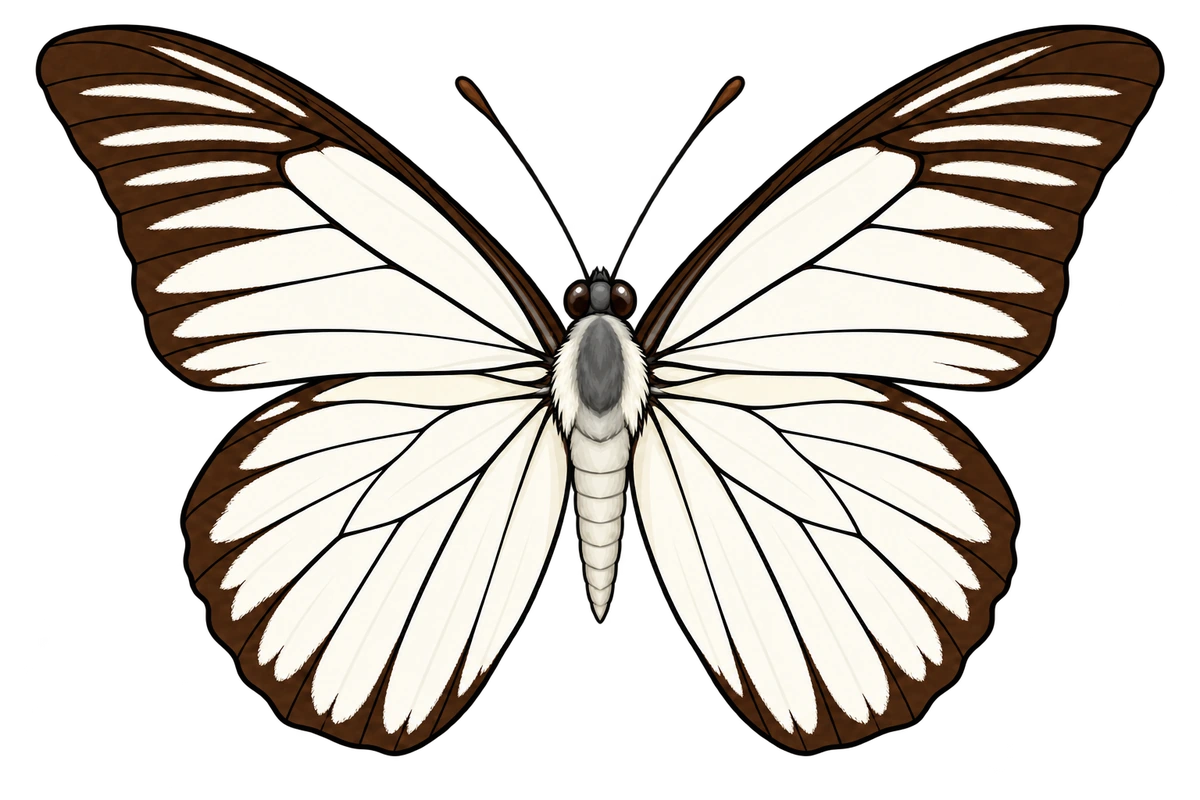
Prioneris cornelia
Prioneris cornelia is a Bornean sawtooth with white dorsal forewings crossed by dark veins. The Sabah Forestry Department account describes a relatively large, pointed-winged butterfly, with heavier black markings in females.
Explore the guide →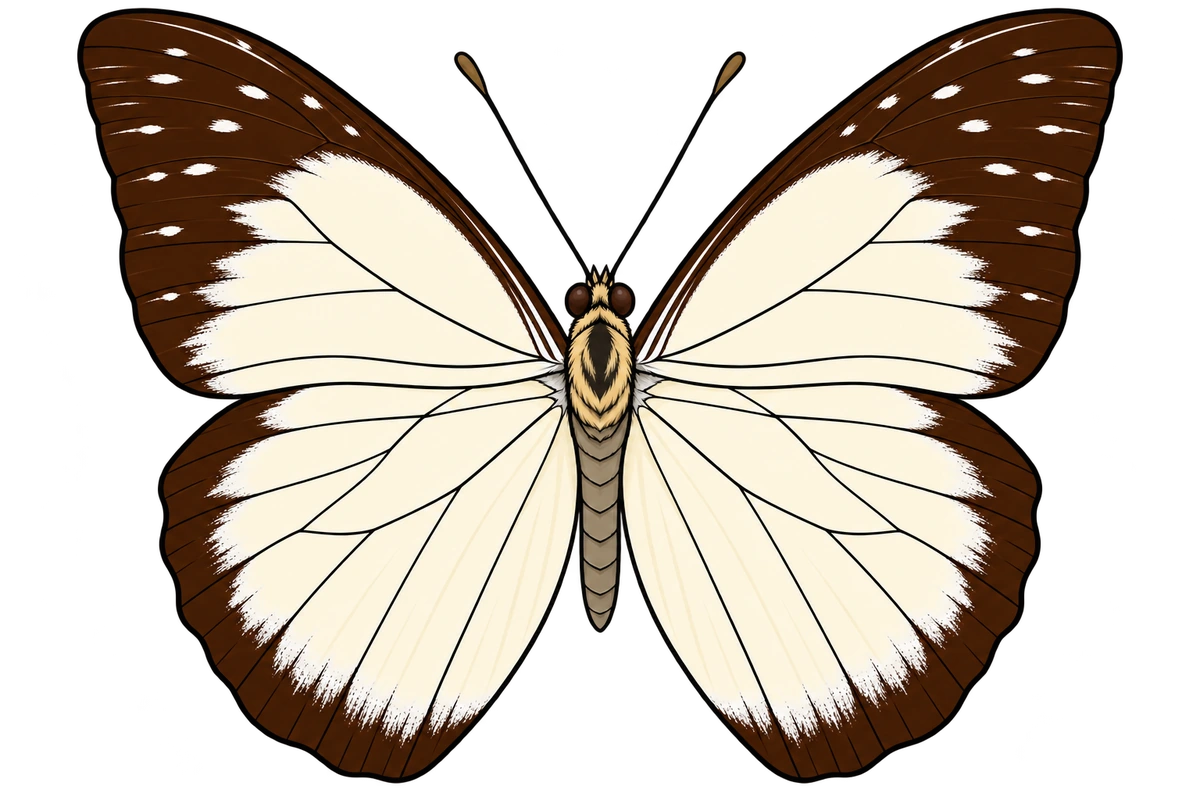
Prioneris hypsipyle
Prioneris hypsipyle is a West Sumatran sawtooth described by Gustav Weymer in 1887. Its dark ventral forewings and gold-yellow hindwings with small marginal dots distinguish the males in the original account.
Explore the guide →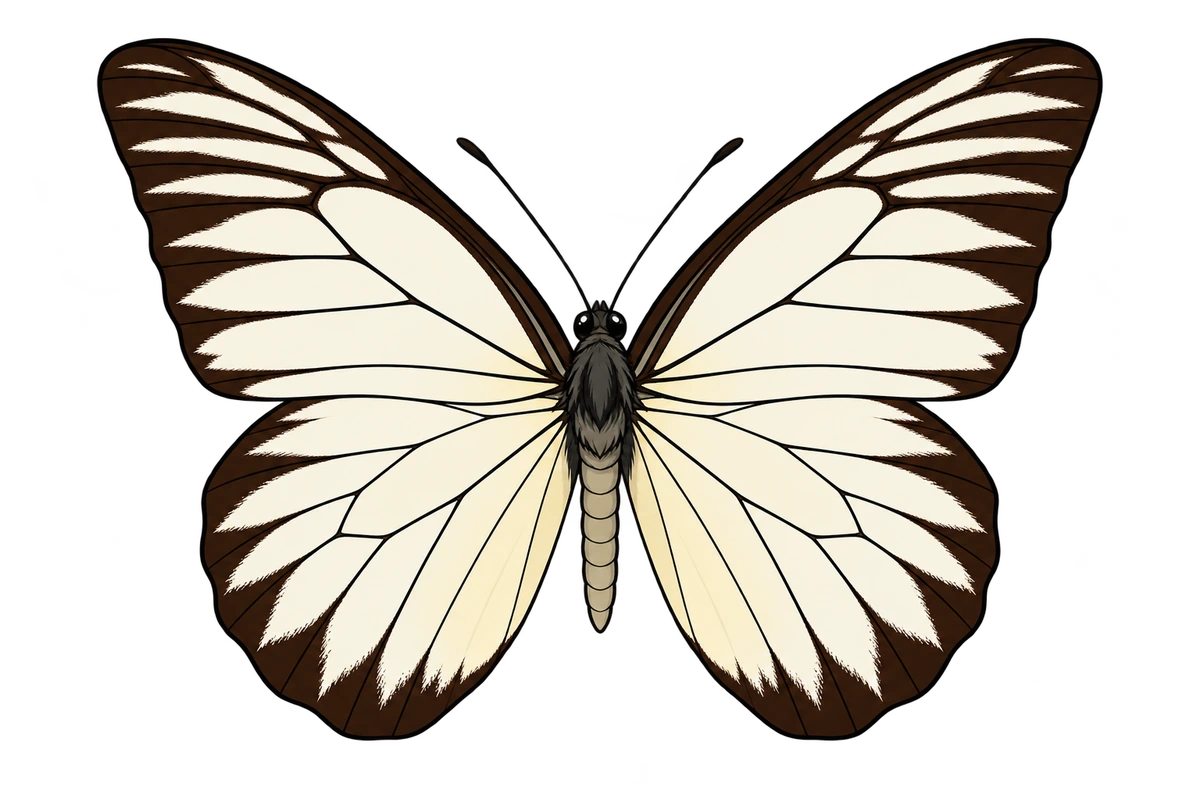
Prioneris philonome
Prioneris philonome is a Javan sawtooth described from a male in 1836. Its original diagnosis records pale linear marks within the dark forewing apex and a red, brush-like patch at the base of the ventral hindwing.
Explore the guide →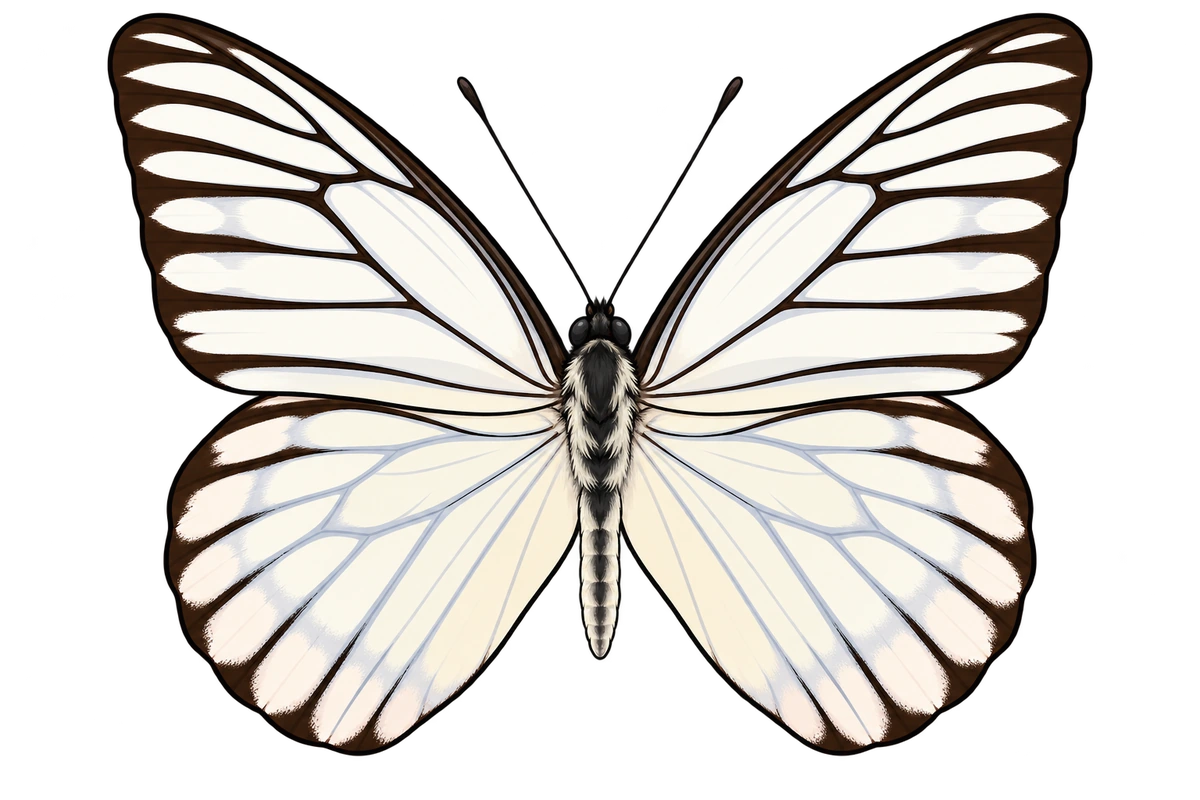
Prioneris sita
Prioneris sita, the Painted Sawtooth, occurs in southern India and Sri Lanka. Sri Lankan rearing observations document its immature stages and confirm Capparis moonii as a larval host.
Explore the guide →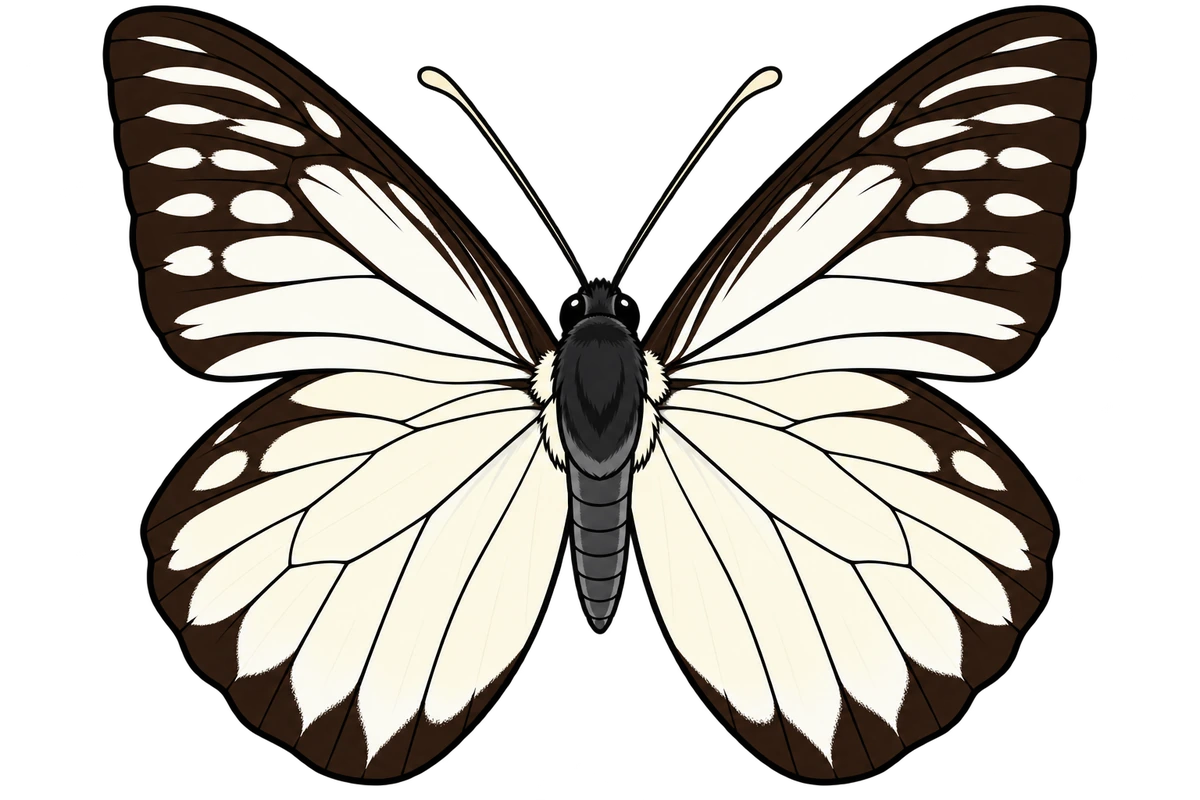
Prioneris thestylis
Prioneris thestylis, the Spotted Sawtooth, has pale upper wings with dark venation and a more strongly patterned underside. Taiwanese accounts document sexual differences, host plants and regional habitat.
Explore the guide →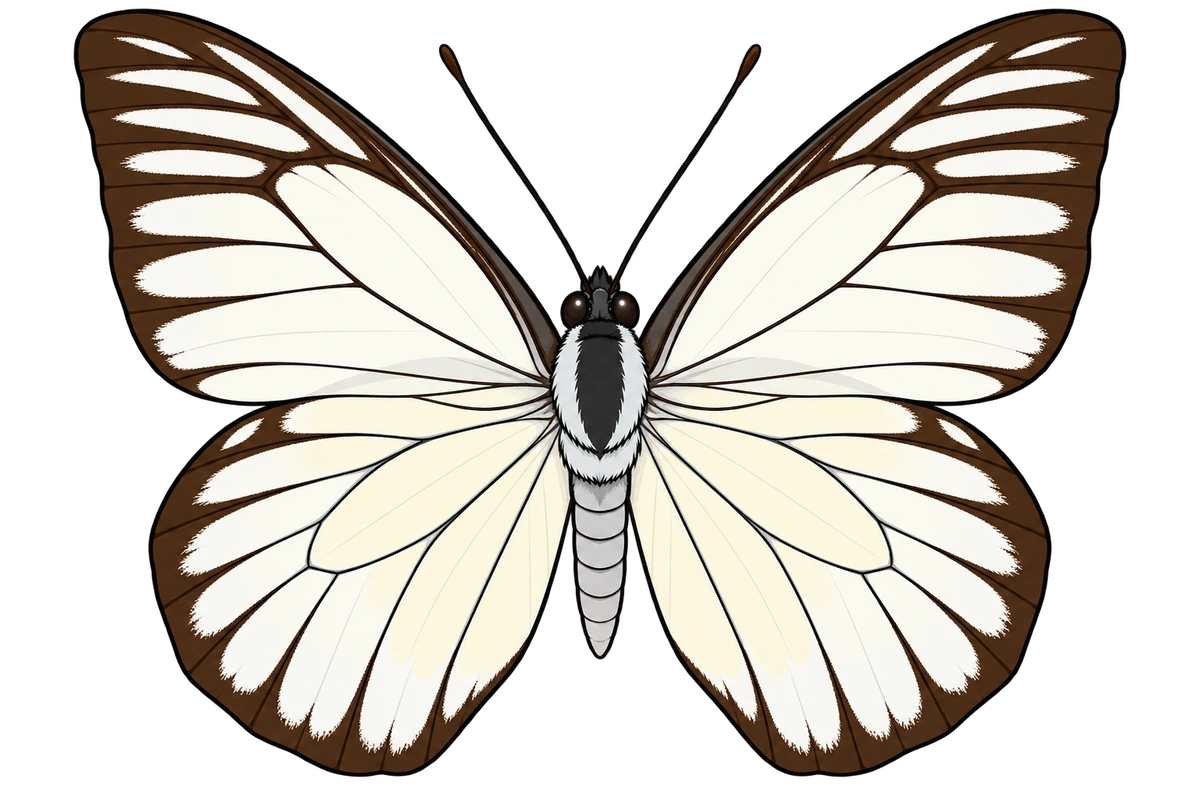
Prioneris vollenhovii
Prioneris vollenhovii is a Bornean sawtooth described by Alfred Russel Wallace from Sarawak material. The male’s yellow ventral hindwing has thick black veins, a dark anal area and a red patch near the base.
Explore the guide →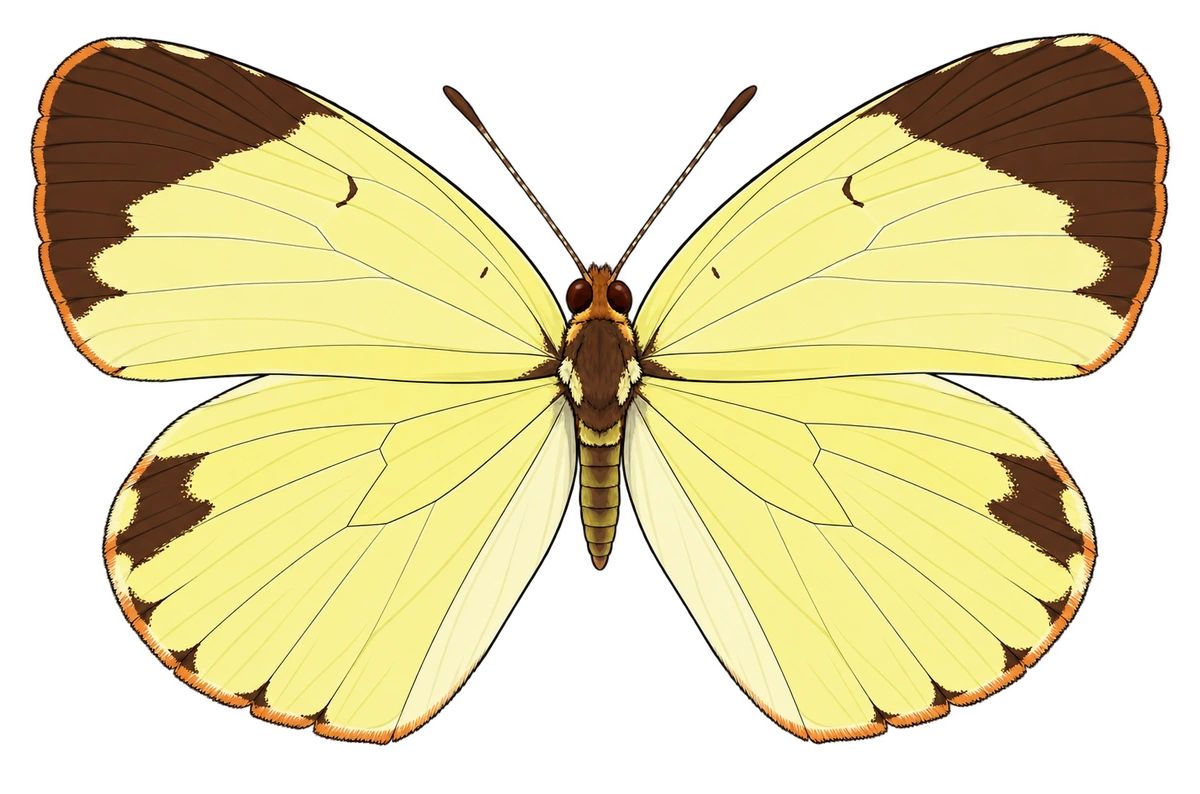
Pyrisitia lisa
Pyrisitia lisa is a small American pierid with yellow wings and legume-feeding larvae. Regional accounts distinguish southern overwintering from warm-season recolonization farther north.
Explore the guide →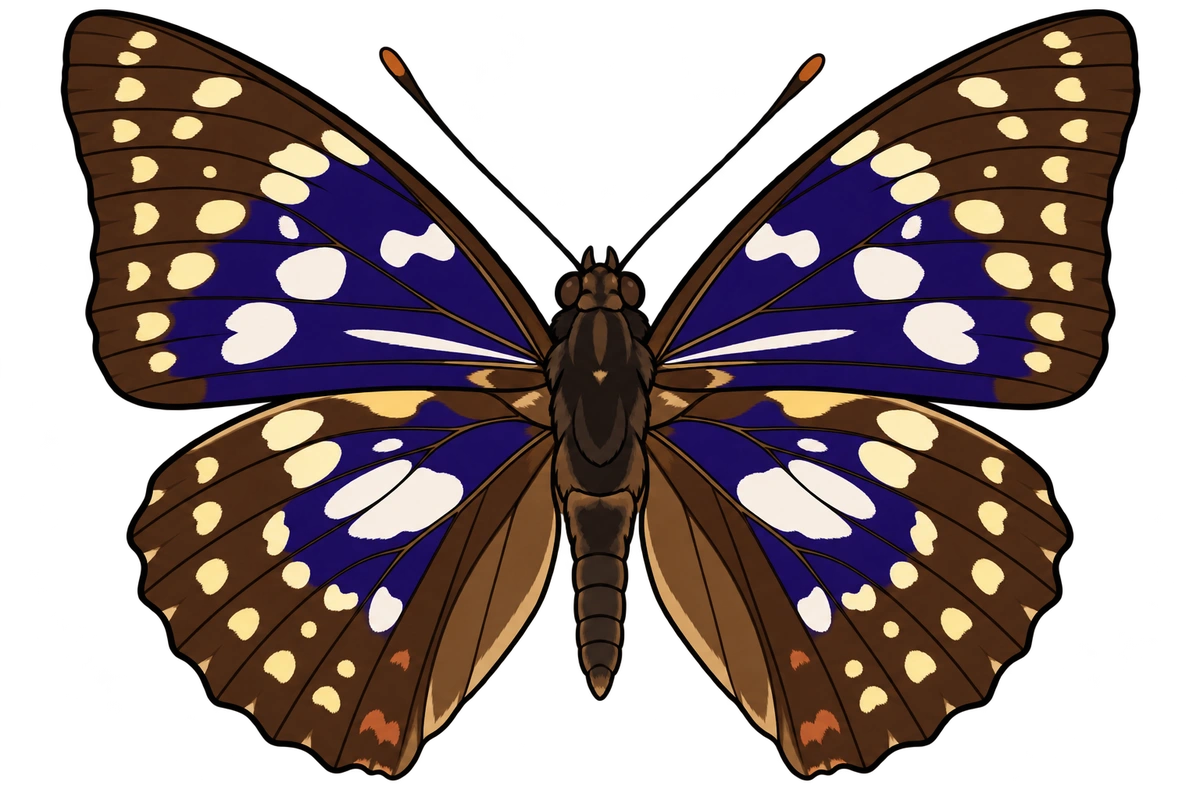
Sasakia charonda
Sasakia charonda is an East Asian woodland butterfly with iridescent purple-blue males and brown females. Japanese studies document its Celtis hosts, larval overwintering and structurally produced wing colours.
Explore the guide →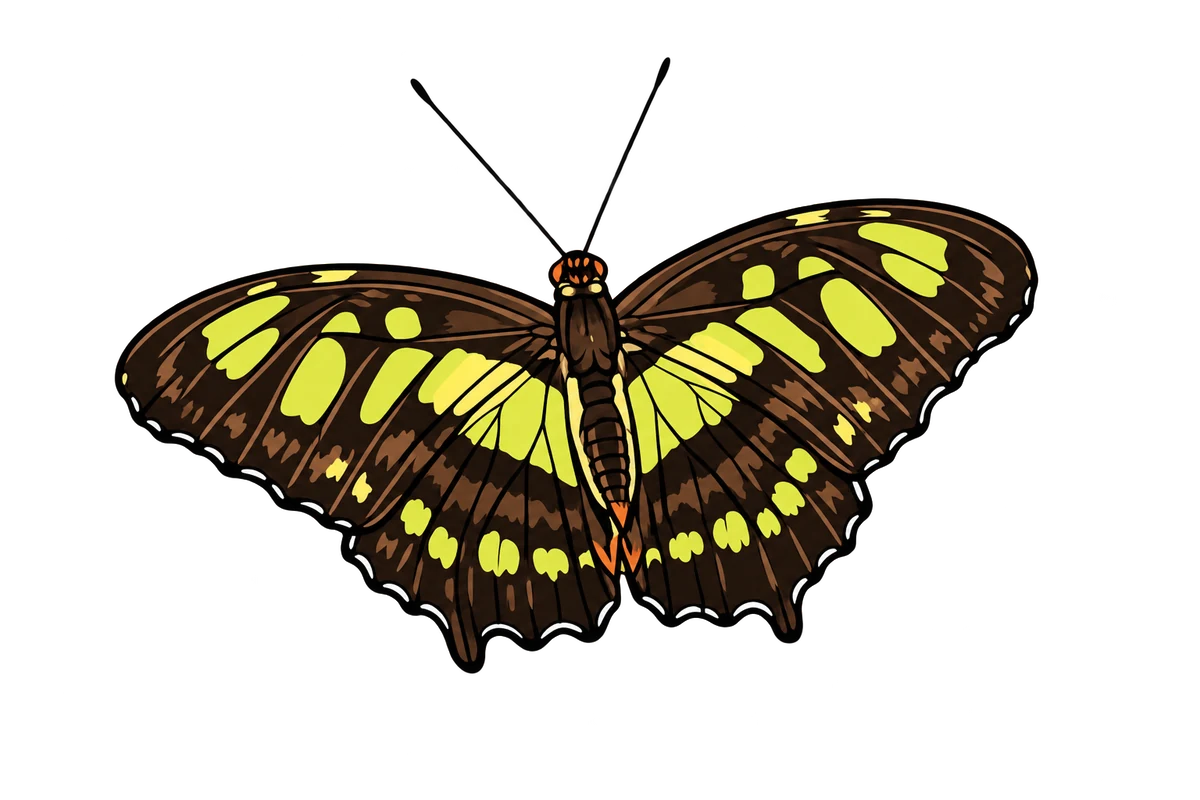
Siproeta stelenes
Siproeta stelenes, the Malachite, has pale green patches in dark wings and an orange-brown underside. Research on living wings identifies a liquid-containing internal structure associated with their green colour.
Explore the guide →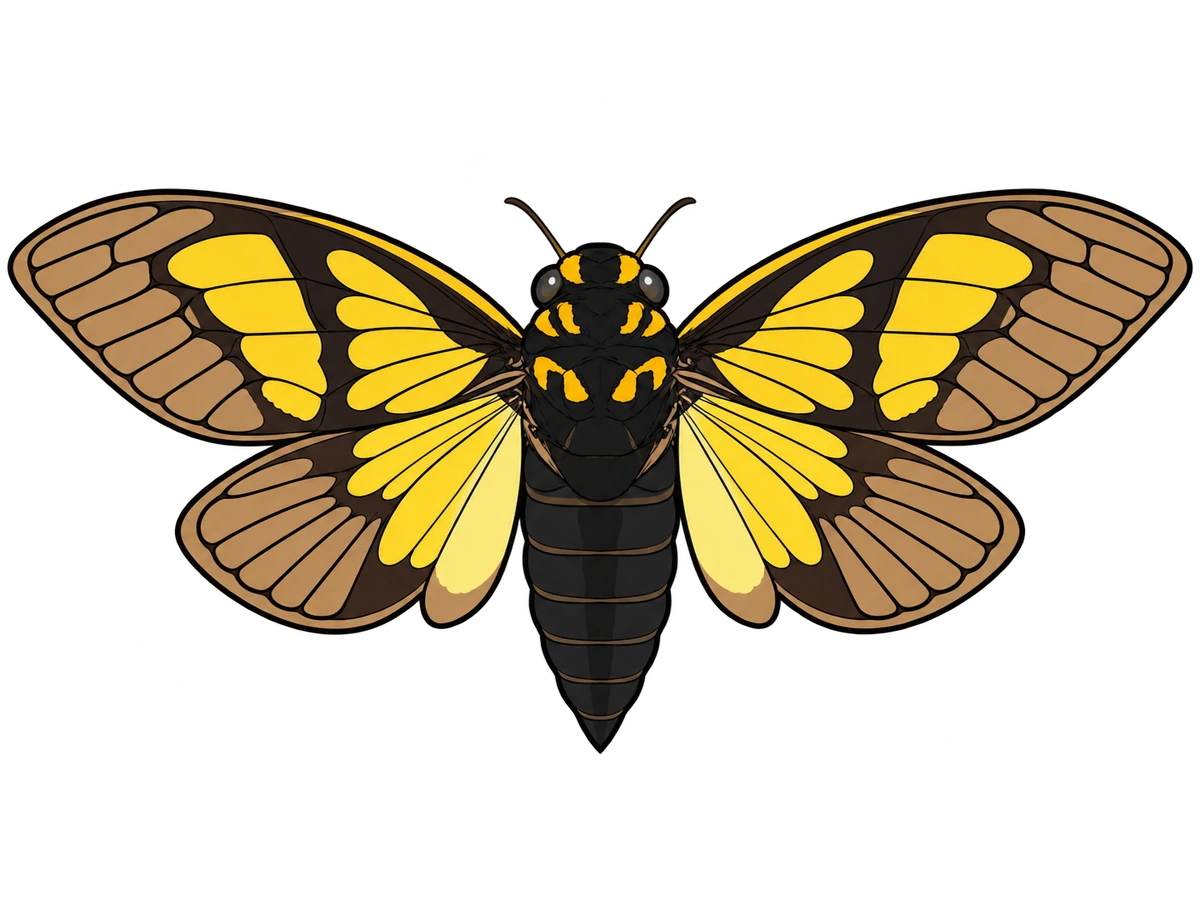
Sulphogaeana sulphurea
Sulphogaeana sulphurea is a Himalayan cicada with sulphur-yellow wings crossed and bordered by dark markings. Historical descriptions detail its contrasting body pattern, and field observations include a mating pair in Bhutan.
Explore the guide →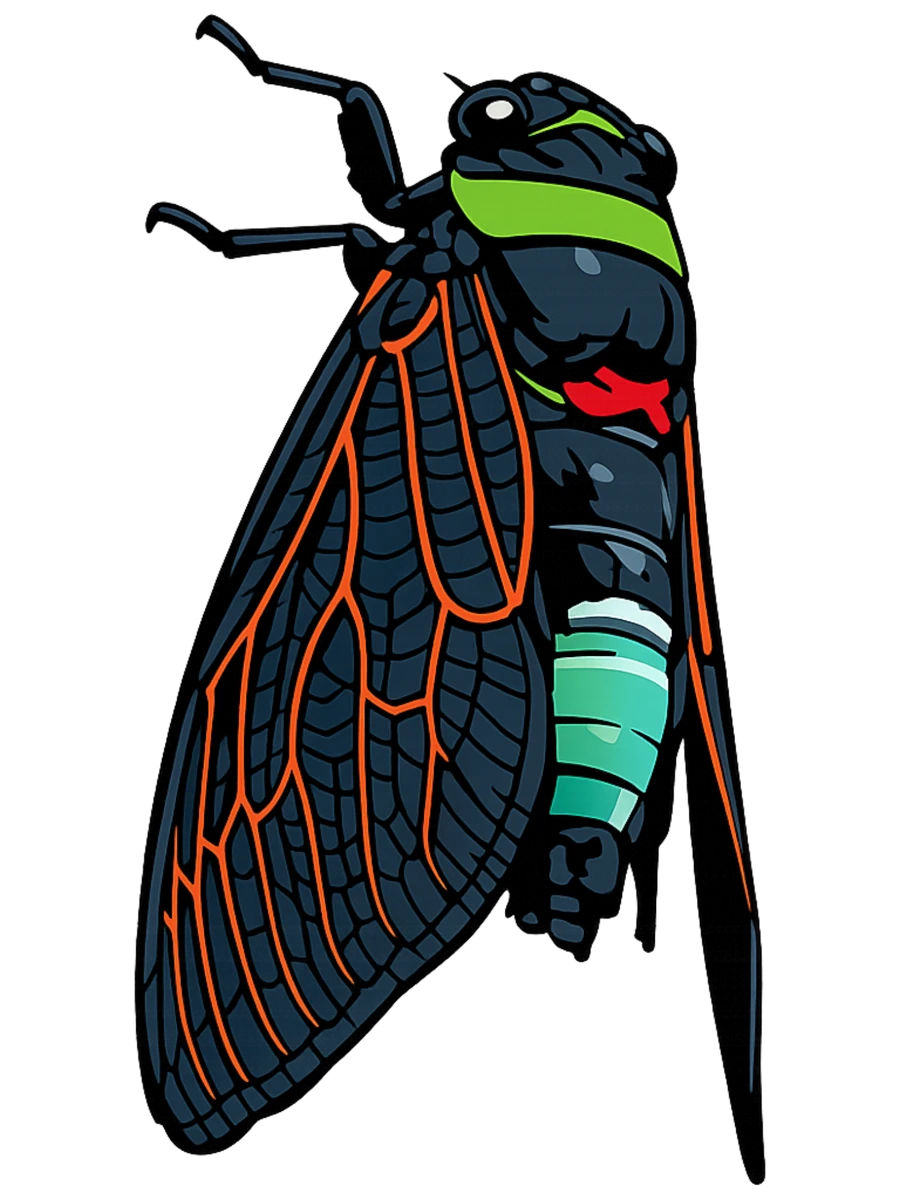
Tacua speciosa
Tacua speciosa is a large forest cicada recorded in Indonesia and Malaysia. A green to yellow collar and red thoracic marking contrast with its dark body; Sabah surveys document adults active on branches during daylight.
Explore the guide →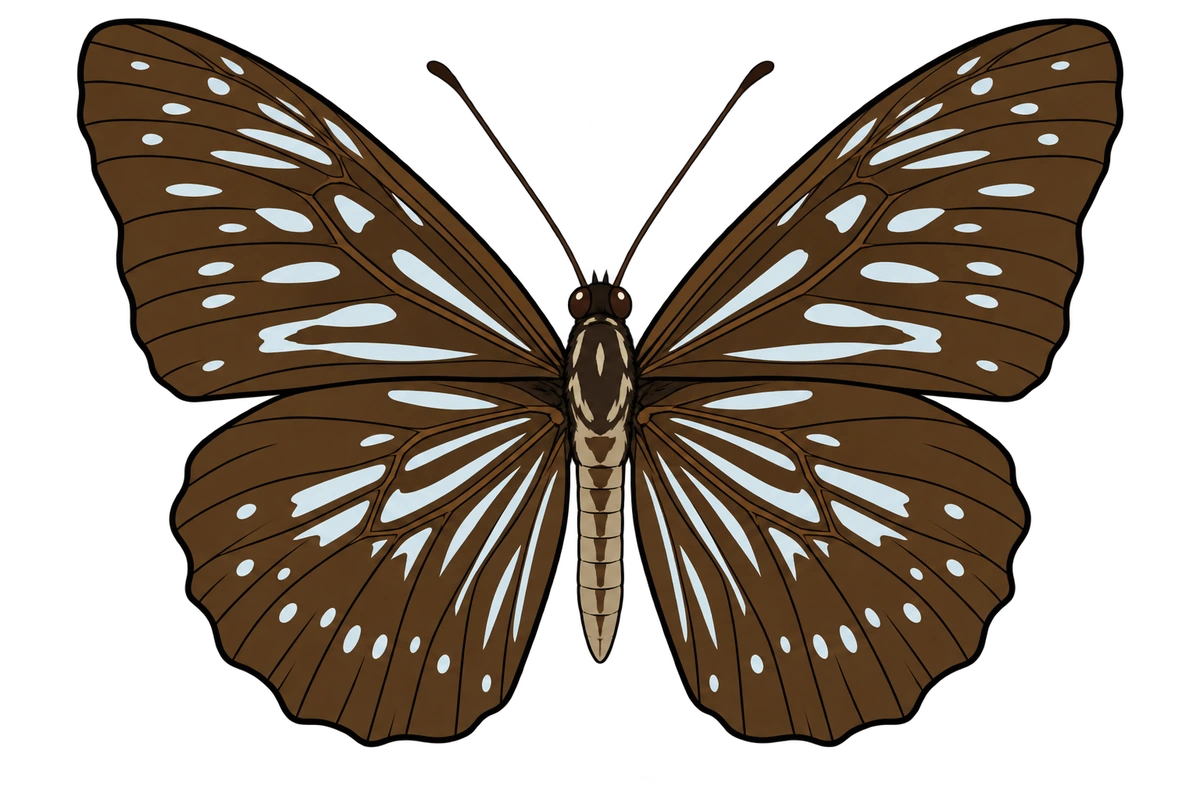
Tirumala hamata
Tirumala hamata is an Australasian and Pacific butterfly with pale blue markings on dark wings. Australian records distinguish wet-season breeding, dry-season aggregations and long-distance movement.
Explore the guide →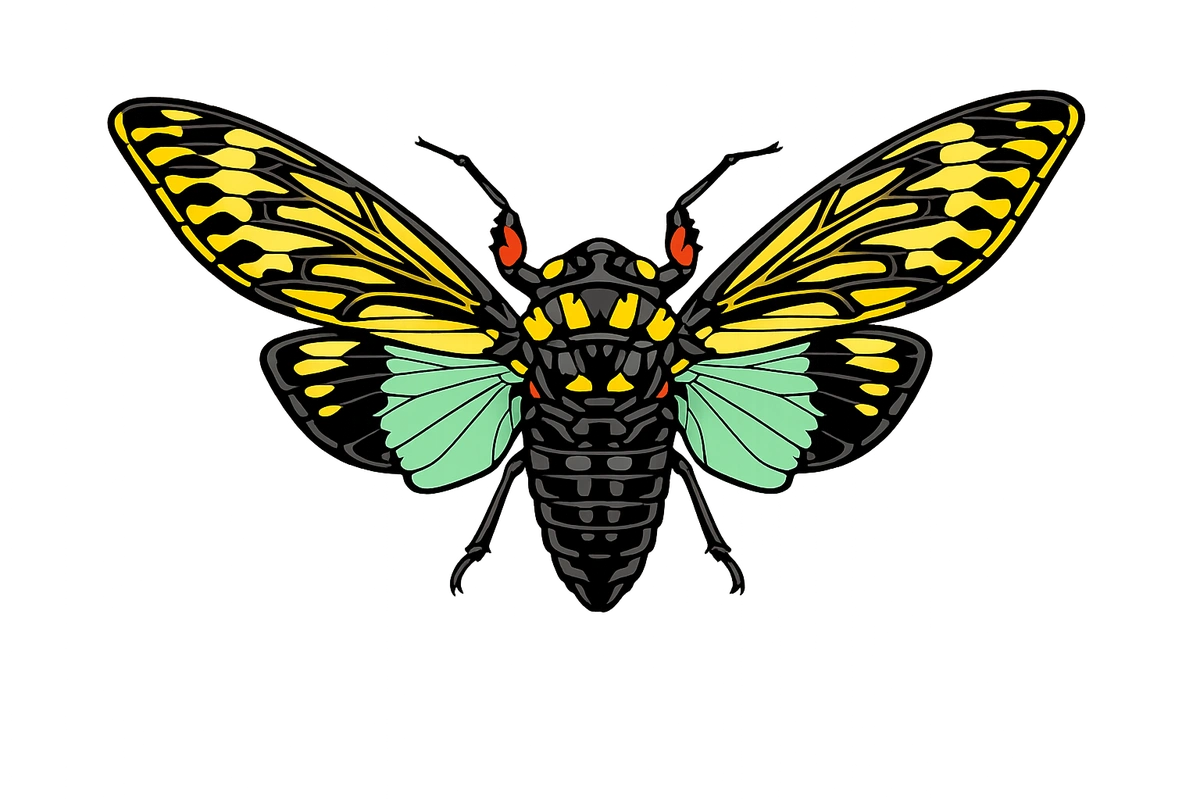
Distantalna splendida
Distantalna splendida is an Asian cicada with partly translucent wings, pale green basal hindwing fields and a dark body marked with yellow and red. Field photographs document adults feeding and a female laying eggs in Thailand.
Explore the guide →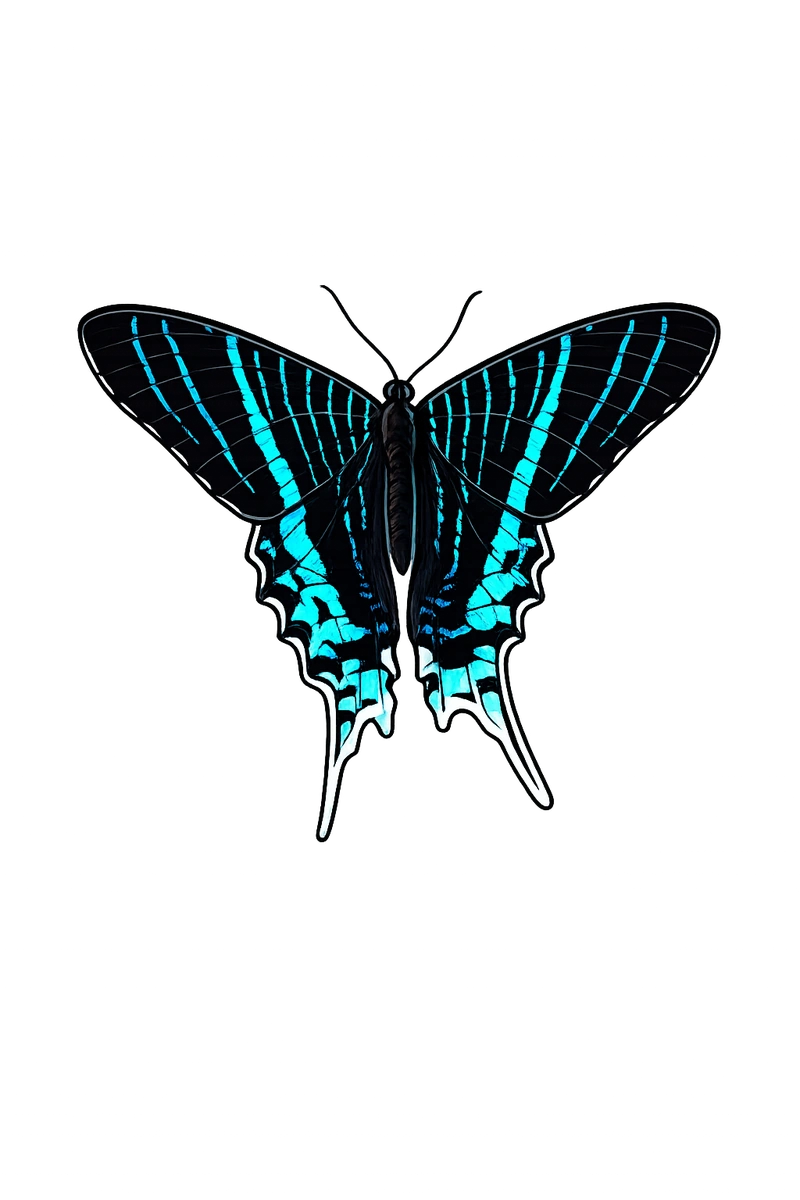
Urania leilus
Urania leilus is a day-flying Neotropical moth with iridescent green bands and pale hindwing tails. Field studies document migration, while comparative research examines its distribution and specialized larval hosts.
Explore the guide →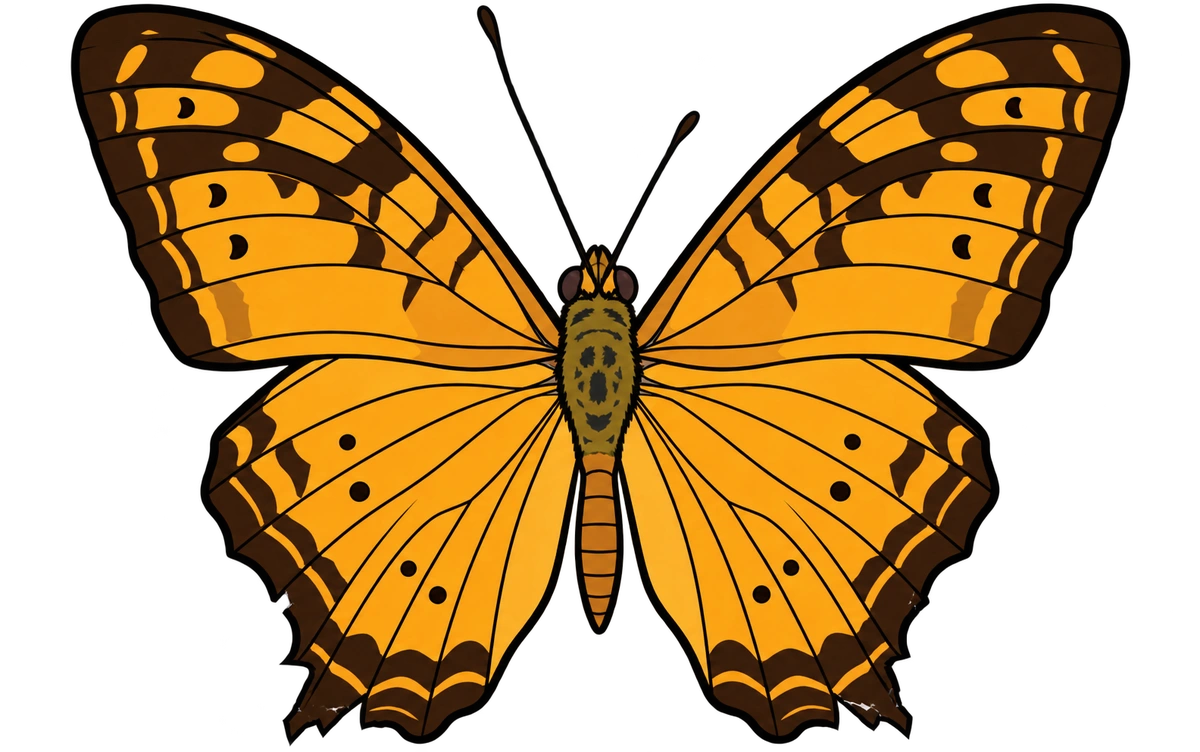
Vagrans egista
Vagrans egista is an orange-and-brown nymphalid with a finely patterned underside. Australian observations document spiny larvae, silver-marked pupae and eggs laid near host plants.
Explore the guide →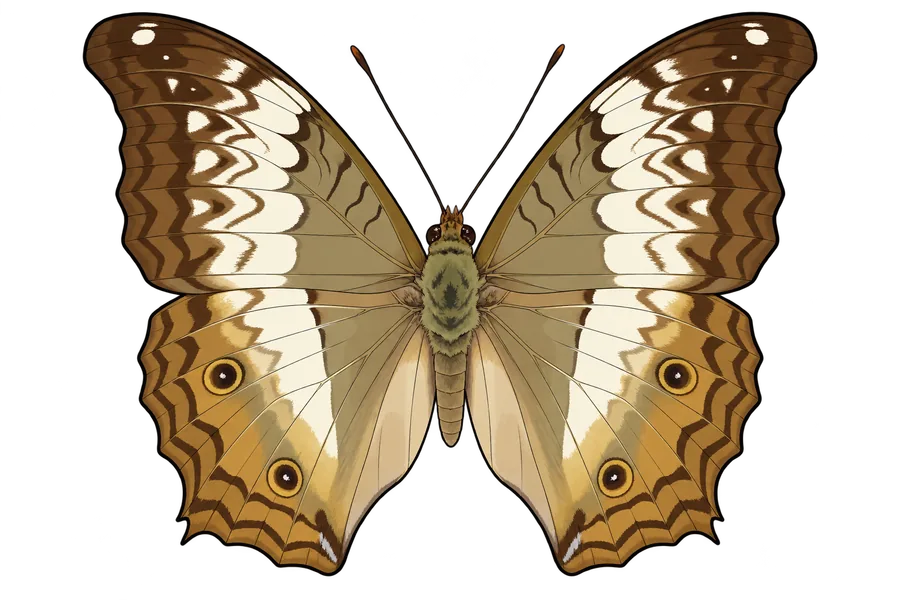
Vindula erota
Vindula erota, the Large Cruiser, is a South and Southeast Asian butterfly with conspicuous differences between the sexes. Males are ochre-yellow; females have grey-brown wings crossed by pale fields. Regional studies record larvae on particular Passifloraceae.
Explore the guide →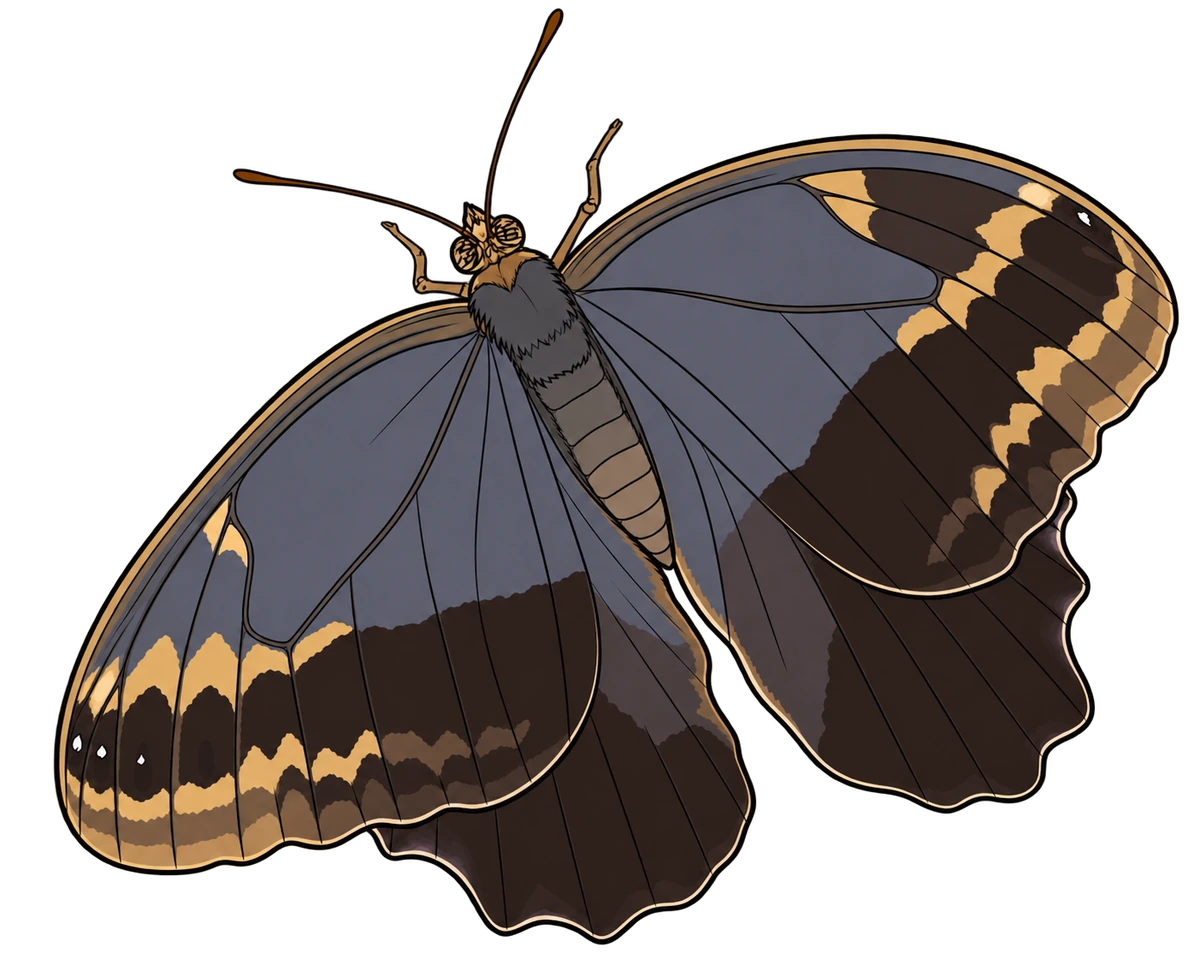
Caligo telamonius
Caligo telamonius is a large Neotropical owl butterfly with prominent eye-like markings on its hindwing underside. Its regional forms include memnon and menus; adults feed on fermenting fruit and are active around dawn and dusk.
Explore the guide →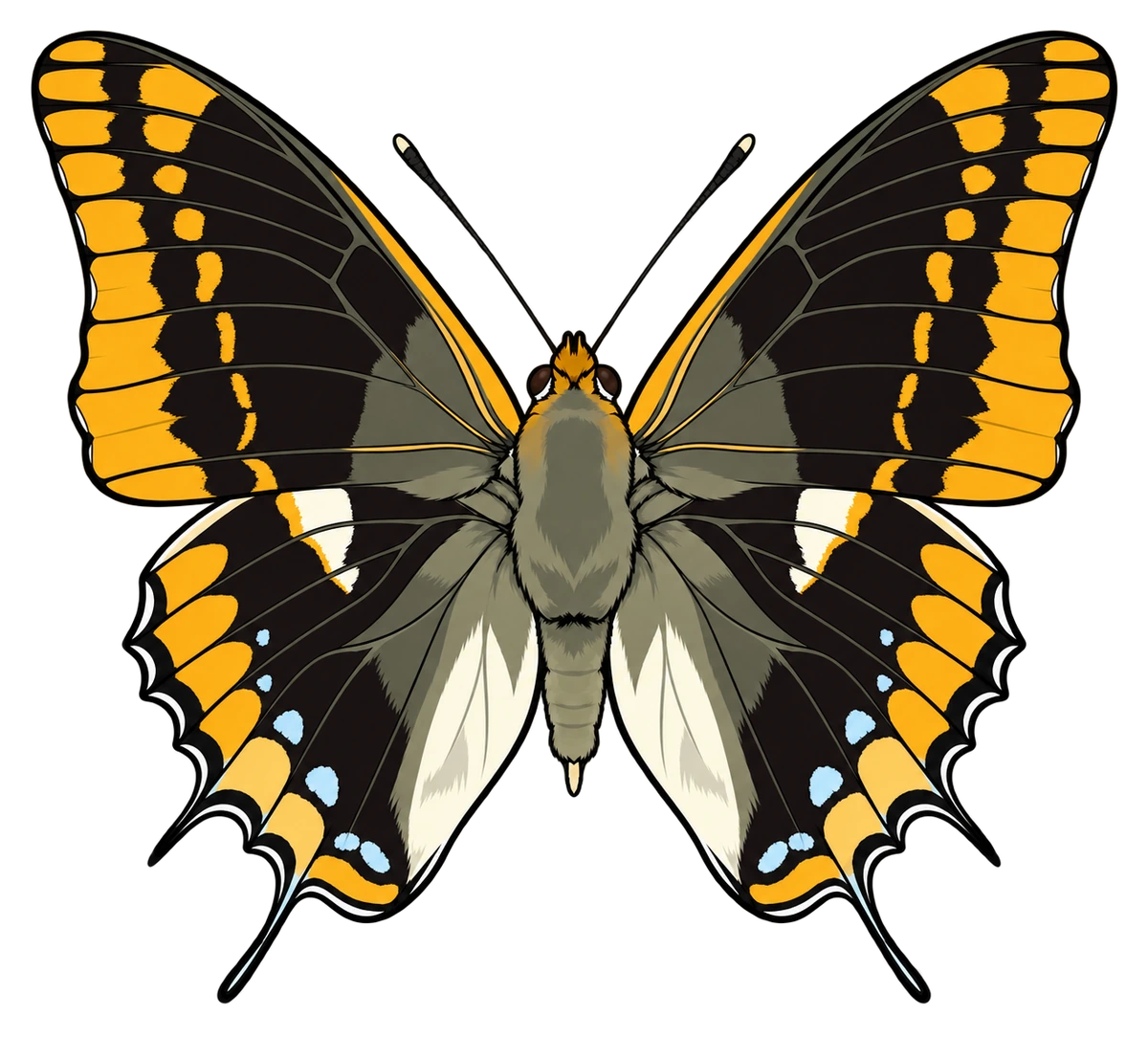
Charaxes jasius
Charaxes jasius is a large Mediterranean butterfly with dark brown upperwings, warm yellow-orange borders and paired hindwing tails. Its burgundy and white underside contrasts with the upper surface, while its larval life is closely associated with strawberry trees.
Explore the guide →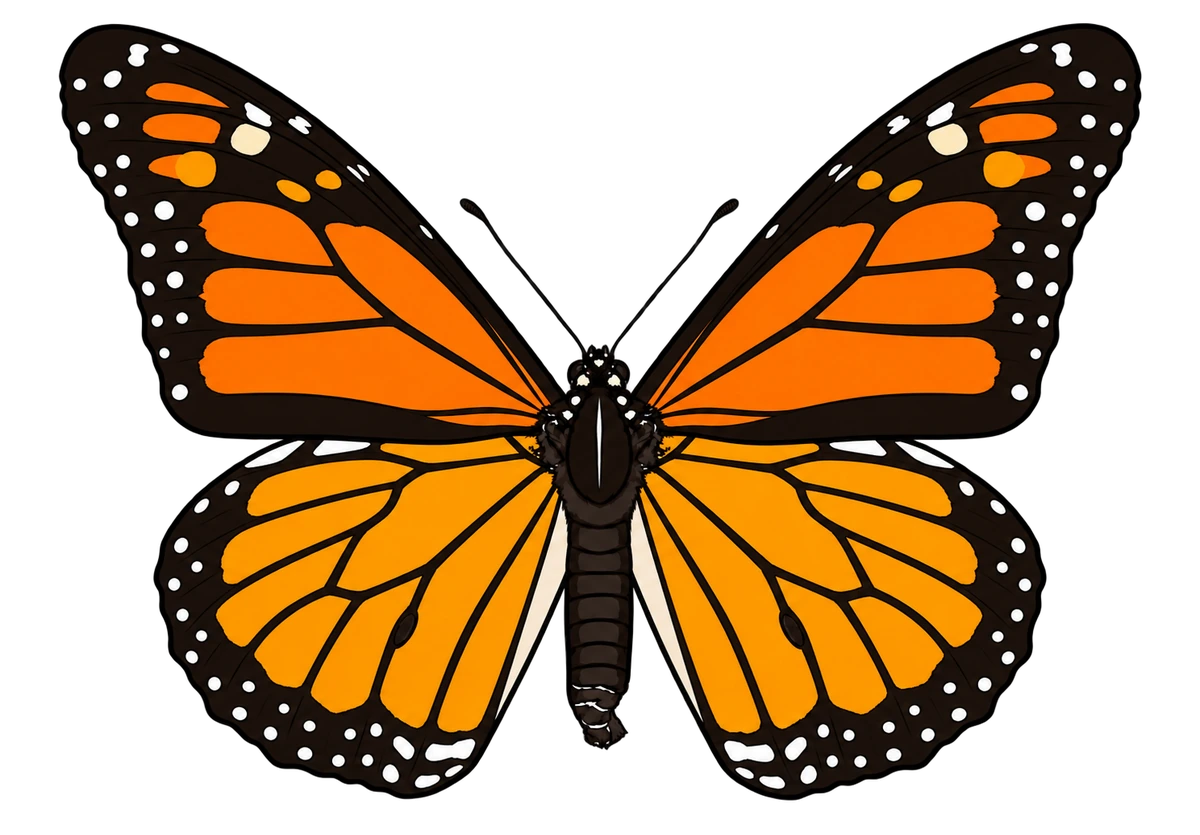
Danaus plexippus
Danaus plexippus combines orange wings, black venation and white-spotted borders with a life history closely tied to milkweeds. Its eastern North American population migrates to the central Mexican highlands; other populations have different seasonal movements or remain resident.
Explore the guide →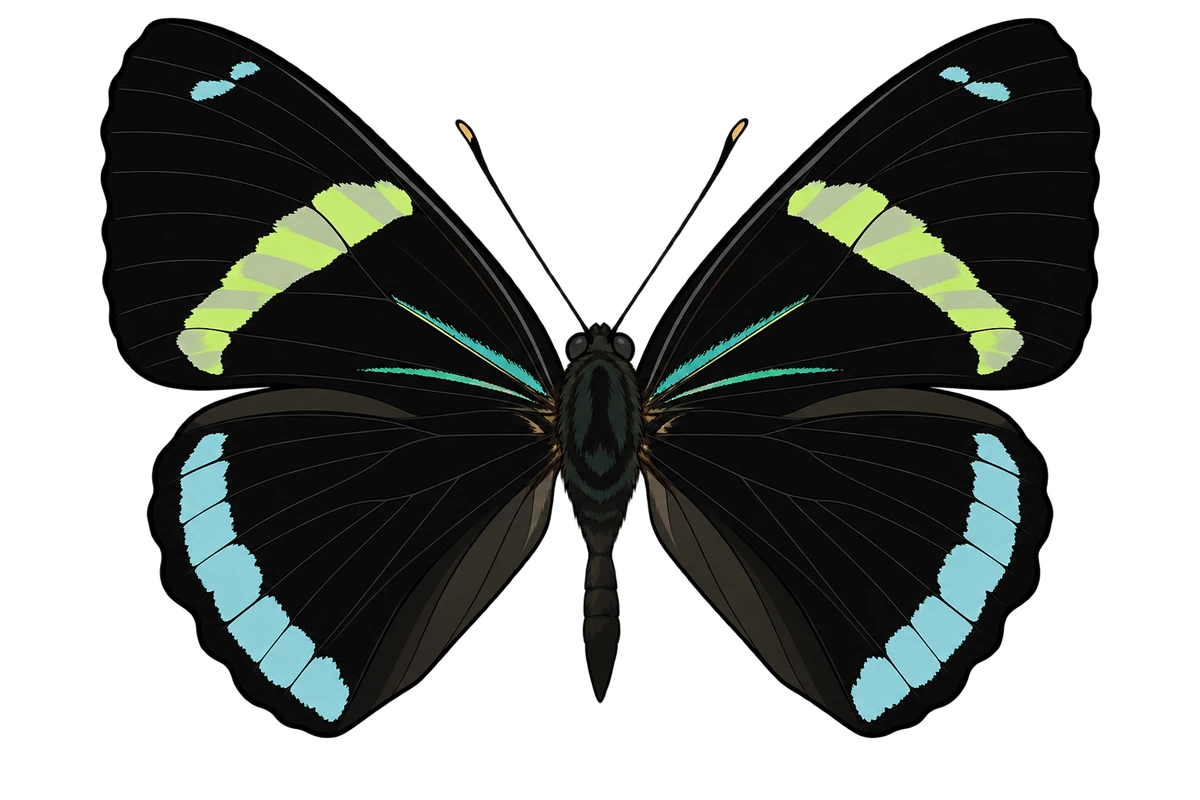
Diaethria clymena
Diaethria clymena has black upperwings crossed by iridescent blue and a red, white and black underside whose hindwing pattern resembles the numeral 88. Brazilian studies of the form janeira document solitary eggs and caterpillars that rest on slender shelters built from the leaf midrib, silk and frass.
Explore the guide →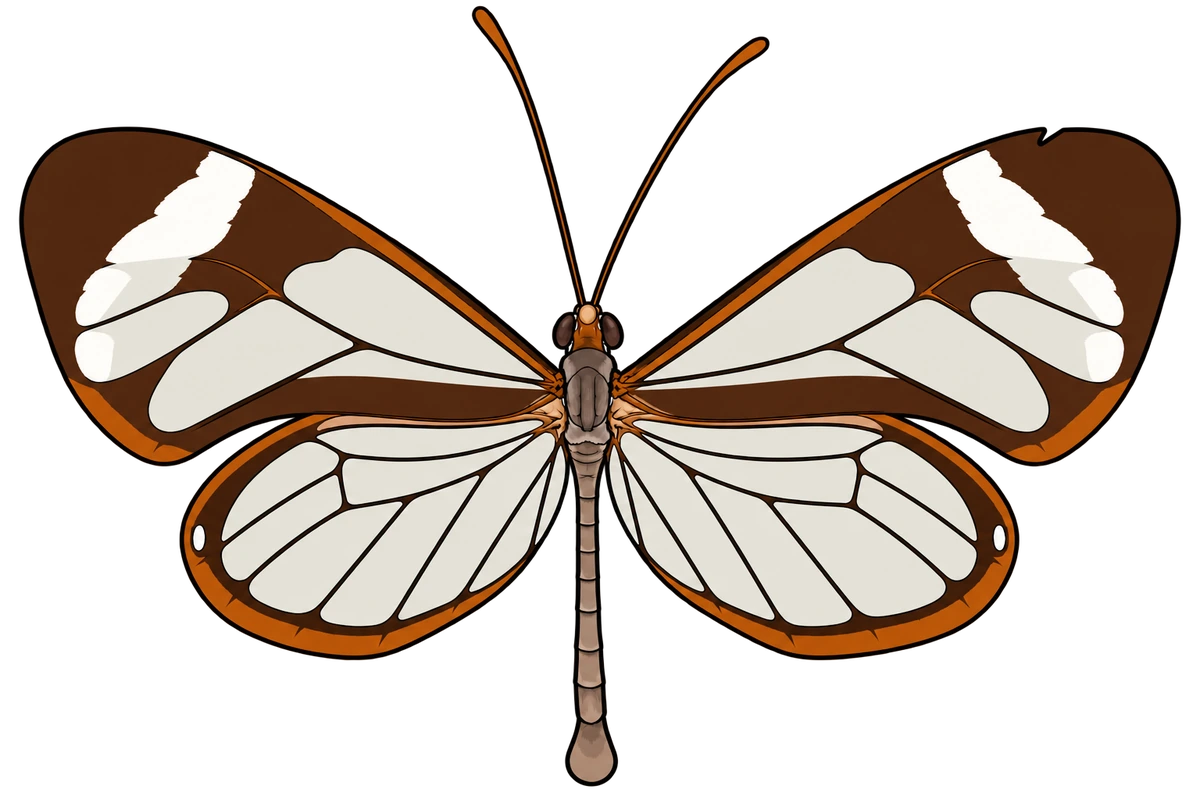
Greta morgane
Greta morgane includes the glasswing subspecies oto, whose clear wing panels are enclosed by brown and black borders. Its transparency combines sparse, narrow scales with microscopic surface structures that reduce reflected light.
Explore the guide →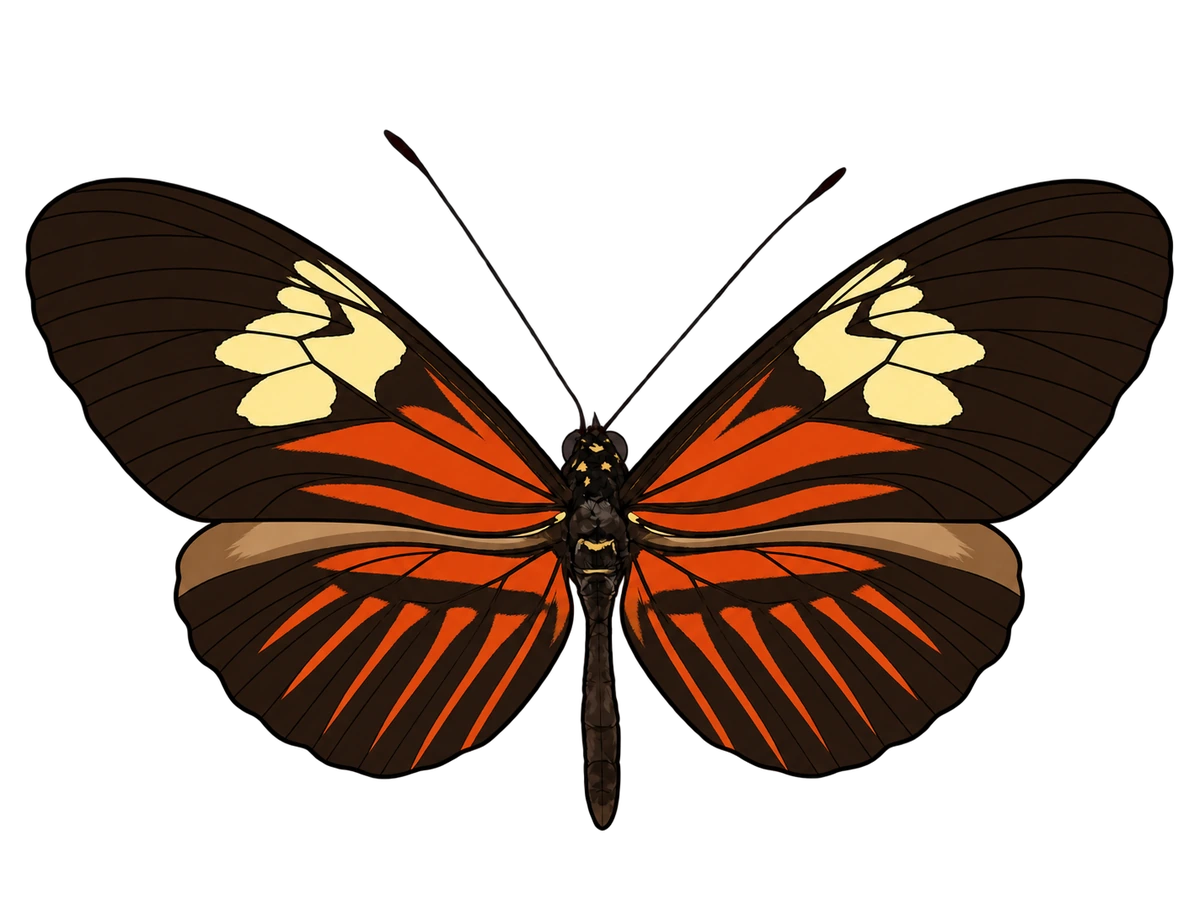
Heliconius melpomene
Heliconius melpomene is a Neotropical passion-vine butterfly with black wings and geographically variable red or yellow markings. Adults collect pollen as well as nectar, and laboratory analyses have detected protein-digesting enzymes in their saliva.
Explore the guide →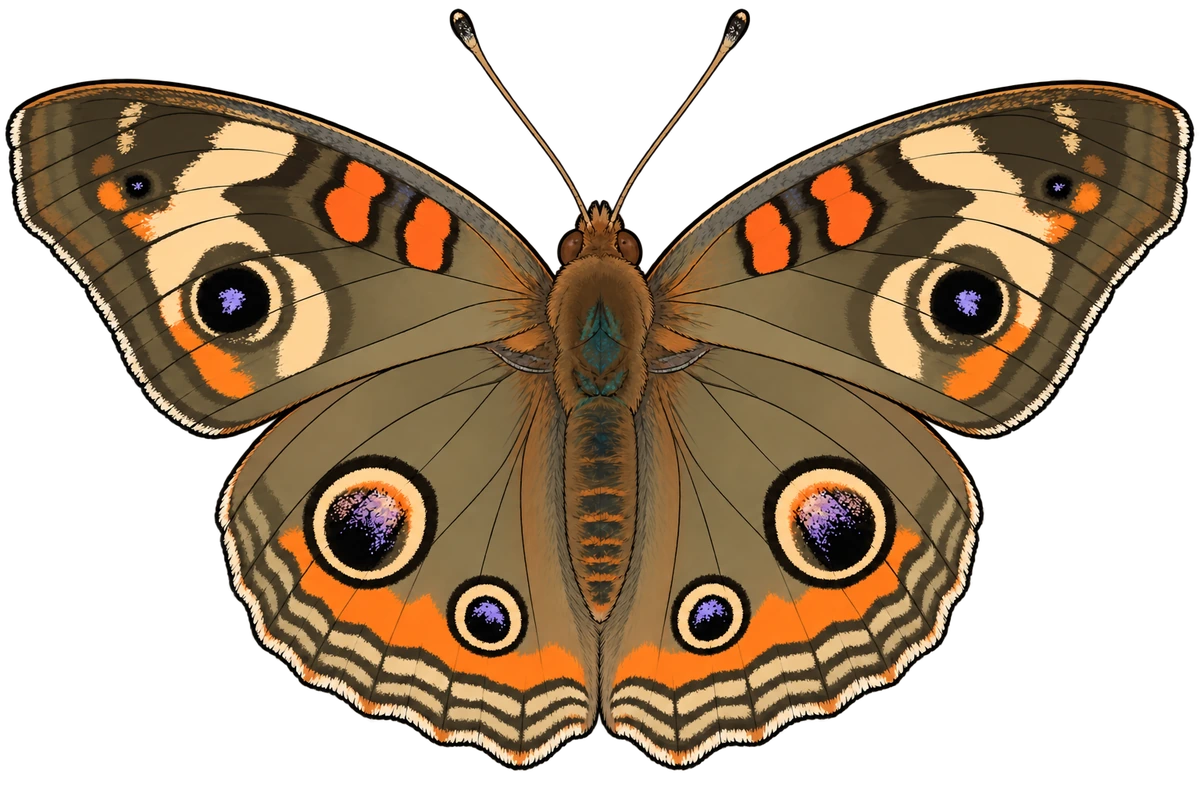
Junonia coenia
Junonia coenia is an eastern North American buckeye with conspicuous eyespots, white forewing bands and orange bars. Its hindwing underside changes seasonally, from tan-brown to a richer reddish-brown.
Explore the guide →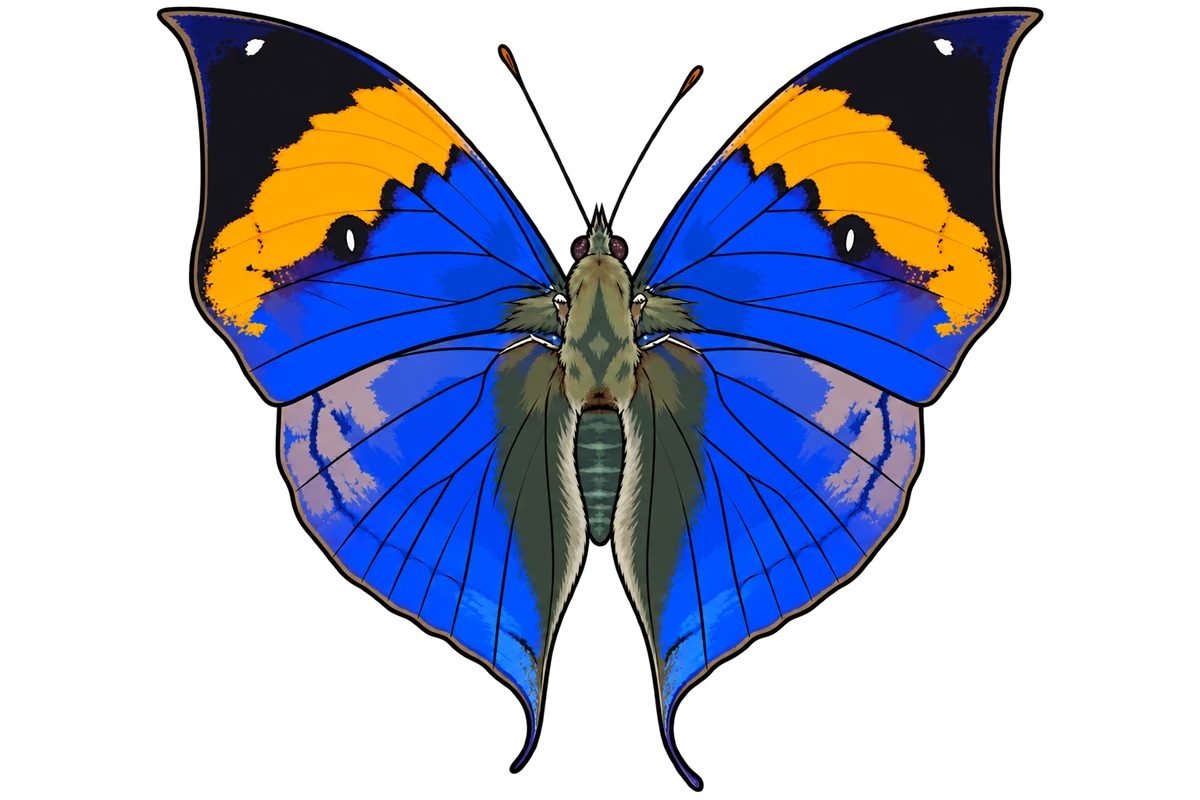
Kallima inachus
Kallima inachus resembles a dry leaf when its wings close. Lines across the forewing and hindwing form a leaf-like network, and controlled predator trials show that prior experience with real leaves delays attacks on the butterfly.
Explore the guide →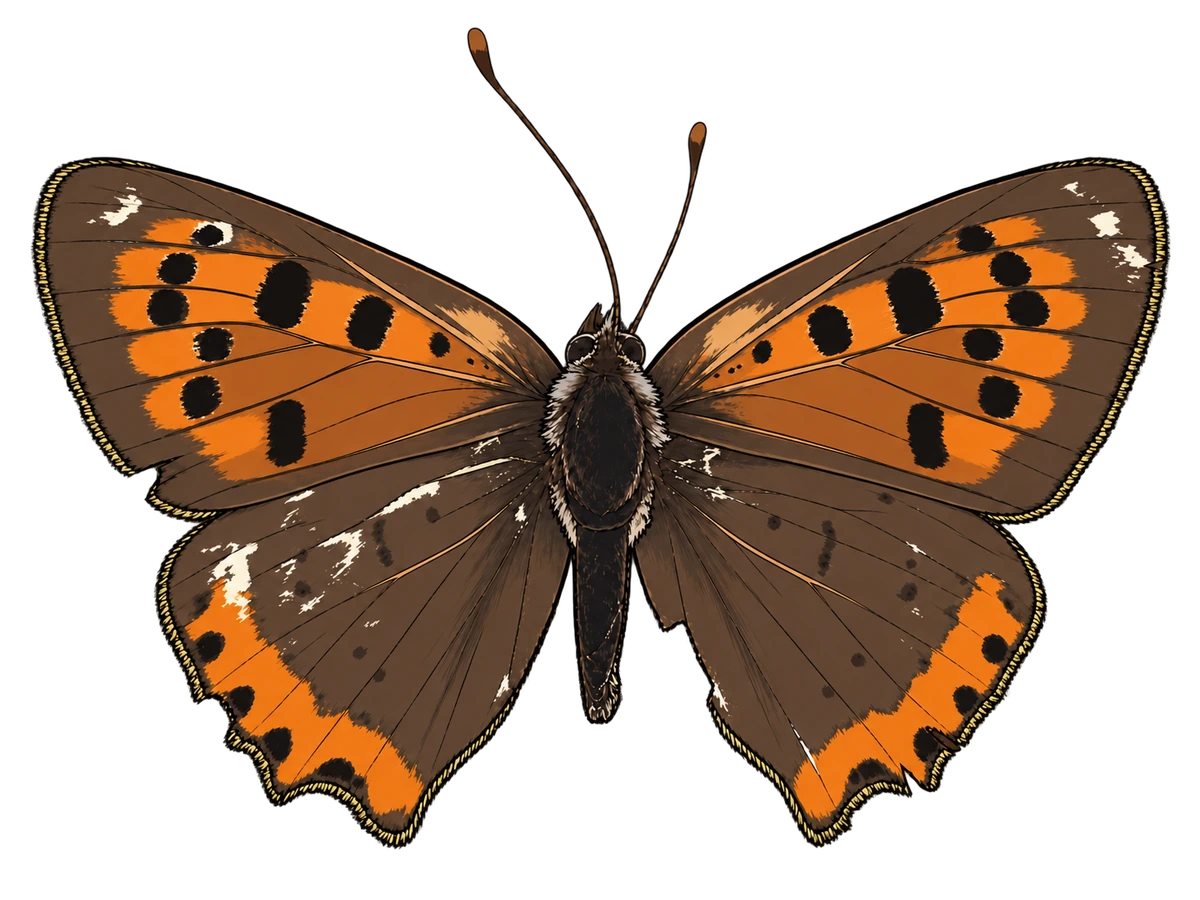
Lycaena phlaeas
The Small Copper has reddish-gold forewings with dark spots and a dark border, paired with brown hindwings carrying a red marginal band. Its larvae feed on docks and sorrels; seasonal schedules vary strongly between temperate and Arctic populations.
Explore the guide →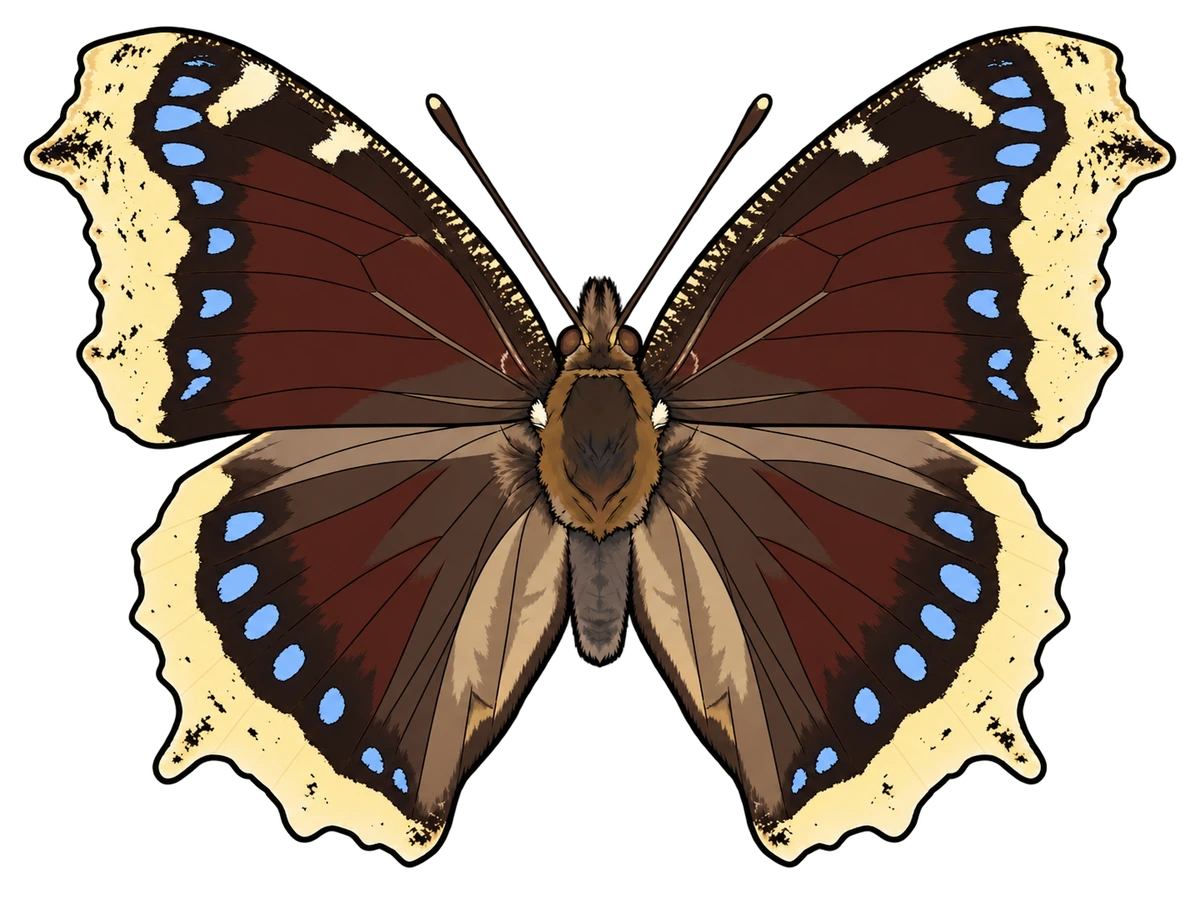
Nymphalis antiopa
Nymphalis antiopa has maroon upperwings edged in pale yellow, with blue spots set in a dark border. Adults overwinter and may emerge on mild winter days, long before the spring generation develops.
Explore the guide →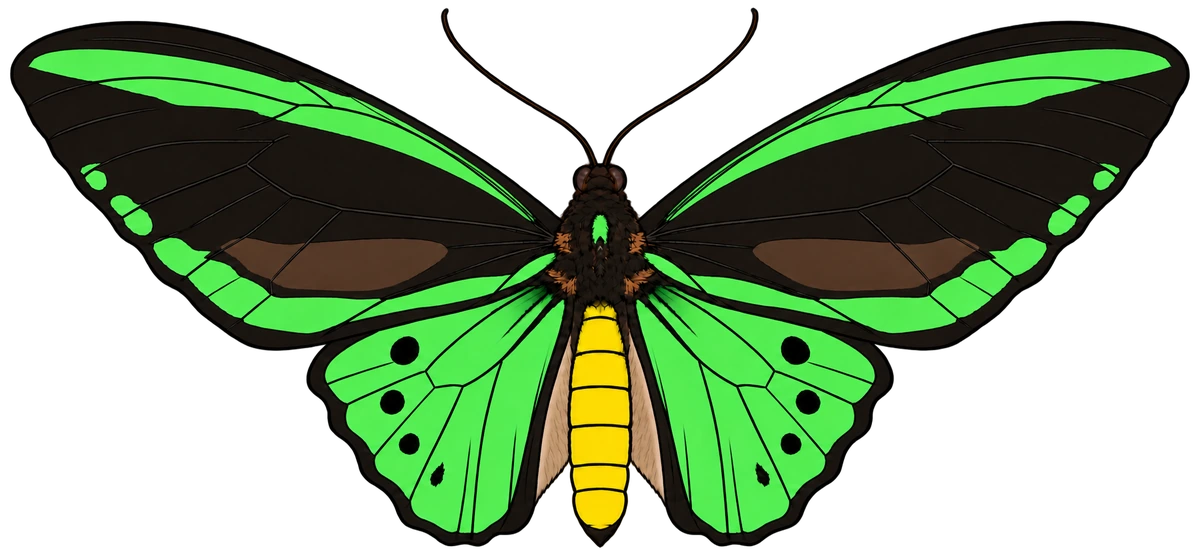
Ornithoptera priamus
Ornithoptera priamus is a birdwing with strong sexual dimorphism: males have green or blue fields on black wings, while larger females carry pale markings on a dark ground. Its island populations extend from the Moluccas through New Guinea and the Solomon Islands to Cape York.
Explore the guide →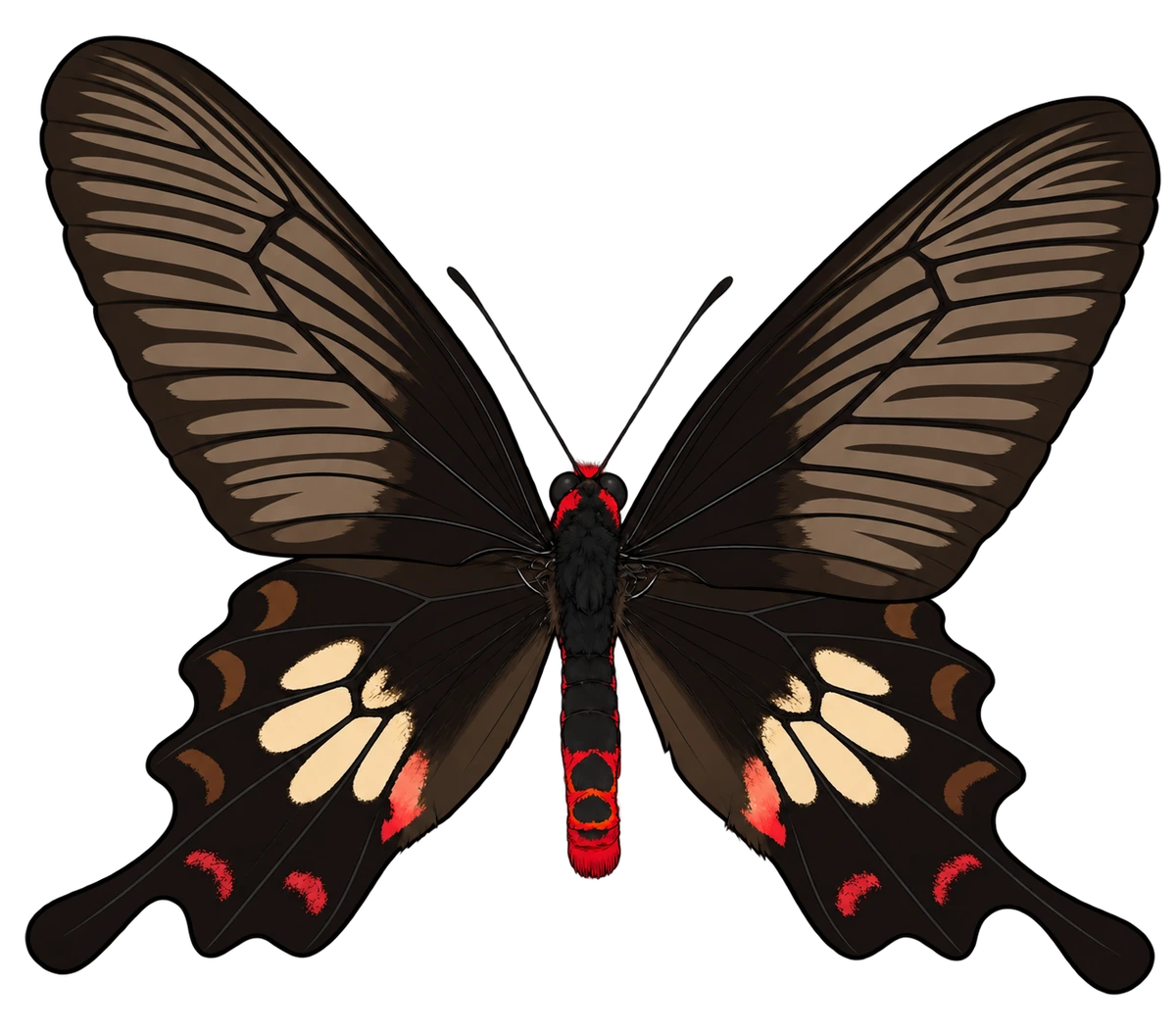
Pachliopta aristolochiae
The Common Rose combines a bright red body with red hindwing spots, a warning pattern associated with its distastefulness. In Singapore, its distribution is closely associated with cultivated Aristolochia vines used by the caterpillars.
Explore the guide →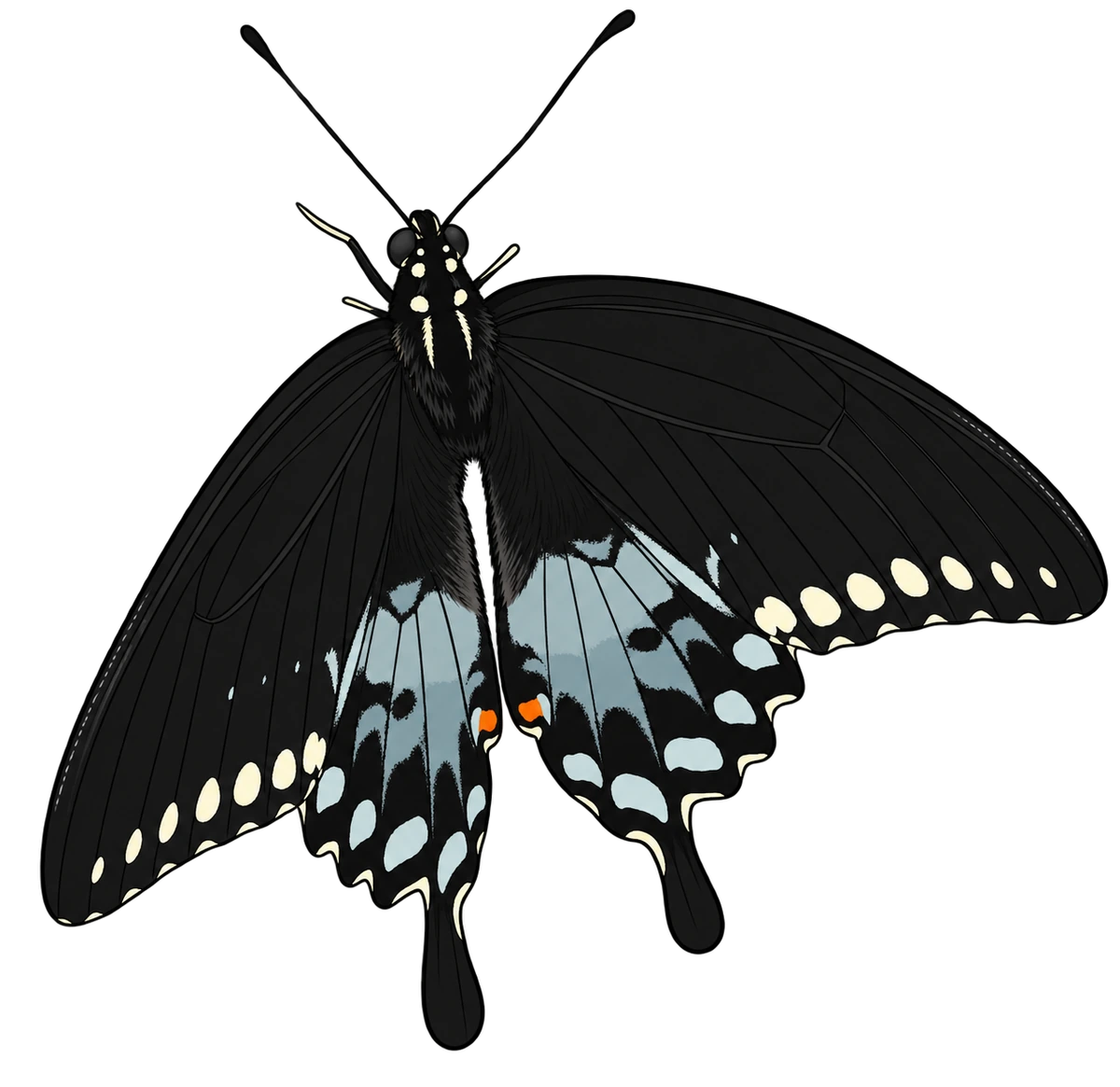
Papilio troilus
Papilio troilus is a dark eastern North American swallowtail with blue or blue-green hindwing scaling and pale marginal spots. Its caterpillars fold leaves into shelters and feed on trees and shrubs in the laurel family.
Explore the guide →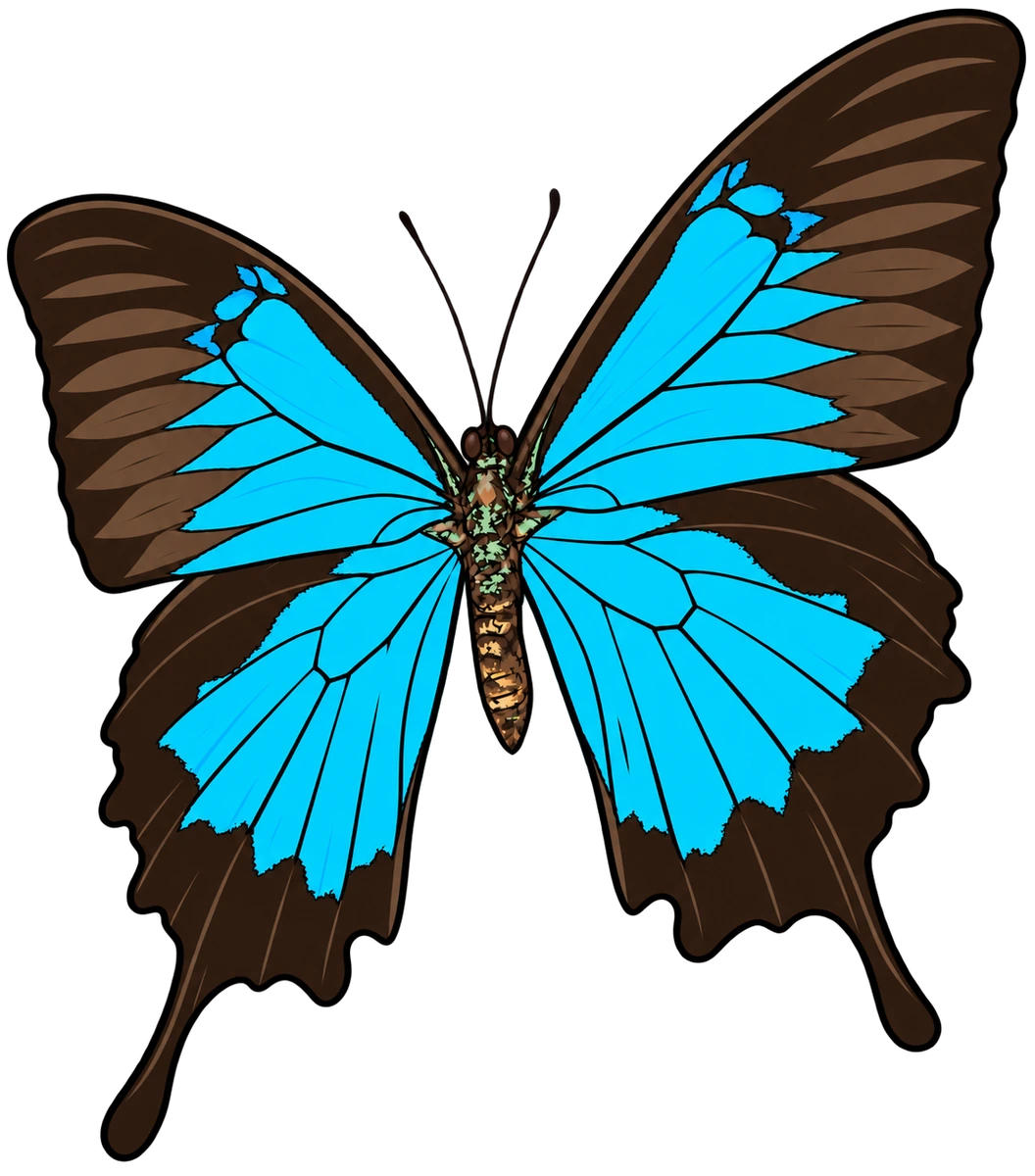
Papilio ulysses
Papilio ulysses has broad iridescent blue fields enclosed by black wing margins and prominent black hindwing tails. Its caterpillars feed on rainforest trees in the citrus family, especially Melicope elleryana in tropical Queensland.
Explore the guide →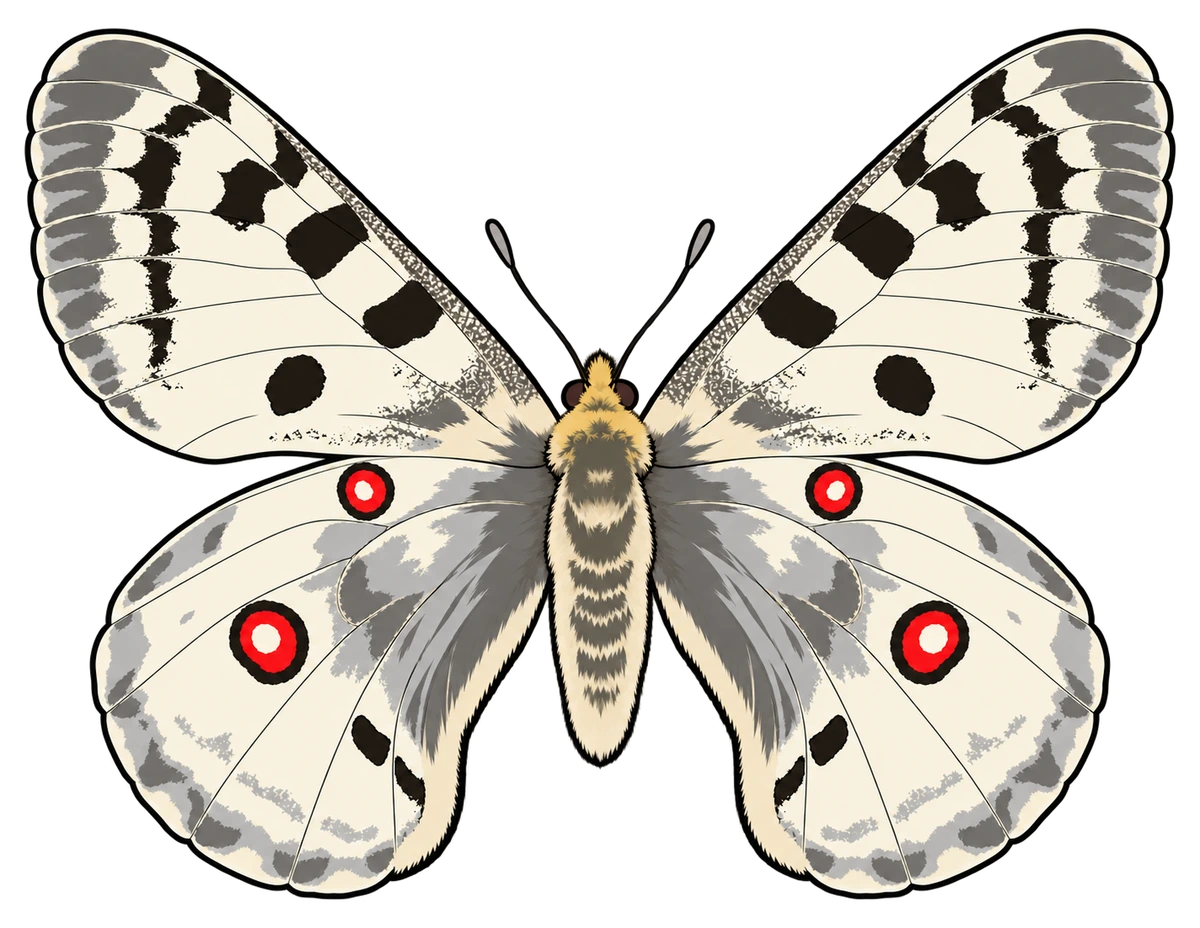
Parnassius apollo
Parnassius apollo has white wings marked with black forewing spots and red hindwing eyespots. It inhabits open, stony terrain where its caterpillars feed on stonecrops and related succulents.
Explore the guide →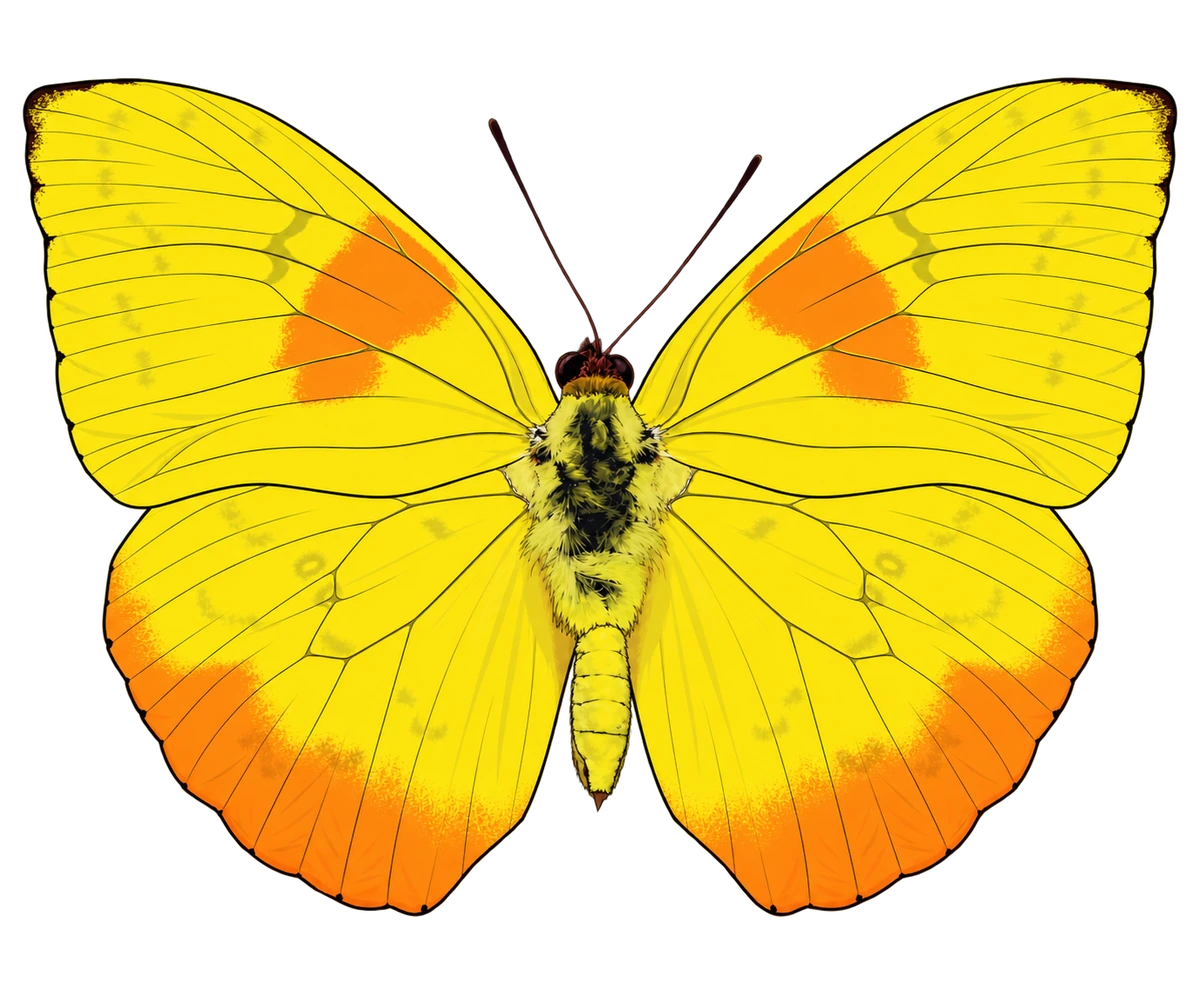
Phoebis philea
Phoebis philea is a large yellow sulphur whose males carry an orange forewing bar and orange hindwing edging. Females vary from golden yellow to creamy white, while caterpillar coloration changes with the part of the host plant eaten.
Explore the guide →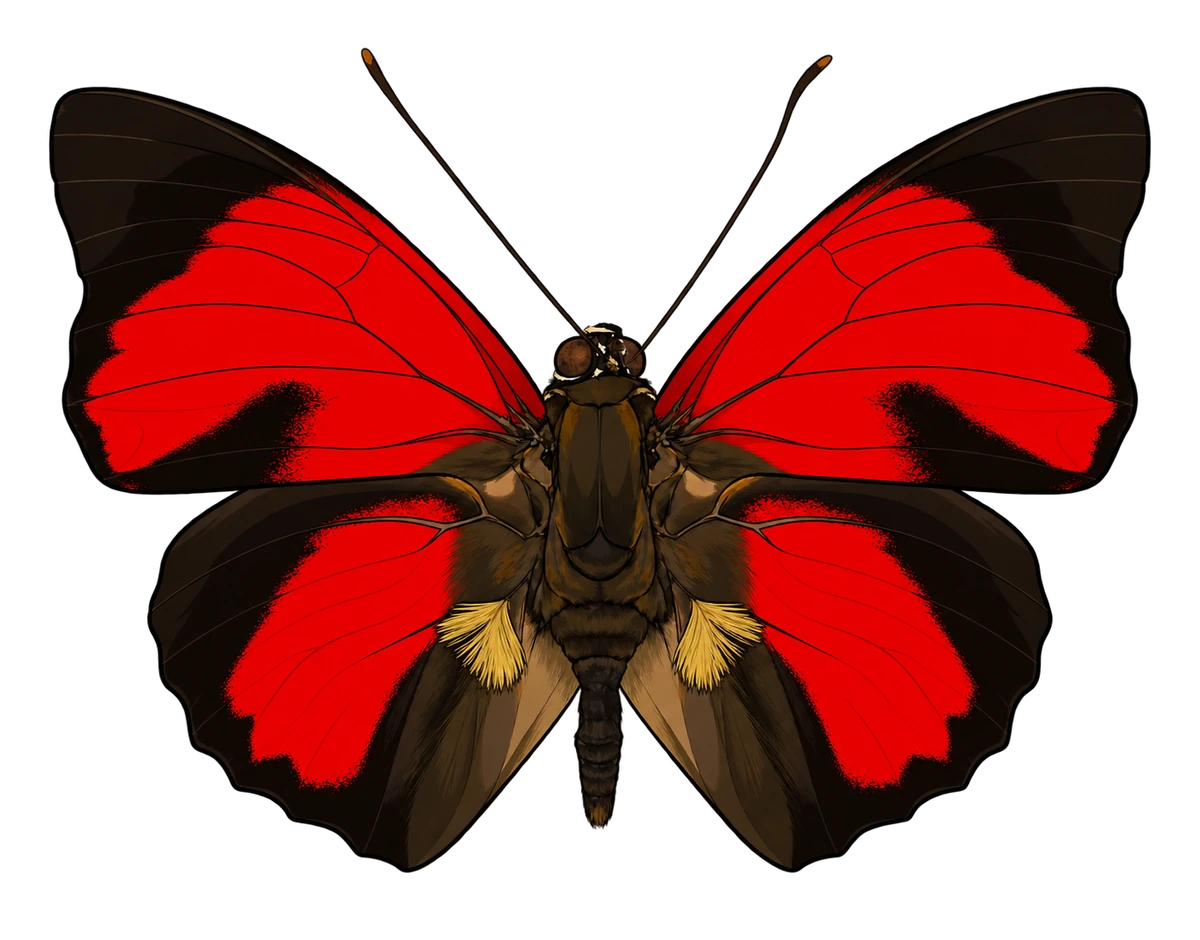
Prepona claudina
Prepona claudina is a Neotropical charaxine with red to magenta forewing fields and variable blue or red hindwing patches. Formerly placed in Agrias, it includes geographically and individually variable populations whose colors can overlap within a single locality.
Explore the guide →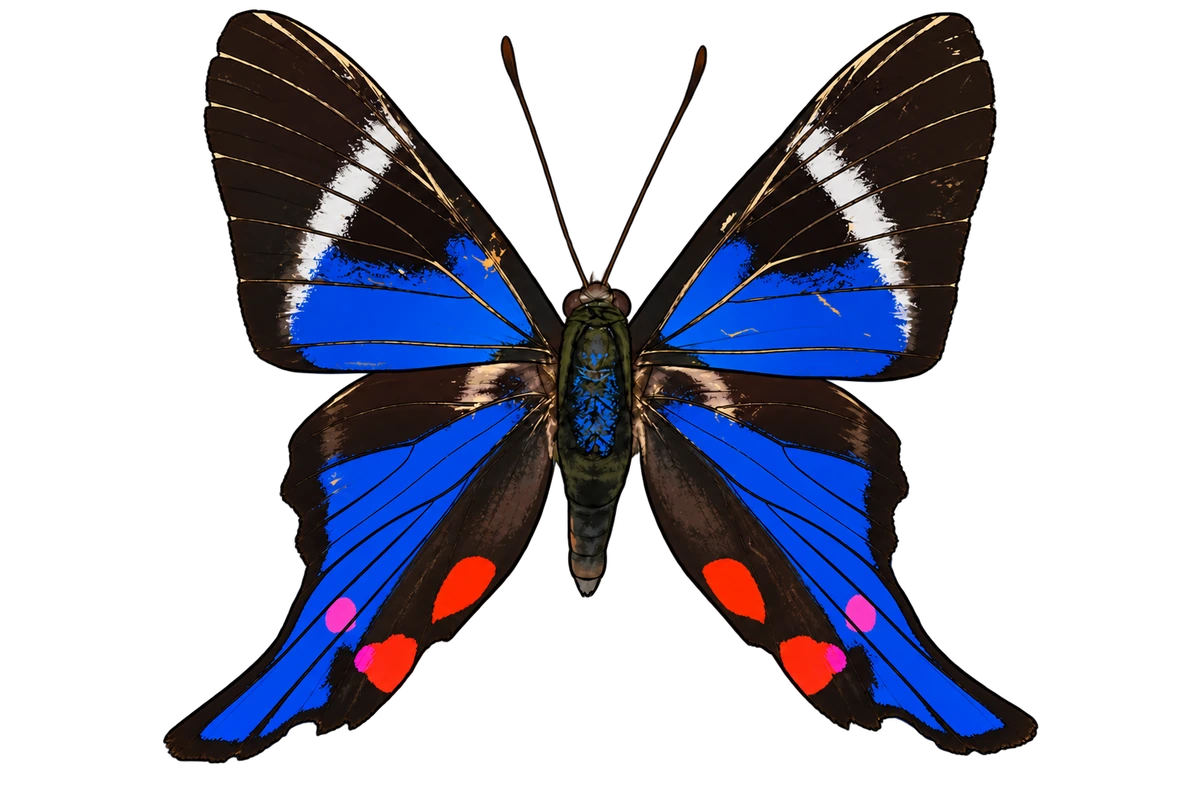
Rhetus periander
Rhetus periander is a long-tailed metalmark with blue fields on black upperwings and red hindwing markings. Its brown underside carries pale longitudinal stripes, giving the folded specimen a markedly different pattern.
Explore the guide →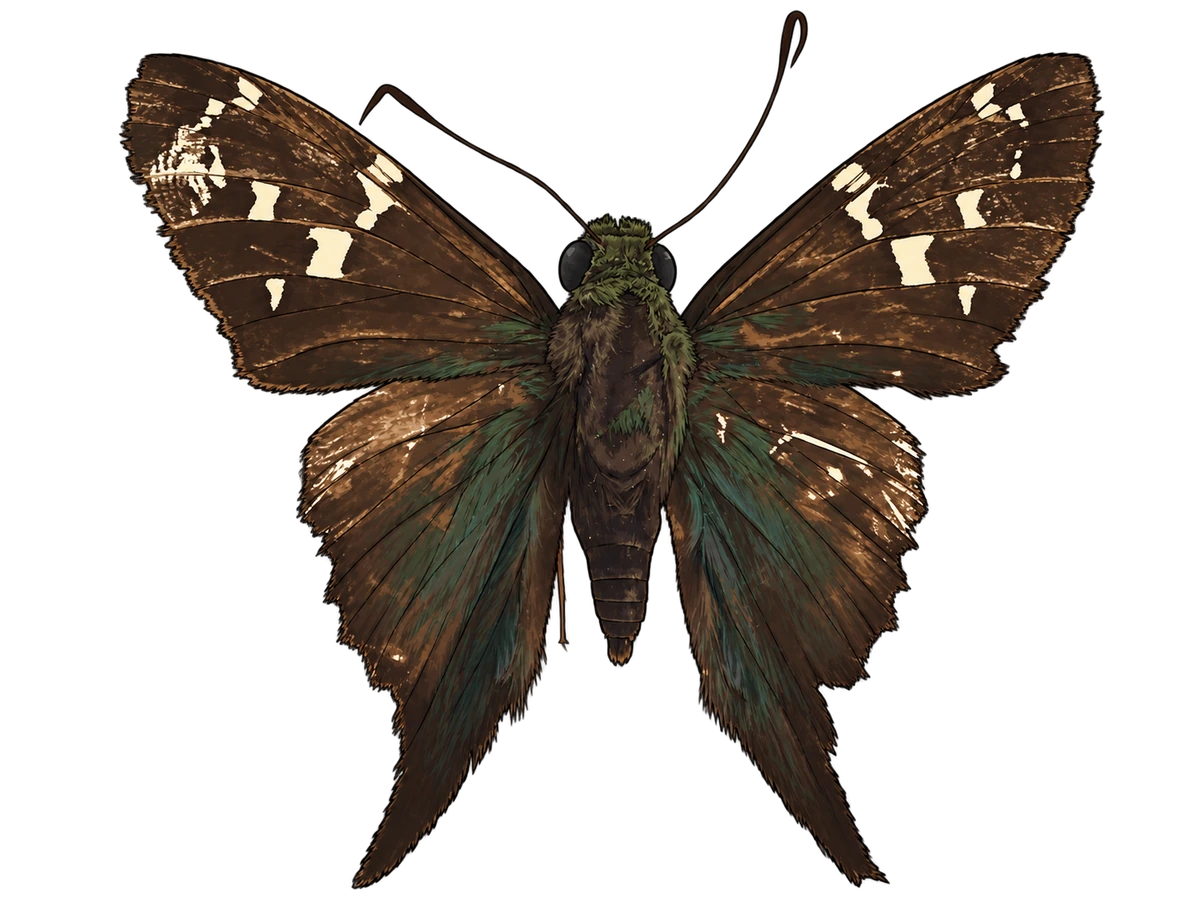
Urbanus proteus
Urbanus proteus is a brown skipper with long hindwing tails, pale forewing spots and green iridescent scales on both wings and body. Its caterpillar, the bean leafroller, makes silk-lined shelters in legume foliage.
Explore the guide →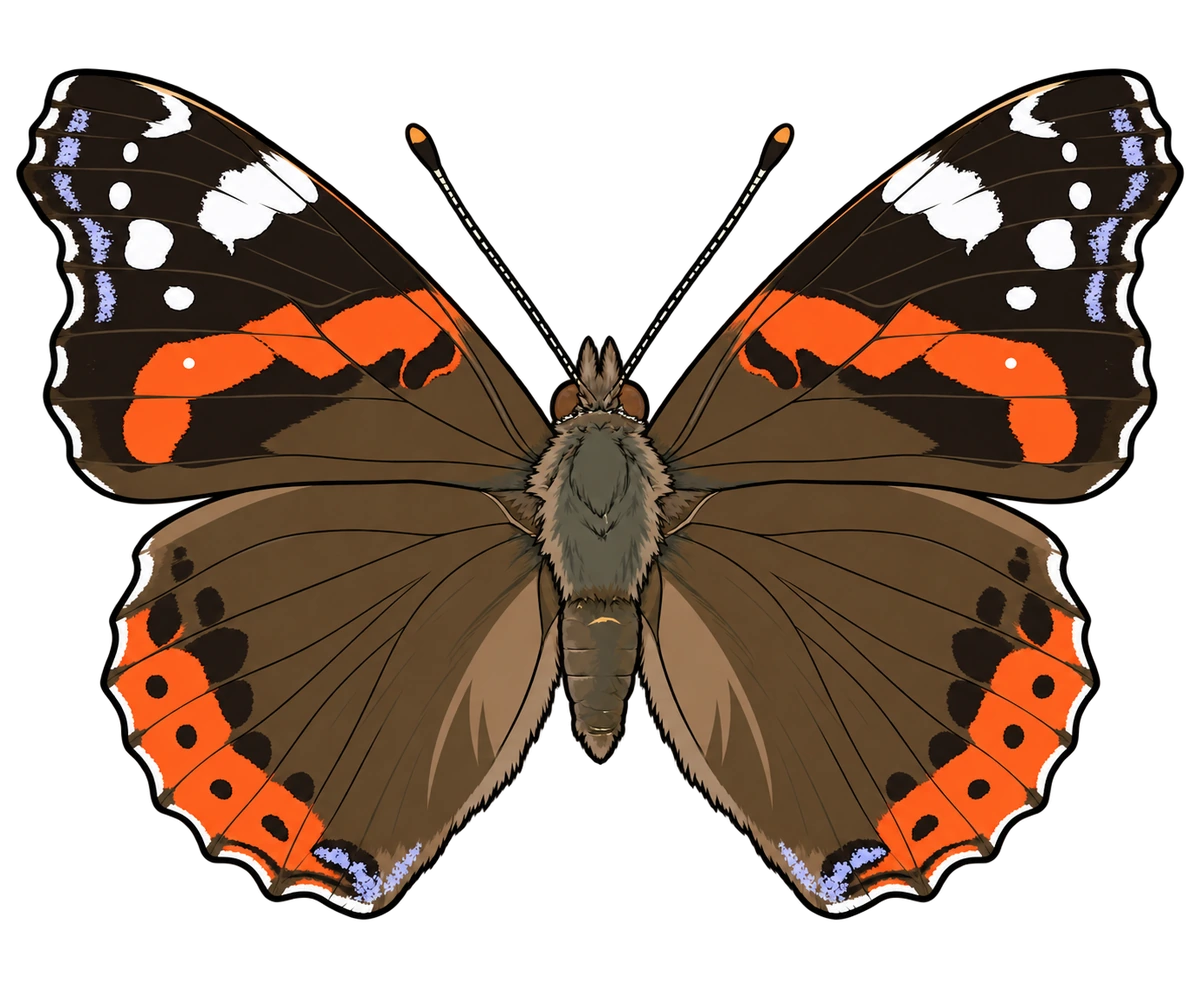
Vanessa atalanta
The Red Admiral has black upperwings crossed by vivid orange bands and white forewing spots. Its caterpillars construct leaf shelters on nettles, while the adult uses both nectar and fermenting food sources.
Explore the guide →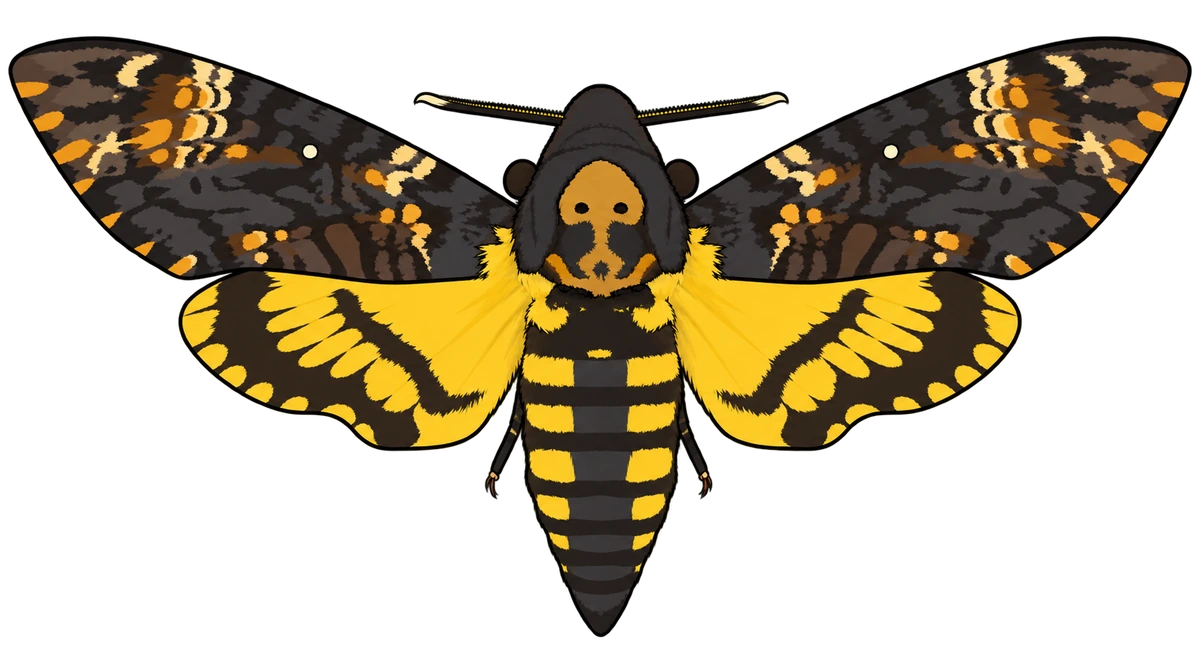
Acherontia atropos
A pale skull-like thoracic marking, yellow-and-black hindwings and a banded abdomen identify this large hawk-moth. Adults can enter honeybee colonies to feed and produce an audible squeak.
Explore the guide →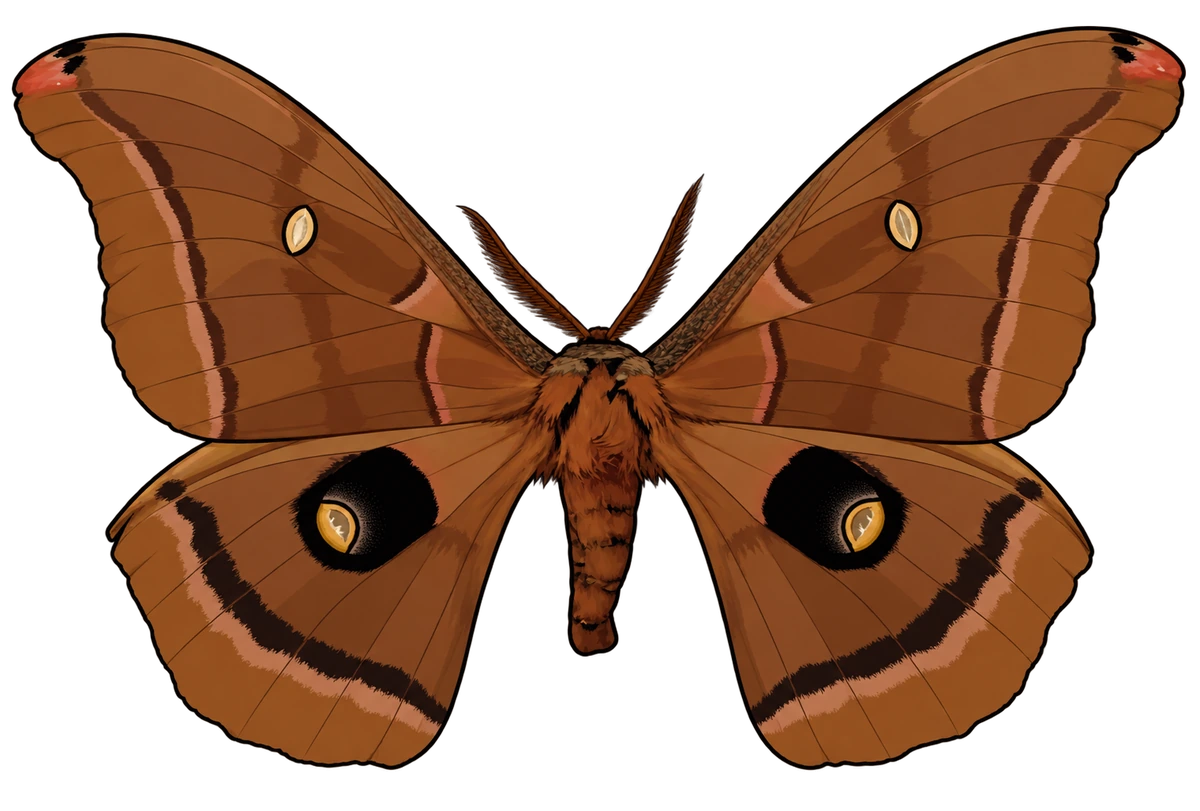
Antheraea polyphemus
Large ringed hindwing eyespots distinguish the Polyphemus moth. Its caterpillars produce audible mandibular clicks and defend themselves with regurgitated fluid.
Explore the guide →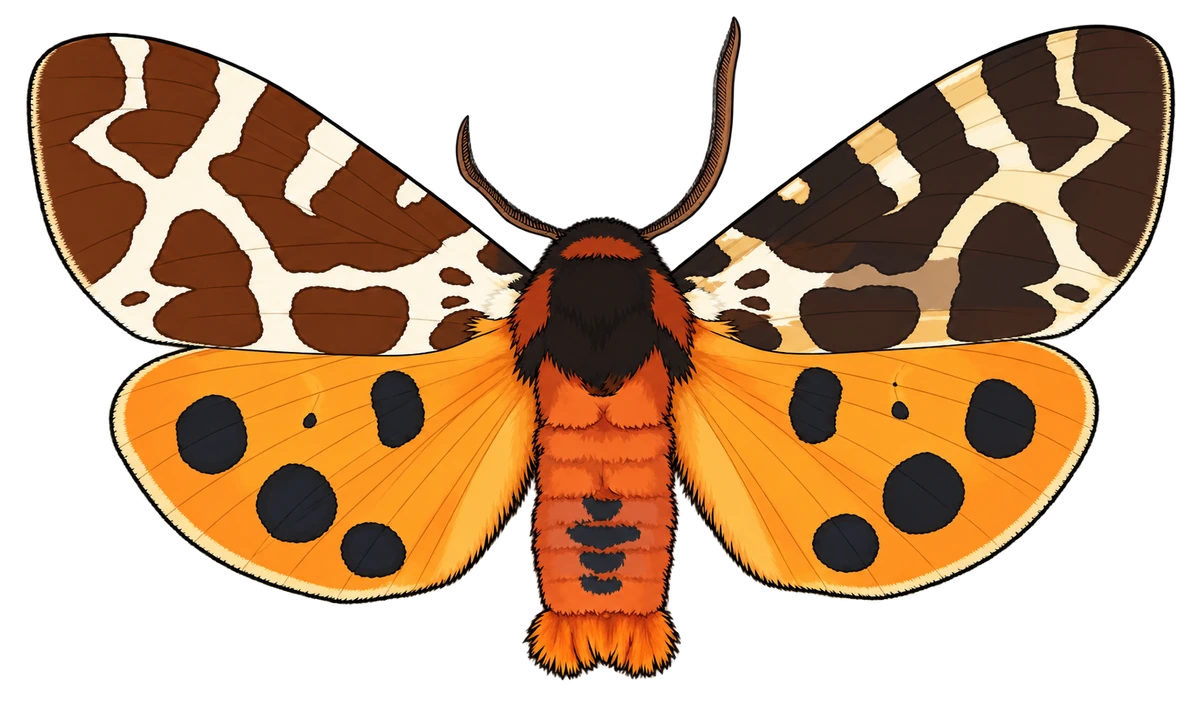
Arctia caja
A cream-and-brown forewing mosaic conceals orange hindwings marked with blue-black spots. Individual variation is a characteristic of this Holarctic tiger moth.
Explore the guide →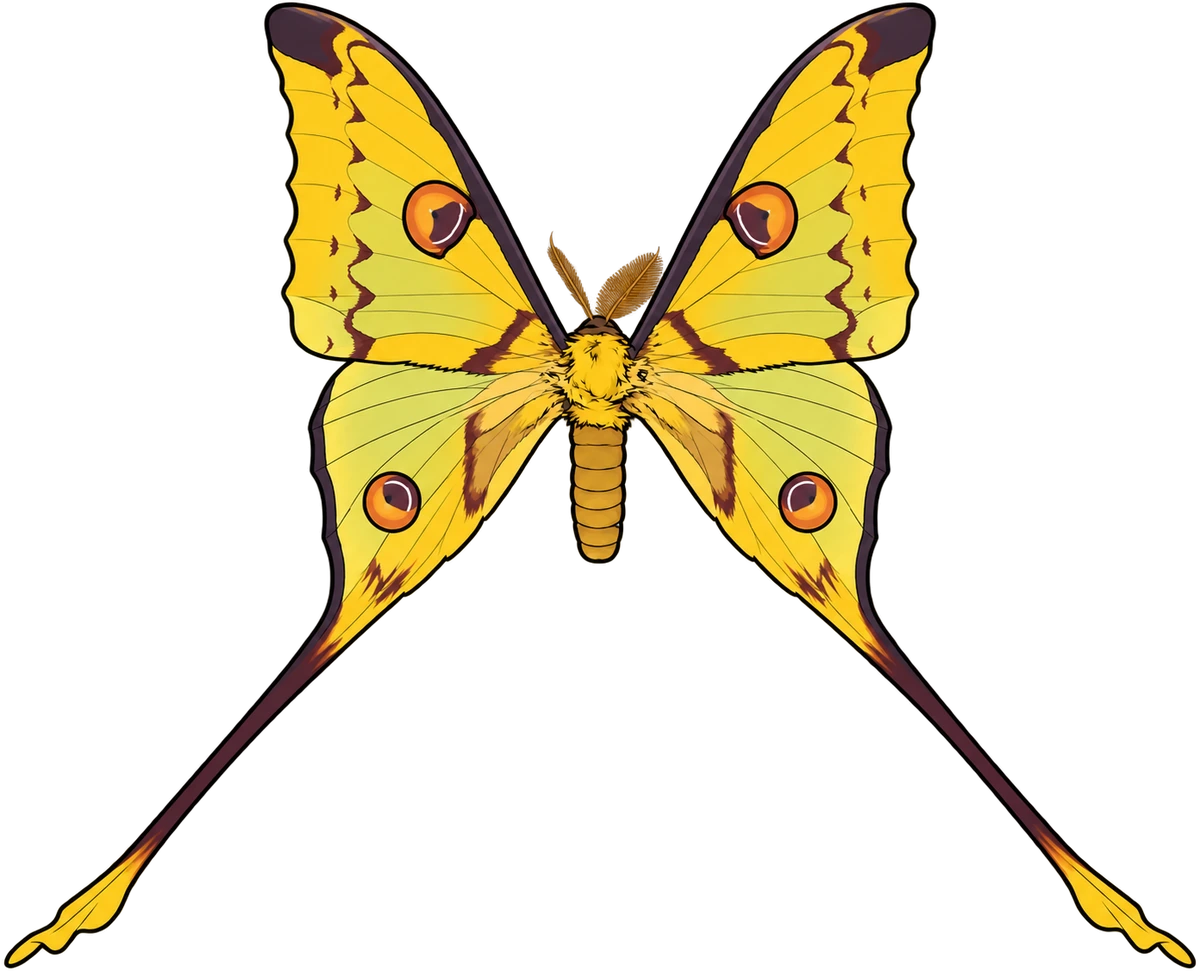
Argema mittrei
The Madagascan moon moth is a yellow silk moth with eyespots and exceptionally elongated red-and-yellow hindwing tails. Males carry slimmer tails and more feathery antennae than females.
Explore the guide →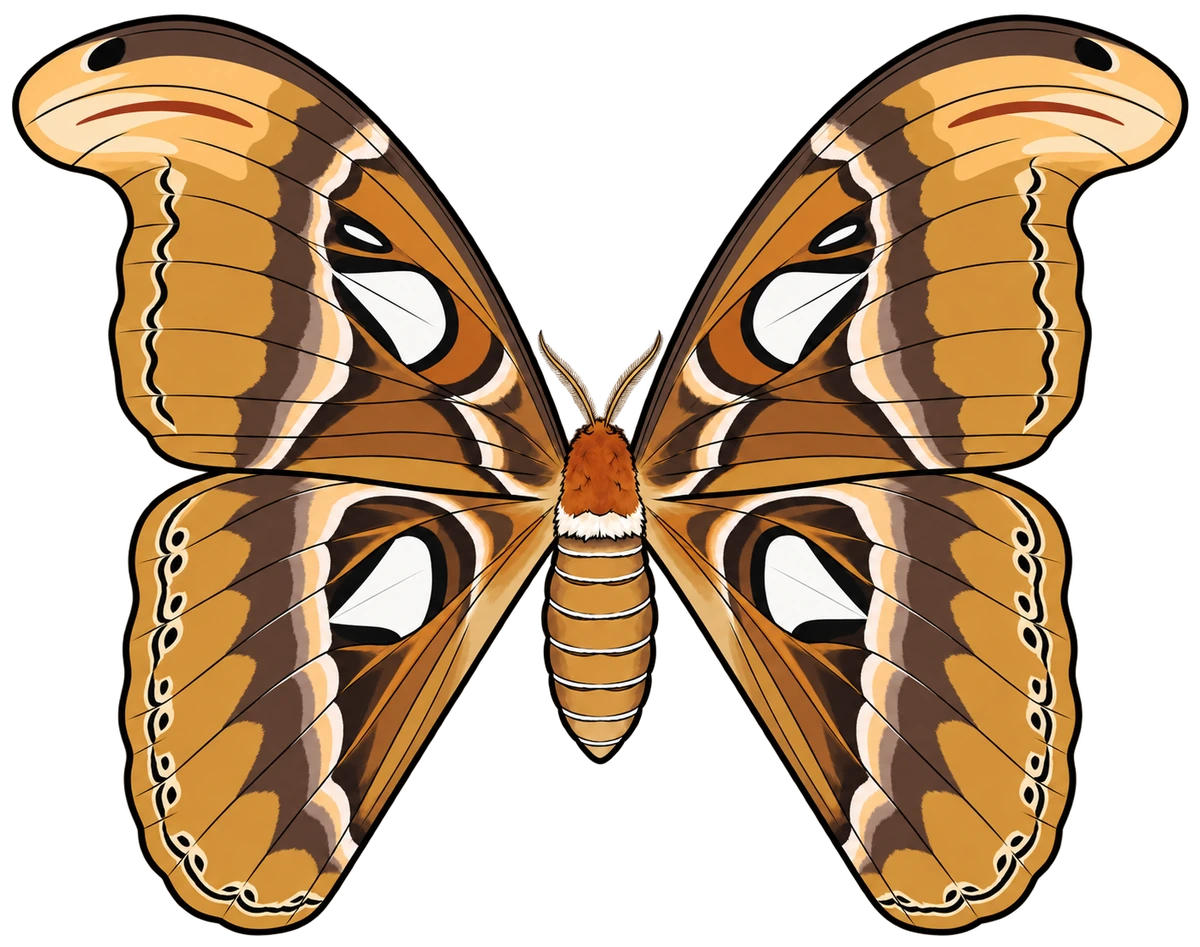
Attacus atlas
The Atlas moth combines broad brown wings, pale window-like patches and strongly curved forewing tips. Adults live on reserves accumulated by the caterpillar and take no food.
Explore the guide →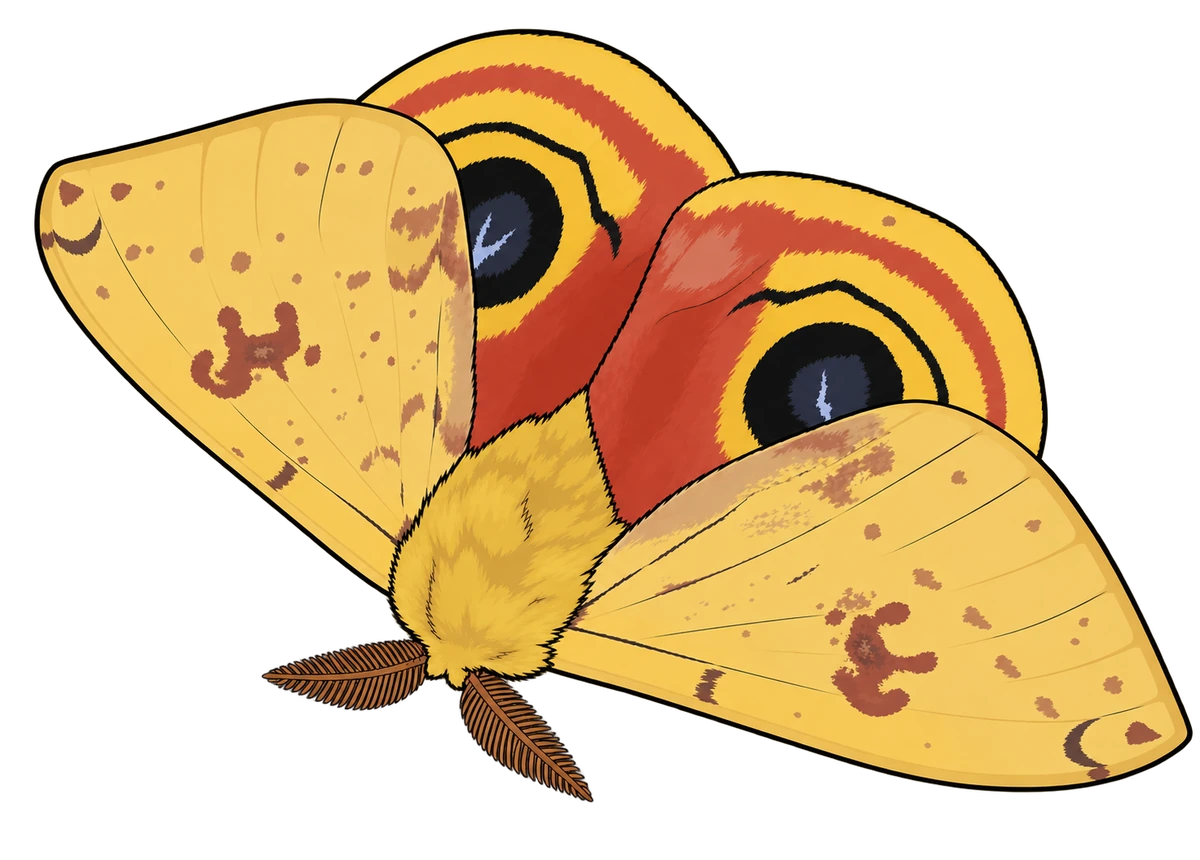
Automeris io
The Io moth conceals a pair of conspicuous hindwing eyespots beneath forewings that vary with sex and population. Its green caterpillars carry branching, stinging spines.
Explore the guide →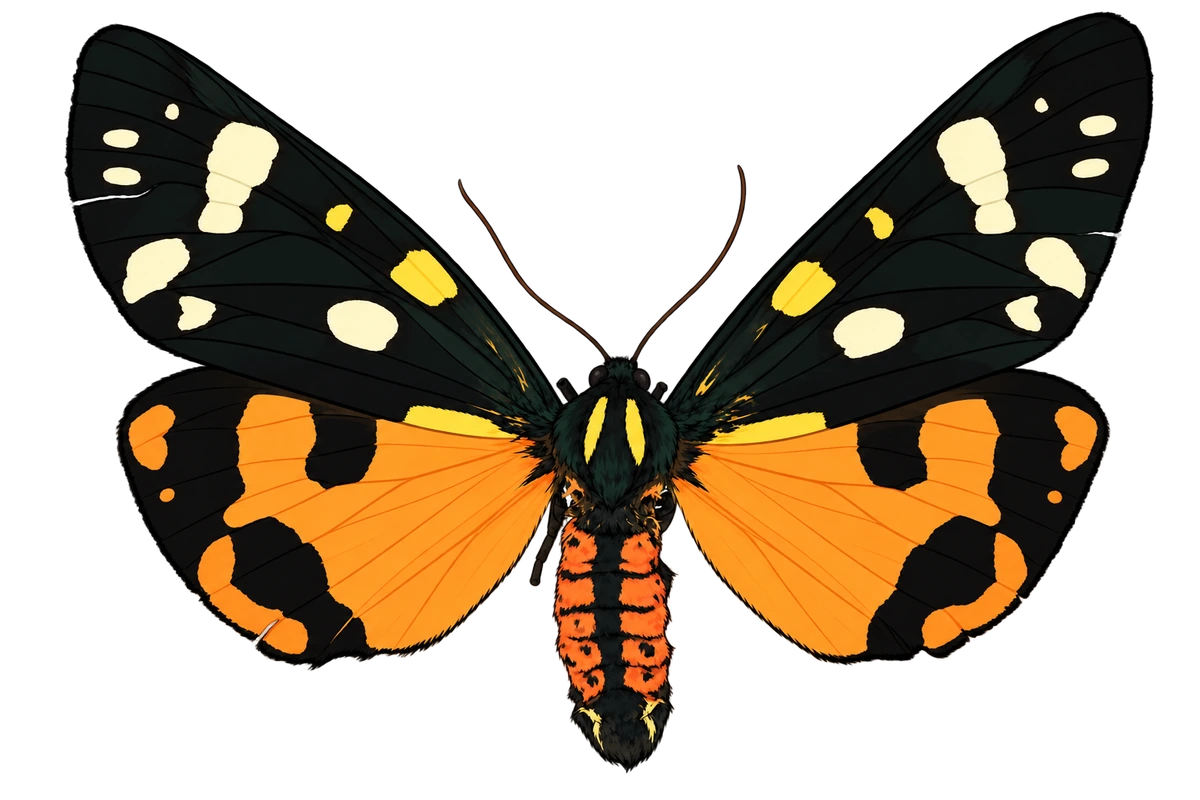
Callimorpha dominula
Cream and yellow spots mark the dark, green-tinged forewings; bright red hindwings appear in flight. Wetland populations have also provided a long-running record of inherited wing-pattern variation.
Explore the guide →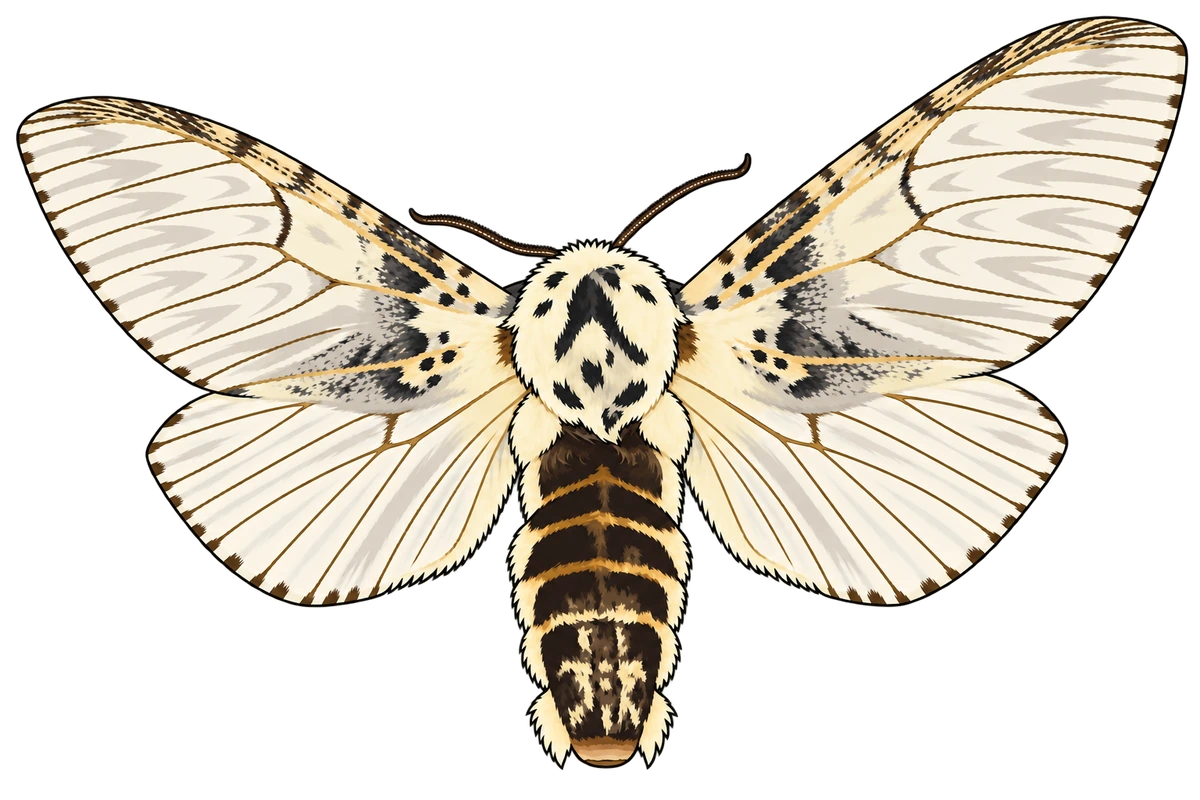
Cerura vinula
The puss moth has a densely furred white-grey body and patterned forewings. Its green caterpillar is equally distinctive, with a dark saddle, a conspicuous false-face display and paired posterior structures that can extend red whips when disturbed.
Explore the guide →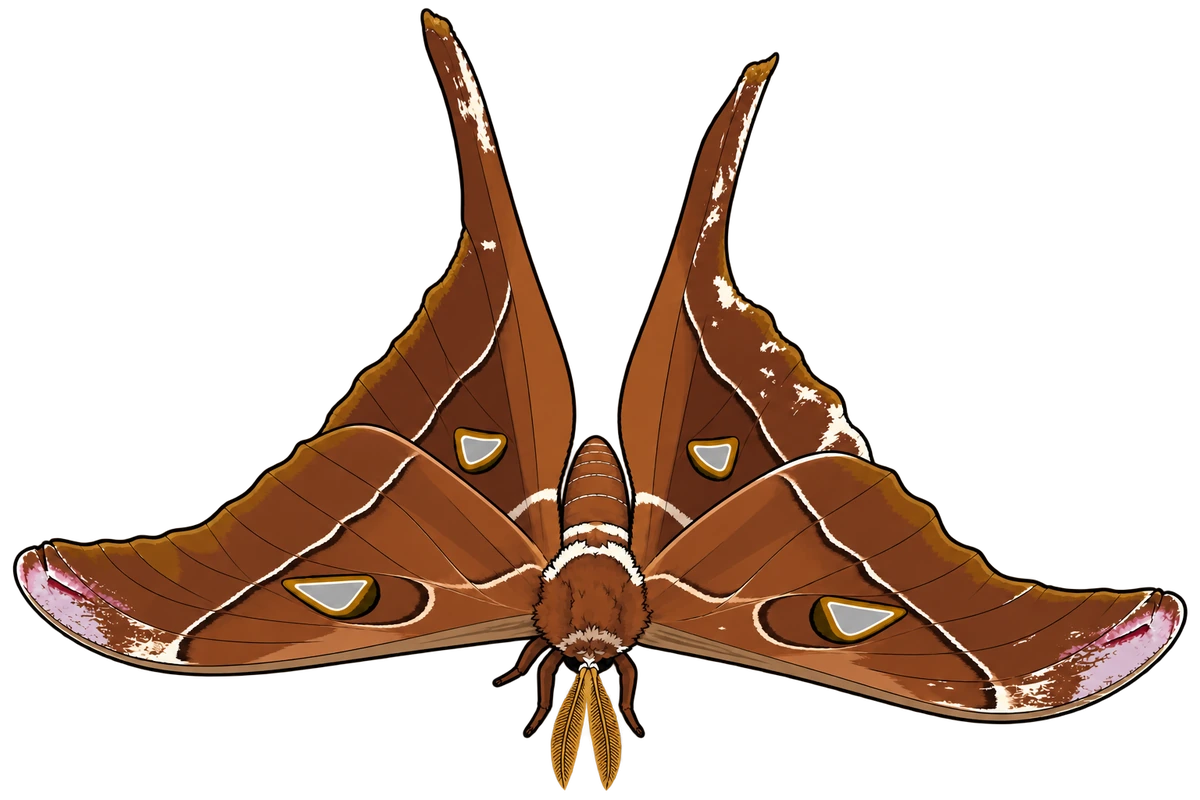
Coscinocera hercules
The Hercules moth is a large rainforest silk moth of northern Queensland, Australia. Clear wing windows, a heavily built body and the male’s elongated hindwing tails distinguish its adult form.
Explore the guide →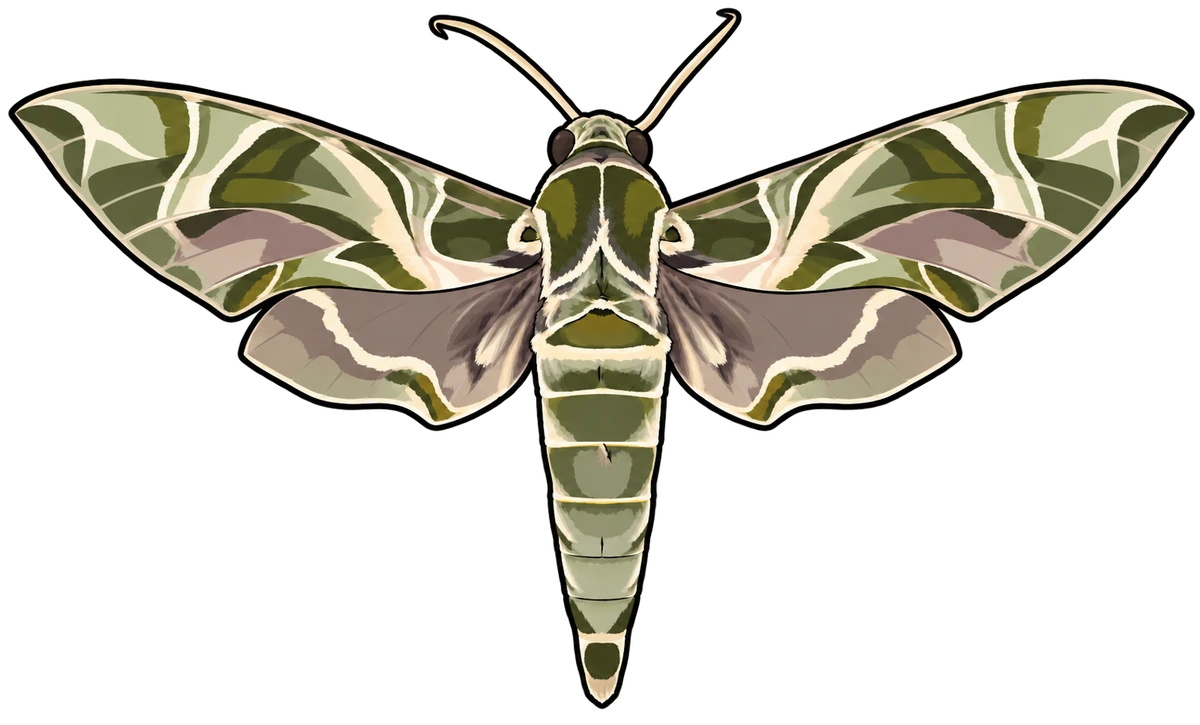
Daphnis nerii
Intricate green, cream and pink fields cover the wings and body of this hawk-moth. Its caterpillars feed on oleander and several related ornamental plants in tropical gardens.
Explore the guide →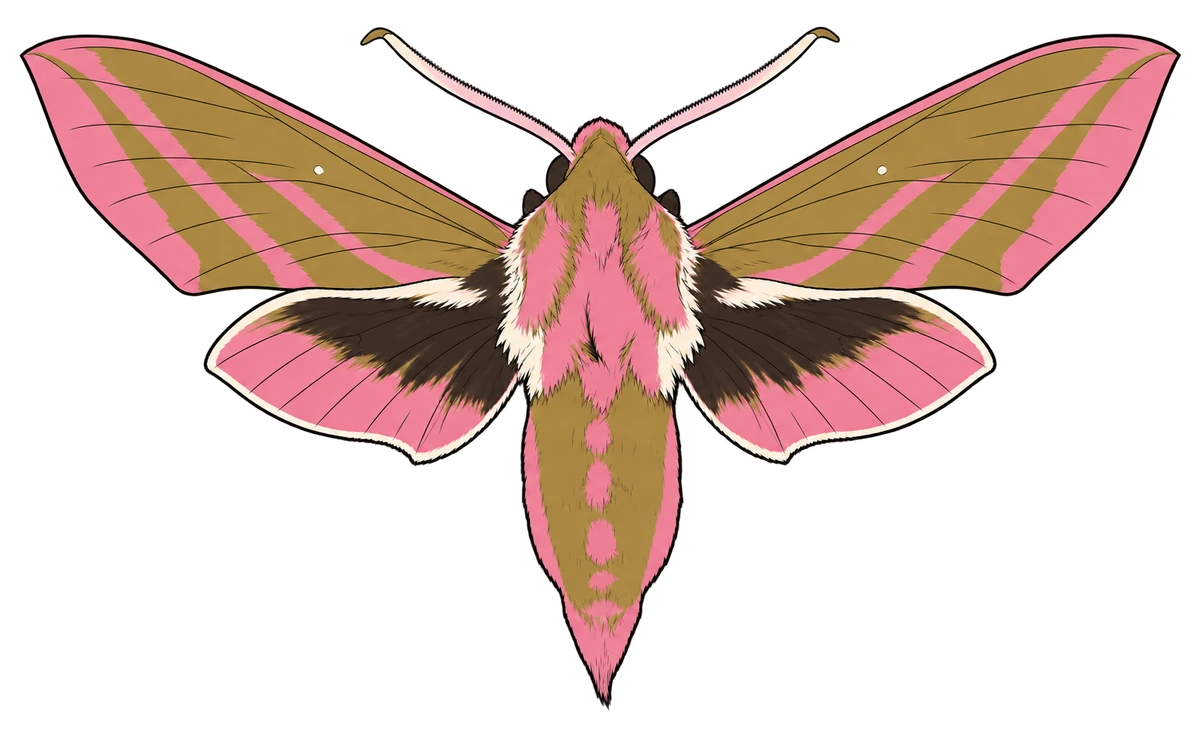
Deilephila elpenor
The elephant hawk-moth combines pink-and-khaki coloration with a visual system capable of distinguishing flower colours in very dim light.
Explore the guide →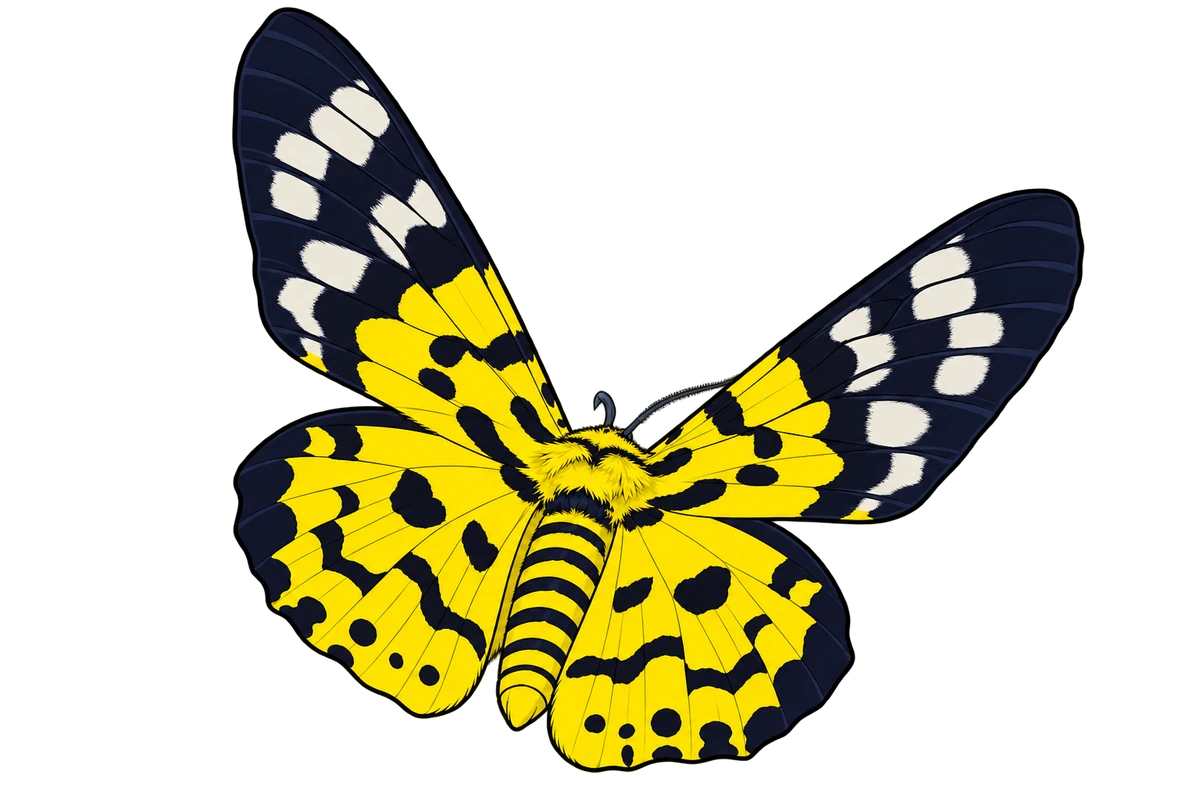
Dysphania militaris
Dysphania militaris is a yellow-and-black geometrid moth with bold wing patches and, in typical forms, a black-ringed abdomen. Its striking adult pattern accompanies a life cycle documented through rearing in Hong Kong and photographic observations in Bali.
Explore the guide →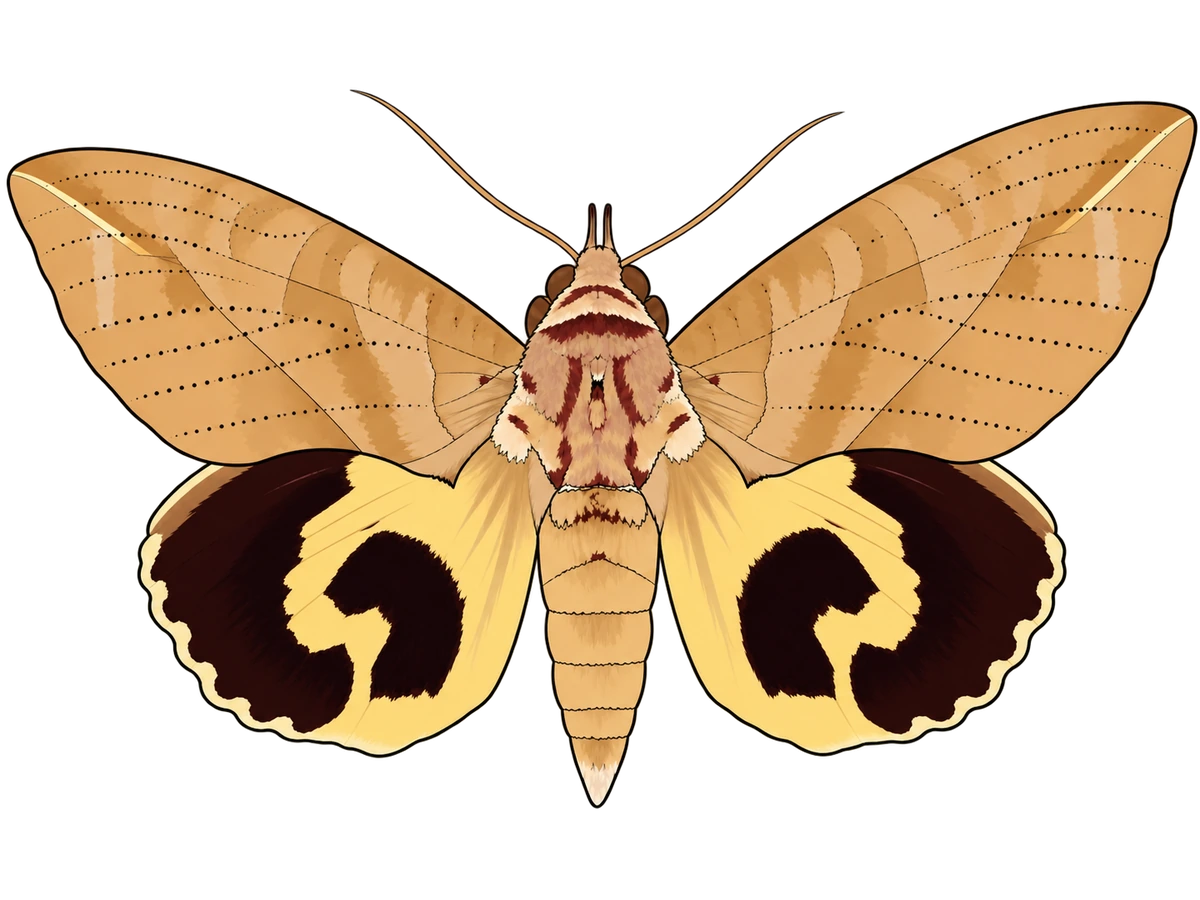
Eudocima phalonia
The common fruit-piercing moth combines subdued, leaflike forewings with yellow-orange hindwings marked by a dark comma. Its adult feeding apparatus can penetrate fruit skin, while its caterpillars develop on host plants whose identity varies among Indo-Pacific populations.
Explore the guide →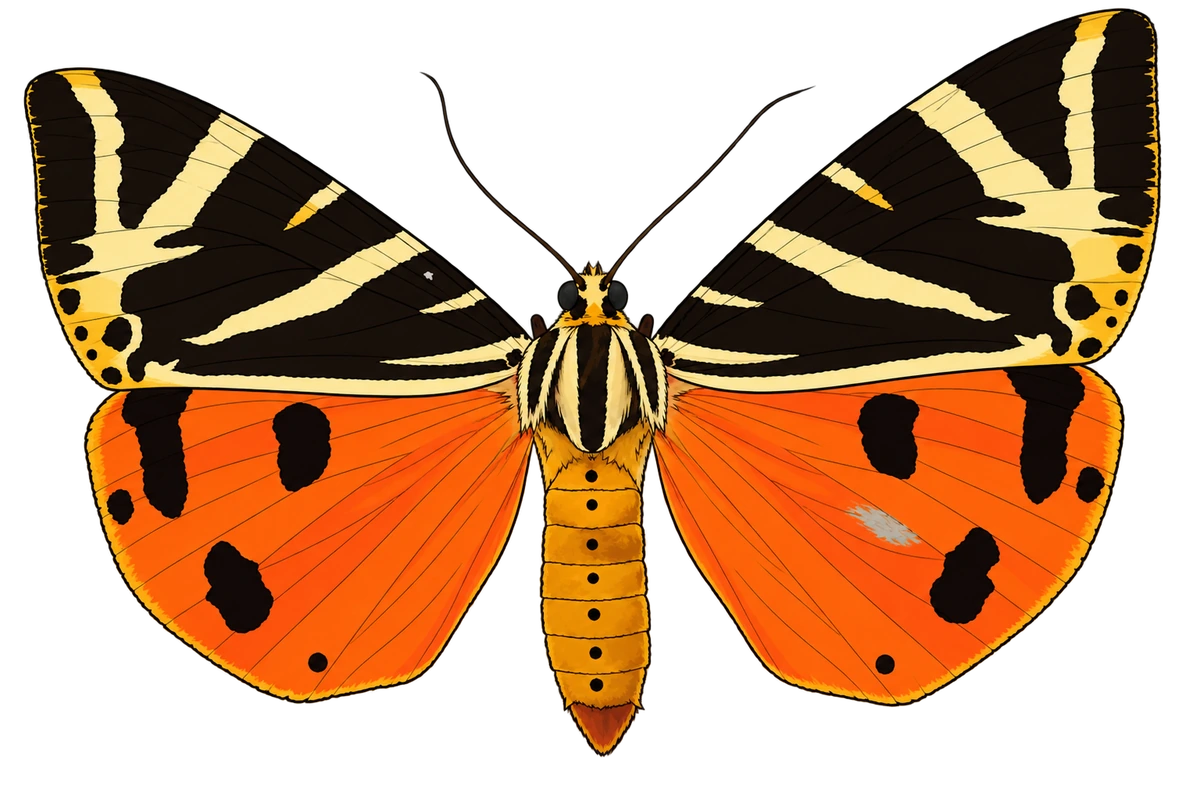
Euplagia quadripunctaria
Diagonal cream-white stripes cross black forewings above orange or yellow hindwings. This tiger moth combines conspicuous flight colours with a compact, triangular resting posture.
Explore the guide →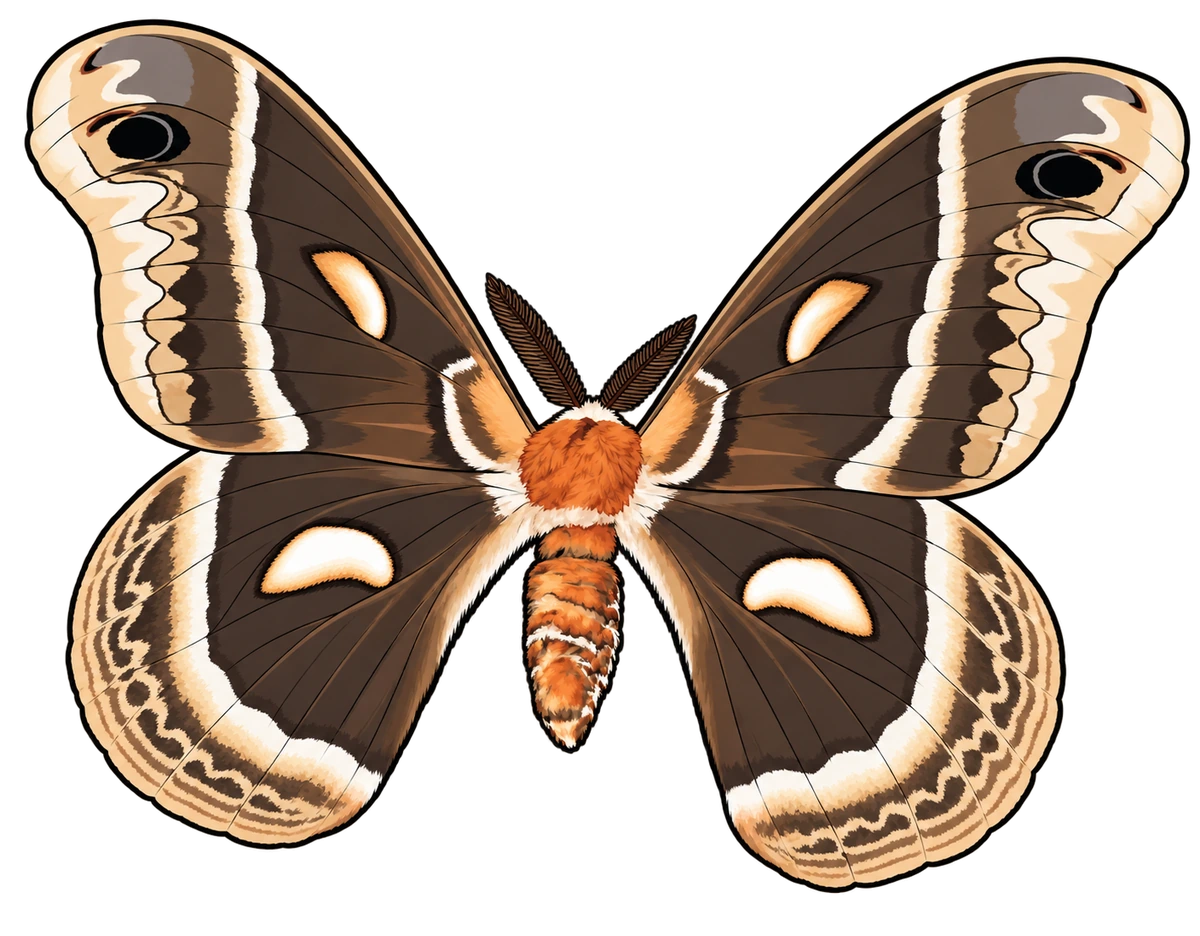
Hyalophora cecropia
The cecropia moth is a large North American silk moth with red-and-white wing crescents, broad pale bands and a conspicuously banded abdomen.
Explore the guide →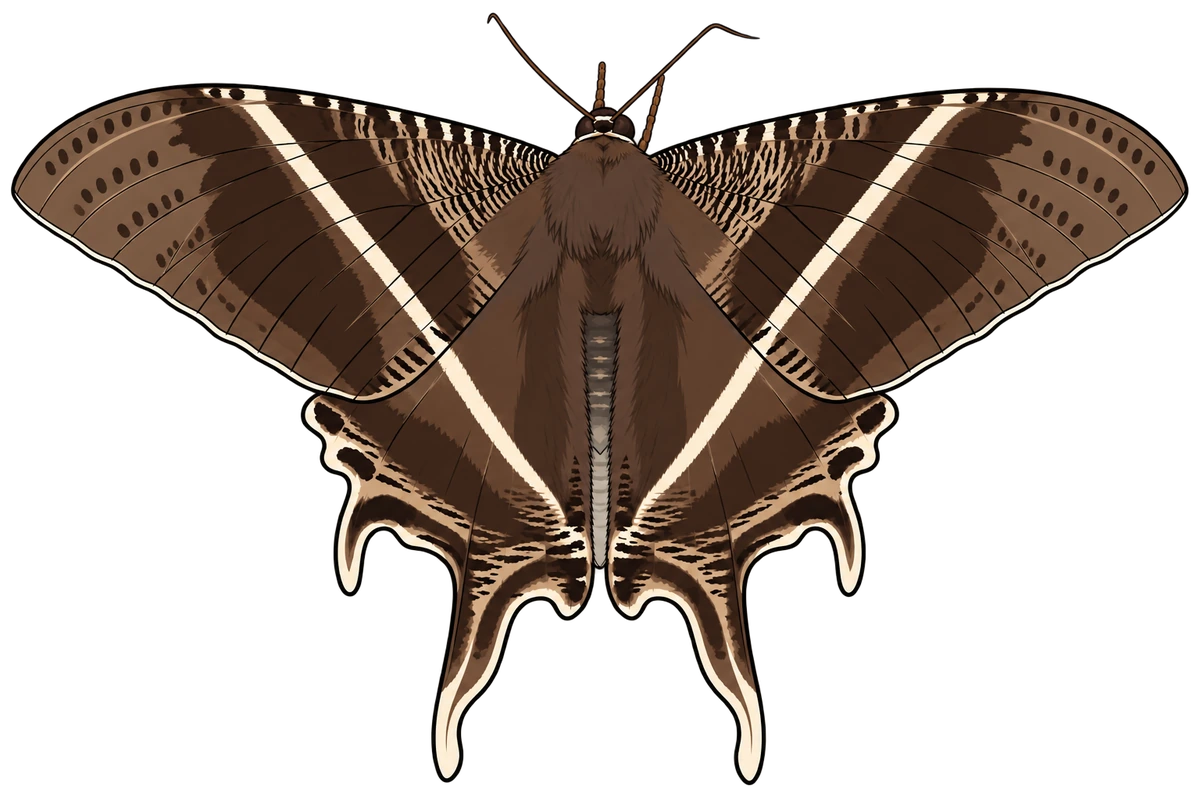
Lyssa zampa
Lyssa zampa is a large uraniid moth with dark wings crossed by pale bands and extended hindwing tails. Its adult pattern differs subtly from that of Lyssa menoetius, while observations in Singapore connect its caterpillars and ground-level pupation to Endospermum trees.
Explore the guide →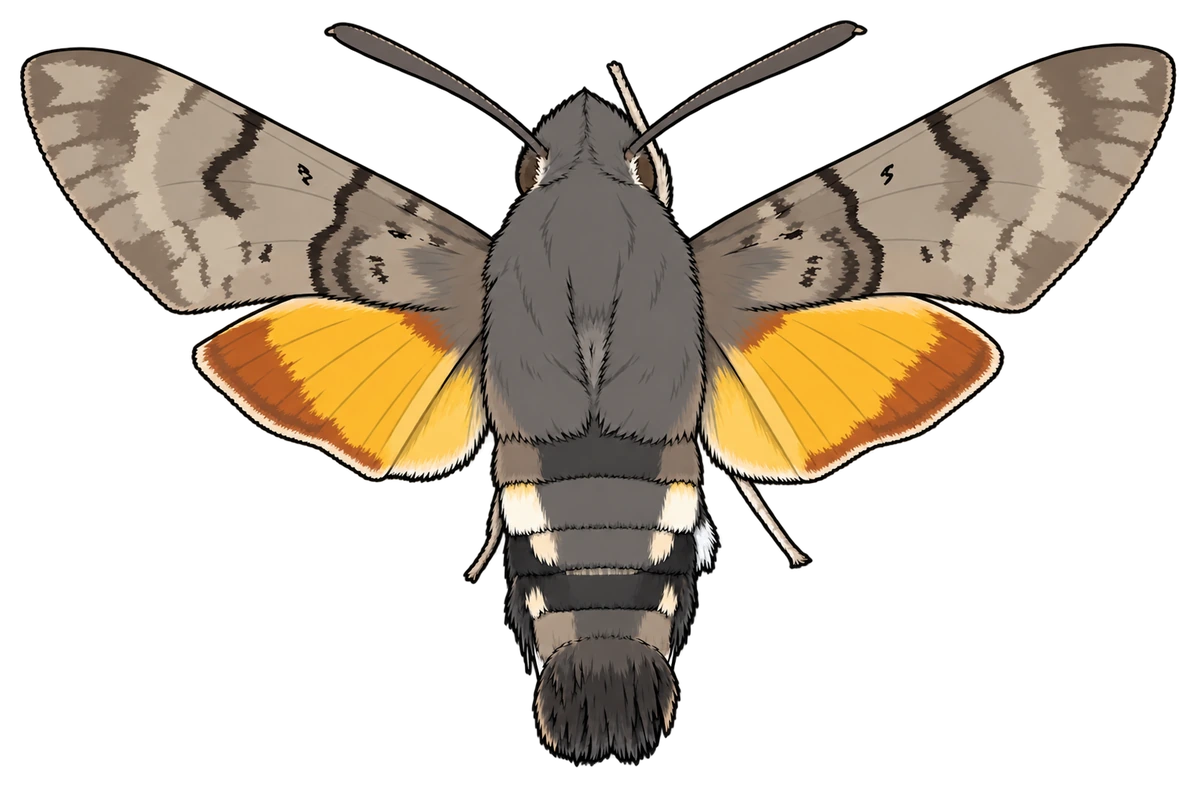
Macroglossum stellatarum
The humming-bird hawk-moth hovers at flowers by day. Grey-brown forewings contrast with orange hindwings and a black-and-white abdominal pattern.
Explore the guide →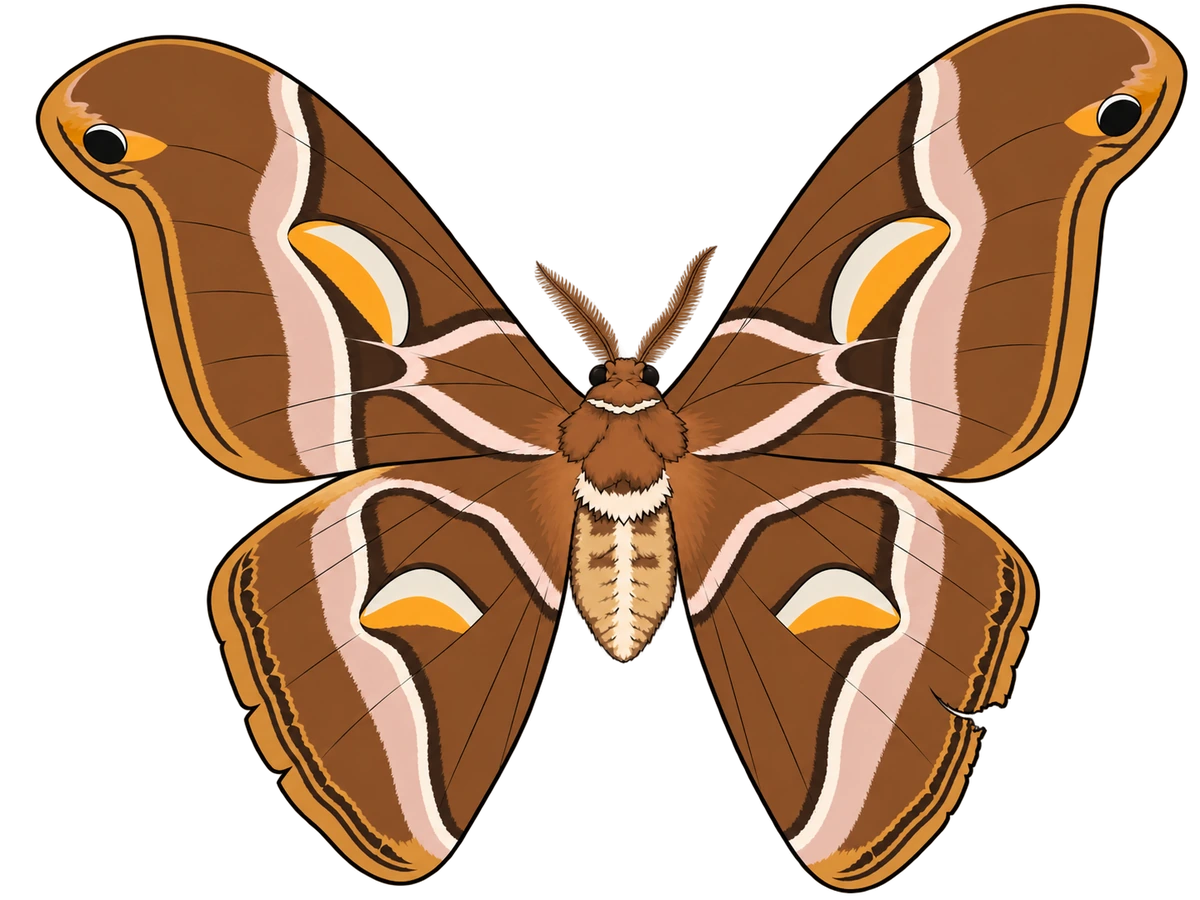
Samia cynthia
Olive-brown wings, pink transverse bands and golden-edged translucent crescents identify the ailanthus silkmoth. Its introduced populations are closely associated with tree-of-heaven.
Explore the guide →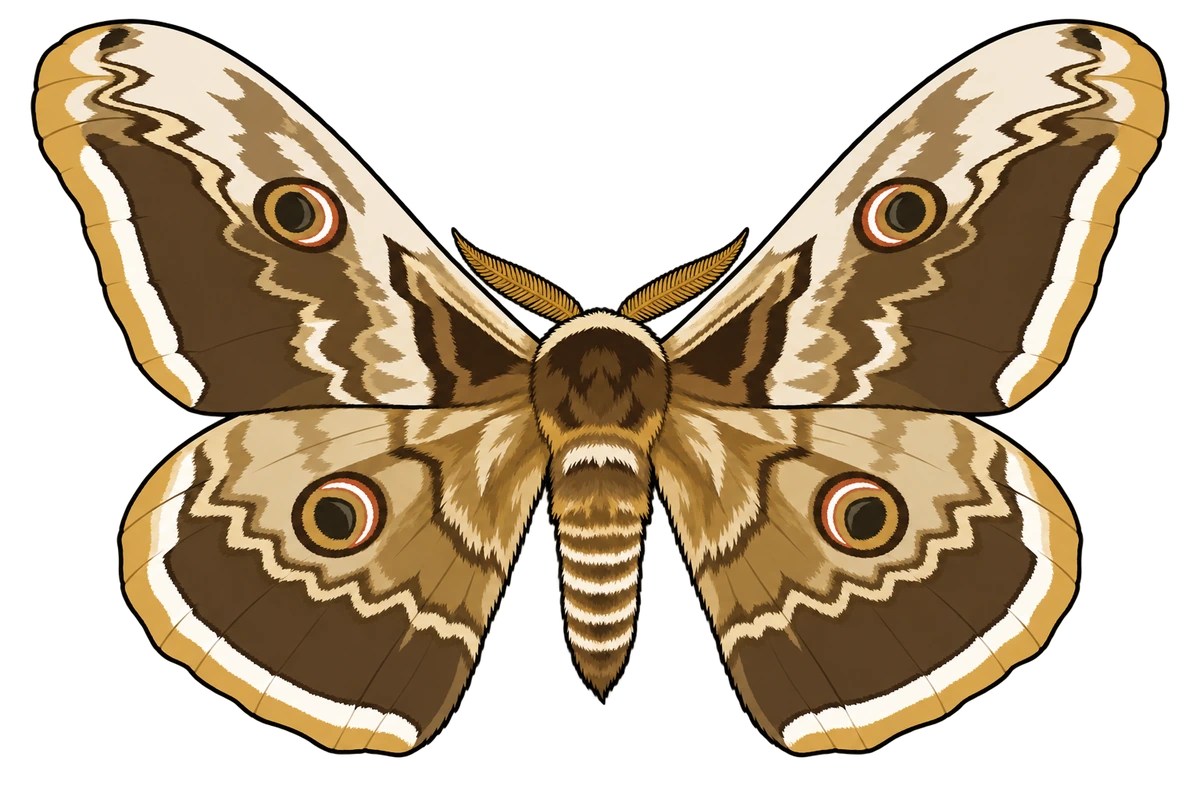
Saturnia pyri
Four ringed eyespots punctuate the giant peacock moth’s grey-brown wings. This European silk moth develops on deciduous trees and passes winter as a pupa within a fibrous cocoon.
Explore the guide →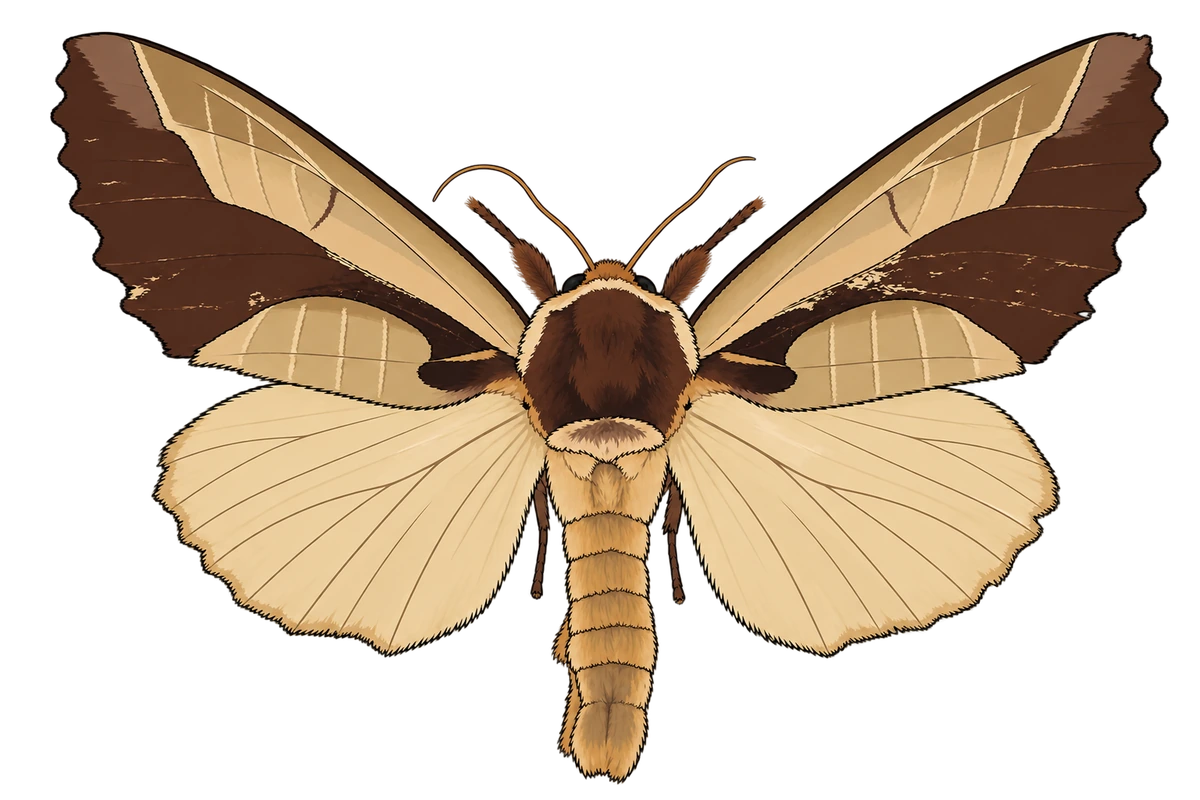
Uropyia meticulodina
Uropyia meticulodina is a notodontid moth whose resting wing pattern resembles a rolled leaf. Bands of light and dark colour create an unusually convincing impression of curled surfaces, while the caterpillar has specialized posterior structures and feeding behaviour that changes during development.
Explore the guide →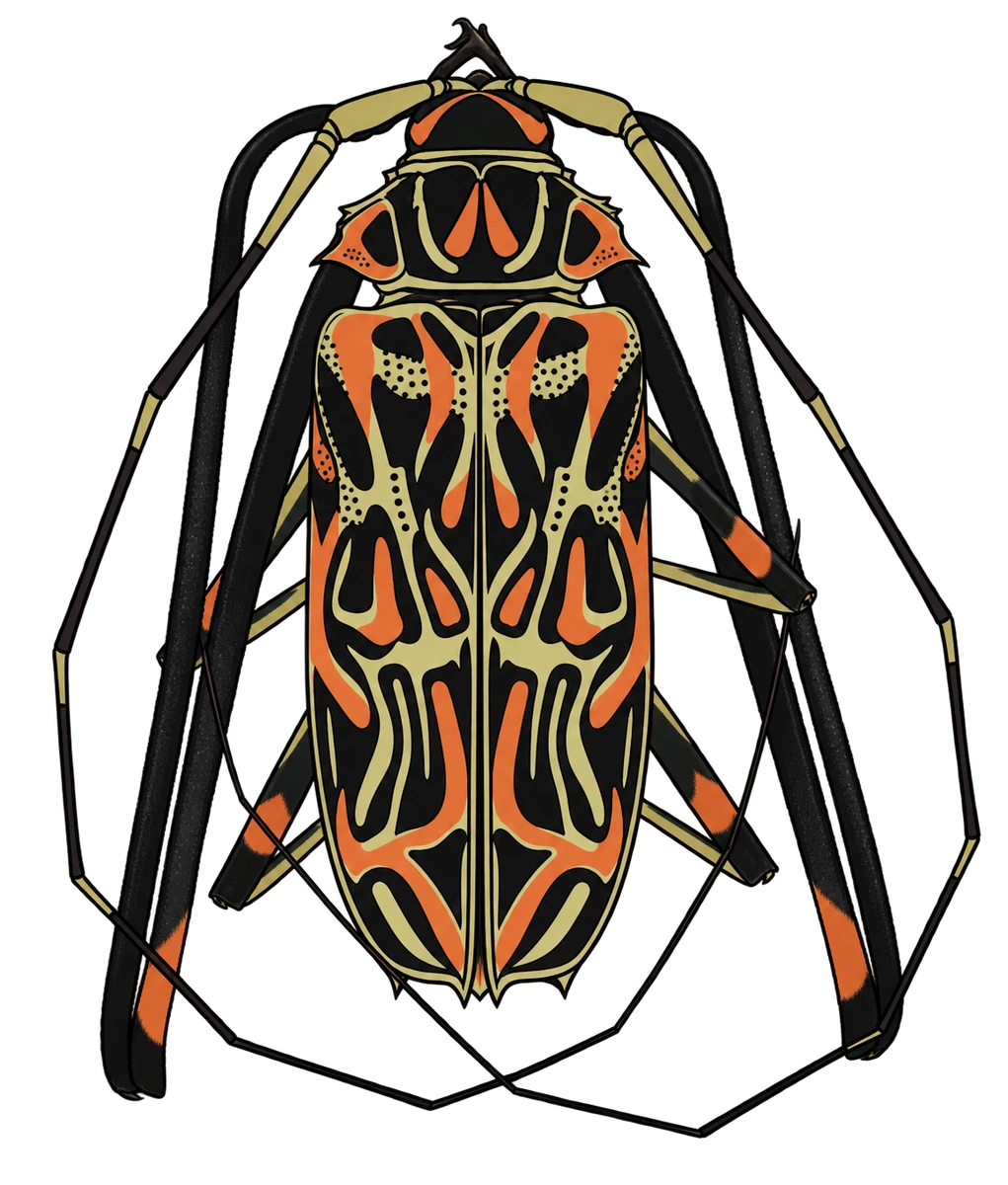
Acrocinus longimanus
Acrocinus longimanus is a tropical American longhorn beetle with interlocking black, greenish-yellow and red-orange markings. The male’s exceptionally long forelegs serve as levers during contests for mating and egg-laying sites.
Explore the guide →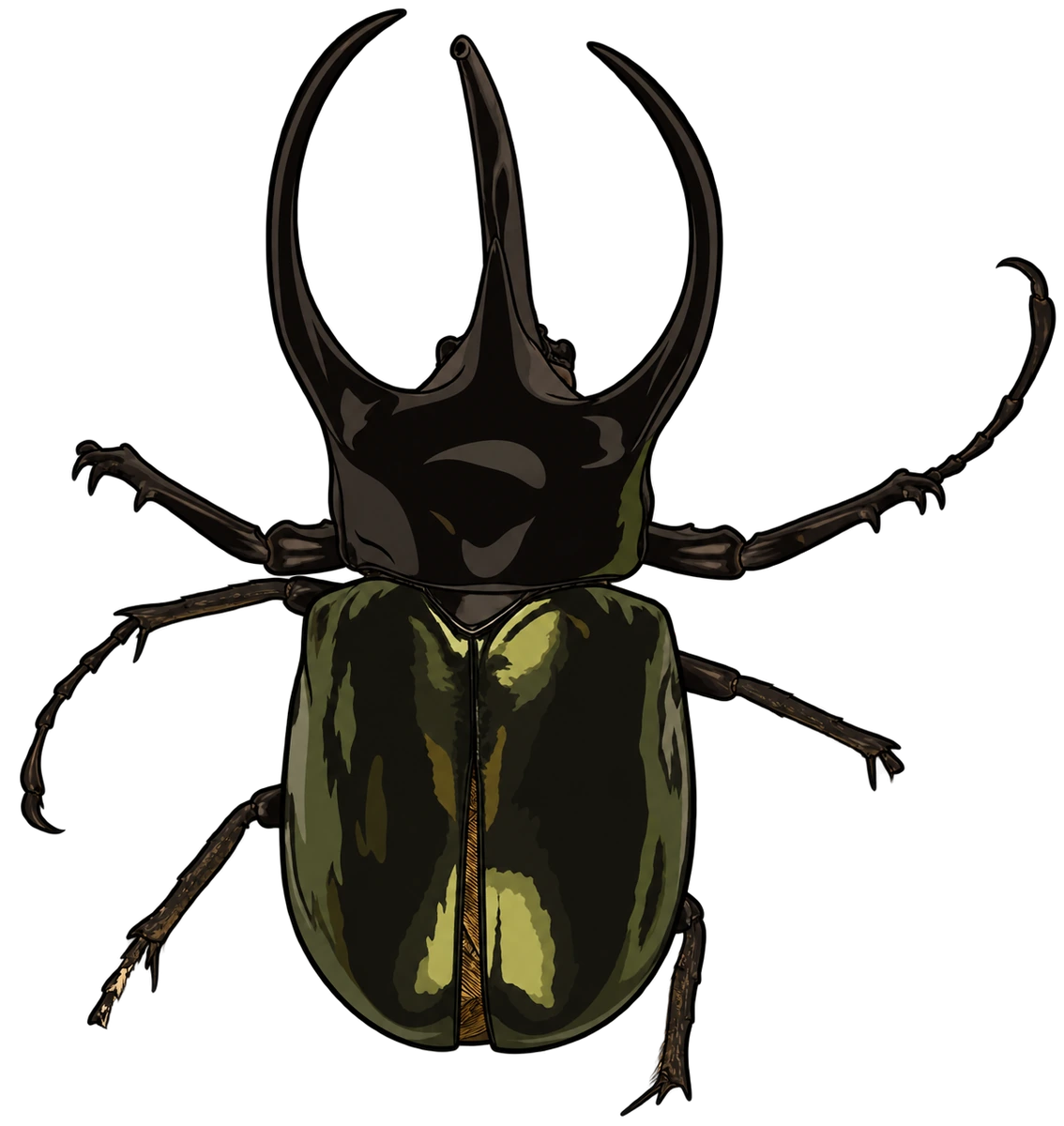
Chalcosoma atlas
Chalcosoma atlas is a Southeast Asian rhinoceros beetle with a glossy, dark body. The male carries three long horns: one rises from the head and two project from the thorax. Their proportions vary substantially among males.
Explore the guide →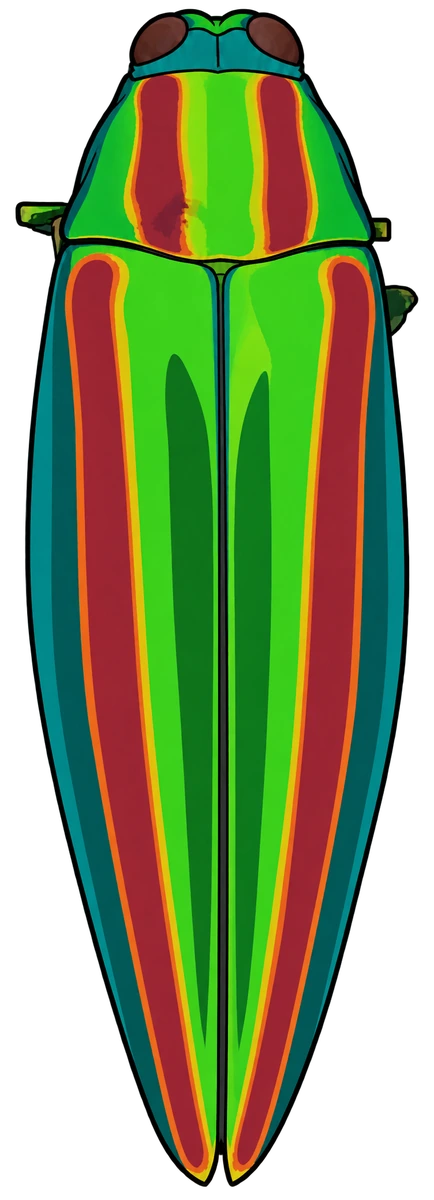
Chrysochroa fulgidissima
Chrysochroa fulgidissima is an elongated jewel beetle with brilliant green upper surfaces crossed by red-purple longitudinal stripes. Its abdomen is green-gold below. The contrasting hues arise from microscopic layers within the exoskeleton.
Explore the guide →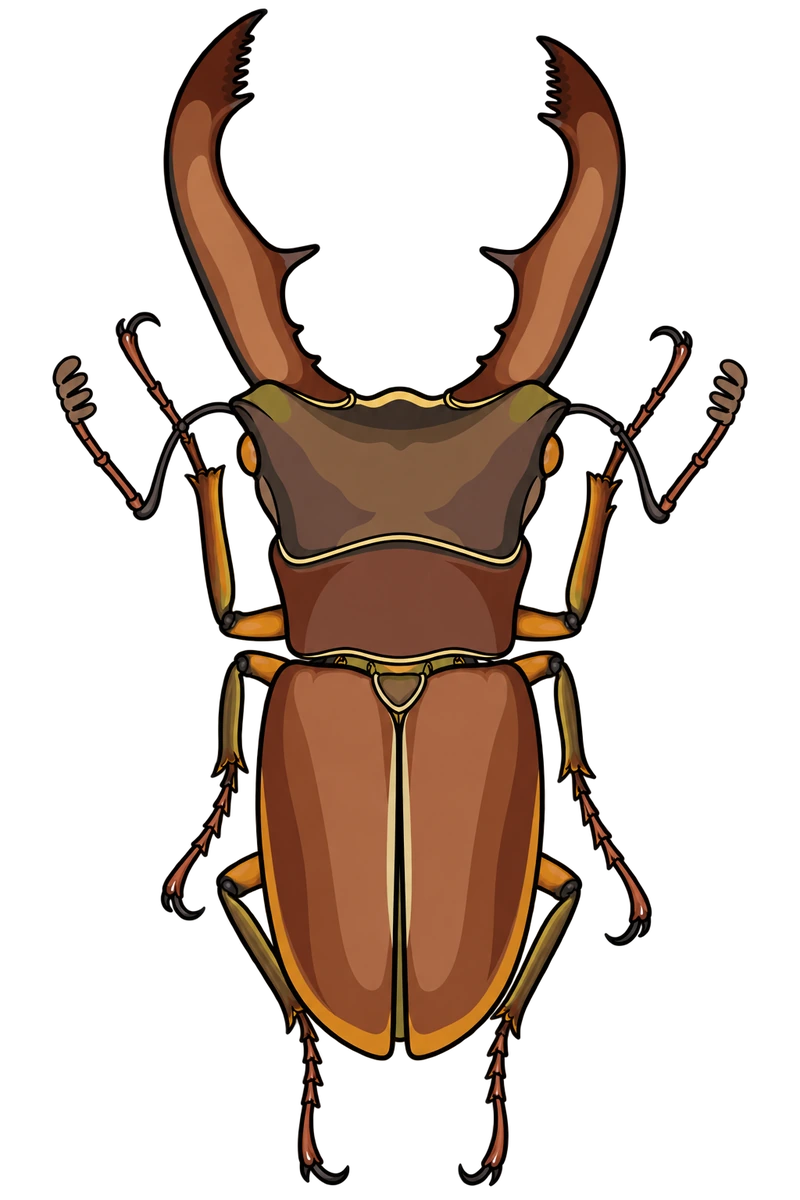
Cyclommatus metallifer
Cyclommatus metallifer is a Sulawesi stag beetle with a metallic brown body and exceptionally elongated male mandibles. Its slender weapons combine powerful gripping with bite-force adjustment, making the species a model for the mechanics of animal combat.
Explore the guide →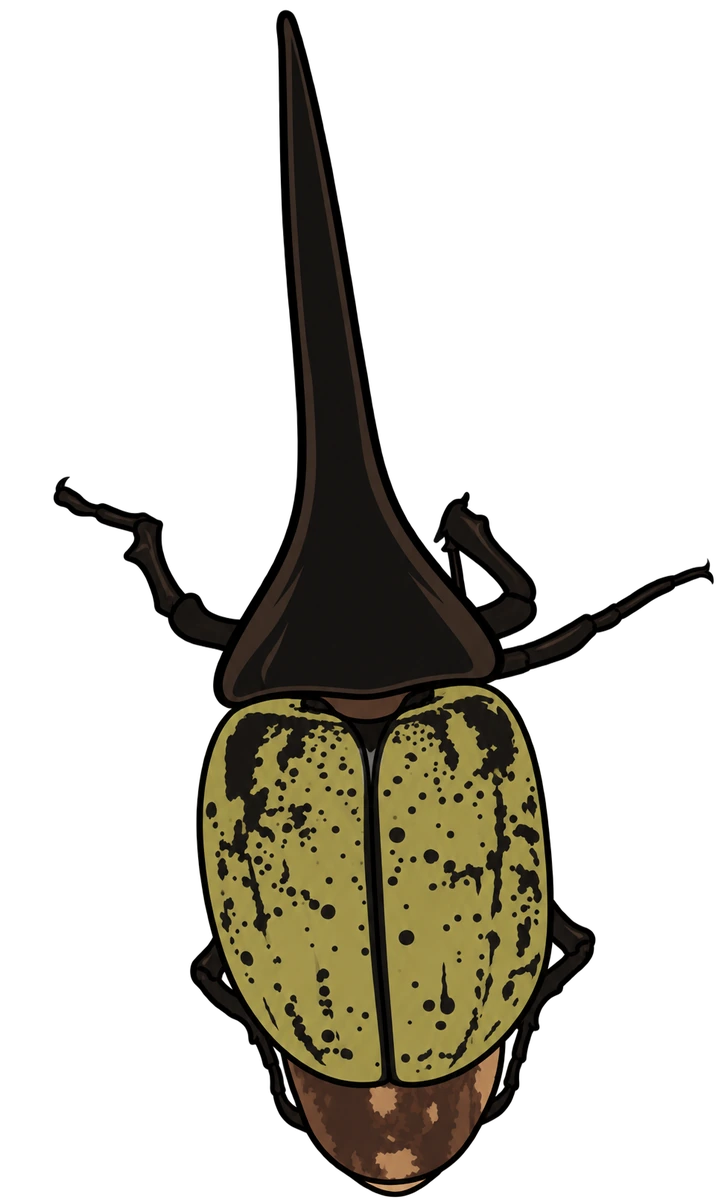
Dynastes hercules
Dynastes hercules is the giant Hercules beetle of Guadeloupe and Dominica. Males bear opposed head and thoracic horns above a dark body and olive wing covers; females are hornless and predominantly black.
Explore the guide →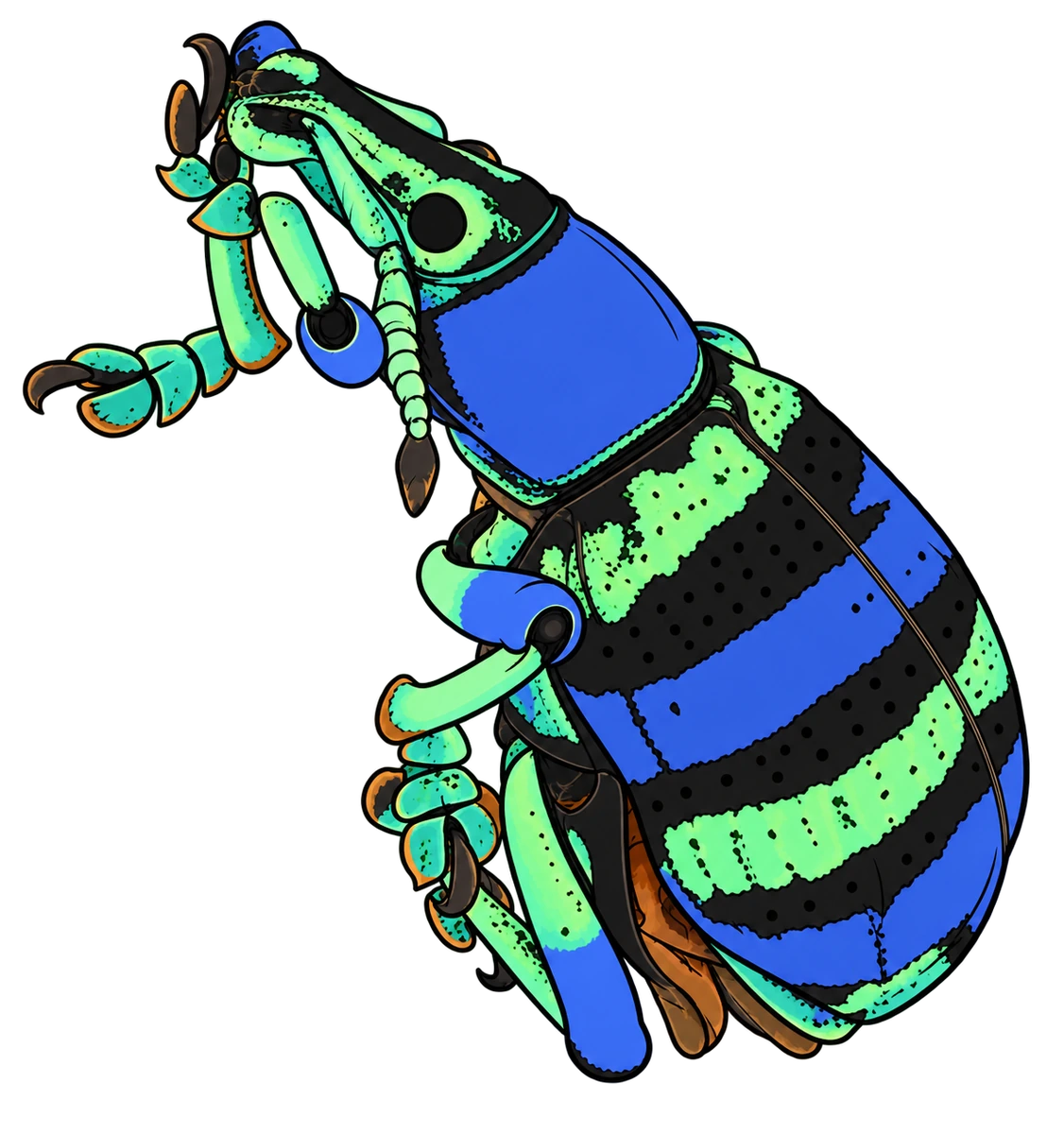
Eupholus schoenherrii
Eupholus schoenherrii is a New Guinea weevil with blue-green scales and contrasting black bands on its wing covers. A short, broad snout and clubbed antennae complete its compact outline.
Explore the guide →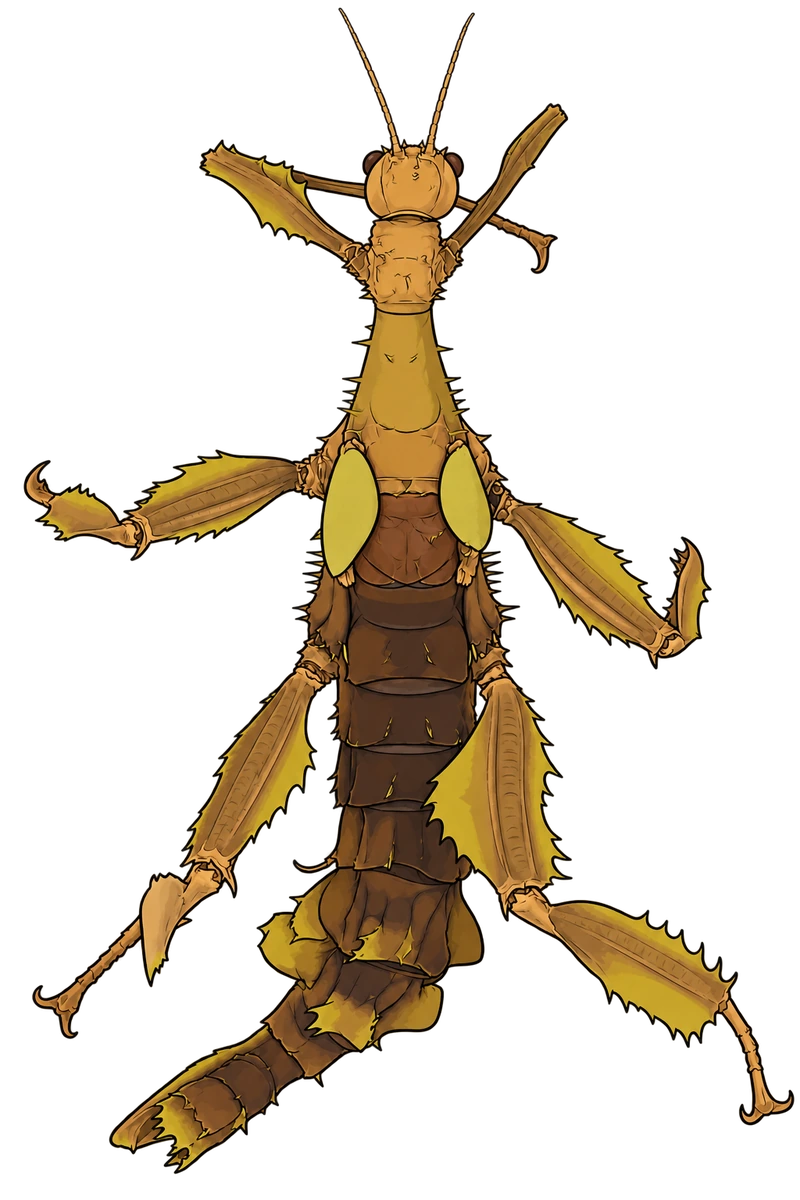
Extatosoma tiaratum
Extatosoma tiaratum is an Australian leaf-mimicking stick insect with a spiny body and pronounced differences between the sexes. Its seed-like eggs have an edible cap that can induce ants to carry them into their nests.
Explore the guide →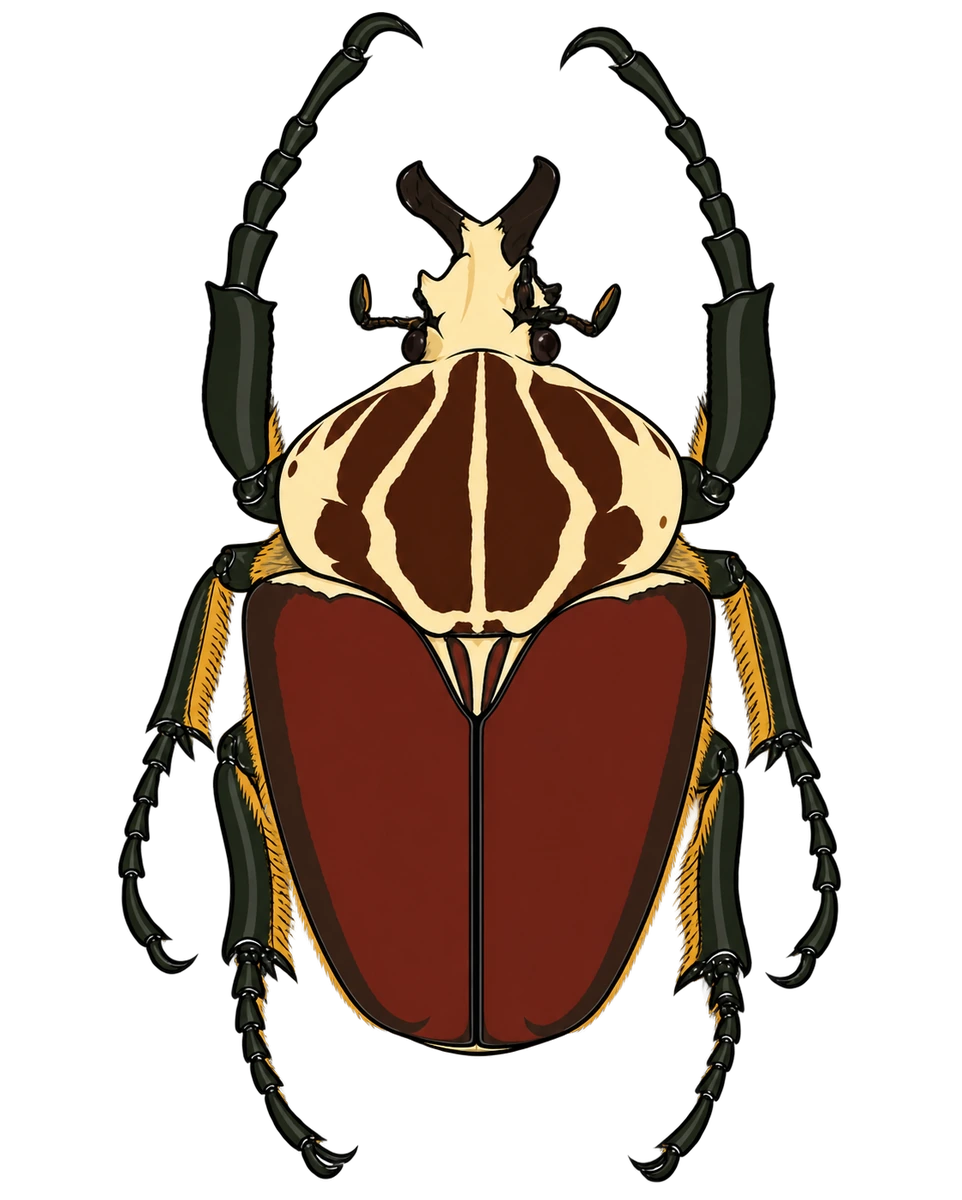
Goliathus goliatus
Goliathus goliatus is a large African flower chafer with a striped thorax and strongly variable wing-cover colour. Brown and predominantly white individuals can occur in the same population.
Explore the guide →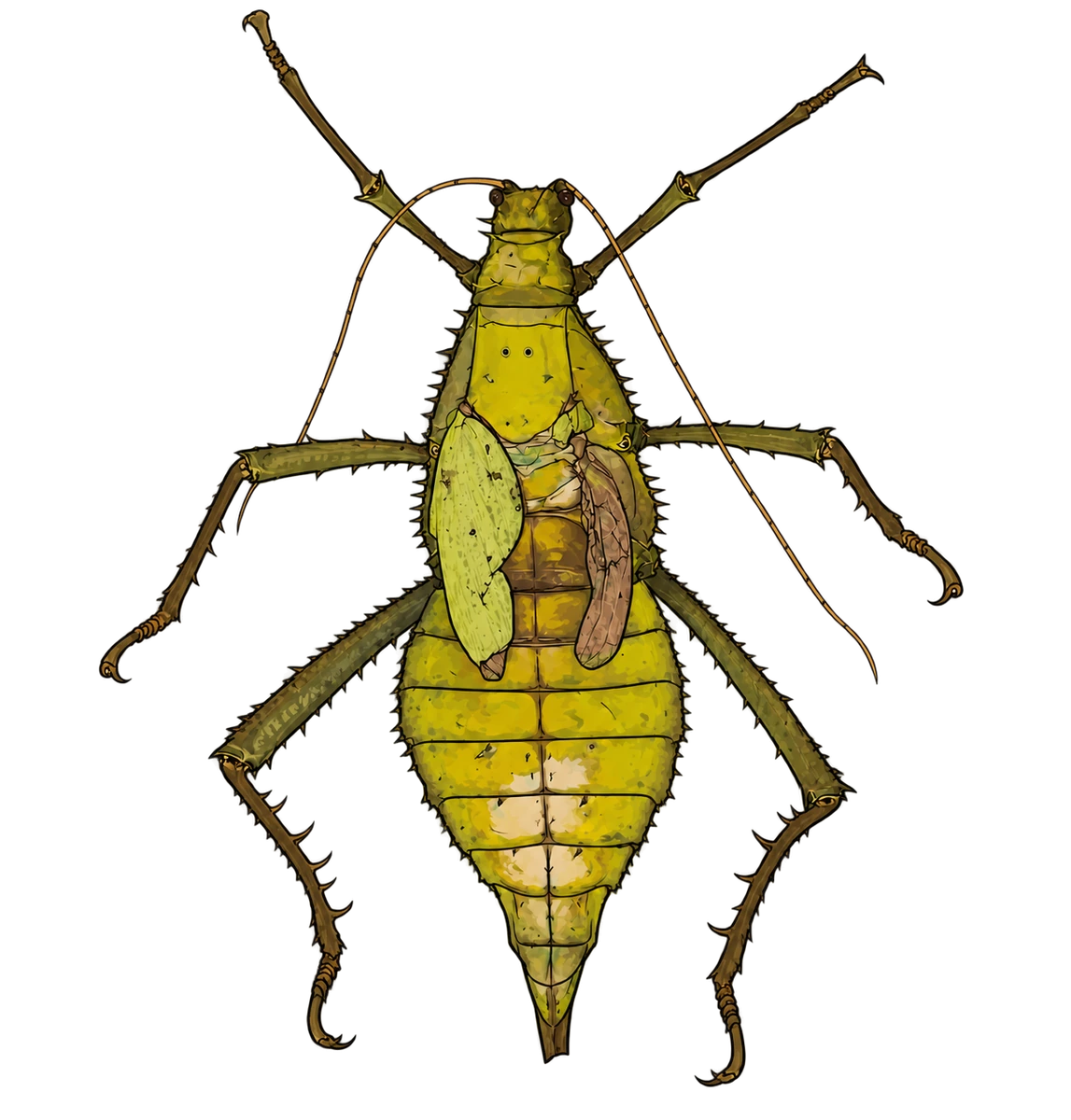
Heteropteryx dilatata
Heteropteryx dilatata is a robust Southeast Asian stick insect with sharply spined body surfaces. The broad female is green or yellow; the brown male resembles a curled dry leaf. Pink hindwings add a contrasting colour in both sexes.
Explore the guide →Hierodula membranacea
Hierodula membranacea is a large praying mantis with a visual system adapted to detecting prey and judging its distance. A single row of pale tubercles on the inner bases of its grasping forelegs is a useful identifying character.
Explore the guide →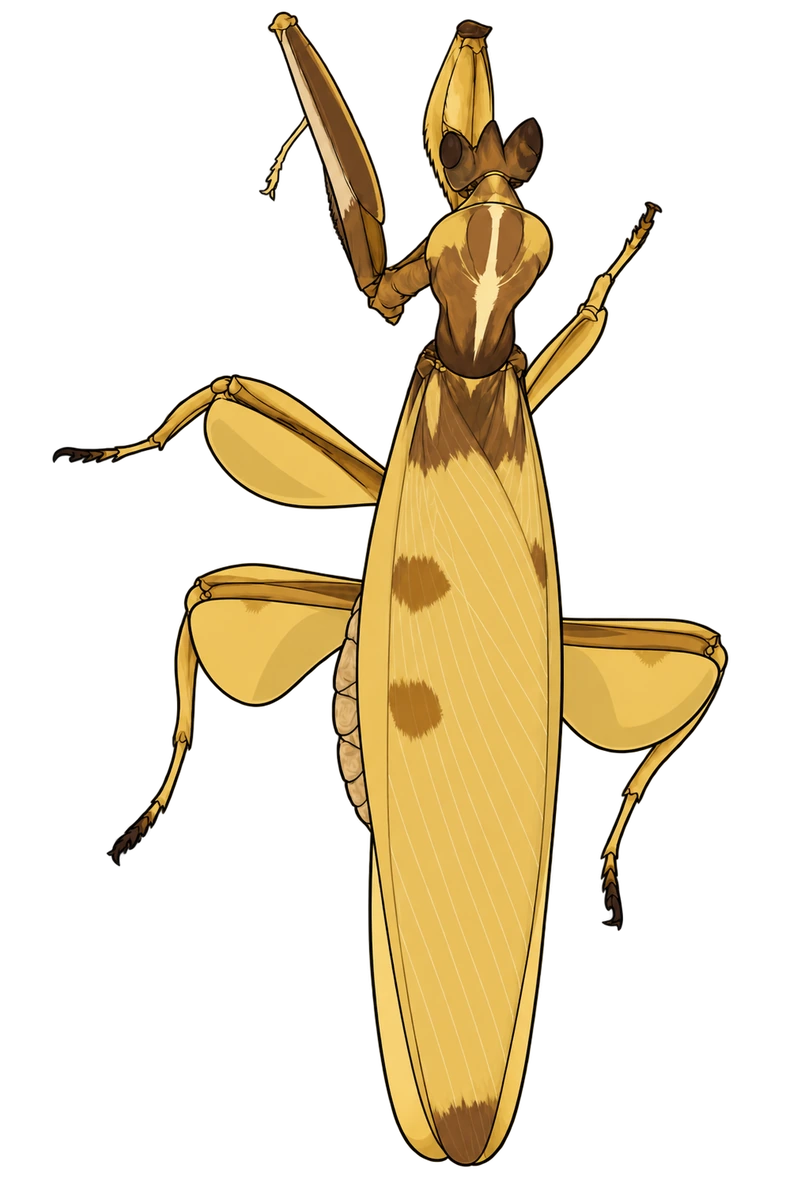
Hymenopus coronatus
Hymenopus coronatus is a Southeast Asian mantis whose pale body and expanded leg lobes resemble a flower. Juvenile females can attract pollinating insects while standing apart from blossoms, then seize visitors as prey.
Explore the guide →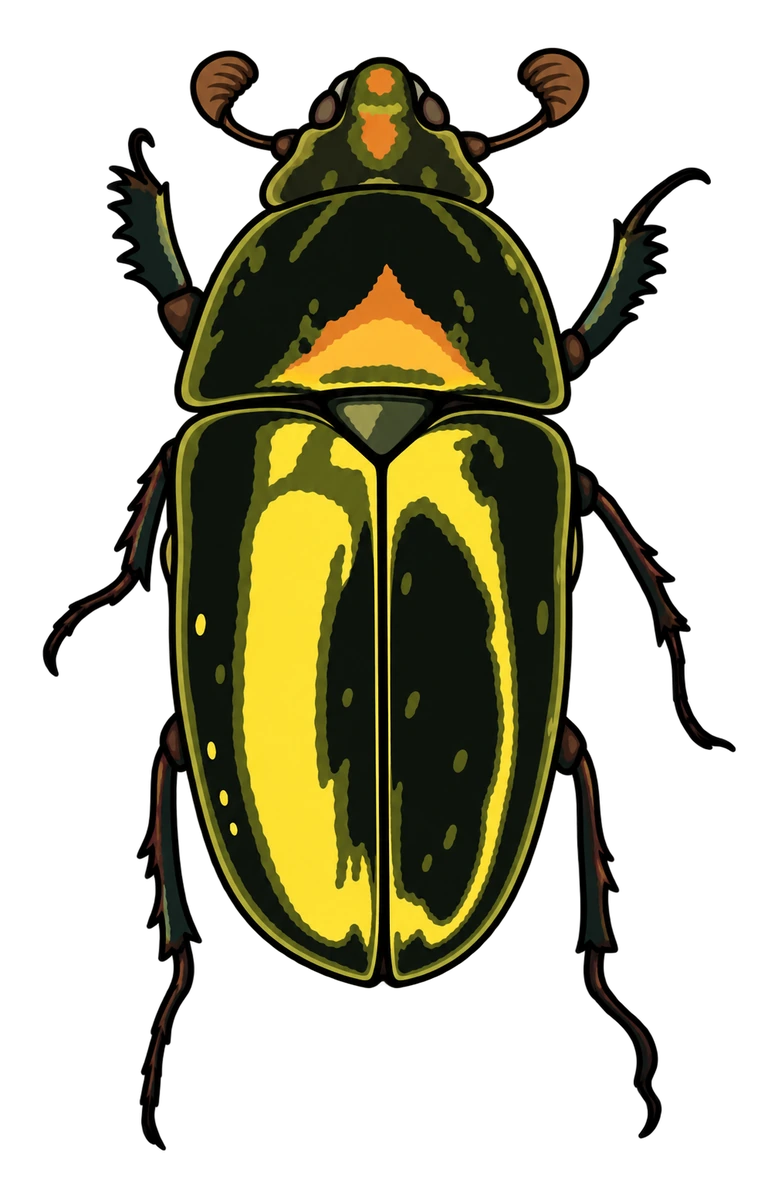
Lamprima adolphinae
Lamprima adolphinae is a metallic stag beetle of New Guinea’s mountain forests. Males combine a broad, dull-sheened body with long mandibles; the smaller females have short jaws and a brighter, polished surface.
Explore the guide →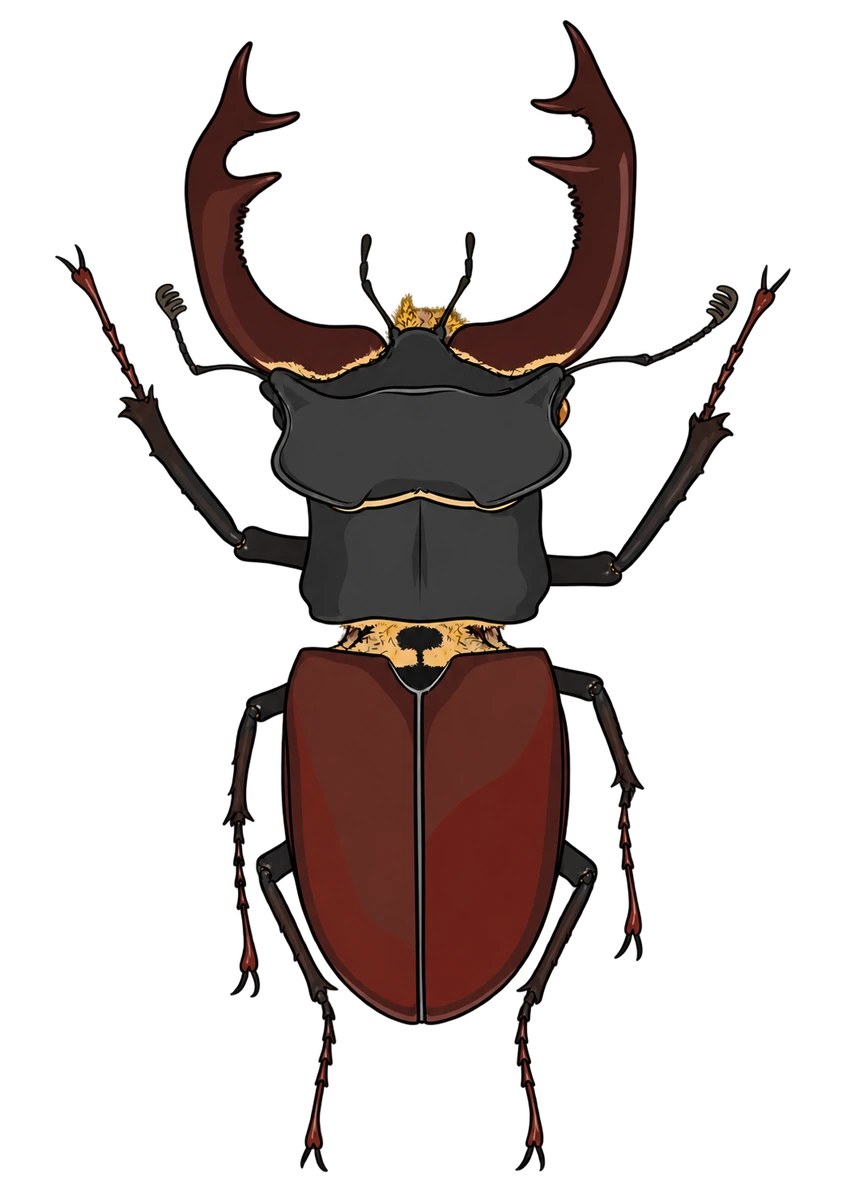
Lucanus cervus
Lucanus cervus is a European stag beetle distinguished by the male’s enlarged, antler-like mandibles and reddish-brown wing covers. Most of its life is spent as a wood-feeding larva; the adult emerges for a brief summer breeding season.
Explore the guide →Megaloprepus caerulatus
Megaloprepus caerulatus is a tropical American damselfly with a long abdomen and broad wings marked in blue and white. Its aquatic larvae develop in water-filled tree holes, where predation and cannibalism shape survival.
Explore the guide →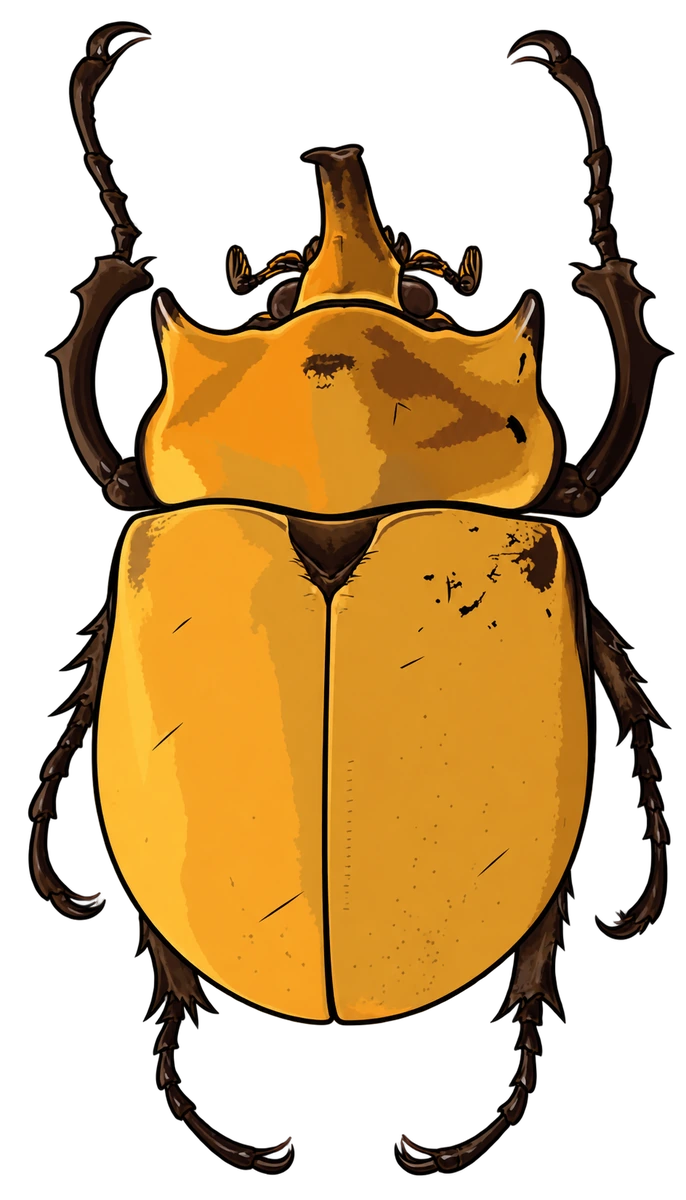
Megasoma elephas
Megasoma elephas is a tropical American rhinoceros beetle with a velvet-like covering on its wing cases. Males carry projecting horns; females are hornless and have a more coarsely sculptured pronotum.
Explore the guide →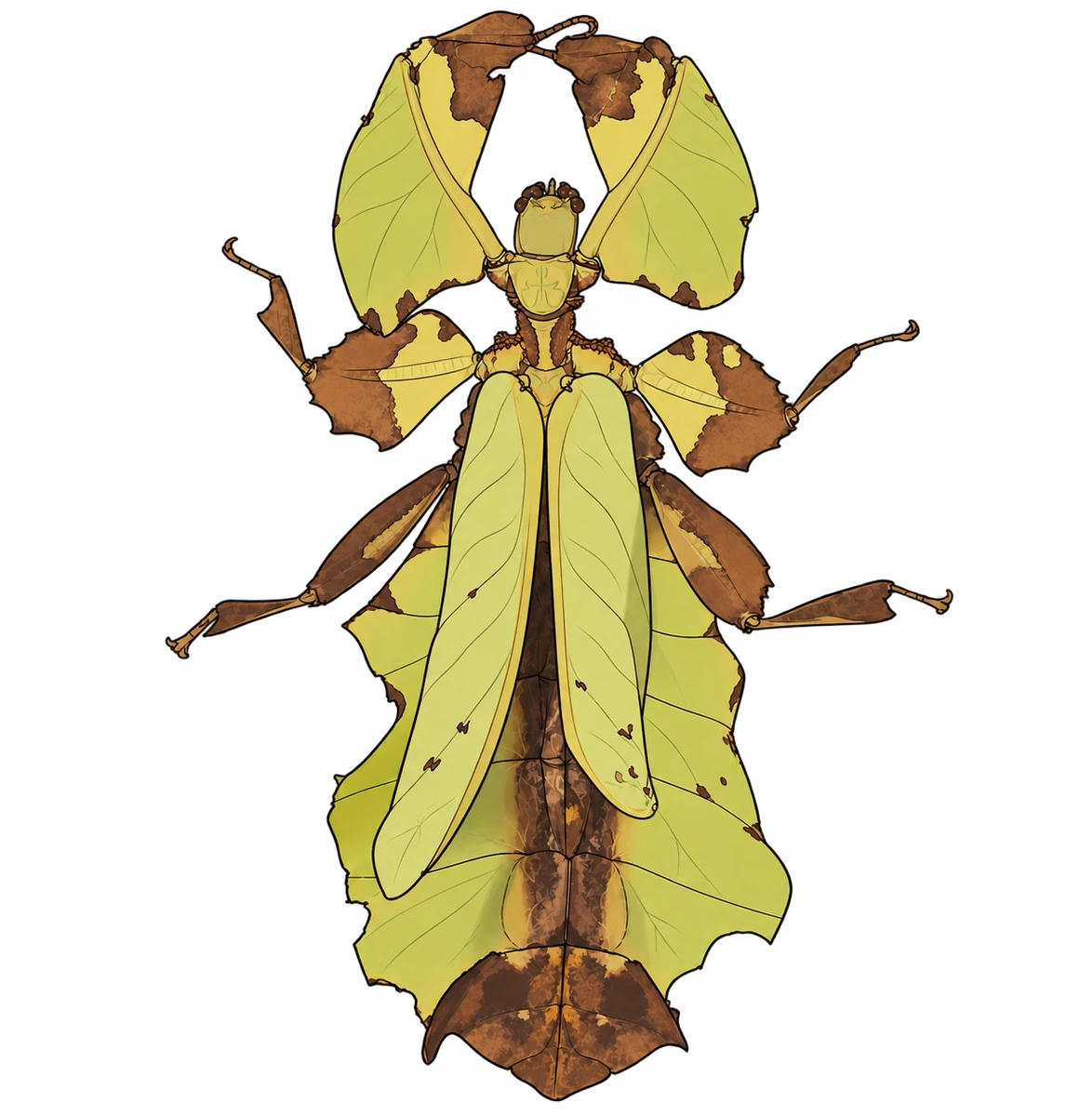
Pulchriphyllium giganteum
Pulchriphyllium giganteum is a large leaf insect of the Sunda region. Females have a broad green abdomen, leaf-veined wing covers and expanded limb margins that reproduce the outline of foliage.
Explore the guide →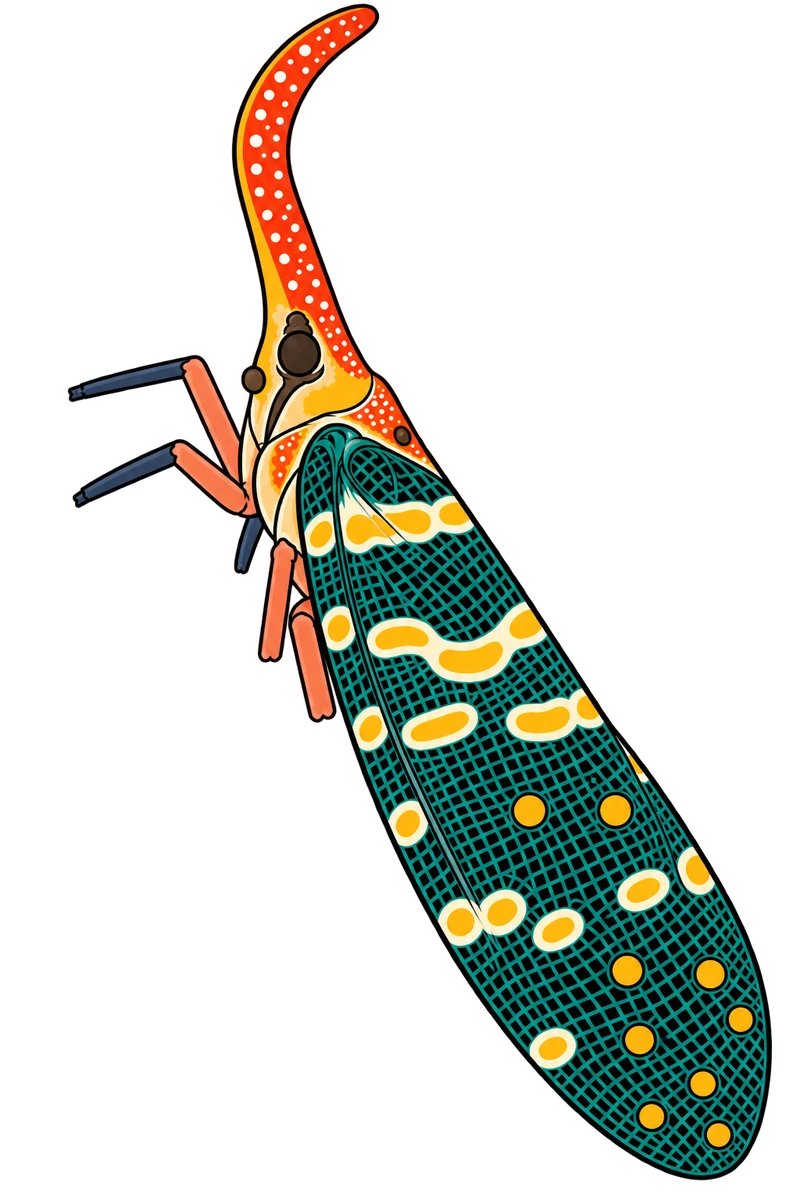
Pyrops candelaria
Pyrops candelaria is a sap-feeding lanternfly with an upward-curving head process and spotted forewings. Its yellow hindwings have dark tips; the ventral abdomen is grey with yellow segment margins.
Explore the guide →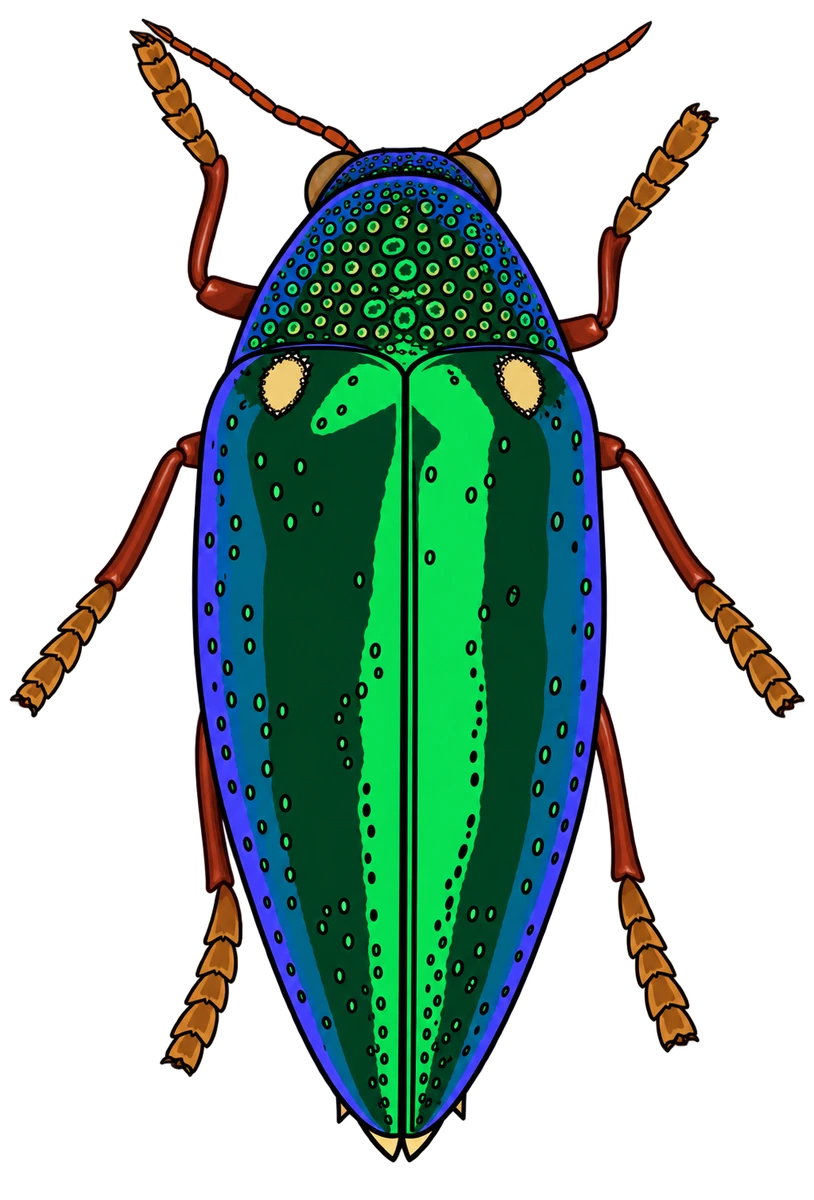
Sternocera aequisignata
Sternocera aequisignata is a metallic jewel beetle whose predominantly green shell can also reflect blue, purple and warmer hues. Experiments using its wing covers show that iridescent colour changes can make a target harder for predators to detect.
Explore the guide →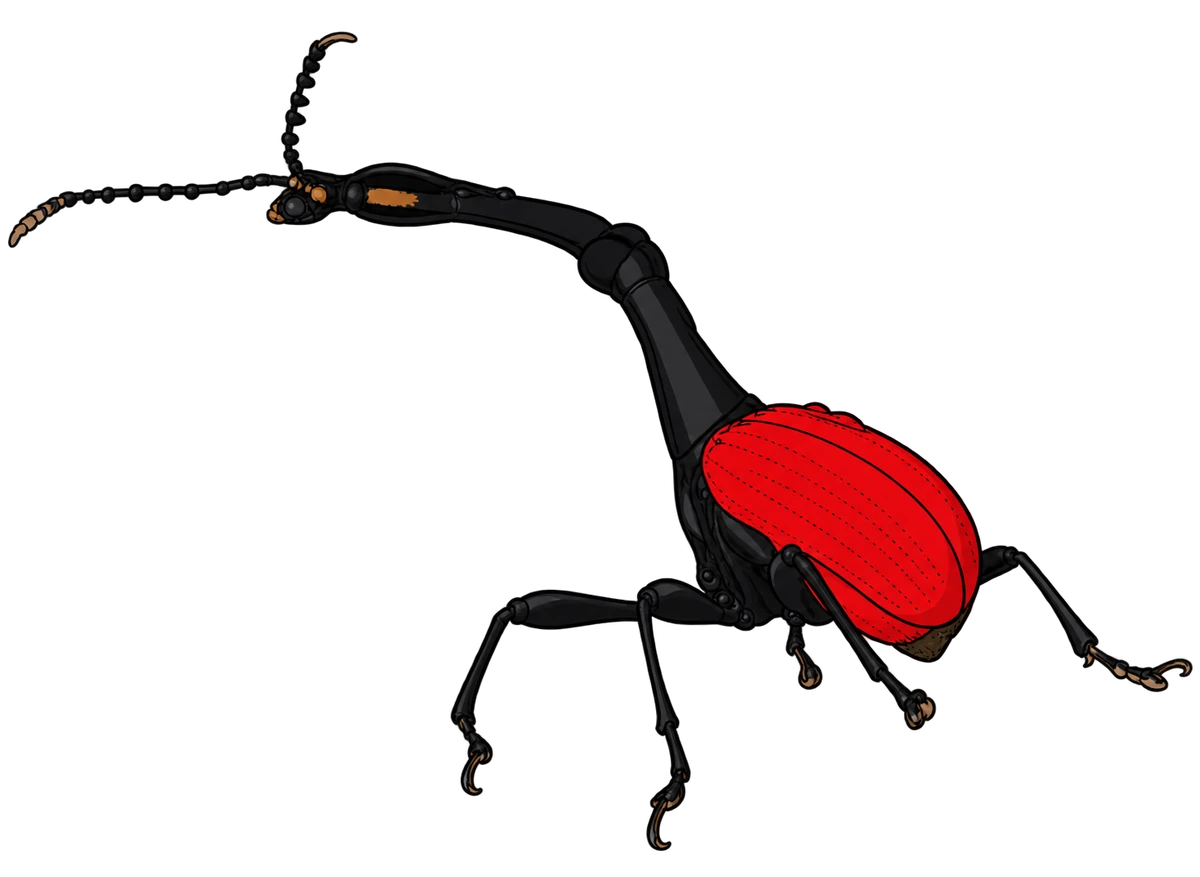
Trachelophorus giraffa
Trachelophorus giraffa is a Madagascar leaf-rolling weevil with a glossy black body, red wing covers and an exceptionally elongated male forebody. The long, narrow prothorax gives the beetle its giraffe-like profile.
Explore the guide →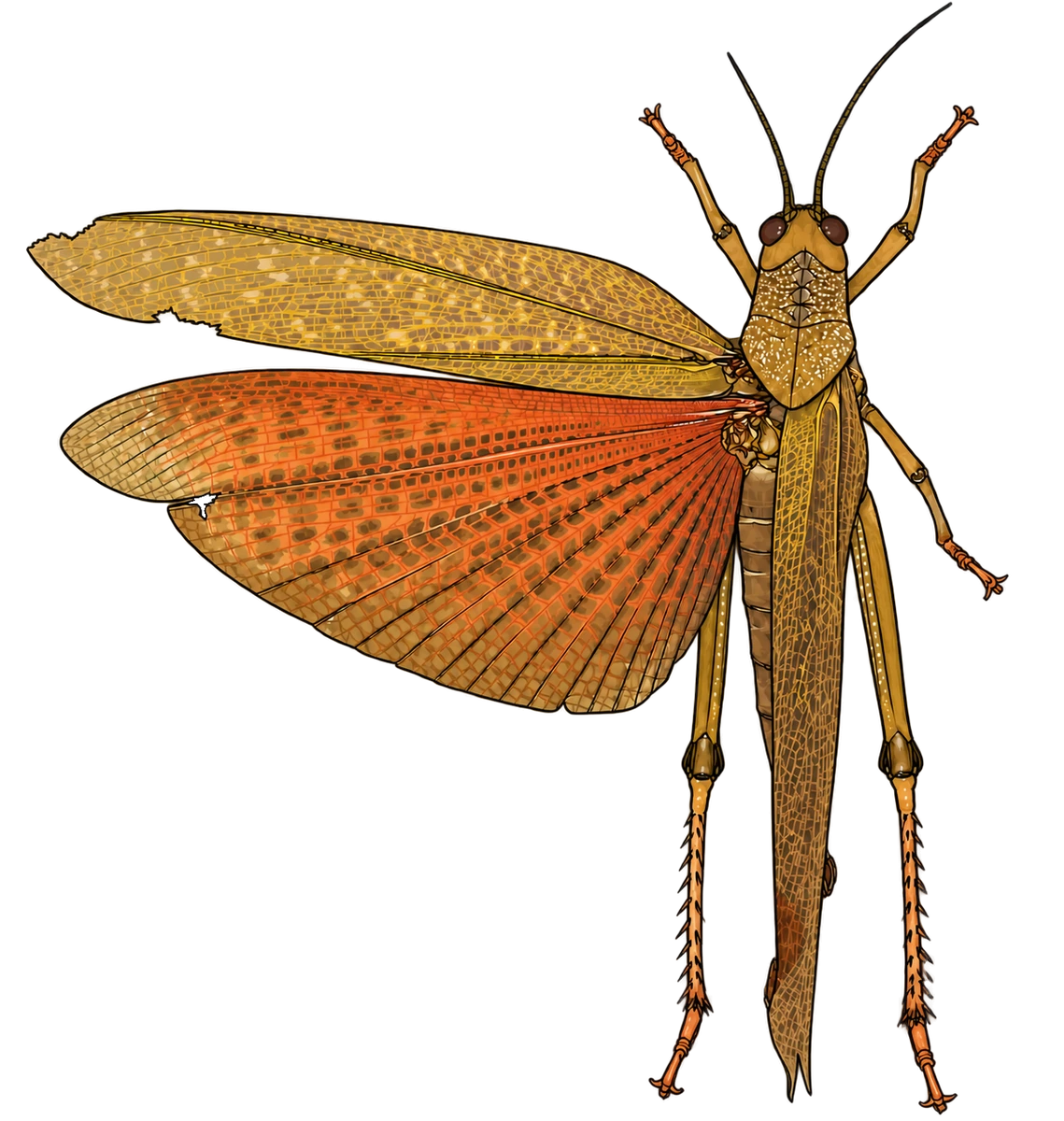
Tropidacris cristata
Tropidacris cristata is a large tropical American grasshopper with a crested pronotum and darkly spotted hindwings. The adults have dark blue-green upper surfaces; banded nymphs gather in groups on vegetation.
Explore the guide →Abantis paradisea
The paradise skipper combines translucent pale wing panels with a strongly marked orange, black and white body.
Explore the guide →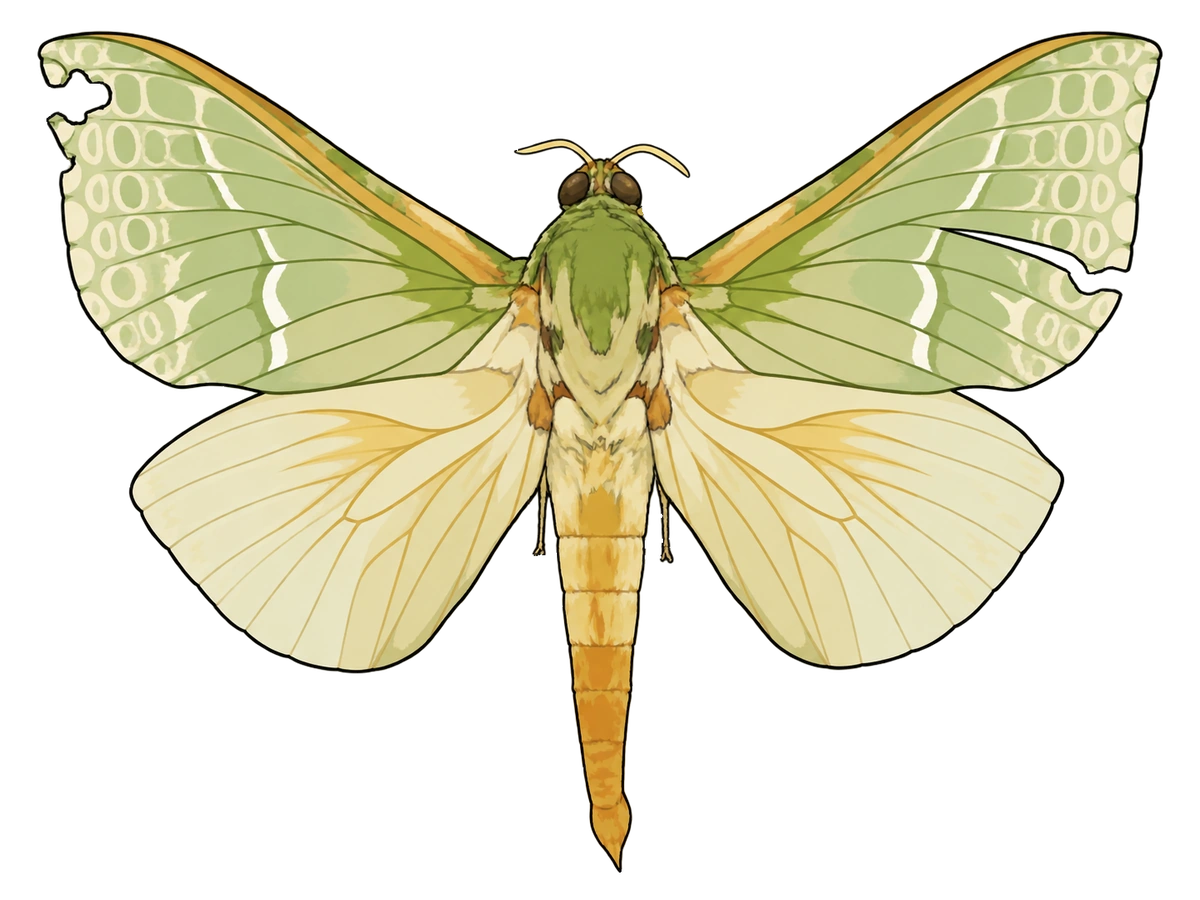
Aenetus virescens
Aenetus virescens is a large New Zealand ghost moth whose caterpillar shelters in a tree tunnel and feeds around its entrance. Females have dark forewing mottling and buff hindwings; smaller males typically carry white forewing markings and greener hindwings.
Explore the guide →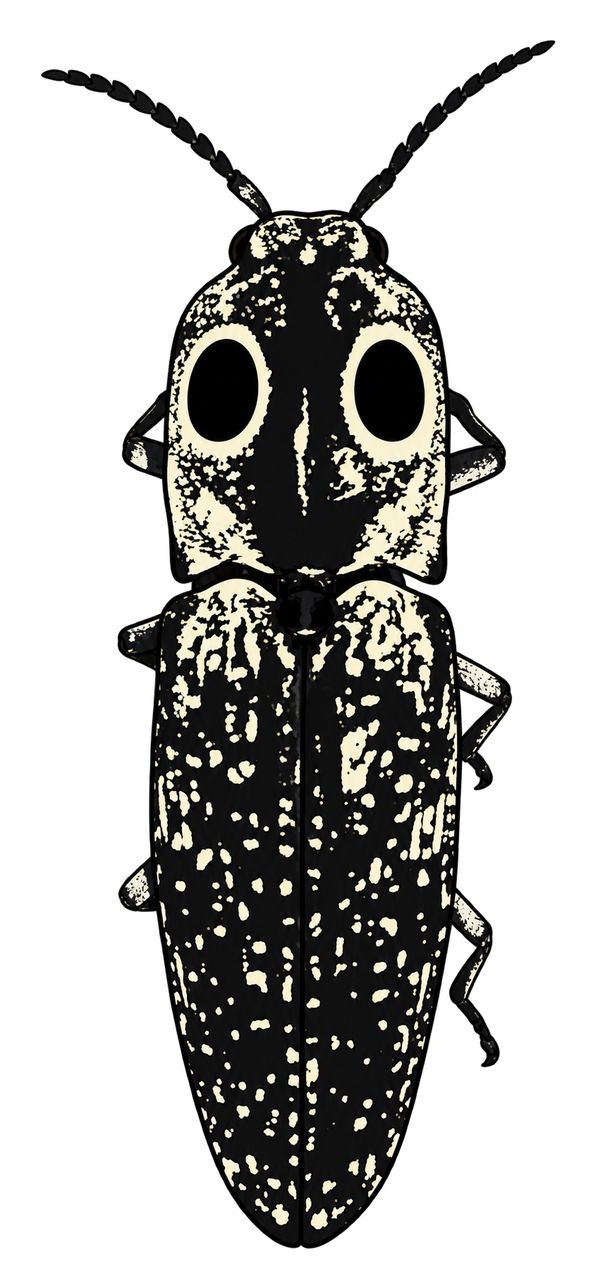
Alaus oculatus
Alaus oculatus is an eastern North American click beetle whose large black pronotal spots are bordered in white. Microscopy shows that pigment and densely arranged hairs combine to produce the unusually dark false eyes.
Explore the guide →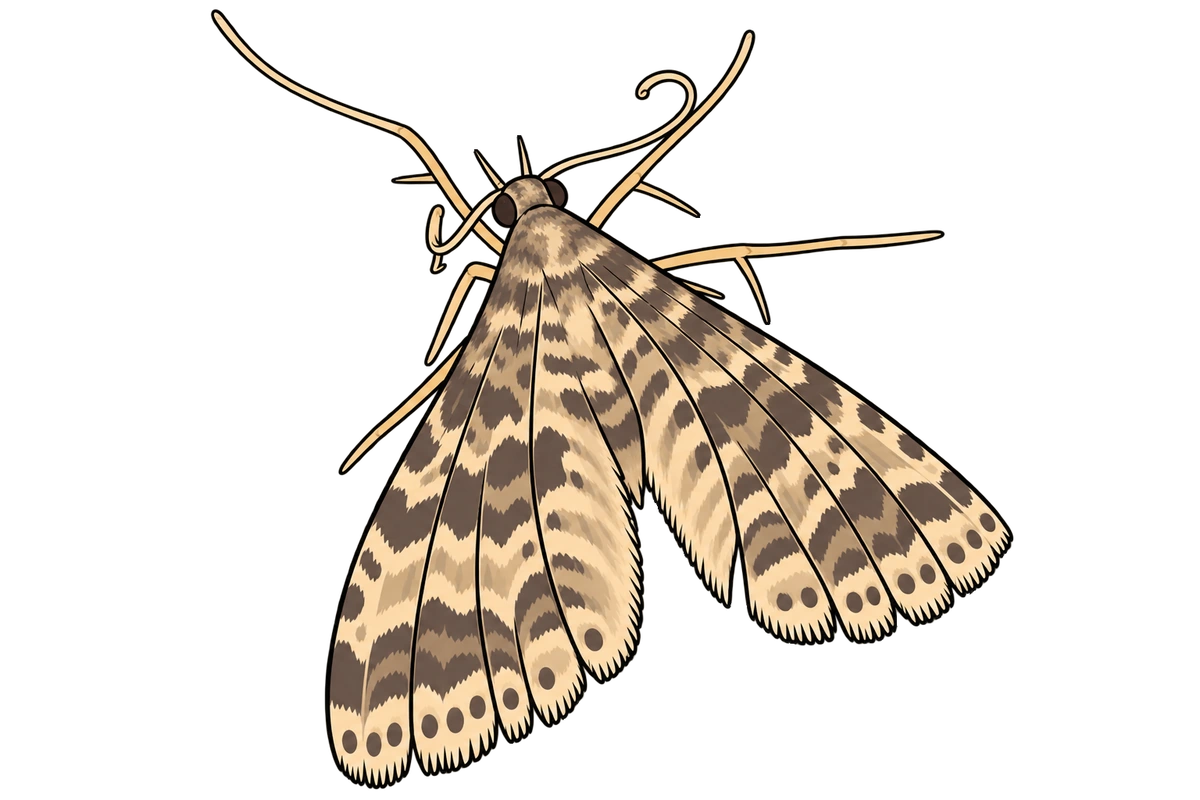
Alucita hexadactyla
Alucita hexadactyla spreads four wings divided into six feather-like fronds apiece. This small honeysuckle-associated moth carries brown, black and white chevrons across an unusually open wing structure.
Explore the guide →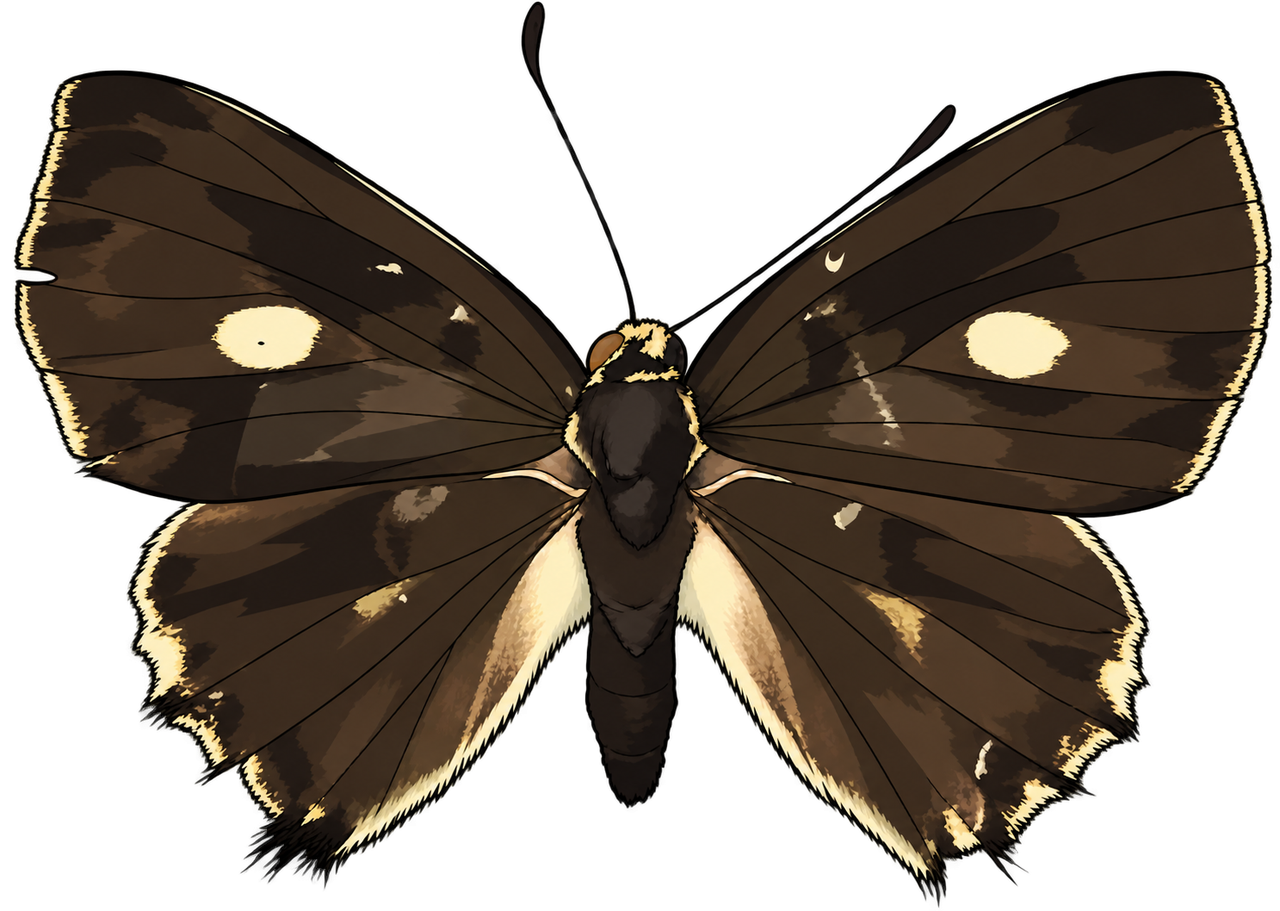
Anteros formosus
Anteros formosus is a small metalmark with contrasting wing surfaces and a caterpillar clothed in elaborate plume-like hairs.
Explore the guide →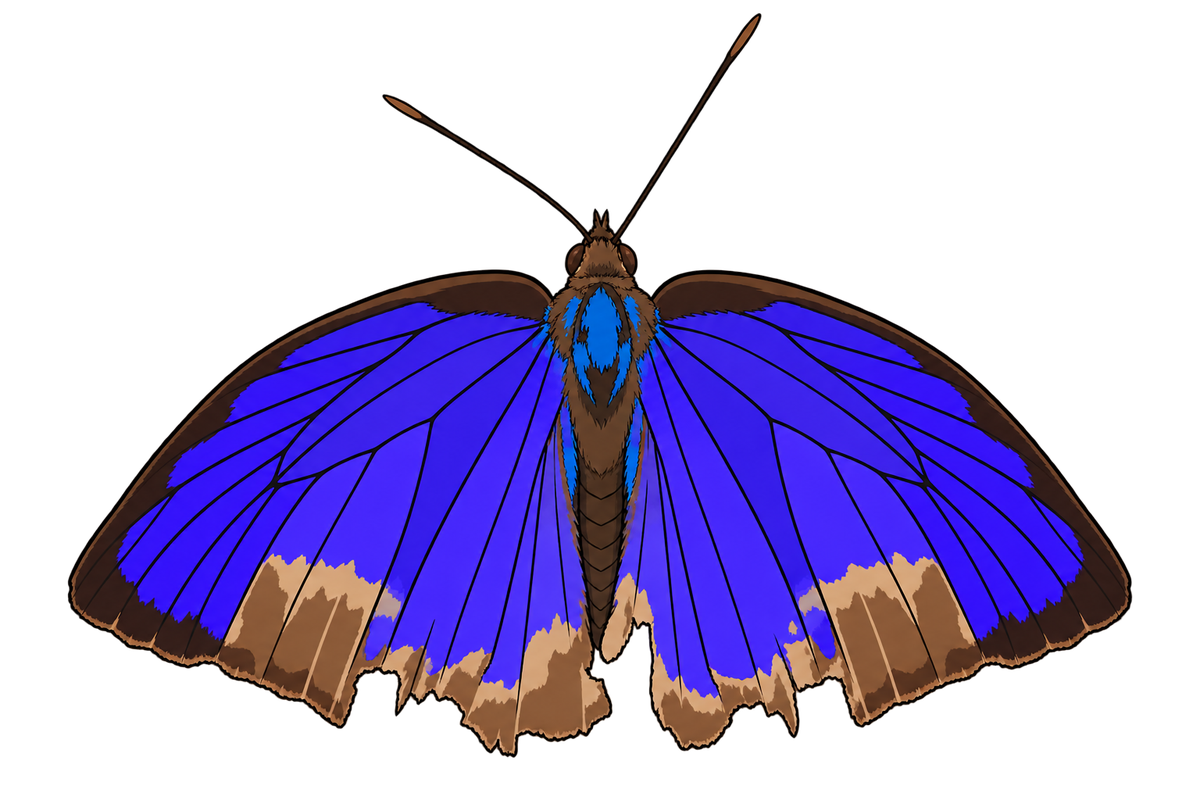
Arhopala centaurus
A pointed wing outline and white-tipped hindwing tails frame the Centaur Oakblue's blue upper surfaces and intricate brown underside.
Explore the guide →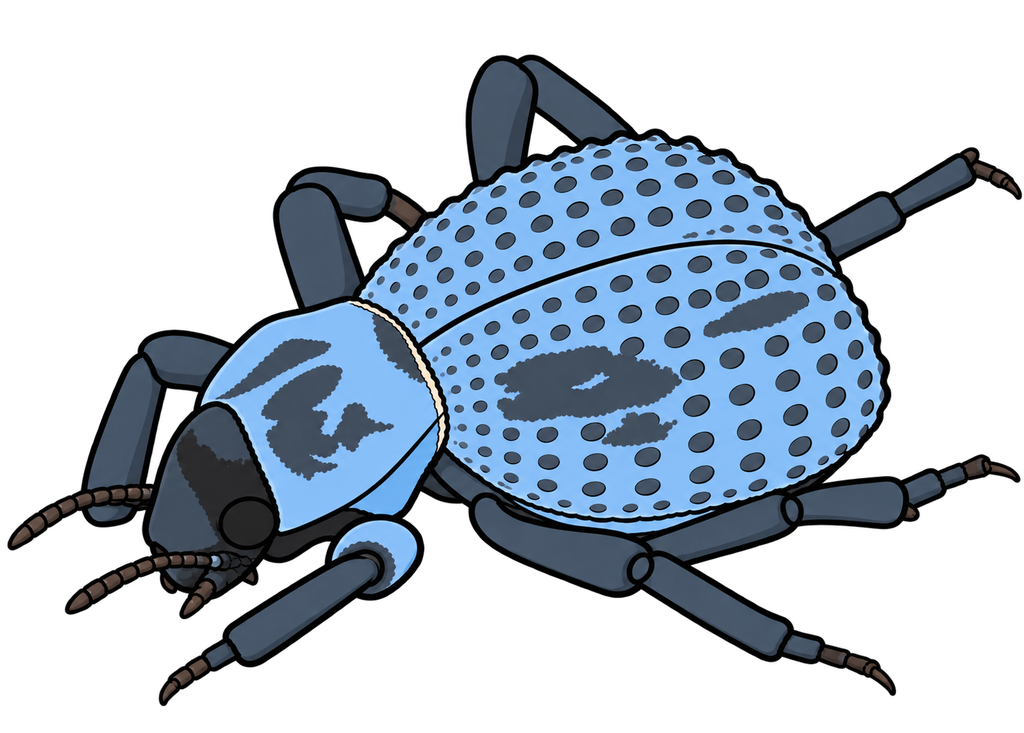
Asbolus verrucosus
Asbolus verrucosus is a darkling beetle of southwestern North American deserts. A powder-blue wax coating covers its dark body, and threatened adults can remain motionless on their backs for extended periods.
Explore the guide →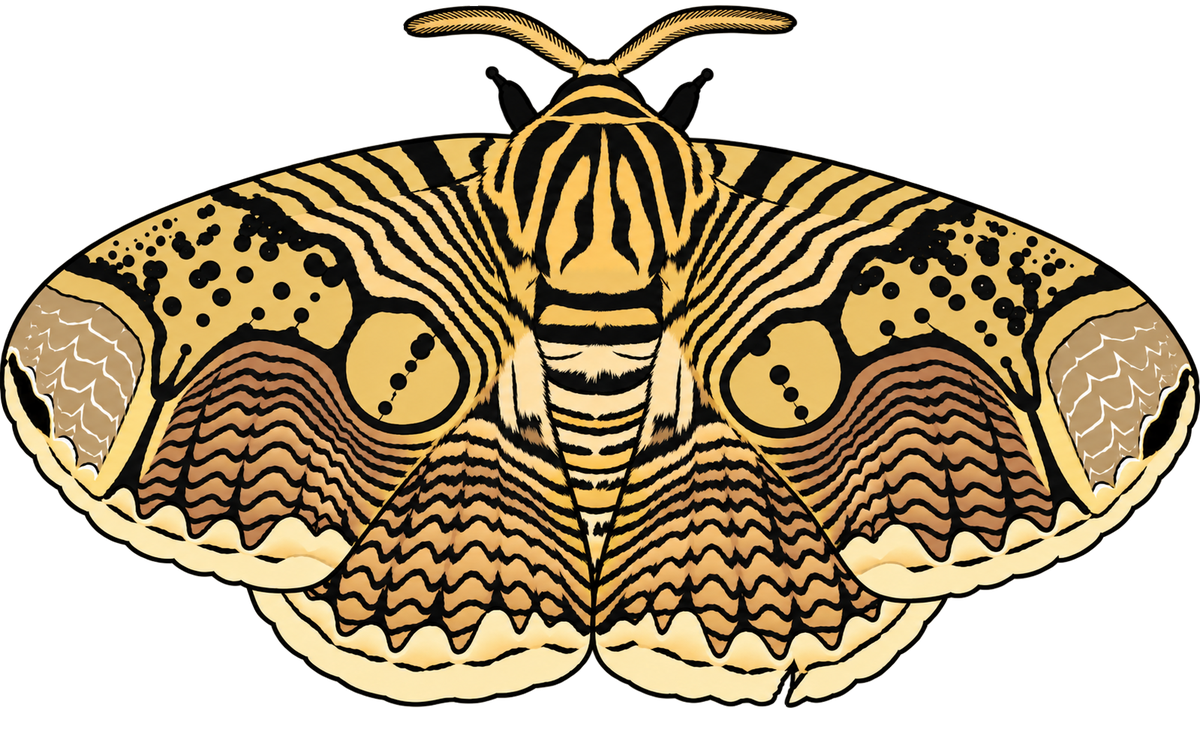
Brahmaea hearseyi
Brahmaea hearseyi carries an intricate arrangement of dark median wing fields and closely rippled pale fasciae. Its caterpillars change markedly during development, losing their long filaments before the final instar and raising the forebody when disturbed.
Explore the guide →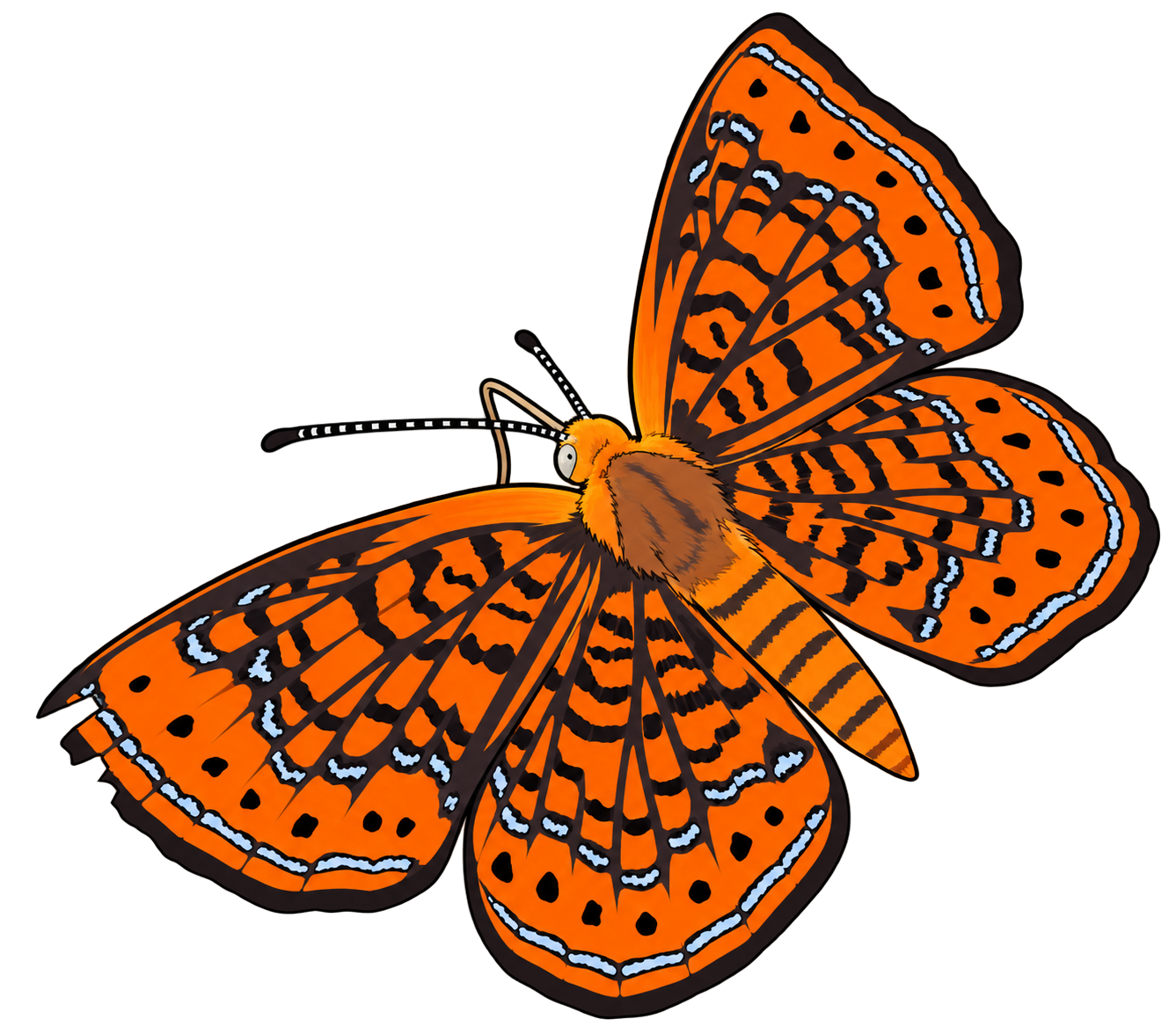
Calephelis virginiensis
Fine silver lines cross the Little Metalmark's rust-orange wings, a minute pattern carried close to the ground in southeastern American grasslands.
Explore the guide →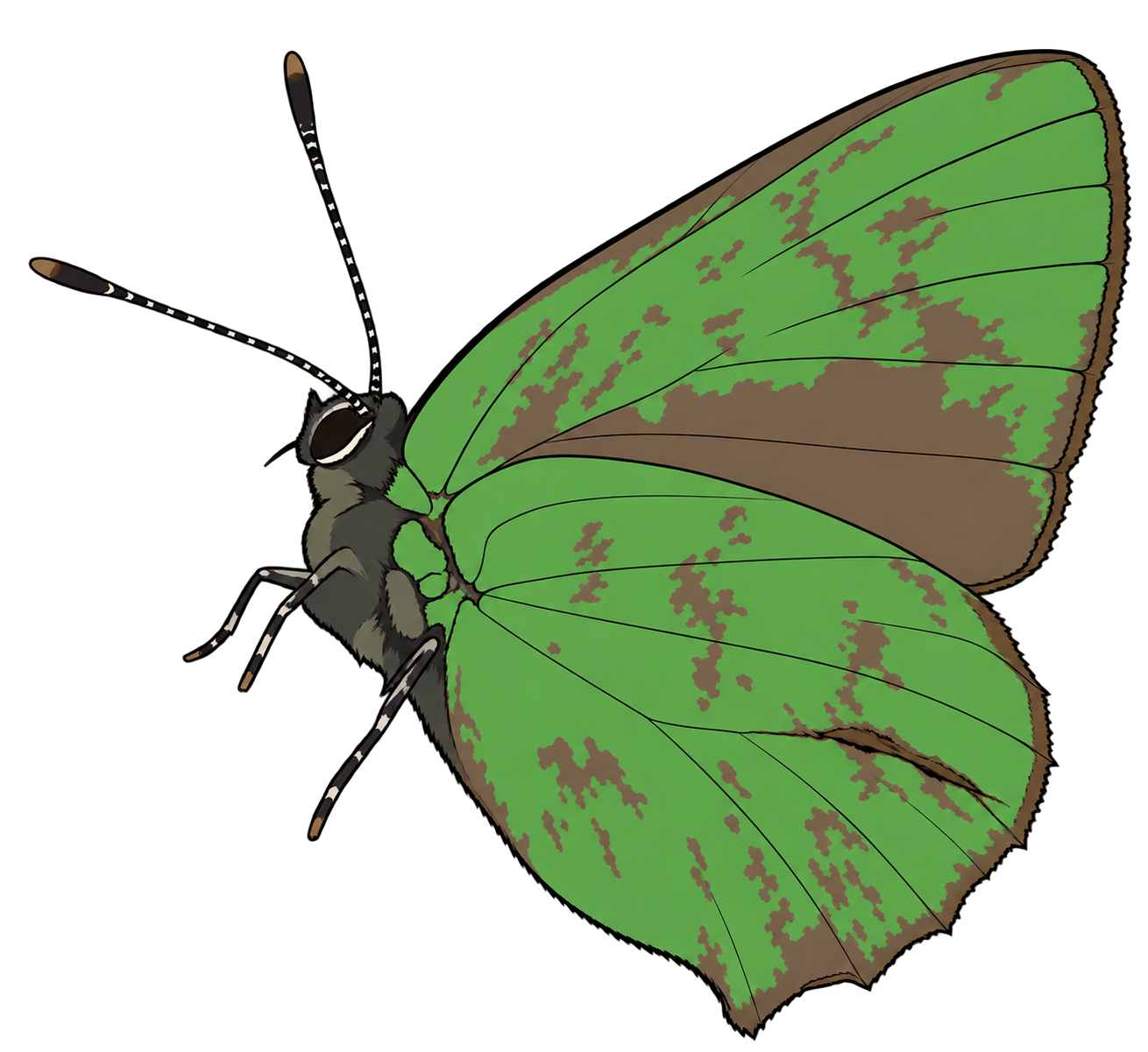
Callophrys rubi
The Green Hairstreak's brown upperwings close over a matte-green underside, whose colour is produced by microscopic structures within the scales.
Explore the guide →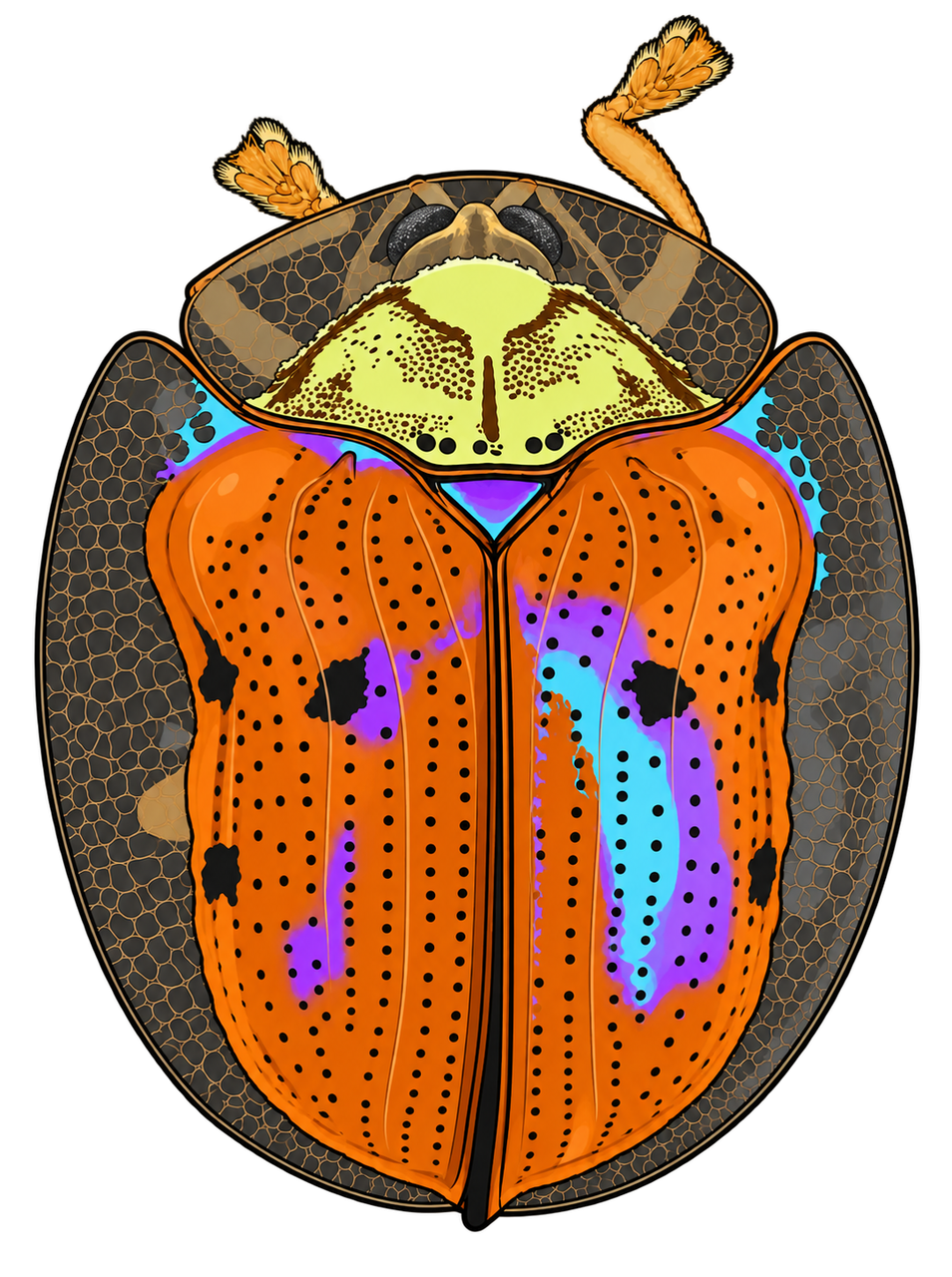
Charidotella sexpunctata
Charidotella sexpunctata is an American tortoise beetle with translucent margins. Living adults can be gold, while disturbed or dried individuals may become red or brown.
Explore the guide →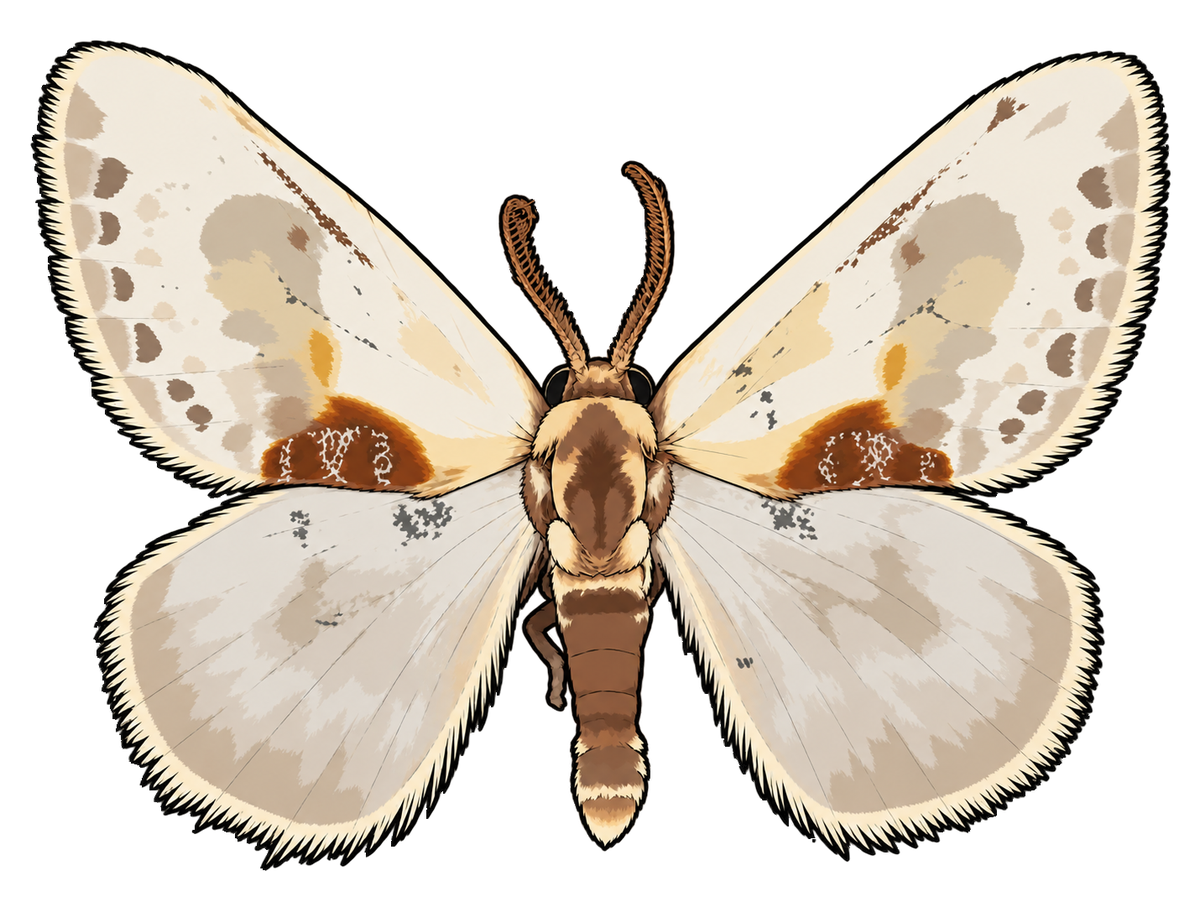
Cilix glaucata
Cilix glaucata combines white wings, dark blotches and a steeply folded resting posture that resembles a bird dropping. This small drepanid lives around shrubs and woodland, with hawthorn and blackthorn providing its principal larval foliage.
Explore the guide →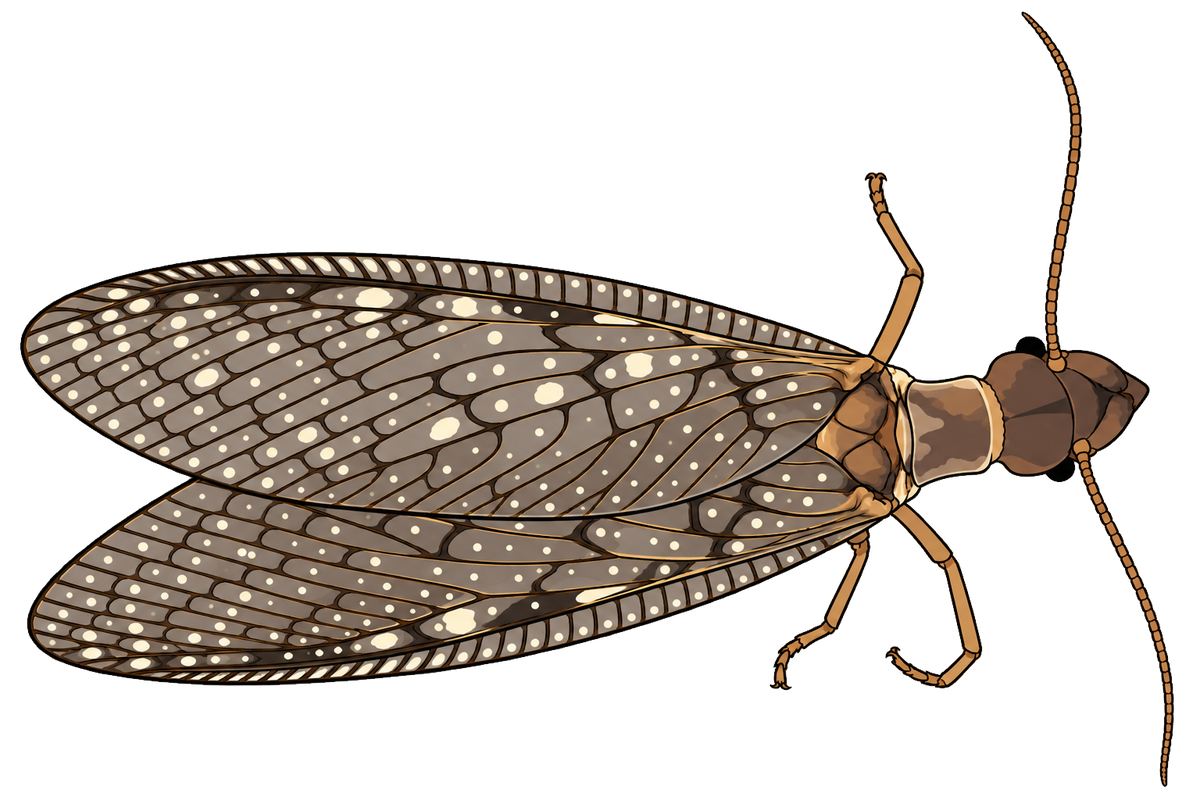
Corydalus cornutus
Corydalus cornutus develops as an aquatic hellgrammite before emerging as a large, net-winged adult. Male mandibles are dramatically elongated and take part in both contests with rivals and interactions with females.
Explore the guide →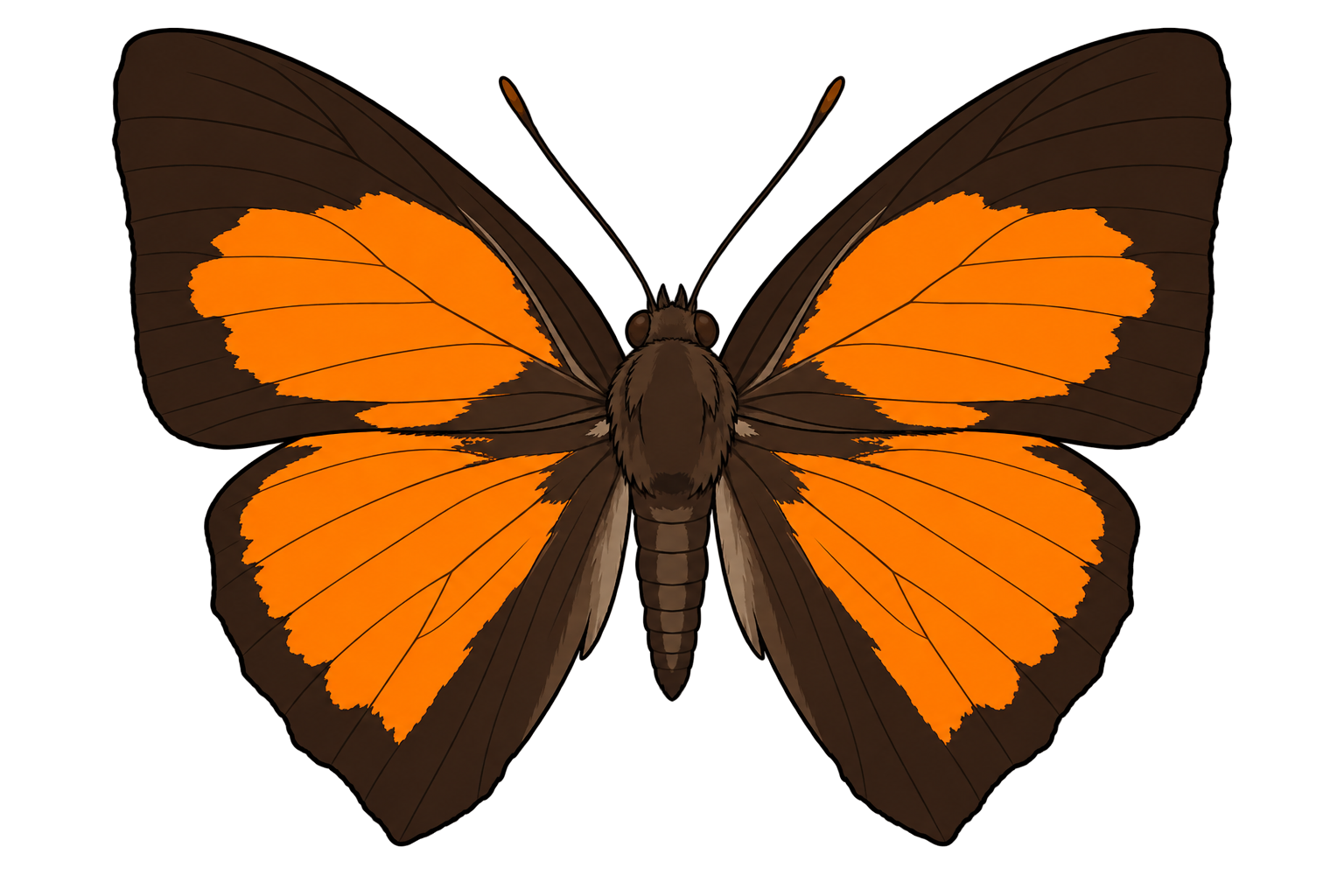
Curetis santana
Copper-orange upperwings and a silvery underside give the Malayan Sunbeam sharply different appearances in flight and at rest.
Explore the guide →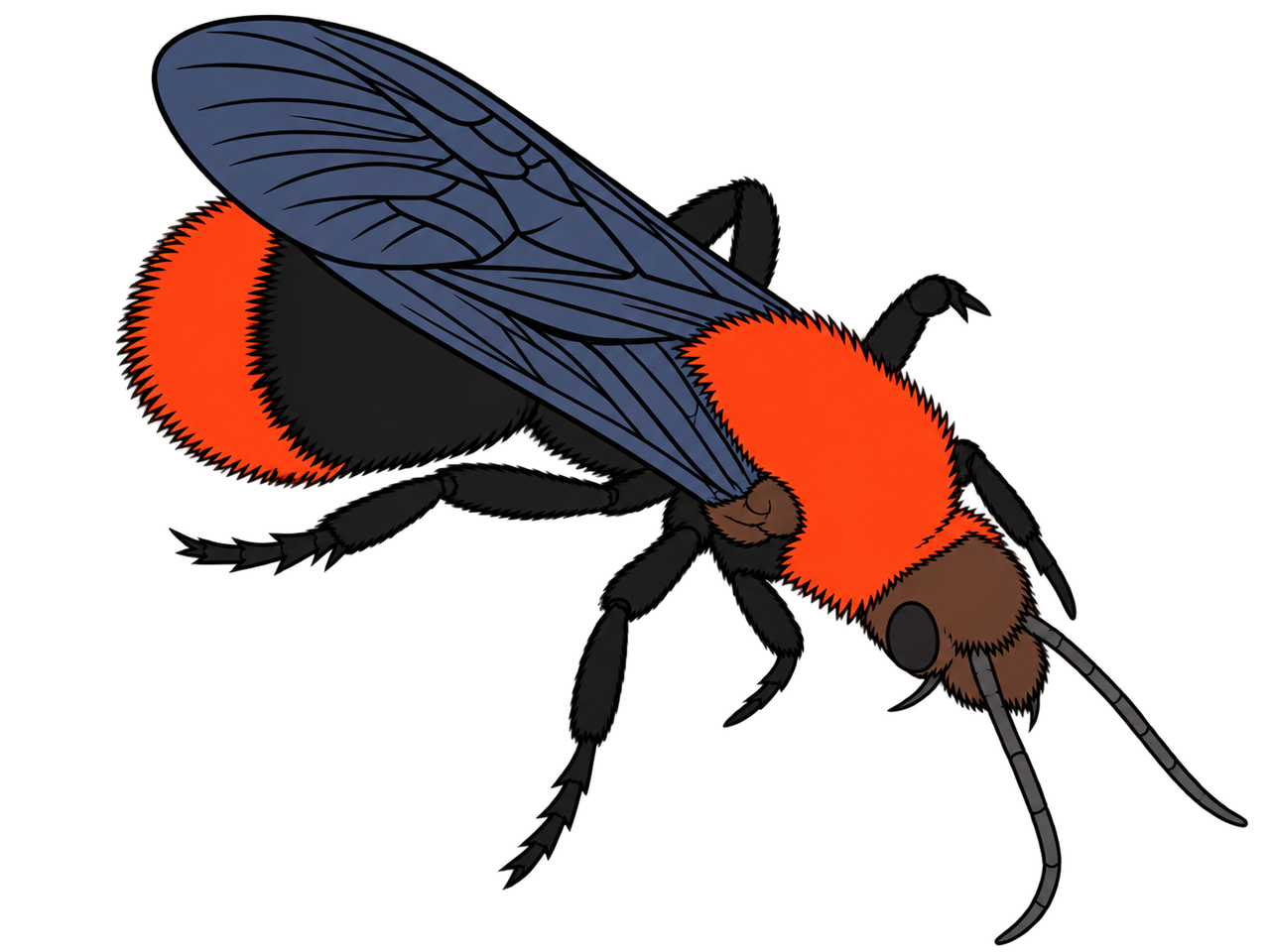
Dasymutilla occidentalis
Dasymutilla occidentalis is a solitary parasitoid wasp with contrasting red-orange hairs and black body regions. Wingless females and winged males differ markedly, and the female’s defensive venom acts through several distinct molecular components.
Explore the guide →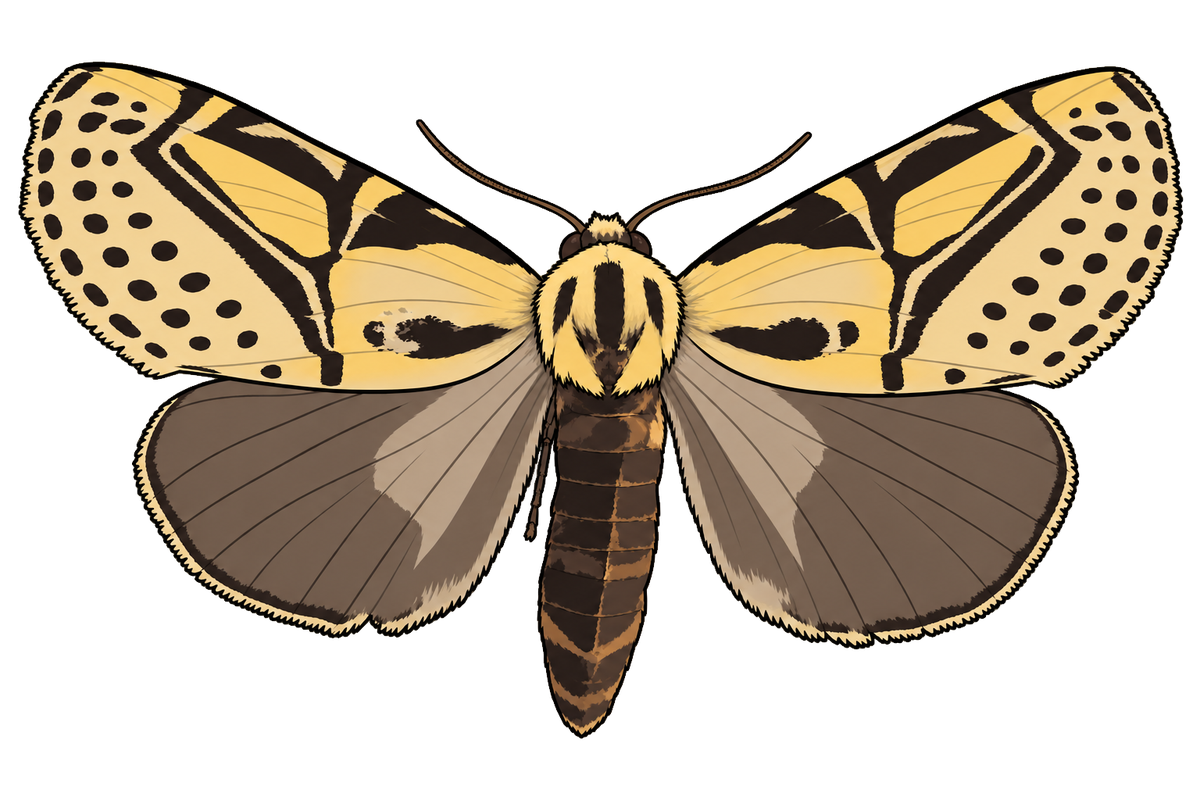
Diphthera festiva
Diphthera festiva has lemon-yellow forewings crossed by a bluish-grey lattice. Its striped caterpillars feed gregariously on tropical and subtropical plants.
Explore the guide →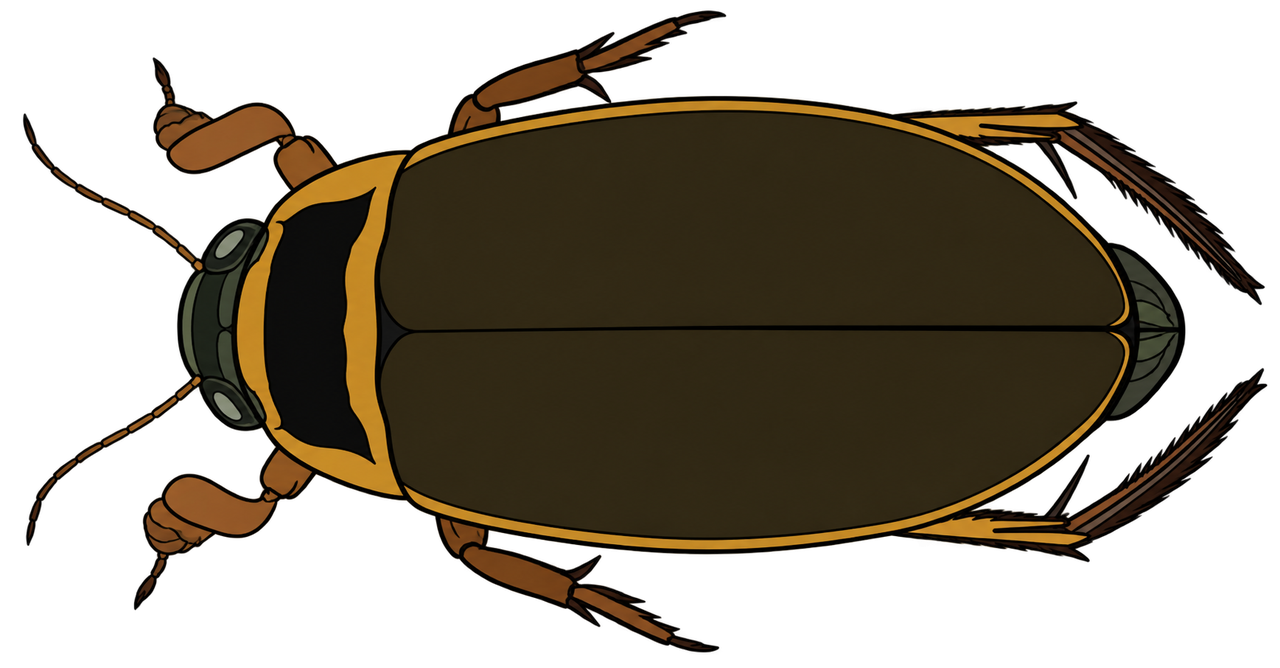
Dytiscus marginalis
Dytiscus marginalis is a large predatory water beetle with a streamlined dark body and pale yellow margins. Males have adhesive pads on their forelegs, while females occur in both grooved and smooth wing-cover forms.
Explore the guide →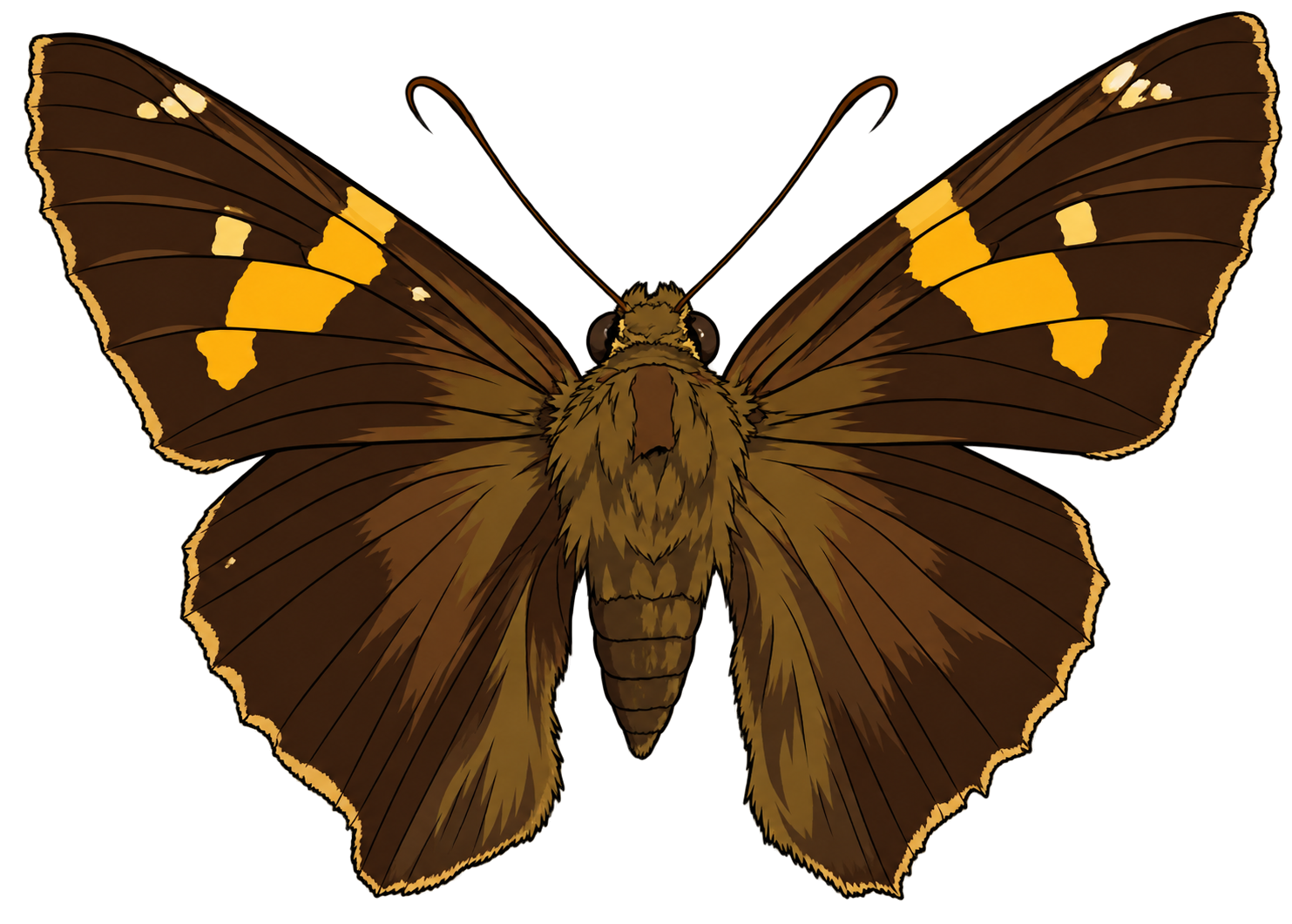
Epargyreus clarus
The Silver-spotted Skipper has an irregular white hindwing patch. Its larvae build silk-bound leaf shelters and eject faecal pellets far beyond them.
Explore the guide →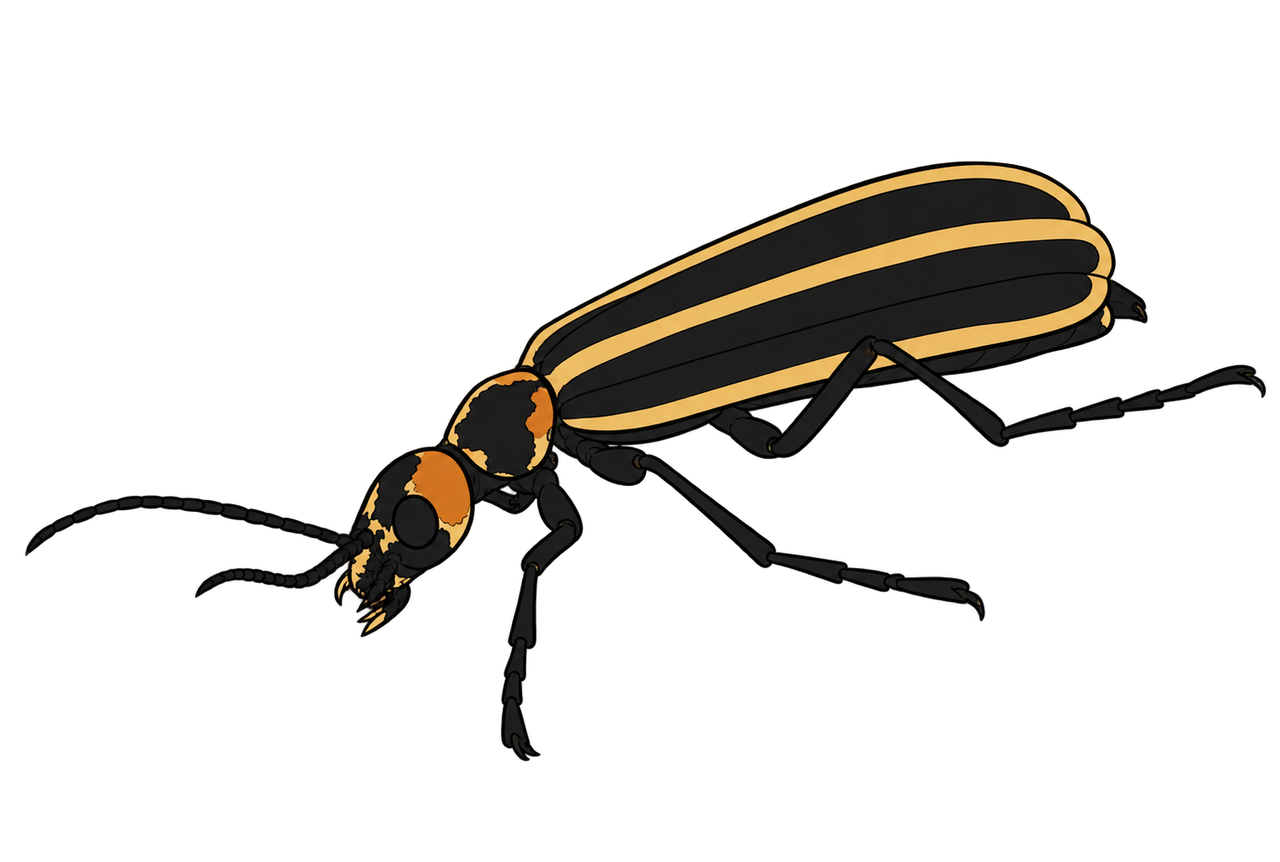
Epicauta vittata
Epicauta vittata is a slender yellow-and-black blister beetle of eastern North America. Adults feed on foliage, while its active young larvae seek grasshopper egg pods beneath the soil.
Explore the guide →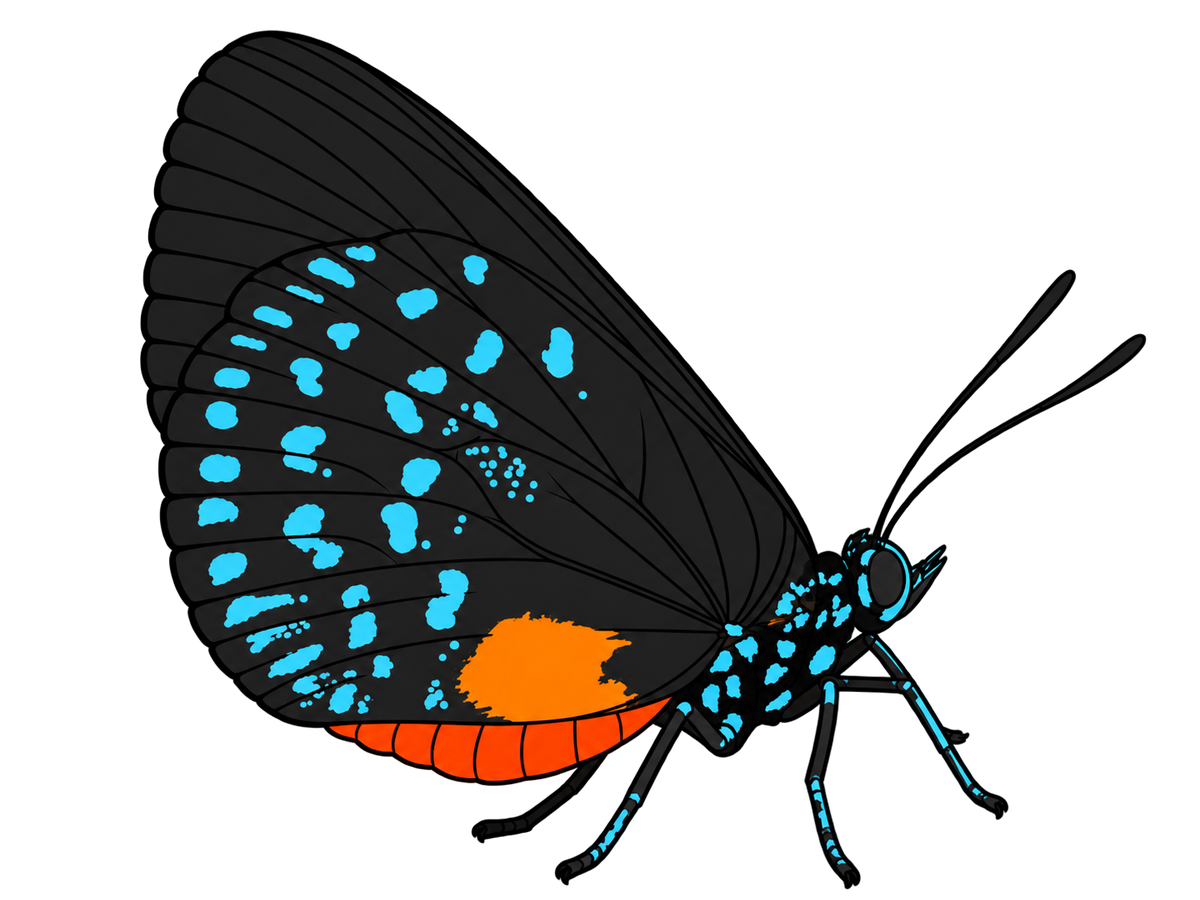
Eumaeus atala
The atala combines rounded black wings, blue iridescent spots and a scarlet abdomen with a larval diet of chemically defended cycads.
Explore the guide →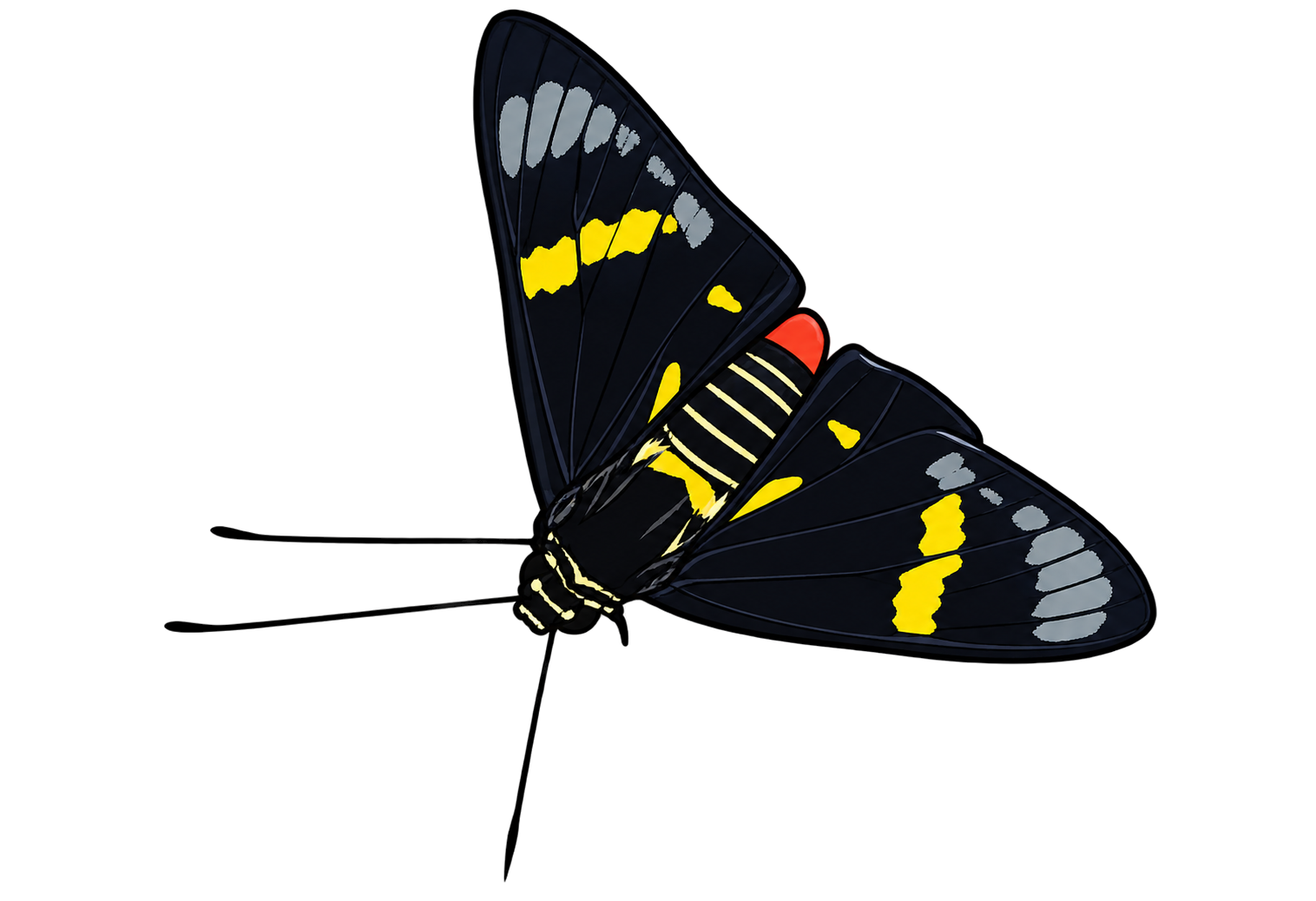
Euschemon rafflesia
The Regent Skipper is an Australian rainforest butterfly with yellow-spotted dark wings, scarlet body accents and a wing-coupling structure exceptional among butterflies.
Explore the guide →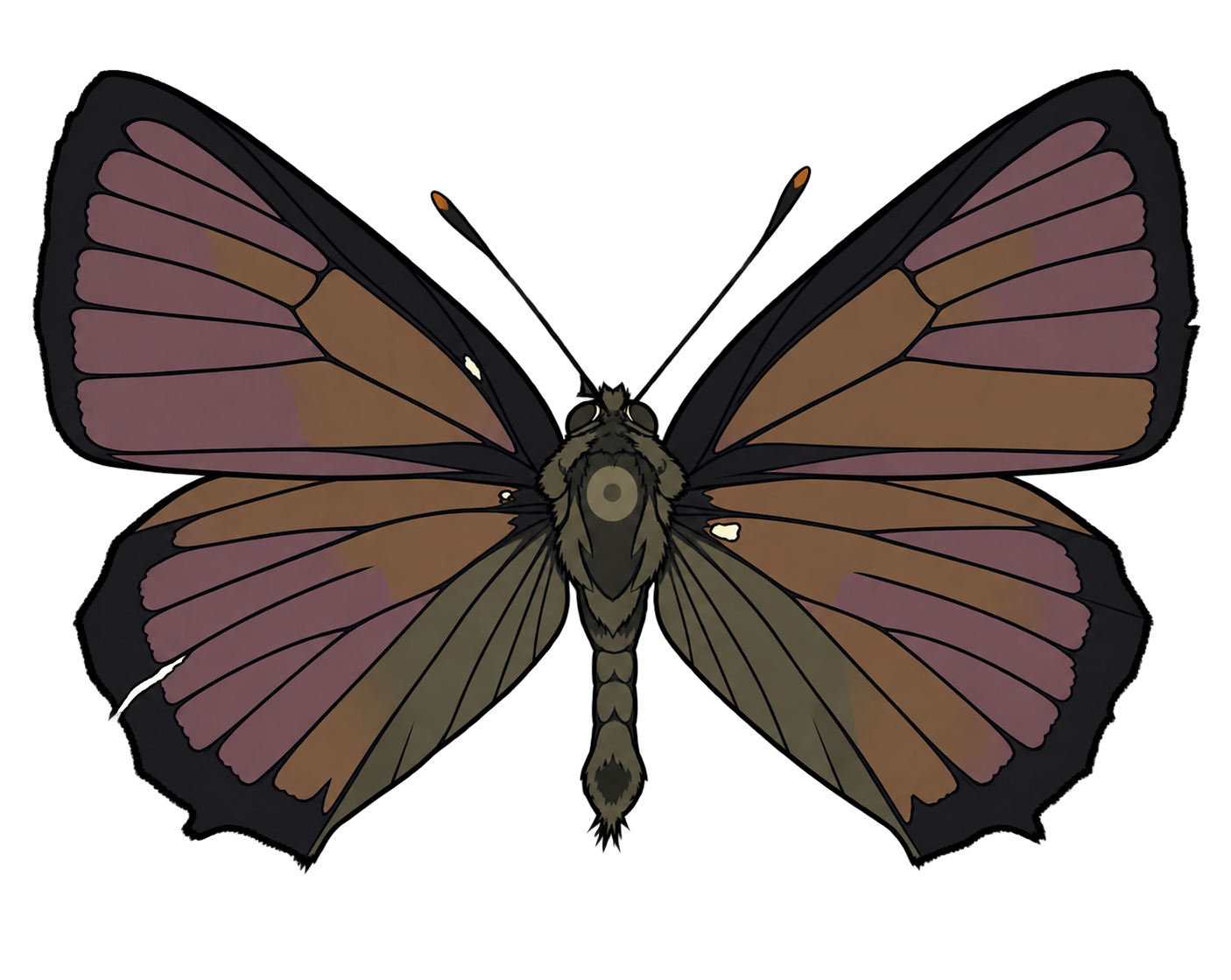
Favonius quercus
The Purple Hairstreak spends much of its adult life in oak crowns, where violet upperwings flash above a silvery-grey underside.
Explore the guide →Gasteruption jaculator
Gasteruption jaculator is a slender wasp whose female carries a long, pale-tipped ovipositor sheath. Its larvae develop in solitary bee nests.
Explore the guide →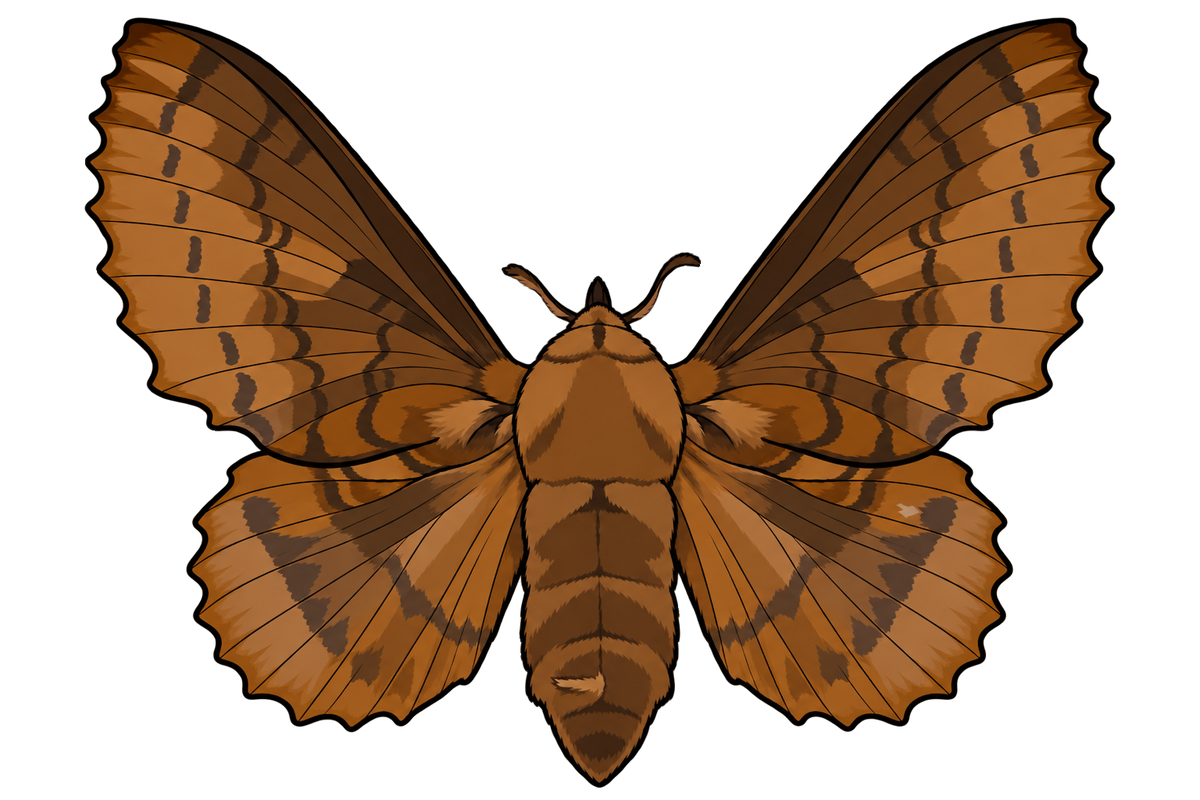
Gastropacha quercifolia
Gastropacha quercifolia resembles a cluster of dry leaves when its russet wings overlap at rest. Its large, hairy caterpillar carries a row of fleshy, fringed lobes along the sides—the lappets that give the moth its English name.
Explore the guide →Gauromydas heros
Gauromydas heros is a giant Neotropical fly, with documented body lengths reaching approximately seven centimetres. Its immature stages develop in the waste chambers of leaf-cutting ant nests before moving upward through the soil to pupate.
Explore the guide →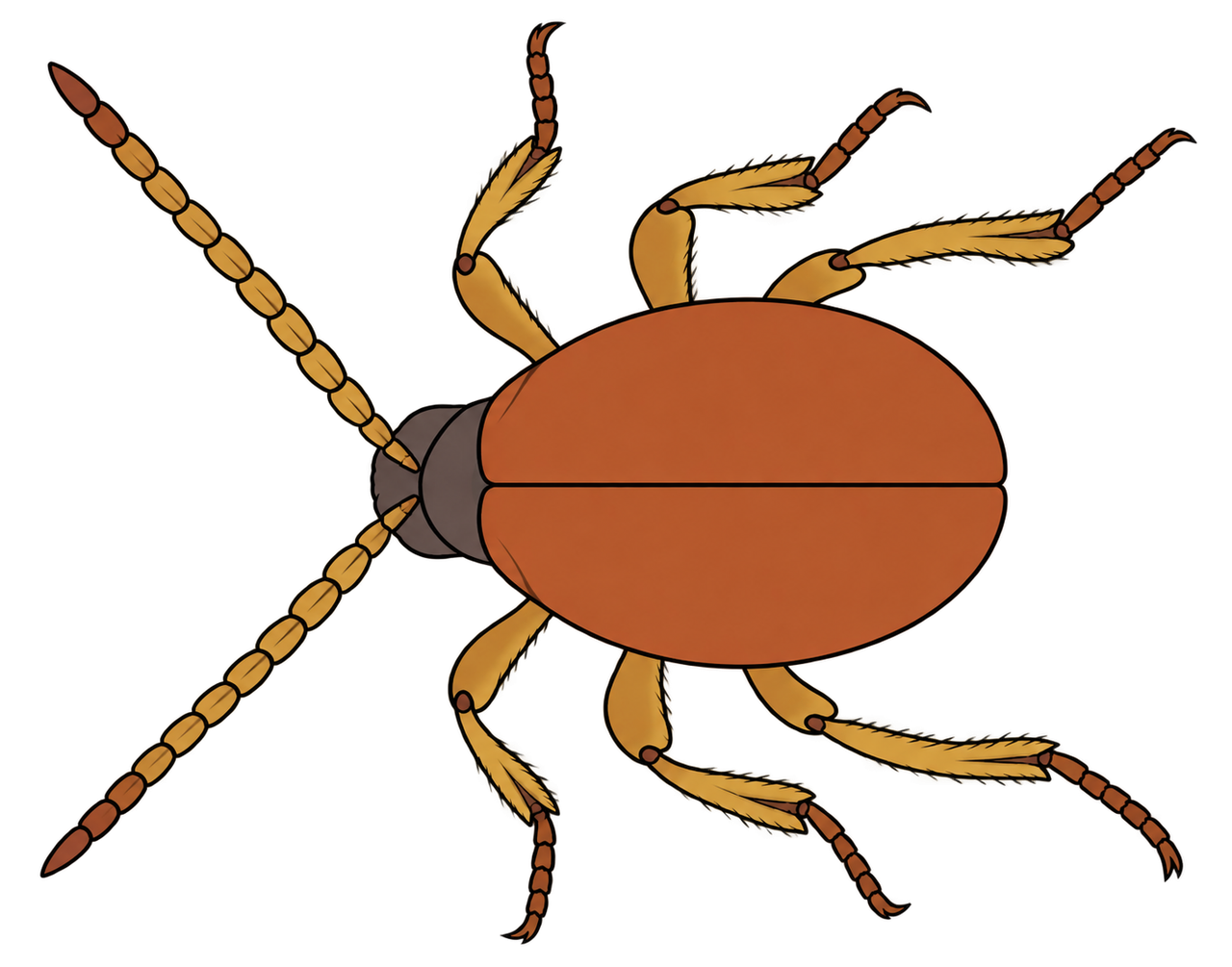
Gibbium psylloides
Gibbium psylloides is a tiny flightless beetle with a glossy, rounded body and long, pale-haired appendages. It lives among dry organic materials and is associated with stored products and sheltered cavities in old buildings.
Explore the guide →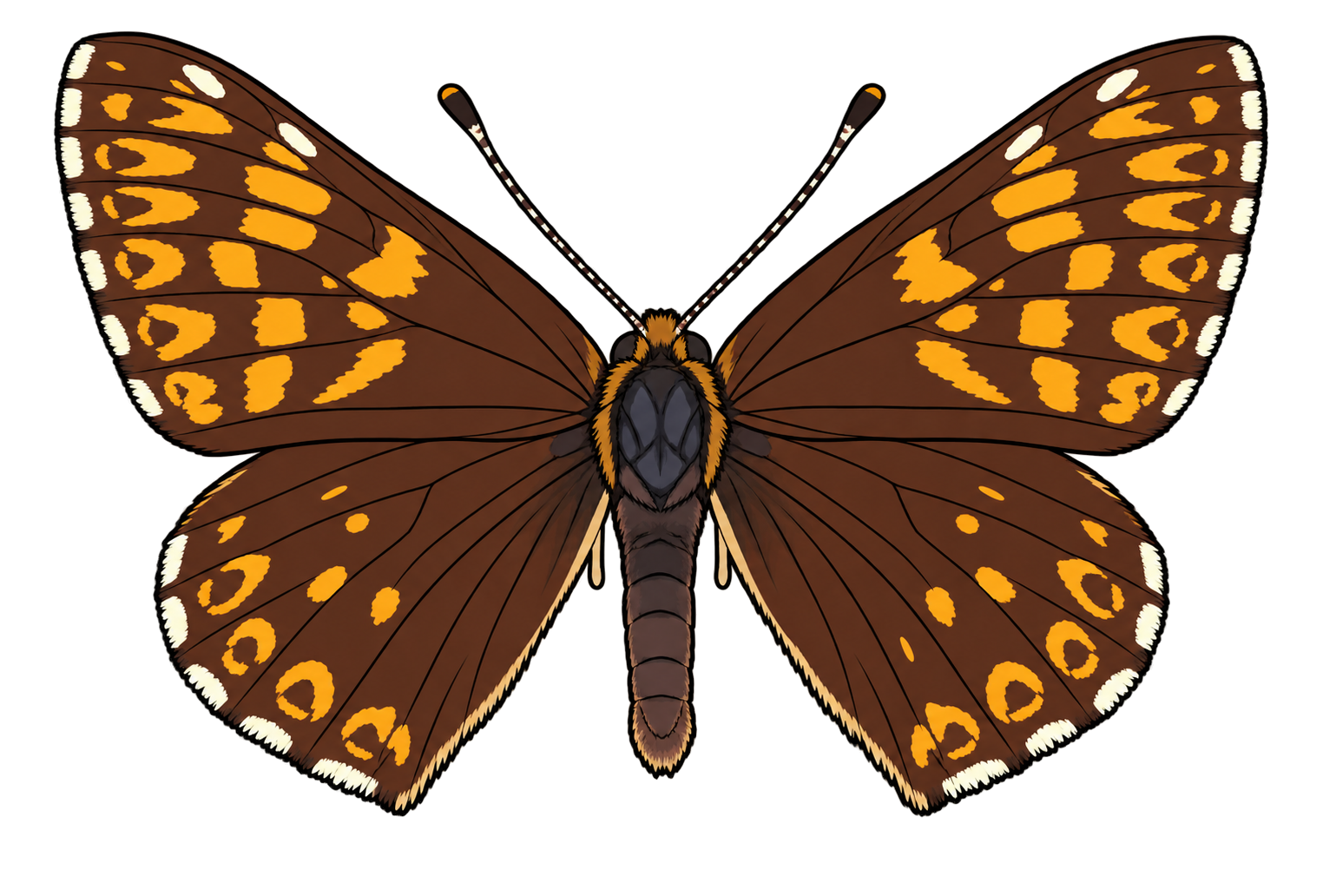
Hamearis lucina
The Duke of Burgundy is a small European metalmark whose colonies depend on sheltered vegetation and suitable primrose or cowslip plants.
Explore the guide →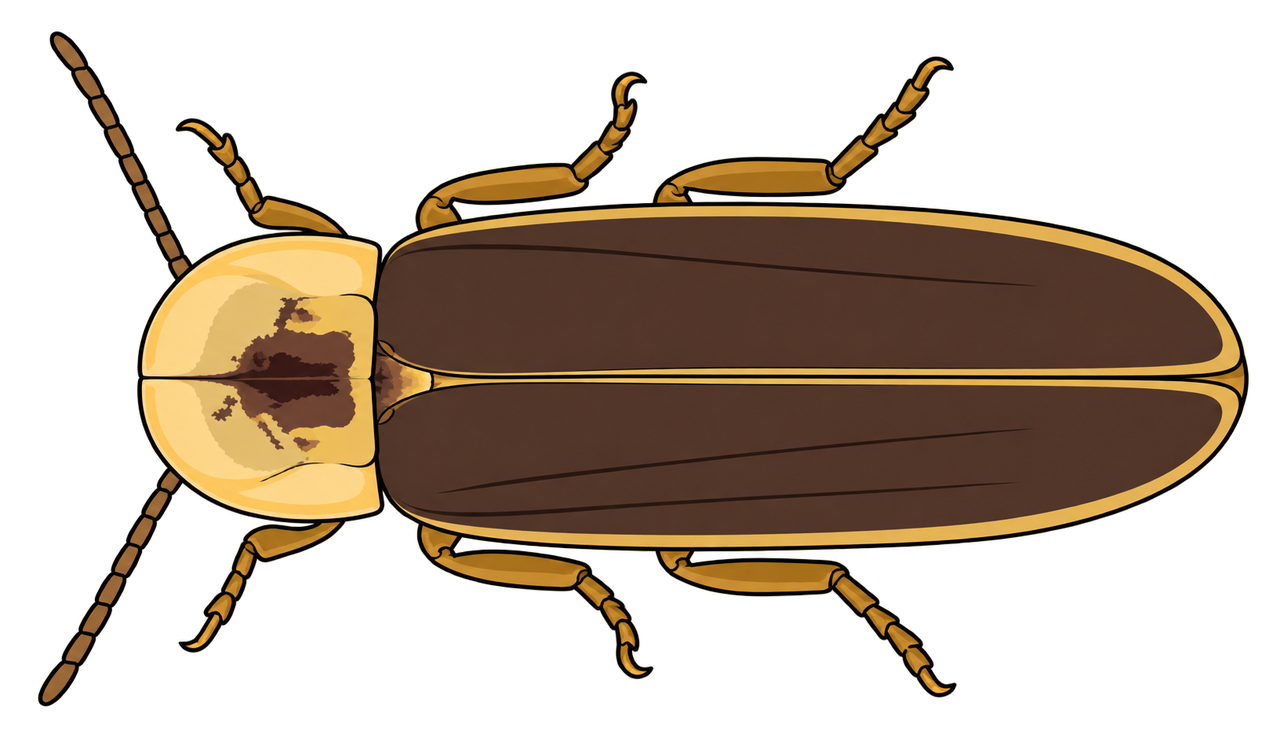
Lampyris noctiluca
Lampyris noctiluca is a European and Asian firefly with strongly different adult sexes. The wingless, larviform female displays a steady yellow-green light to attract the smaller flying male.
Explore the guide →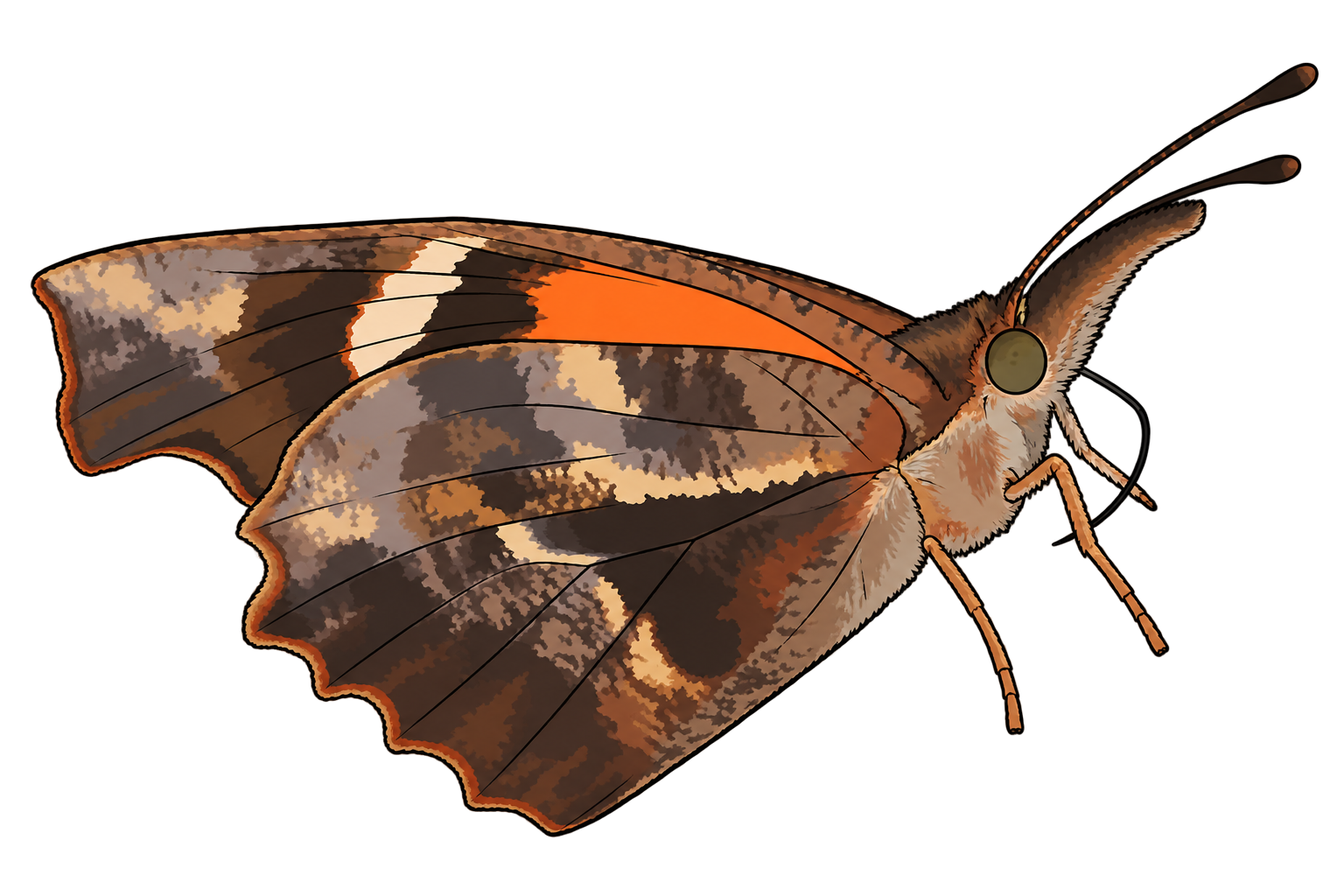
Libytheana bachmanii
The eastern snout is named for its elongated mouthpart palps, which project conspicuously ahead of the head.
Explore the guide →Liphyra brassolis
The moth butterfly has an armoured caterpillar that lives inside weaver-ant nests and feeds on their brood.
Explore the guide →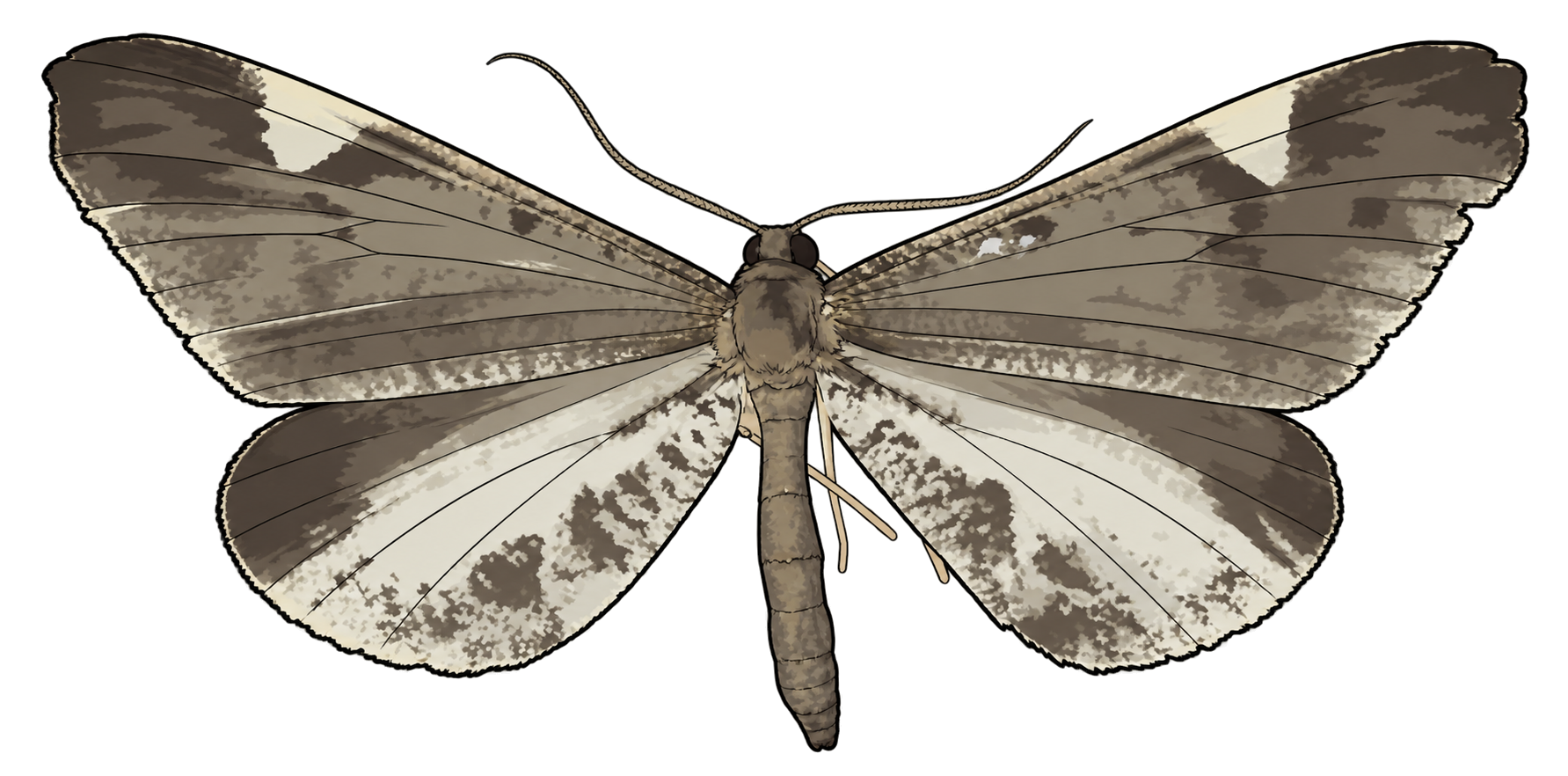
Macrosoma heliconiaria
Macrosoma heliconiaria is a nocturnal butterfly with mottled brown wings and ultrasound-sensitive ears at the forewing bases.
Explore the guide →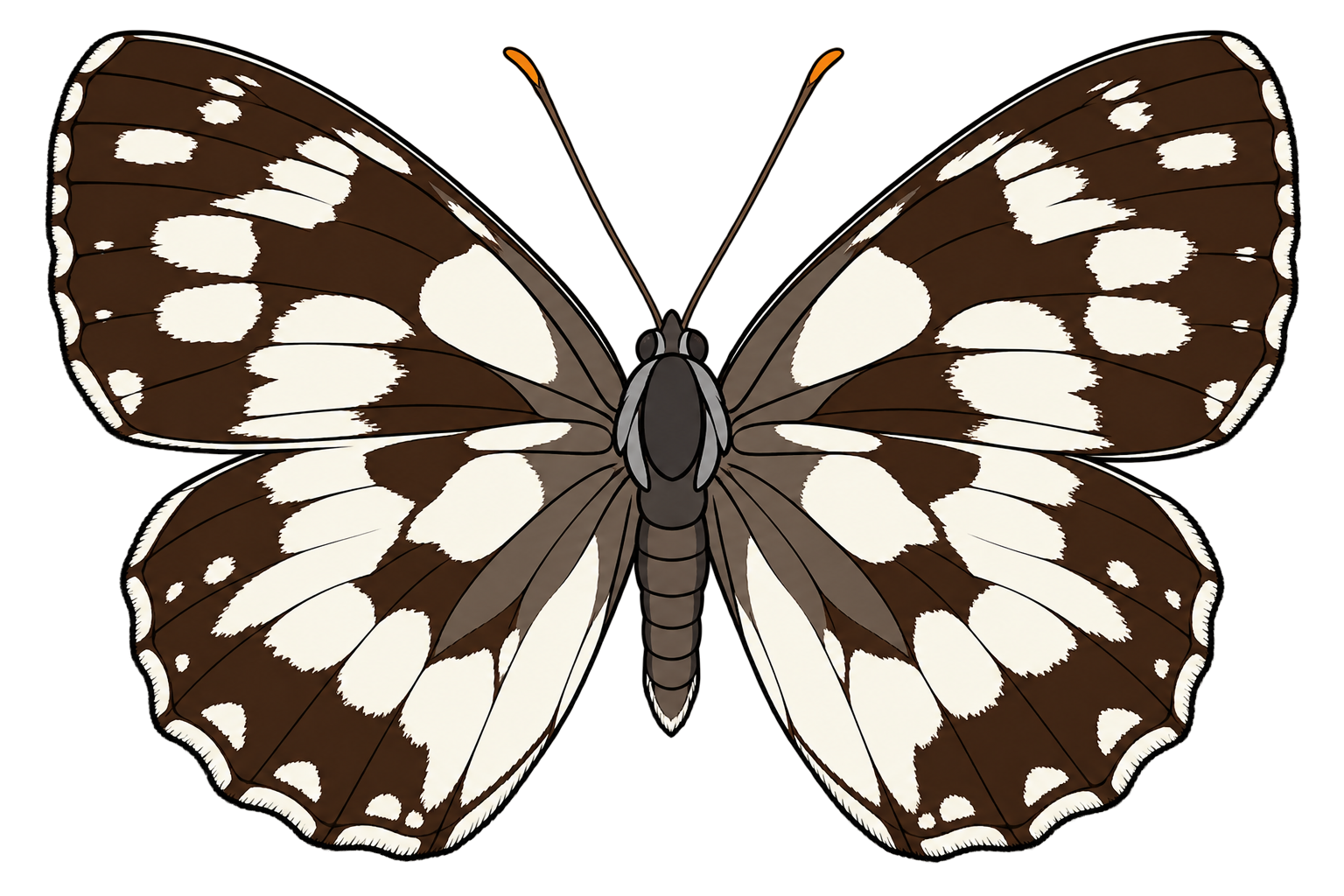
Melanargia galathea
The marbled white is a grass-feeding satyrine with a black-and-white chequered wing pattern and a single summer generation.
Explore the guide →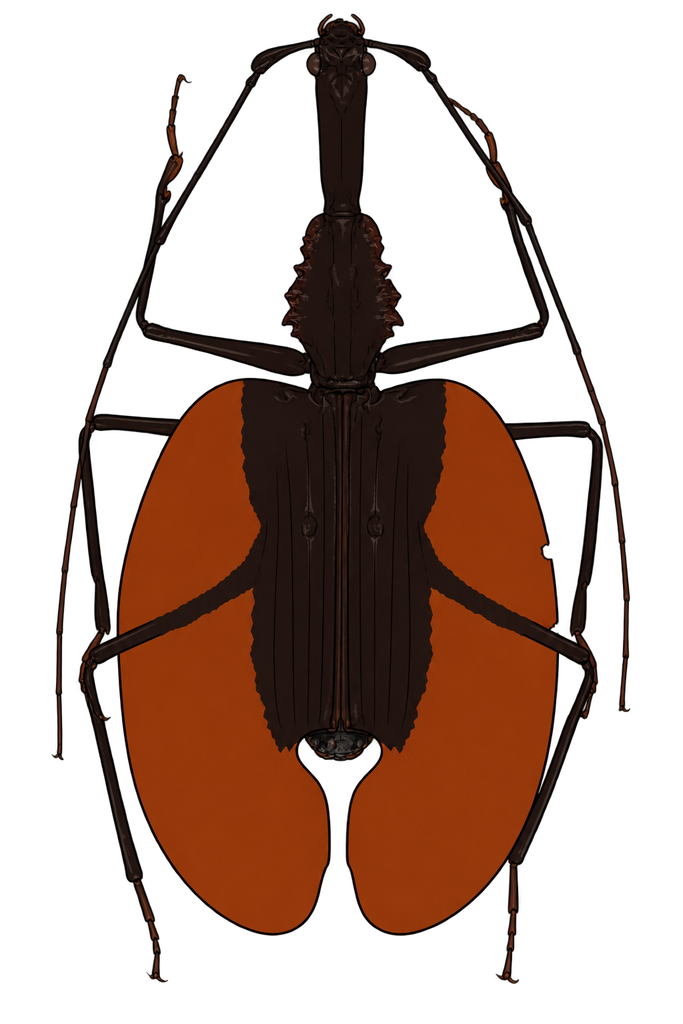
Mormolyce phyllodes
Mormolyce phyllodes is a Southeast Asian ground beetle with flattened, violin-shaped wing covers. Adults in Perak sheltered beneath bracket fungi on fallen rainforest trees.
Explore the guide →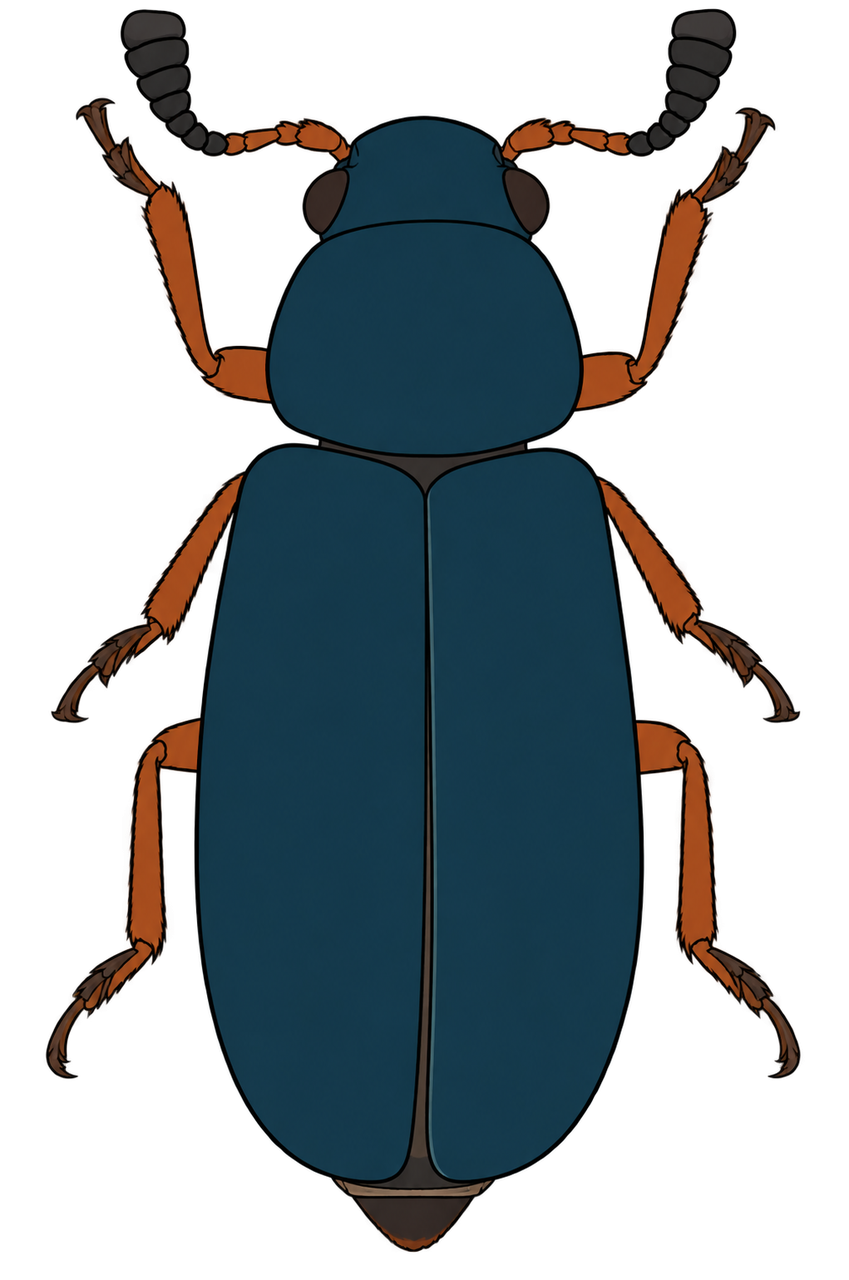
Necrobia rufipes
Necrobia rufipes is a small blue-green beetle with orange-red legs and a dark antennal club. It combines scavenging with predation and occurs on dried animal materials, stored foods and other protein-rich resources.
Explore the guide →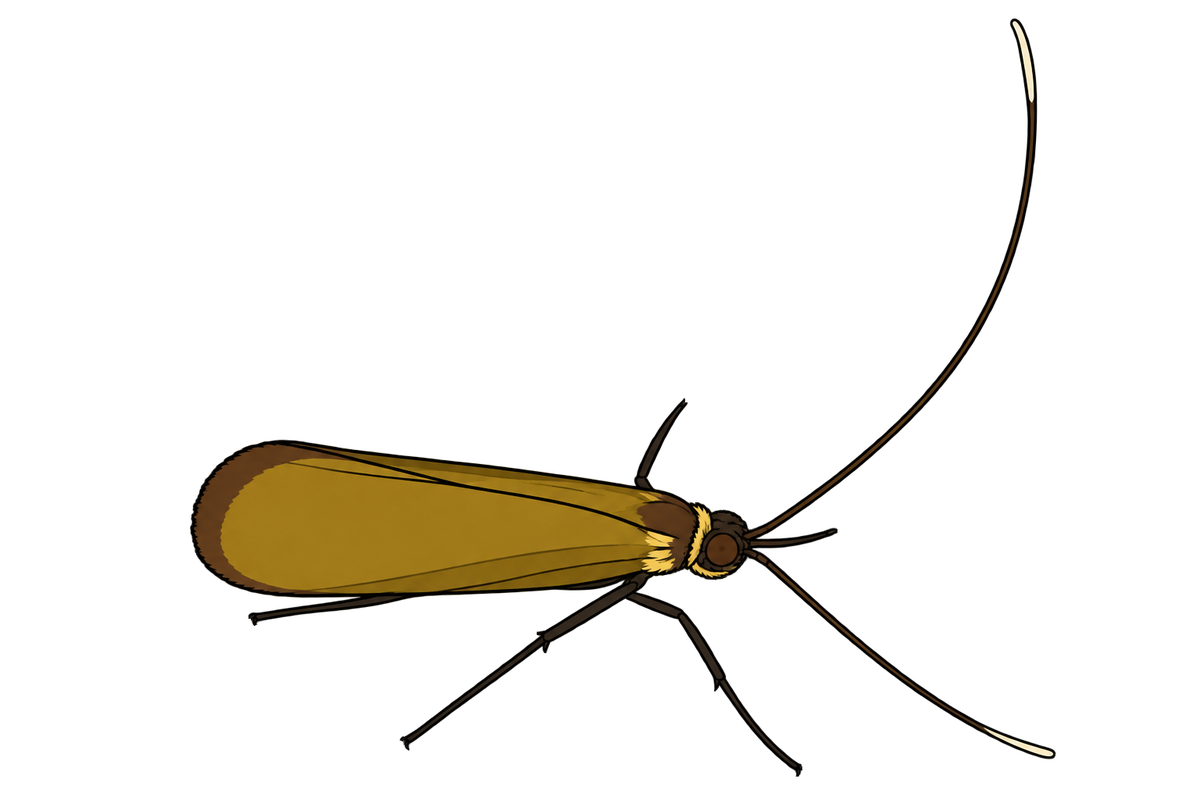
Nemophora metallica
Nemophora metallica is a bronze, day-flying longhorn moth of flower-rich European grasslands. Its larvae begin in scabious flower heads and later carry portable cases among lower leaves and fallen material.
Explore the guide →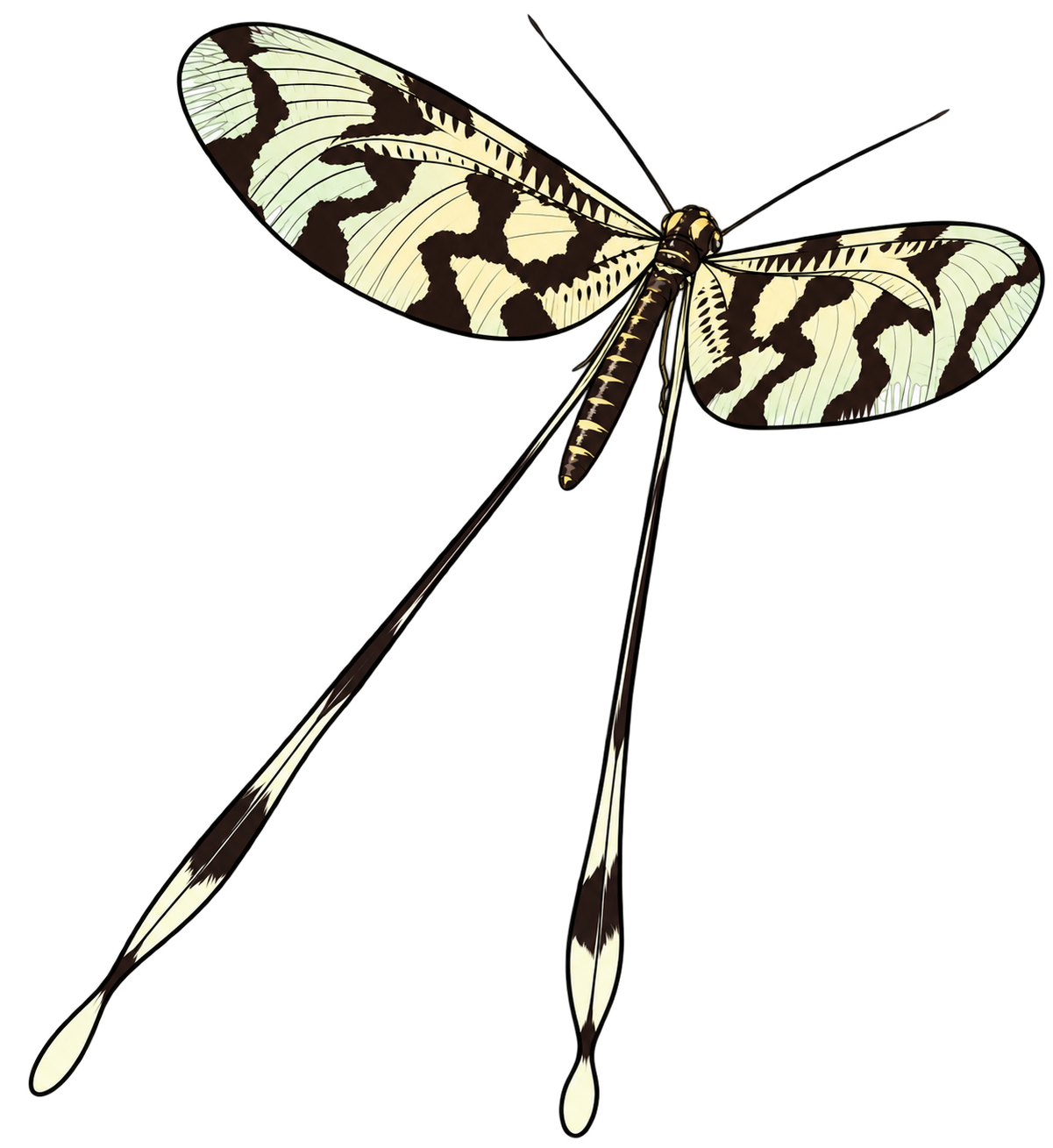
Nemoptera sinuata
Nemoptera sinuata carries a pair of exceptionally narrow, elongated hindwings behind its patterned forewings. In Bulgaria’s Struma Valley, adults feed on pollen and appear in sunny river-gorge habitats during late spring and early summer.
Explore the guide →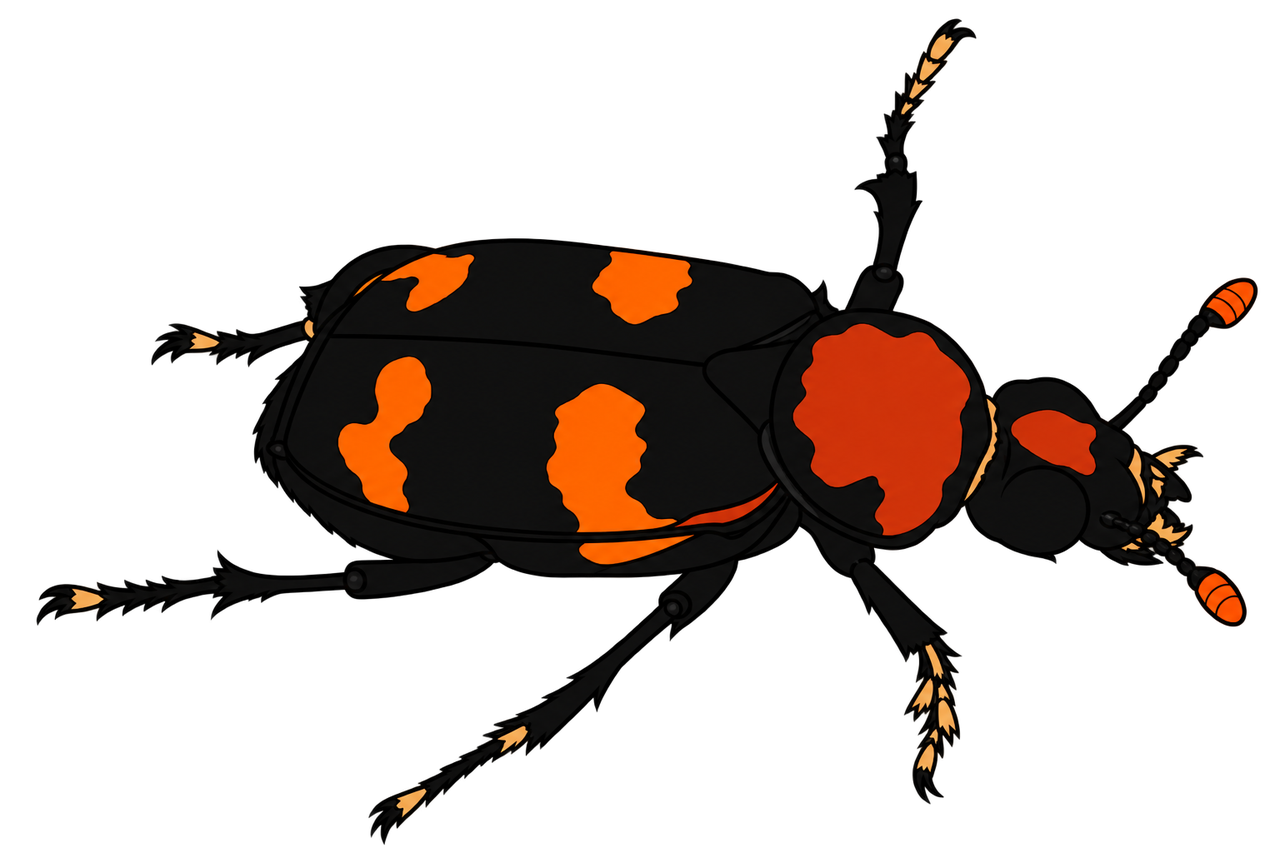
Nicrophorus americanus
Nicrophorus americanus is a large orange-and-black carrion beetle of North America. A distinctive orange-red pronotal patch separates it from other North American burying beetles, and parents prepare buried carcasses to rear their young.
Explore the guide →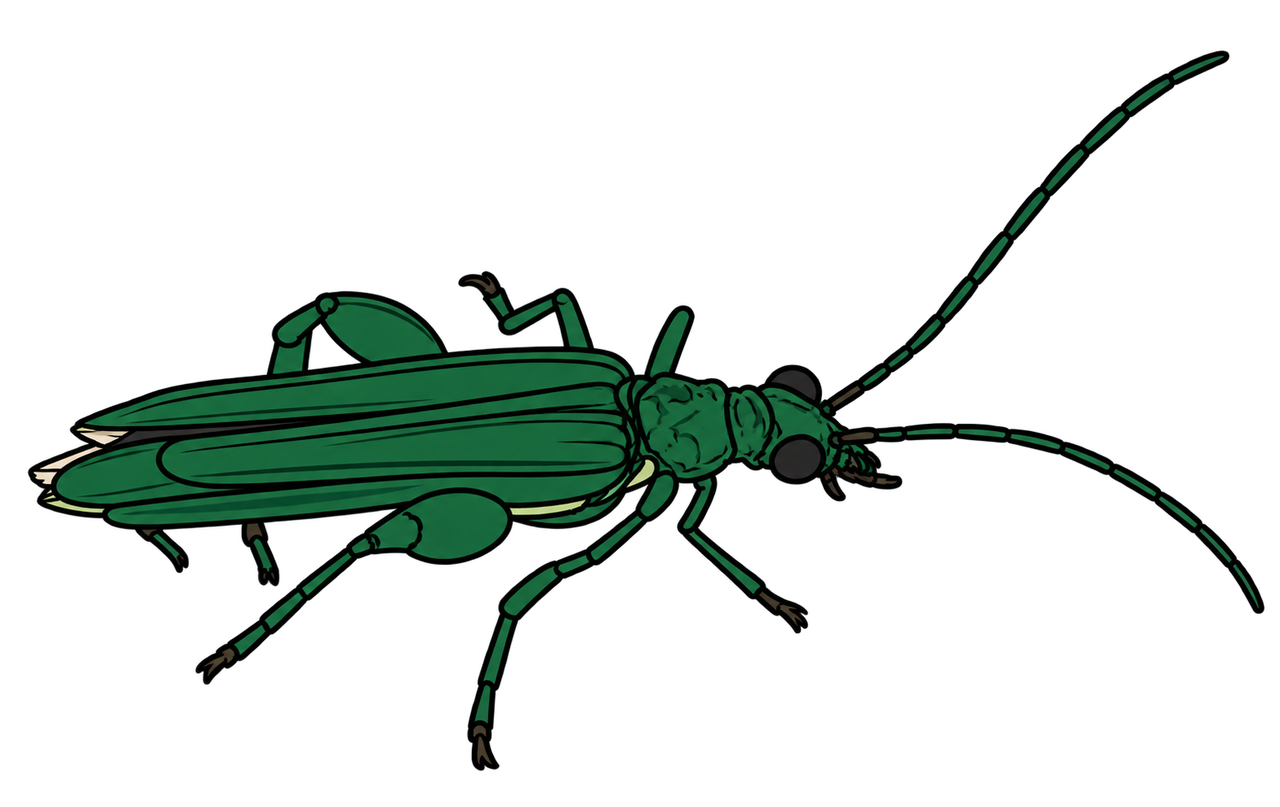
Oedemera nobilis
Oedemera nobilis is a slender metallic-green flower beetle whose males have dramatically enlarged hind femora. High-speed filming shows these legs grasping the female during mating, while wingbeats provide take-off propulsion.
Explore the guide →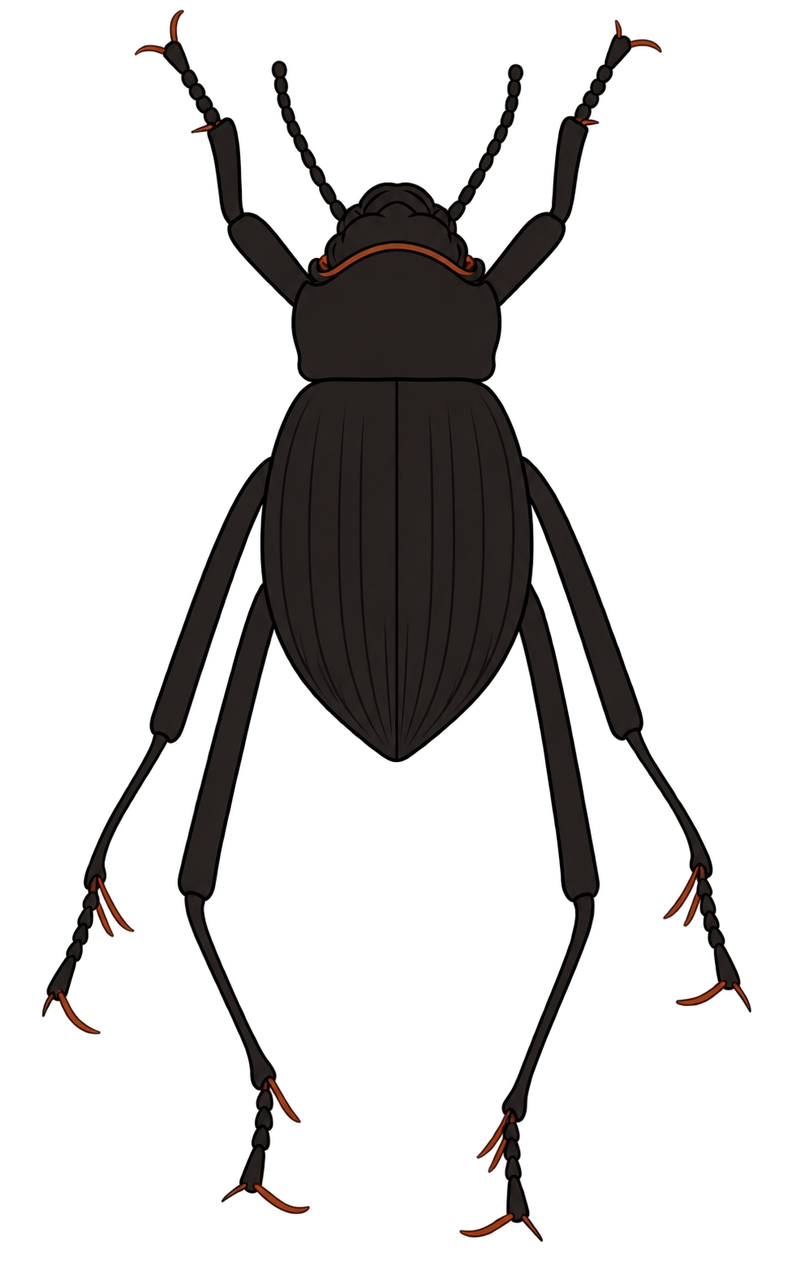
Onymacris unguicularis
Onymacris unguicularis is a flightless Namib Desert darkling beetle that collects fog water by standing head-down into the wind. Its comparatively smooth, hydrophobic wing covers channel droplets towards the mouth.
Explore the guide →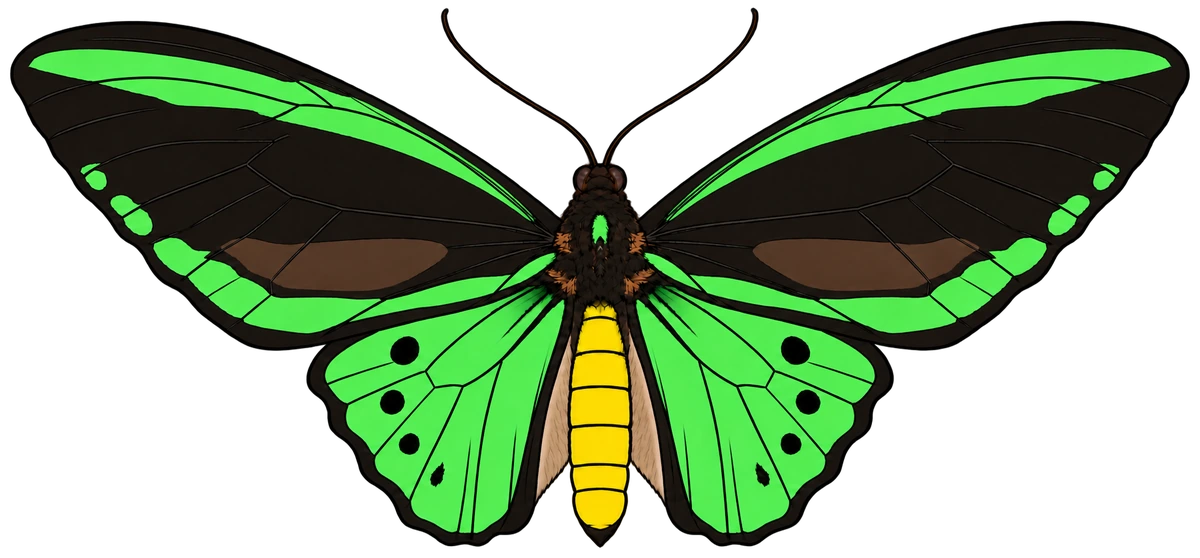
Ornithoptera priamus poseidon
The poseidon birdwing is the widespread New Guinea subspecies of Ornithoptera priamus, with green males and highly variable brown-and-cream females.
Explore the guide →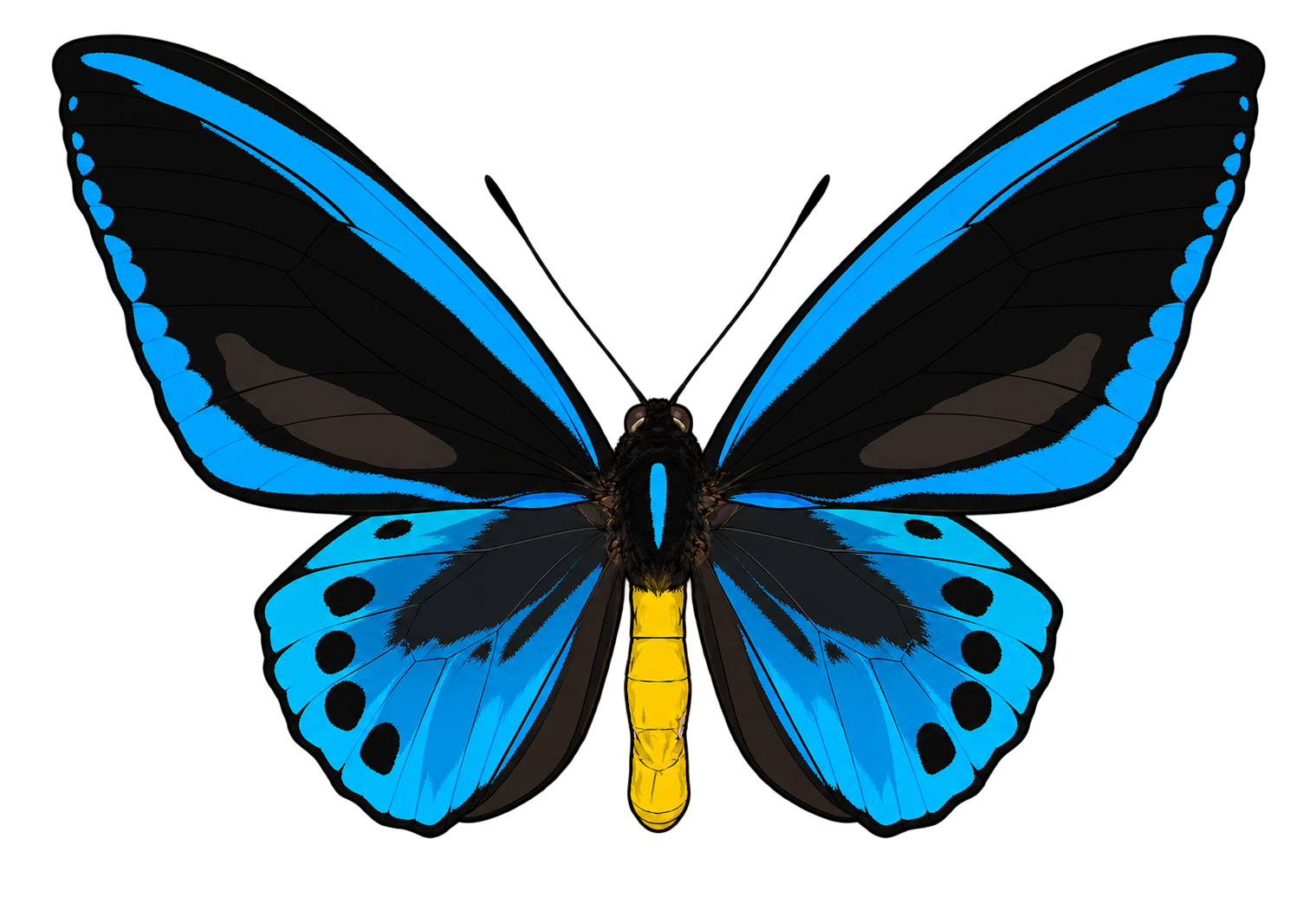
Ornithoptera priamus urvillianus
The blue birdwing is an island subspecies of Ornithoptera priamus, with iridescent blue males and brown-patterned females.
Explore the guide →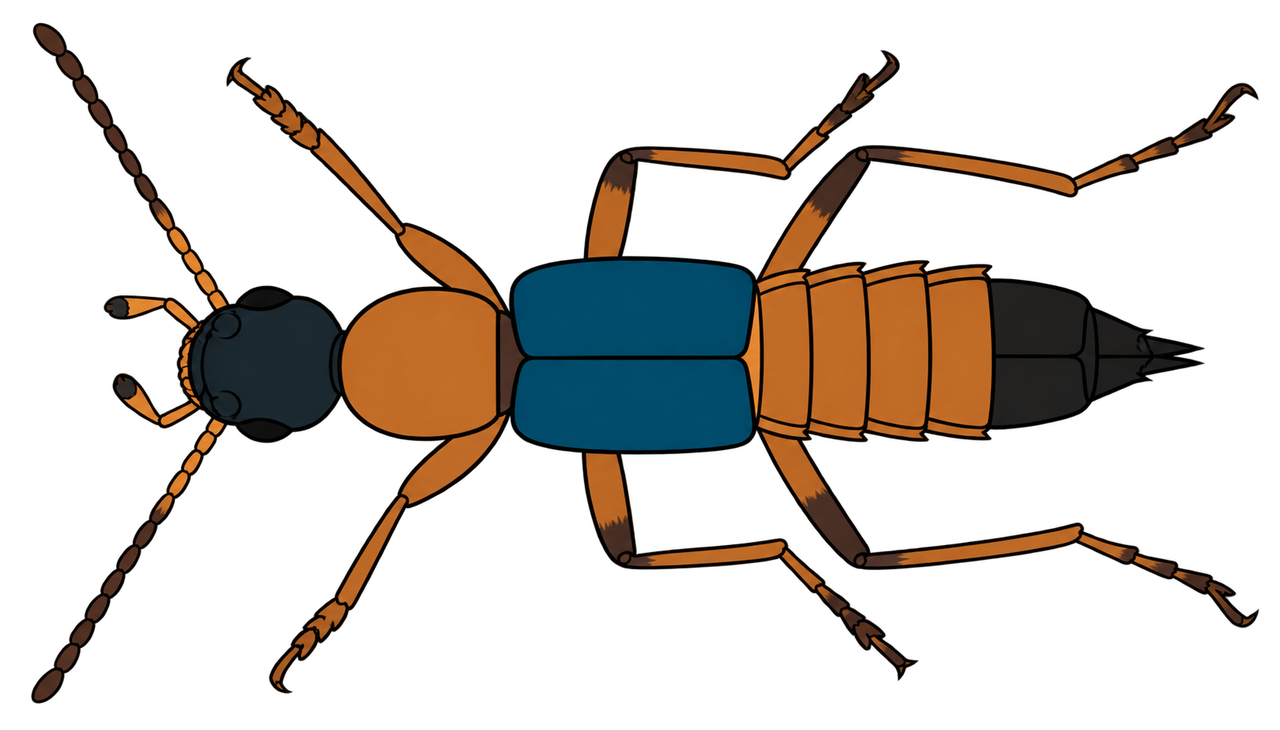
Paederus fuscipes
Paederus fuscipes is a slender rove beetle whose short wing covers leave much of its orange-and-black abdomen exposed. It occurs in damp grasslands and rice fields, where it preys on small invertebrates.
Explore the guide →Palpares libelluloides
Palpares libelluloides is a large antlion with pale yellow wings marked in black. Its larvae occupy coarse soil and plant debris, while pigment analysis has identified the compounds responsible for the contrasting wing regions.
Explore the guide →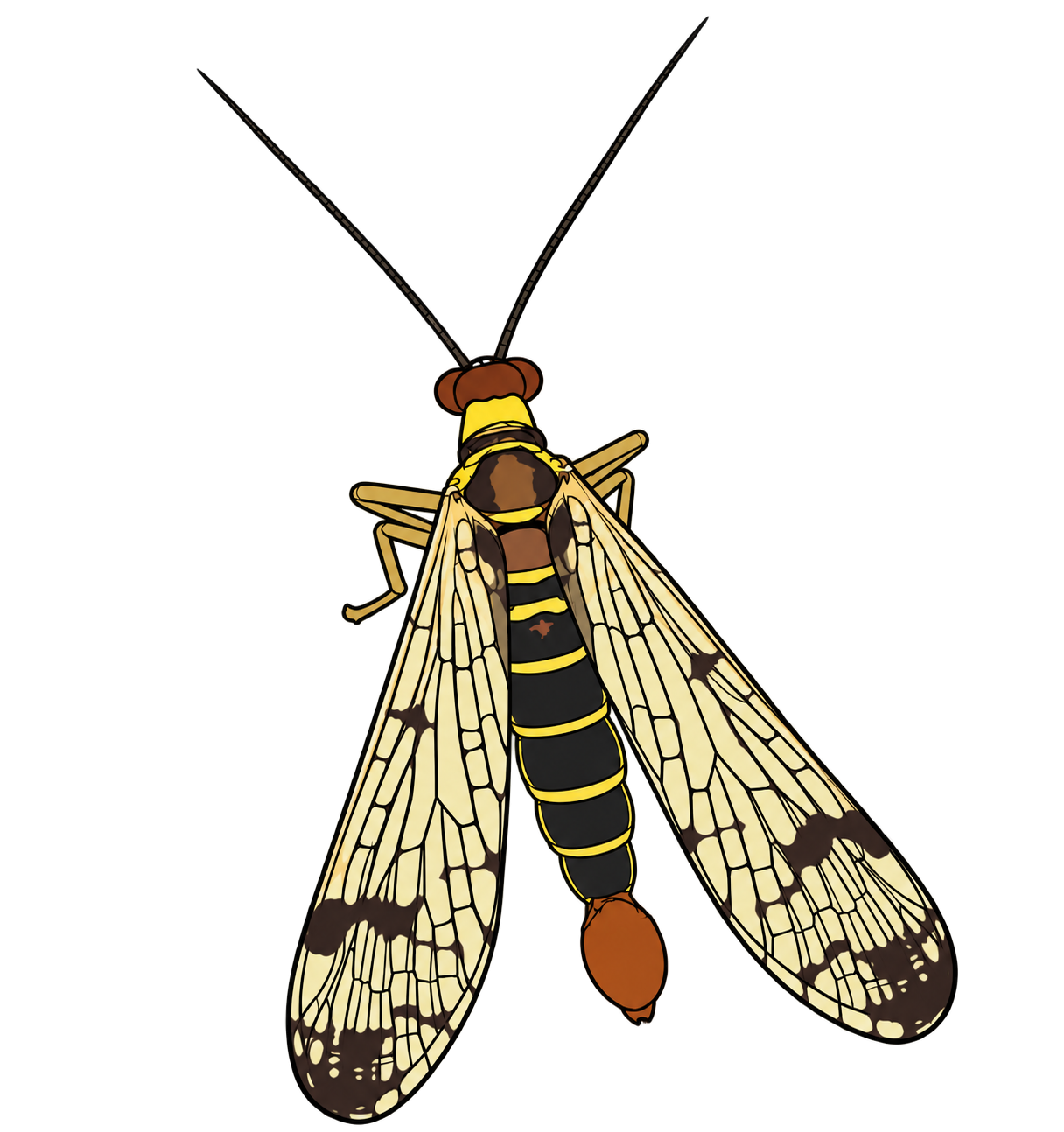
Panorpa communis
Panorpa communis combines a beak-like head, patterned wings and an upturned terminal appendage in the male. Its courtship includes food gifts and coordinated movements that generate vibrations through the supporting vegetation.
Explore the guide →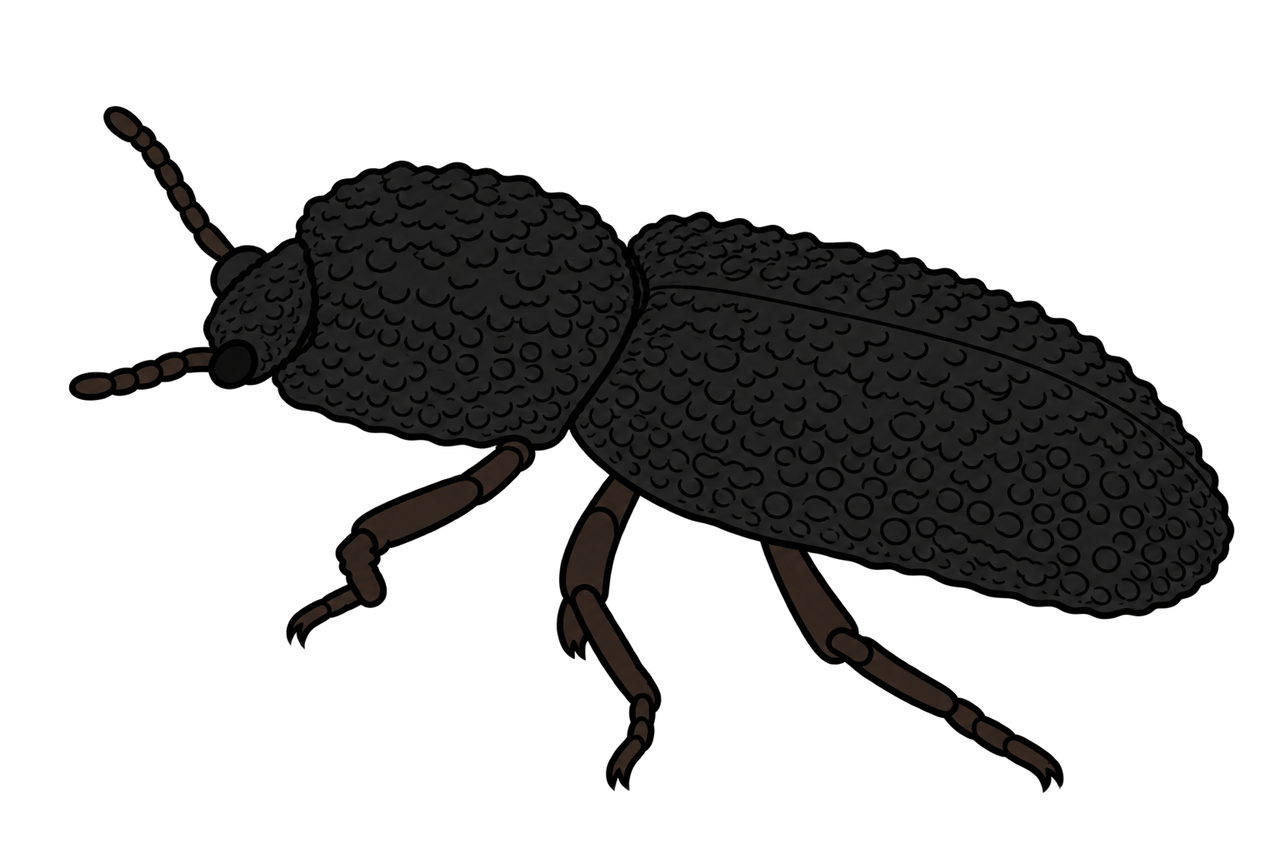
Phloeodes diabolicus
Phloeodes diabolicus is a flightless western North American beetle with a rough, heavily reinforced exoskeleton. Interlocking joints and layered wing-cover material resist compression, making its armour a subject of biomechanical research.
Explore the guide →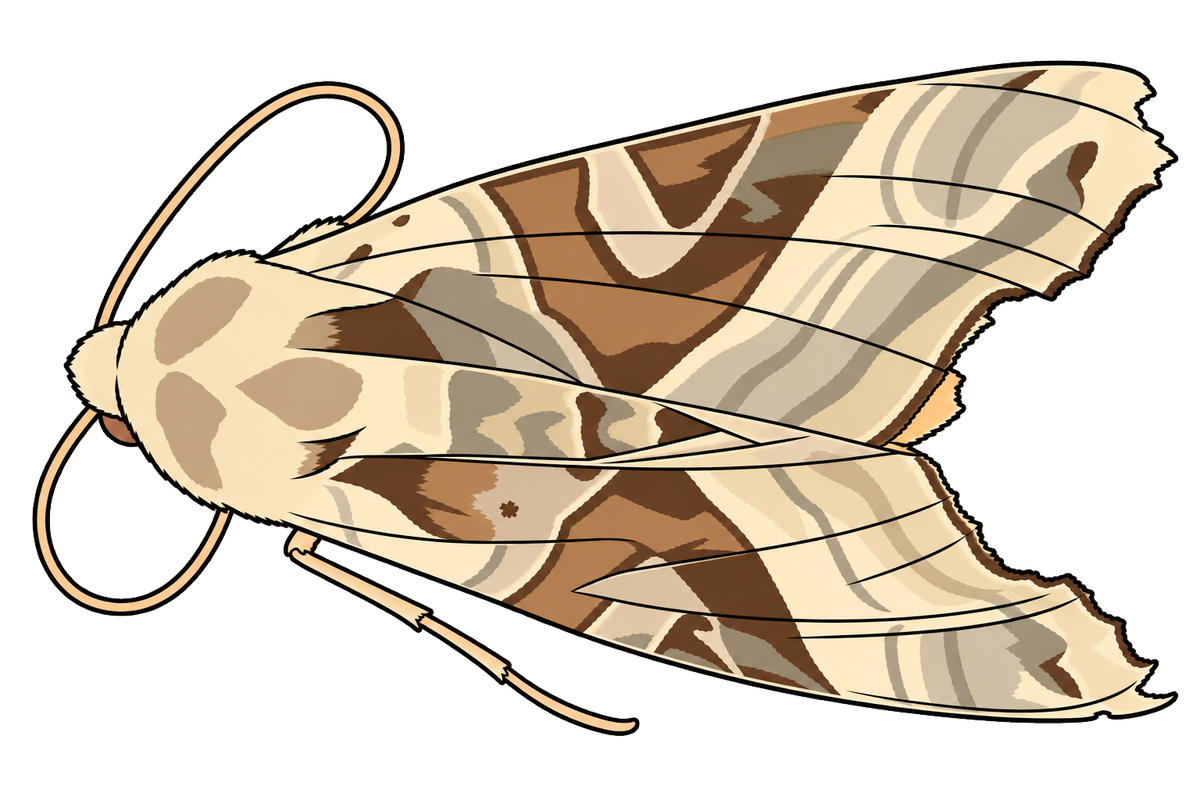
Phlogophora meticulosa
Phlogophora meticulosa folds its angular, olive-and-pink wings into the outline of a withered leaf. This migratory European moth occupies gardens, woodland edges and coastal habitats, and its caterpillars vary from bright green to dark brown.
Explore the guide →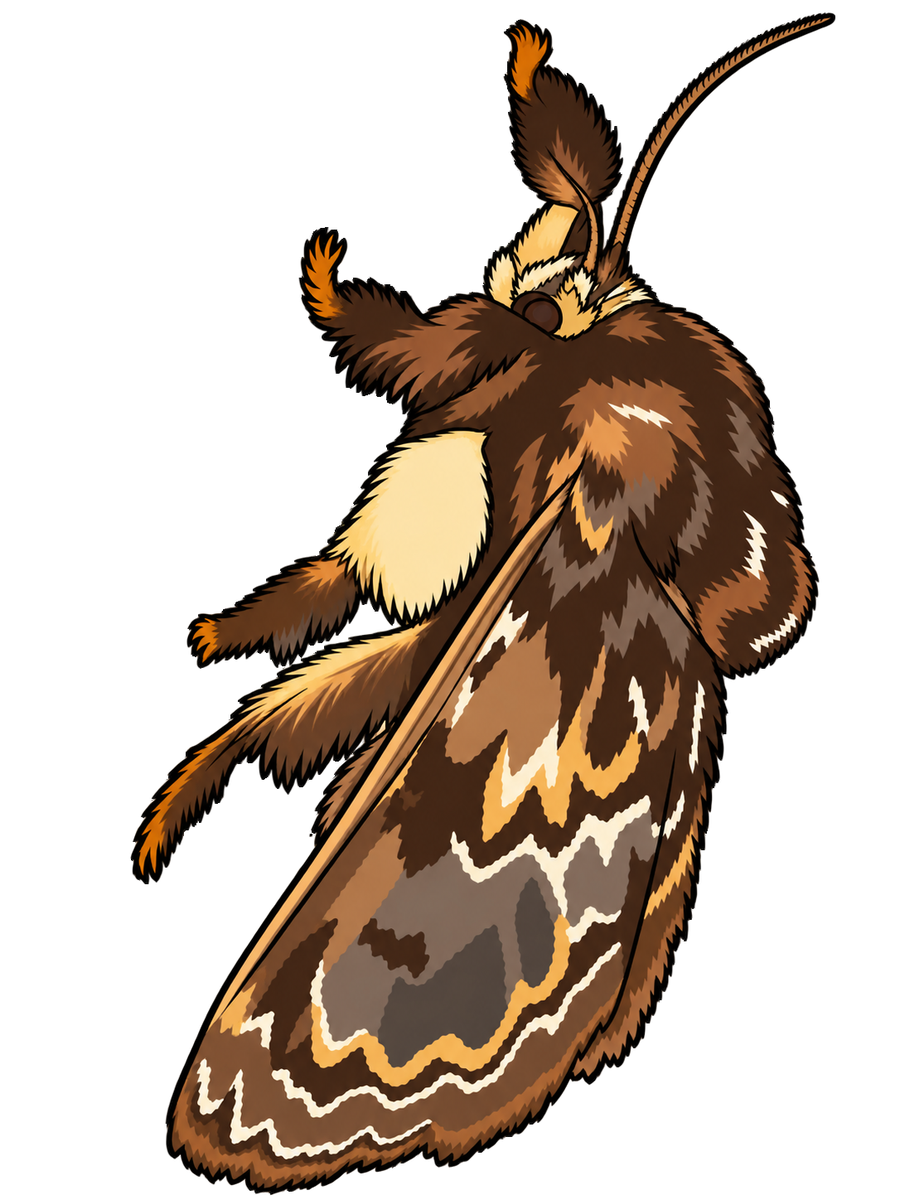
Phobetron pithecium
Phobetron pithecium has a spider-like caterpillar. Adult males have nearly transparent forewings; larger females have darker patterned wings and conspicuous pale middle-leg tufts.
Explore the guide →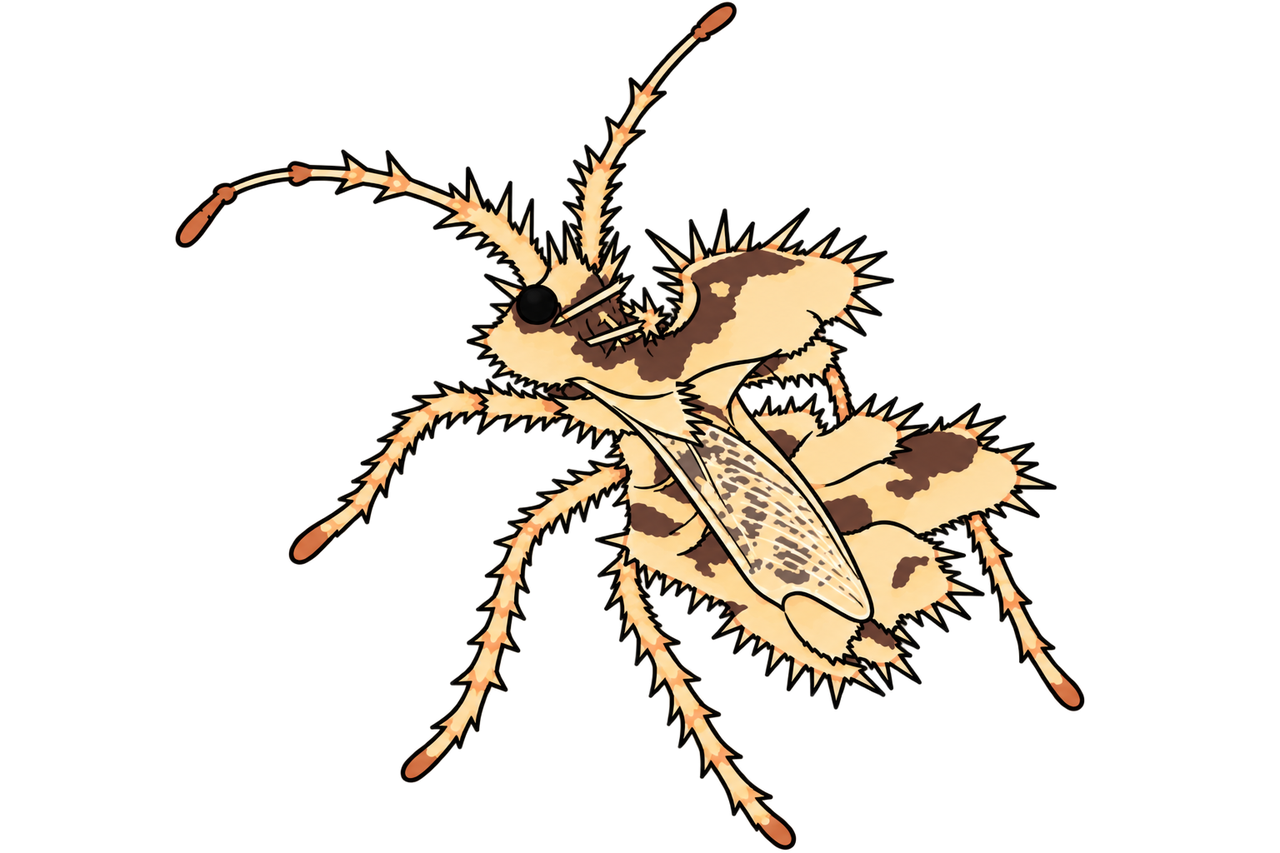
Phyllomorpha laciniata
Phyllomorpha laciniata is a finely spined Mediterranean bug whose females attach golden eggs to other adults. Both sexes carry these eggs.
Explore the guide →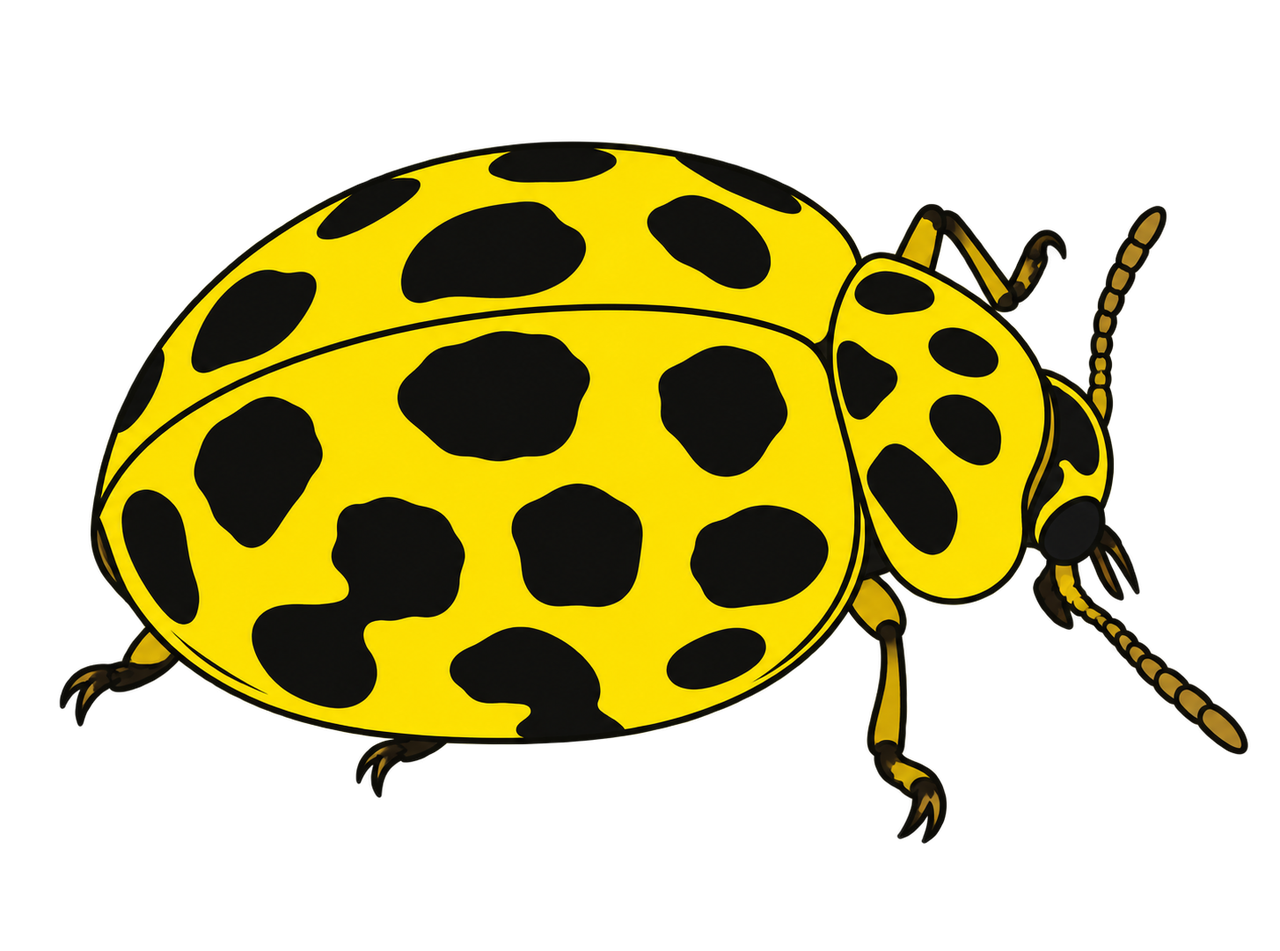
Psyllobora vigintiduopunctata
Psyllobora vigintiduopunctata is a small yellow ladybird patterned with rounded black spots. Adults and larvae graze powdery mildew on plant surfaces.
Explore the guide →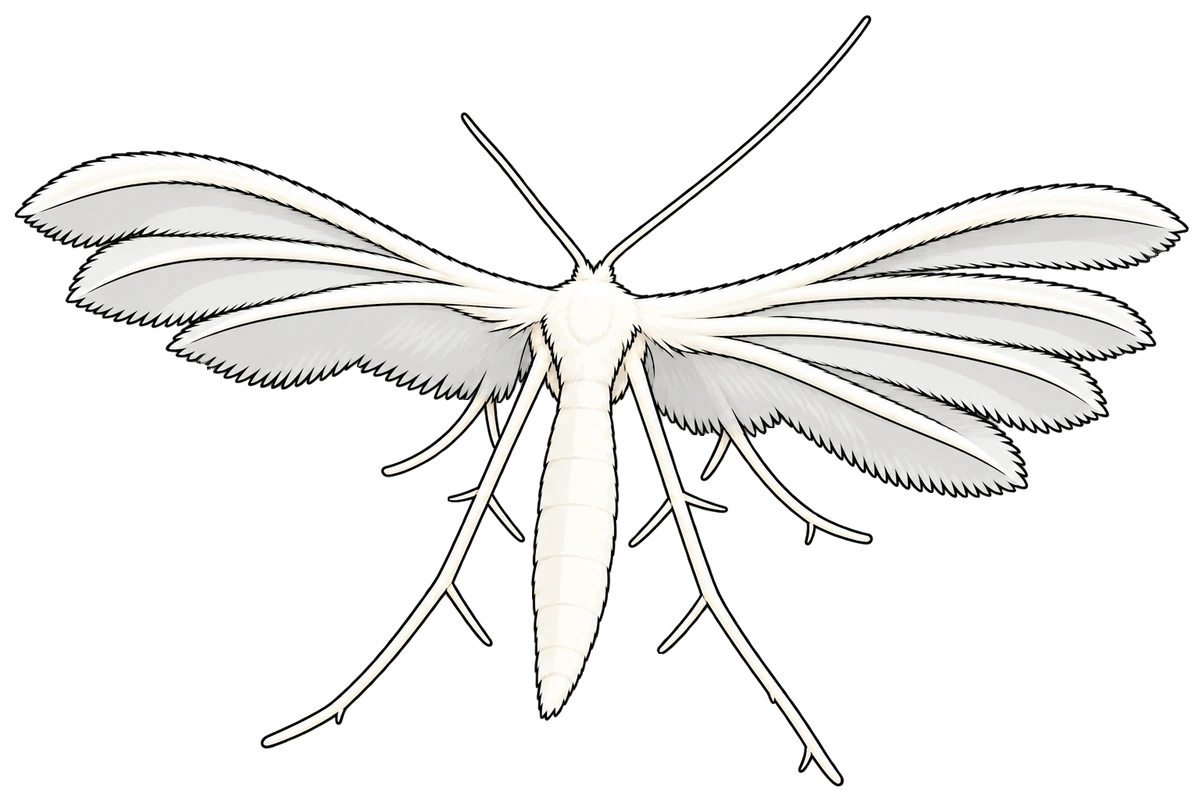
Pterophorus pentadactyla
Pterophorus pentadactyla has pure white wings divided into slender, feather-edged plumes. Its caterpillars feed on bindweed, and the adults emerge at dusk over grassland, garden margins and woodland edges.
Explore the guide →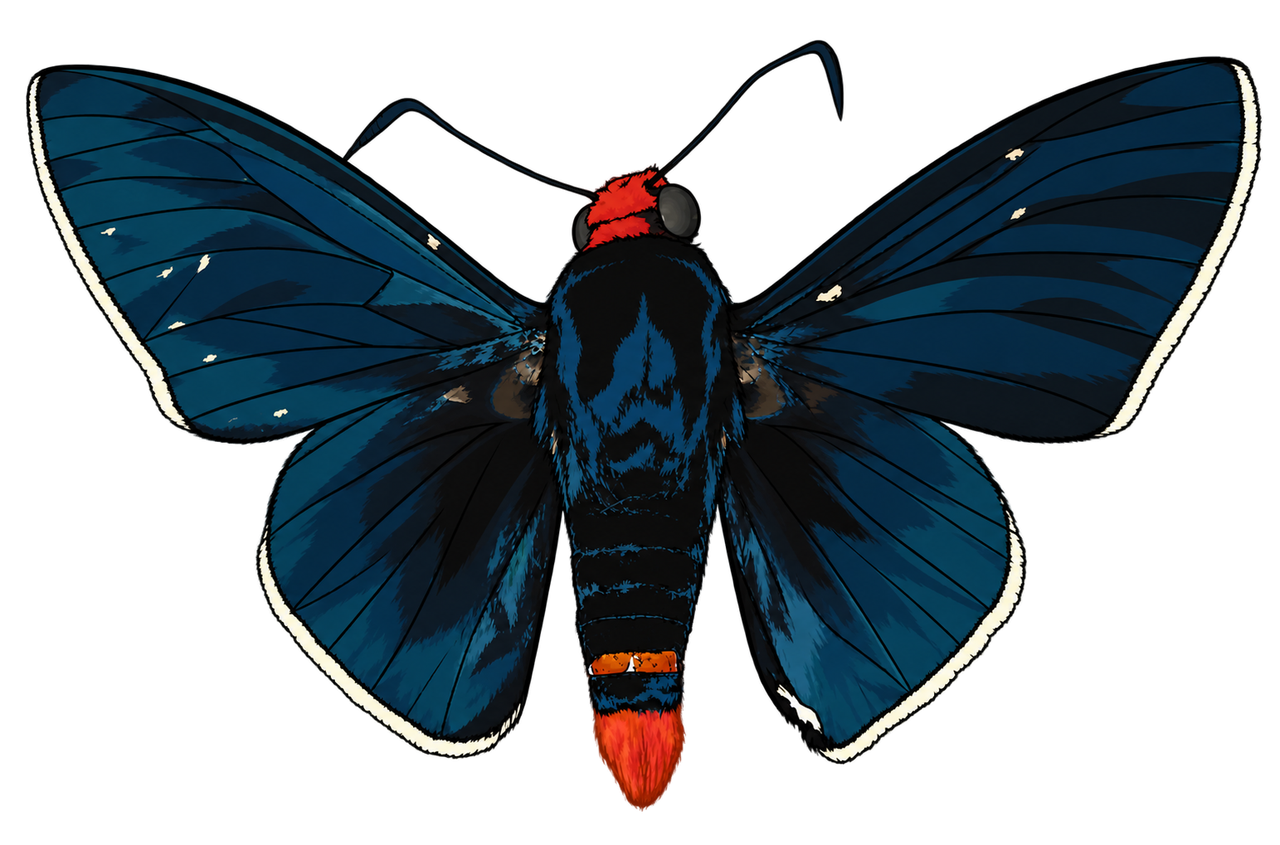
Pyrrhopyge zenodorus
The red-headed firetip is a robust, blue-winged skipper whose caterpillars build leaf shelters on Vismia.
Explore the guide →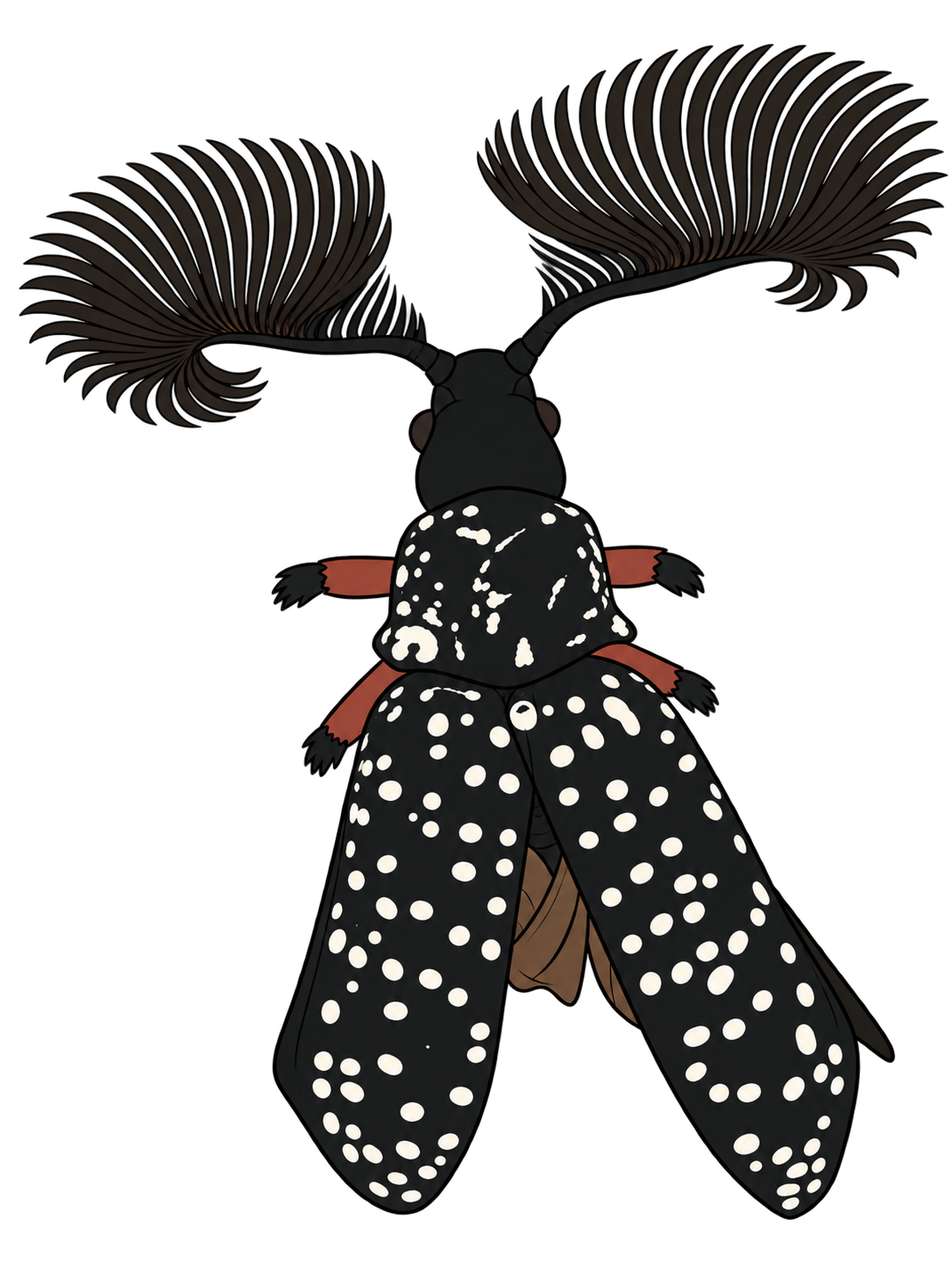
Rhipicera femorata
Rhipicera femorata is an Australian beetle with a black-and-white body and striking antennal dimorphism. The male’s large, many-branched fans carry vastly more sensory structures than the female’s smaller antennae.
Explore the guide →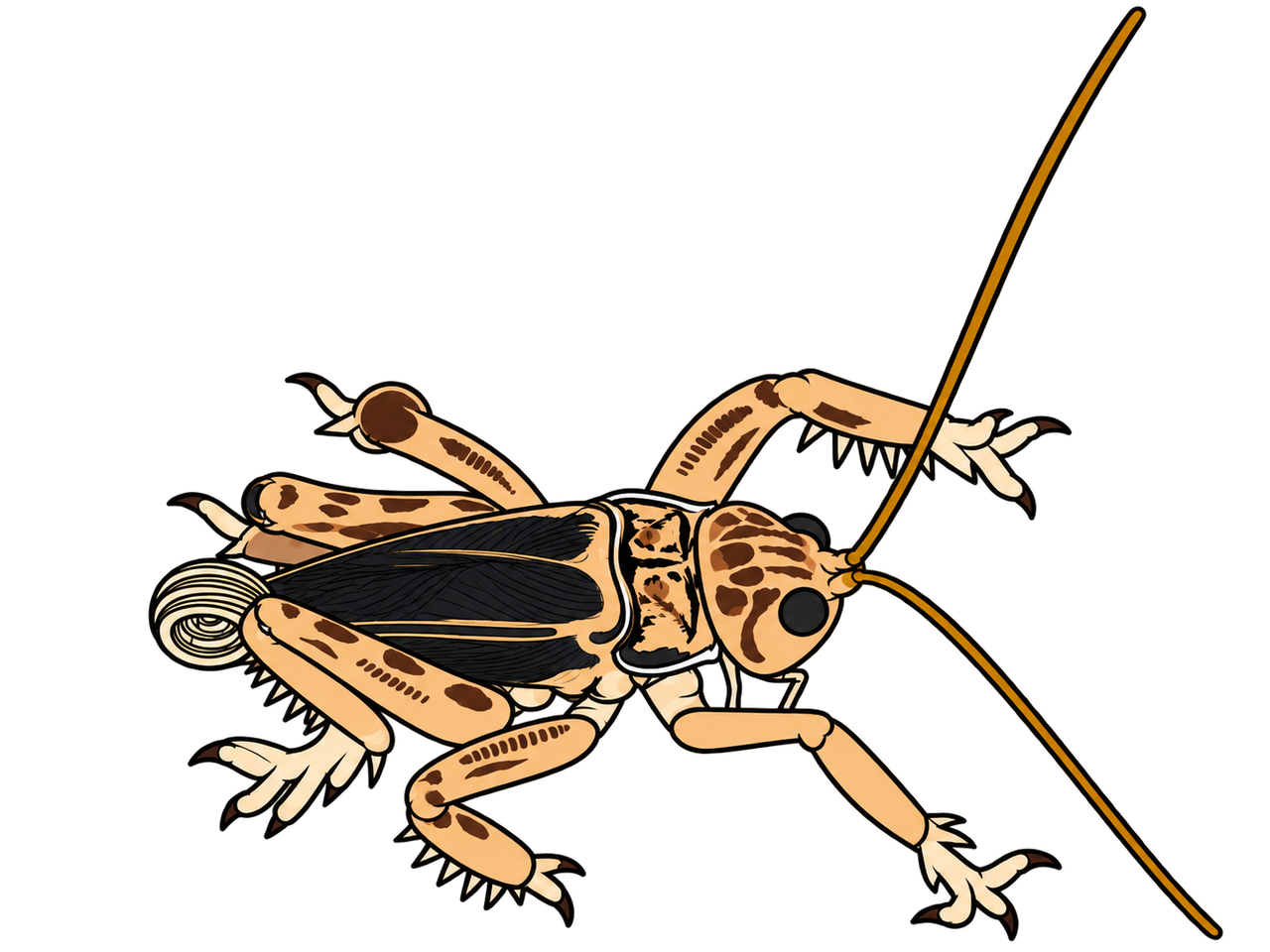
Schizodactylus monstrosus
Schizodactylus monstrosus is a robust, nocturnal cricket adapted to loose, moist sand. Broad feet and unusually rolled adult wings distinguish its body, while each individual occupies a deep burrow excavated with its jaws.
Explore the guide →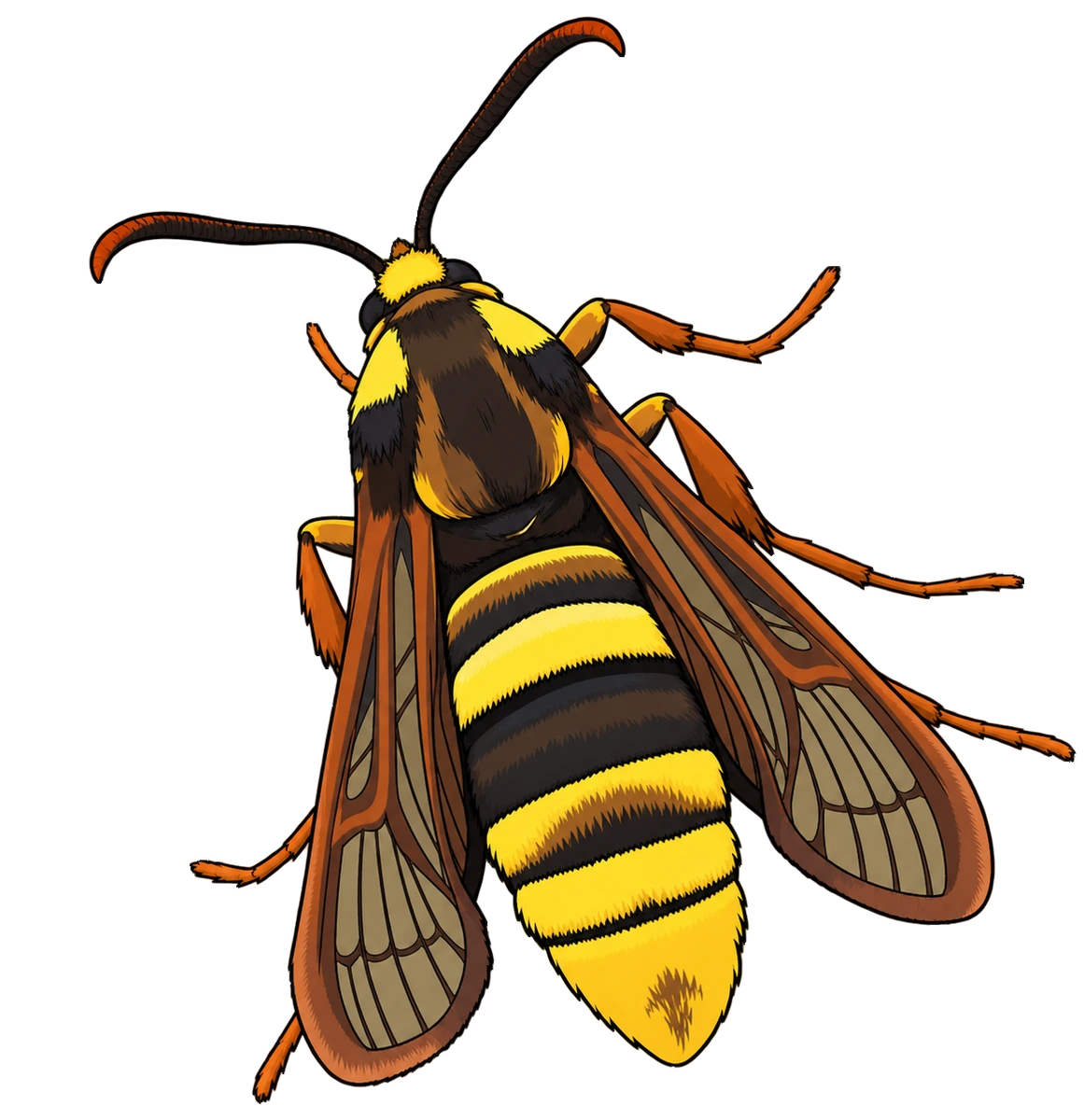
Sesia apiformis
Sesia apiformis is a day-flying clearwing moth with the yellow-and-black body pattern of a hornet. Its larvae spend several winters tunnelling through the bases and roots of poplar trees.
Explore the guide →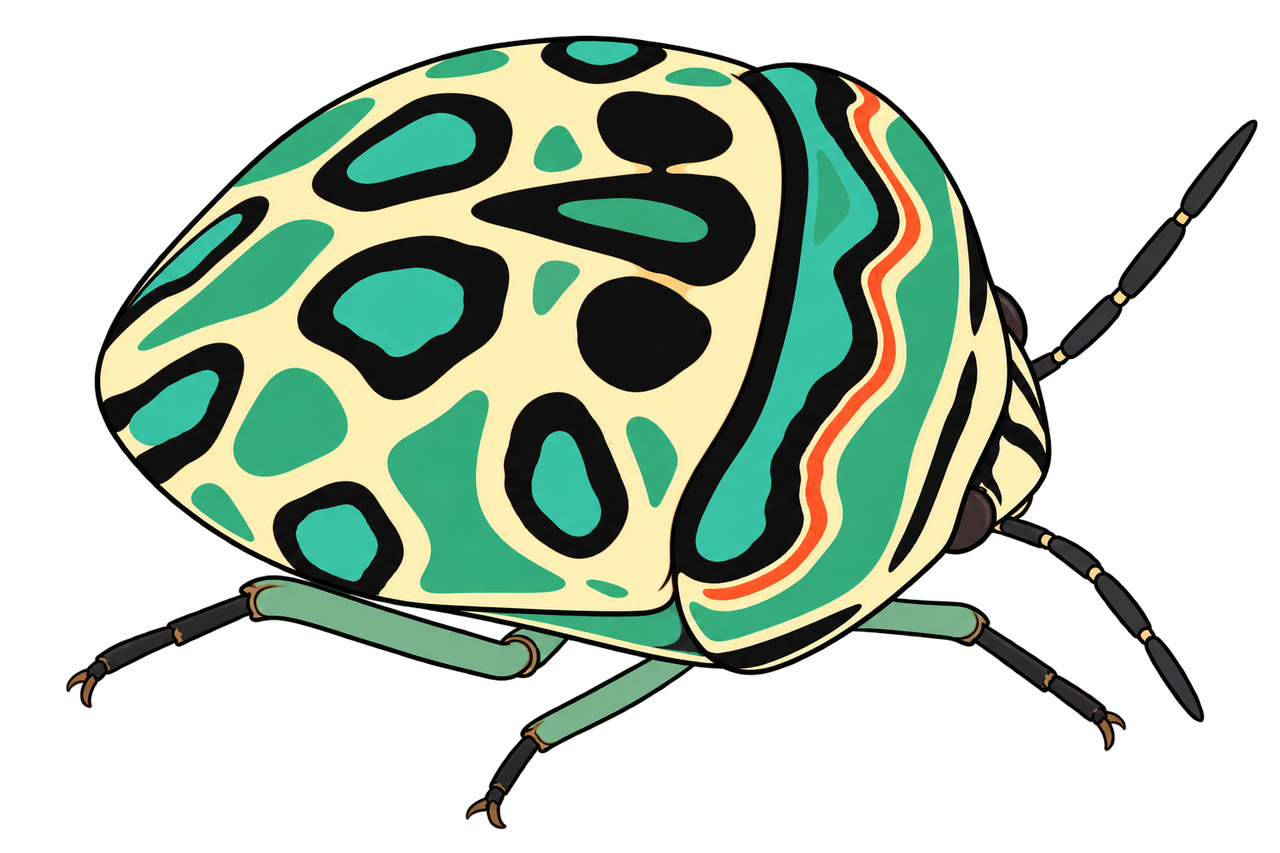
Sphaerocoris annulus
Sphaerocoris annulus is an African shield bug with a rounded body and a striking arrangement of dark-bordered markings. Its geometric pattern covers a domed shield extending over much of the abdomen.
Explore the guide →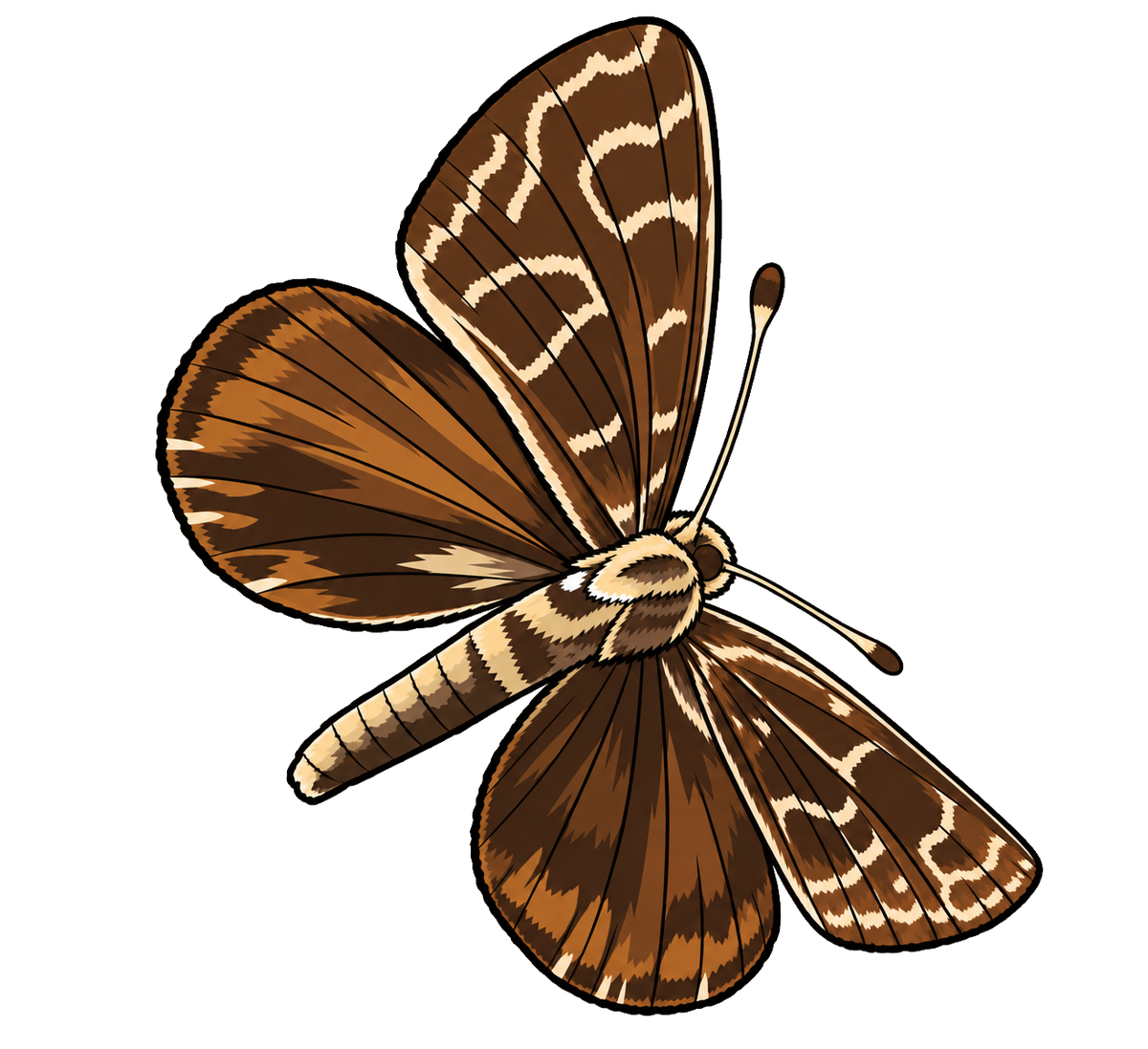
Synemon plana
Synemon plana is a day-flying Australian grassland moth; largely stationary females display orange hindwings to attract patrolling males.
Explore the guide →Teleopsis dalmanni
Teleopsis dalmanni bears eyes and antennae on elongated lateral head stalks. Males develop a much greater eyespan than females; this difference is associated with mate choice and reproductive traits.
Explore the guide →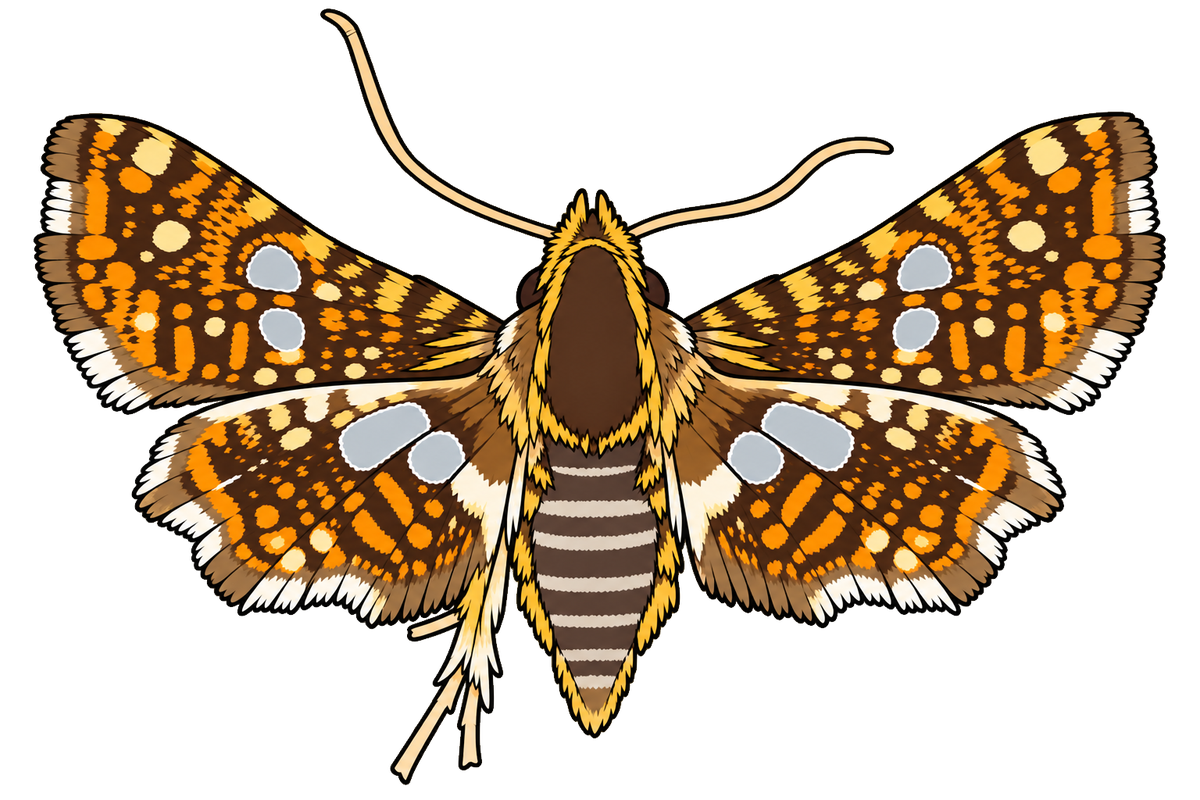
Thyris fenestrella
Thyris fenestrella is a small, day-flying moth with transparent windows in its dark wings. It inhabits warm, sunny clematis-covered slopes; its larvae shelter in folded leaf tips.
Explore the guide →Umbonia crassicornis
Umbonia crassicornis combines a prominent thoracic horn with attentive maternal defence. Nymphs communicate through the host stem, and the mother’s signals help terminate false alarms after a predator has been removed.
Explore the guide →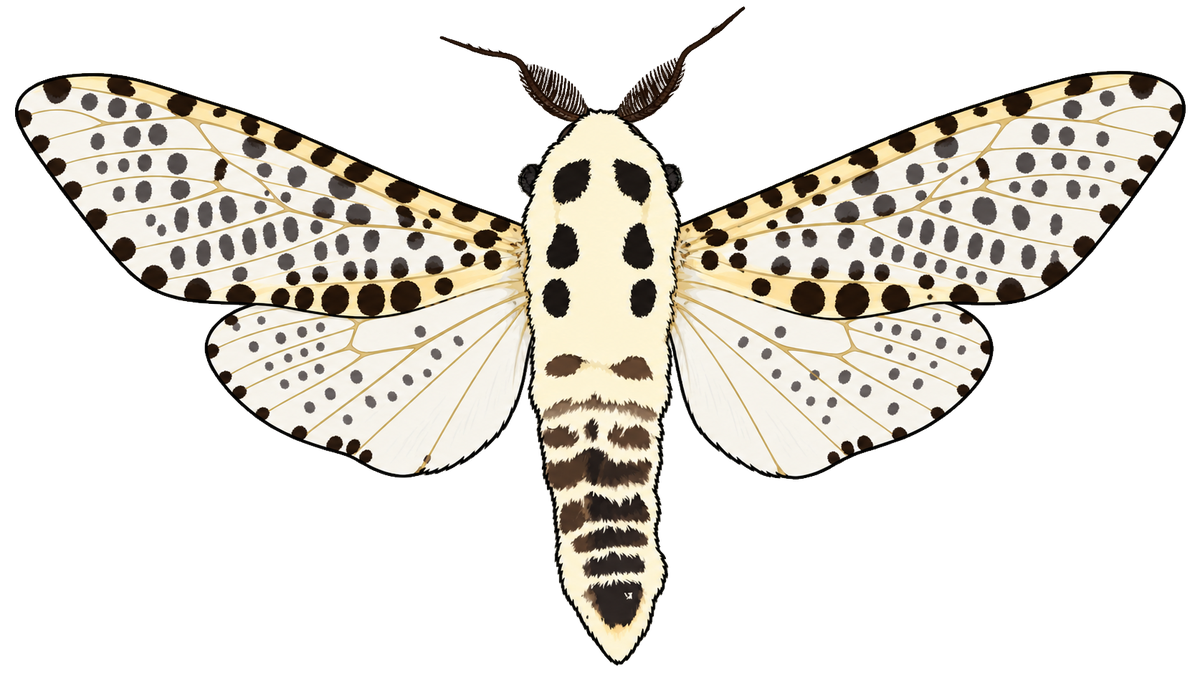
Zeuzera pyrina
Zeuzera pyrina is a white, dark-spotted wood-boring moth. Its larvae move from slender shoots into progressively larger branches and trunks, where their tunnels can weaken young trees.
Explore the guide →