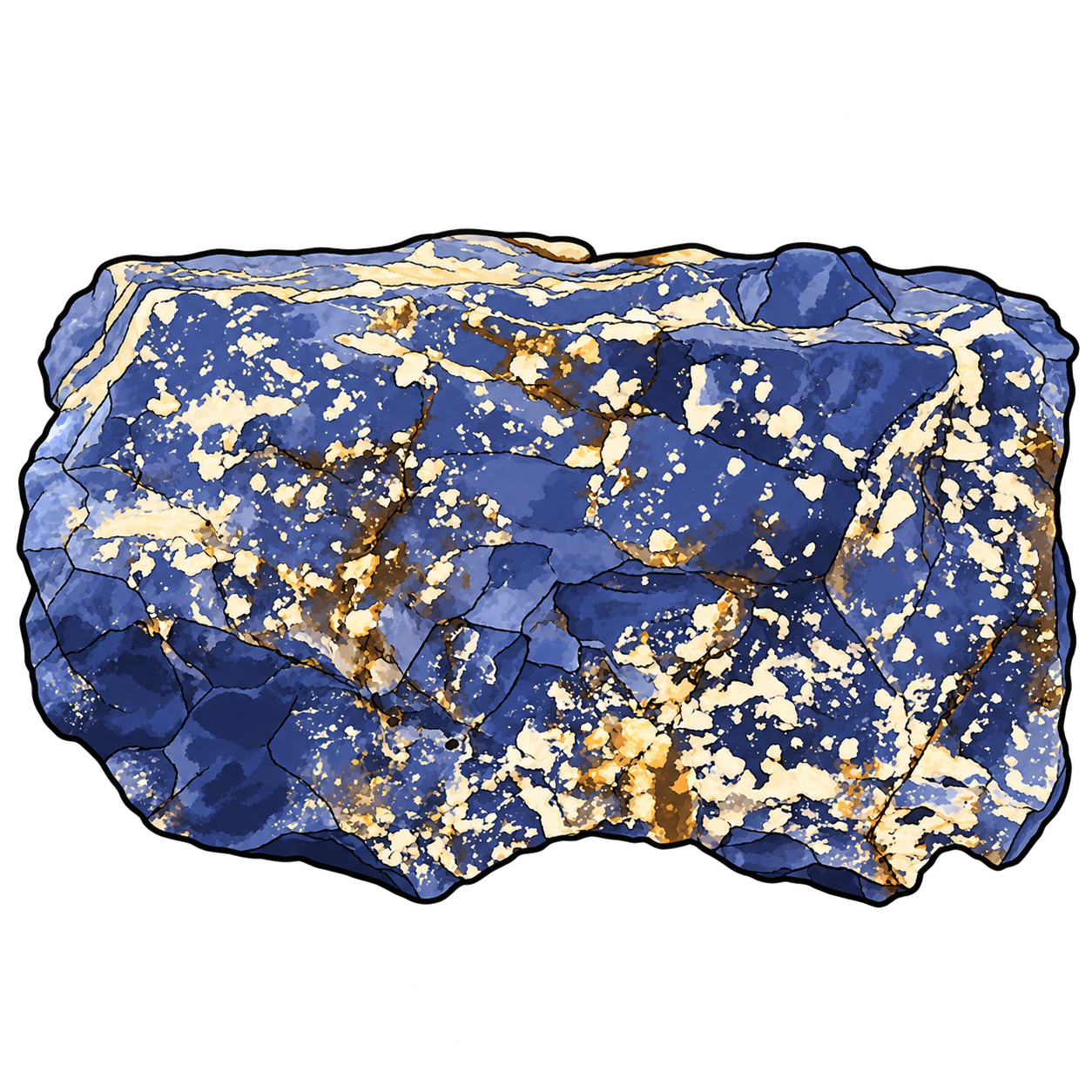
Blue Feldspathoid and Light-Responsive Varieties
Sodalite
A blue to variable-colored feldspathoid mineral.
Sodalite is familiar in blue, pale-veined ornamental rocks, but the mineral has other colors too.
Read the specimen guideLoading this page…
Return homePlease wait while the next page arrives.


The mineral atlas
Explore blue ornamental materials, colored manganese minerals, micas and copper minerals sold as tumbles or collector specimens. Compare sodalite-bearing rock with lapis lazuli, and distinguish named mineral constituents from mixed or treated carving material.
14 specimens · Geology, history, and spiritual attributes
14 specimens
Blue Feldspathoid and Light-Responsive Varieties
A blue to variable-colored feldspathoid mineral.
Sodalite is familiar in blue, pale-veined ornamental rocks, but the mineral has other colors too.
Read the specimen guide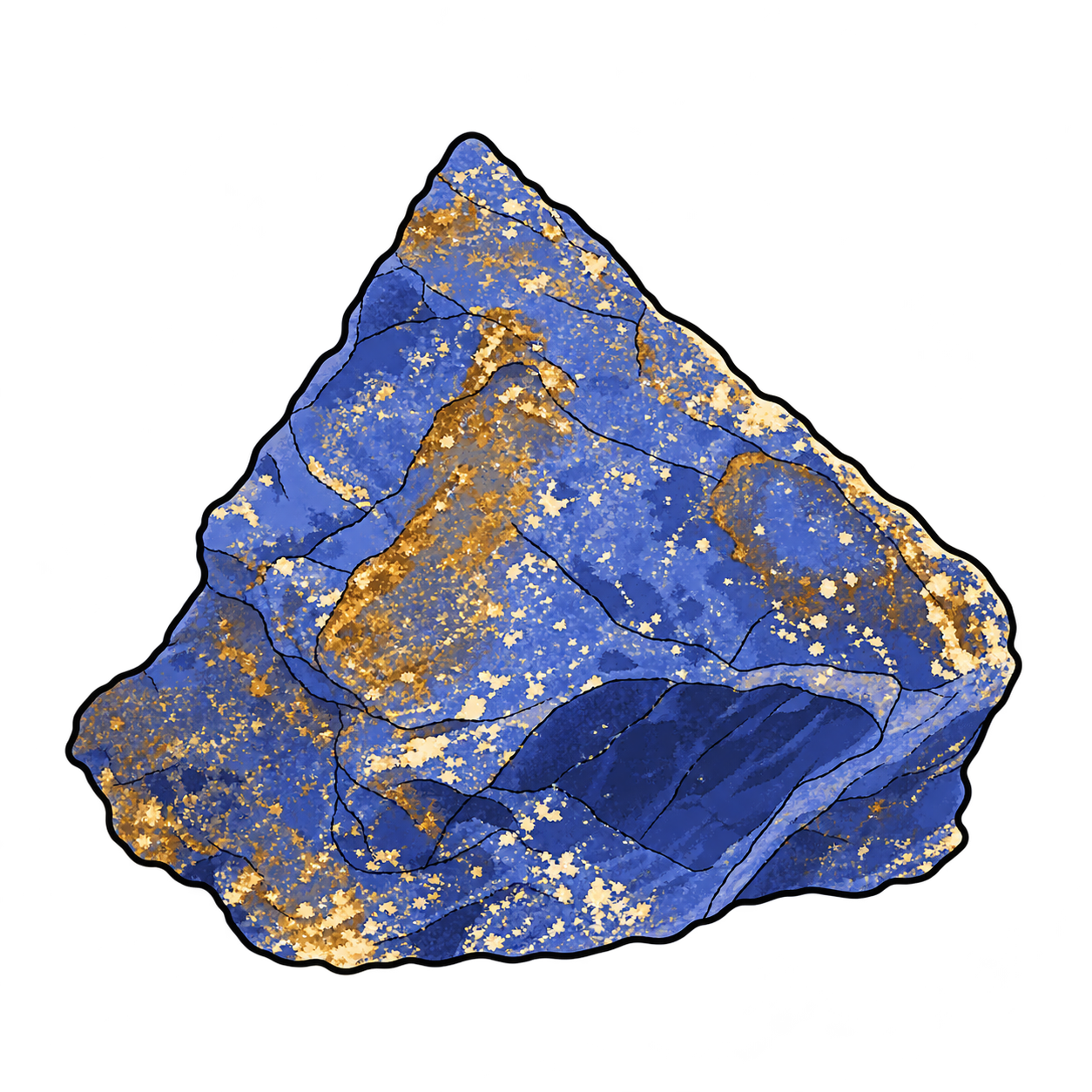
A blue ornamental rock
A rock containing blue lazurite with variable calcite, pyrite and other minerals.
Lapis lazuli is an opaque blue rock used for jewelry, carving, inlay and pigment.
Read the specimen guide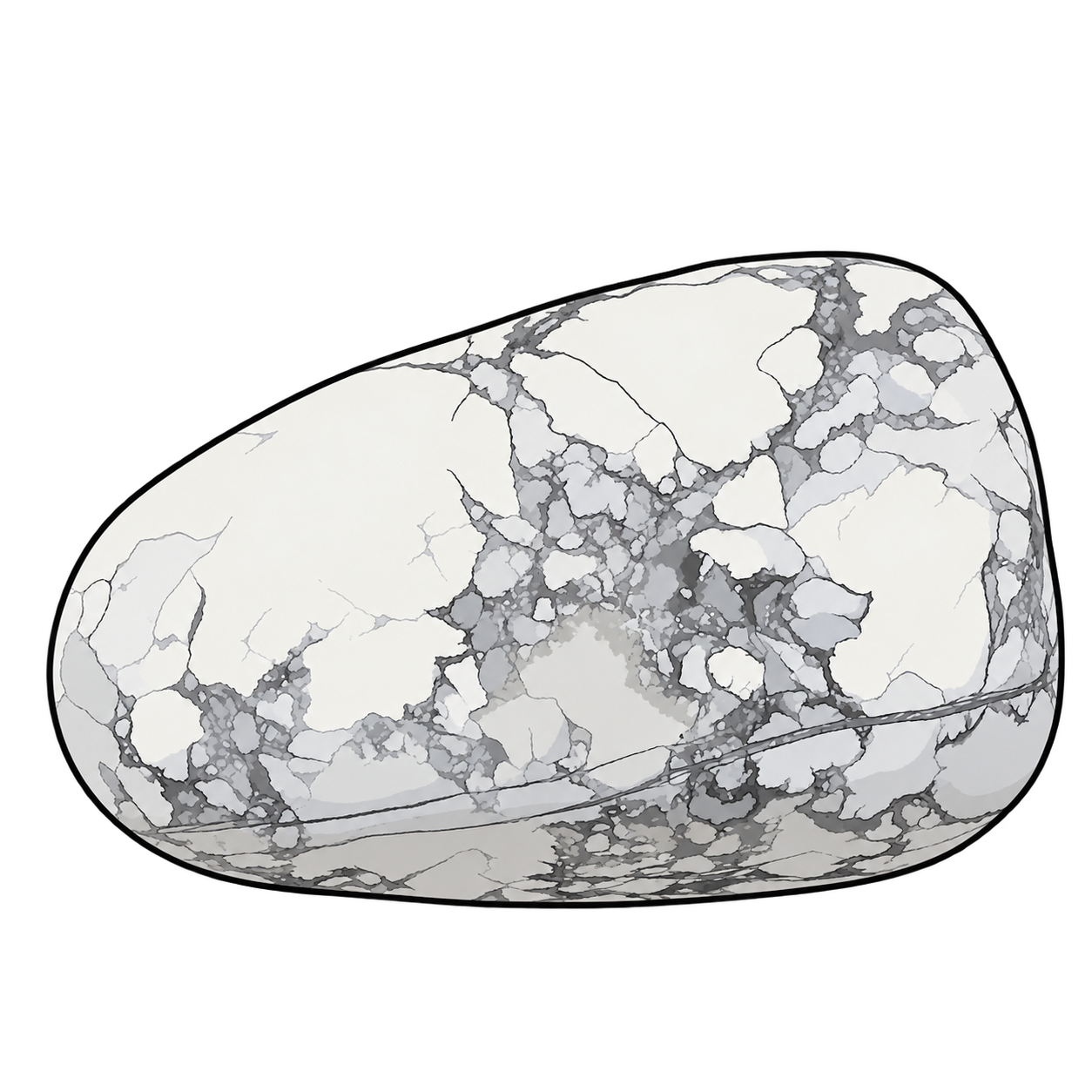
White borate, branching veining, and a modern association with patience
Calcium borosilicate hydroxide, commonly white with dark veining.
Howlite is a white calcium borosilicate hydroxide, often crossed by gray markings.
Read the specimen guide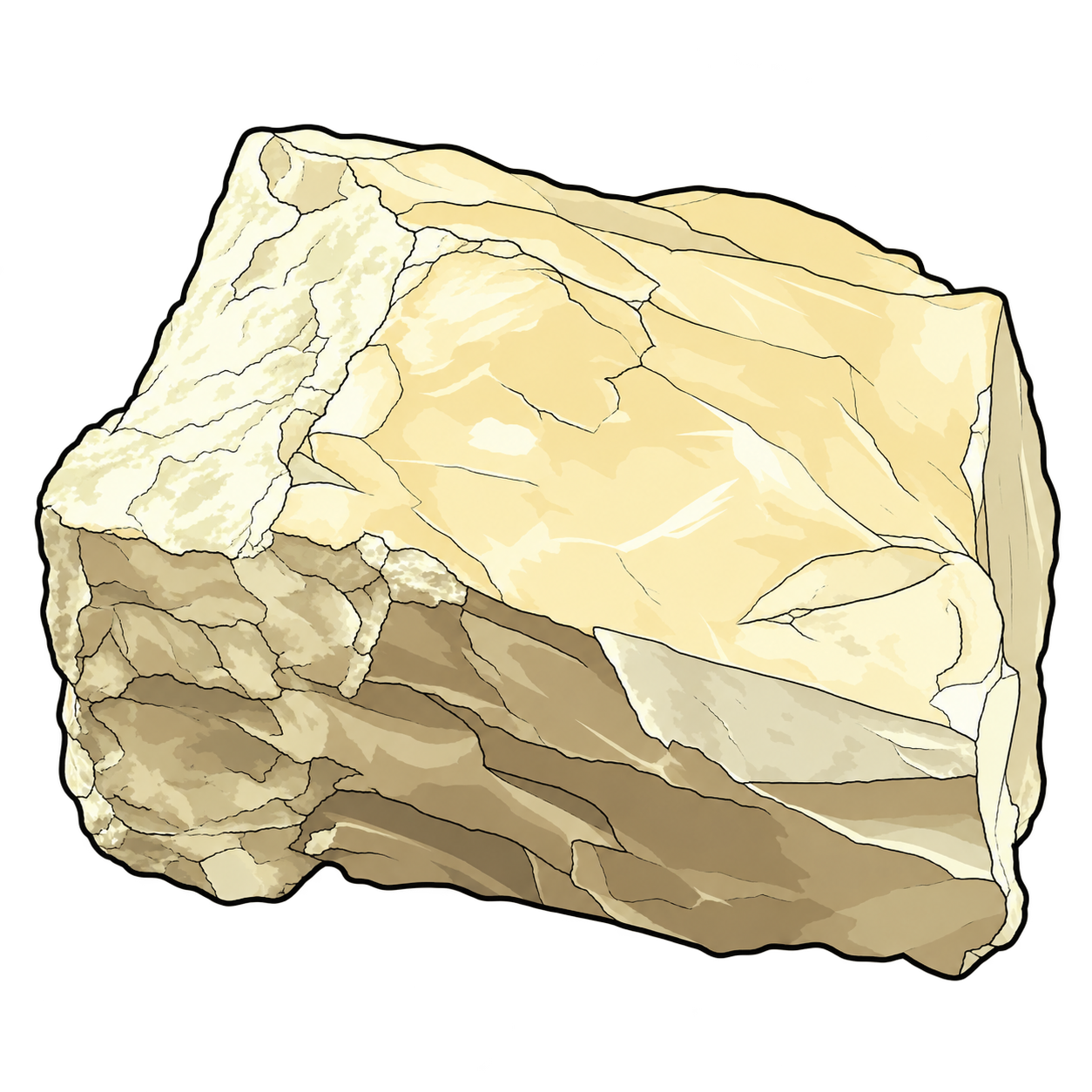
Magnesium carbonate, from pale ornamental stone to an industrial mineral
Magnesium carbonate (MgCO3).
Magnesite ranges from white nodules to well-formed crystals.
Read the specimen guide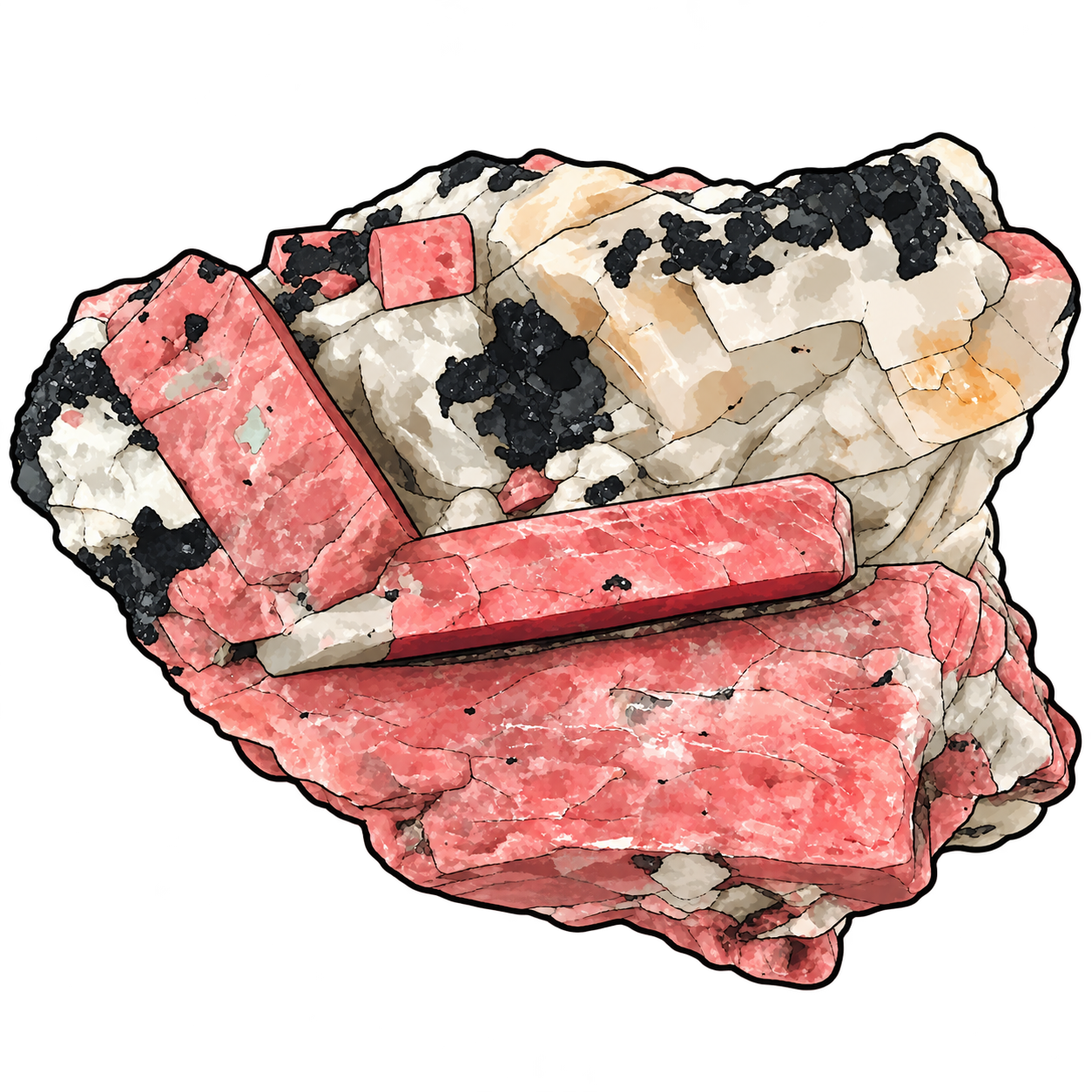
Rose-colored manganese silicate, with a complex mineral story behind the pink
Manganese-rich silicate material, often pink with dark manganese oxides.
Rhodonite appears in pink-and-black aggregates and transparent red crystals.
Read the specimen guide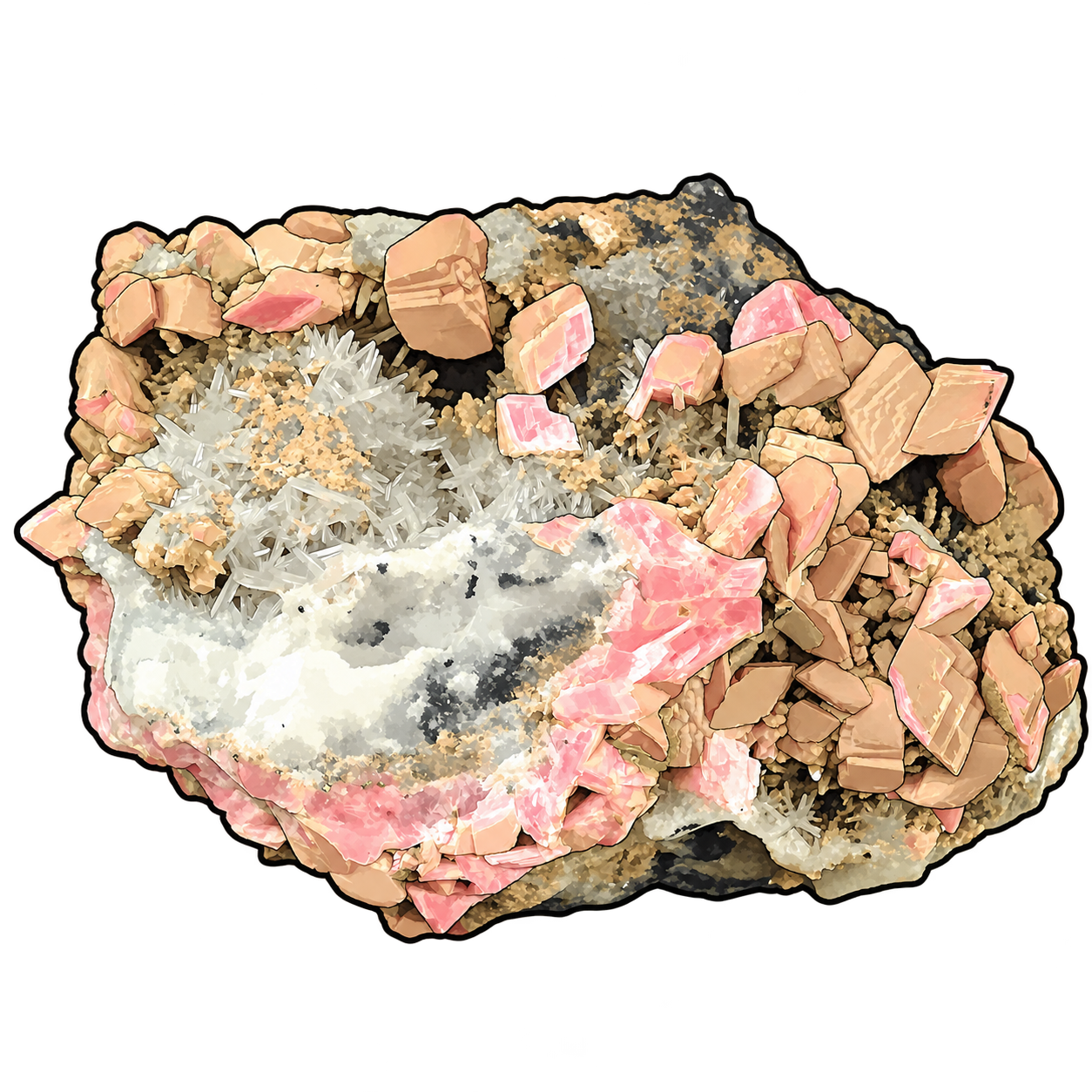
Manganese carbonate in rose-colored bands and exceptional red crystals
Manganese carbonate (MnCO3).
Rhodochrosite ranges from pink-and-white banded aggregates to transparent red crystals.
Read the specimen guide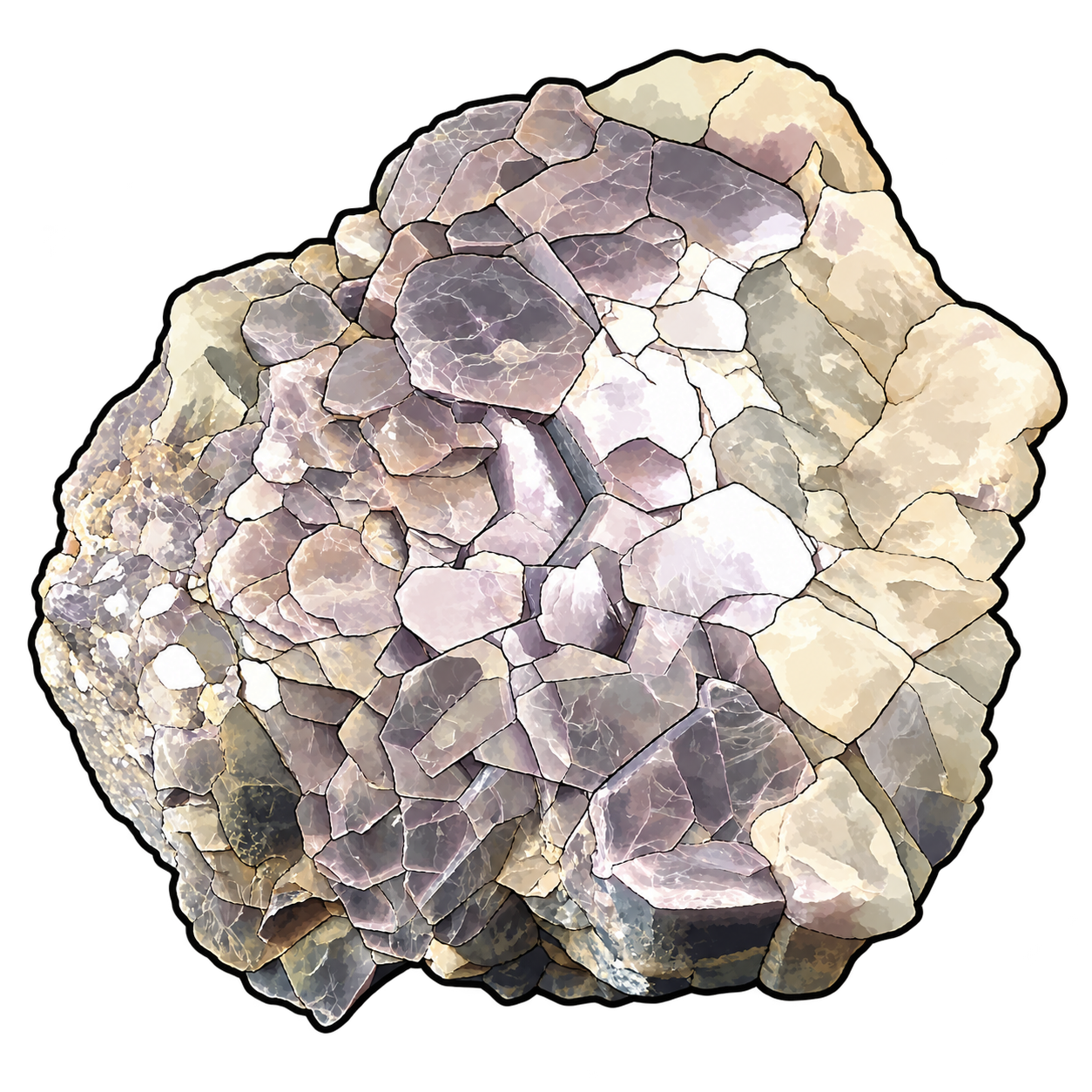
Lithium-rich mica, layered sparkle, and the importance of a precise name
Field/trade name for lithium-rich micas, not one accepted mineral species.
Lepidolite is the familiar name for lithium-rich mica material often seen in lilac or pink, with a sheen produced by many thin plates.
Read the specimen guide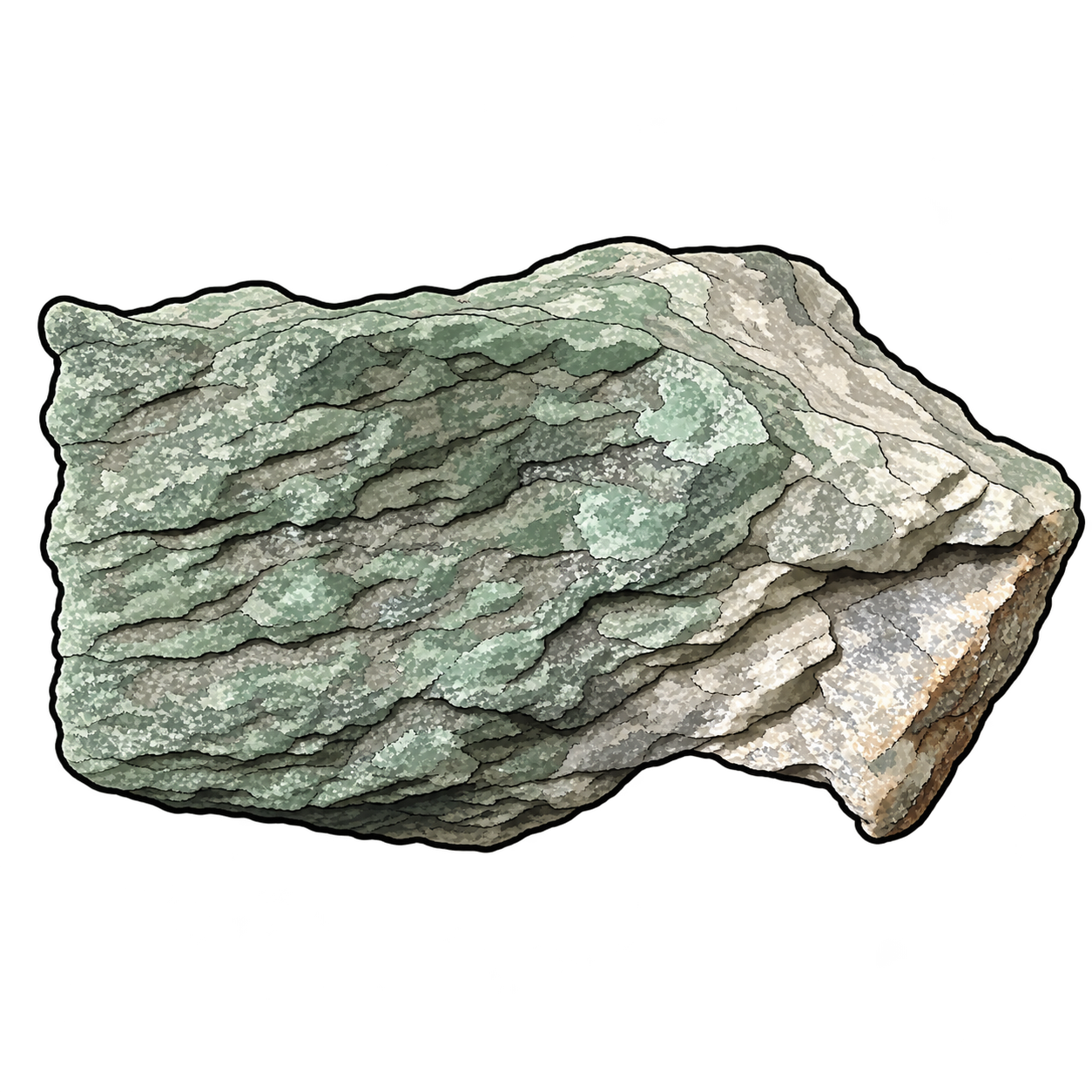
Chromium-green mica, layered light, and the different stones hidden behind one name
Chromium-bearing green muscovite variety.
Fuchsite is chromium-colored green muscovite.
Read the specimen guide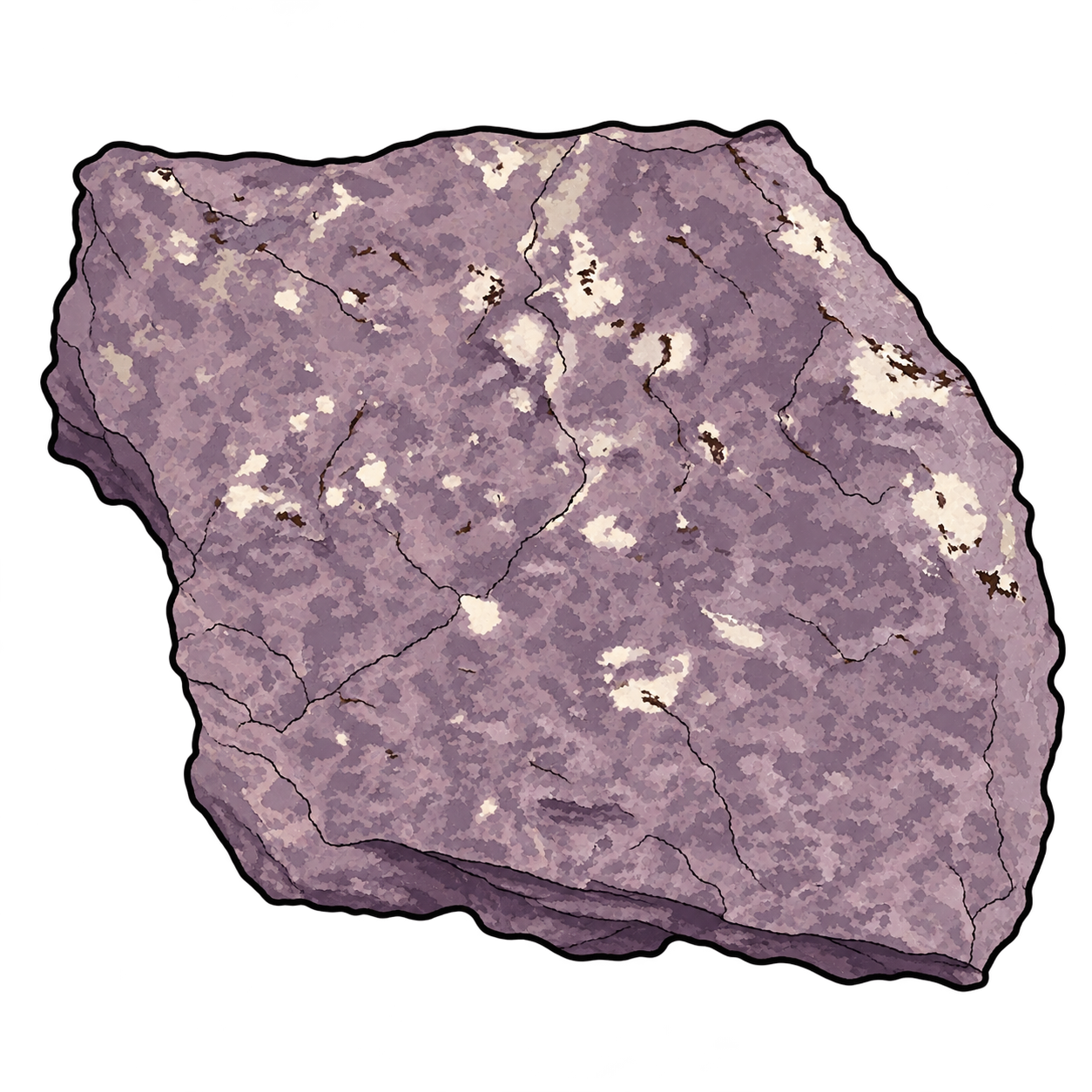
Blue mineral fibers, quartz landscapes, and a history beyond ornamental stone
Aluminium borosilicate, commonly encountered in quartz-rich material.
Dumortierite is an aluminum borosilicate occurring in fibrous masses and as needles within quartz.
Read the specimen guide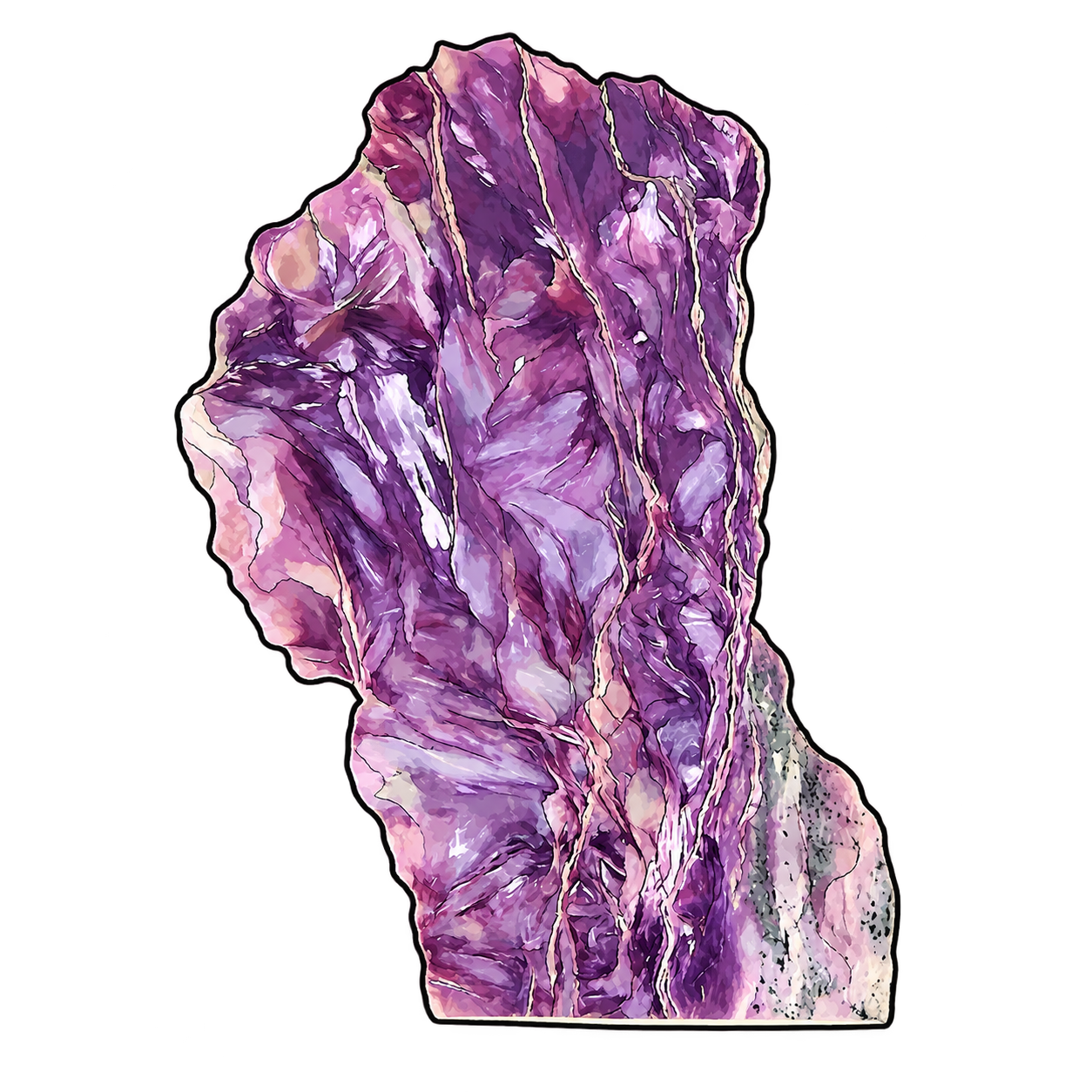
Violet mineral fibers and a remarkable Siberian rock
Complex silicate mineral usually sold as purple charoite-bearing rock.
Charoite's appeal is not simply that it is purple.
Read the specimen guide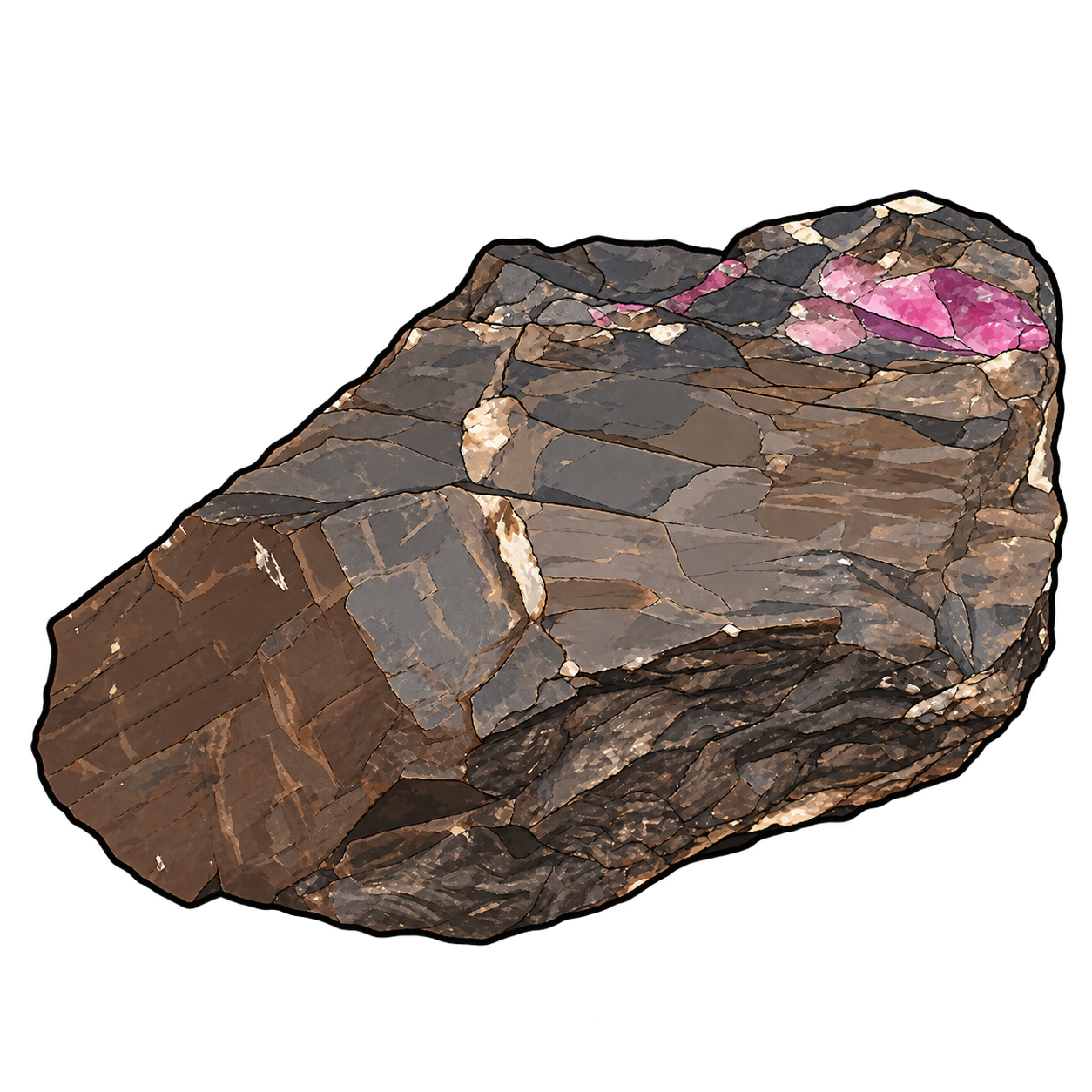
Purple silicate, mixed mineral textures, and the importance of genuine identity
A complex potassium-sodium lithium silicate mineral, often sold in mixed massive material.
Sugilite includes brownish-yellow material from Japan and the purple manganese-bearing South African material familiar in jewelry.
Read the specimen guide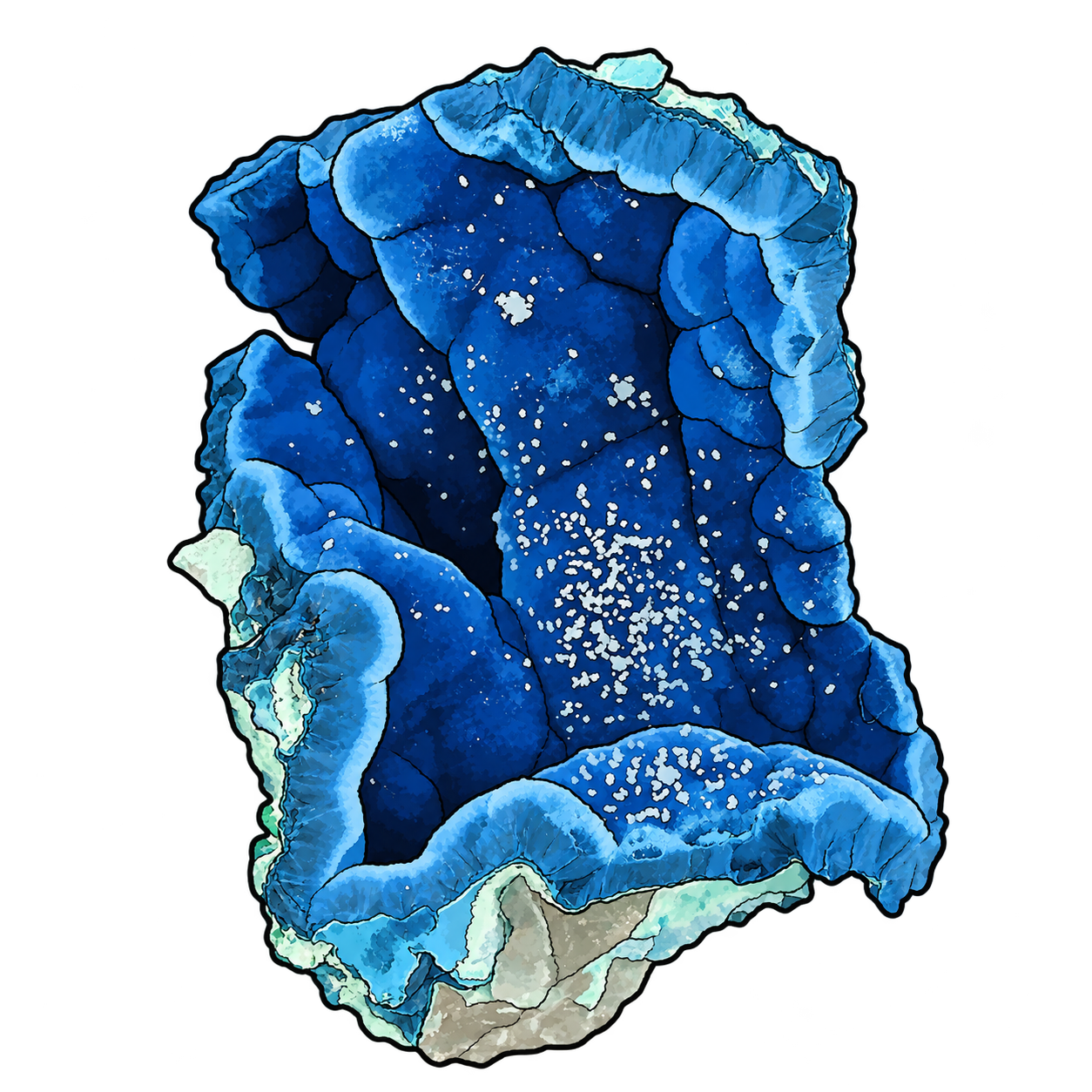
Deep blue copper silicate, delicate fibers, and quartz that preserves a growth history
A copper silicate hydroxide mineral, often present in blue-green mixed rocks.
Shattuckite brings an intense blue to the oxidized zones of copper deposits.
Read the specimen guide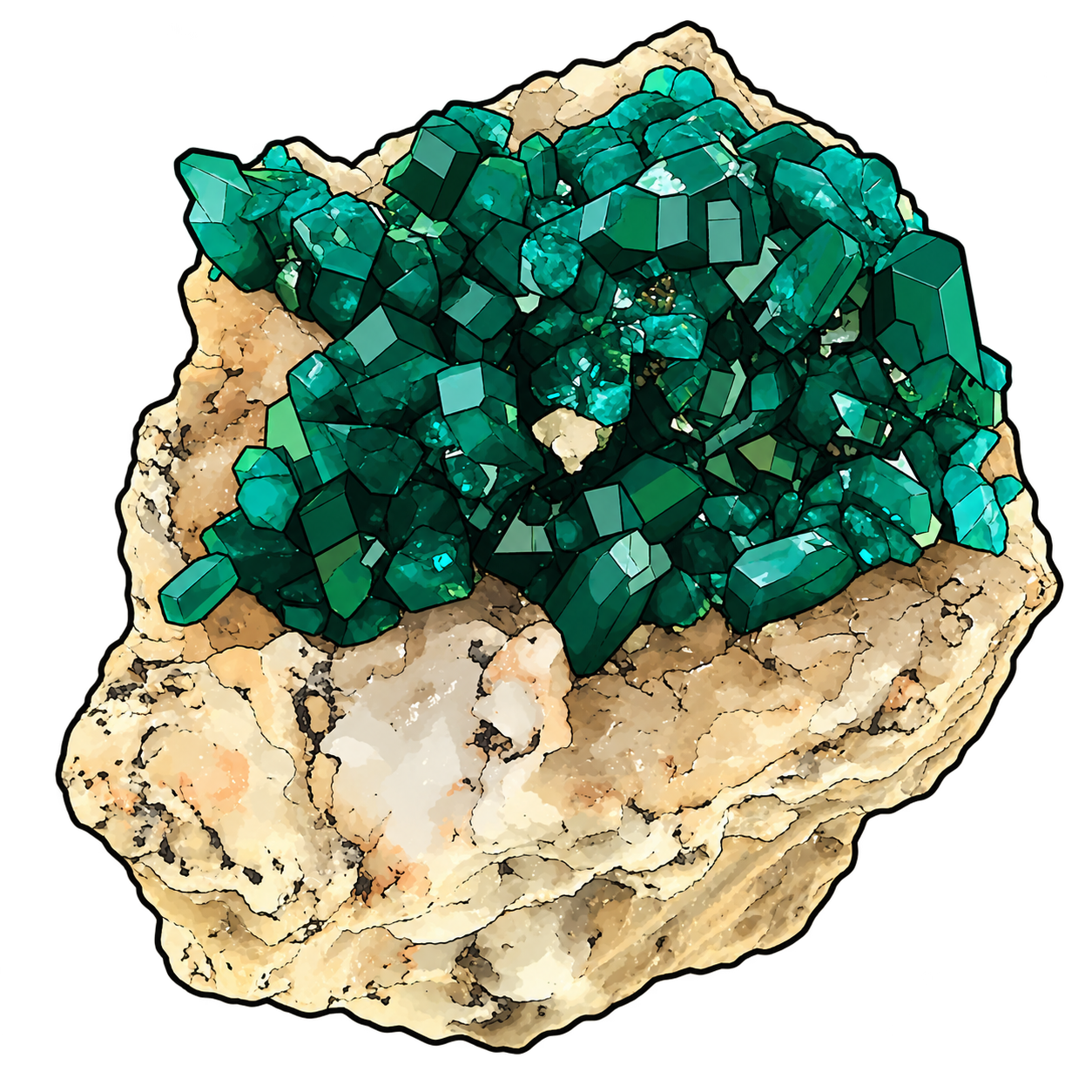
Vivid copper-green crystals with an intricate structure and vulnerable edges
Hydrated copper silicate, often emerald green.
Dioptase's vivid green invites comparison with emerald, but it is hydrated copper silicate, not beryl.
Read the specimen guide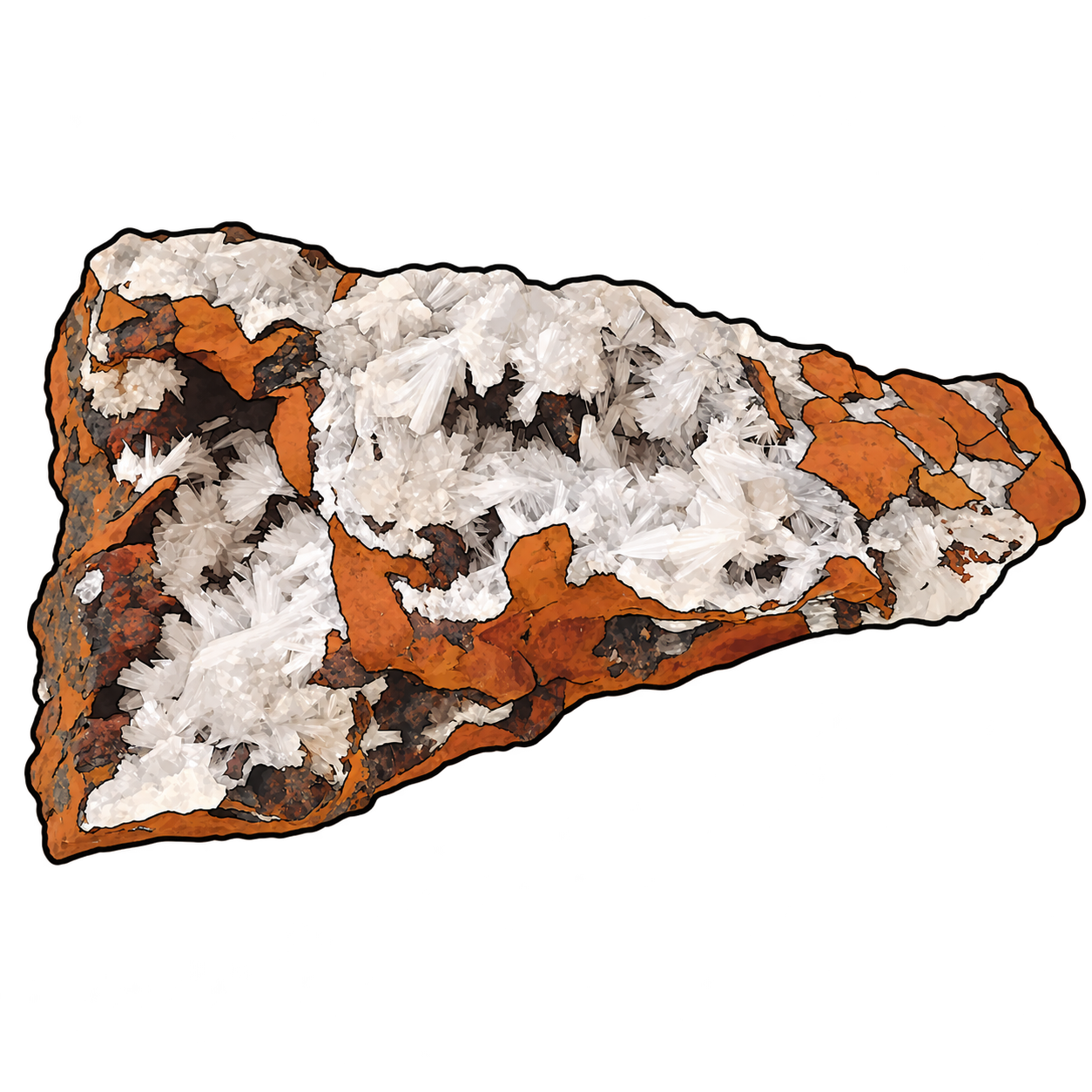
Unlike crystal ends, zinc-rich origins, and a surprisingly varied appearance
Hydrated zinc silicate.
Hemimorphite forms pale crystal fans and rounded blue crusts.
Read the specimen guide