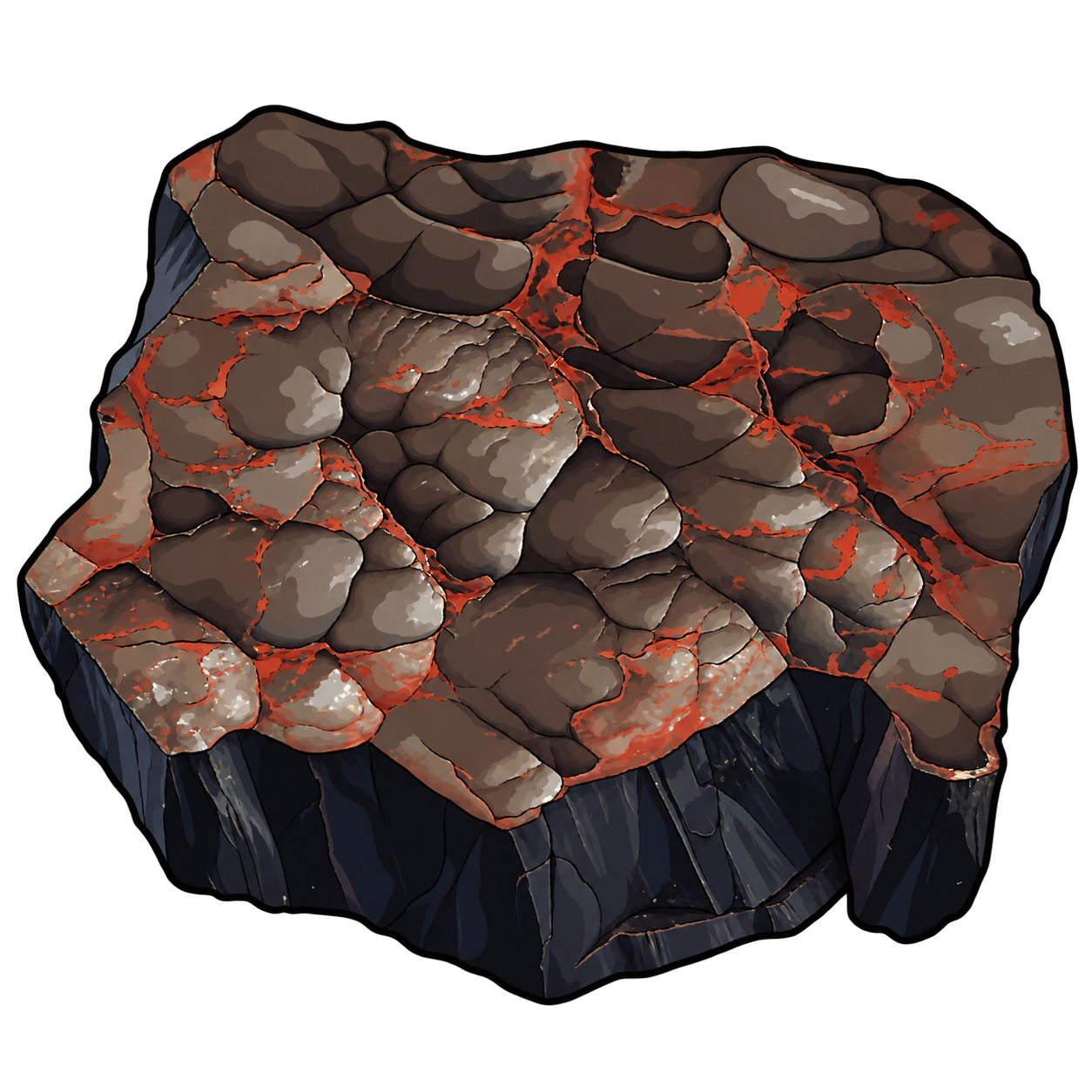
The red mineral beneath a metallic surface
Hematite
Iron oxide (Fe2O3).
Hematite can be a polished dark mirror, a cluster of steel-gray plates, a rounded brown mass, or a fine red earth.
Read the specimen guideLoading this page…
Return homePlease wait while the next page arrives.


The mineral atlas
Compare metallic minerals, volcanic glass, carbon-rich materials, fossilized wood and fossil-bearing rocks. Jet and amber have organic origins; obsidian and lava record volcanic processes; fossil materials preserve different histories of burial and alteration.
13 specimens · Geology, history, and spiritual attributes
13 specimens
The red mineral beneath a metallic surface
Iron oxide (Fe2O3).
Hematite can be a polished dark mirror, a cluster of steel-gray plates, a rounded brown mass, or a fine red earth.
Read the specimen guide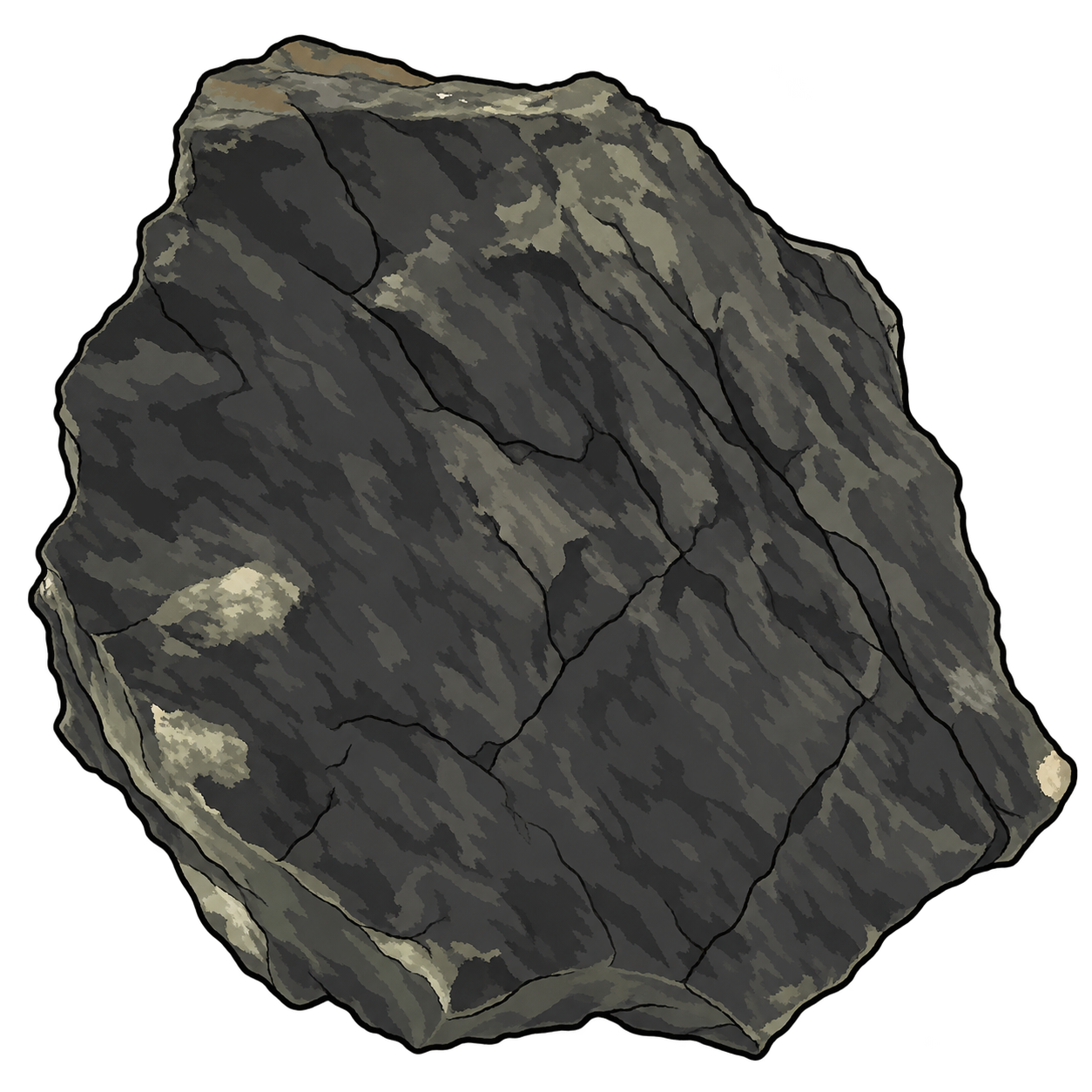
Iron oxide, natural magnetism, and the cultural life of lodestone
Magnetic iron oxide, distinct from hematite.
Magnetite is a black iron oxide whose magnetic response can be more striking than its appearance.
Read the specimen guide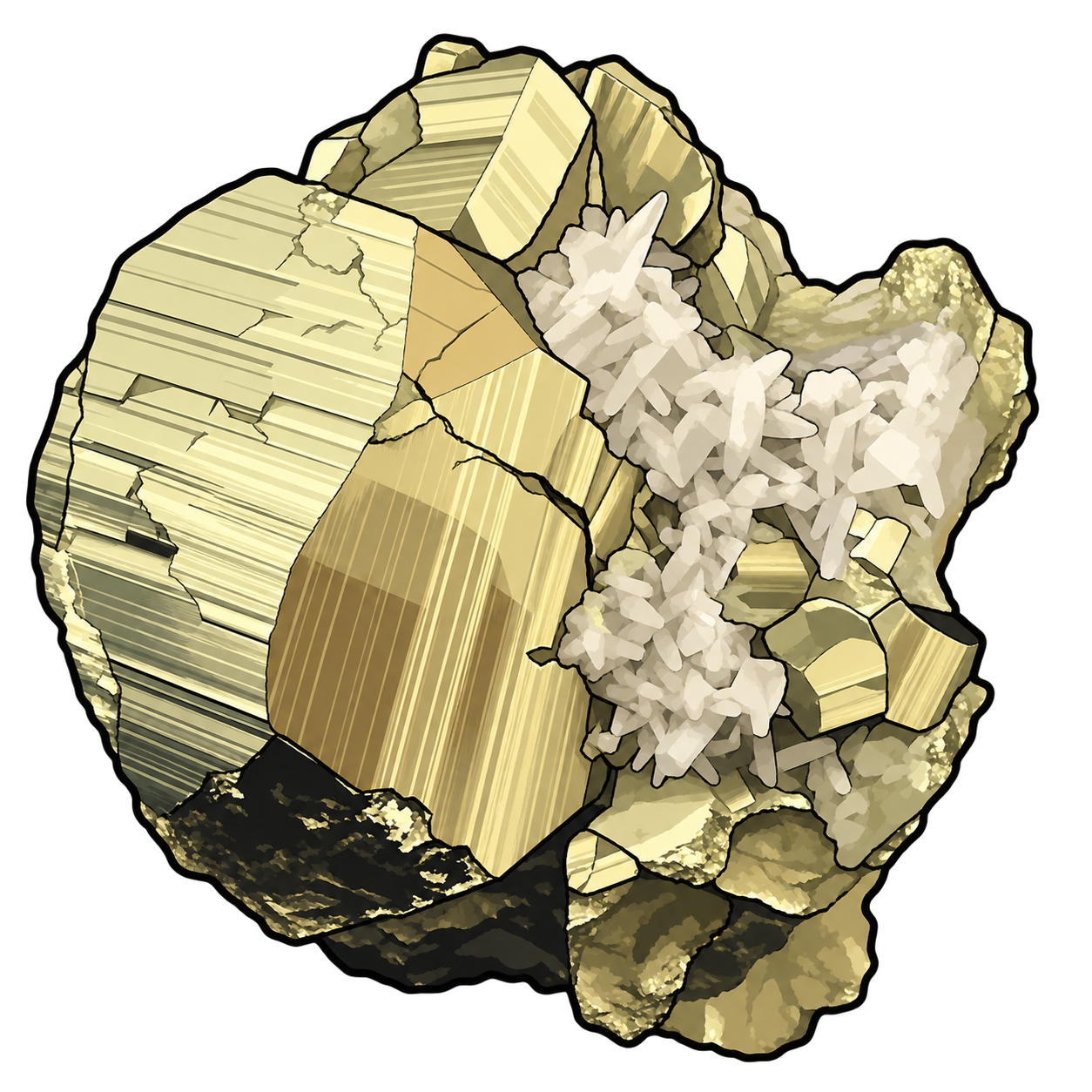
Brass-colored geometry, reflective history, and a mineral that rewards careful storage
Iron sulfide (FeS2).
Pyrite's cubes can look manufactured, but their geometry belongs to natural crystal growth.
Read the specimen guide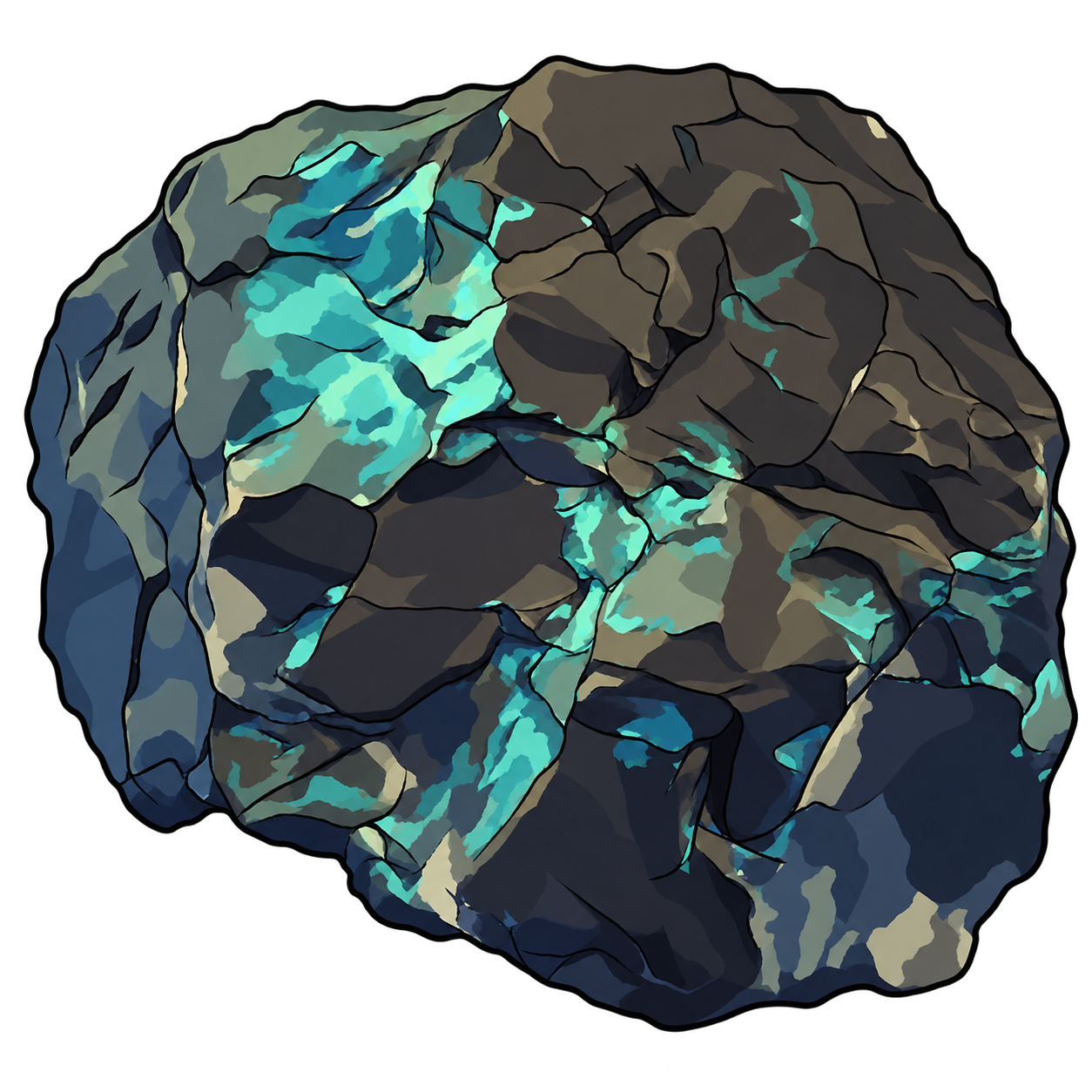
Iridescent copper minerals beneath a shared trade name
A retail label commonly applied to iridescent copper-iron sulfides.
Peacock ore is a name for an appearance, not a single mineral species.
Read the specimen guide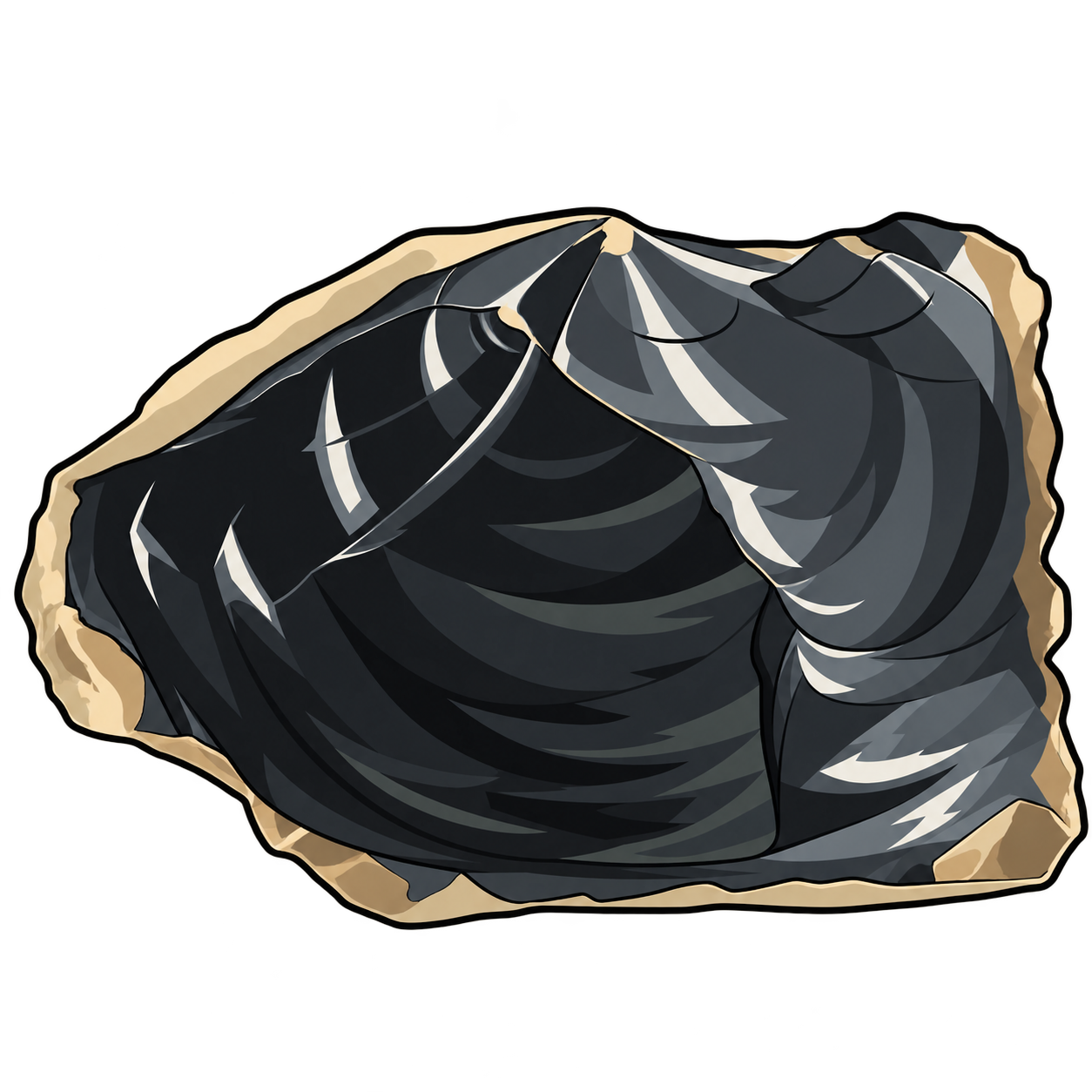
Volcanic Glass, Sharp Edges and Reflective Depth
Natural volcanic glass, not a crystalline mineral.
Obsidian preserves a different outcome of cooling magma: glass rather than a framework of interlocking mineral grains.
Read the specimen guide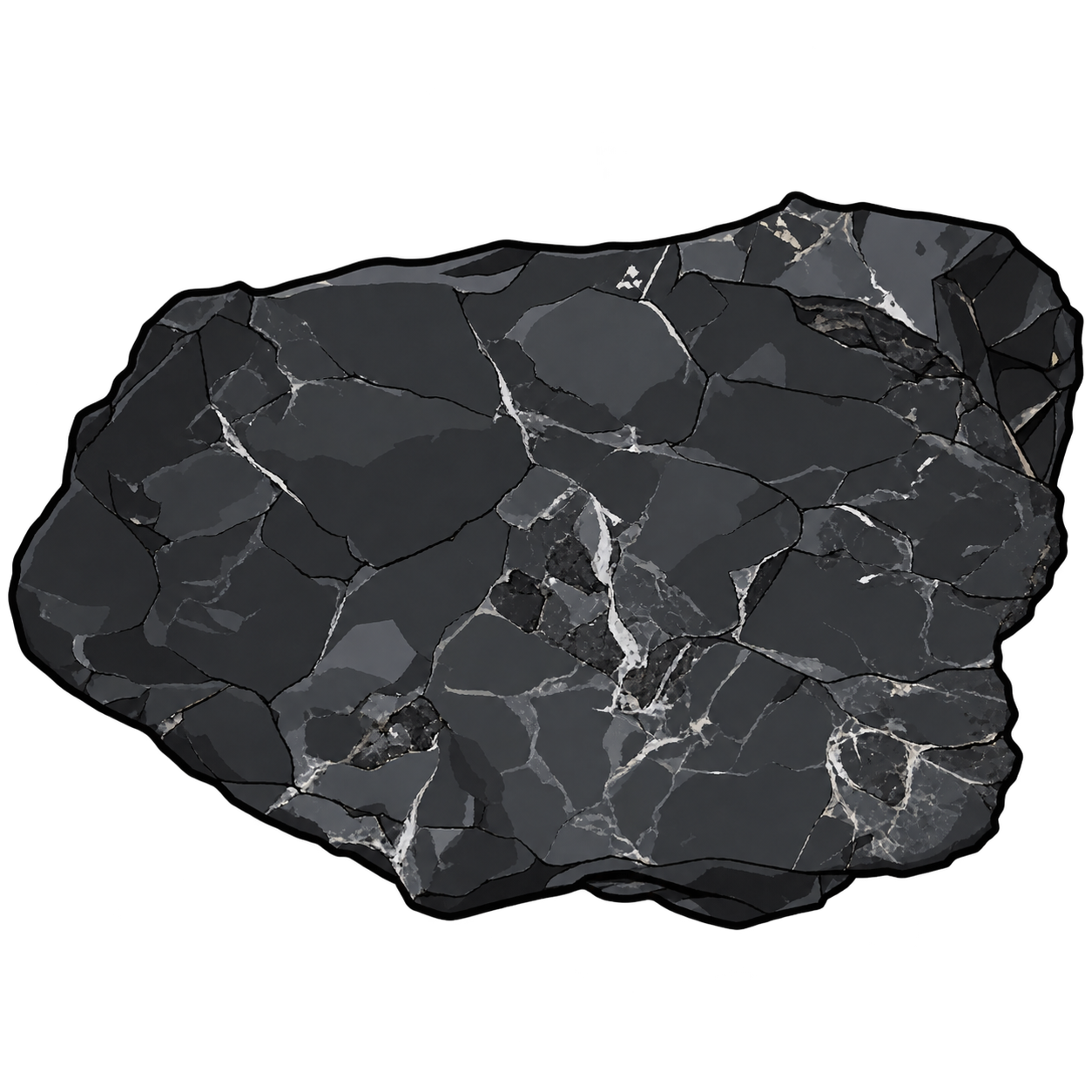
Ancient carbon-rich rock with a complex microscopic identity
Name used for carbon-rich mineraloid and carbon-bearing rock from Karelia.
Shungite belongs to a family of dark, carbon-bearing rocks rather than to one simple, uniform crystal species.
Read the specimen guide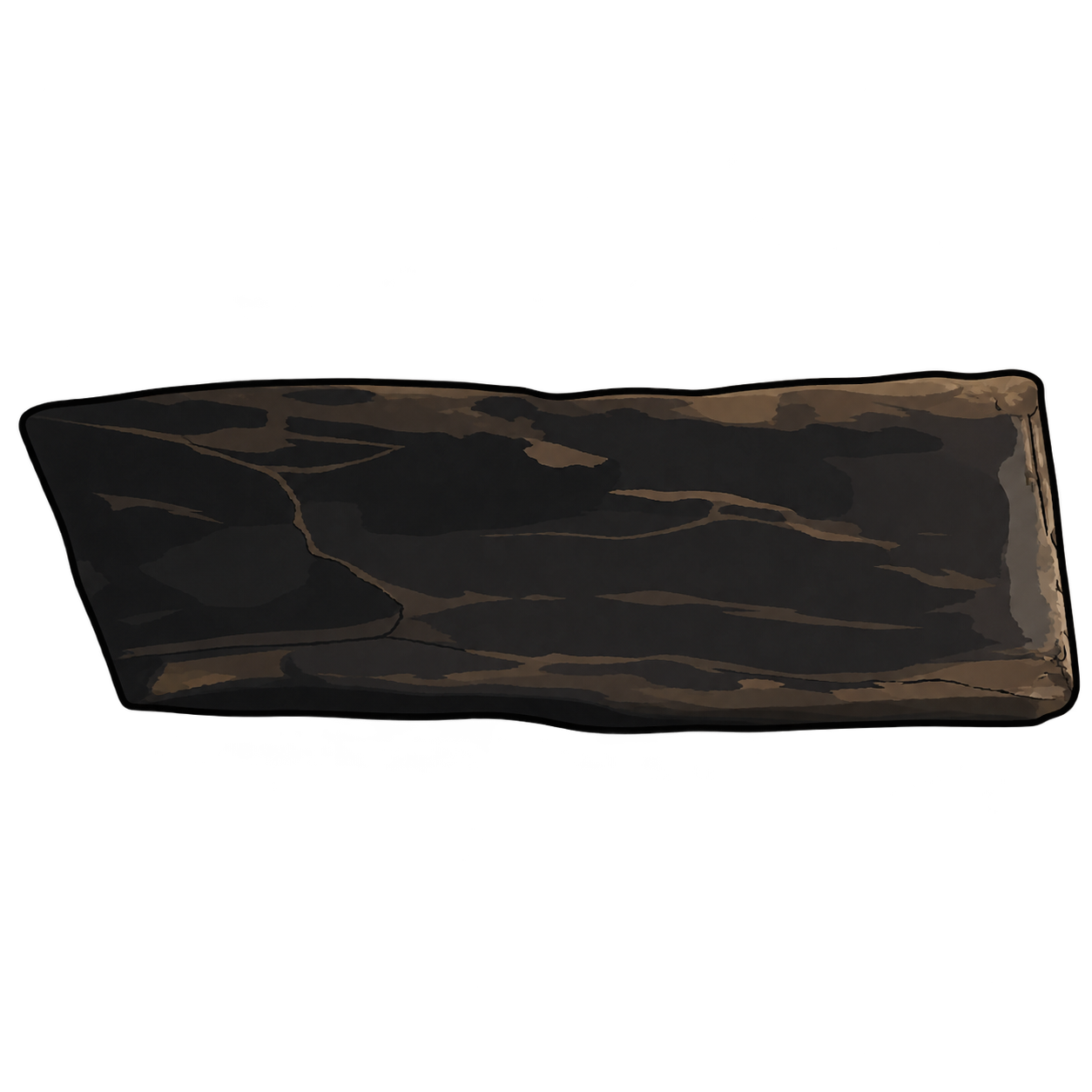
Fossil wood transformed into a jewel of deep black
Organic gem material derived from fossil wood, not obsidian or anthracite by default.
Jet offers a different kind of beauty from a transparent crystal: a dense black surface that can be carved into delicate relief and polished until it reflects like still water.
Read the specimen guide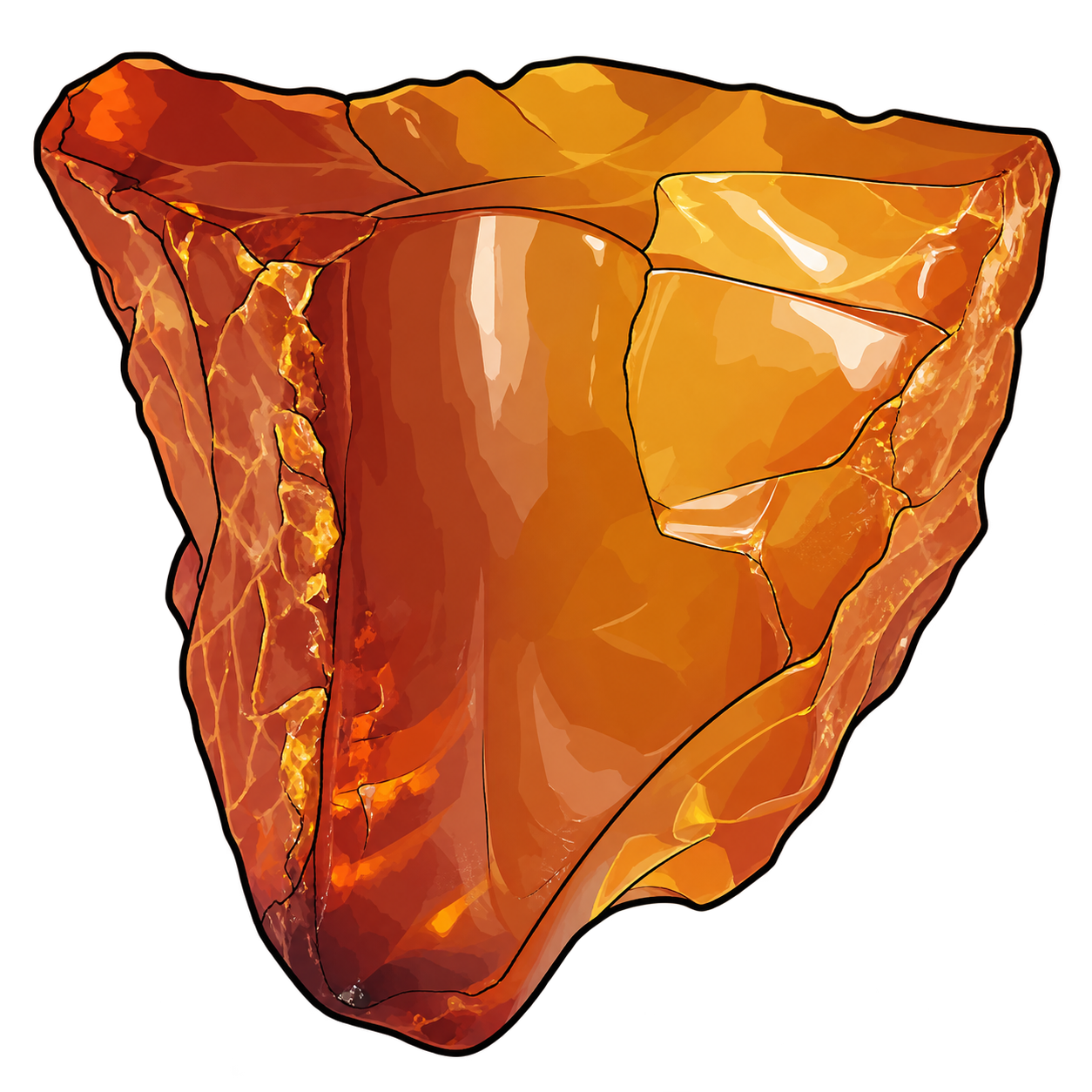
Fossil resin and a record of ancient forests
Fossilized resin, an organic gem rather than a crystalline mineral.
Amber is fossilized tree resin, valued for its warm color, light weight and ability to preserve traces of ancient life.
Read the specimen guide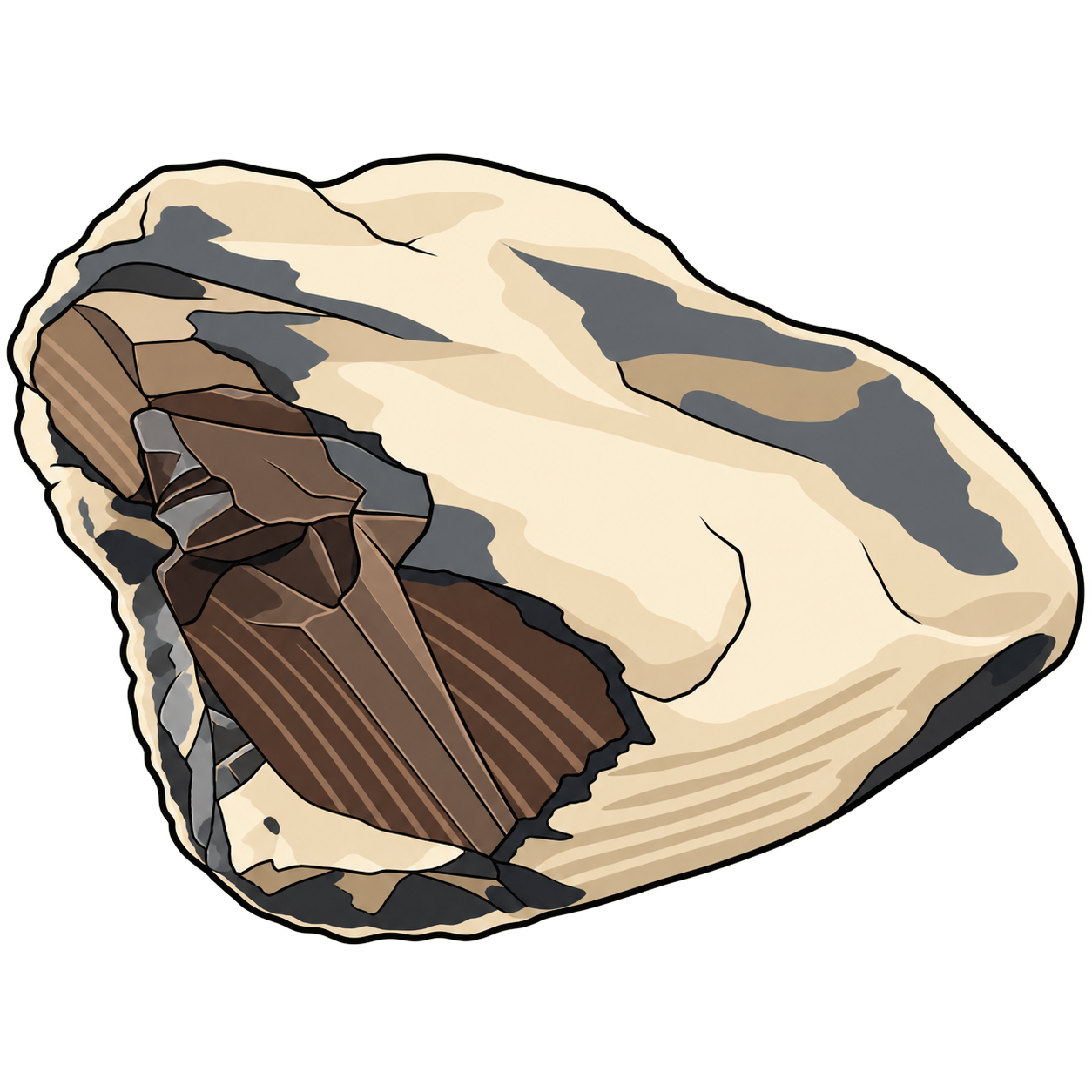
The architecture of a tree preserved in mineral form
Fossil wood preserved by mineral infilling/replacement, often silica.
Petrified wood retains the organization of something that once grew.
Read the specimen guide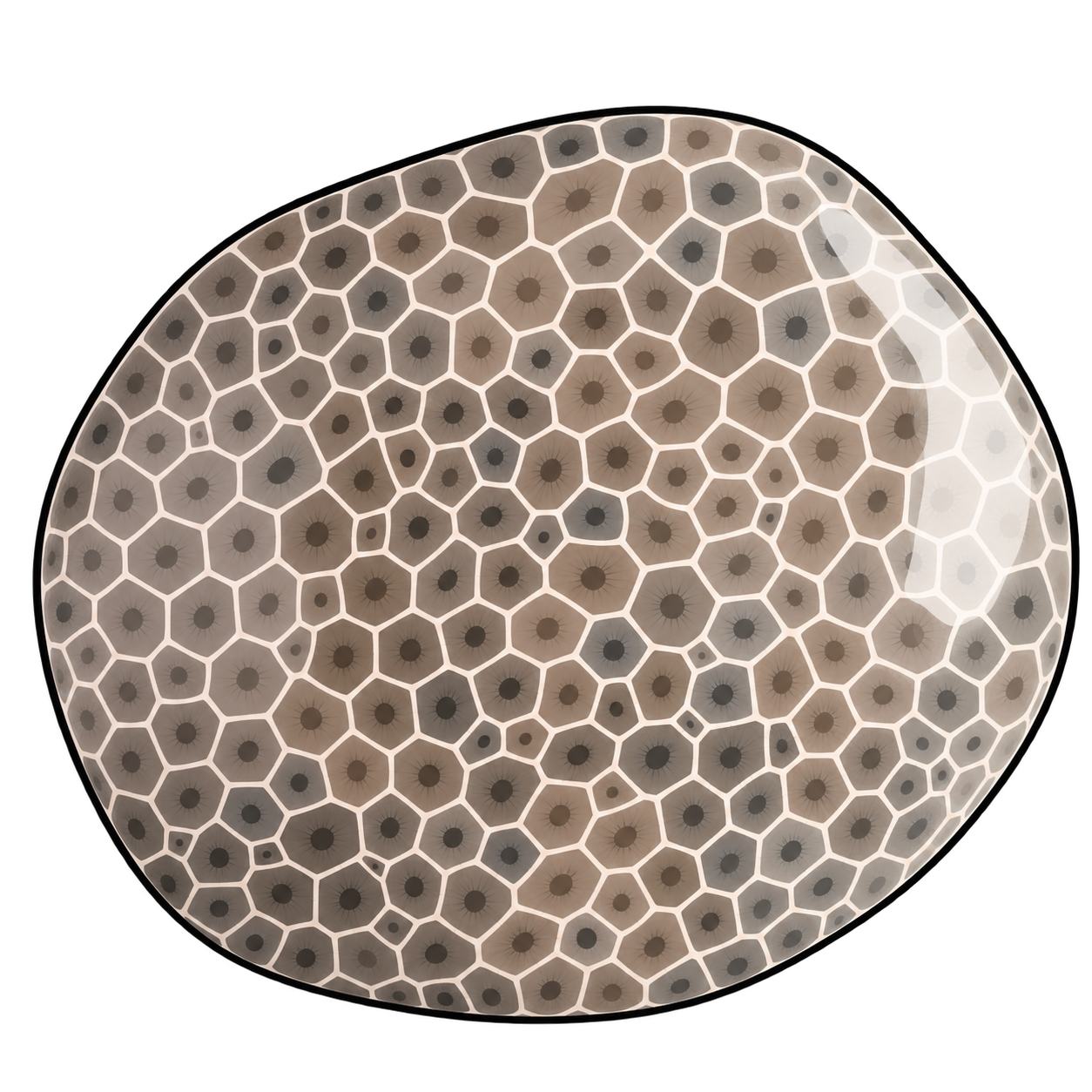
Ancient marine structures preserved in stone
Fossil coral material, sometimes replaced by silica.
Fossil coral brings the architecture of ancient animals into view.
Read the specimen guide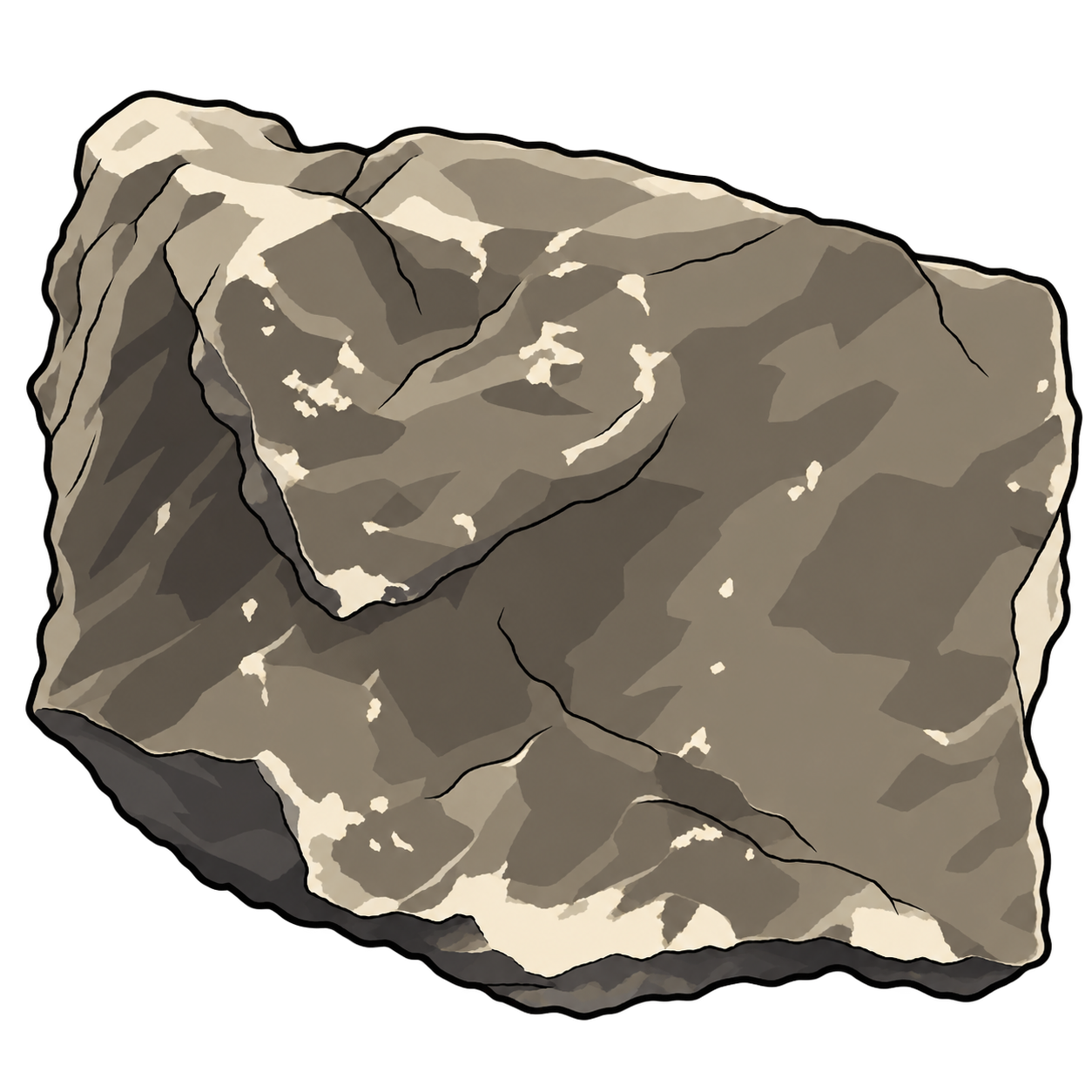
Ancient marine life preserved within carbonate rock
Carbonate rock containing visible fossils.
Fossil limestone holds the remains of organisms within the stone that accumulated around them.
Read the specimen guide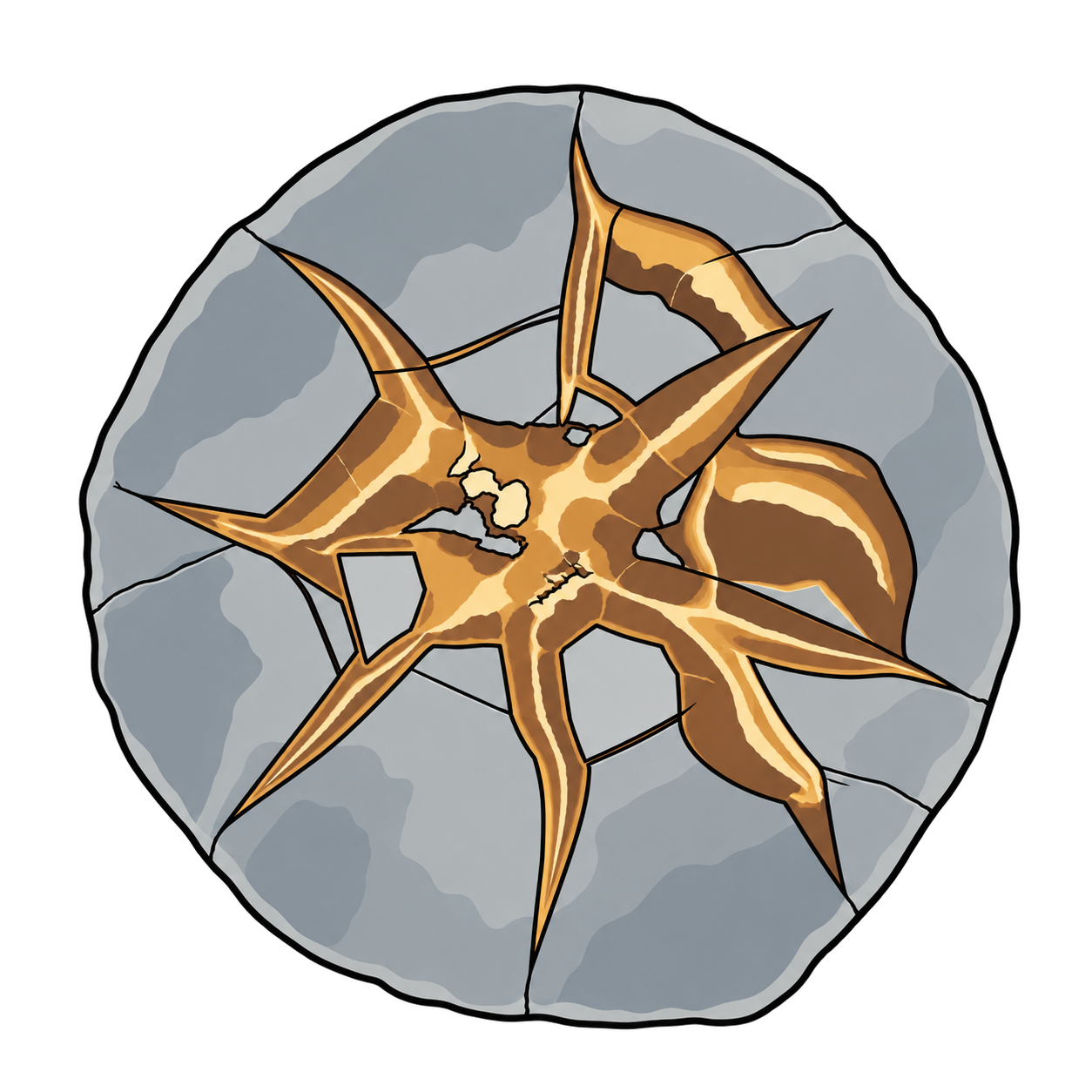
Mineral-filled fractures within a sedimentary concretion
Concretions with internal cracks and later mineral fillings.
Septarian is a name for a patterned concretion, not a separate mineral species.
Read the specimen guide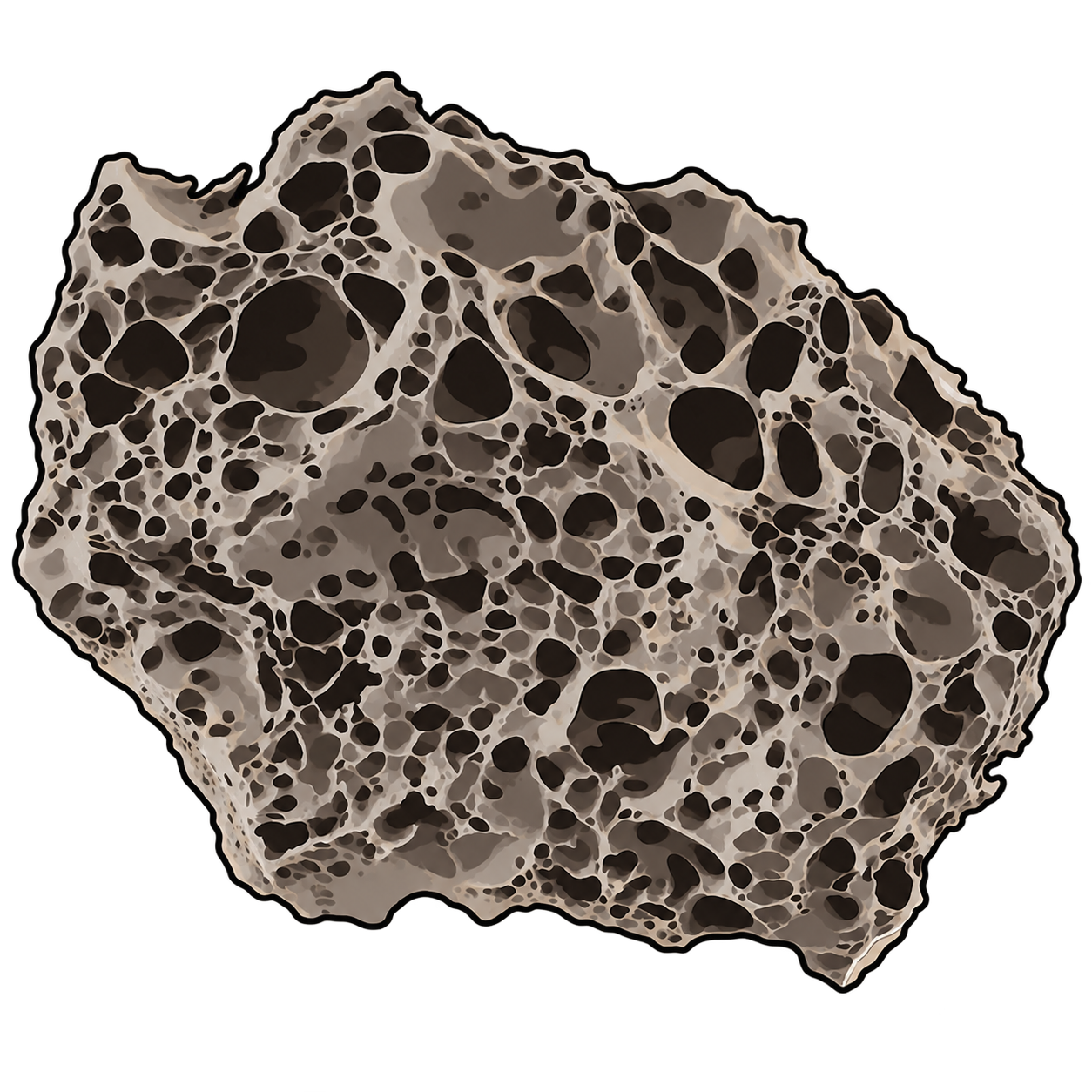
Porous volcanic rock shaped by escaping gas and cooling melt
Broad retail name, usually for vesicular volcanic rock.
“Lava stone” is a broad commercial description rather than a precise mineral name.
Read the specimen guide