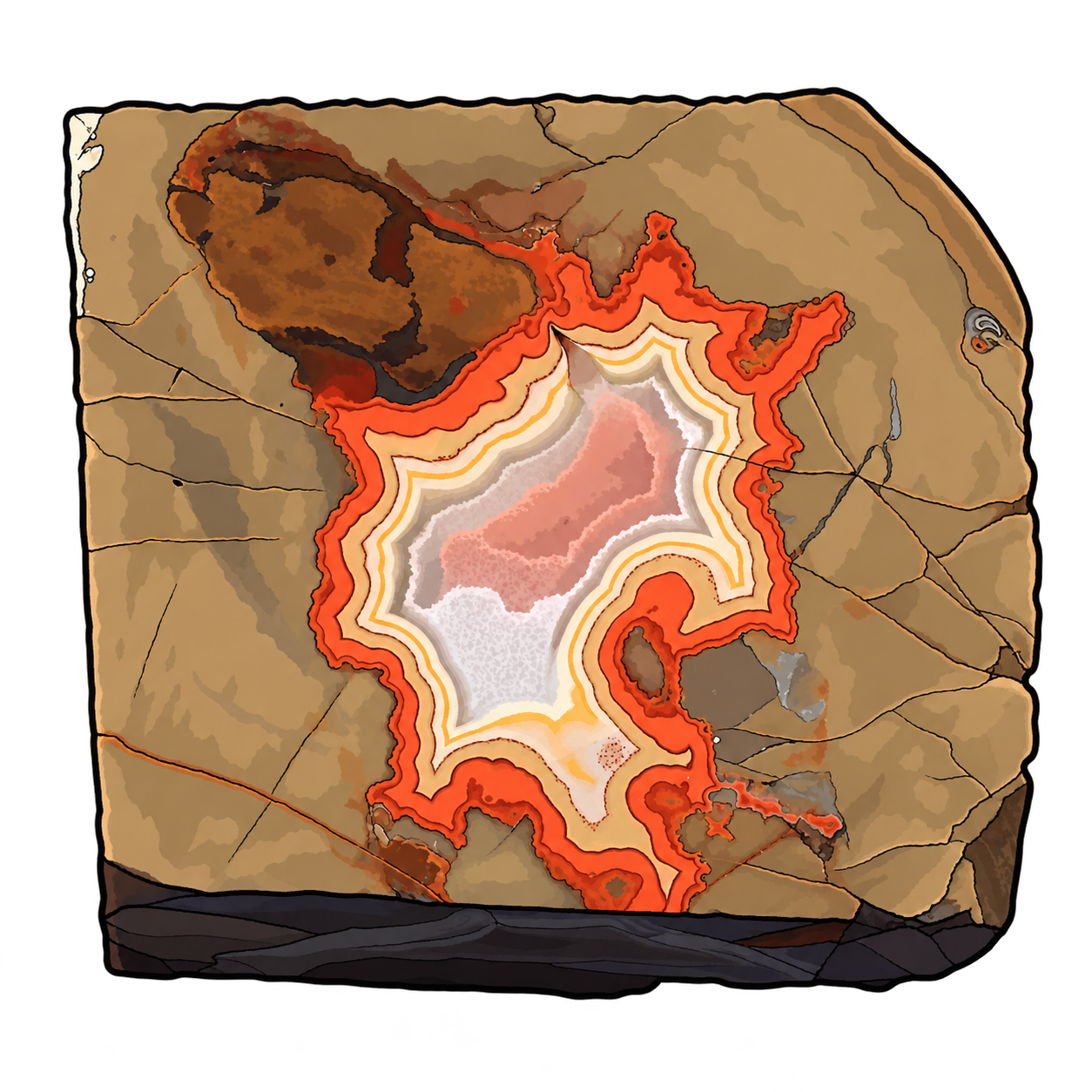
Bands, Cavities and the Architecture of Silica
Agate
Patterned, commonly banded chalcedony, a fine-grained silica material.
Agate is a patterned variety of chalcedony, not a separate mineral species.
Read the specimen guideLoading this page…
Return homePlease wait while the next page arrives.


The mineral atlas
Explore banded agate, translucent chalcedony and patterned jasper materials. Compare iron-colored carnelian, nickel-bearing chrysoprase, mineral inclusions, fossil-rich silica and dyed trade varieties.
12 specimens · Geology, history, and spiritual attributes
12 specimens
Bands, Cavities and the Architecture of Silica
Patterned, commonly banded chalcedony, a fine-grained silica material.
Agate is a patterned variety of chalcedony, not a separate mineral species.
Read the specimen guide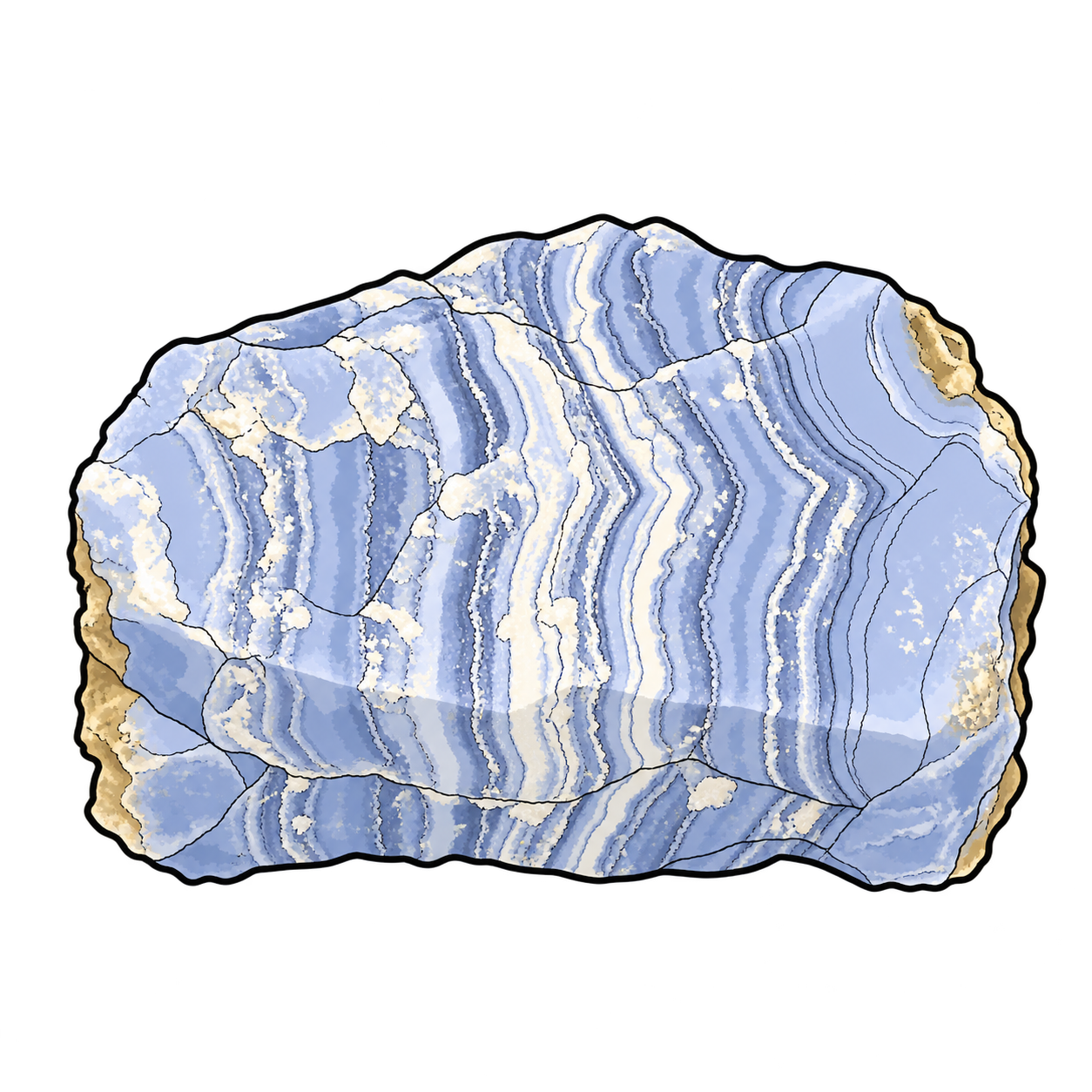
Pale Banded Chalcedony from a Complex Vein System
Pale blue-and-white banded chalcedony.
Blue lace agate is recognized by pale blue and white bands that curve, branch and fold across a cut surface.
Read the specimen guide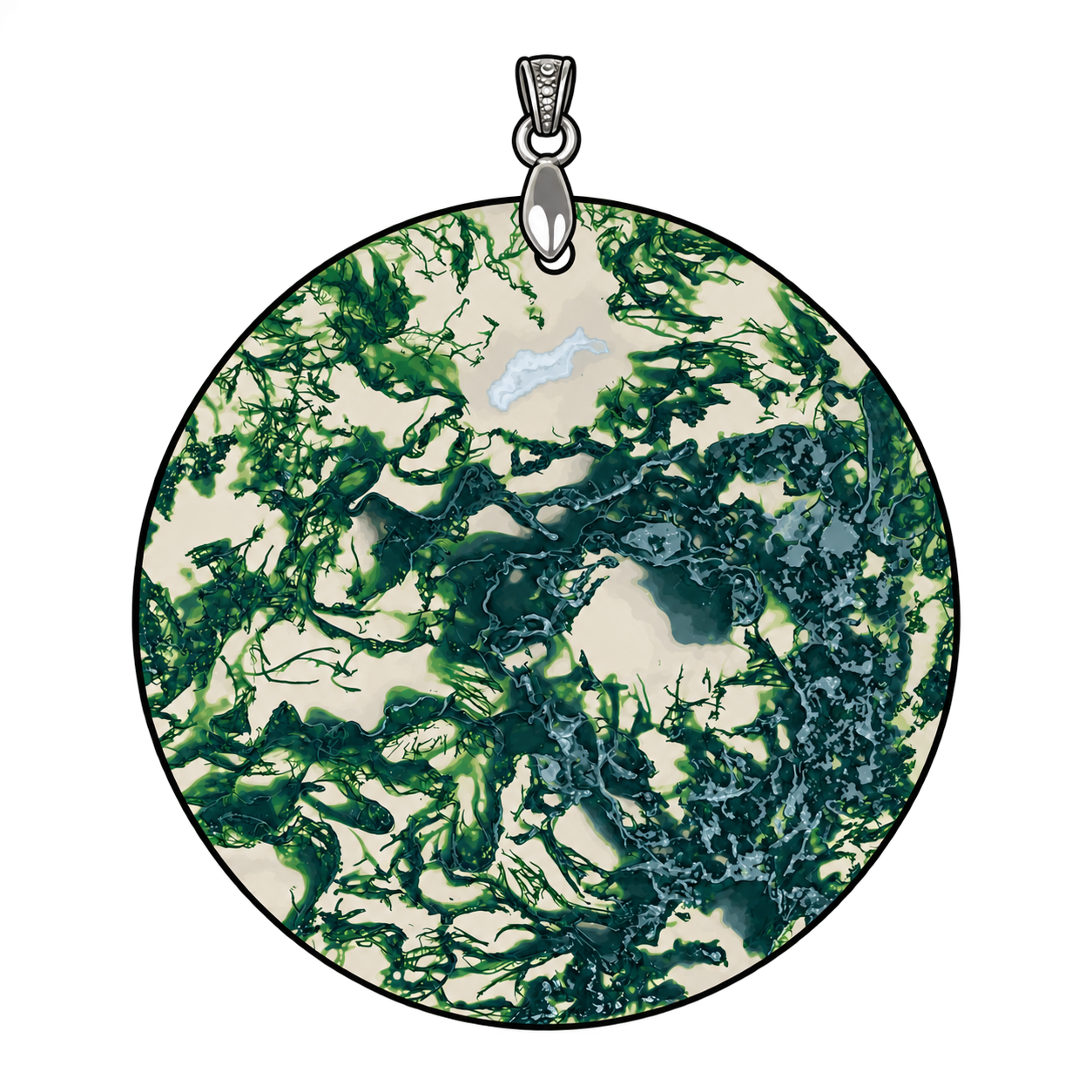
Mineral Landscapes in Fine-Grained Silica
Chalcedony with mineral inclusions resembling moss or branches.
Moss agate contains inclusions that resemble branching plants, tangled foliage or small landscapes.
Read the specimen guide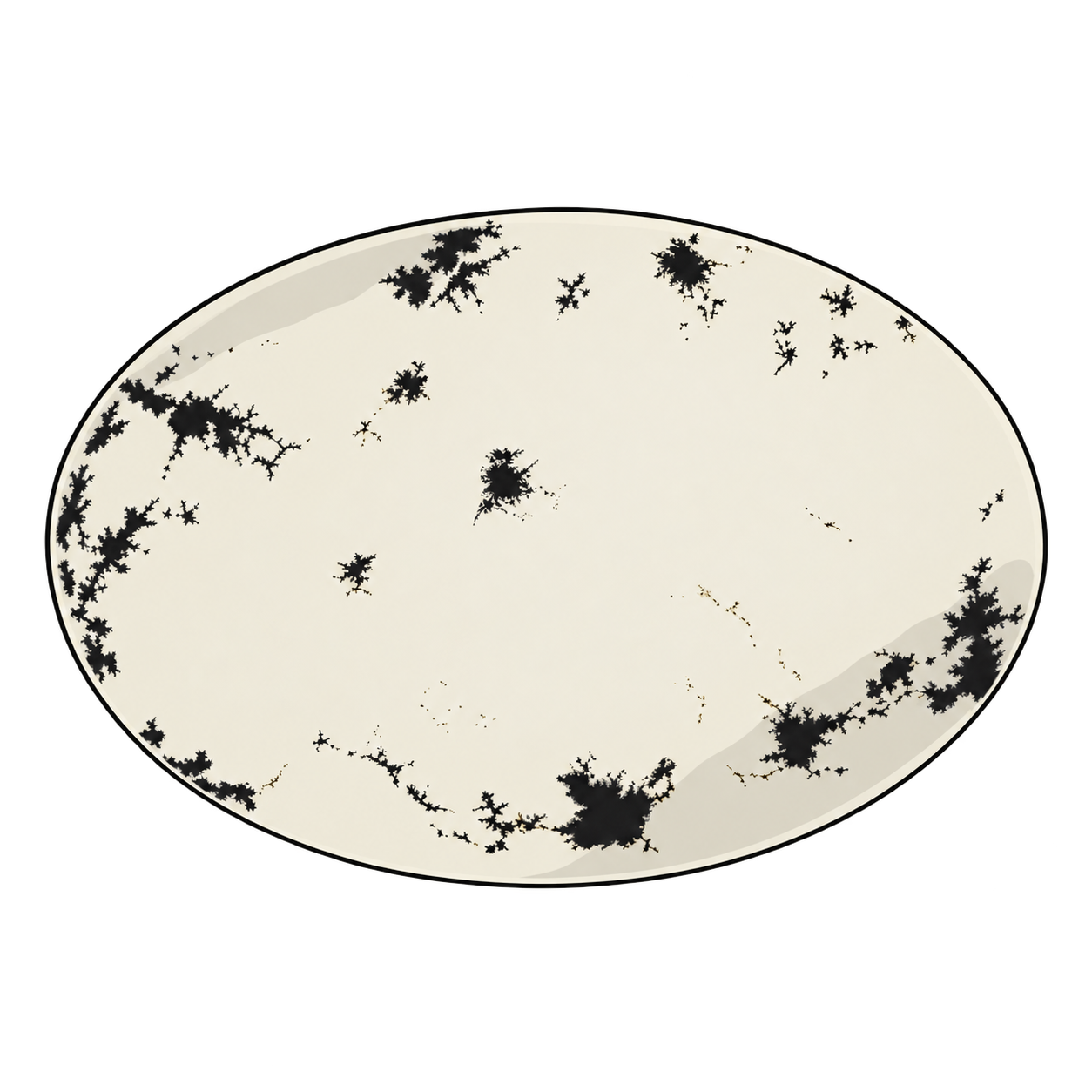
Branching Mineral Patterns in Chalcedony
Chalcedony with branching mineral inclusions.
Dendritic agate contains dark, branching inclusions that can resemble ferns, roots or distant trees.
Read the specimen guide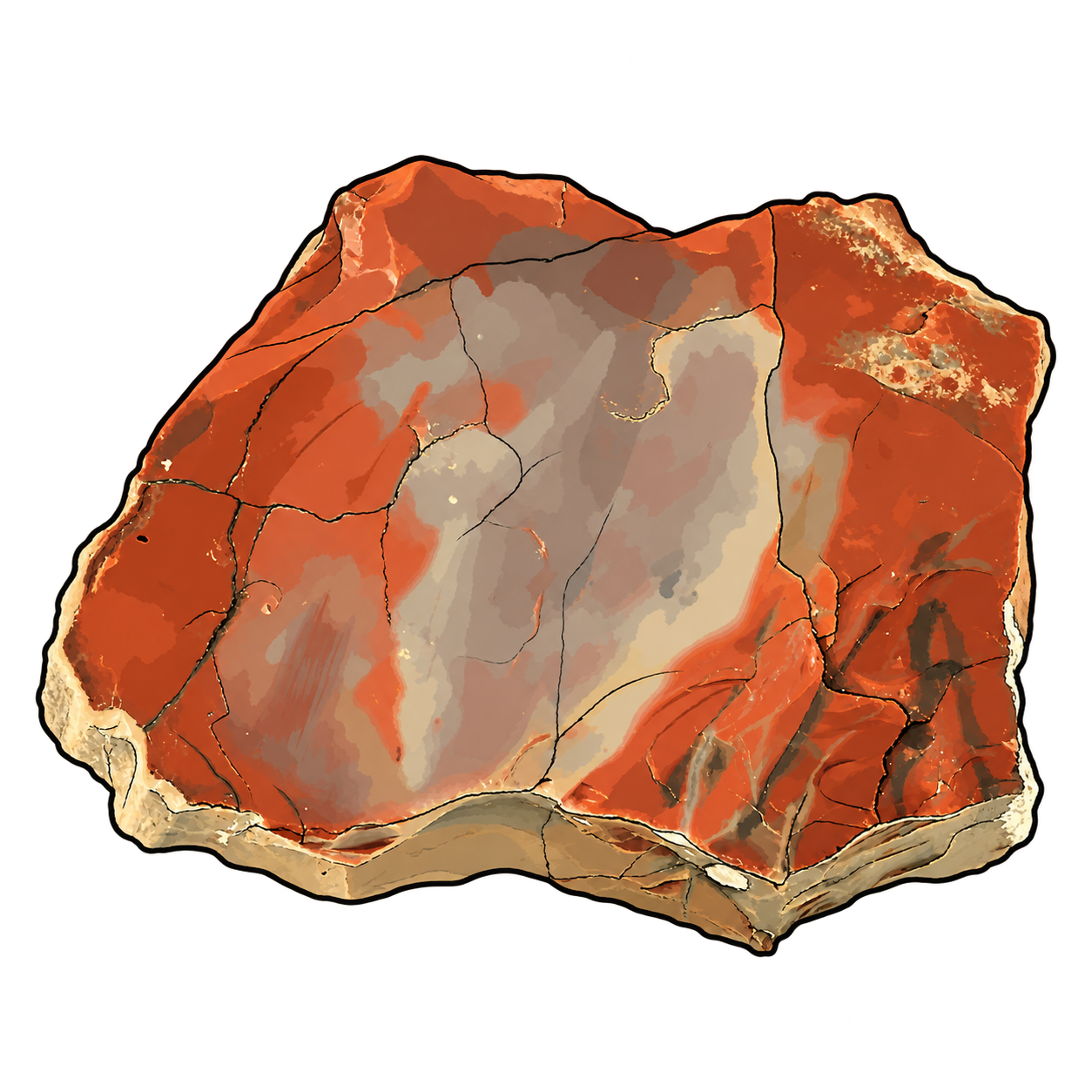
Warm-Colored Chalcedony, Carved and Worn Across Centuries
Orange to reddish chalcedony.
Carnelian is the orange to reddish-brown member of the chalcedony family.
Read the specimen guide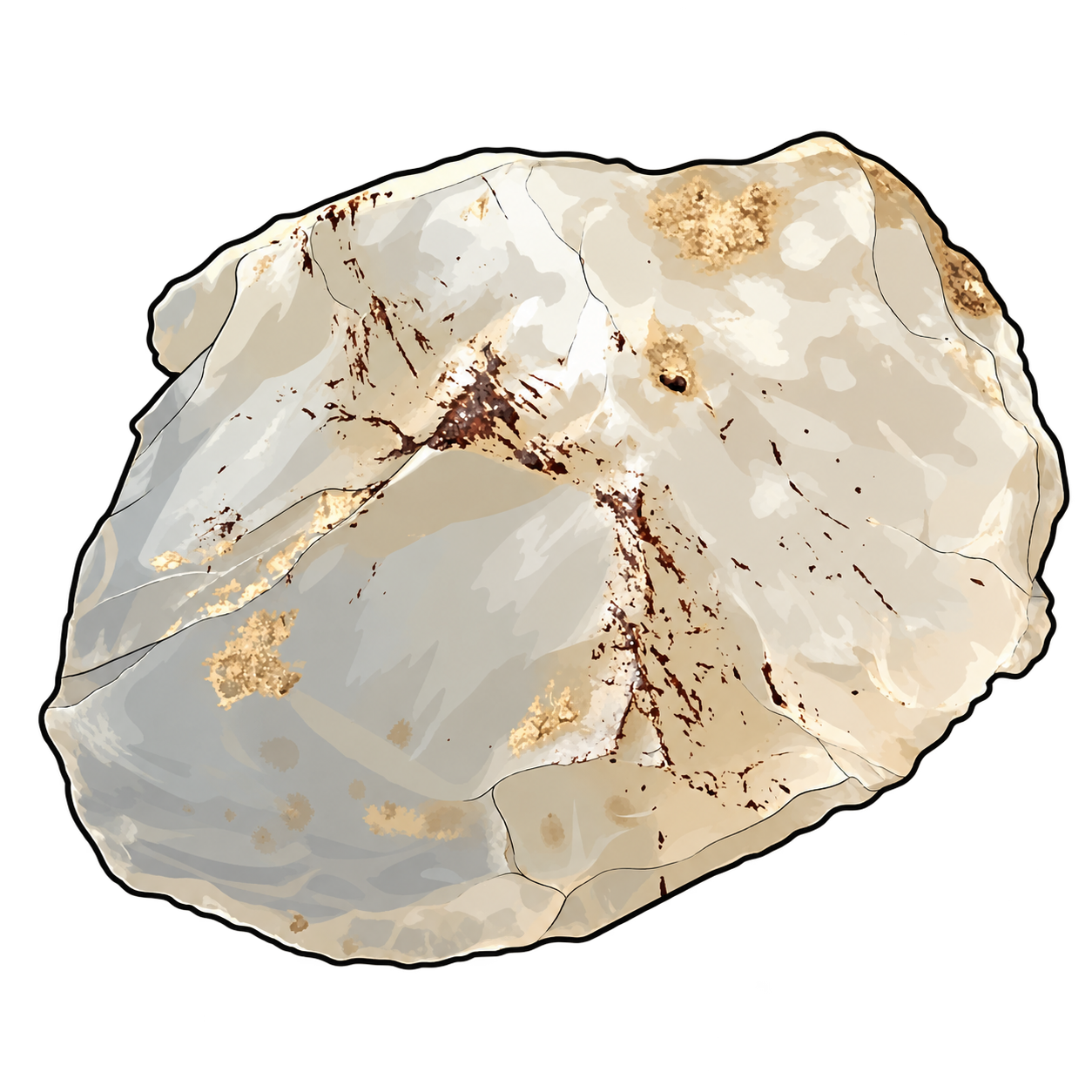
The Fine Structure Behind a Family of Gemstones
Microcrystalline/fibrous silica aggregate; includes many named gem varieties.
Chalcedony connects stones that can look entirely unlike one another: pale blue cabochons, orange carnelian, banded agate and green chrysoprase.
Read the specimen guide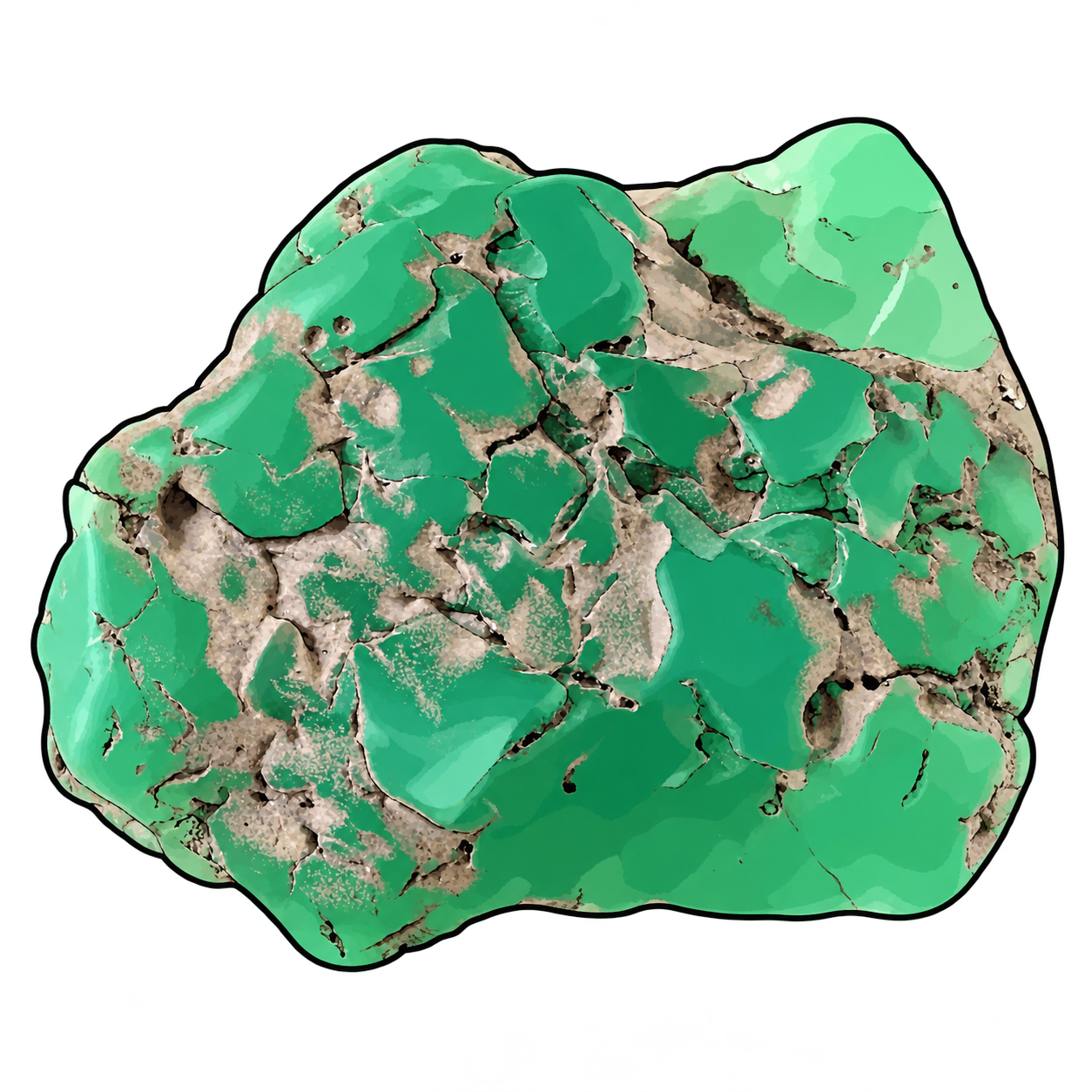
Nickel's Green Signature in Chalcedony
Nickel-colored green chalcedony.
Chrysoprase is green chalcedony whose color is associated with nickel-bearing material dispersed through its fine silica structure.
Read the specimen guide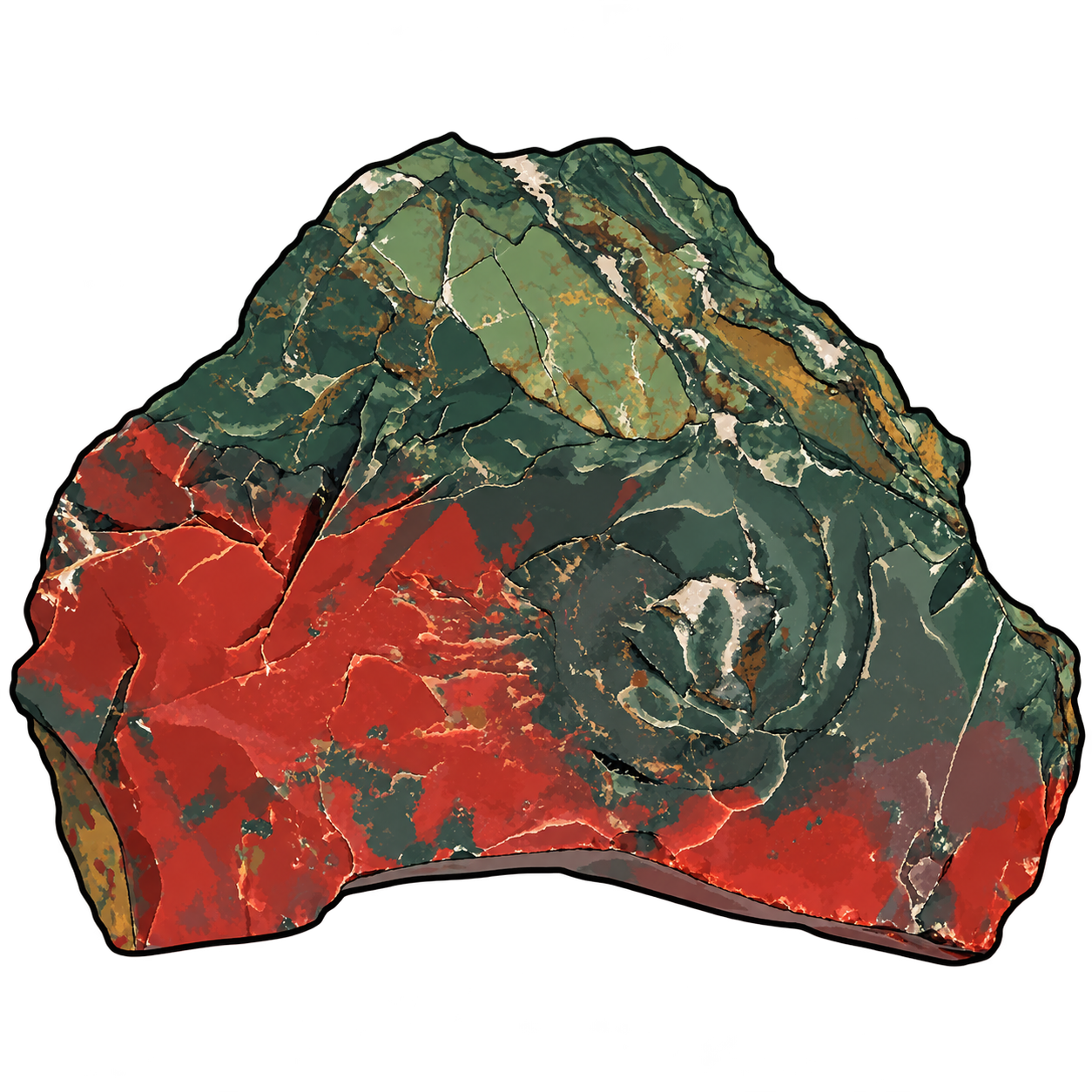
Green Silica Marked by Iron-Red Inclusions
Green chalcedony/jasper material with red markings.
Bloodstone, or heliotrope, is green chalcedony marked by red iron-oxide inclusions, commonly hematite.
Read the specimen guide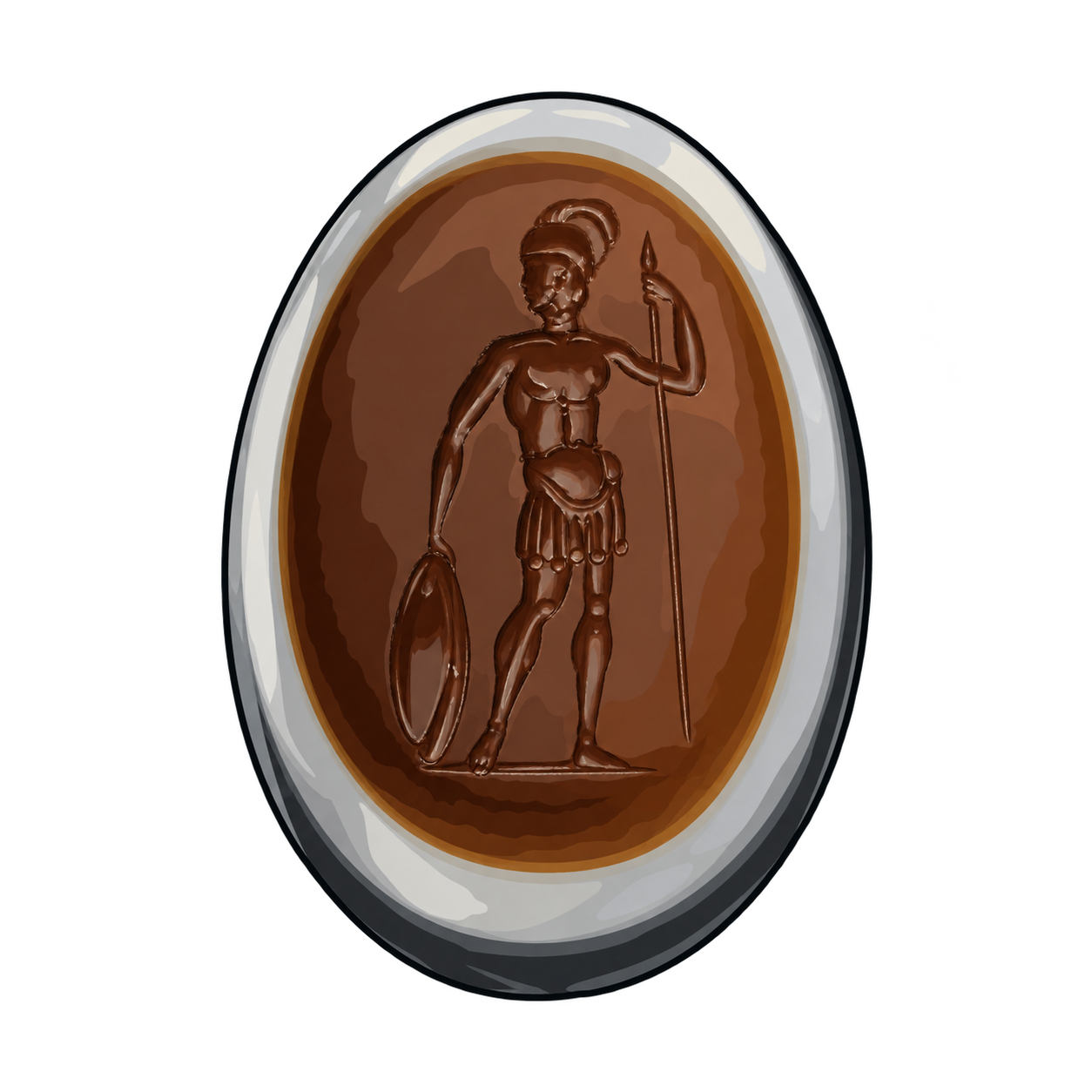
Layered Chalcedony for Seals, Cameos and Contrasting Color
Parallel-banded chalcedony; sardonyx includes sard-colored bands.
Onyx and sardonyx turn mineral layering into a design material.
Read the specimen guide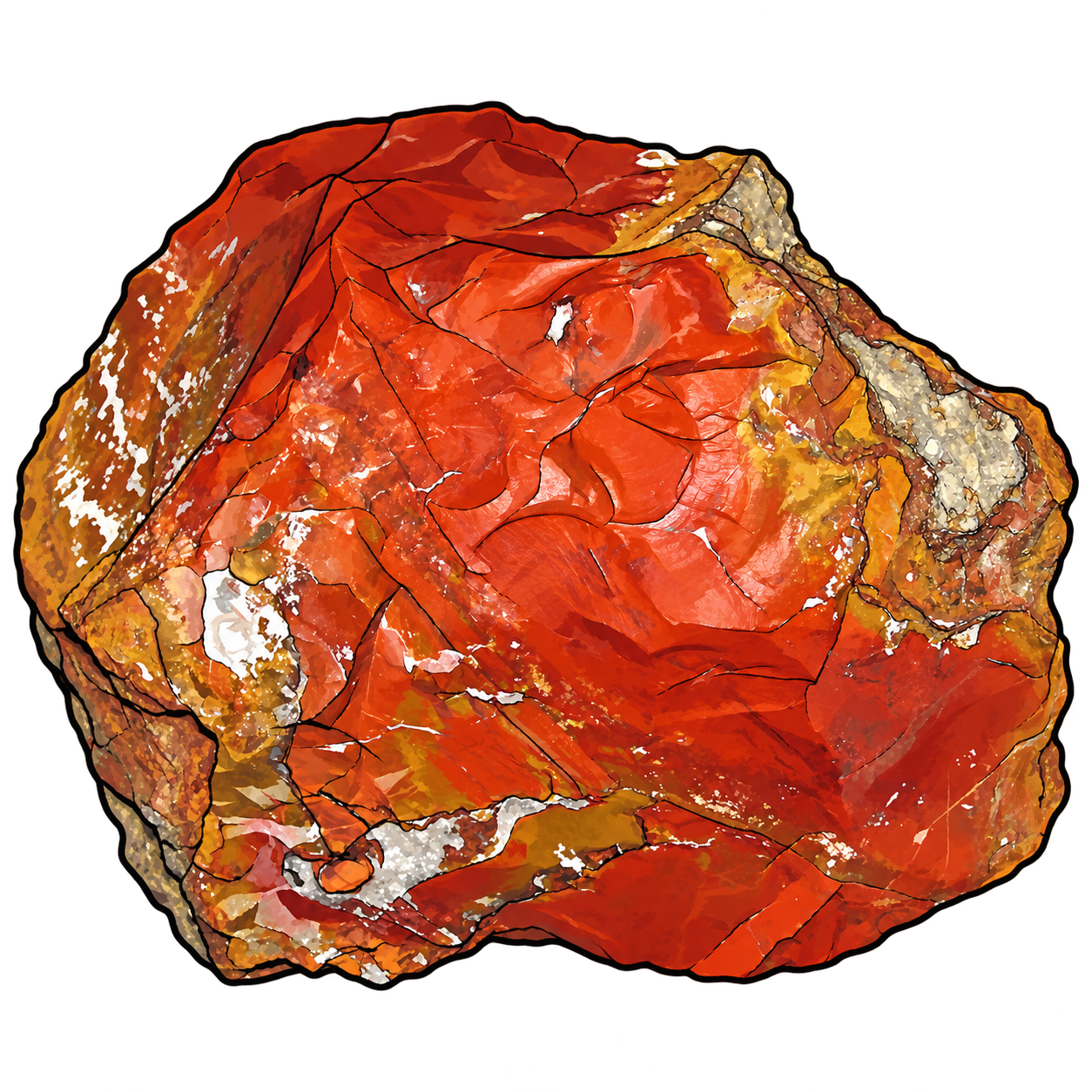
Opaque Silica in Color, Pattern and Geological Context
Opaque, impure, fine-grained silica-rich material; retail use of the name is broader.
Jasper is a broad name for opaque, fine-grained silica-rich material selected for its color and pattern.
Read the specimen guide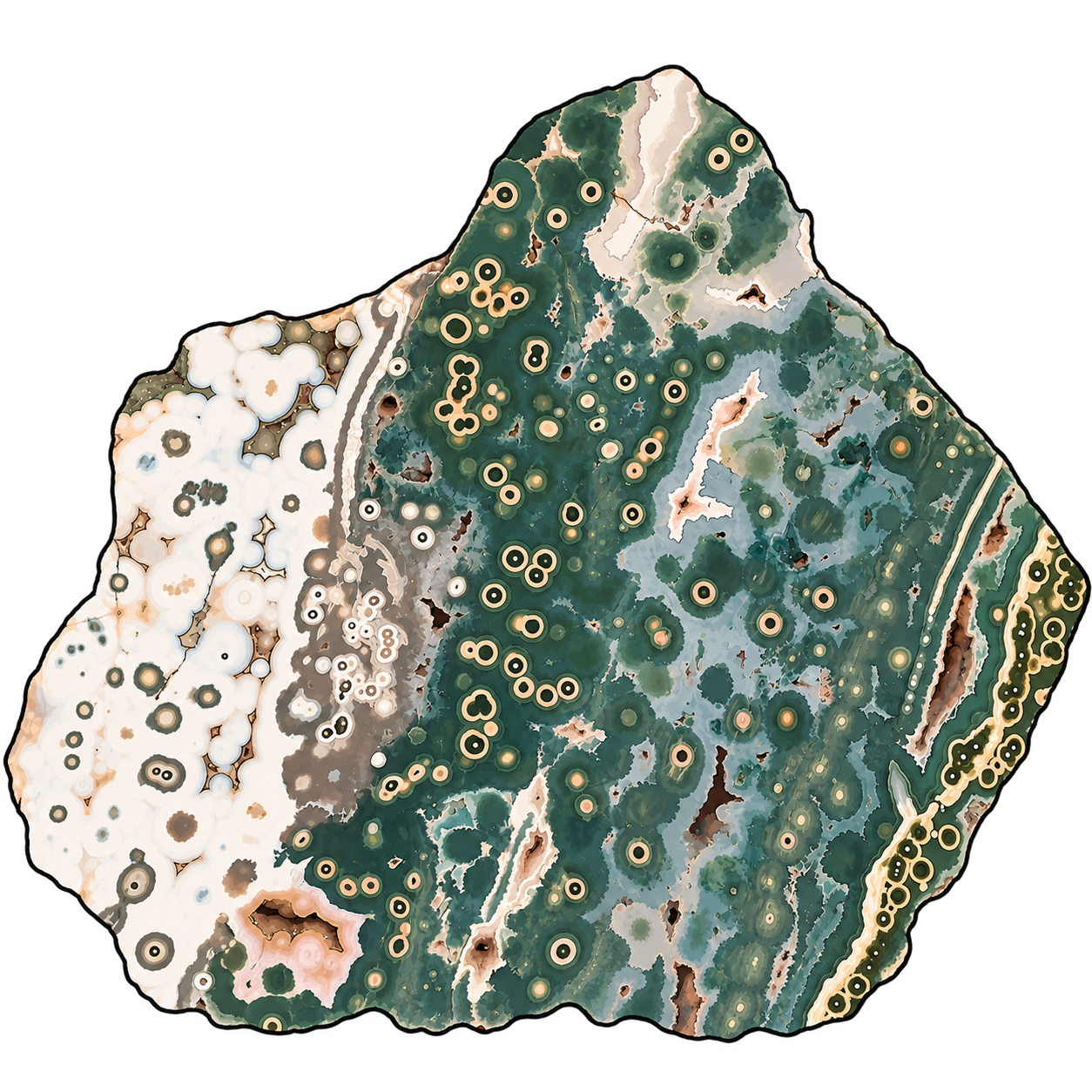
Orbicular Chalcedony from Madagascar
A lapidary trade name associated with orbicular silica-rich material from Madagascar.
Ocean Jasper is a trade name for patterned, silica-rich material from northwestern Madagascar.
Read the specimen guide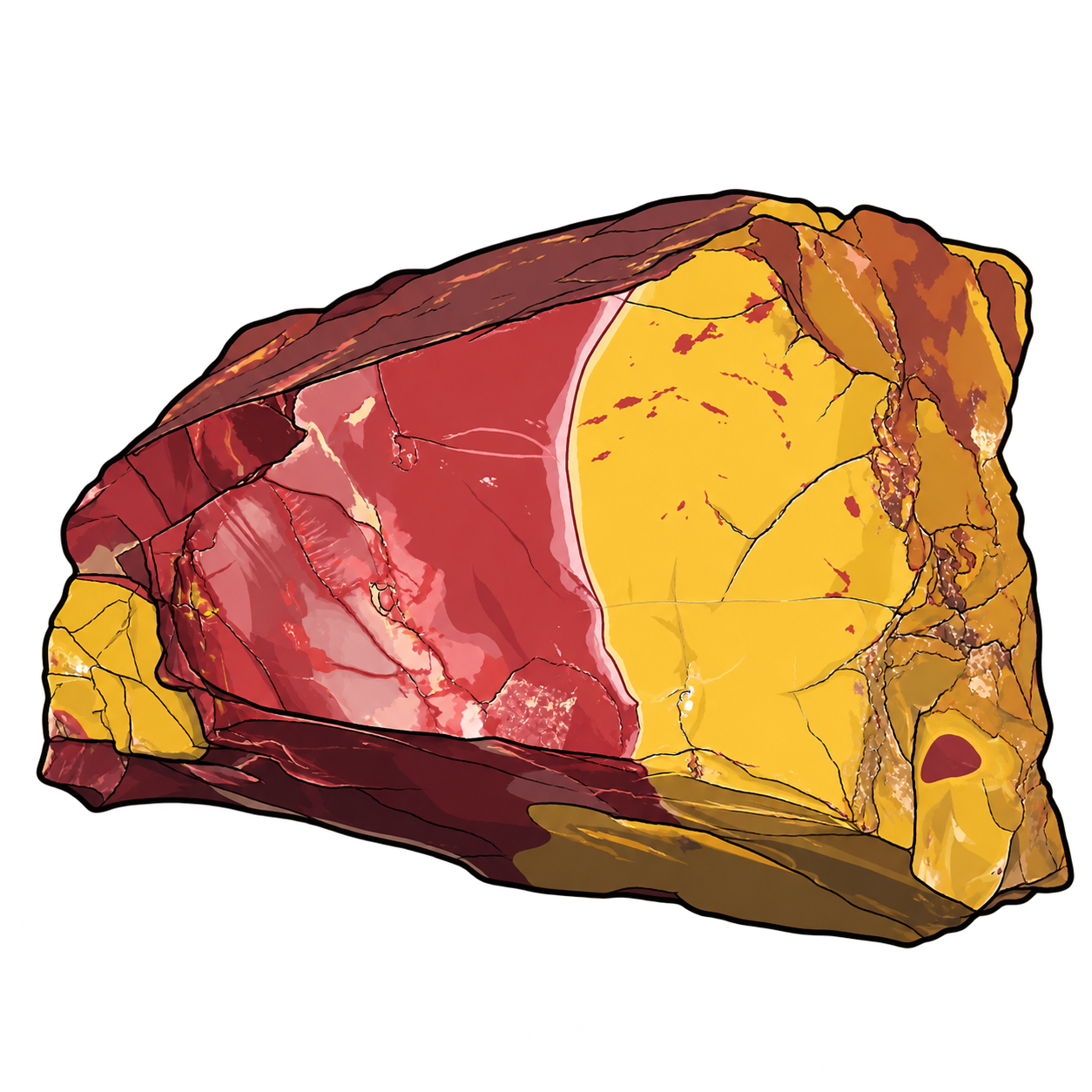
Western Australia's Radiolarian Stone in Red, Ochre and Cream
Silicified radiolarian sedimentary material from Western Australia.
Mookaite is a decorative rock from Western Australia, valued for broad fields of mustard yellow, cream, red and wine-purple.
Read the specimen guide