The Sea-Blue Variety of Beryl
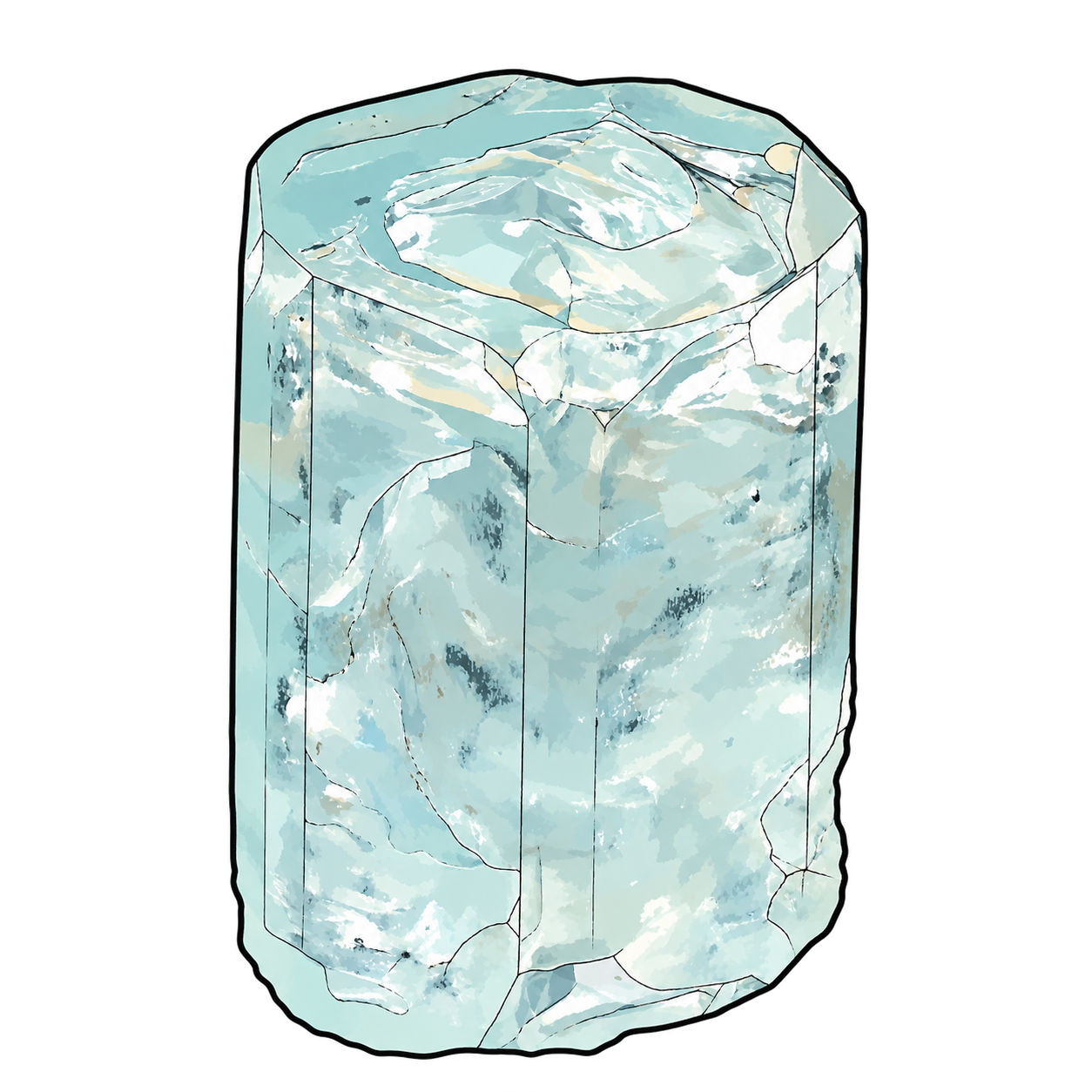
Aquamarine
Blue to blue-green beryl.
Aquamarine ranges from delicate greenish blue to a more concentrated blue.
Read the specimen guideLoading this page…
Return homePlease wait while the next page arrives.


The mineral atlas
Explore beryl, corundum, spodumene and other gem minerals through their composition, growth settings and color varieties. The moissanite guide separates rare natural silicon carbide from the laboratory-created gems ordinarily sold in jewelry.
14 specimens · Geology, history, and spiritual attributes
14 specimens
The Sea-Blue Variety of Beryl
Blue to blue-green beryl.
Aquamarine ranges from delicate greenish blue to a more concentrated blue.
Read the specimen guide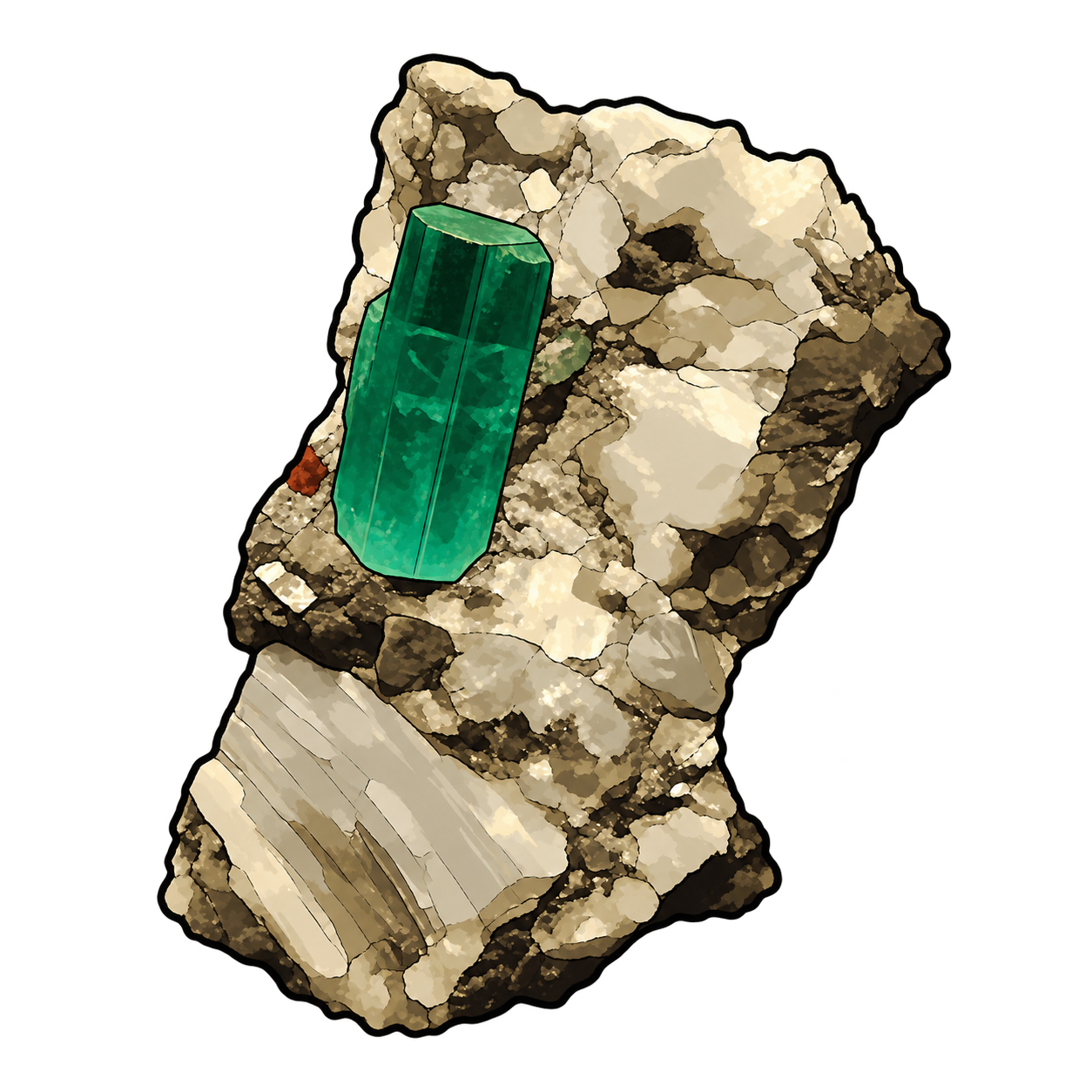
Green Beryl, Revealed Within
Green beryl in the gemological emerald range.
Emerald is the green to bluish-green variety of beryl.
Read the specimen guide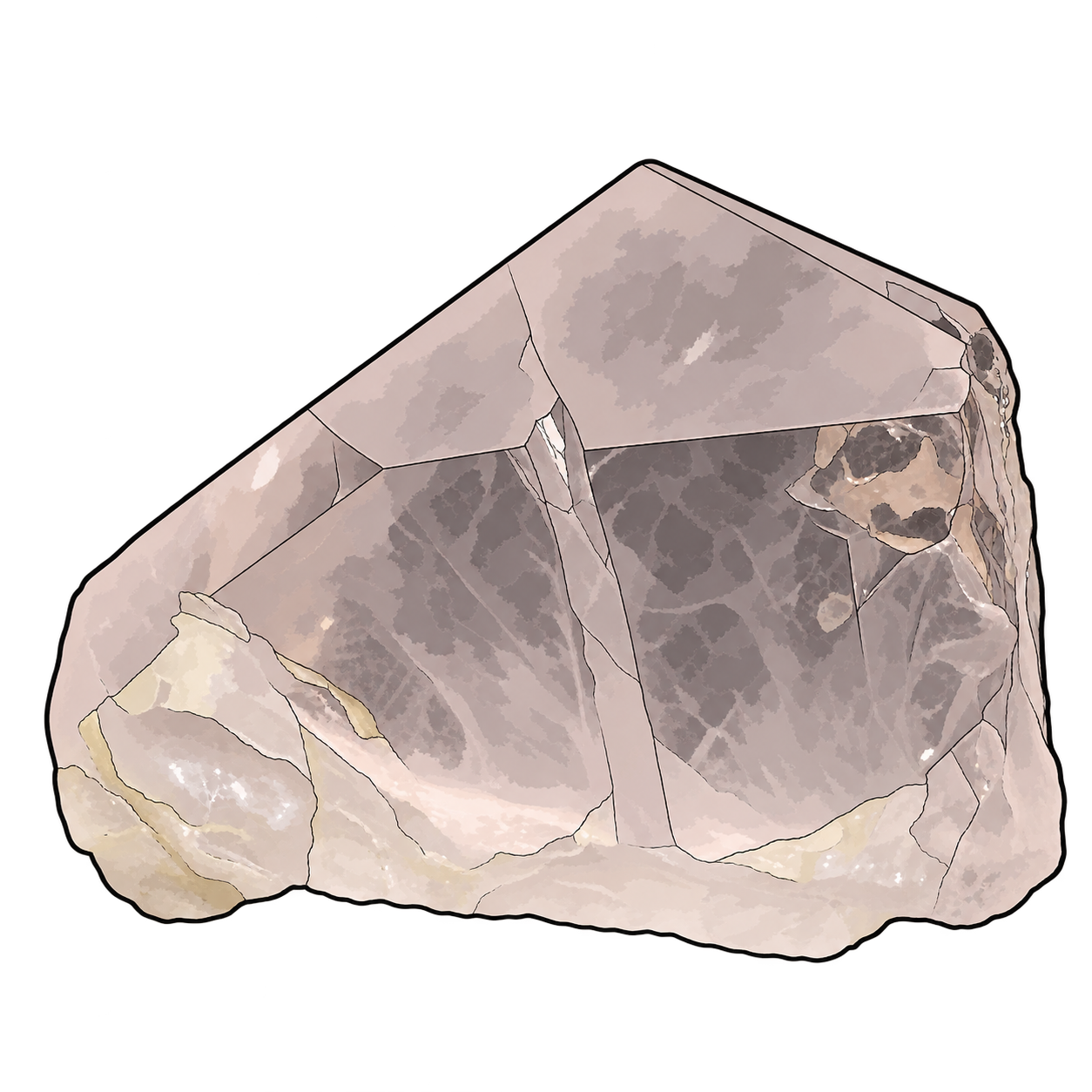
Pink Beryl, from Crystal to Jewel
Pink to orange-pink beryl.
Morganite is beryl in shades of pink, rose, peach and pale violet.
Read the specimen guide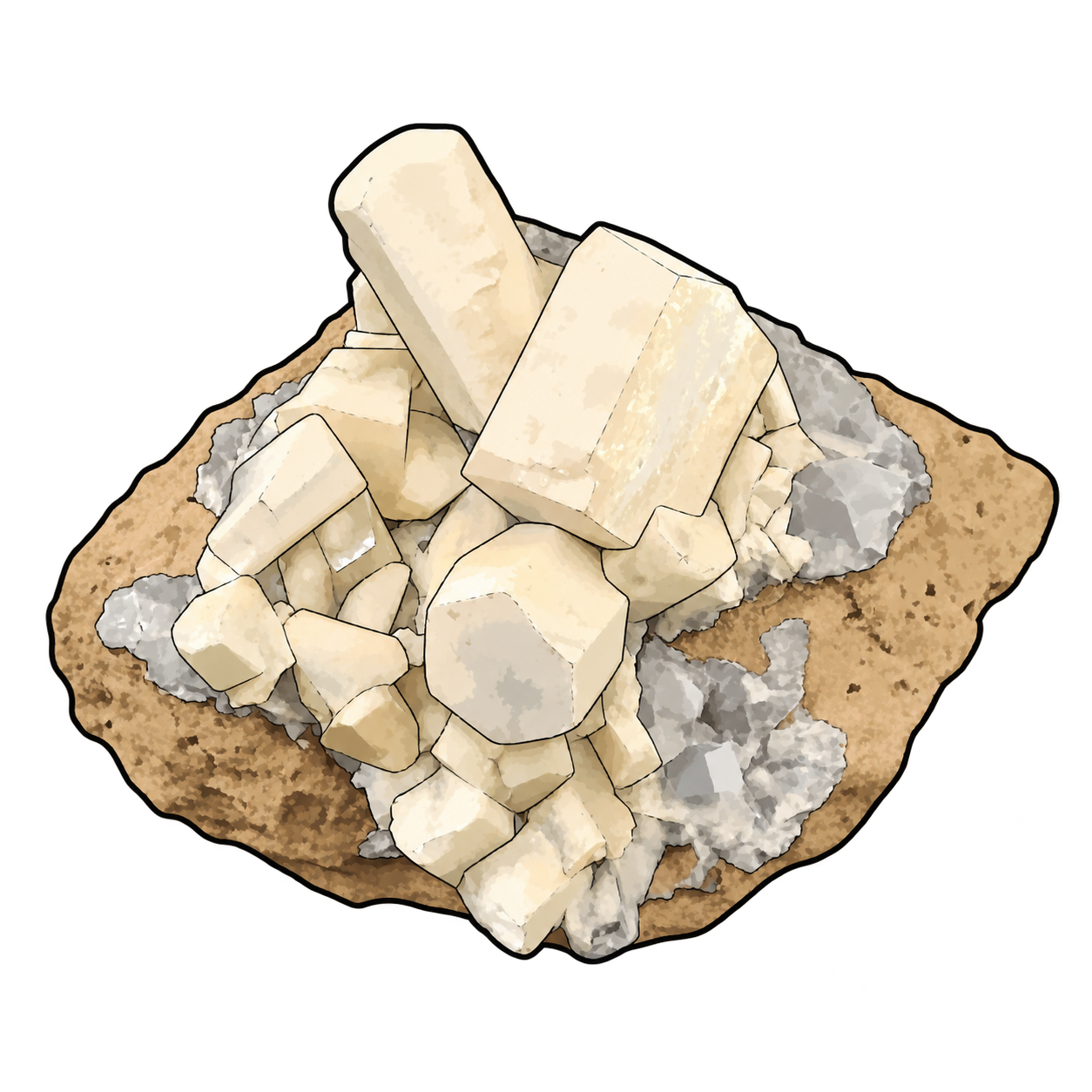
Goshenite, heliodor and the mineral behind a spectrum of gems
Beryl family material outside the dedicated aquamarine, emerald and morganite pages.
Beryl is the mineral species; emerald, aquamarine, morganite, heliodor and goshenite are names used for particular appearances within it.
Read the specimen guide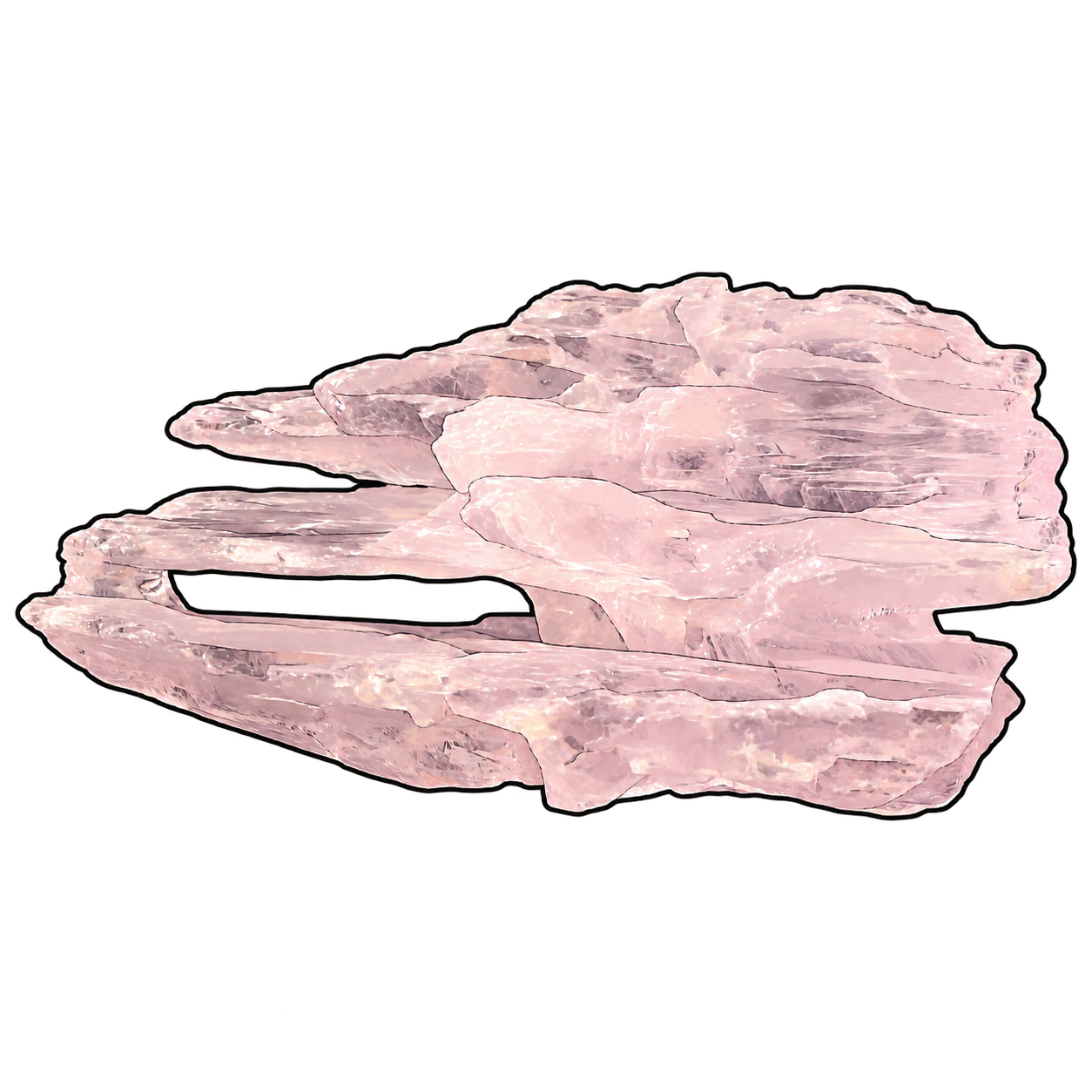
Pink and green spodumene, with color that deserves a precise name
Colored varieties of spodumene.
Spodumene is a monoclinic pyroxene, commonly forming flattened, elongated crystals with lengthwise striations.
Read the specimen guide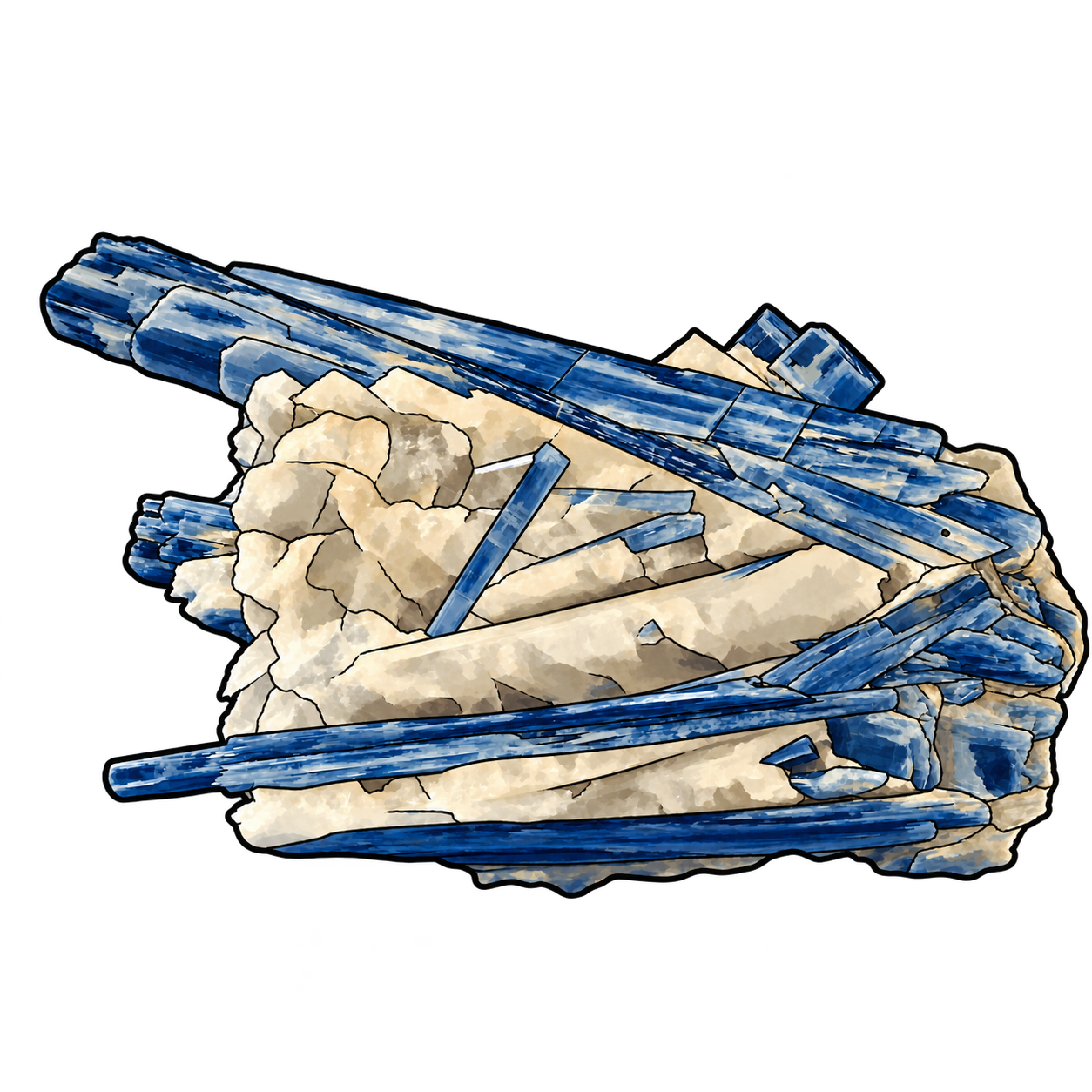
Blue blades that reveal the importance of direction
Aluminium silicate mineral, polymorphous with andalusite and sillimanite.
Kyanite is triclinic and frequently grows as flattened blades, sometimes bent or intergrown.
Read the specimen guide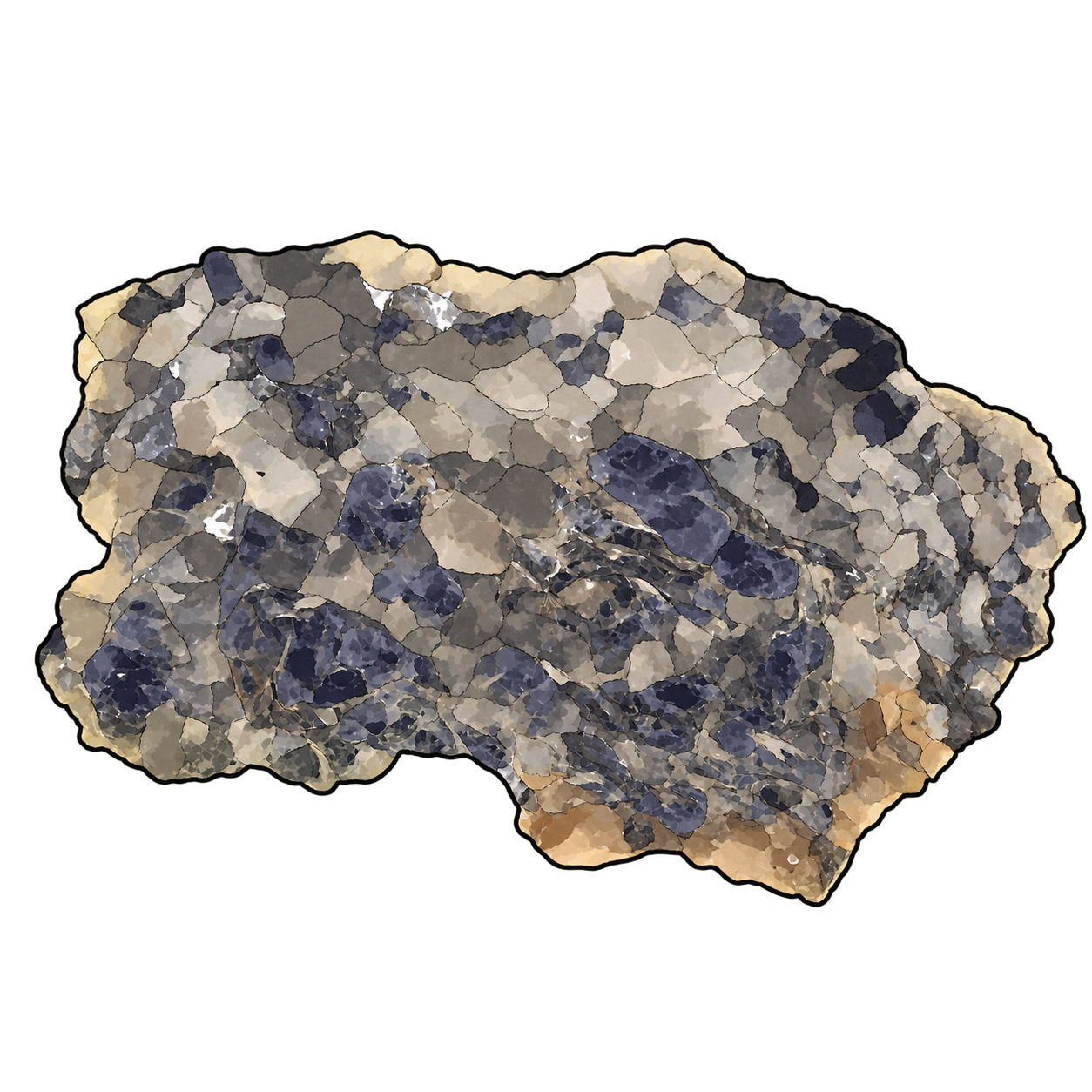
Violet-blue cordierite and the art of changing perspective
Gem-quality cordierite, often violet-blue and strongly pleochroic.
Iolite is gem-quality cordierite, an orthorhombic mineral that often occurs as granular or compact masses rather than conspicuous free-standing crystals.
Read the specimen guide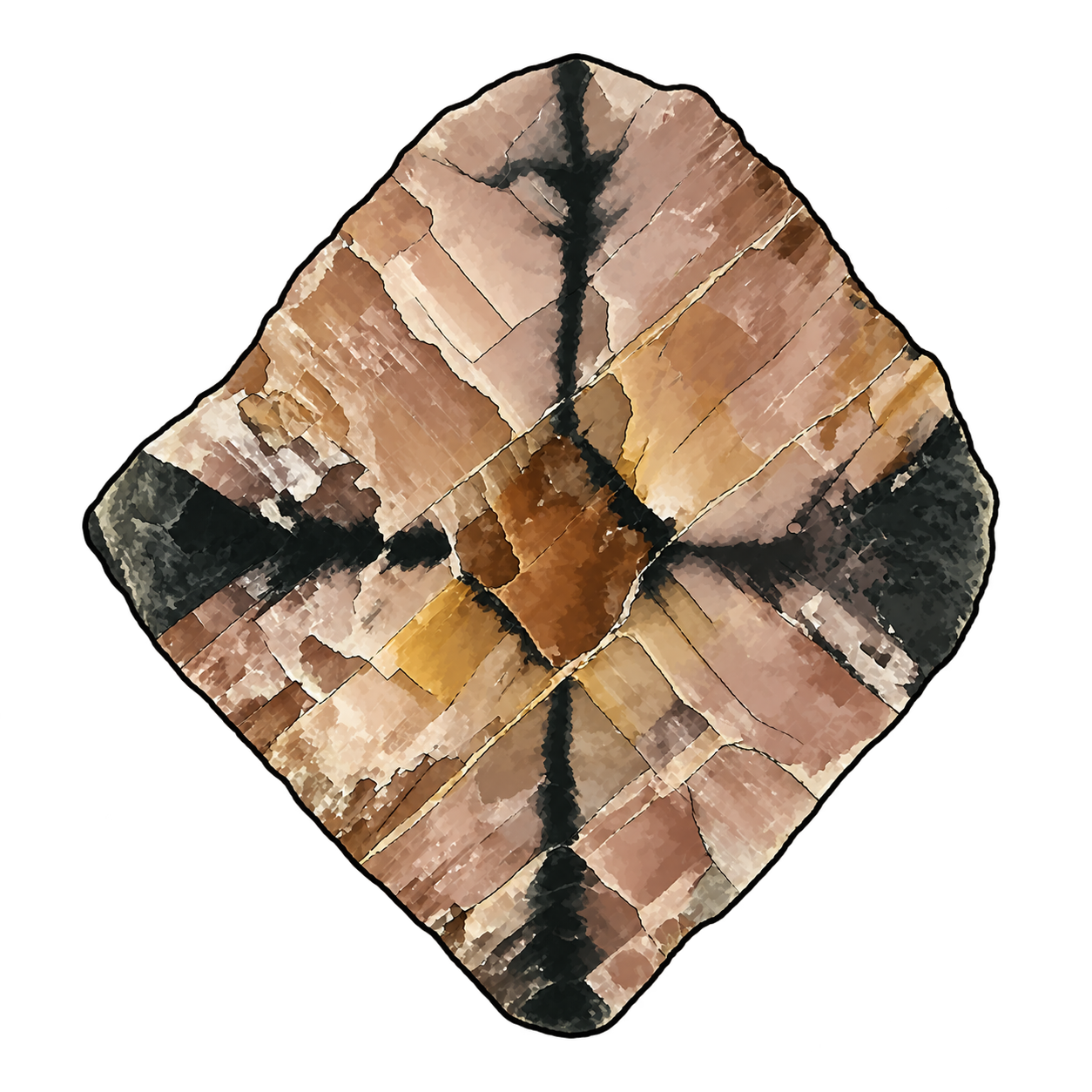
Color in three directions; a cross within the crystal
Andalusite; chiastolite is the cross-patterned inclusion variety.
Andalusite shares the composition Al2SiO5 with kyanite and sillimanite, but their atoms occupy different structures.
Read the specimen guide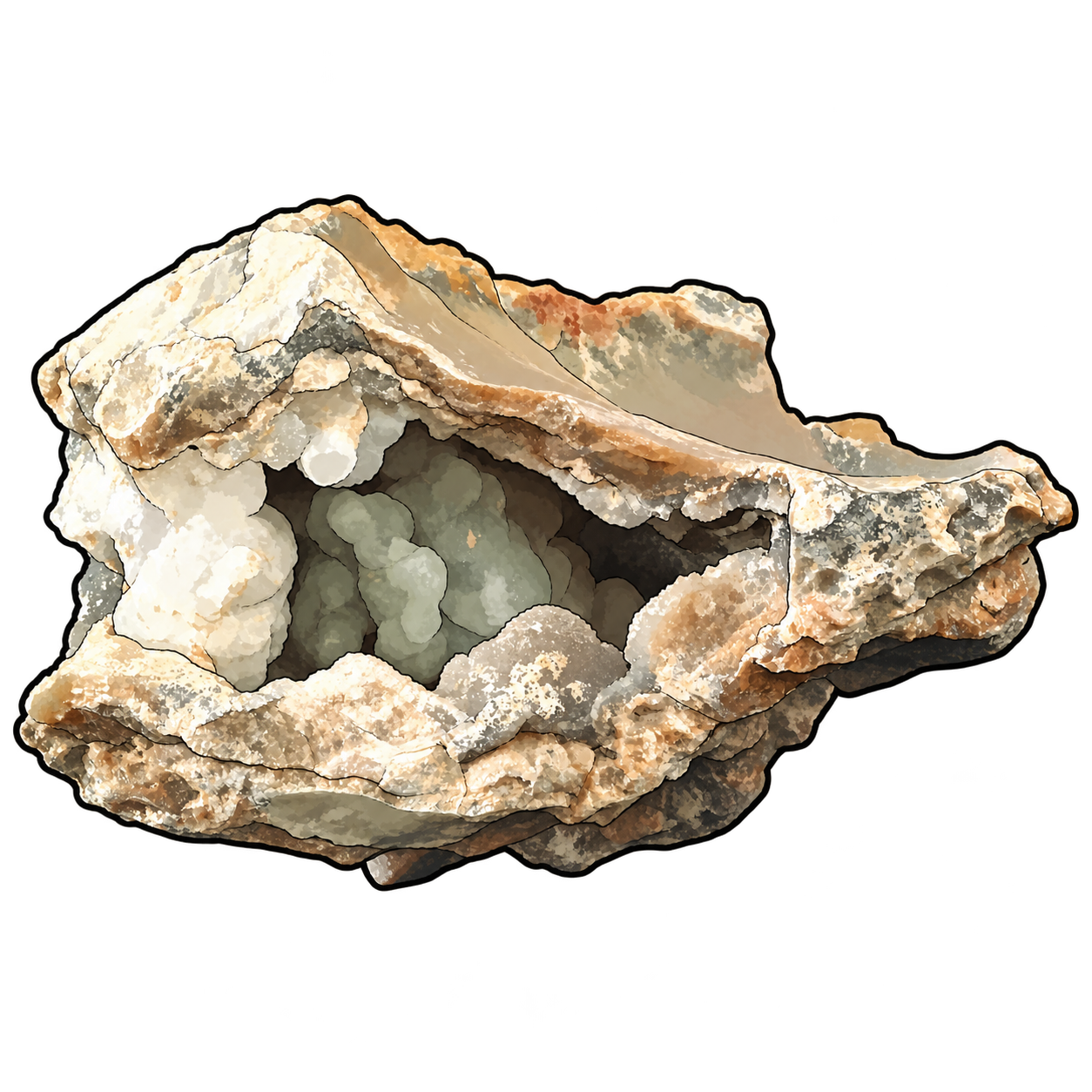
Pale green growth within the spaces of older rock
Calcium aluminium silicate, often pale green and botryoidal.
Prehnite is a distinct mineral, not a pale kind of jade or quartz.
Read the specimen guide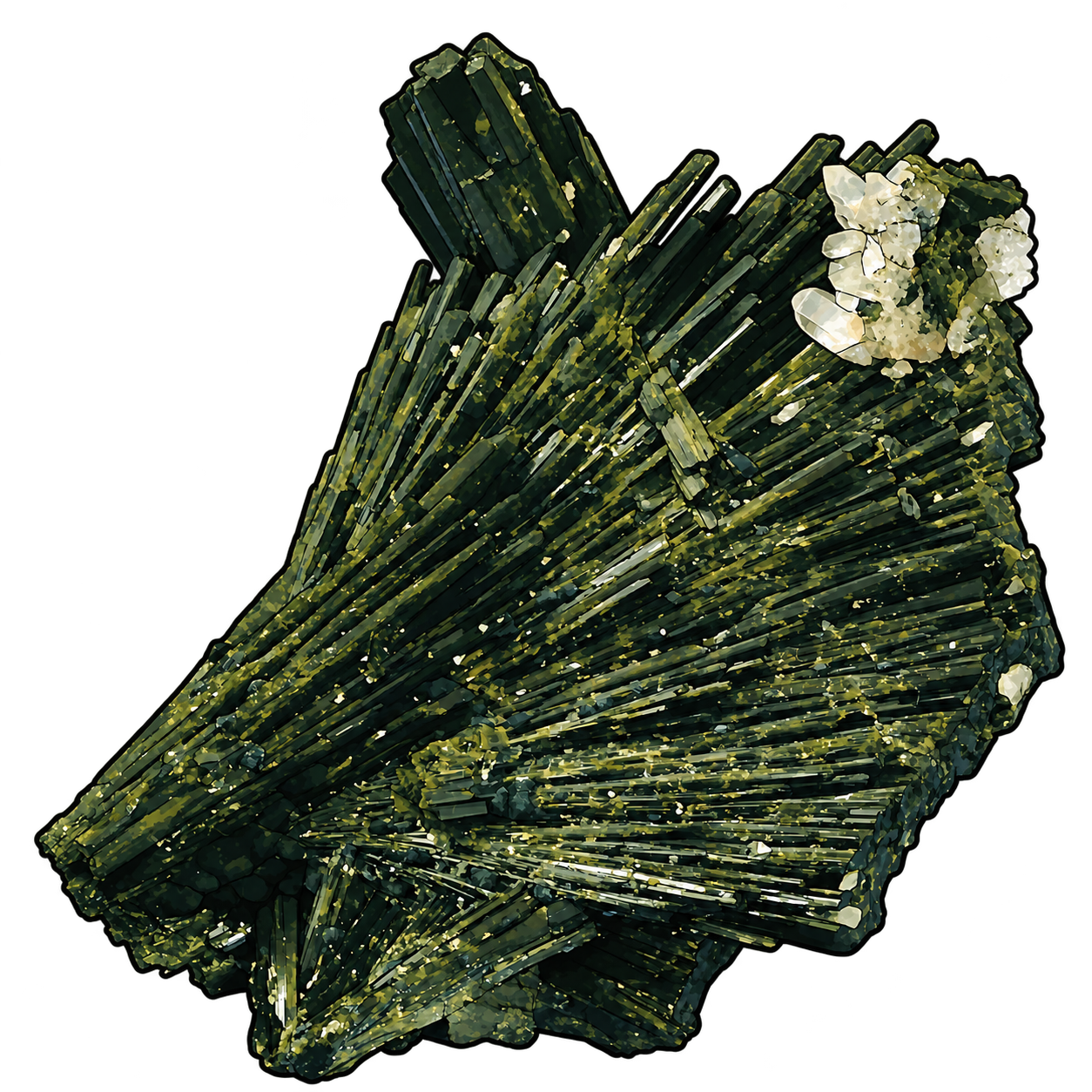
Dark prisms, green interiors and the evidence of alteration
Calcium aluminium iron silicate in the epidote group.
Epidote contains calcium, aluminum, ferric iron, silicon, oxygen and hydroxyl.
Read the specimen guide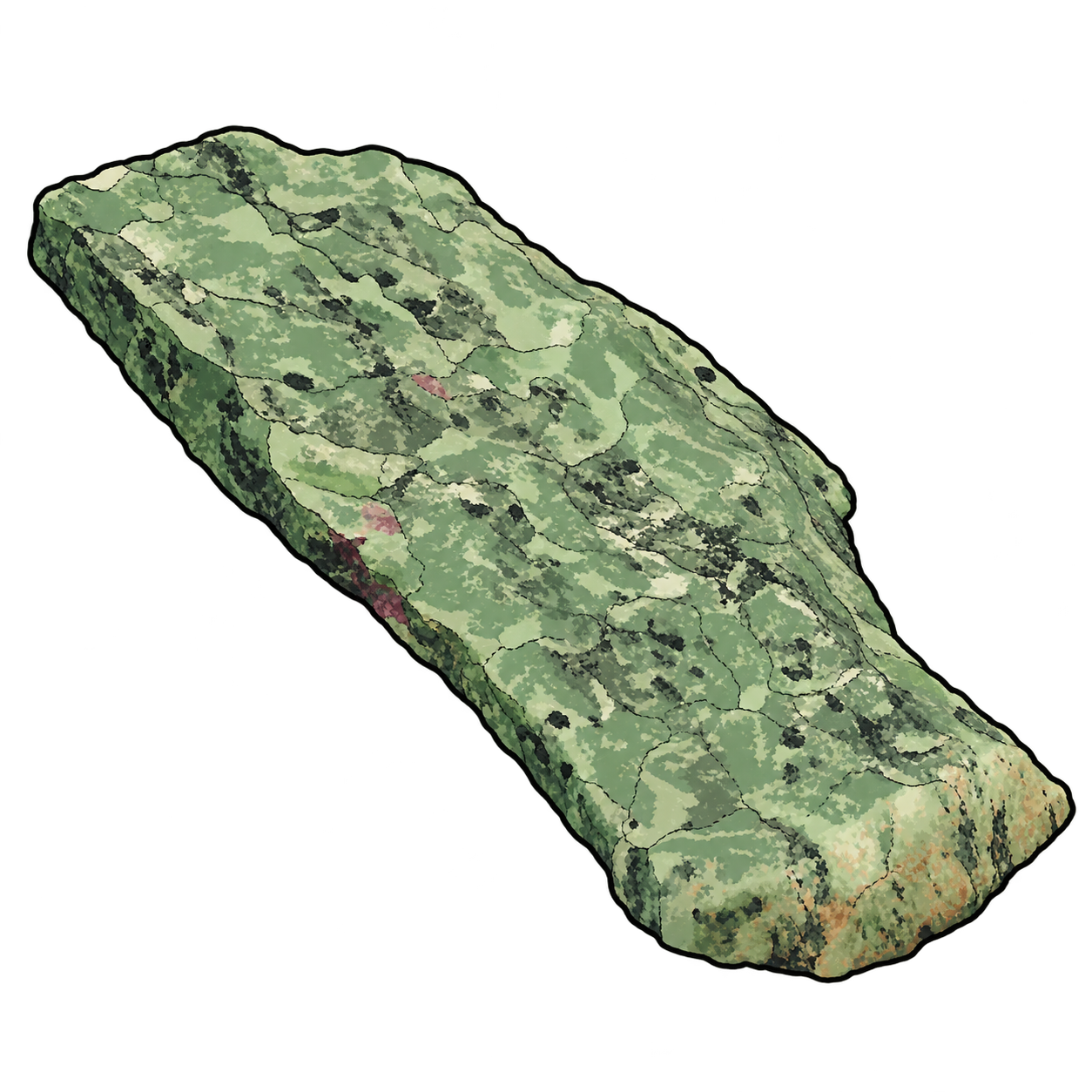
One mineral species, several distinctive expressions
Zoisite mineral; tanzanite is blue-violet gem zoisite.
Zoisite is an orthorhombic calcium–aluminum silicate containing hydroxyl.
Read the specimen guide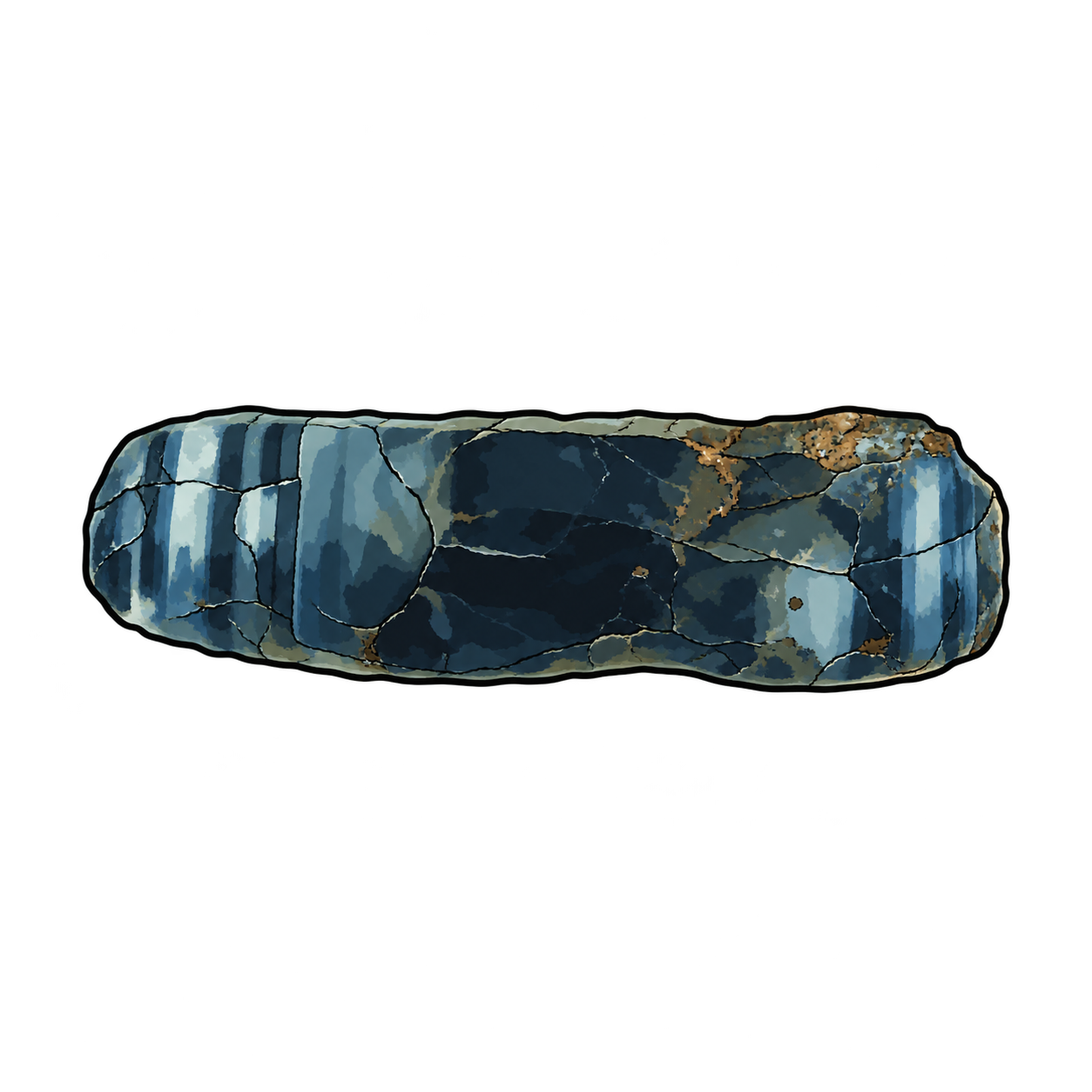
Corundum's colors, histories and hidden distinctions
Red and other colored gem varieties of corundum.
Corundum is aluminum oxide.
Read the specimen guide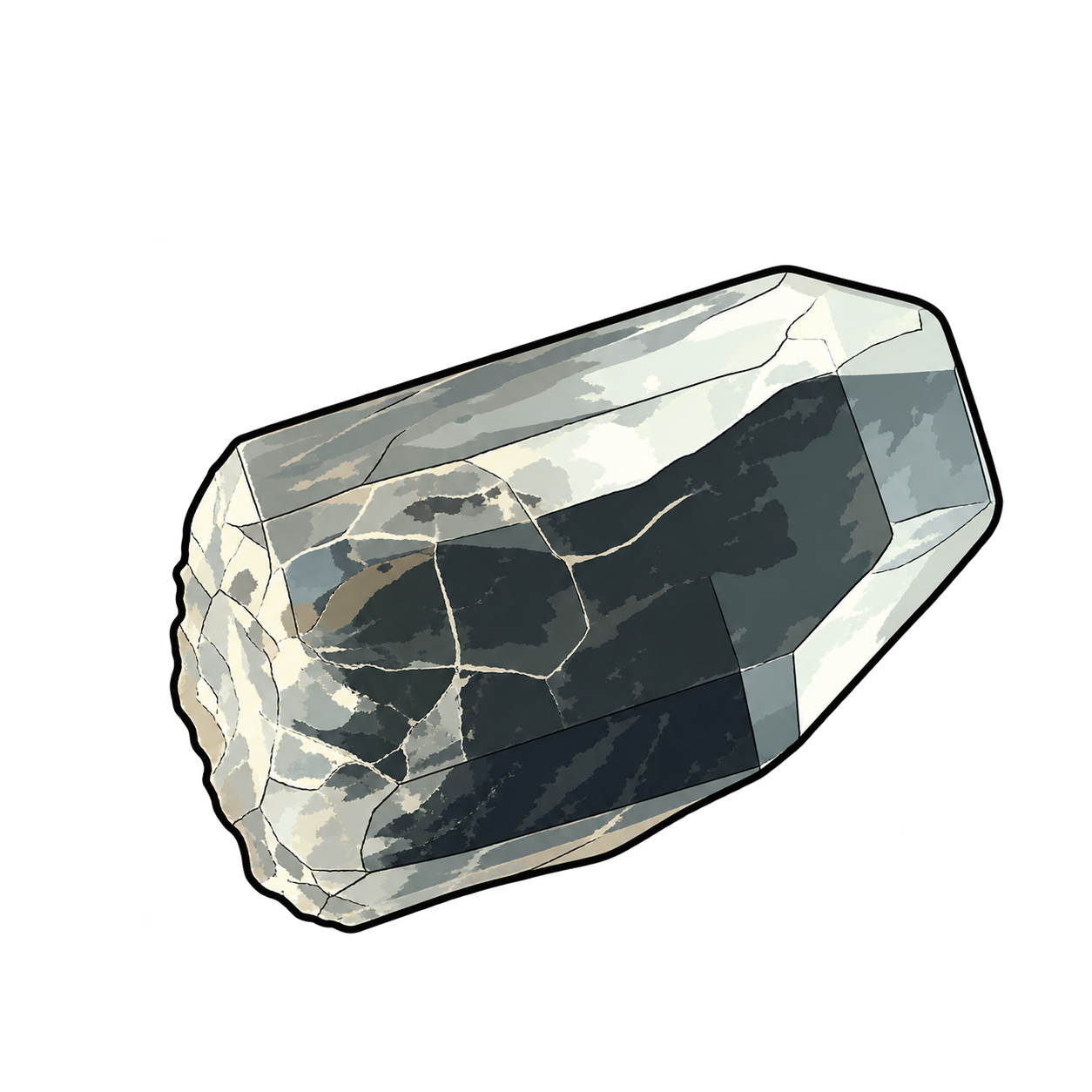
More than a familiar blue
Aluminium fluorine/hydroxyl silicate mineral.
Topaz is an aluminium silicate containing fluorine and hydroxyl.
Read the specimen guide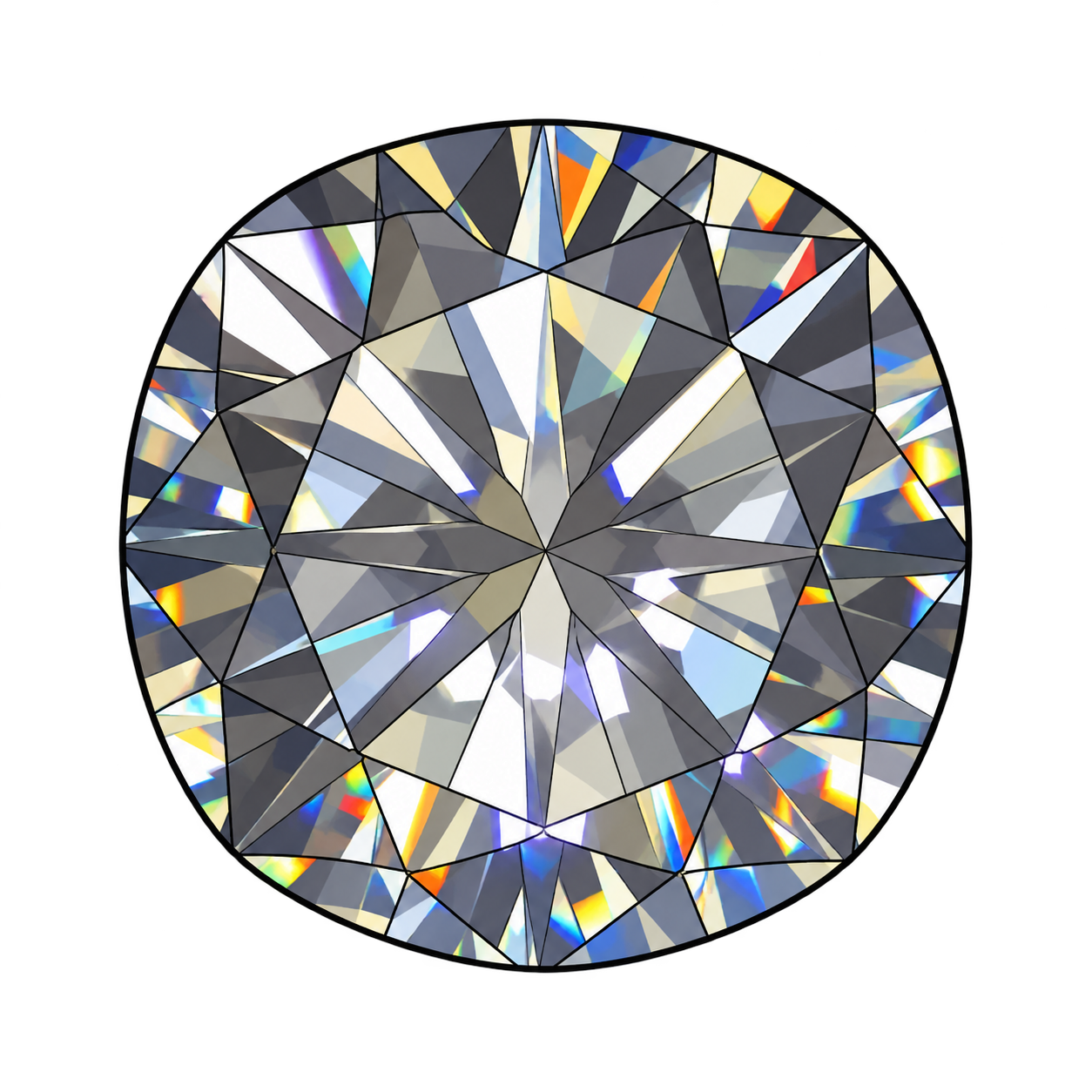
Silicon Carbide, Natural Rarity and a Grown Gem's Fire
Silicon carbide (SiC); rare natural mineral, with laboratory-created material supplying the gem trade.
Moissanite brings together two different stories: rare natural silicon carbide and deliberately grown crystals made into brilliant jewelry.
Read the specimen guide