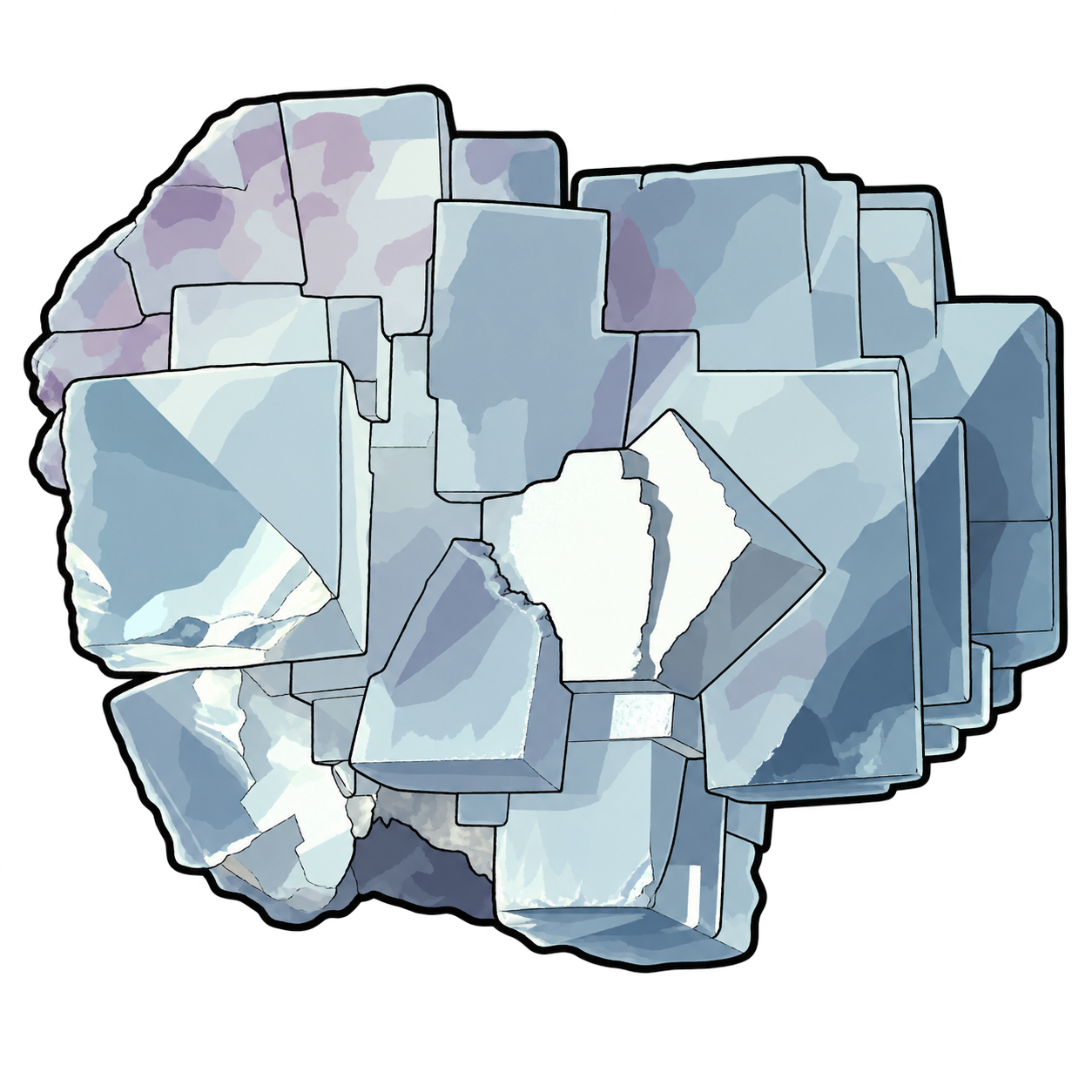
Color with an architectural edge
Fluorite
Calcium fluoride (CaF2).
Fluorite is calcium fluoride, a halide rather than a silicate.
Read the specimen guideLoading this page…
Return homePlease wait while the next page arrives.


The mineral atlas
Compare fluorite, carbonates, sulfates, phosphates and copper-bearing minerals. The guides connect recognizable colors and crystal forms with the chemistry, deposit settings and worked objects that explain them.
12 specimens · Geology, history, and spiritual attributes
12 specimens
Color with an architectural edge
Calcium fluoride (CaF2).
Fluorite is calcium fluoride, a halide rather than a silicate.
Read the specimen guide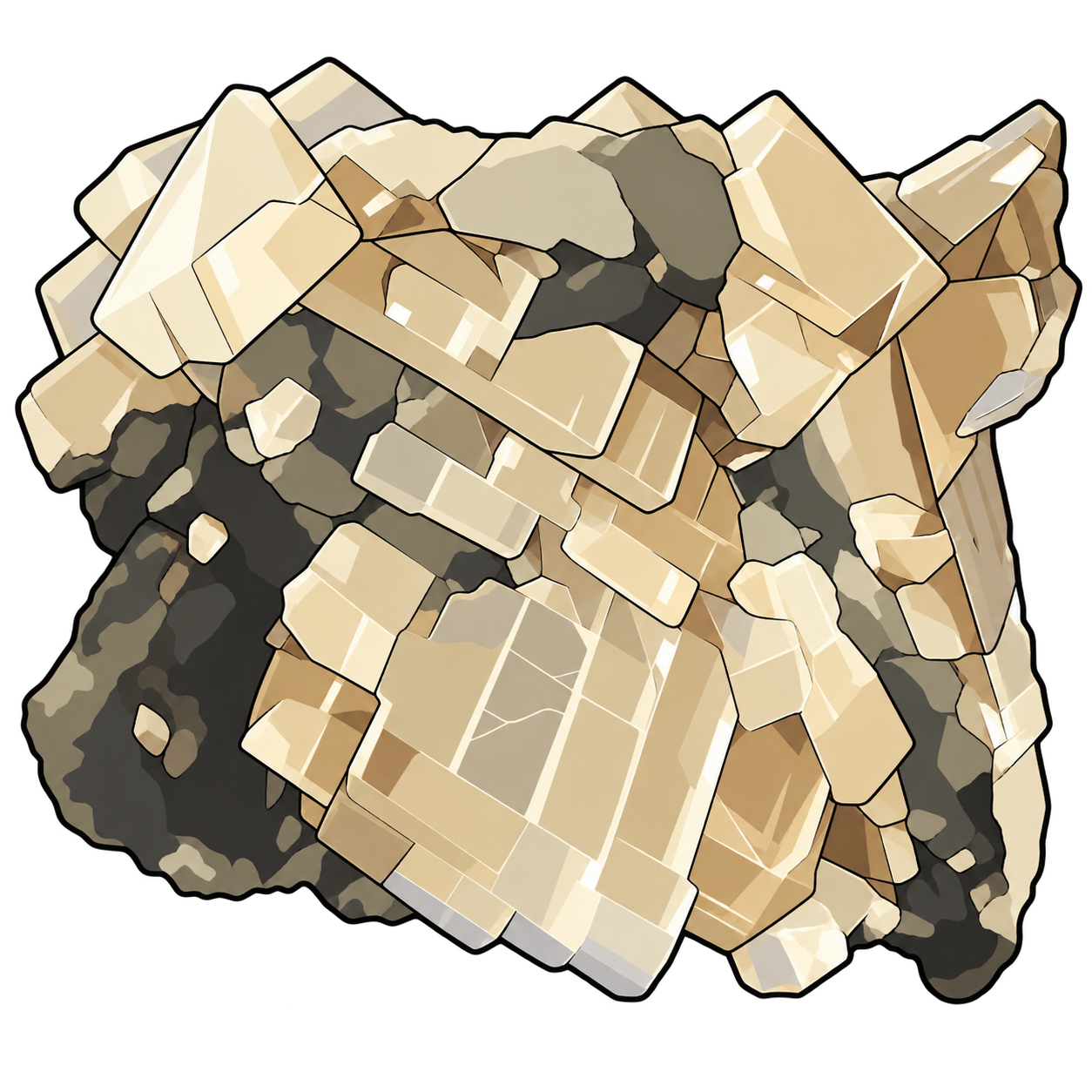
The mineral that makes a double image
Calcium carbonate (CaCO3).
Calcite is calcium carbonate with a trigonal structure.
Read the specimen guide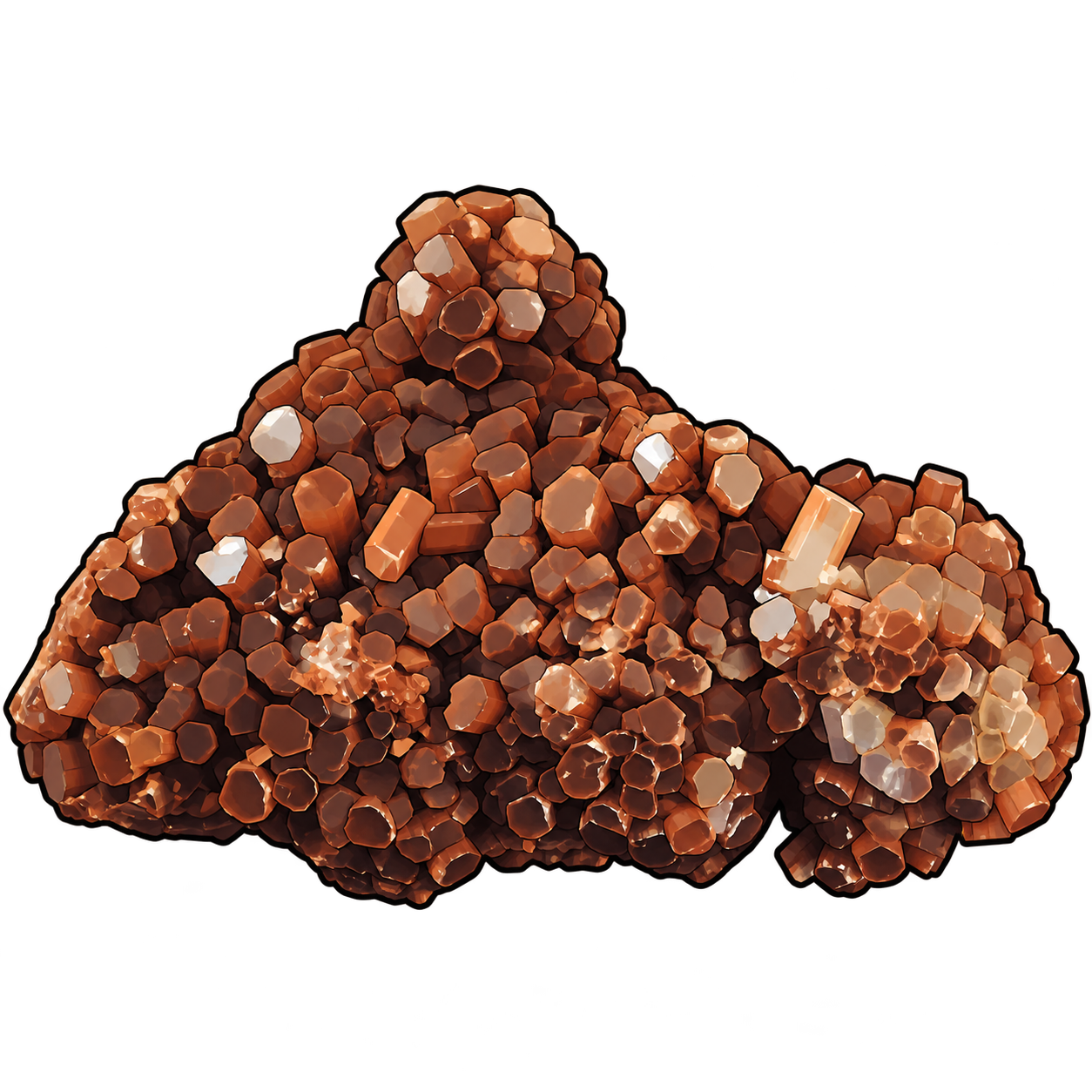
The carbonate that builds in another way
A calcium-carbonate polymorph distinct from calcite.
Aragonite and calcite have the same chemical formula but different atomic arrangements.
Read the specimen guide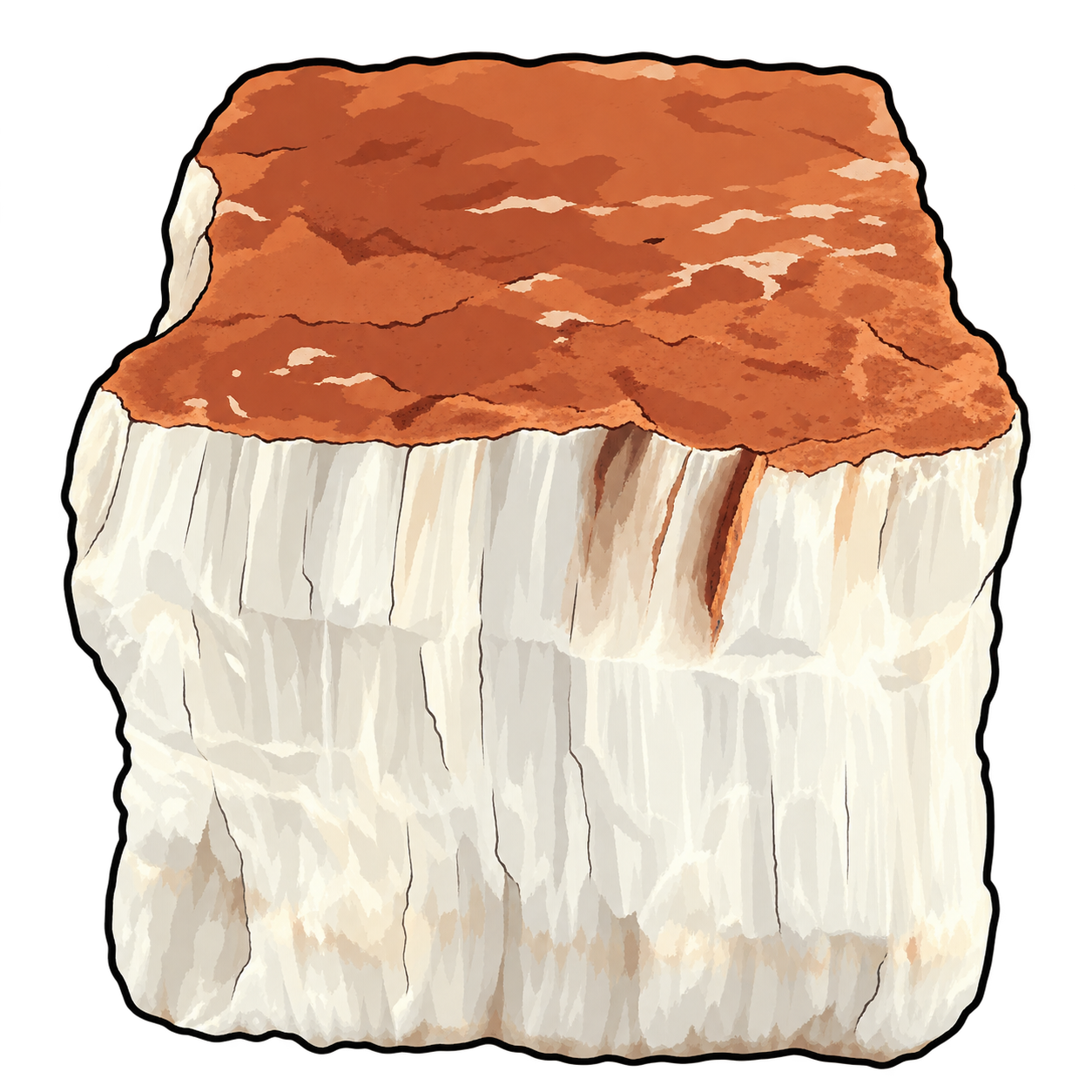
Clear plates, silken fibers and carved stone
Hydrated calcium sulfate (CaSO4·2H2O).
Gypsum contains water as part of its crystal structure: the formula includes two water molecules for each calcium sulfate unit.
Read the specimen guide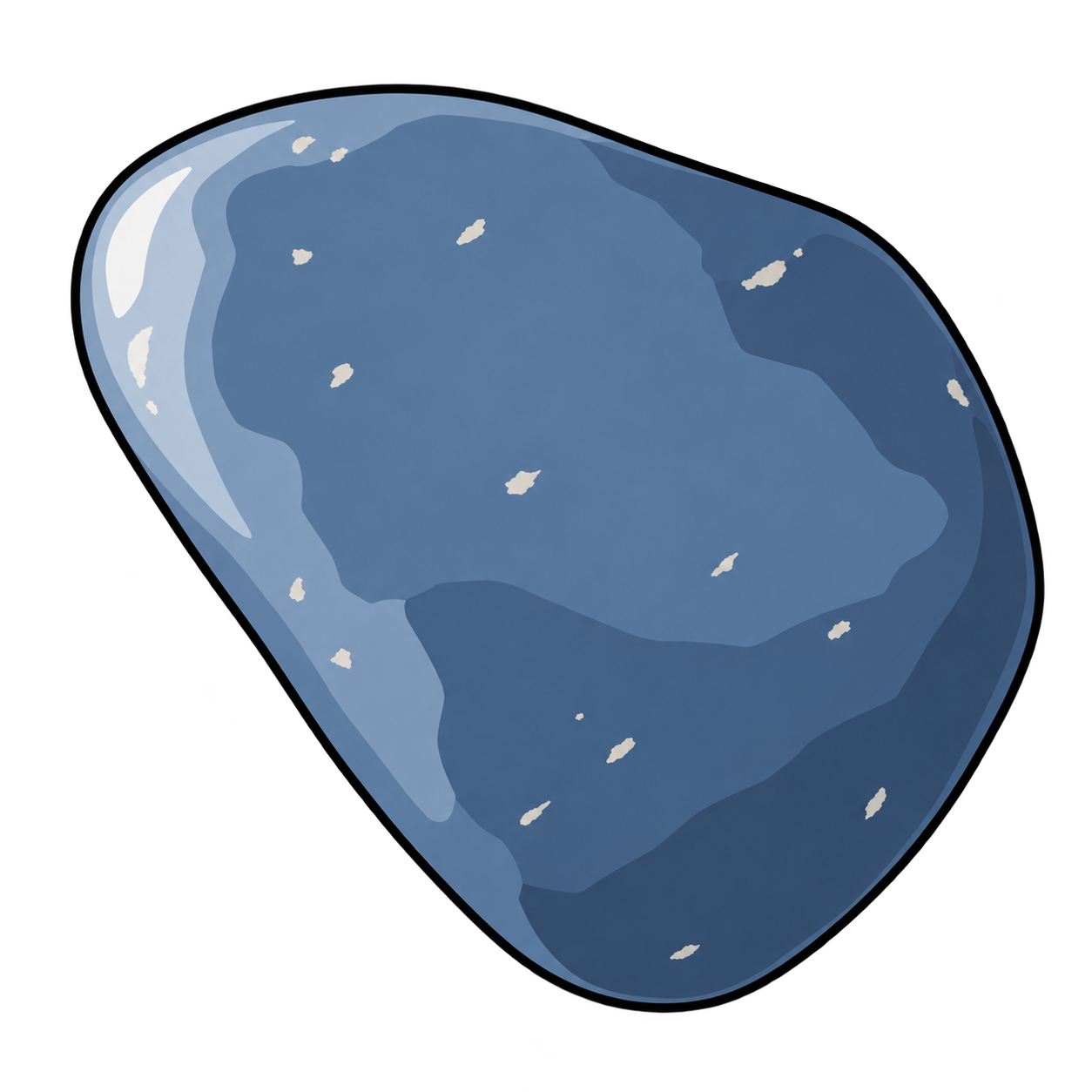
A blue stone with two histories
Trade name for blue-grey massive anhydrite.
Angelite is blue anhydrite rather than a separate mineral species.
Read the specimen guide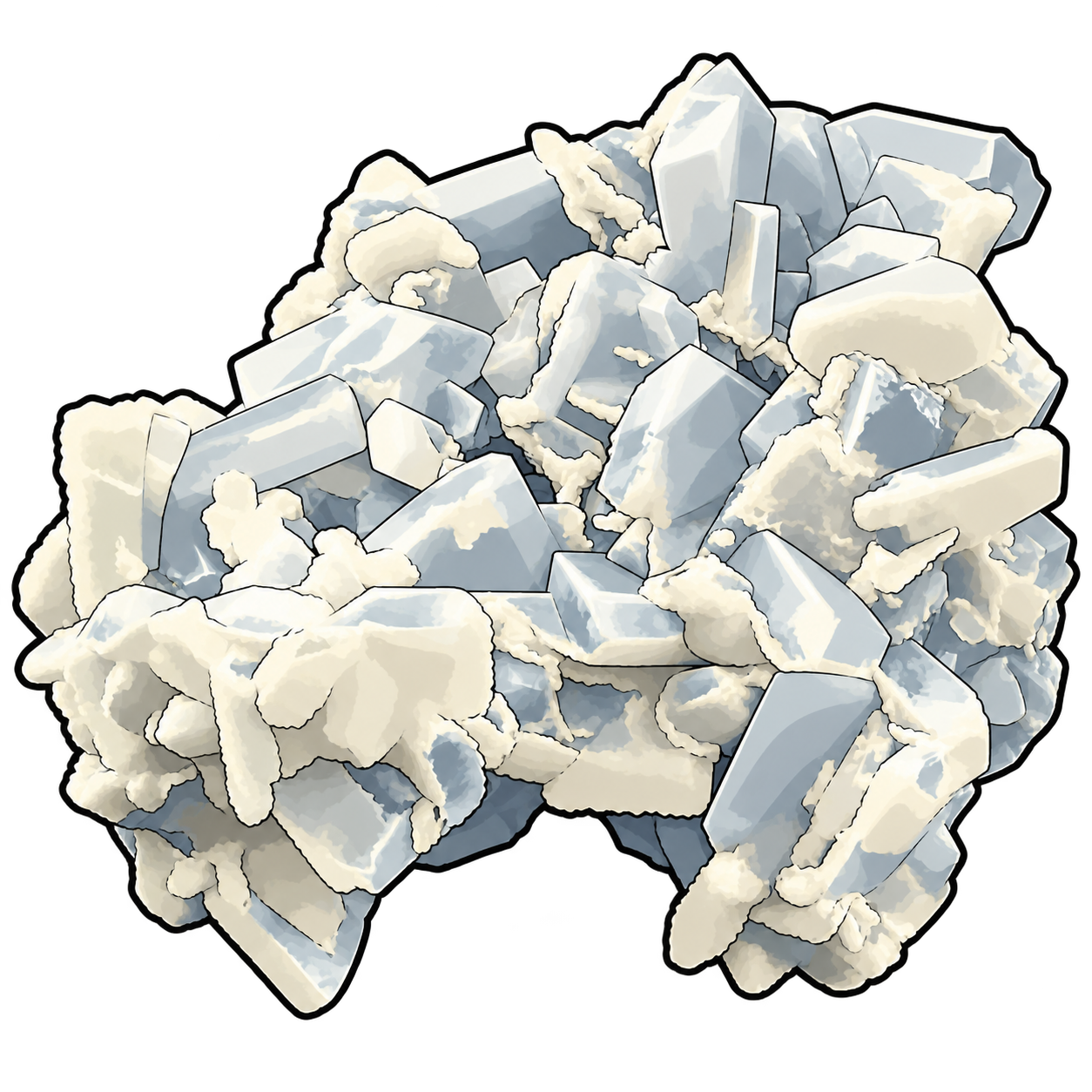
A chamber of pale blue light
Strontium sulfate (SrSO4).
Celestine is orthorhombic strontium sulfate, SrSO₄, in the barite group.
Read the specimen guide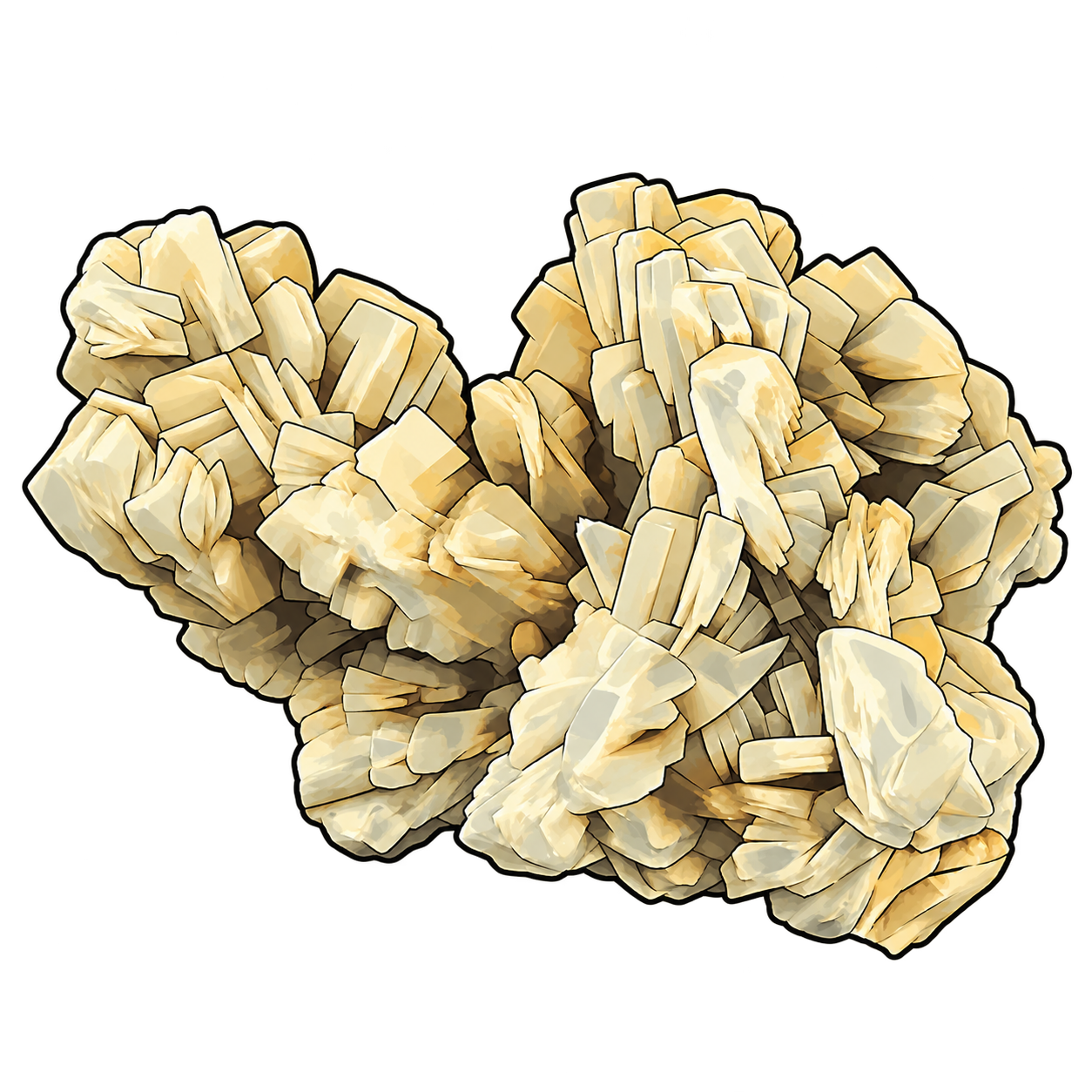
Delicate forms with unexpected weight
Barium sulfate (BaSO4).
Barite is barium sulfate, BaSO₄.
Read the specimen guide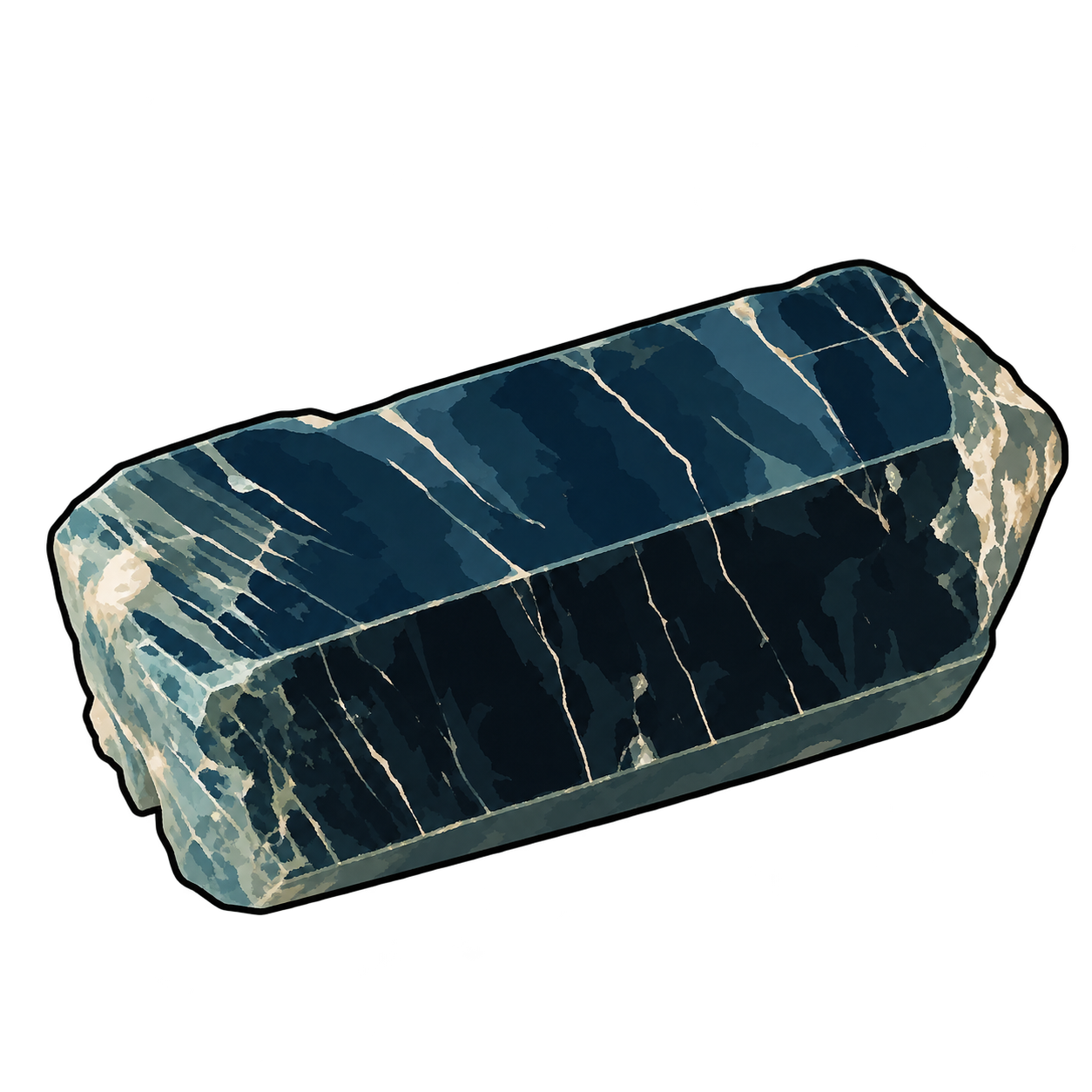
A familiar name for a varied mineral family
A mineral-group name; much gem material is fluorapatite.
Apatite is a group name rather than one colour or one fixed composition.
Read the specimen guide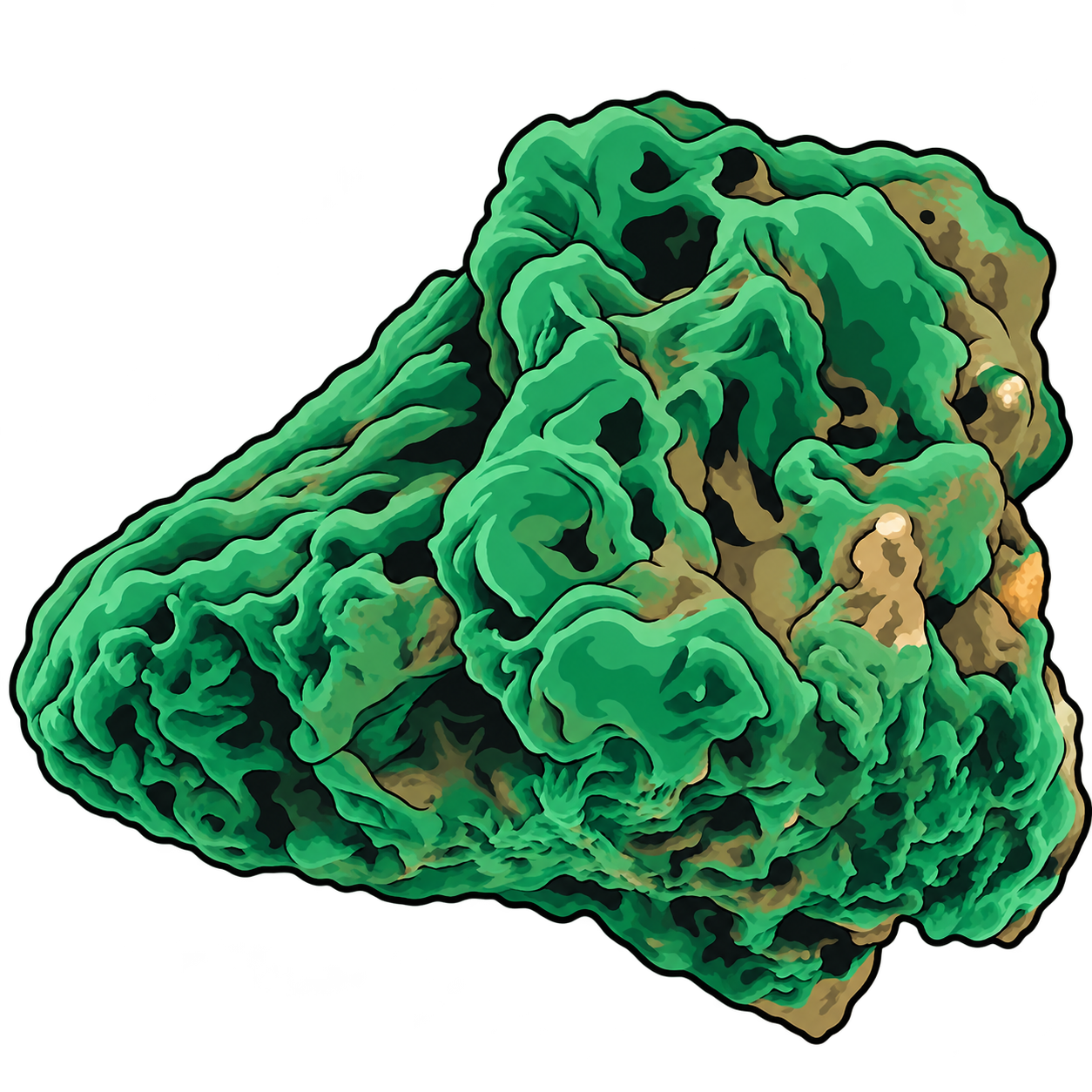
Green Copper Carbonate
Copper carbonate hydroxide.
Malachite is a copper mineral whose green color is part of its chemistry, not an occasional variation.
Read the specimen guide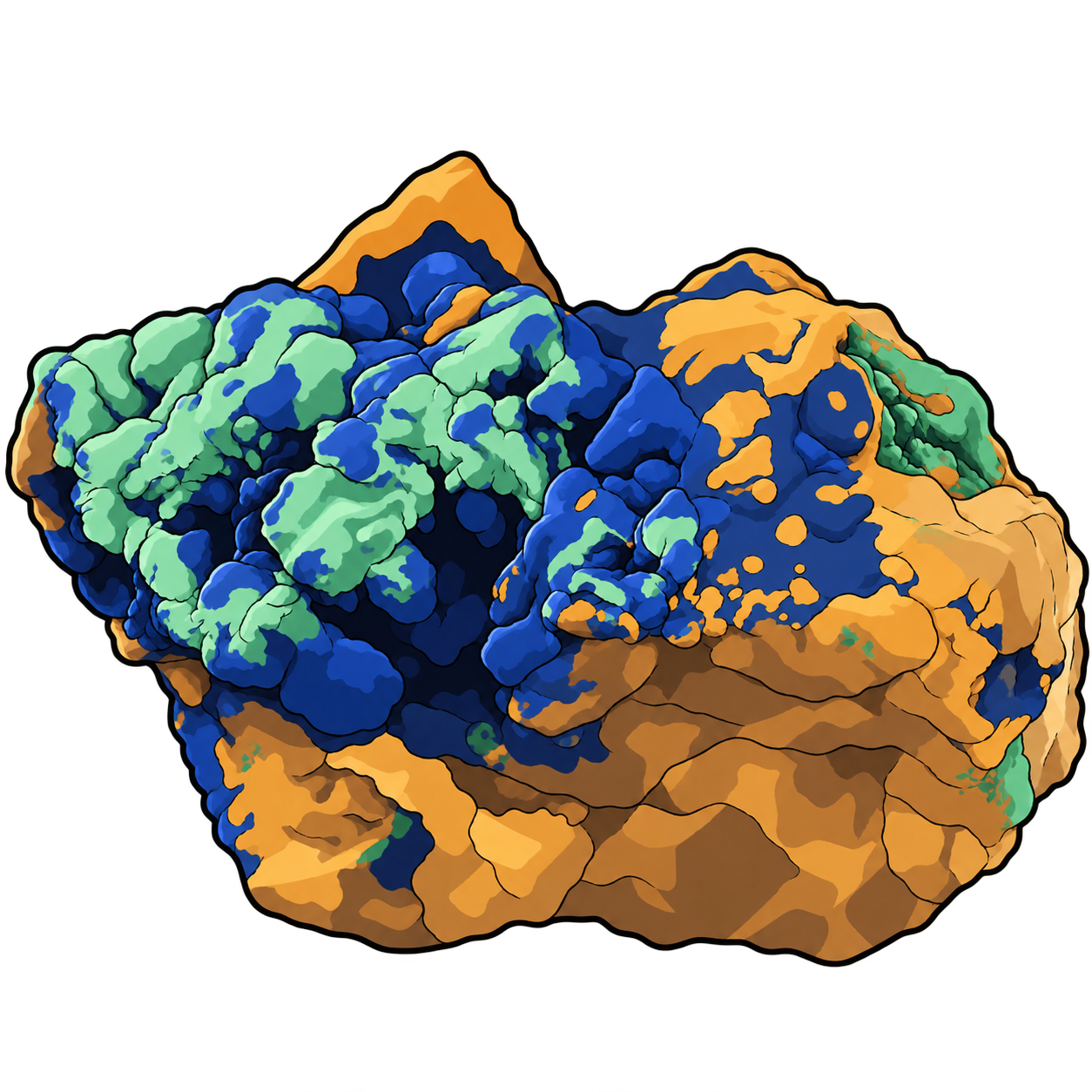
Blue Copper Carbonate
Blue copper carbonate hydroxide.
Azurite ranges from a pale powder-blue crust to intensely blue crystals that can seem almost black until their faces catch the light.
Read the specimen guide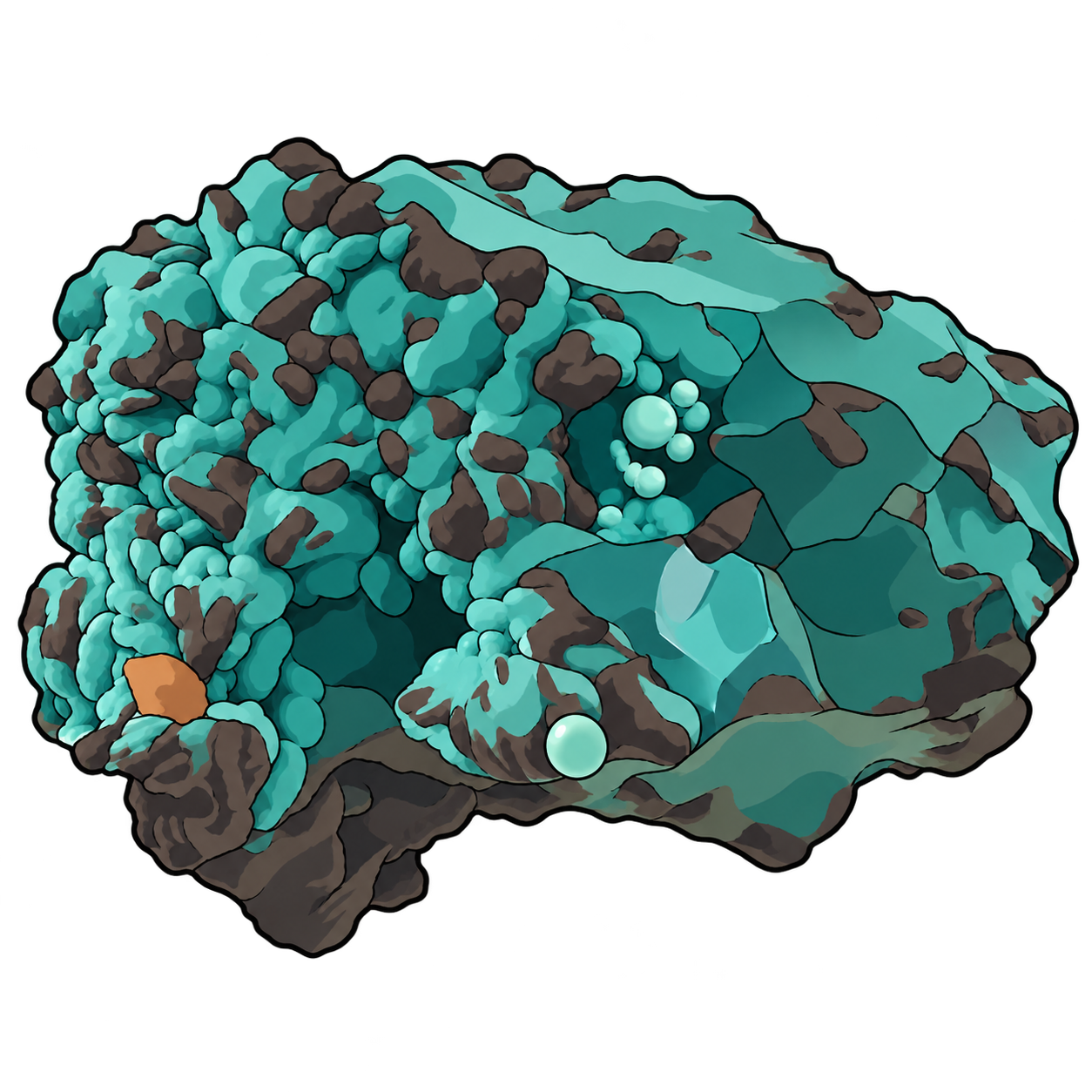
Blue-Green Copper Silicate
Copper-bearing hydrated silicate material, often intermixed with other minerals.
Chrysocolla brings blue and green to weathered copper deposits, as coatings, crusts or material enclosed in harder silica.
Read the specimen guide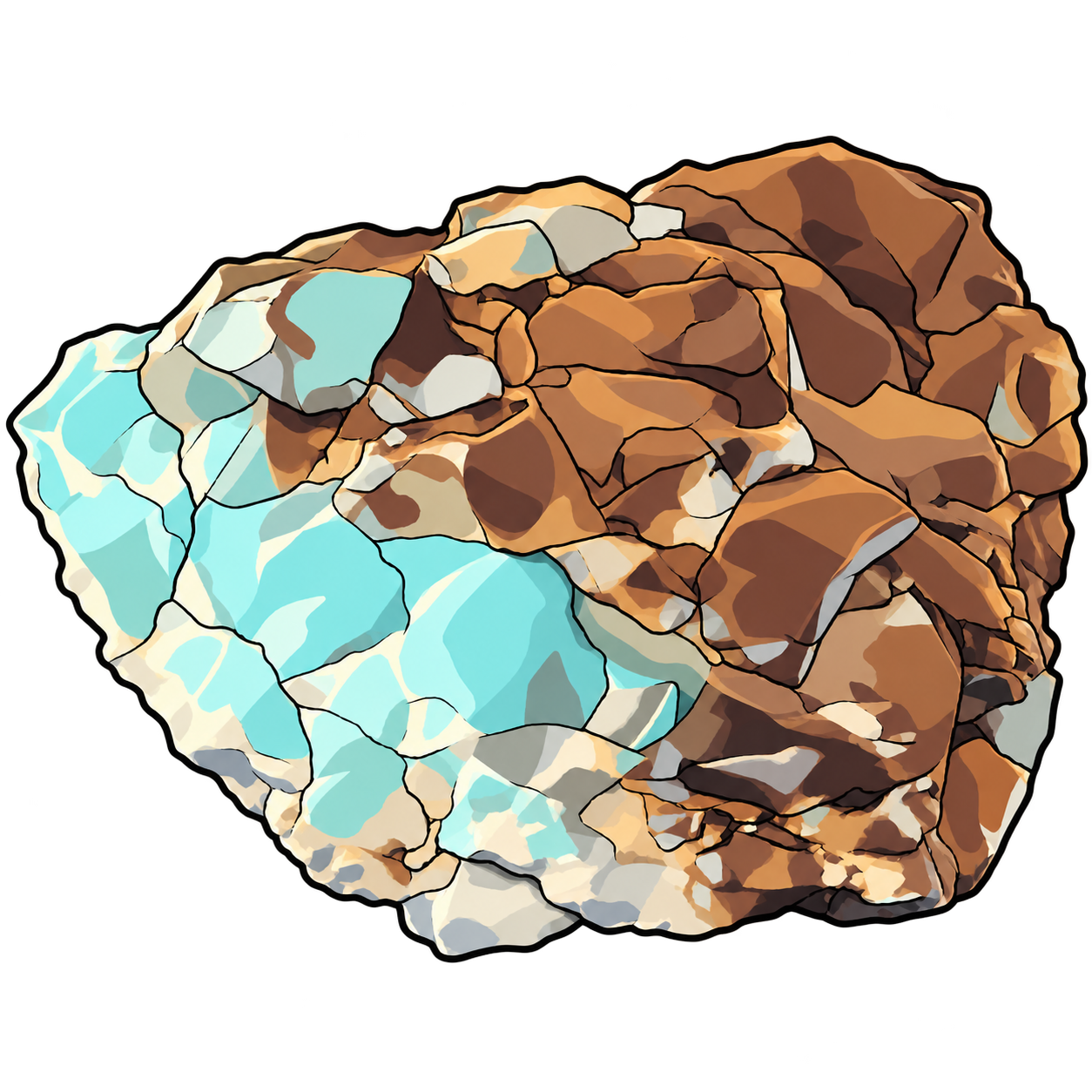
Blue-Green Copper–Aluminum Phosphate
Hydrated copper aluminium phosphate.
Turquoise is an opaque to semitranslucent gem whose appeal lies in color, texture and the pattern of its surrounding rock.
Read the specimen guide