Loading Luminary Oddities
Please wait while the next page arrives.
Loading this page…
Return homePlease wait while the next page arrives.


 Bestiary of Cryptids & Legendary Creatures
Wonder at the edge of the known
The Greek Sphinx confronts a traveller with a question. The Simurgh shelters an abandoned child. A golden shachihoko leaves a castle roof for an international exhibition. Wings, claws and human faces enter poems, carvings and royal monuments in strikingly different combinations. Here the extraordinary body opens into a longer history of rescue, danger, ceremony and journeys across the world.
Search by name, place or tradition, or use the filters to explore a group of creatures.
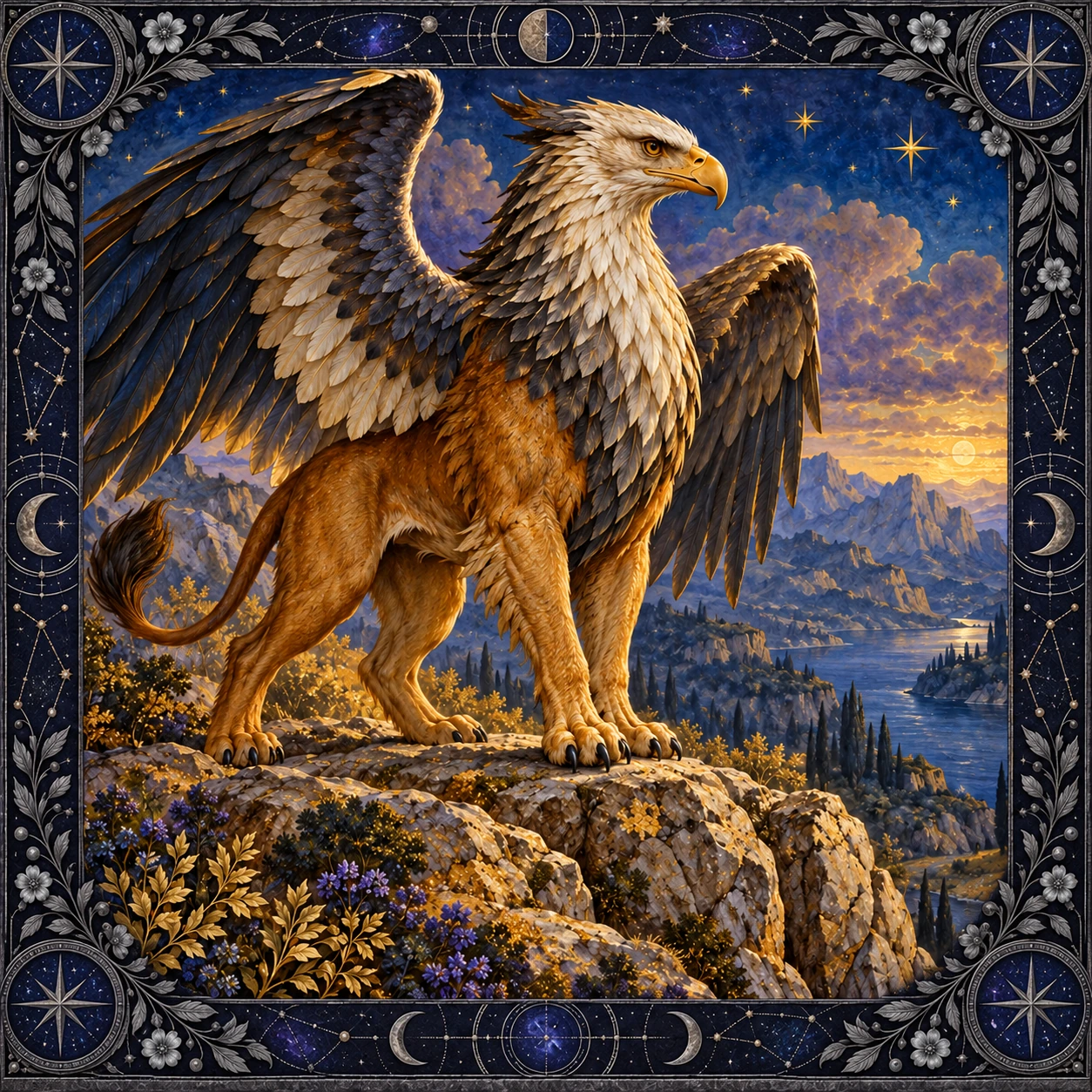
The griffin joins an eagle’s head and wings to a lion’s body, confronting gold seekers in ancient accounts and guarding rulers and memorials in art.
The prospectors wait for a moonless night. Aelian’s account gives them spades, sacks and weapons, but darkness is their best protection.
Read the manuscript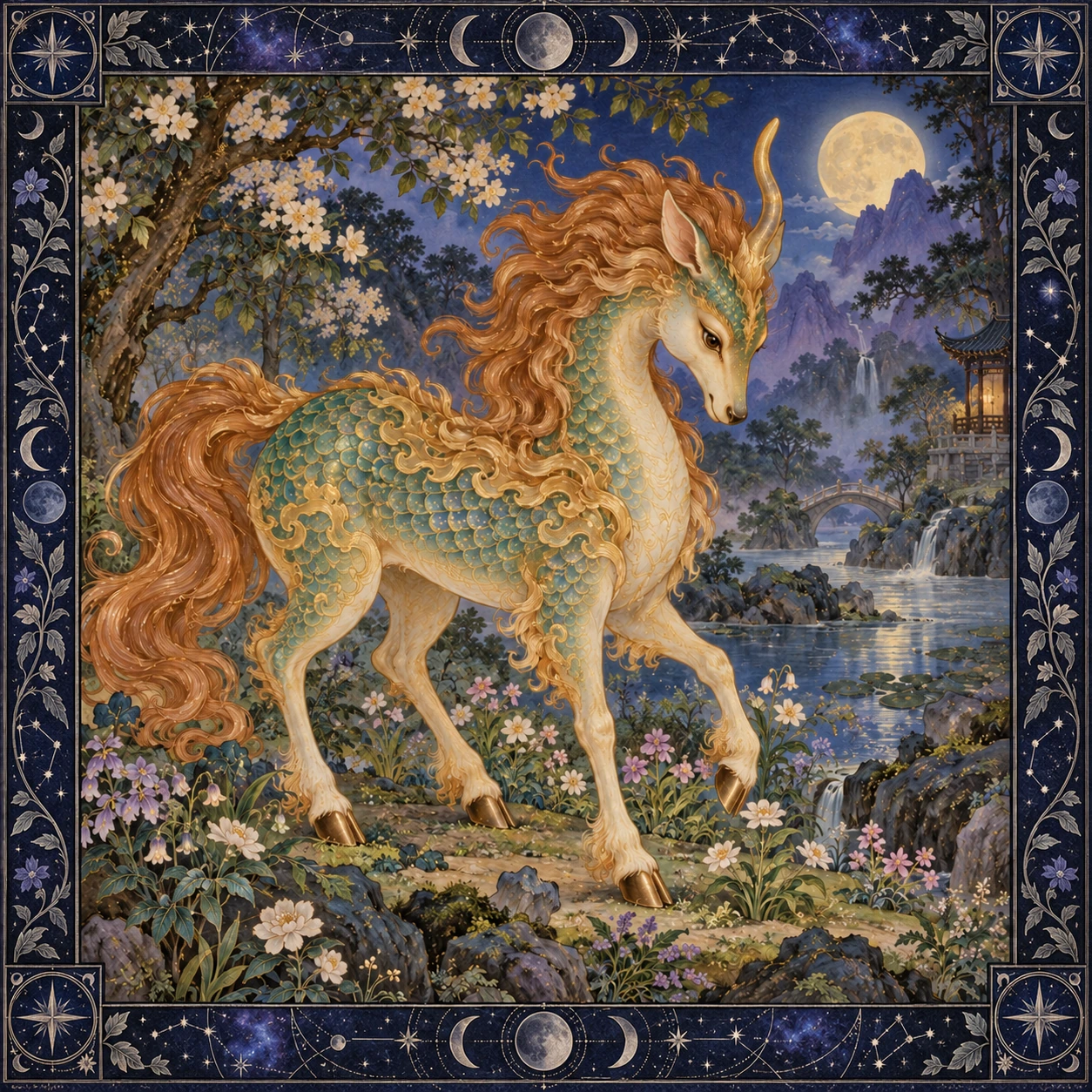
The qilin is a benevolent Chinese horned creature whose appearance can announce a worthy ruler or, in stories of Confucius, reveal that wisdom has come at the wrong time.
In 1414, a giraffe sent by the king of Bengal reached the Yongle emperor’s court. Officials welcomed it as a qilin, the rare creature associated with virtuous rule. A living animal had entered a much older argument about goodness, power and the ability to recognize a fortunate sign.
Read the manuscript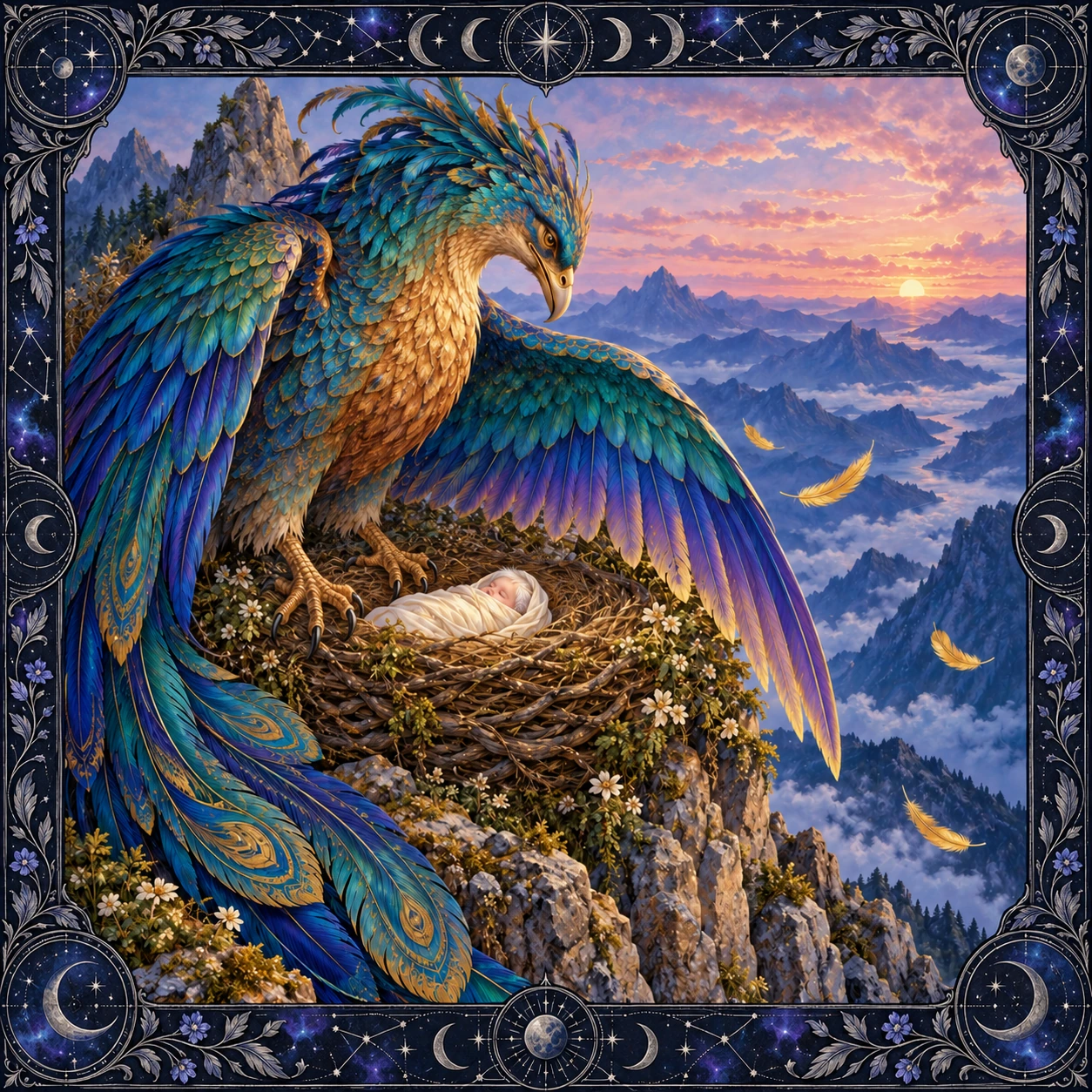
The Simurgh is a marvellous bird of Persian literature, raising the abandoned Zál and protecting his descendants; in Attar’s poem, birds seek a king bearing the same name.
On a mountain where his father has abandoned him, a white-haired infant cries beneath the Simurgh’s nest. She has hungry young to feed. Yet she carries him upward to raise him beside them. Years later, the feather she gives this rescued child will summon her into a human conflict that even her healing cannot mend.
Read the manuscript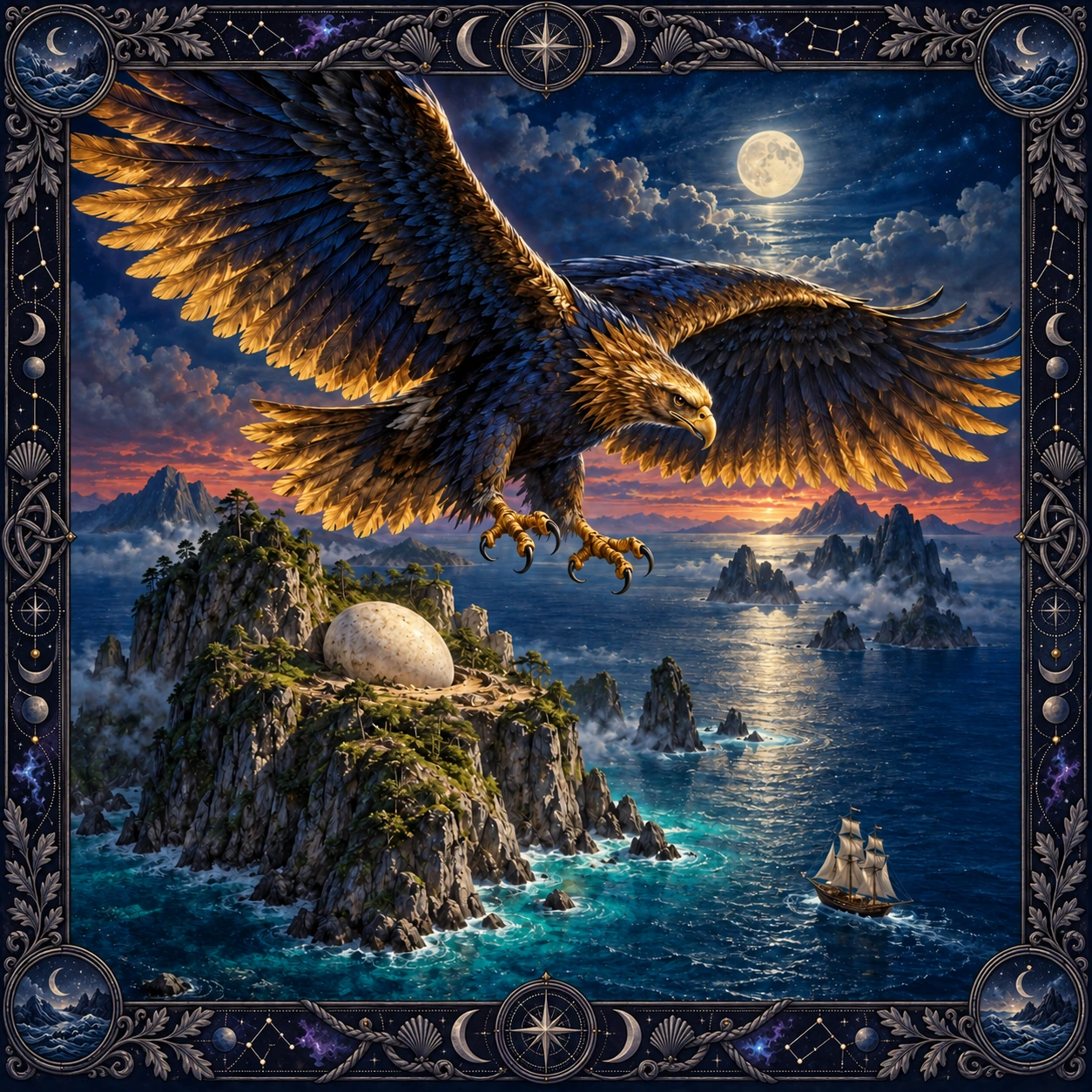
The roc is an immense bird of voyage literature, whose eggs, flight and parental retaliation dwarf the travellers who encounter it.
A white dome stands inland on the island where Sindbad has been abandoned. It has no door, and its smooth sides defeat his attempts to climb it. Then a wing passes across the sun. The stranded traveller has found an egg—and the arrival of its parent gives him an extraordinary idea.
Read the manuscript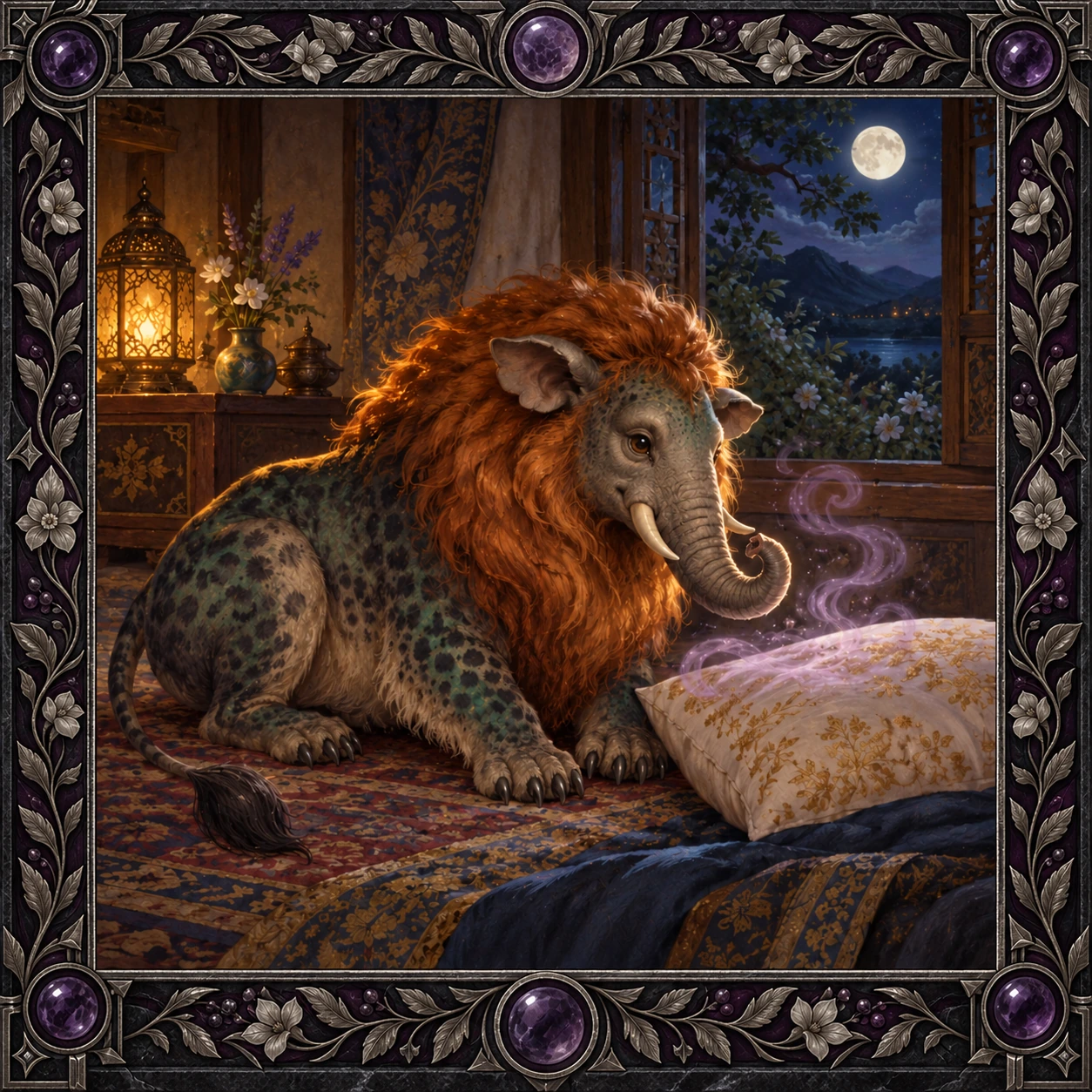
Baku is a Japanese dream-eating protector whose composite animal body appears on pillows, carvings and other objects meant to keep evil away.
In a brightly lit room, a dreamer casts no shadow. On the bed lies his own dead body, and something about its face is beginning to change. When he wakes, the visitor at his window seems to offer the relief he needs: Baku has come looking for a dream to eat.
Read the manuscript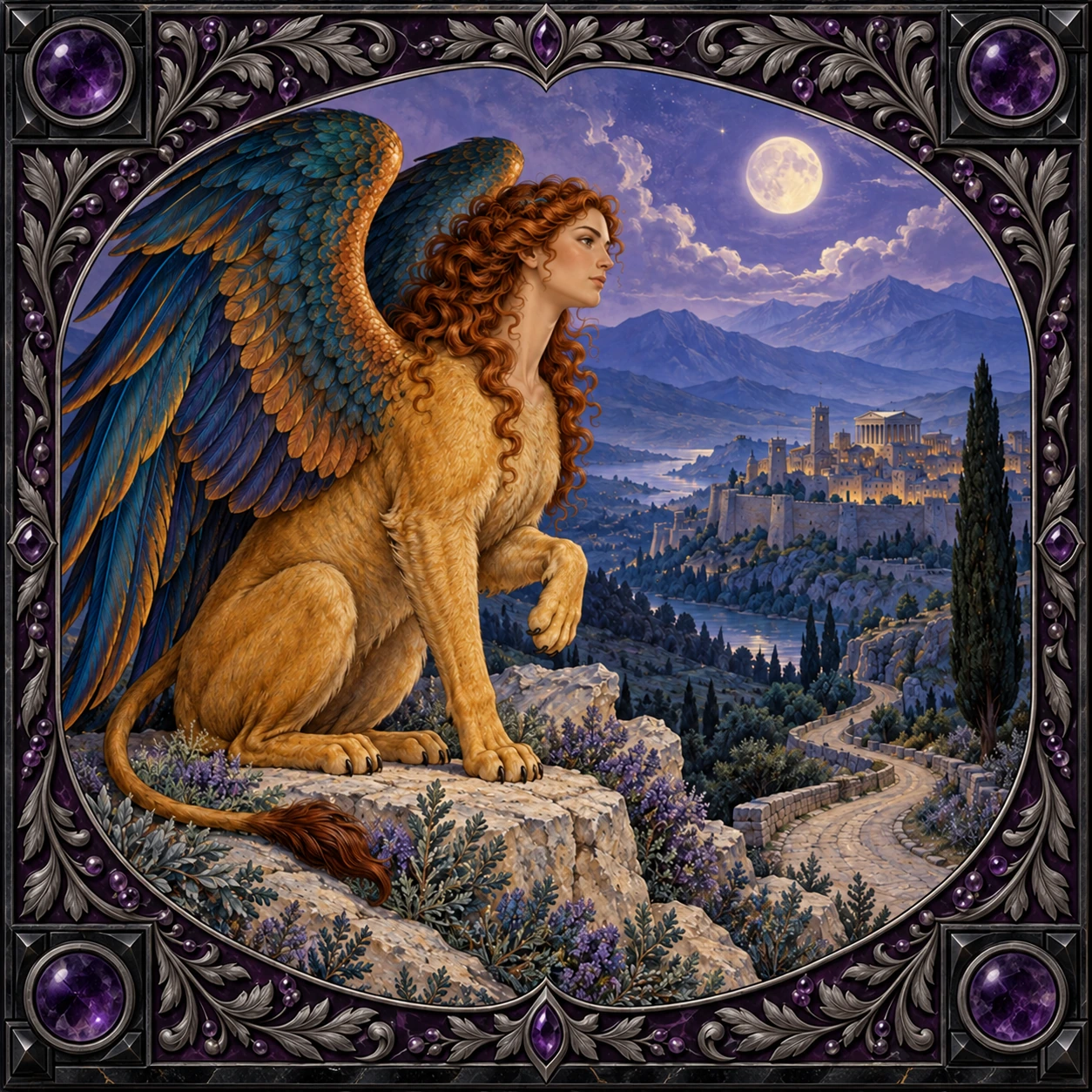
The Greek Sphinx is a winged, woman-faced lion who preys on Thebes until Oedipus answers her riddle about a human lifetime.
The Thebans meet to discuss the Sphinx’s question, but discussion saves no one. In the Library, each failure allows her to seize another victim. After his own son is taken, Creon offers the kingdom to anyone who can answer. The man who arrives has a question of his own: who were his parents?
Read the manuscript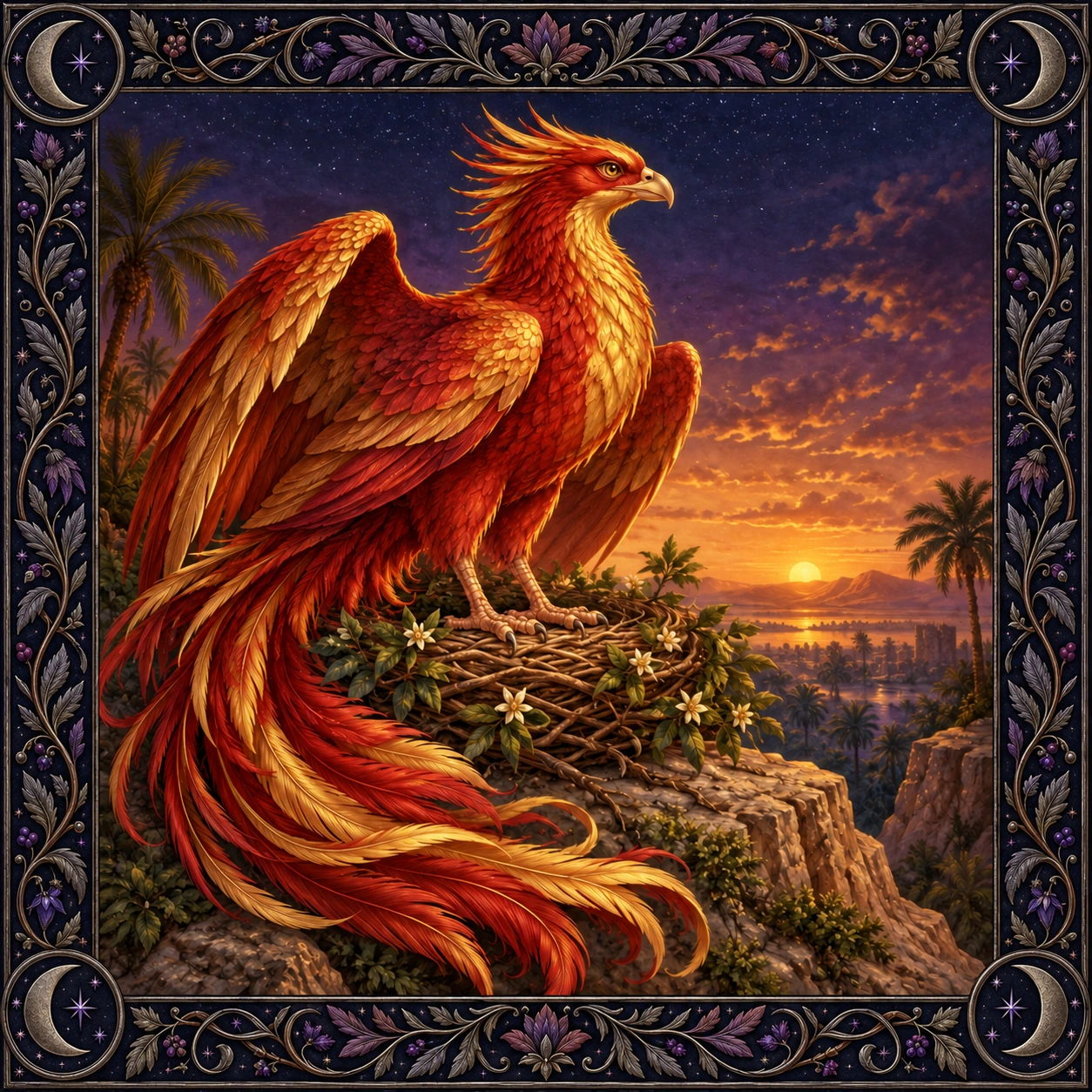
The phoenix is a rare, long-lived bird associated with the sun, a parent’s funeral and several different forms of renewal.
Before the phoenix can carry its dead parent to the sun’s temple, it must find out whether it is strong enough. In the story told to Herodotus at Heliopolis, the young bird makes a heavy ball of myrrh and tries to lift it. The journey begins with that careful test.
Read the manuscript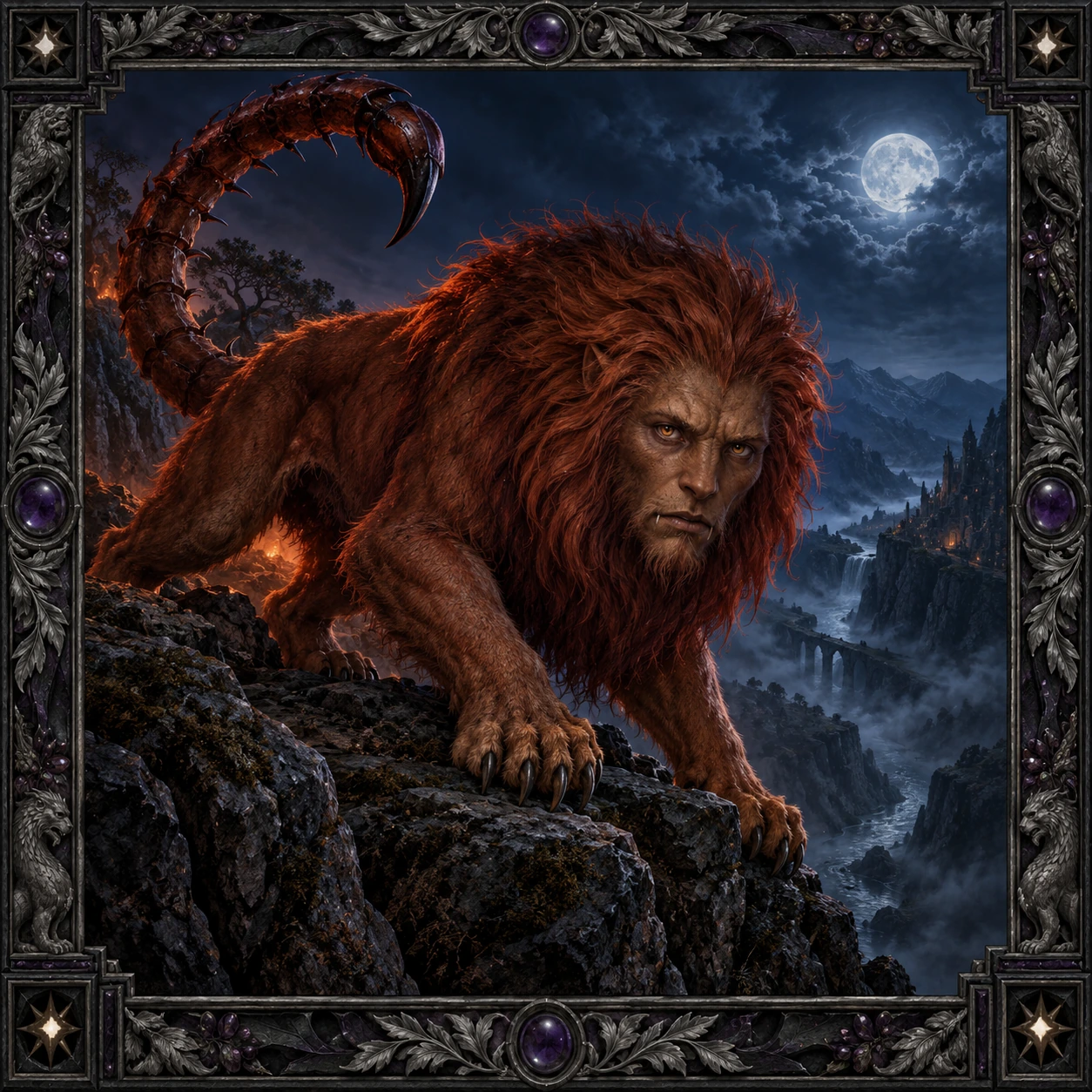
The manticore is a man-eating beast of ancient accounts of India, with a human face, a red lion-sized body and a tail that fires stings.
A monster arrives as a gift for the Persian king. The Greek writer Ctesias claims to have seen it there, according to the later writer Aelian. Then Aelian lets a doubt enter: how far should this witness be trusted?
Read the manuscript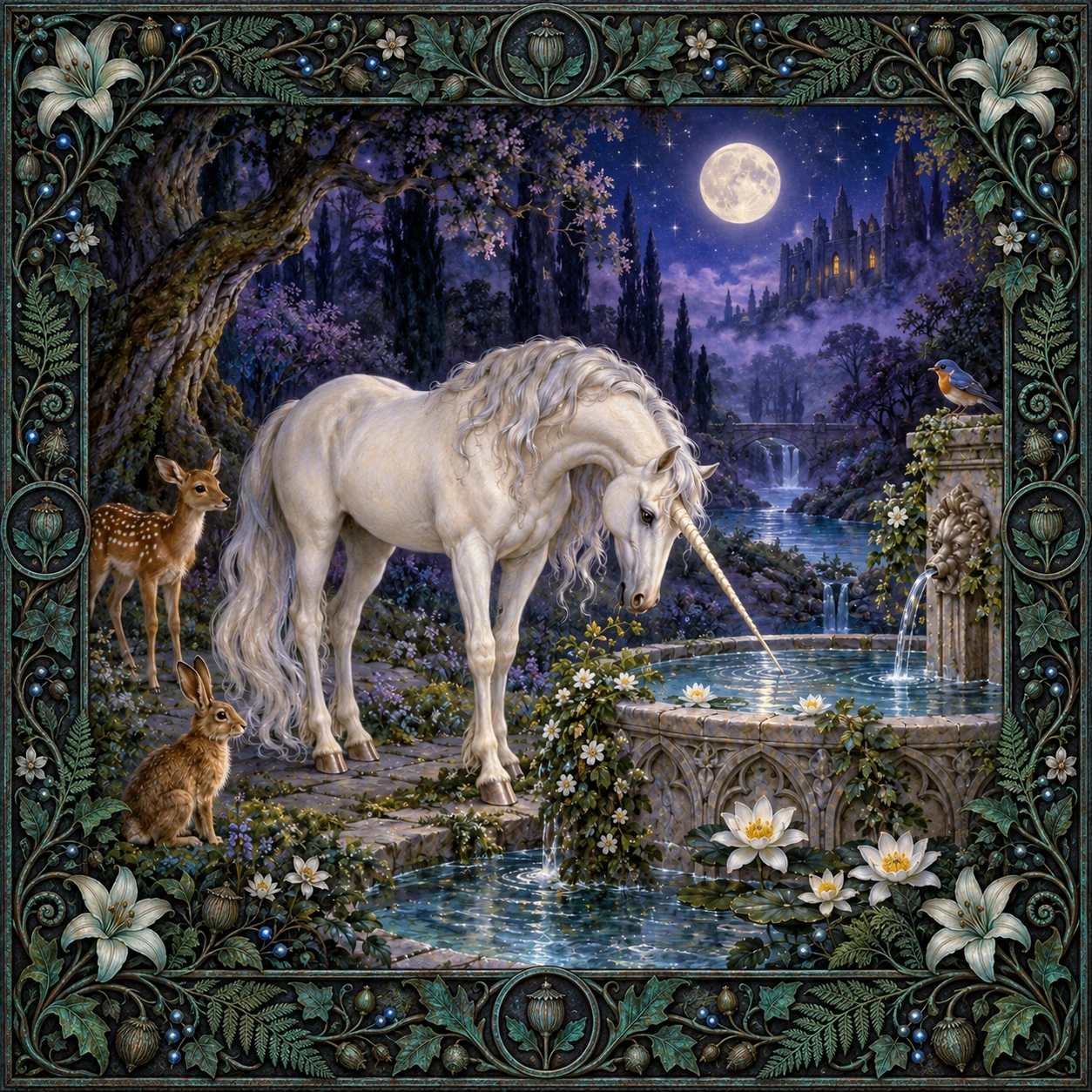
The unicorn is a one-horned beast of European natural history, bestiaries and art, fierce against hunters yet drawn into a maiden’s embrace.
The hunters have found their quarry, but the unicorn is kneeling at the water. Its horn enters the stream while animals gather around a white fountain. A tapestry at the Metropolitan Museum of Art’s Cloisters holds the hunters behind the creature they intend to possess.
Read the manuscript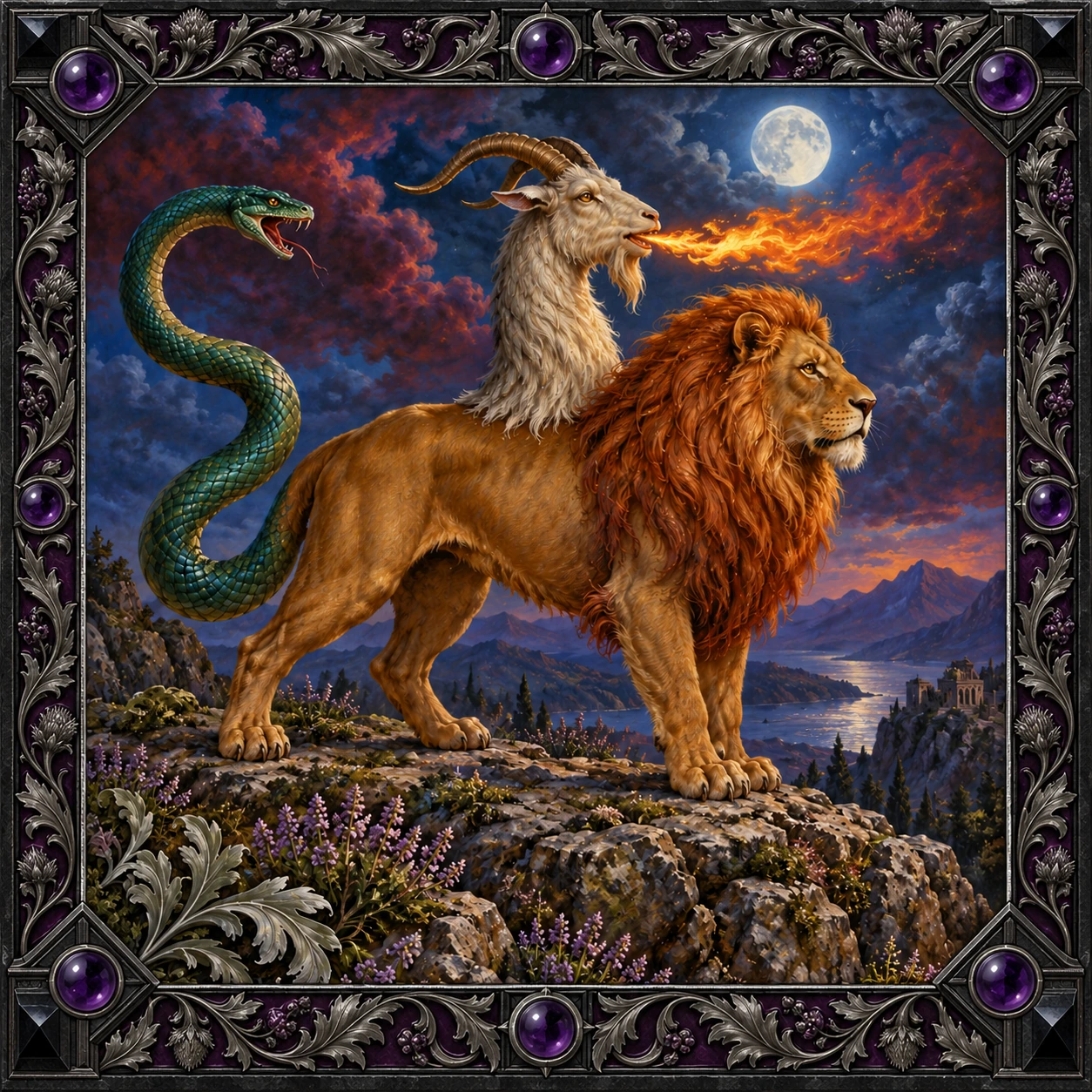
The Chimera is a fire-breathing monster of Lycia, joining lion, goat and serpent in one body before Bellerophon attacks her from the winged horse Pegasus.
Bellerophon carries a letter to a foreign king. Its message orders his death. The king sends him against the Chimera, a fire-breathing creature already devastating the country: a task that is meant to make an executioner unnecessary.
Read the manuscript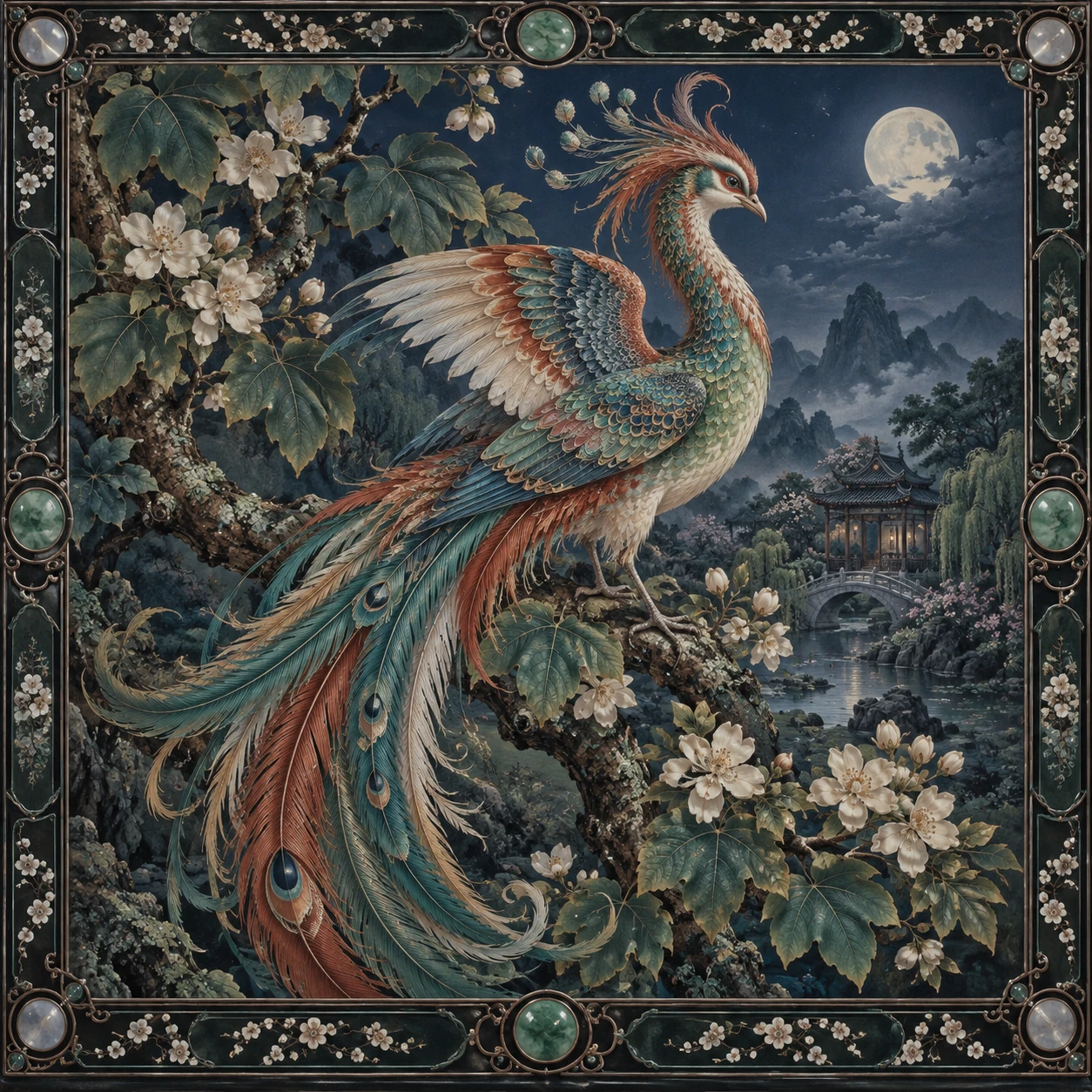
Fenghuang is a many-coloured Chinese bird whose song and arrival can herald peace, honour worthy people or carry musicians beyond the human world.
A musician can fill a courtyard without calling a single human guest. When Xiao Shi plays, peacocks and white cranes gather there. Nongyu, a duke’s daughter, learns from him. Years of practice prepare them for a different arrival: fenghuang coming to their roof.
Read the manuscript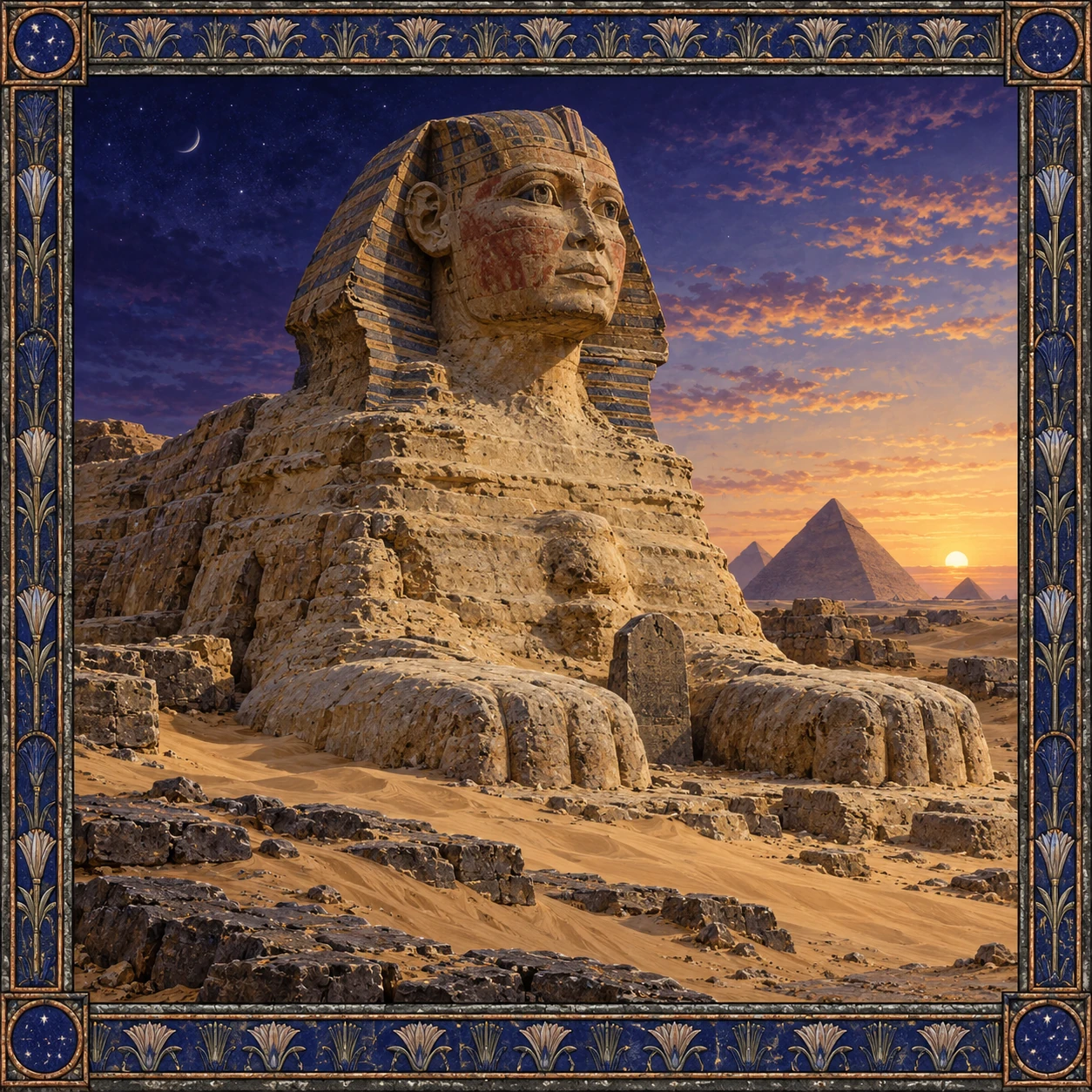
The Egyptian sphinx joins a human head to a lion’s body, giving royal power the strength and watchfulness of a sacred guardian.
A prince stops his chariot journey and sleeps in the Great Sphinx’s shade. At noon the stone figure speaks to him as a father to a son. Its promise is a kingdom; its complaint is the sand encroaching on its body. Thutmose must listen to a god who needs his help.
Read the manuscript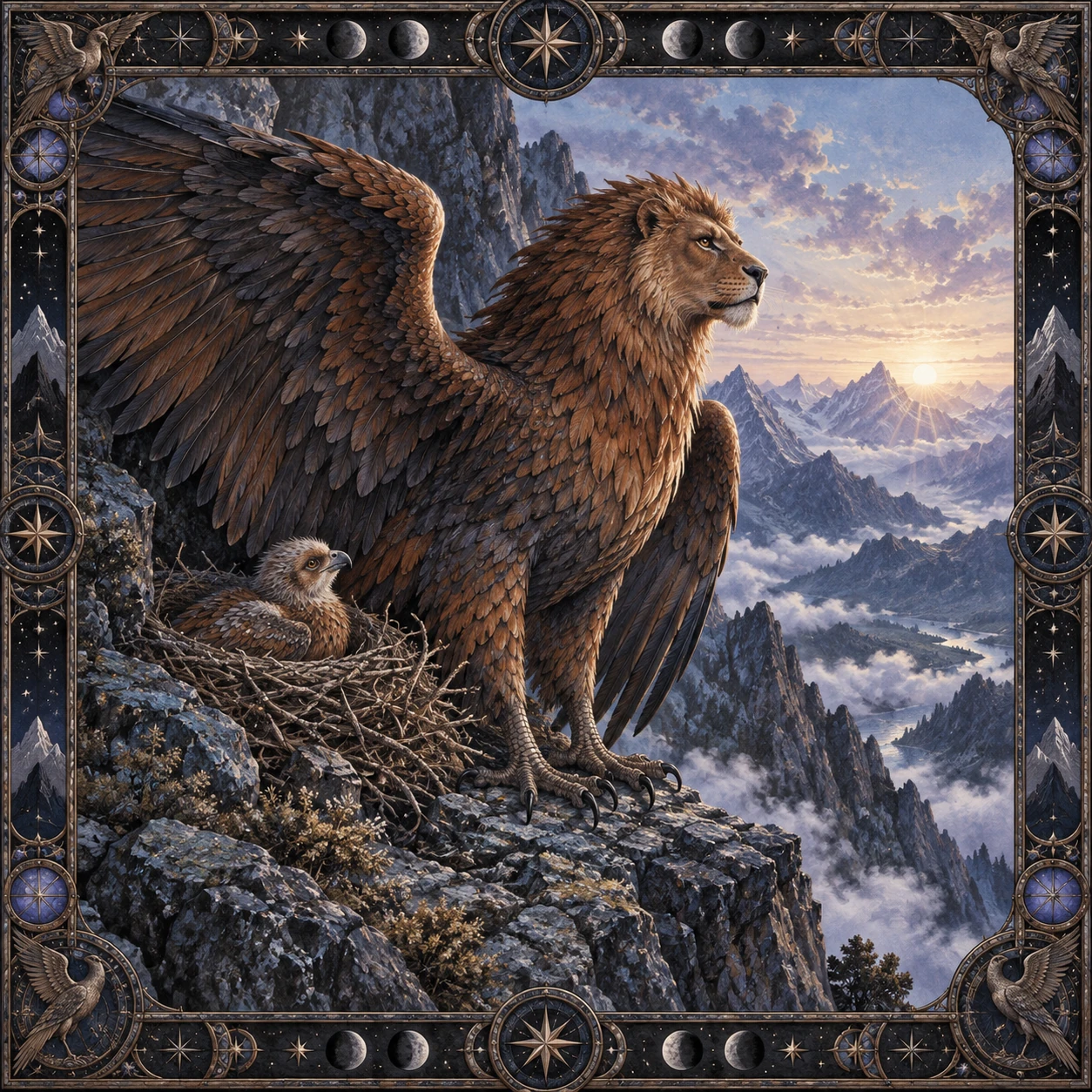
Anzu is a mighty bird of ancient Mesopotamia, depicted with a lion’s head and known in different poems as a devoted parent, a generous helper and a thief of divine authority.
Anzud calls to its nest, but the chick does not answer. The bird’s grief shakes the divine world before it comes close enough to see what a stranger has done. In this Sumerian poem, a creature strong enough to carry mountain bulls is also a parent afraid for its young.
Read the manuscript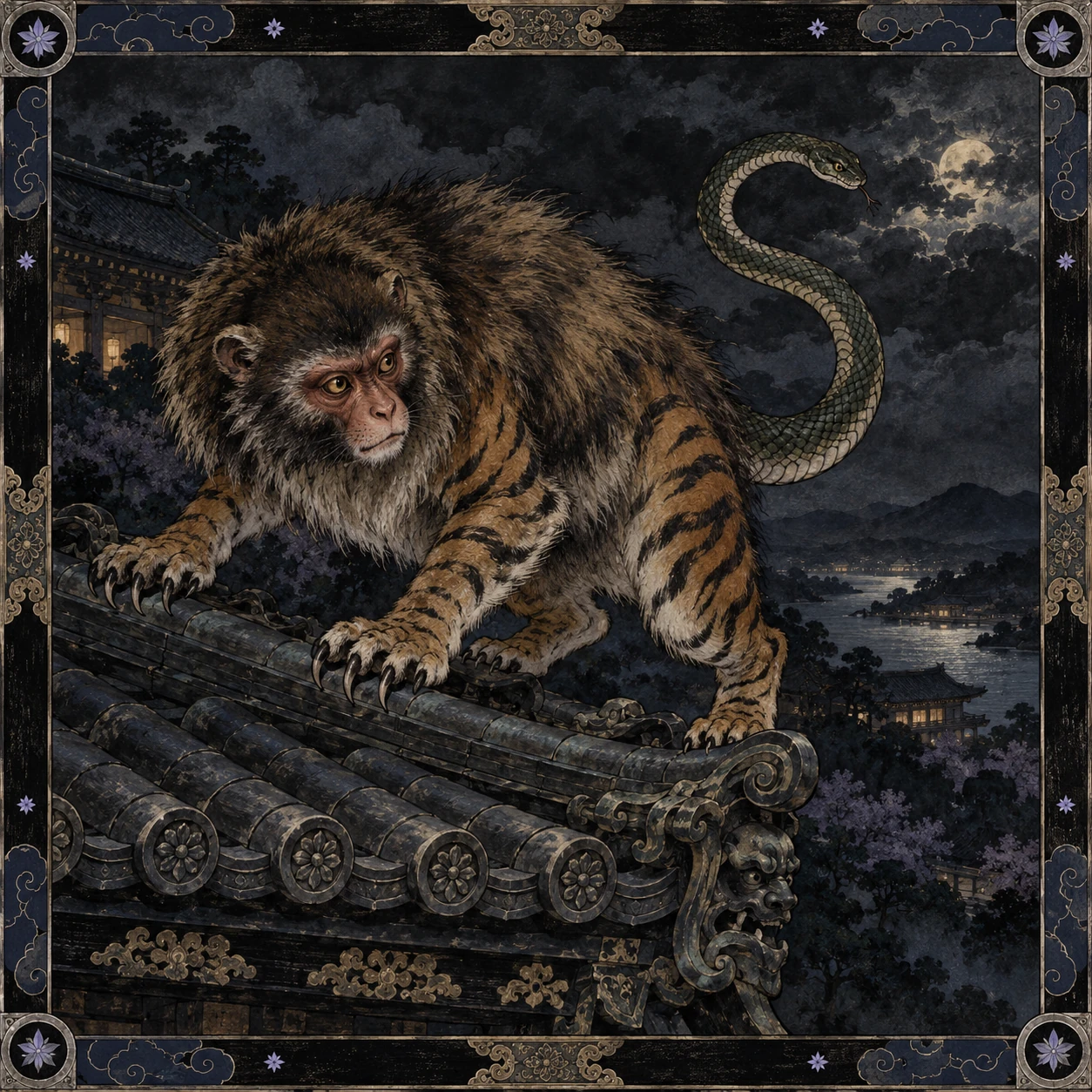
The Nue is a monkey-headed, serpent-tailed creature whose cry troubles Japan’s imperial palace and whose ghost seeks a monk’s prayers.
Yorimasa takes two arrows to the palace. In The Tale of the Heike, one is meant for the apparition frightening the emperor. If that shot fails, he intends the other for the courtier who recommended him. The celebrated monster hunt begins with a warrior angry at the task he has been given.
Read the manuscript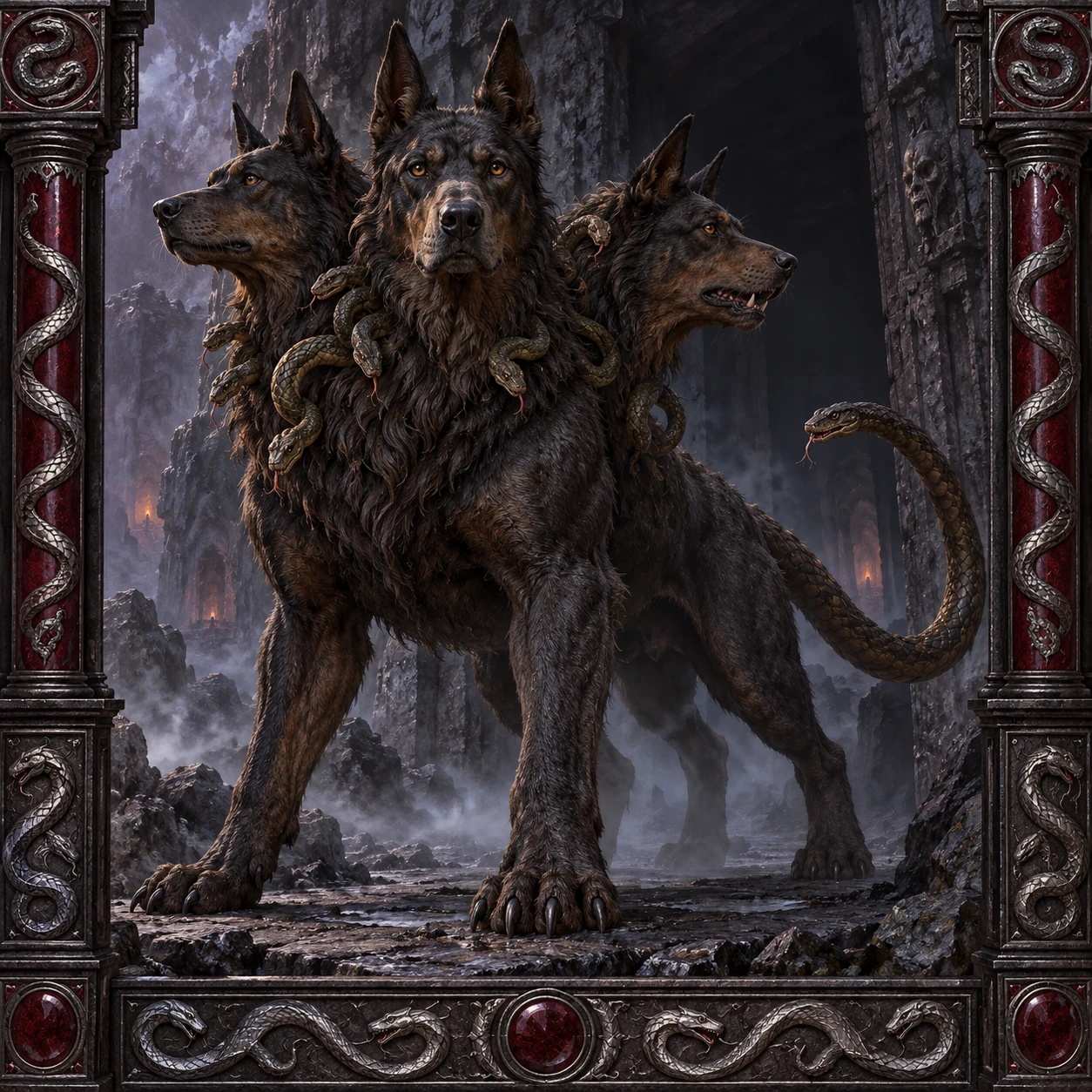
Cerberus is the many-headed hound of the Greek underworld, a guardian who welcomes the dead but turns on those who try to leave.
Heracles has reached the ruler of the dead with an extraordinary request: he wants to take the watchdog away. Permission comes with a condition. He must master Cerberus without his weapons.
Read the manuscript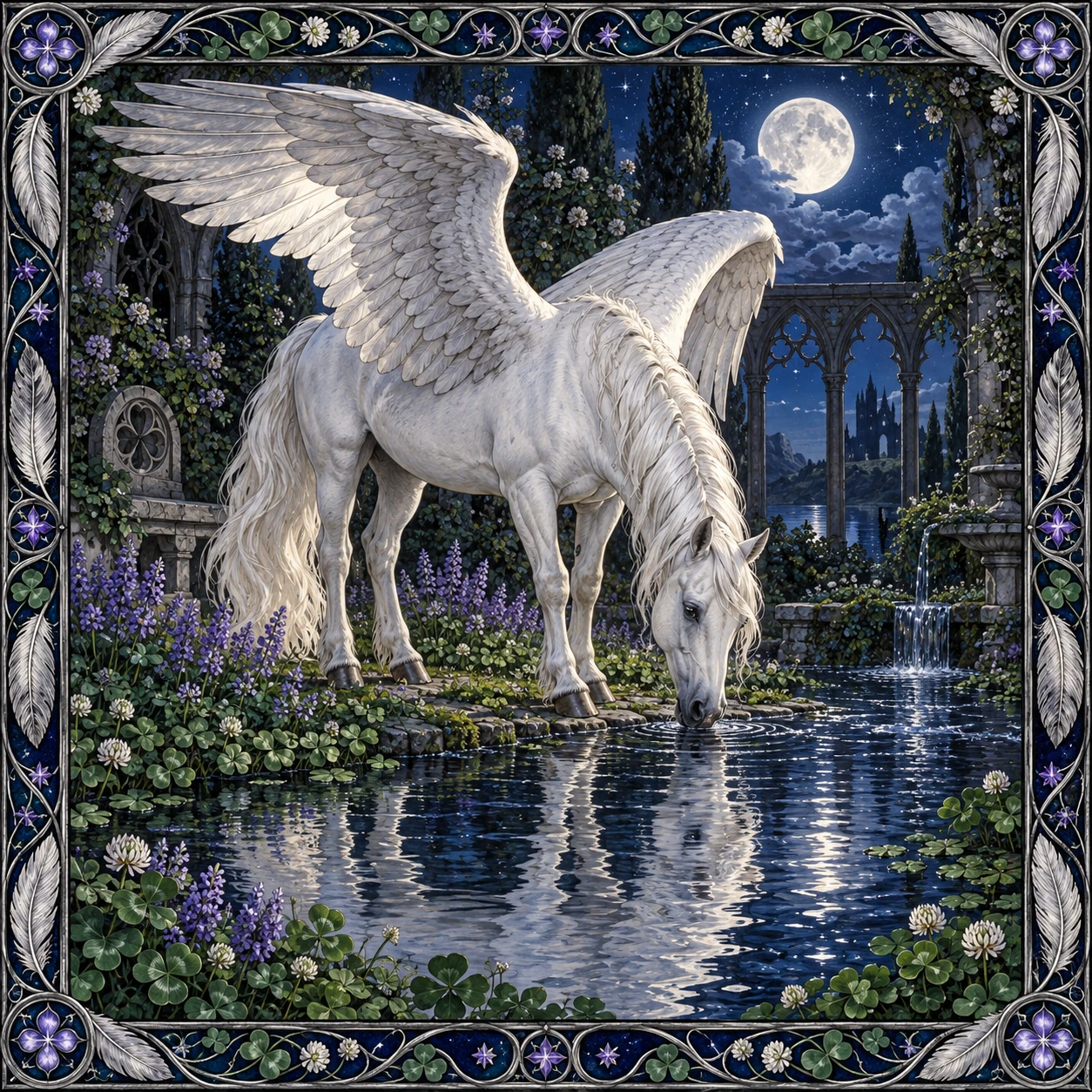
Pegasus is the winged horse whose legends connect Bellerophon’s adventures, Greek springs and the stars.
Bellerophon has tried again and again to catch the winged horse. In Pindar’s account, help reaches him while he sleeps: Athena brings a golden bridle. When he wakes, it is still beside him. The dream has left something he can hold, but the work of approaching Pegasus remains.
Read the manuscript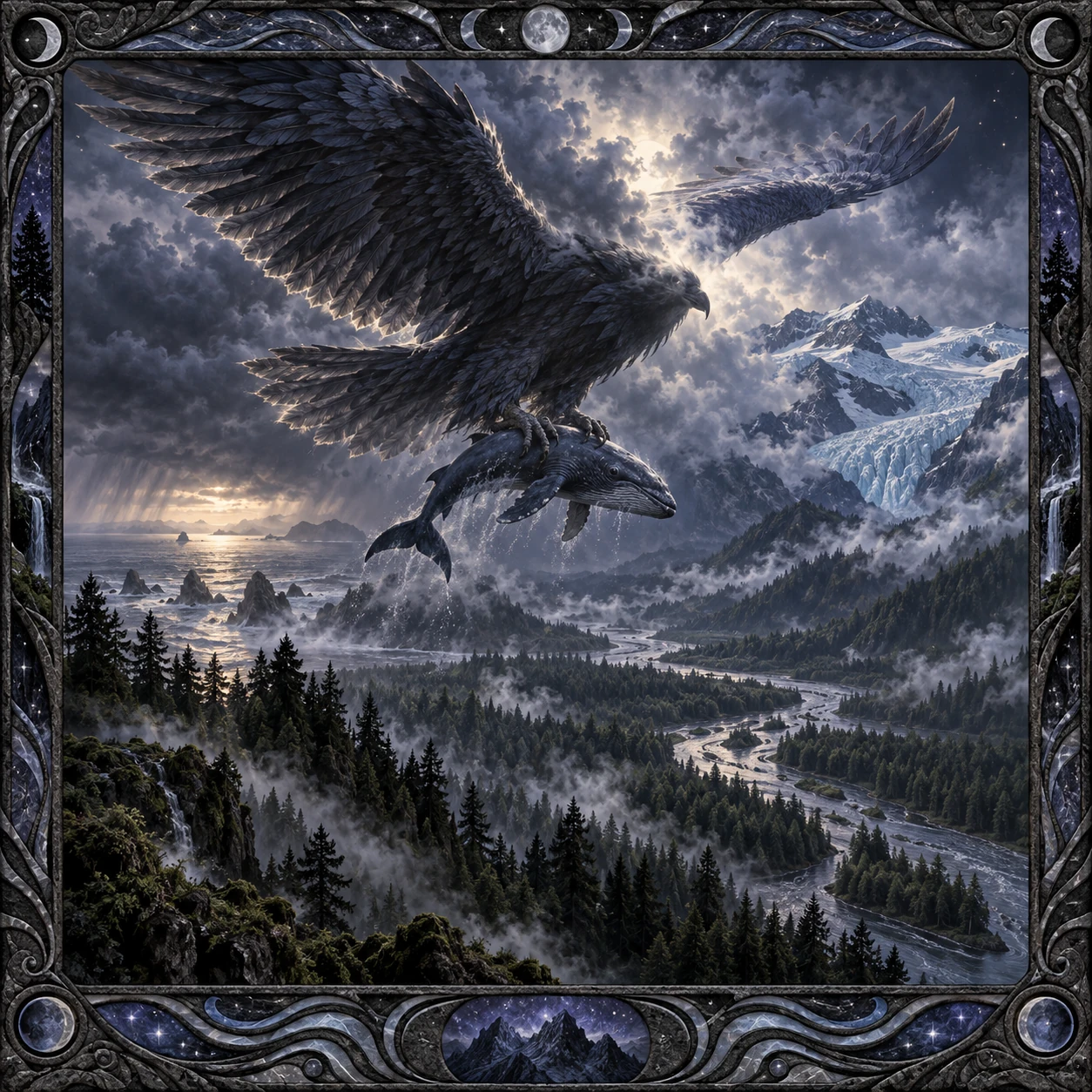
Thunderbird is an immense whale-hunting, storm-making being in Hoh and Quileute accounts, with a mountain home beneath the Olympic ice.
Again Thunderbird takes hold of Mimlos-Whale. Again the whale breaks free. Their struggle tears trees from the ground and shakes the mountains, but the hunter cannot finish it. In Luke Hobucket’s telling, the chase will end with a refuge for the prey.
Read the manuscript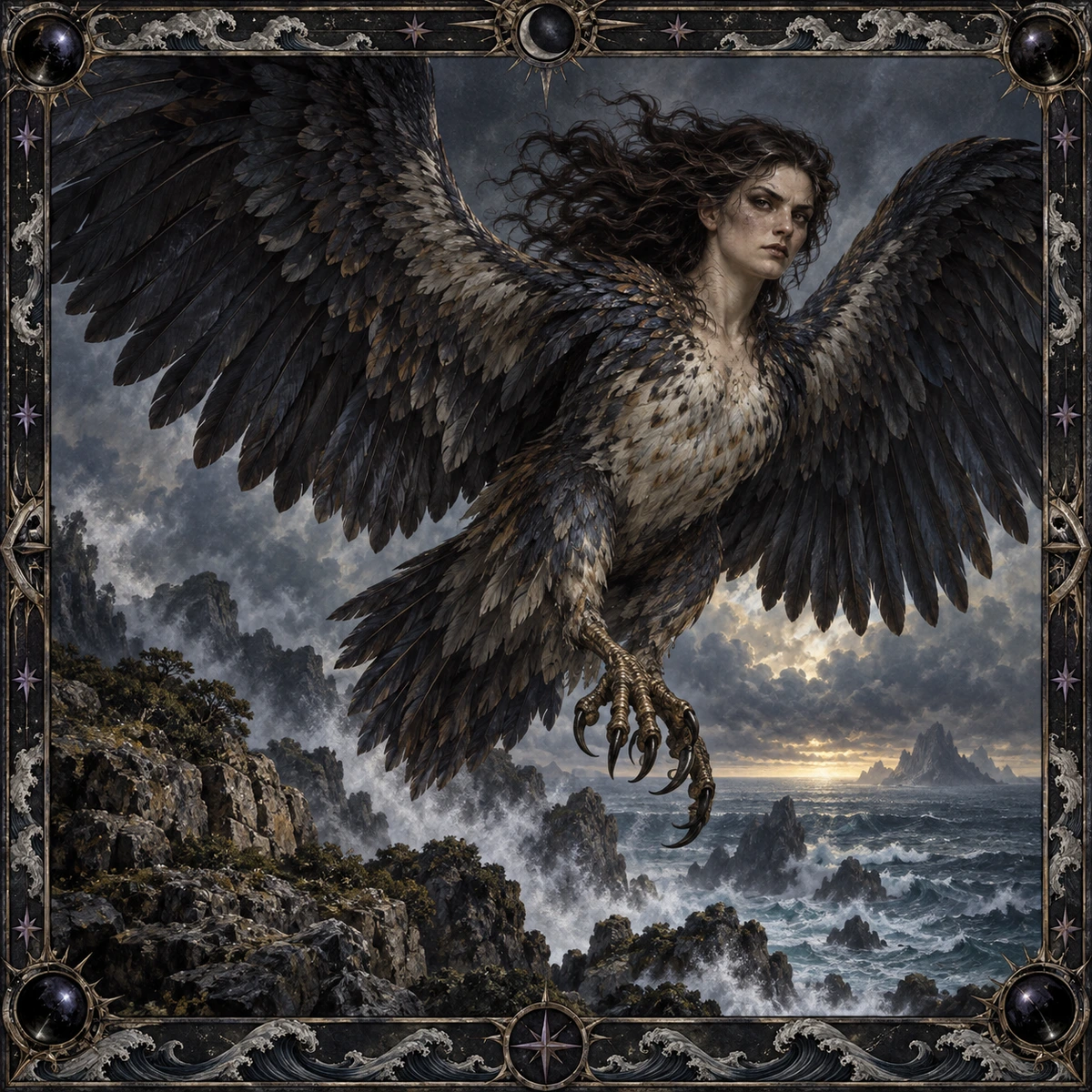
Harpies are swift winged women who snatch food from a hungry seer and confront the wandering Trojans with a prophecy of famine.
Phineus has food brought to his house, yet hunger is destroying him. Whenever he reaches for a meal, wings descend. The visitors now approaching his door have come for directions; he needs them to make it possible for him to eat.
Read the manuscript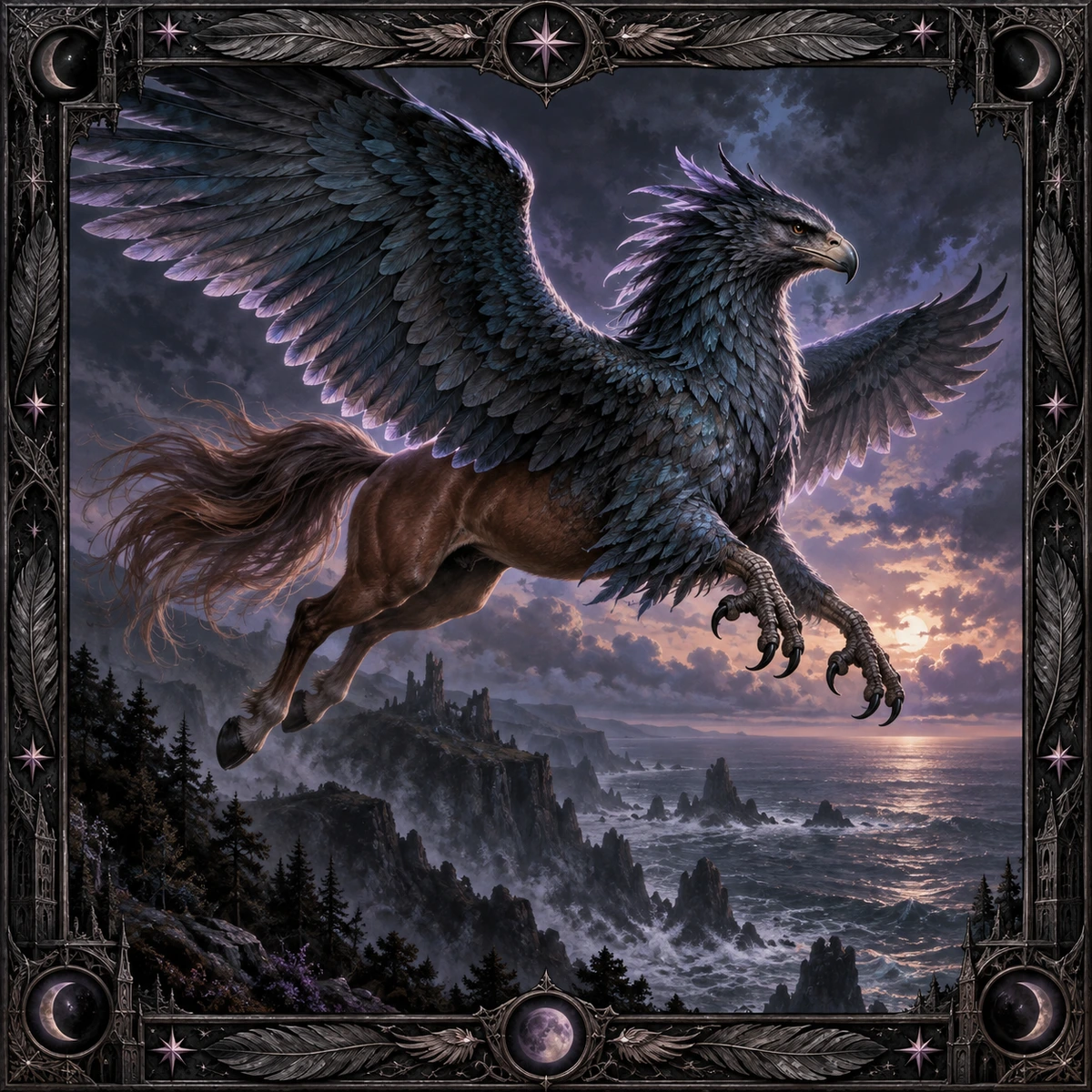
Born of a griffin and a mare, Ariosto’s hippogriff carries knights above mountains and seas, sometimes far from where they mean to go.
Bradamante has broken the enchanted prison and found the man she loves. Then Ruggiero climbs onto the waiting hippogriff. A few running strides become a flight, and she can only watch as the rider she has just freed disappears into the sky.
Read the manuscript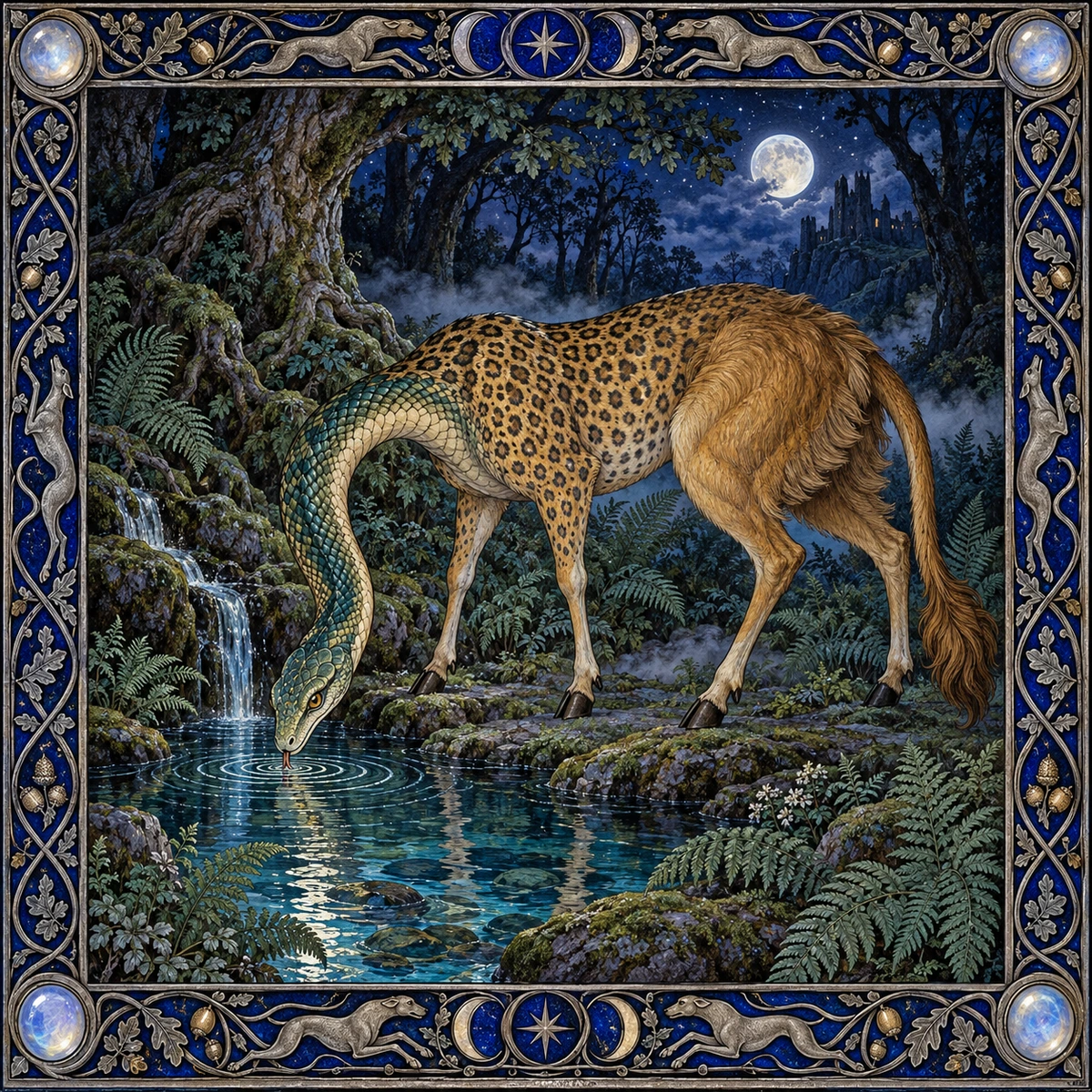
An animal that sounds like a pack of hunting hounds leads Arthurian knights into long pursuits and unsettling revelations.
A whole pack seems to be approaching the spring. Then one animal appears, and the barking stops as it drinks. The Questing Beast carries the sound of the hunt within itself—a marvel whose body, pursuers and meaning change between Arthurian tellings.
Read the manuscript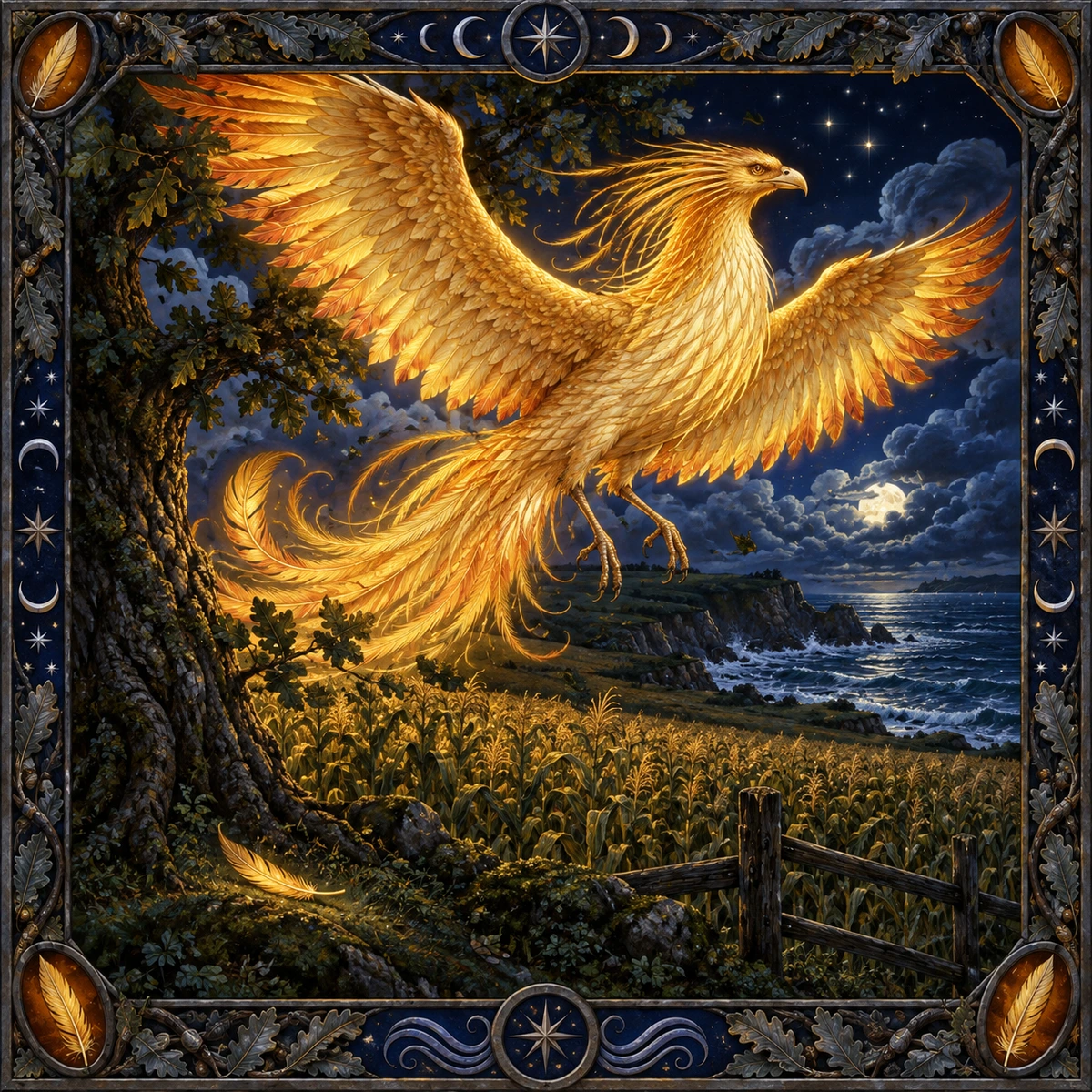
The Firebird is a golden bird of Russian wonder tales whose coveted feathers draw people into perilous quests.
A feather larger than a swan’s lies in a silent forest. The young archer wants to take it to his ruler. His horse can speak, and its warning is plain: leave it where it lies. In writer Arthur Ransome’s telling, beauty has given the young man a choice he will soon regret.
Read the manuscript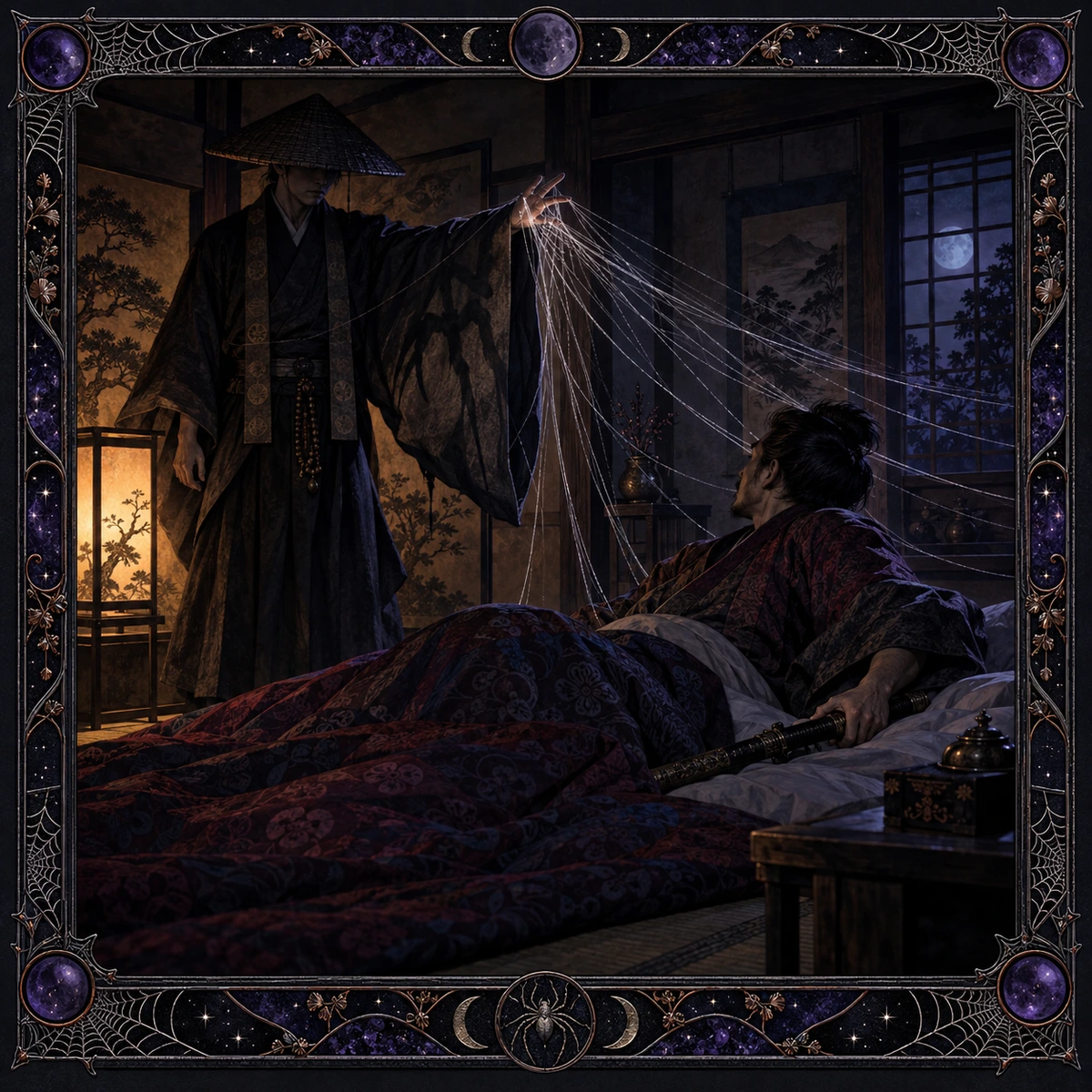
Tsuchigumo is a spider spirit of Japanese Noh drama that takes a monk’s shape and binds its enemies in white threads.
An unfamiliar monk approaches the sick warrior’s pillow. Asked his name, he begins a poem about a spider. The patient takes up the reference, but the stranger keeps coming closer.
Read the manuscript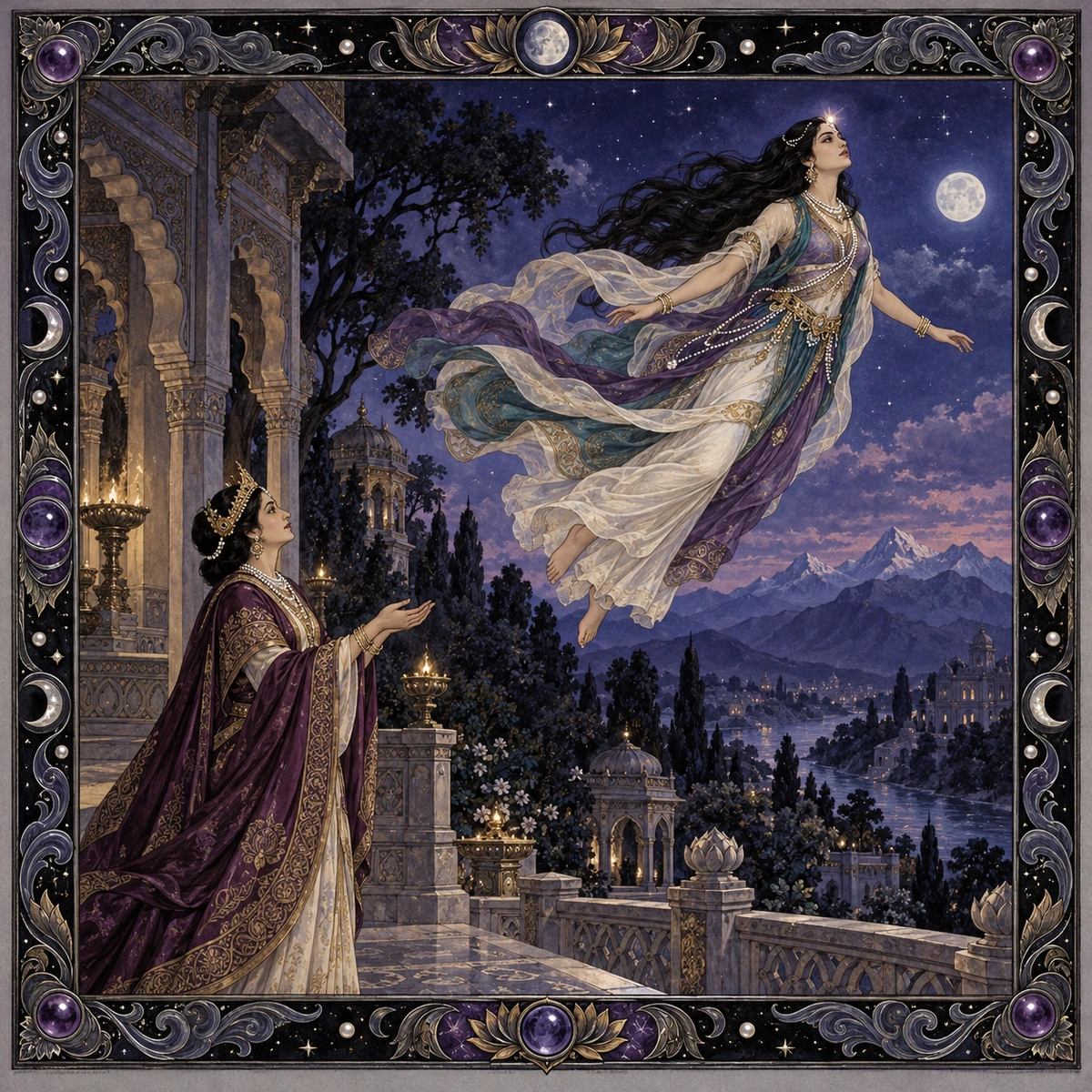
Kinnaris and kinnaras are otherworldly beings associated with music and flight. The princess Manoharā is captured, escapes a royal sacrifice and helps a human prince find his way to her distant homeland.
A hunter saves a water-being from abduction and receives a chain that can hold fast whatever it catches. He soon uses that gift to capture someone else. Manoharā, the flying princess caught in his snare, enters a human court where love will offer her little protection against a frightened king and an ambitious priest.
Read the manuscript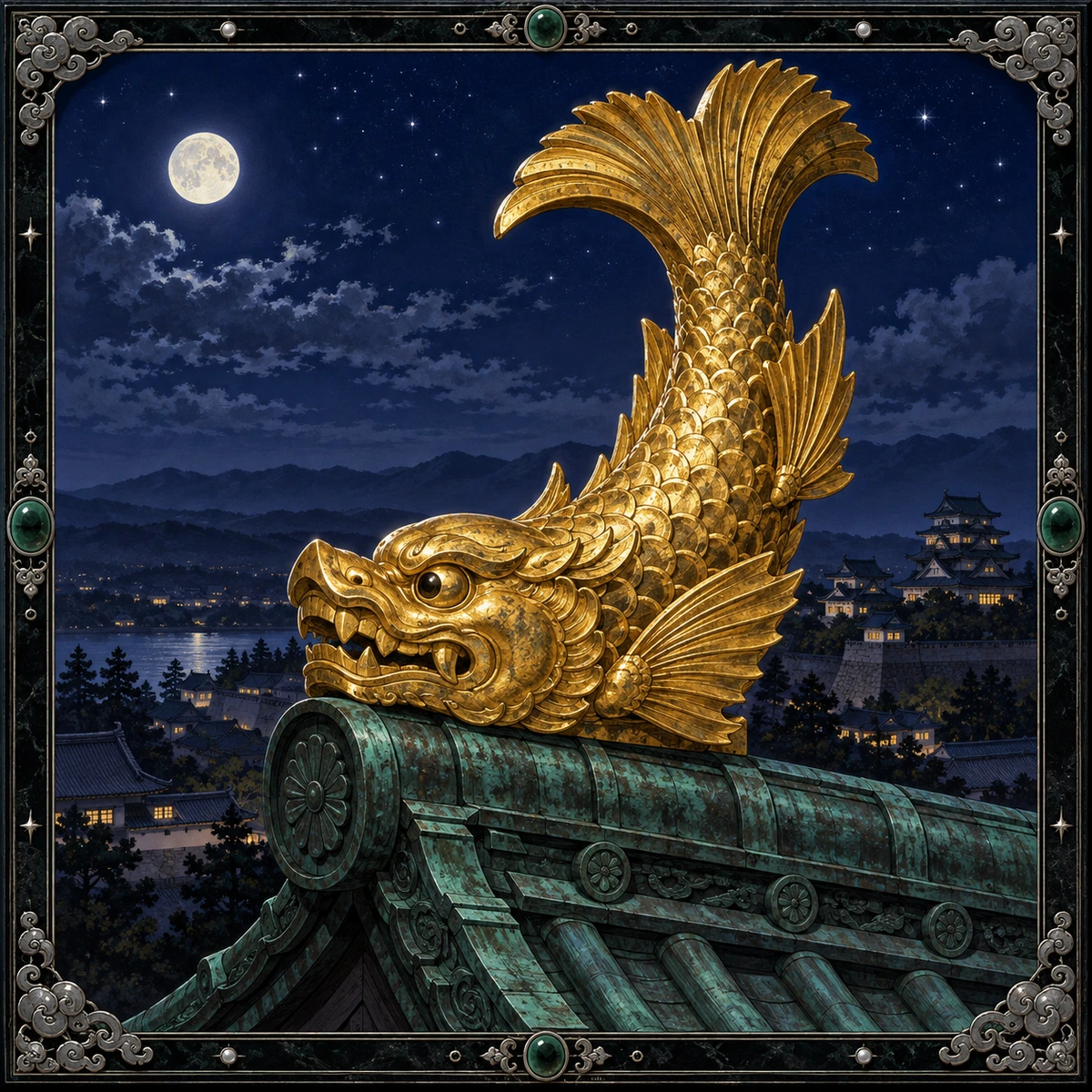
Shachihoko are fish-bodied roof guardians with formidable heads; Nagoya’s golden pair have become emblems of authority, survival and the city itself.
In March 1874, a ship carrying Japanese treasures home from Vienna went down in a storm. Nagoya’s golden roof guardian escaped the wreck: at the transfer in Hong Kong, it had been too large to fit aboard. The fish poised above the castle has a history of voyages, theft stories and painstaking repairs—an extraordinary life for a creature made to stay on a roof.
Read the manuscript