Loading Luminary Oddities
Please wait while the next page arrives.
Loading this page…
Return homePlease wait while the next page arrives.


 Bestiary of Cryptids & Legendary Creatures
Wonder at the edge of the known
A shape on Loch Ness, footprints in Himalayan snow, a winged figure beside a West Virginia road: a brief encounter can leave a long history. Photographs are examined, witnesses revisit the scene, and a name gathers new meanings. These manuscripts follow particular reports and the investigations they prompted, alongside community accounts whose histories extend beyond the search for an unidentified animal.
Search by name, place or tradition, or use the filters to explore a group of creatures.
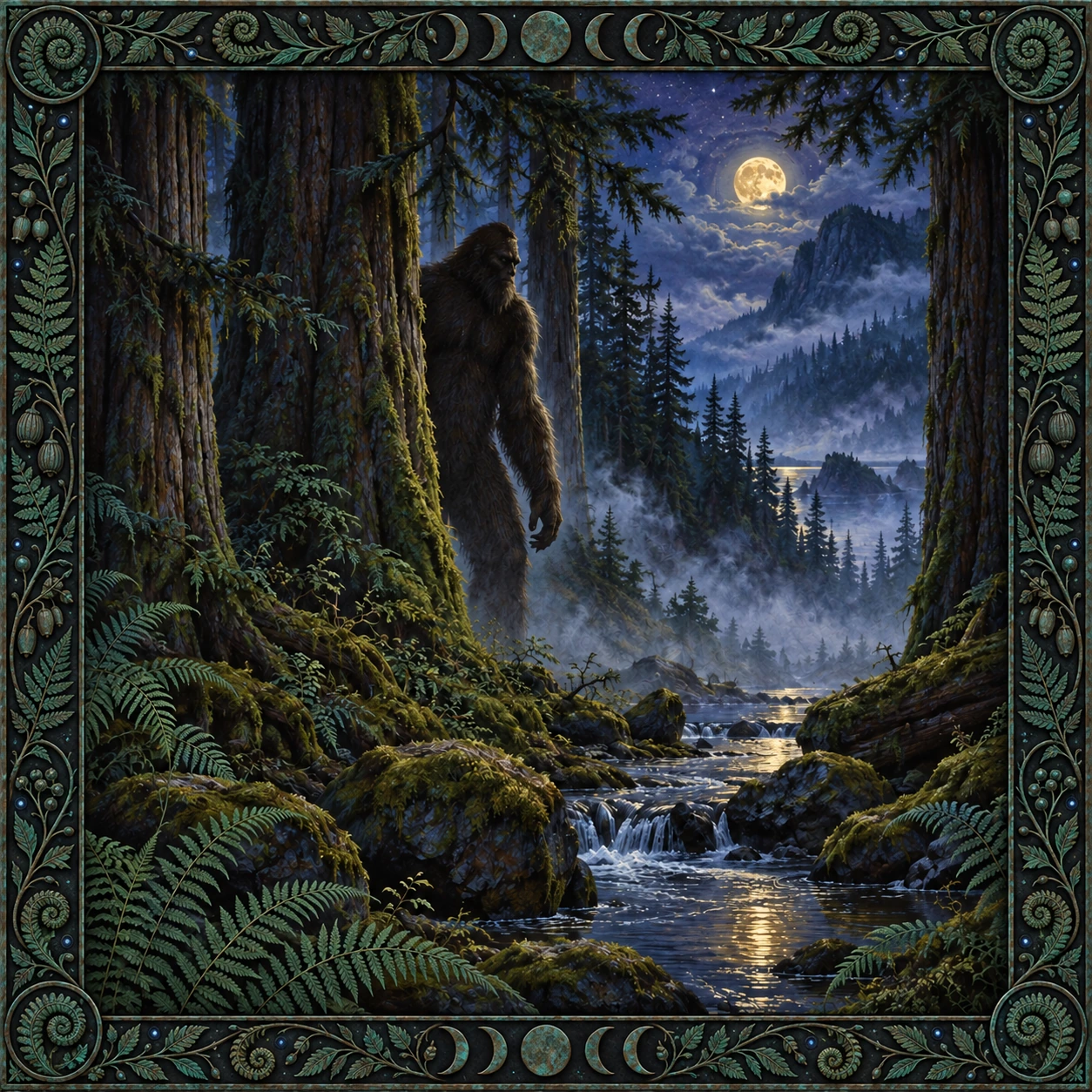
Bigfoot is a large, hairy, upright figure reported in North American forests, often known through enormous tracks and brief, unsettled encounters.
About fifteen hairs, still attached to a scrap of skin, were enough to prompt Peter Byrne to write to the FBI. He had spent years looking for evidence of Bigfoot and could not identify this sample. In November 1976, he asked the laboratory to look at it. The surviving letters let the investigation run all the way to an answer.
Read the manuscript
The Yeti is a shaggy, humanlike mountain being of Himalayan stories, associated with elusive appearances and puzzling tracks in snow.
At dawn on 22 September 1921, an Everest expedition climbed toward a high pass. Among recognizable hare and fox tracks lay a mark that looked unsettlingly human. The party continued upward; the print began a different journey, into stories that its finder would barely recognize.
Read the manuscript
Nessie is the elusive creature reported from Scotland’s Loch Ness, known for a long-necked silhouette and appearances that vanish before observers can examine them.
The water had been calm. Then a whale-like body rolled near the shore, plunged into foam and disappeared. The couple in the Inverness Courier’s 1933 account waited almost half an hour for another glimpse. That brief encounter left a question later photographs, sonar fleets and DNA sampling would approach in very different ways.
Read the manuscript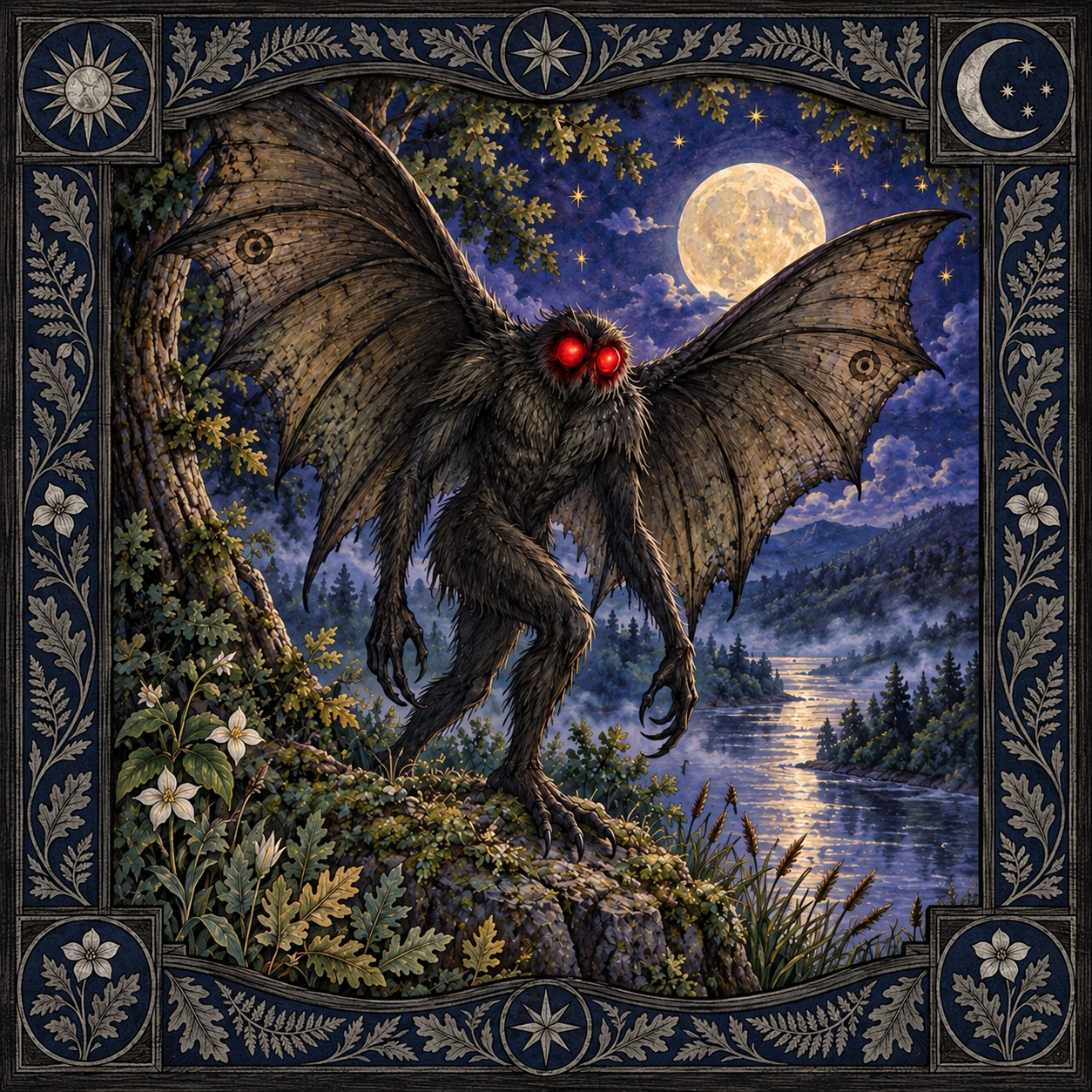
Mothman is a winged figure reported near Point Pleasant, West Virginia, whose red-eyed image grew from roadside encounters into a celebrated local legend.
Roger Scarberry drove away from the old power plant, but the winged thing appeared to follow. The next day’s Point Pleasant Register could offer only a string of uncertain names: bird, creature, something. A search found nothing. The report nevertheless gave other people a place to go looking.
Read the manuscript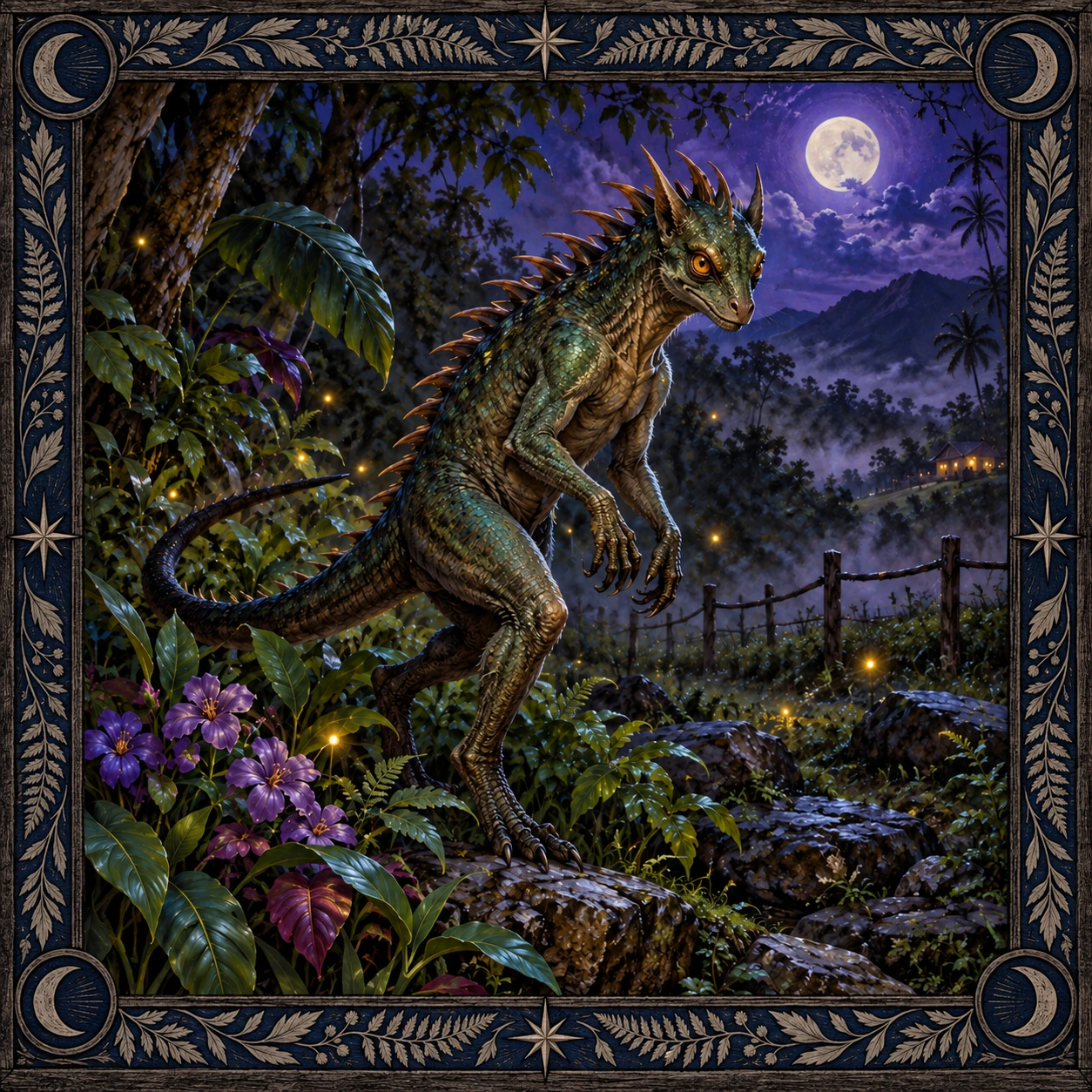
The Chupacabra is a reported blood-drinking predator, first famous in Puerto Rico, with spined, upright and later doglike forms.
Phyllis Canion kept the strange animal’s head in her freezer. Outside Cuero, Texas, an encounter legend had acquired something a laboratory could test: tissue from the supposed predator itself.
Read the manuscript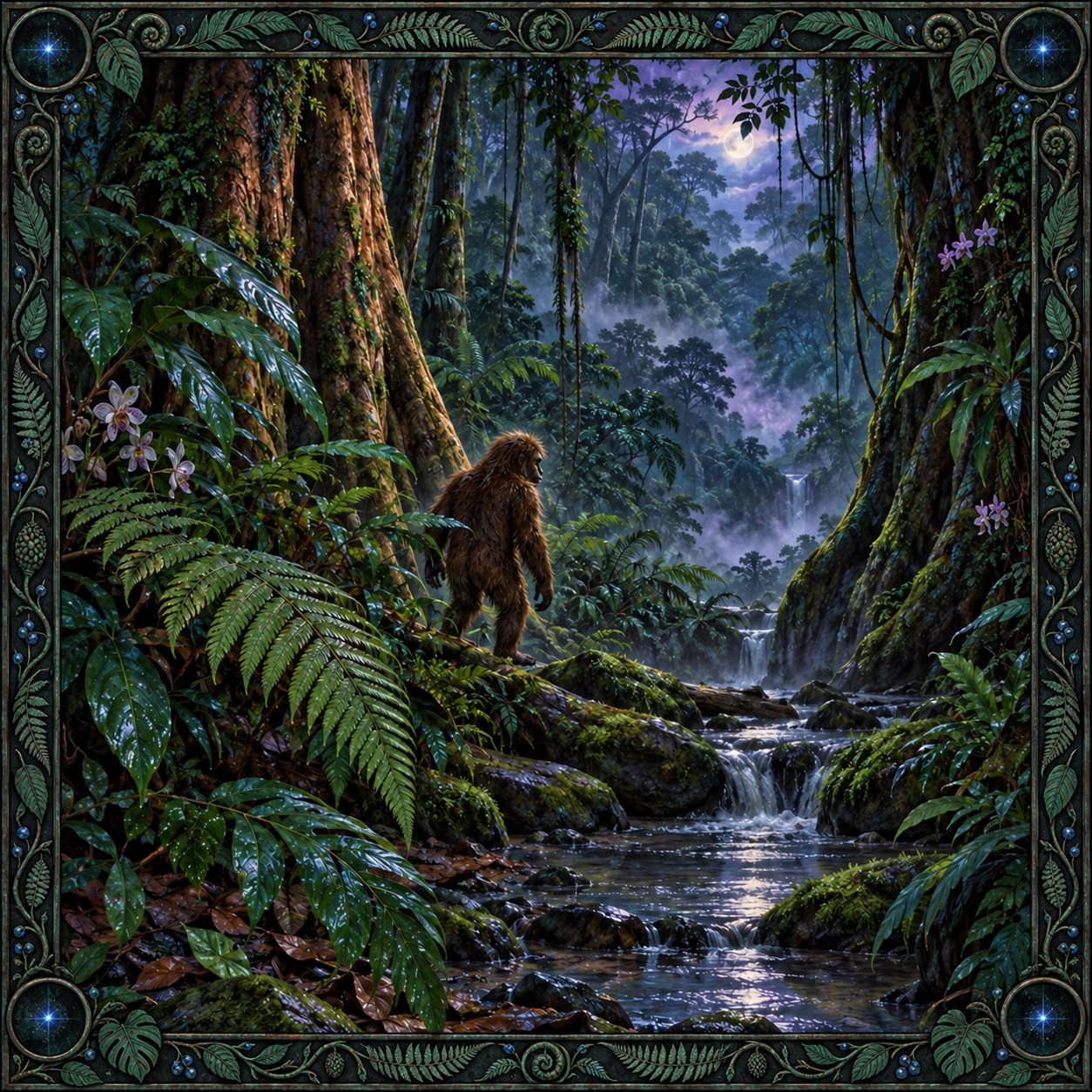
Orang Pendek is a small, upright forest figure reported in Sumatra, sometimes described as shaggy and apelike, sometimes as an unfamiliar human presence.
For two evenings, Kalin returned to his forest shelter to find the cooked rice almost gone. On the third day he hid nearby. Four visitors approached; one carried the pot outside, ate and put it back. His account would enter a museum investigation whose most revealing clues lay in a set of teeth and a few surviving hairs.
Read the manuscript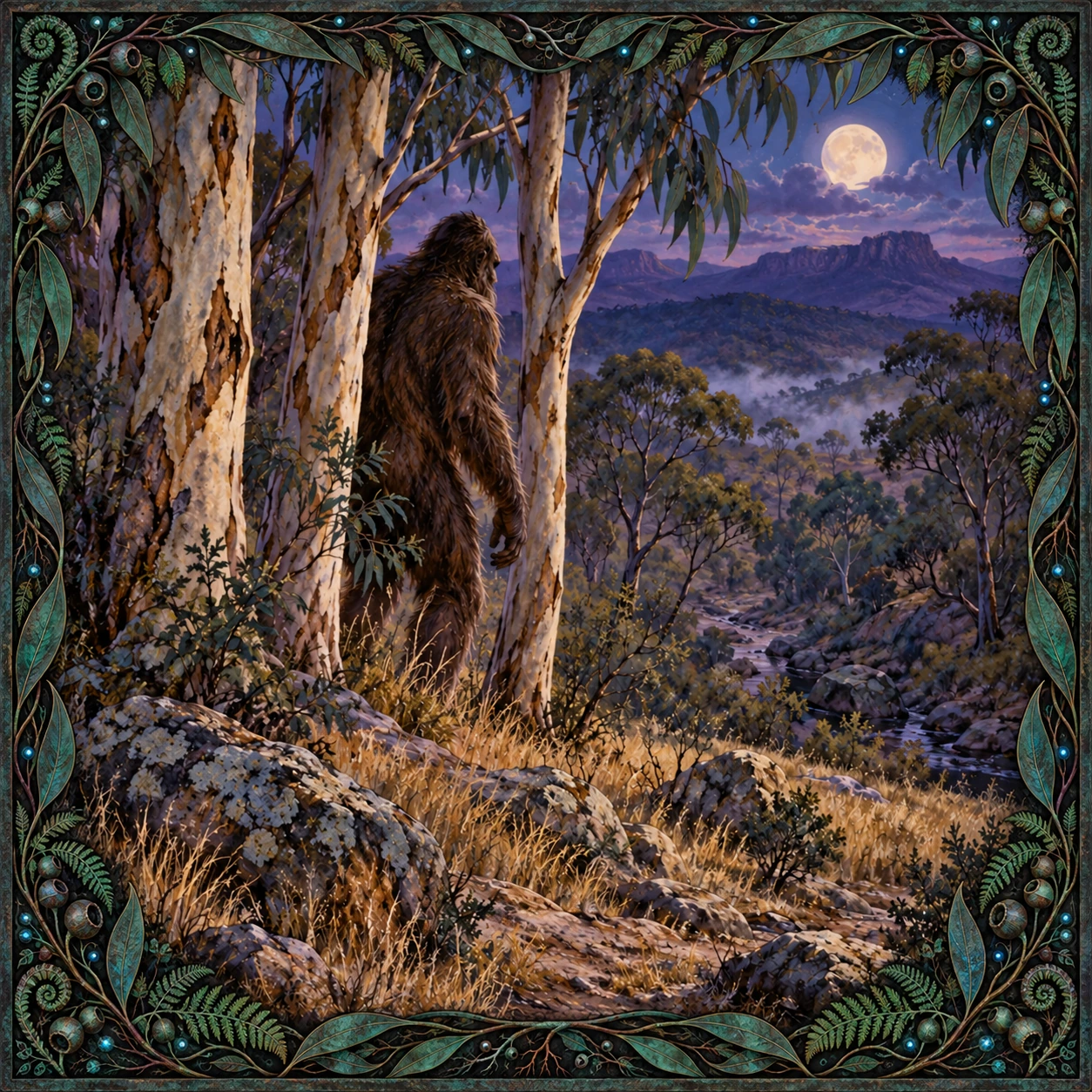
A large, hairy figure walking upright through the Australian bush appears in modern Yowie encounter stories.
A map offered two possible routes through the forest. David Taylor remembers looking up and seeing something cross ahead of him. In three steps it was gone.
Read the manuscript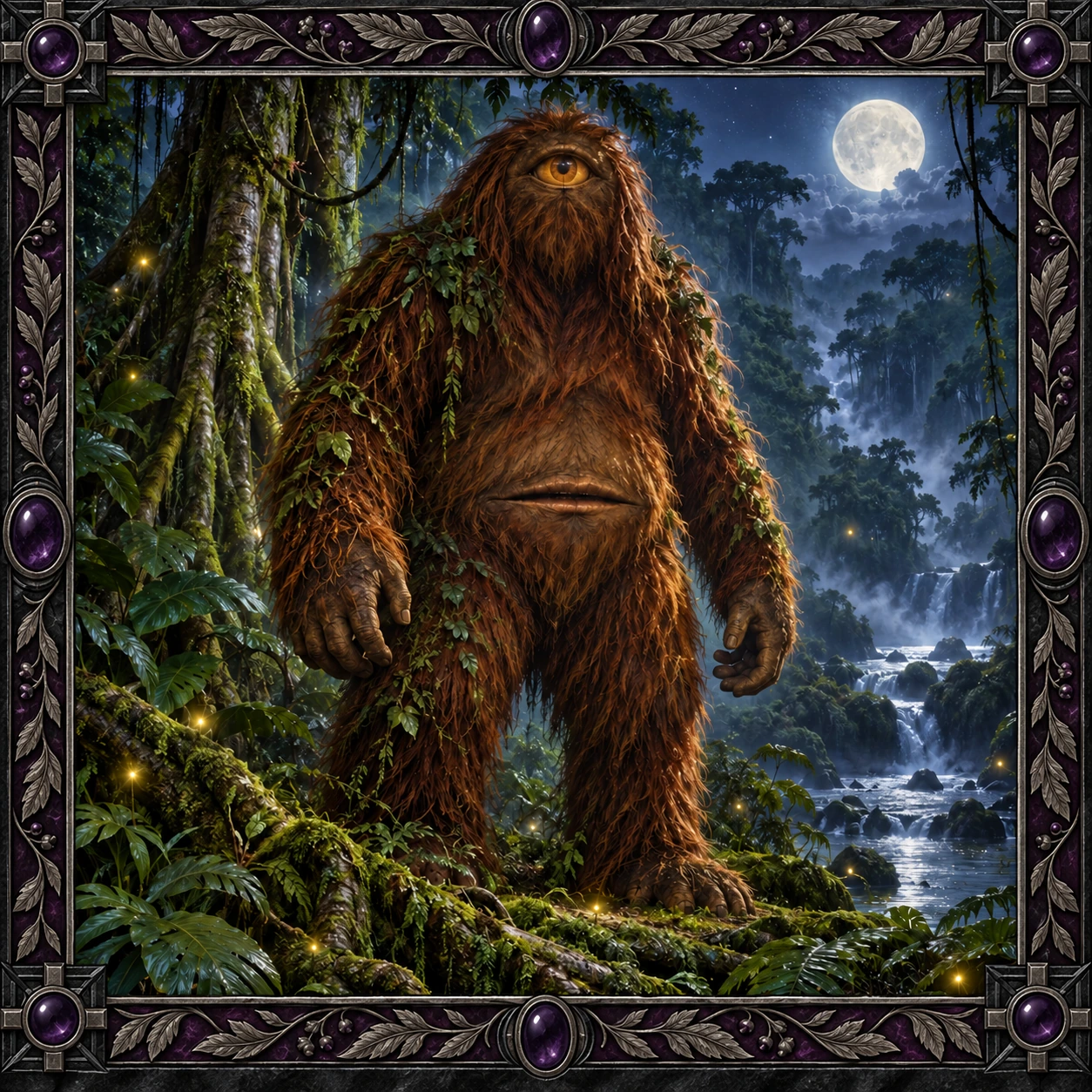
Mapinguari is a fearsome Amazonian forest being, often described as a hairy giant that resists hunters’ weapons and devours people.
In Saldanha’s recollection, timber worker Ponciano has an axe and a machete when the hairy figure faces him. He has no gun.
Read the manuscript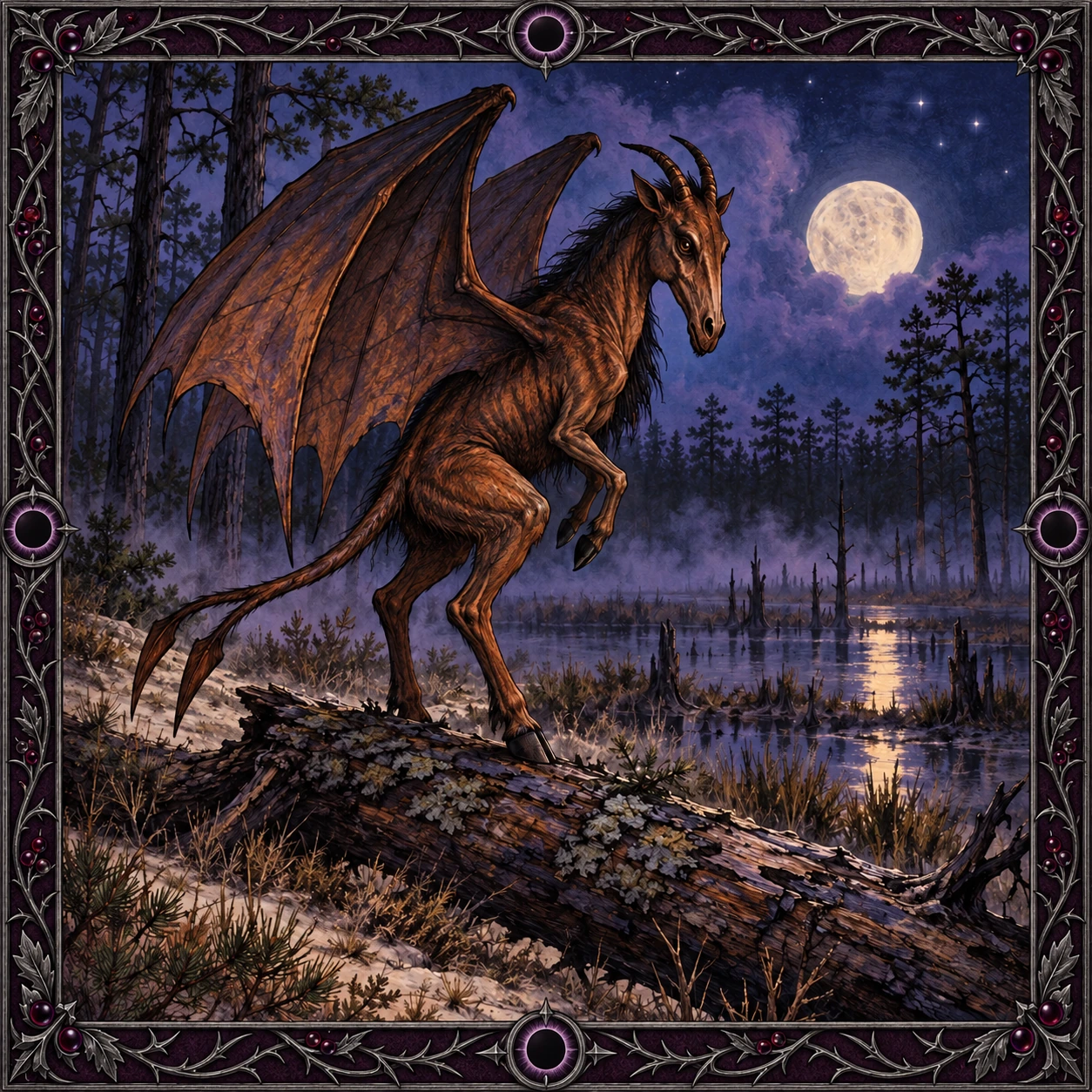
The Jersey Devil is a winged creature of New Jersey’s Pine Barrens, often given a horse-like head and remembered through monstrous birth stories, strange cries and tracks.
Hannah Butler began to remember a storm like the night she had seen Leeds’s devil. Her nephew interrupted: what good could come of naming something that might be beside them? The visitor left without her account. That unfinished exchange in an 1859 travel essay is one route into New Jersey’s most familiar forest figure; a transformed child and a waiting campfire audience offer others.
Read the manuscript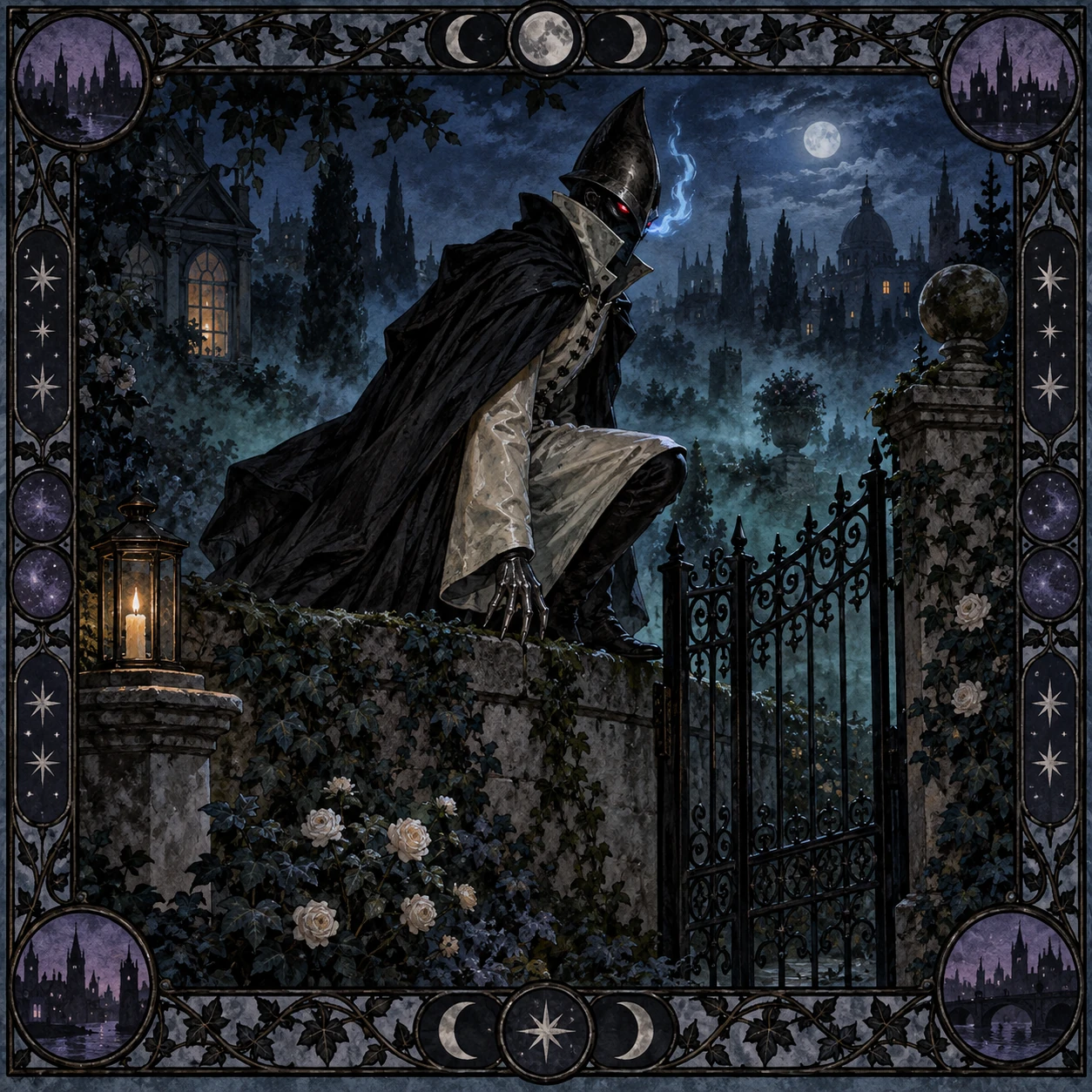
Spring-heeled Jack is a cloaked figure of Victorian encounter reports and penny fiction, feared as an attacker and reinvented as a leaping rescuer.
The caller at Jane Alsop’s gate said he was a policeman. He had caught Spring-heeled Jack in the lane and needed a light. Jane went inside for a candle.
Read the manuscript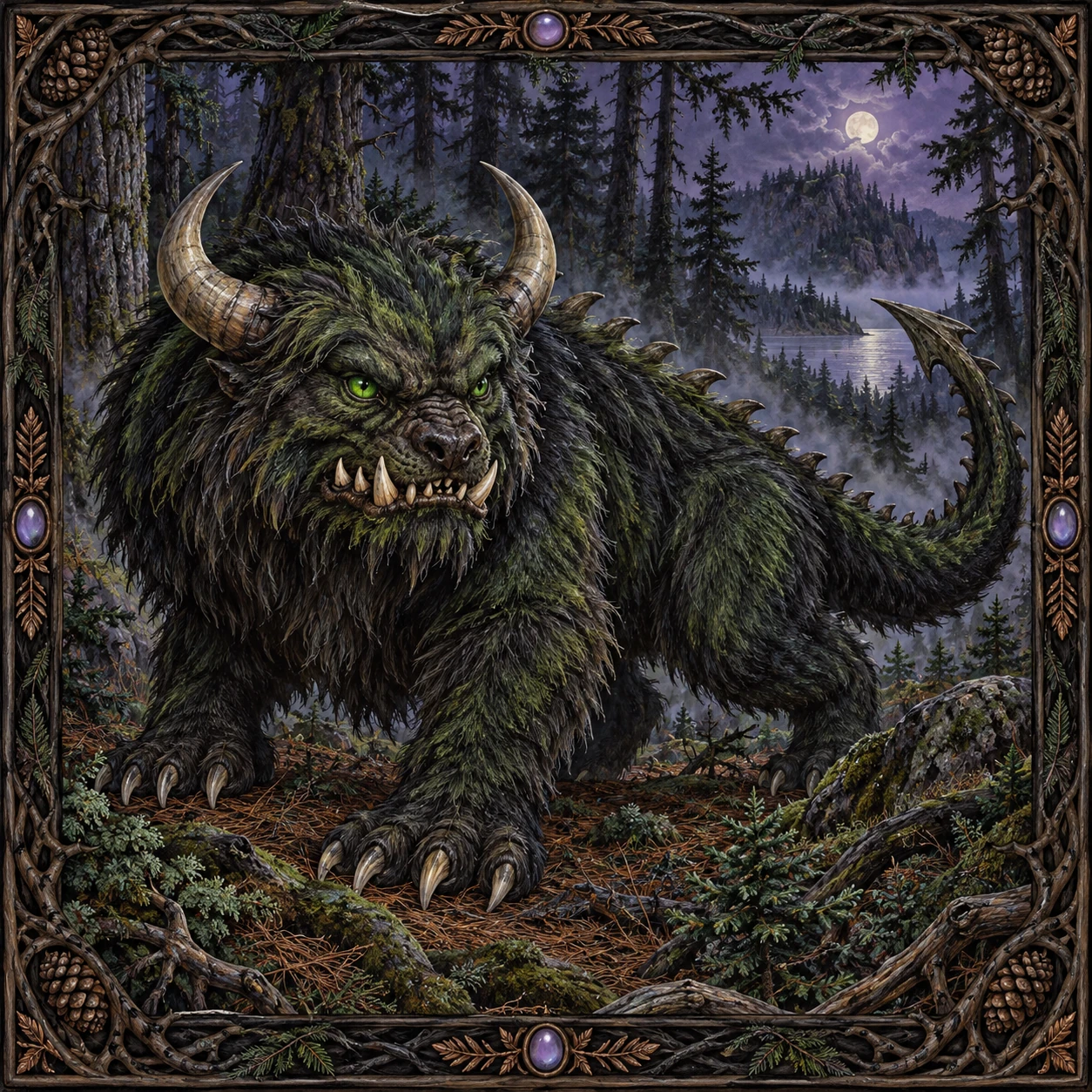
The Hodag haunts northwoods lumber tales as a tree-uprooting beast or an ox reborn from ashes, with horns, claws and an appetite for trouble.
The pit is ready, the ox is on the trail, and the man leading it has been chosen for his speed. Behind them comes the Hodag, tearing through trees and underbrush. In Lake Shore Kearney’s tale, the trap will work only if the bait can get out of its way.
Read the manuscript