Loading Luminary Oddities
Please wait while the next page arrives.
Loading this page…
Return homePlease wait while the next page arrives.


 Bestiary of Cryptids & Legendary Creatures
Wonder at the edge of the known
Beowulf’s last enemy waits beside a hoard. At Babylon, a composite serpent strides across glazed brick. In Māori accounts, named taniwha belong to particular waters and relationships. The beings on this shelf can threaten, shelter, guard or transform; their stories lead through rivers, cities and difficult bargains.
Search by name, place or tradition, or use the filters to explore a group of creatures.
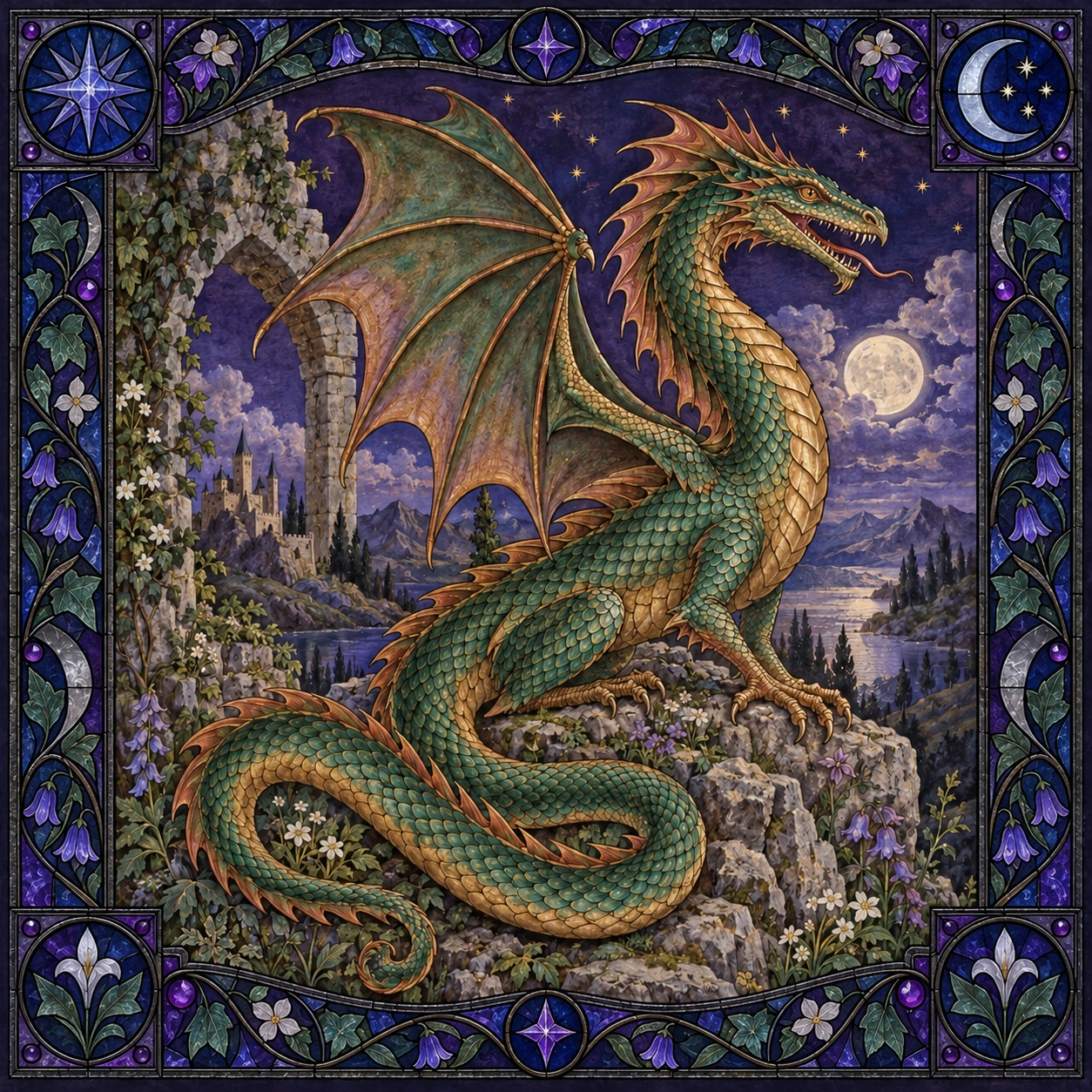
European dragons are legendary serpents and winged monsters that guard treasure, confront saints and heroes, and embody the fortunes of kingdoms.
One cup is missing. The dragon circles its barrow, searching for the intruder who passed its sleeping head. Finding no one, it waits for night. In Beowulf, the escape of a frightened man is about to become a calamity for a kingdom.
Read the manuscript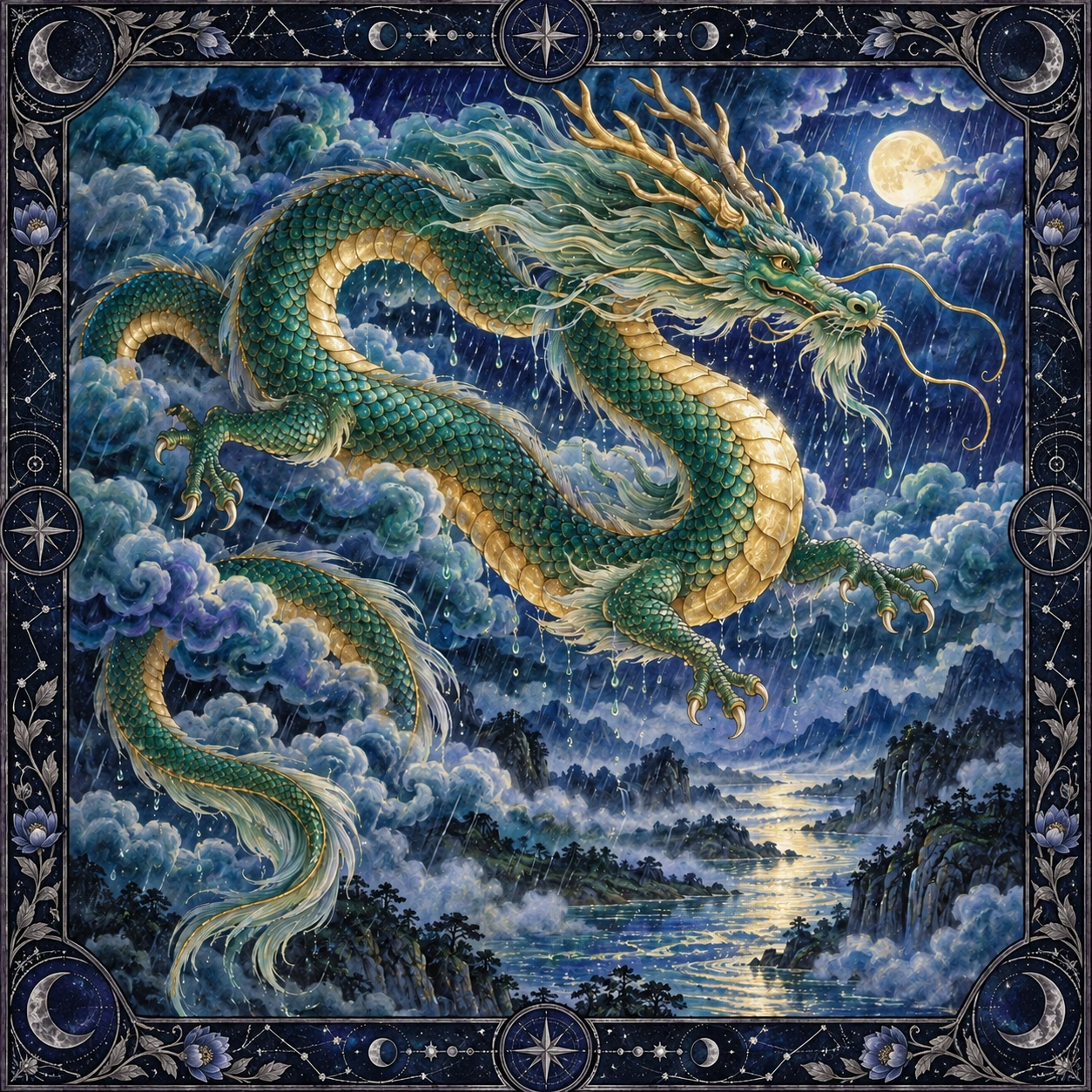
The lóng is a Chinese dragon of water and clouds, a sign of imperial rank and a powerful being whose stories mingle generosity, anger and family obligation.
A young woman tending sheep asks a passing traveller to carry a letter home. Only then does he learn that her father is a dragon king and the flock consists of thunder rams. In “The Disowned Princess,” reaching the family beneath Dongting’s waters will be easier than containing its response.
Read the manuscript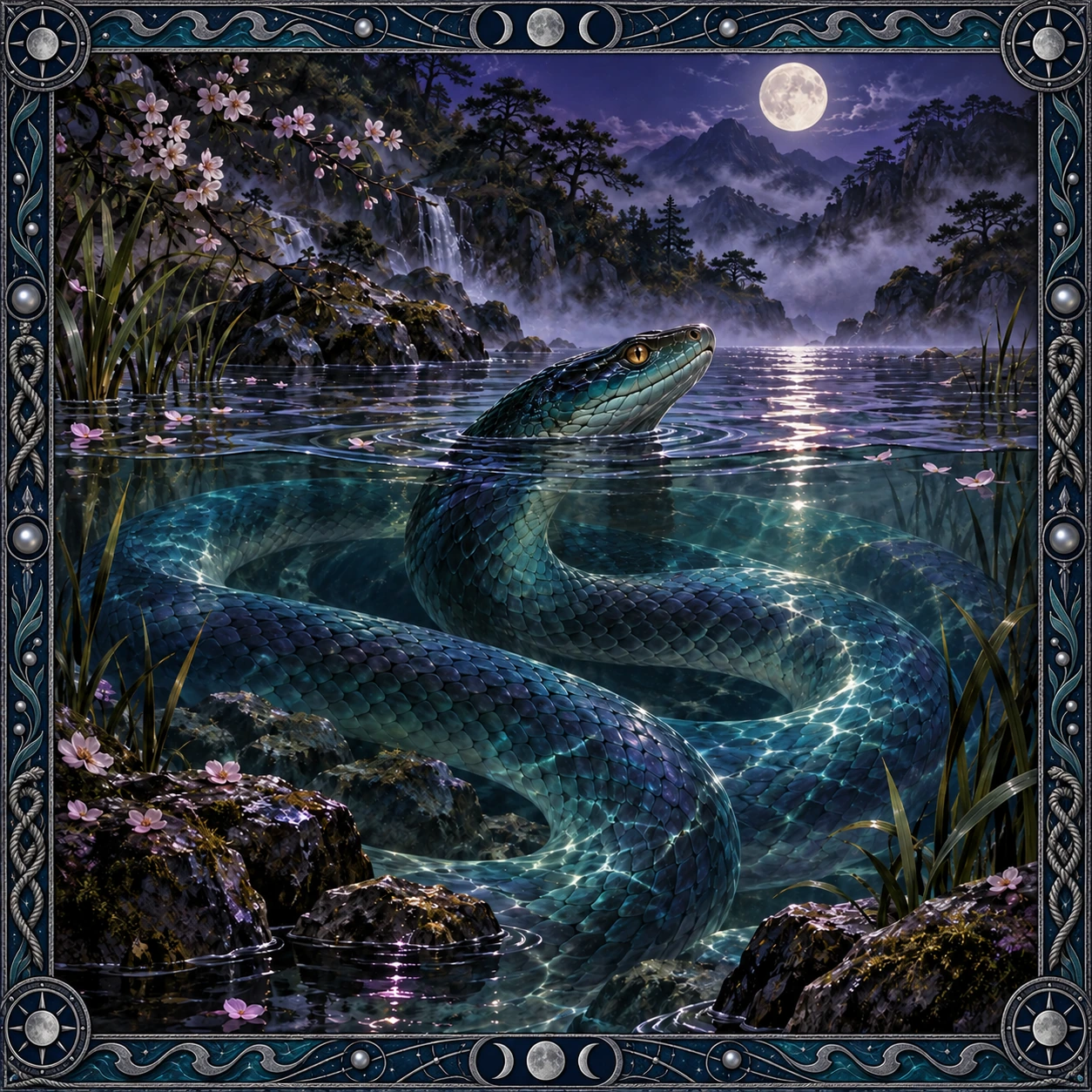
Imugi are Korean serpentine beings whose stories connect rain, human kindness and the possibility of becoming a dragon.
The rain has come, and the fields are saved. Now a heavenly messenger stands in the temple courtyard, demanding the being who brought it. Boyang has hidden his companion beneath a desk. In front of them grows a pear tree.
Read the manuscript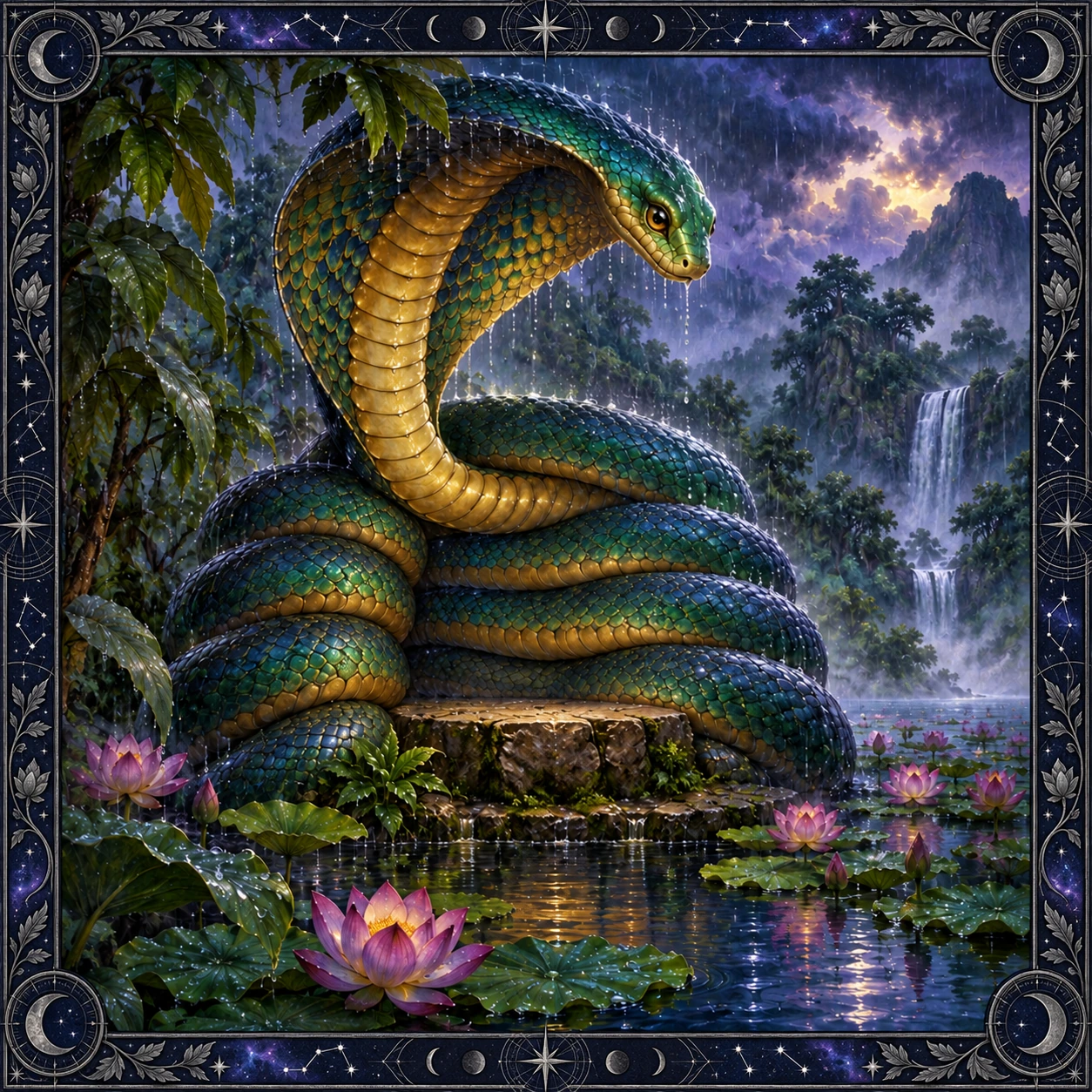
Nāgas are serpent beings of Asian religious traditions, capable of sheltering the Buddha, guarding sacred teaching or carrying the earth itself.
For seven days, rain falls out of season. A serpent king leaves his dwelling and coils around the meditating Buddha, raising his hood against the weather. When the sky clears, the great body unwinds. Before the Buddha now stands a young man, his hands folded in reverence.
Read the manuscript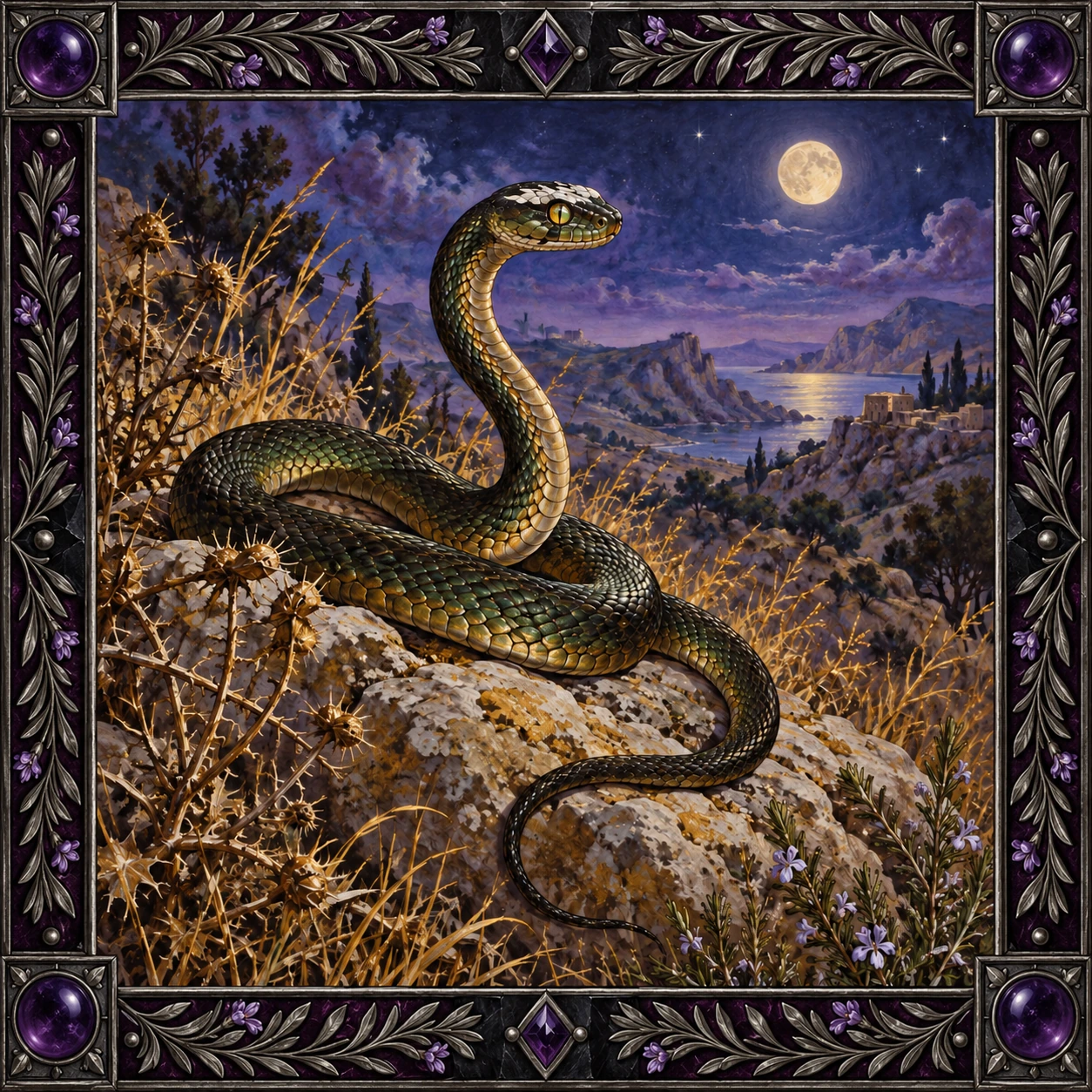
The basilisk is the little king of classical and medieval serpent lore, whose breath, venom or gaze can kill before an enemy reaches it.
Murrus has struck the serpent with his lance. In Lucan’s epic, that should have been the end of the danger. Instead, poison runs up the weapon toward his hand. A Roman soldier who has survived the desert now has only a moment to act.
Read the manuscript
Inkanyamba is a great snake associated with deep pools and storms in southern African accounts, appearing as a dangerous presence, a rain animal or an expected household visitor.
At a shaded river pool near Thendele, a fisherman saw what looked like a sheep. He moved closer. Lightning struck from an otherwise clear sky, and he fled without his rod. Michael Francis’s collected account begins with that bewildering interruption; the fisherman’s wife would return to the pool and see something different.
Read the manuscript
Taniwha are powerful beings in Māori traditions, some protecting particular communities and places, others threatening the people who cross their paths.
Both ends of the road have an explanation for the missing travellers. One household thinks they have not set out; another thinks they are prolonging a visit. In William Colenso’s 1878 account, the danger becomes clear only when people from Rotorua and Taupō compare who has failed to arrive.
Read the manuscript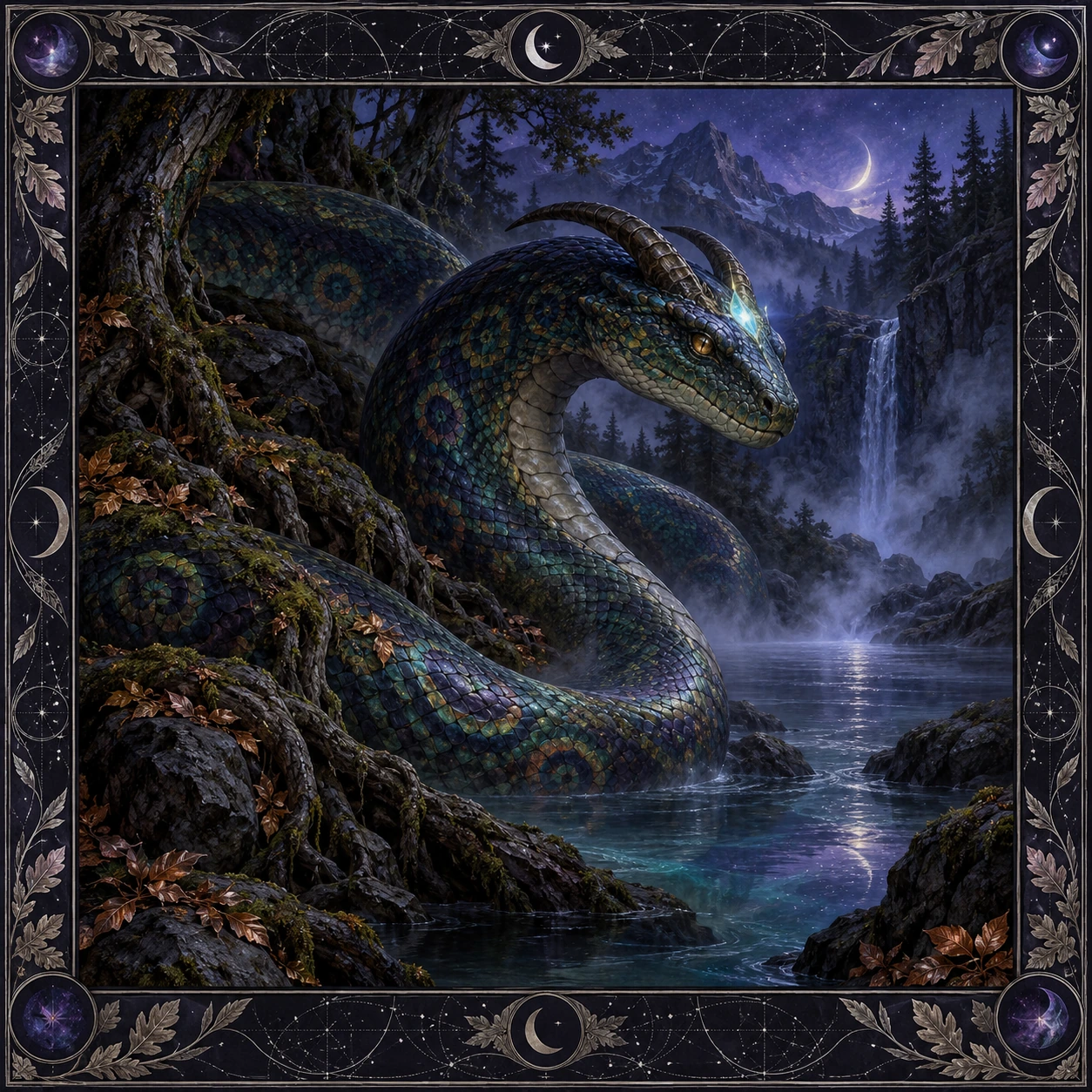
Uktena is a great horned serpent of Cherokee stories, with glittering scales and a brilliant crest upon its forehead.
A captive offers to bring back the blazing crest of Uktena if his captors will spare his life. They warn him that meeting the serpent means death. He begins his search anyway, passing creatures that send everyone else running.
Read the manuscript
Ninki Nanka haunts Gambian river creeks; neighbouring accounts describe golden serpents, dangerous gifts and a bride whose dazzling husband conceals a monstrous appetite.
An enormous creature leaves the mangrove mud after dark and devours whatever crosses its path. M. D. W. Jeffreys printed that Gambian description in 1944, adding that older fishermen told terrifying stories once they trusted their listener. The surviving notice never gives one fisherman’s name. Its few lines leave the creature emerging from the mud while the people who told of it remain just beyond view.
Read the manuscript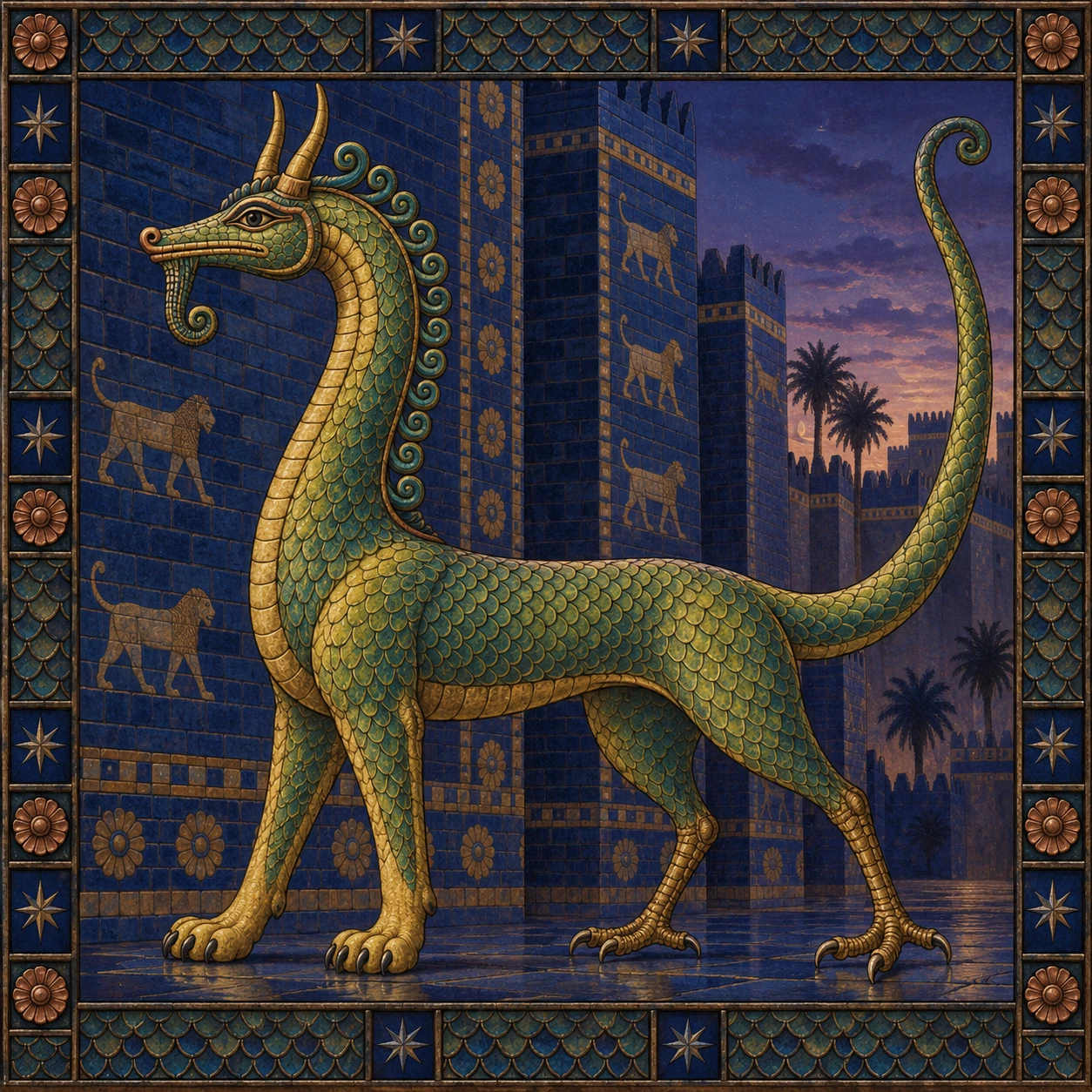
Mušḫuššu is a horned Babylonian serpent-dragon with feline forelegs and bird-like hind feet, associated with divine protection and the blue-brick splendour of the Ishtar Gate.
The road rose, and Babylon’s great gates became too low. Nebuchadnezzar II describes tearing them out and rebuilding from foundations at the water table. Above that deep work, bulls and serpent-dragons would cross shining blue walls: a practical problem answered with a monument intended to astonish.
Read the manuscript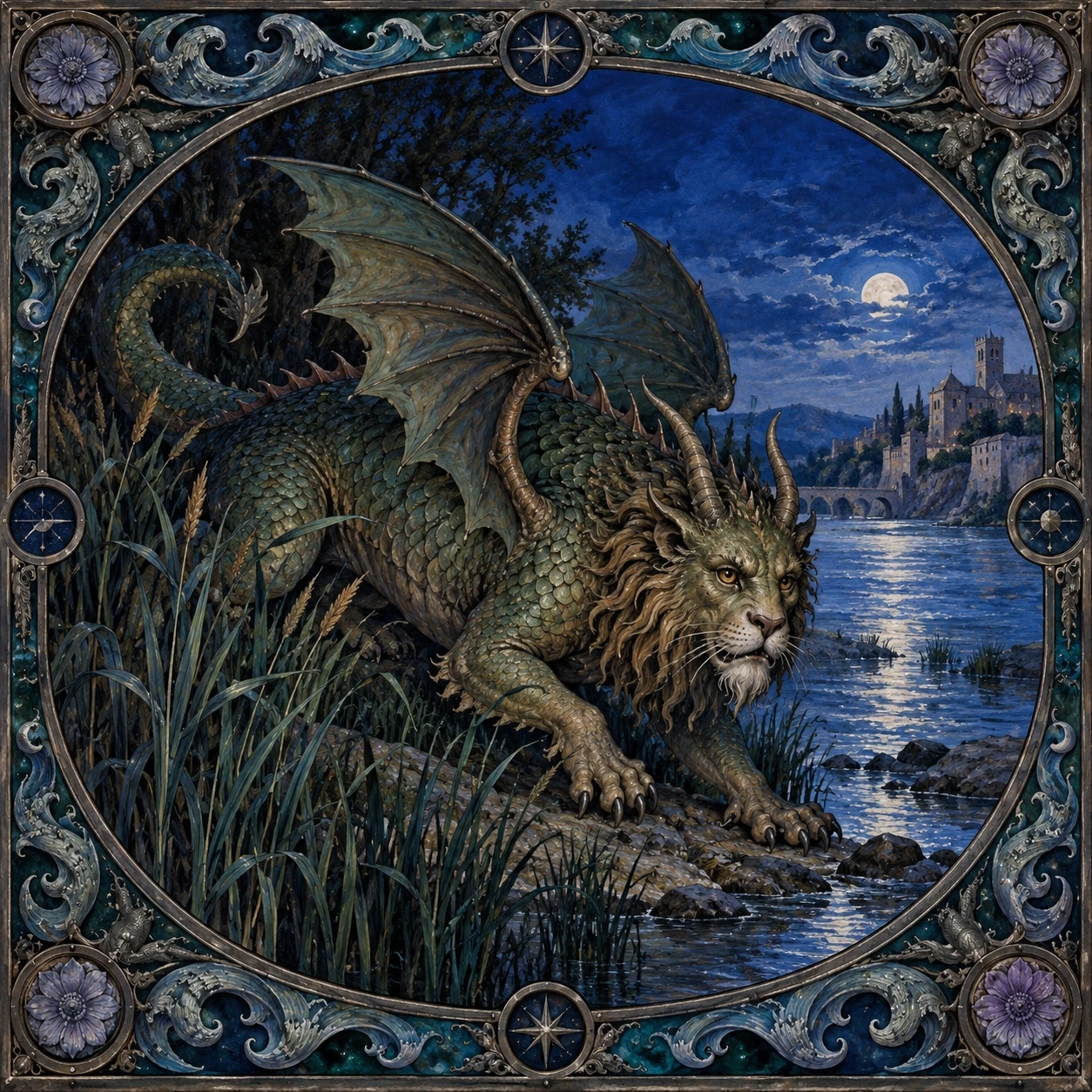
The Tarasque is a monstrous inhabitant of the Rhône subdued by Saint Martha in legend and celebrated as Tarascon’s unruly festival beast.
A custodian brings the keys, the doors open, and an enormous painted creature stares out of the darkness. The coachman who has brought Mona Caird and her companion here is proud of what they are about to see. The visitors must find something suitably admiring to say. Tarascon’s famous monster is easier to praise, he suggests, when it is loose in the streets.
Read the manuscript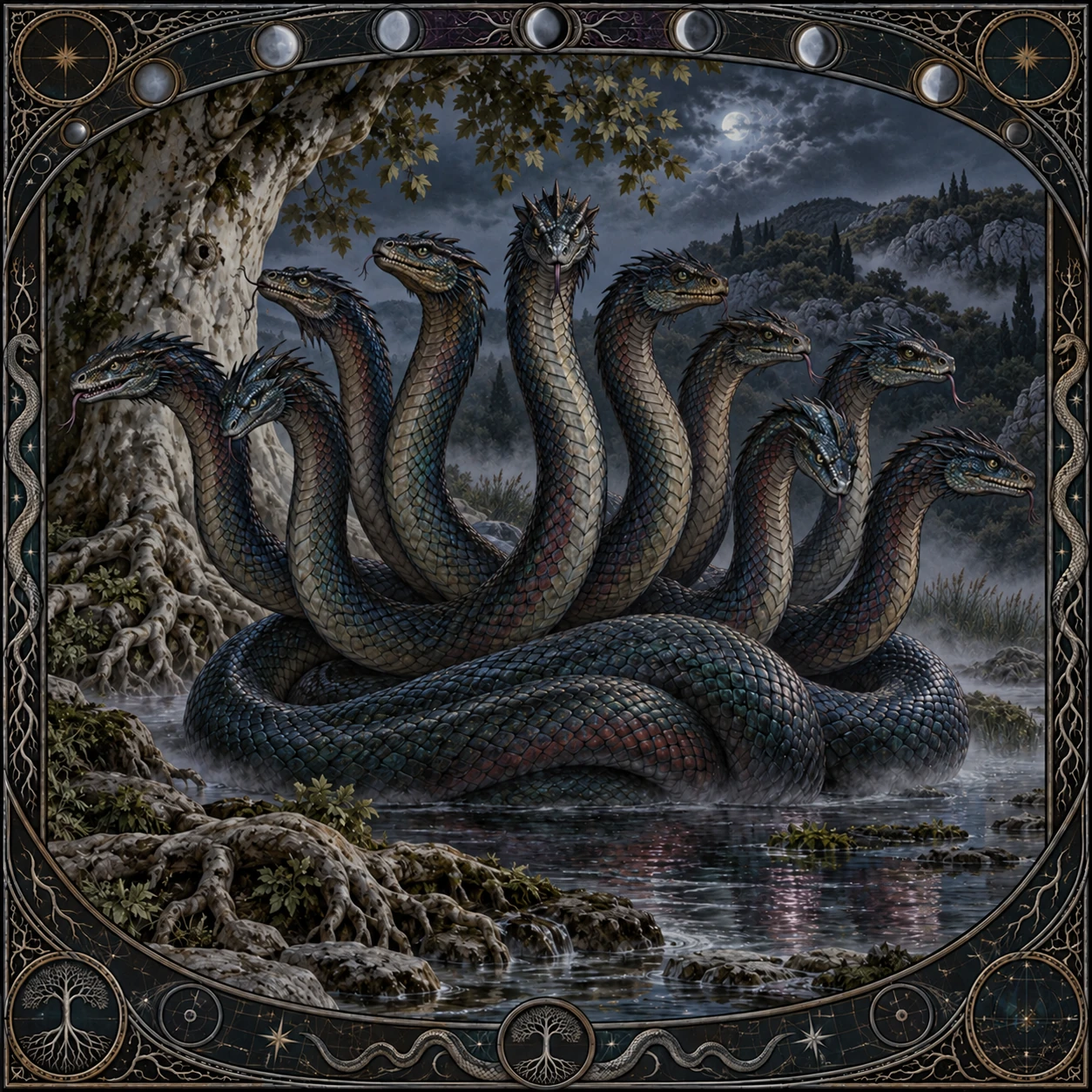
The Lernaean Hydra is Heracles’ serpentine adversary, whose severed heads multiply and whose poison outlives the battle.
A head falls, and two rise in its place. In Diodorus’ account, every successful blow makes Heracles’ task harder. He has come to kill the serpent of Lerna, but strength alone is giving it more mouths.
Read the manuscript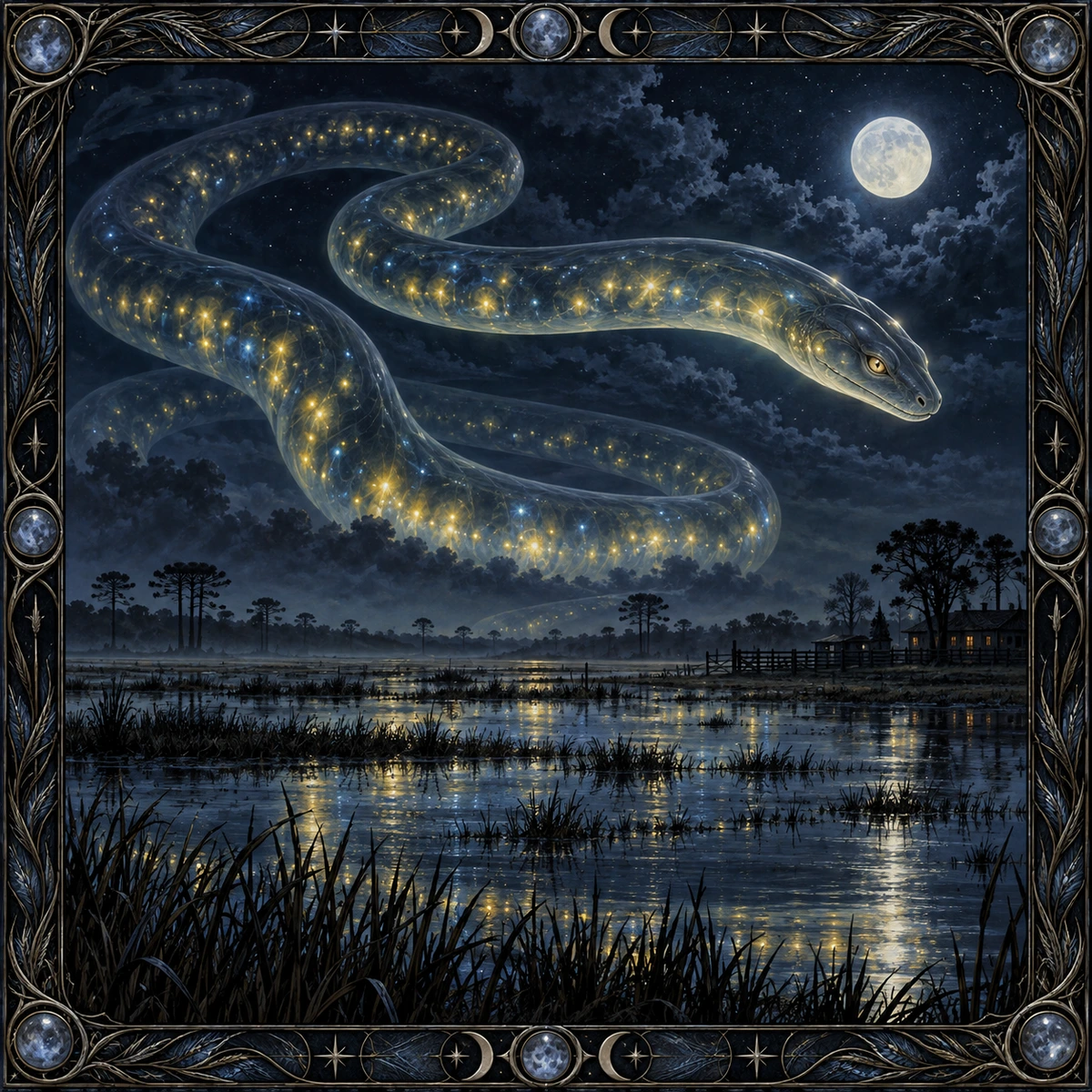
Boitatá is a Brazilian being of moving light, described as a wandering fire or luminous serpent and, in some accounts, a guardian of fields.
Night has lasted so long that the people’s eyes have grown weary of the darkness. Their fires are dwindling. In João Simões Lopes Neto’s A M’boi-tátá, even the animals have lost their way. Then water enters a sleeping snake’s den, and the great creature wakes beneath the rising flood.
Read the manuscript