Loading Luminary Oddities
Please wait while the next page arrives.
Loading this page…
Return homePlease wait while the next page arrives.


 Bestiary of Cryptids & Legendary Creatures
Wonder at the edge of the known
A brownie helps with household work; a gift of clothes can bring the arrangement to an end. Menehune builders work through the night on Laka’s canoe. Elsewhere, a forest path, an unfamiliar sound or an unexpected wrestling match brings a person into another being’s company. These encounters turn on the work people share, the promises they make and the rules of particular homes and landscapes.
Search by name, place or tradition, or use the filters to explore a group of creatures.
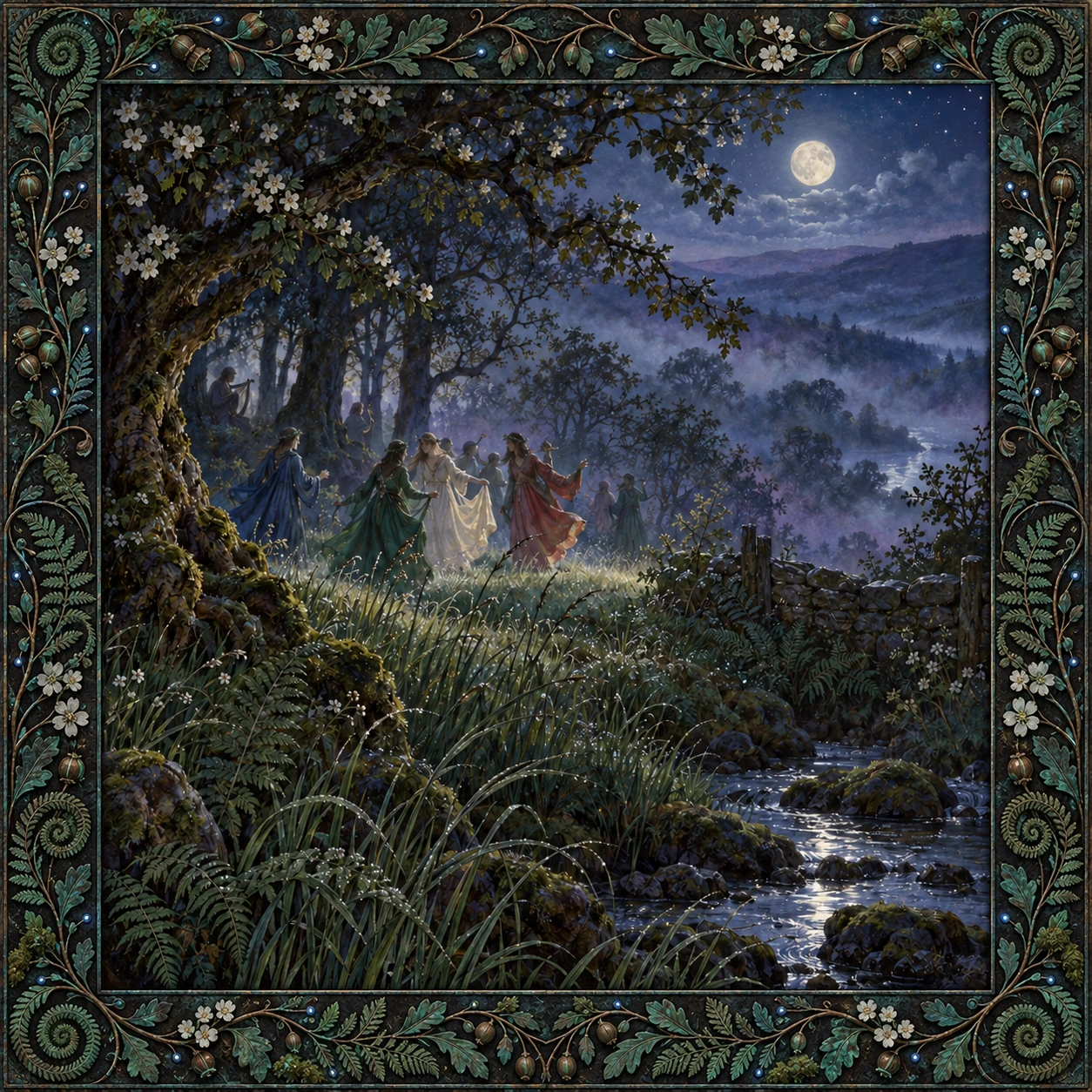
The Tylwyth Teg are the fairy people of Welsh tradition, encountered in dancing companies, hidden households and unsettling visits to human homes.
Two farm servants are walking home at twilight when one hears a tune he knows. His companion hears nothing. Rhys runs toward the music, promising to catch up; Llewellyn goes home alone.
Read the manuscript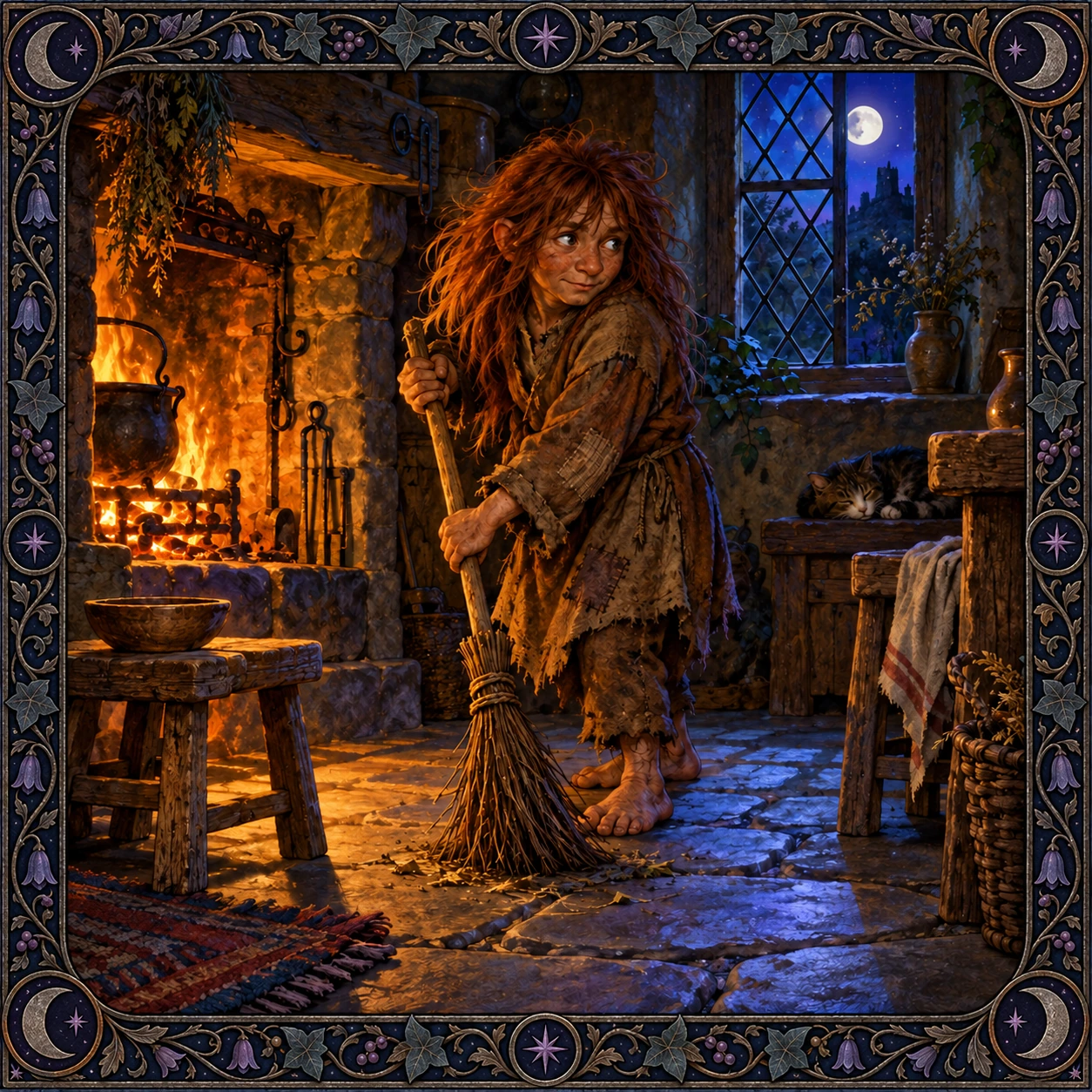
The brownie is a Scottish and Border household spirit that works unseen, accepts discreet treats and can leave a family when its help is taken for granted.
For several seasons, the brownie at Cranshaws has helped save and thresh the corn. Then, after a harvest, someone complains about the way it is piled in the barn. The household has found fault with a worker it cannot command. In William Henderson’s collection, the answer comes the following night.
Read the manuscript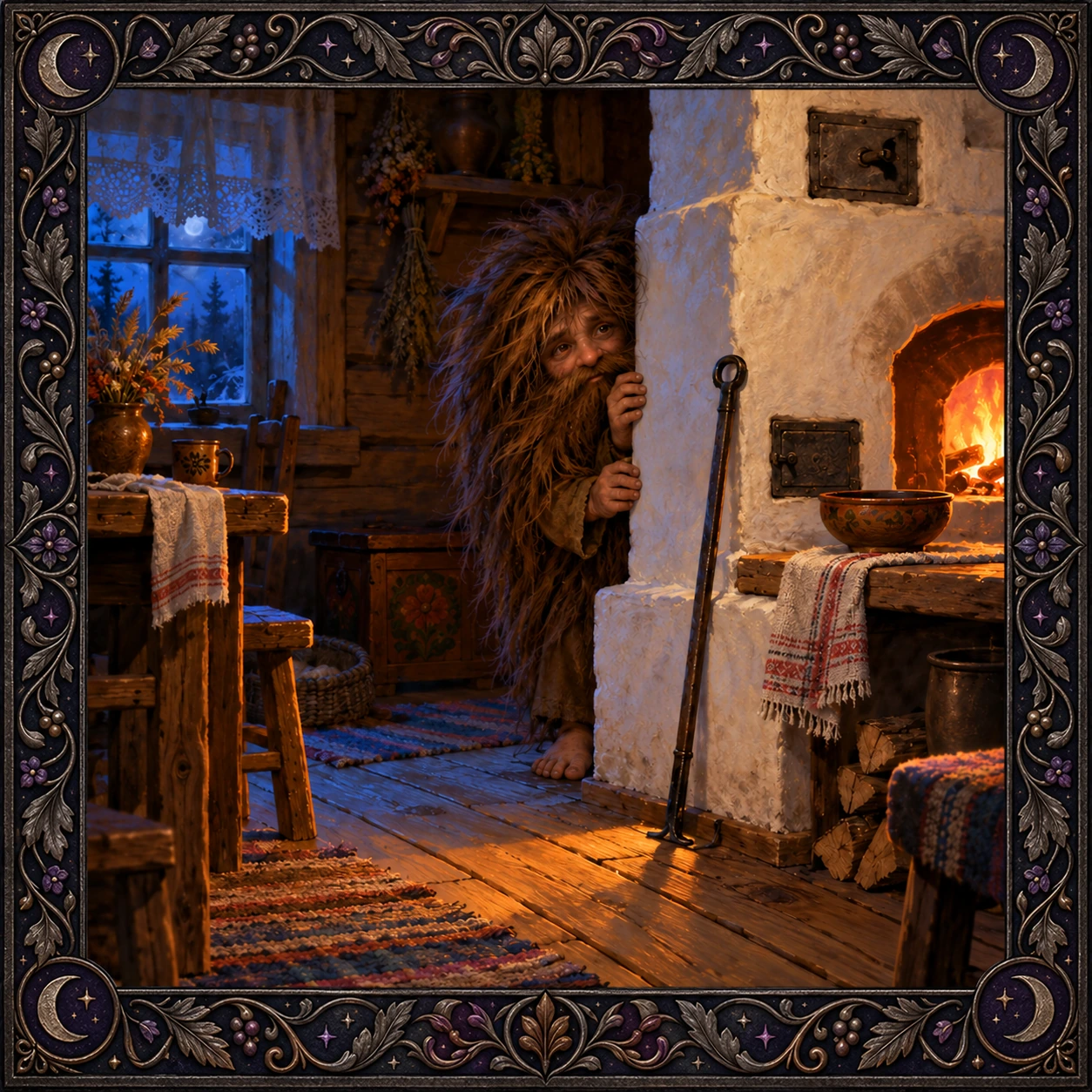
The Domovoi is a Russian household spirit whose care, warnings and mischief gather around the stove, family and fortunes of a home.
The Domovoi has thrown the cat to the floor. The housewife calls it to account: the family needs that animal. In a story collected by W. R. S. Ralston, the unseen keeper of a home must answer to someone who knows how the place should be run.
Read the manuscript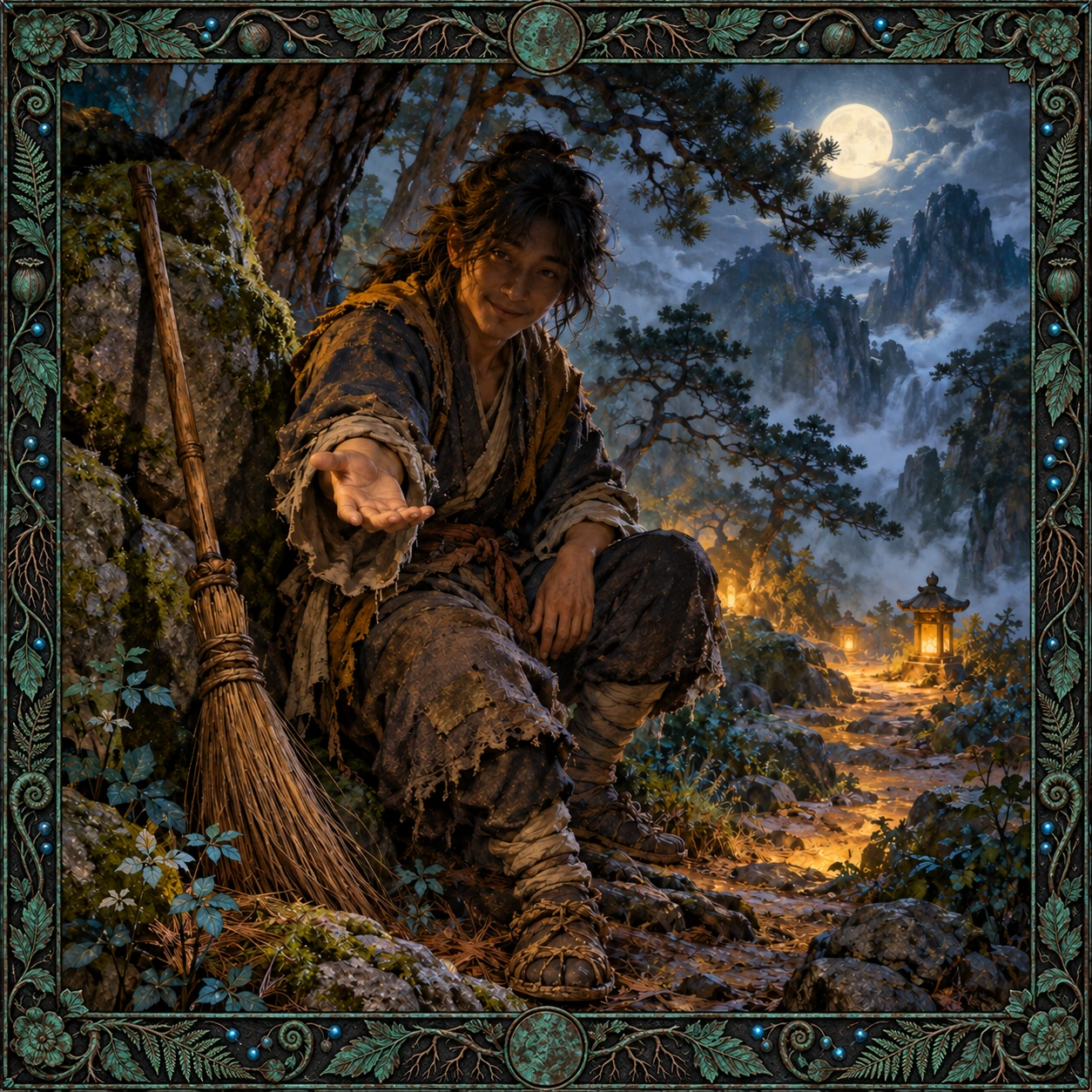
Dokkaebi are Korean supernatural beings who demand games, play tricks and bring unexpected wealth or trouble into human lives.
A boy sleeps in a house that everyone else avoids. The villagers blame Dokkaebi for the deaths of its former occupants; after midnight, something brushes his face. In a tale printed in 1902, his answer is to strike a light. What he finds makes the house’s dreadful reputation the beginning of his good fortune.
Read the manuscript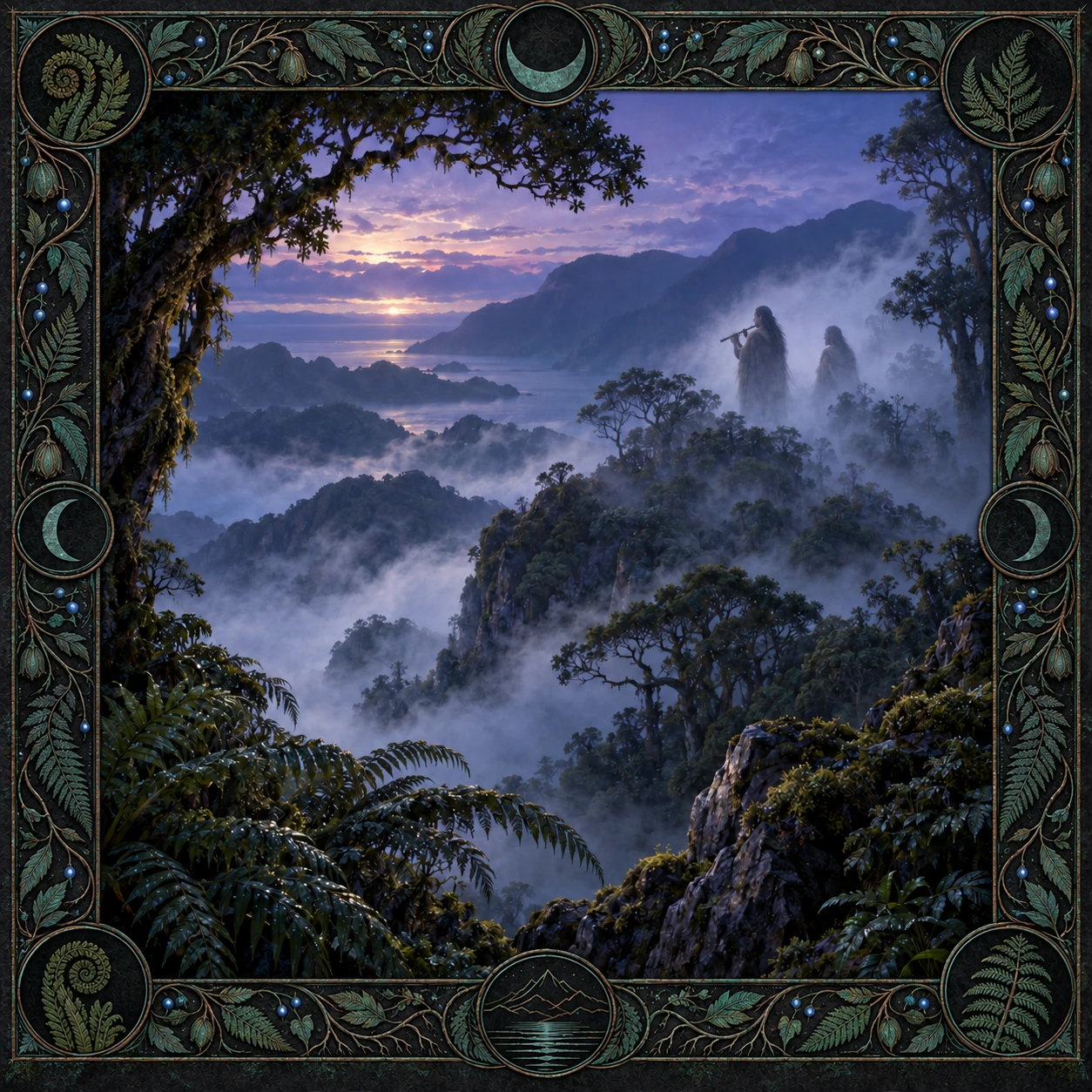
Patupaiarehe are elusive supernatural people in Māori traditions, associated with wooded mountains, mist and music heard from unseen companies.
Voices approach Te Kanawa’s hunting camp: men, women and children, though nobody can yet be seen. When the visitors finally peer over the tree roots, they seem interested chiefly in him. The Waikato chief reaches for his ornaments, hoping a gift will persuade them to leave.
Read the manuscript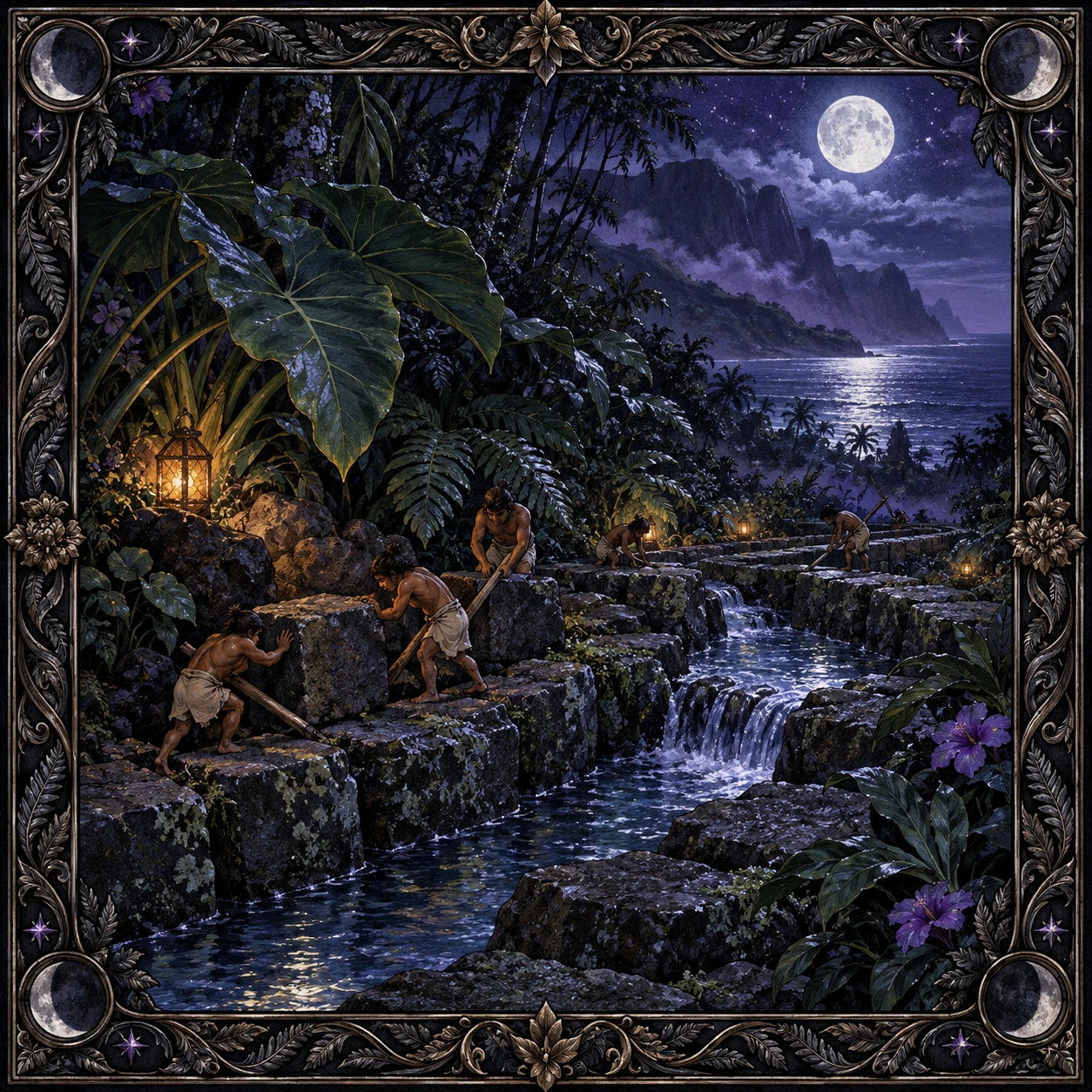
Menehune are skilled people and ancestral helpers in varied Hawaiian accounts, remembered for extraordinary collective work, family relationships and named places.
Laka cuts down a tree for his canoe. Next day it has vanished. He cuts another, and the same thing happens again. In the account collected by Thomas G. Thrum, he finally hides beneath a felled trunk and hears a company gathering to raise it. The people undoing his work know how to finish it.
Read the manuscript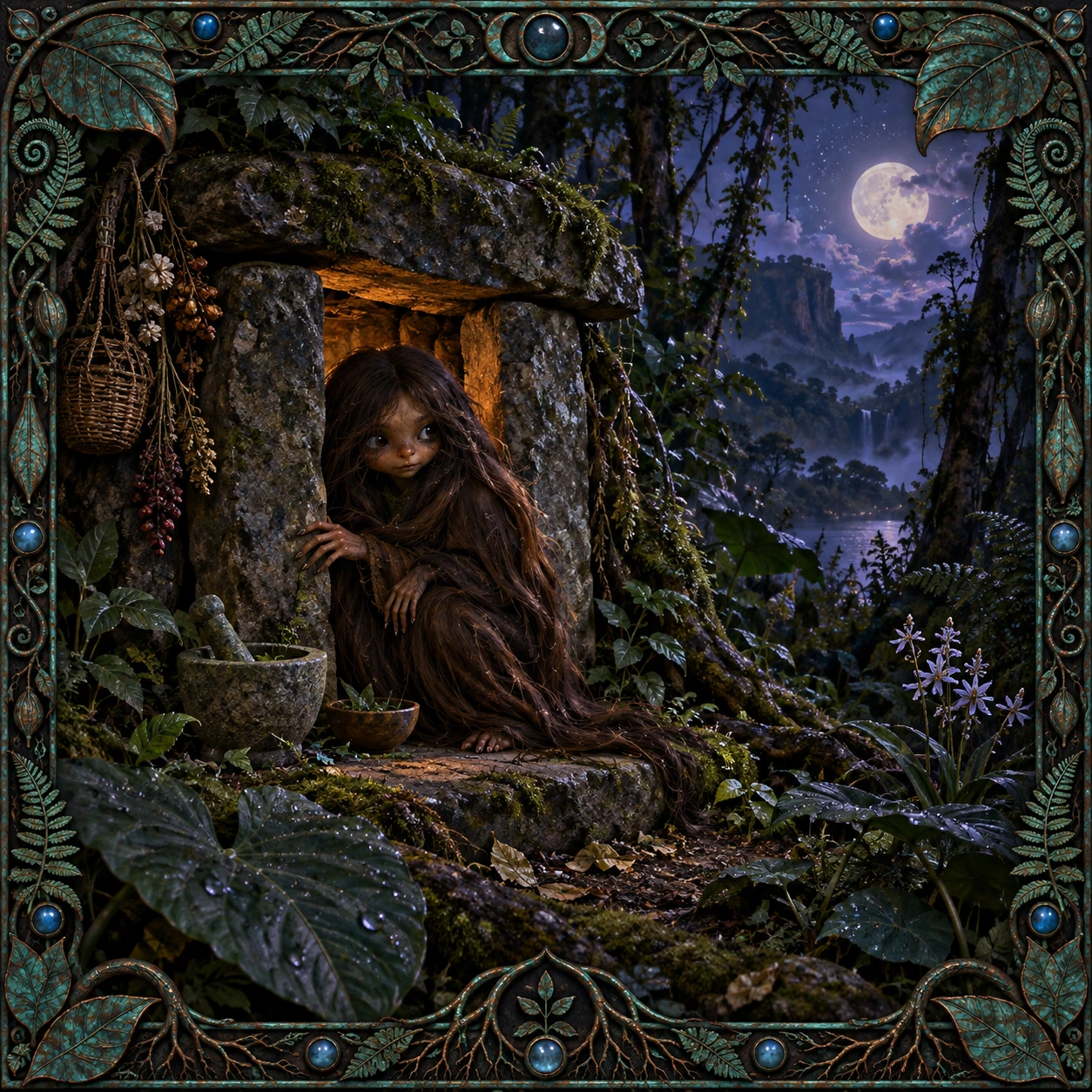
Kalanoro are small, elusive beings in Malagasy traditions, known in particular accounts for long hair, dangerous nails, taking children into the forest or helping people who seek healing.
On a riverbank, beings who have taken a child from home offer a raw crab. The child’s answer will decide whether the journey leads back to the parents or farther into the forest company. Gabriel Ferrand’s Betsimisaraka tale makes an offered meal the point at which one life may become another.
Read the manuscript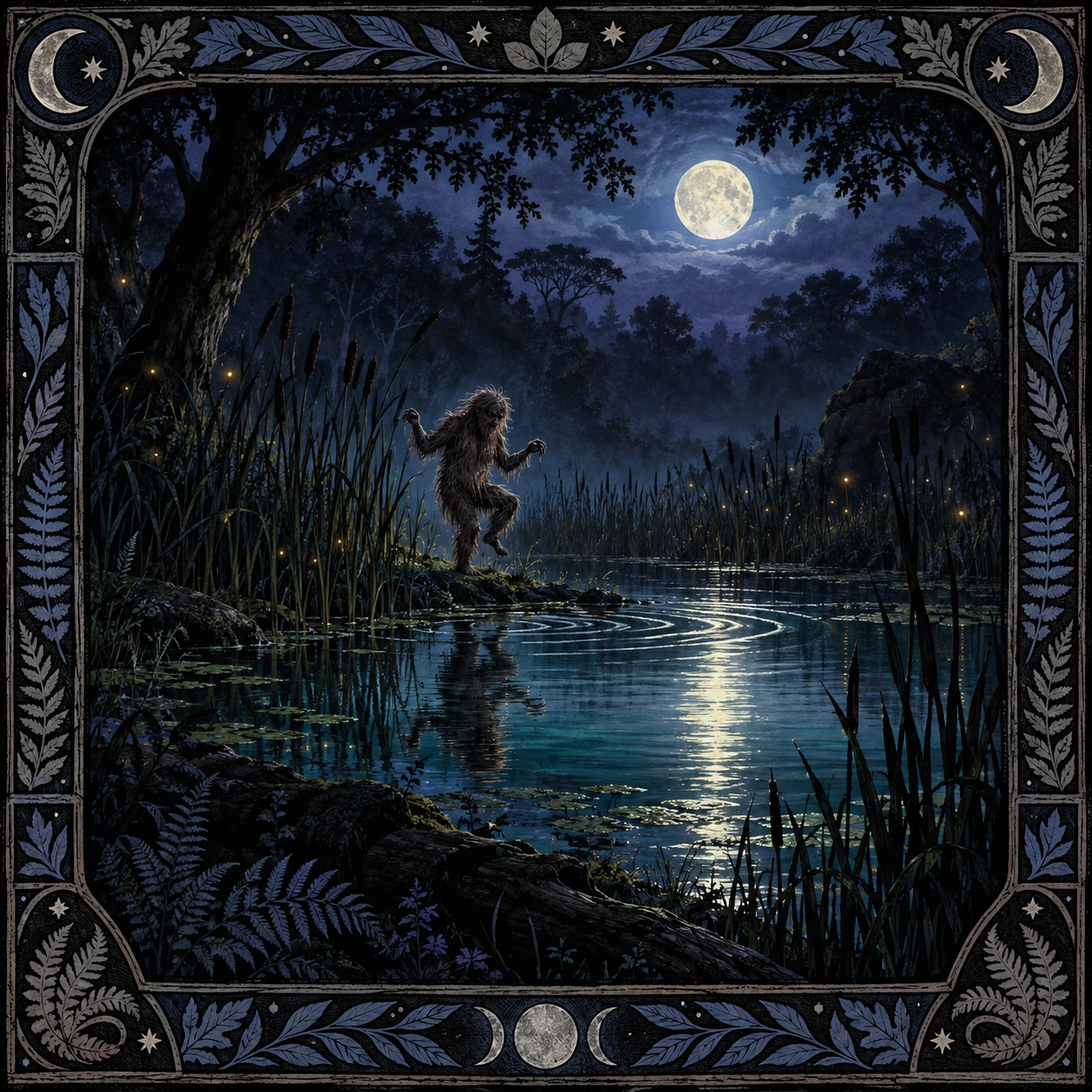
The tokoloshe is a small uncanny being in southern African traditions, appearing as a riverbank dancer, an intimate companion or a dangerous household visitor.
The guests have set off for a wedding dance. Behind them, a small river creature puts on an antelope-skin garment and practises the steps it means to perform. In Unoko Masila’s account, collected by Henry Callaway, this moment of eager preparation stands on the edge of violence. The tokoloshe’s place among people is intimate, precarious and seldom simple.
Read the manuscript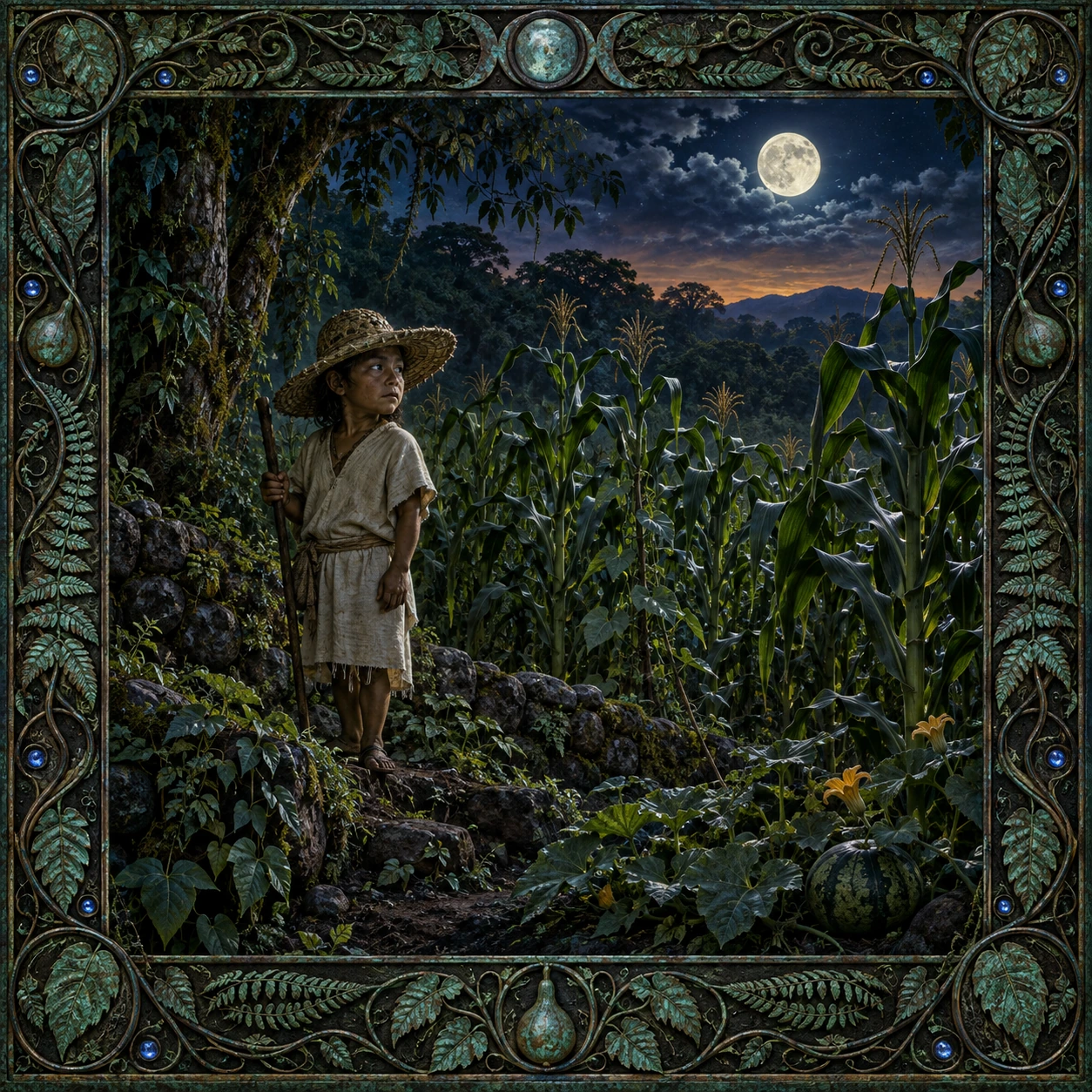
Aluxo’ob are small beings of Yucatec Maya tradition, known as troublesome night visitors and as guardians who share in the care of cultivated land.
In Uayma, Don Emilio Espadas describes showing his alux every corner of the land it will protect. The guardian has a name, a place in the family and responsibilities of its own. Looking after it is part of looking after the ground.
Read the manuscript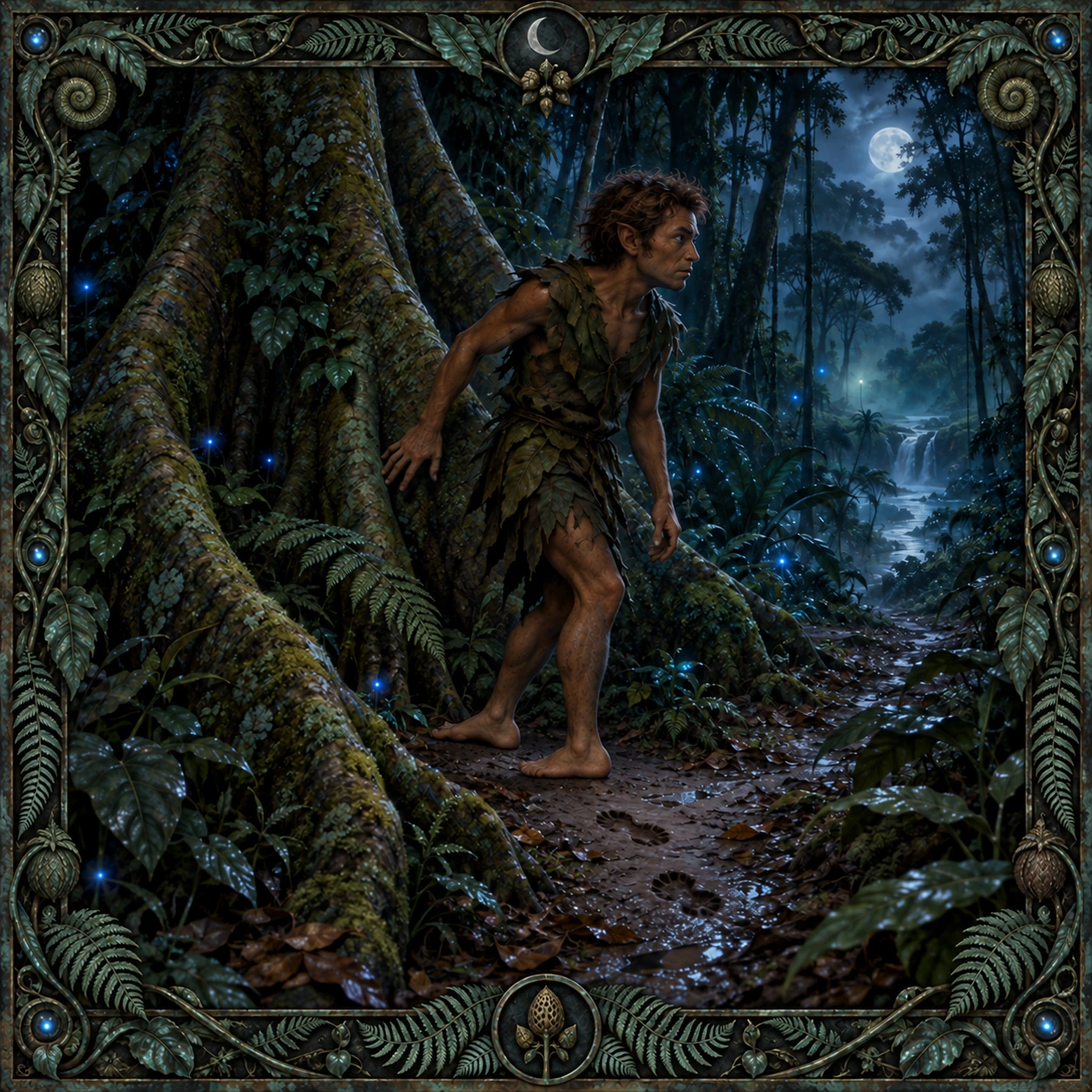
A Brazilian forest being with backward-pointing feet, Curupira can lead travellers astray, protect trees or disguise itself in a familiar voice.
A woman hears her husband’s voice outside. The visitor wears his clothes, and she takes him for the hunter returning home. In the tale Maria dos Reis told to collector Herbert Huntington Smith, both voice and clothing belong to a deception that has already cost her husband his life.
Read the manuscript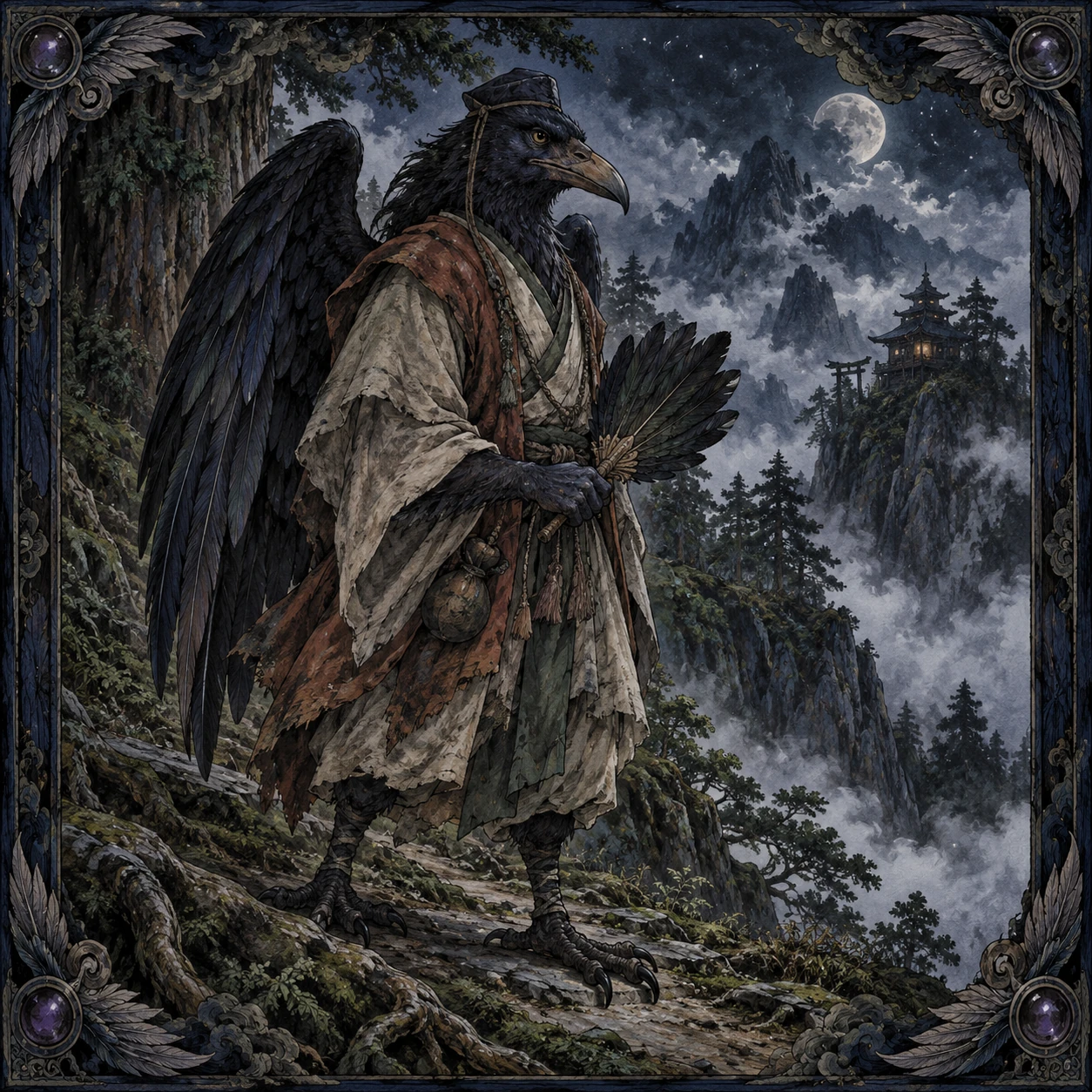
Tengu are Japanese mountain beings whose beaked or long-nosed appearances accompany stories of deception, formidable knowledge and martial instruction.
The monks leave the blossom-viewing party rather than share it with a stranger. One child stays and speaks kindly to him.
Read the manuscript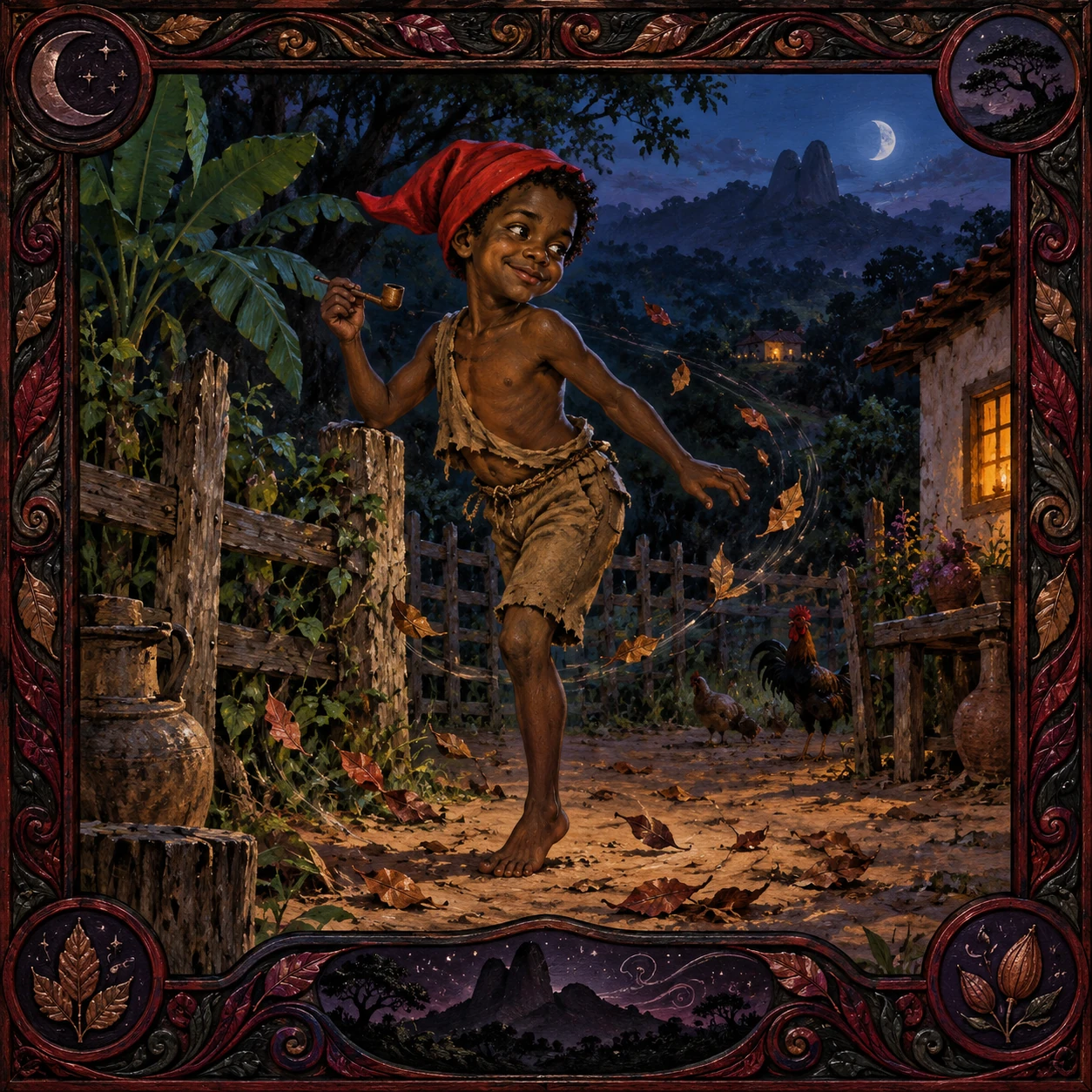
A one-legged Brazilian trickster in a red cap unsettles homes, torments horses and turns ordinary mishaps into mischief.
Chico Rio Grandense knew the sounds of Saci in the woods: a whistle, a laugh, dry leaves disturbed by a hopping foot. The old muleteer had plenty of stories for a child to hear. Then came the journey on which the thing he described jumped onto his own horse.
Read the manuscript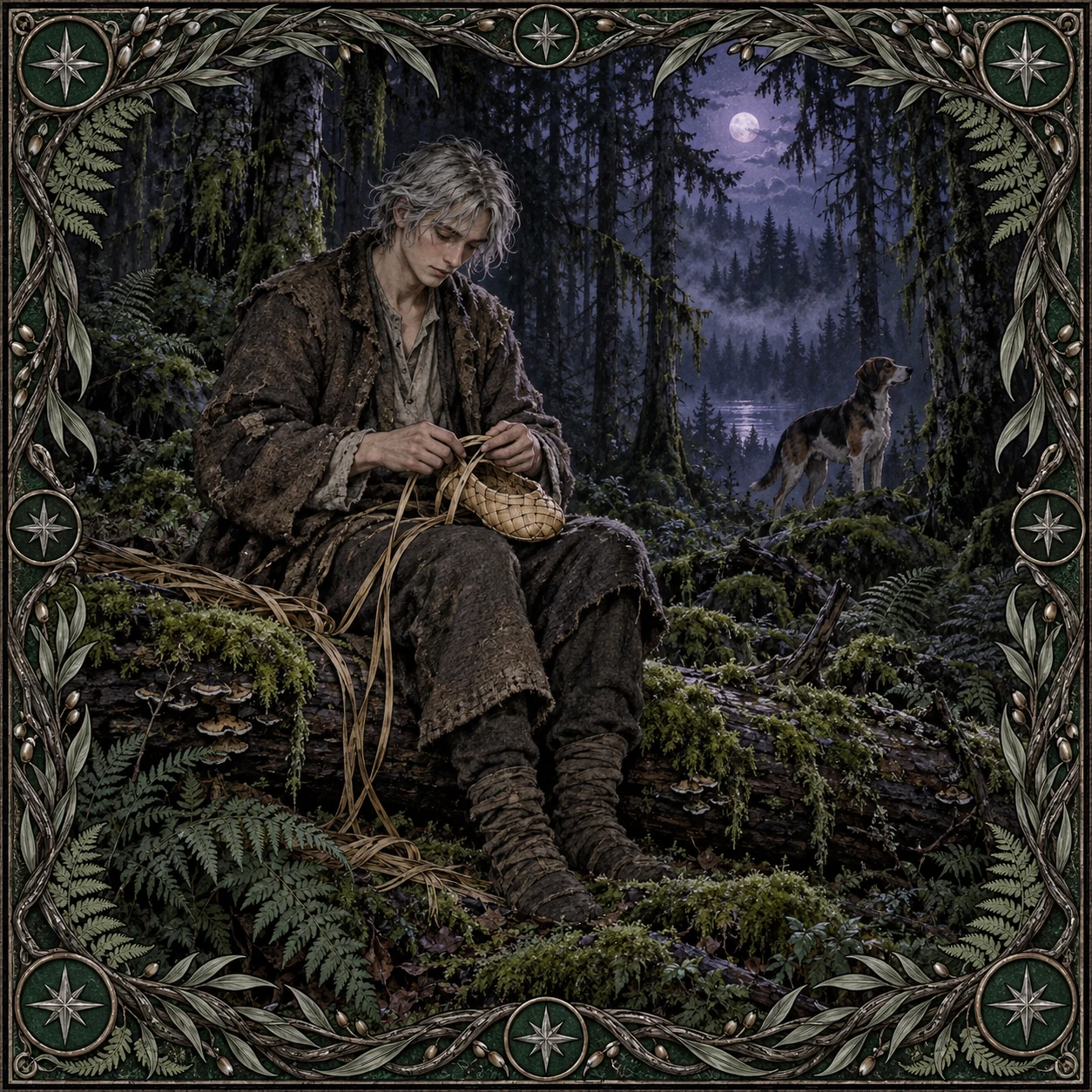
The leshy is a Russian forest being who can mislead travellers, tend animals and appear as an uncanny human stranger.
The hunter’s dog begins barking, its hair raised. Ahead, a young-looking man sits on a log making a shoe, his hair entirely grey. In Ralston’s tale, the hunter has not yet spoken when the stranger answers what he is thinking.
Read the manuscript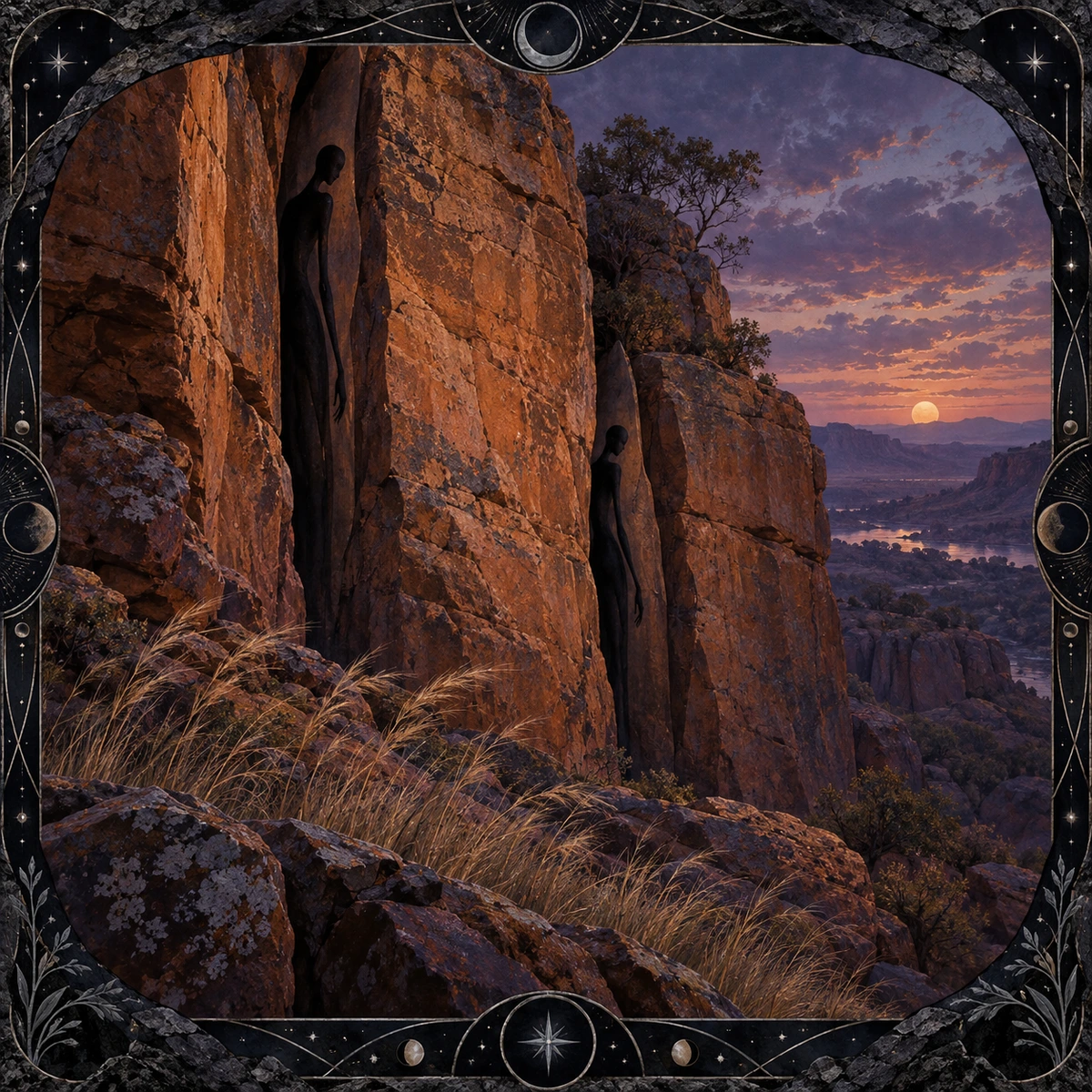
Mimih are slender spirits of western Arnhem Land’s rock country, whose hidden society hunts, sings and dances, and whose forms have inspired generations of named Aboriginal artists.
When the wind rises, Mimih must hurry inside the rocks: their necks are so slender that the gusts could break them. Artist John Mawurndjul describes their songs emerging from that sheltered world. Beyond the stone’s surface, other public accounts give them families and histories of their own.
Read the manuscript