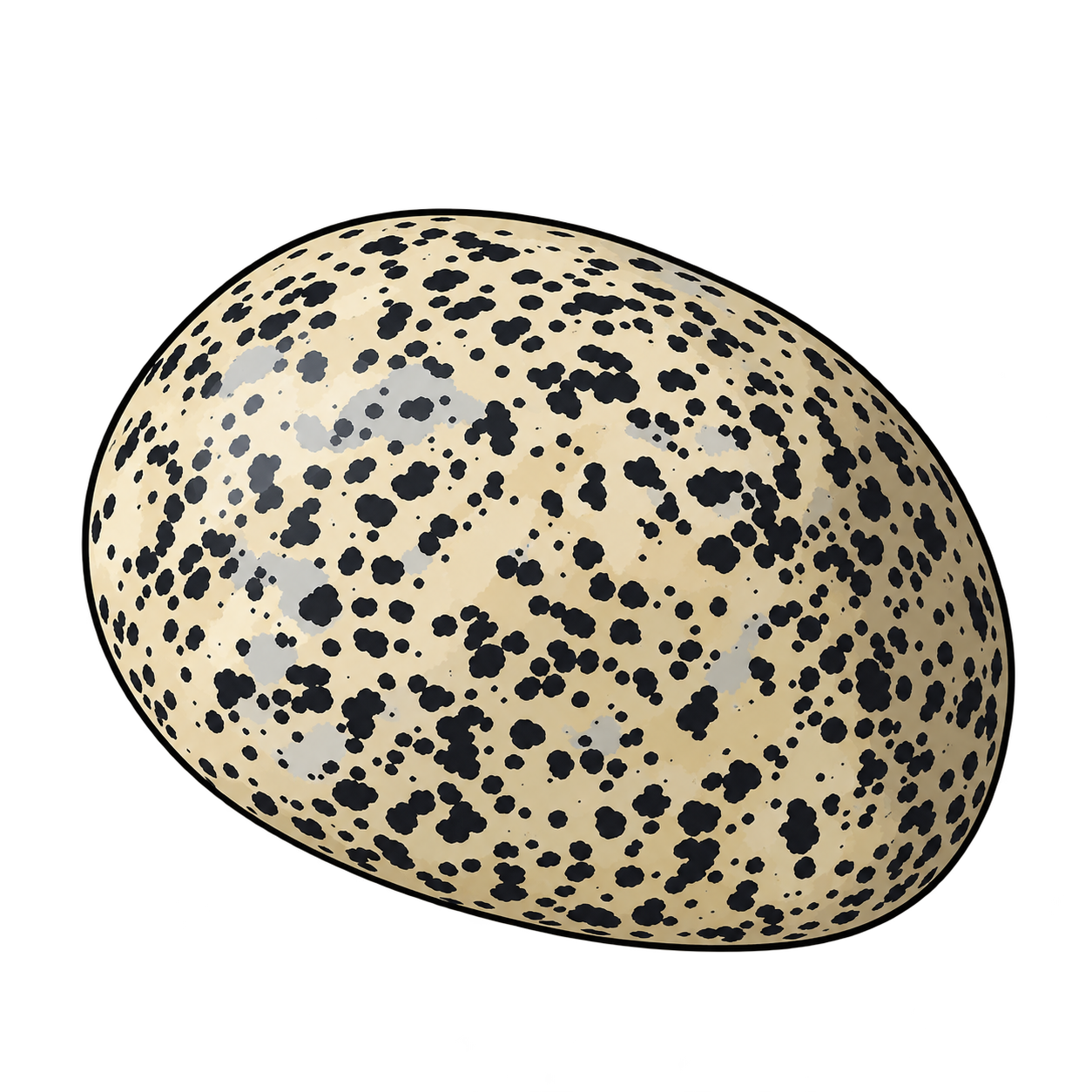
A 2017 Gems & Gemology study examined three commercial specimens with microscopy, Raman spectroscopy and chemical analysis. The researchers identified feldspars, quartz and arfvedsonite, with smaller amounts of other minerals. The dark spots in those samples were amphibole aggregates, not tourmaline. Their chemistry supported a peralkaline rock classification, but texture did not conclusively distinguish an intrusive origin from an extrusive one.[1]
An earlier EPI laboratory account likewise rejected the jasper label. It described a fine-grained aplitic rock containing quartz, albite, microcline and a dark amphibole interpreted optically as ferro-riebeckite. That account explains aplite as a fine-grained rock associated with residual melt entering fractures in a cooling igneous body.[2]
The two accounts agree on the central correction—this is a mixed rock, not jasper—but their more detailed identifications should not be flattened into one universal formula. They concern examined samples and particular analytical methods. A pale matrix with black dots cannot establish every constituent by sight.