The Amber Lantern
Golden Flame Snake Plant
Dracaena - sold as Golden Flame
Loading this page…
Return homePlease wait while the next page arrives.


The Amber Lantern
Dracaena - sold as Golden Flame
Care for Golden Flame indoors in potting mix: useful light, a draining pot and careful moisture checks.
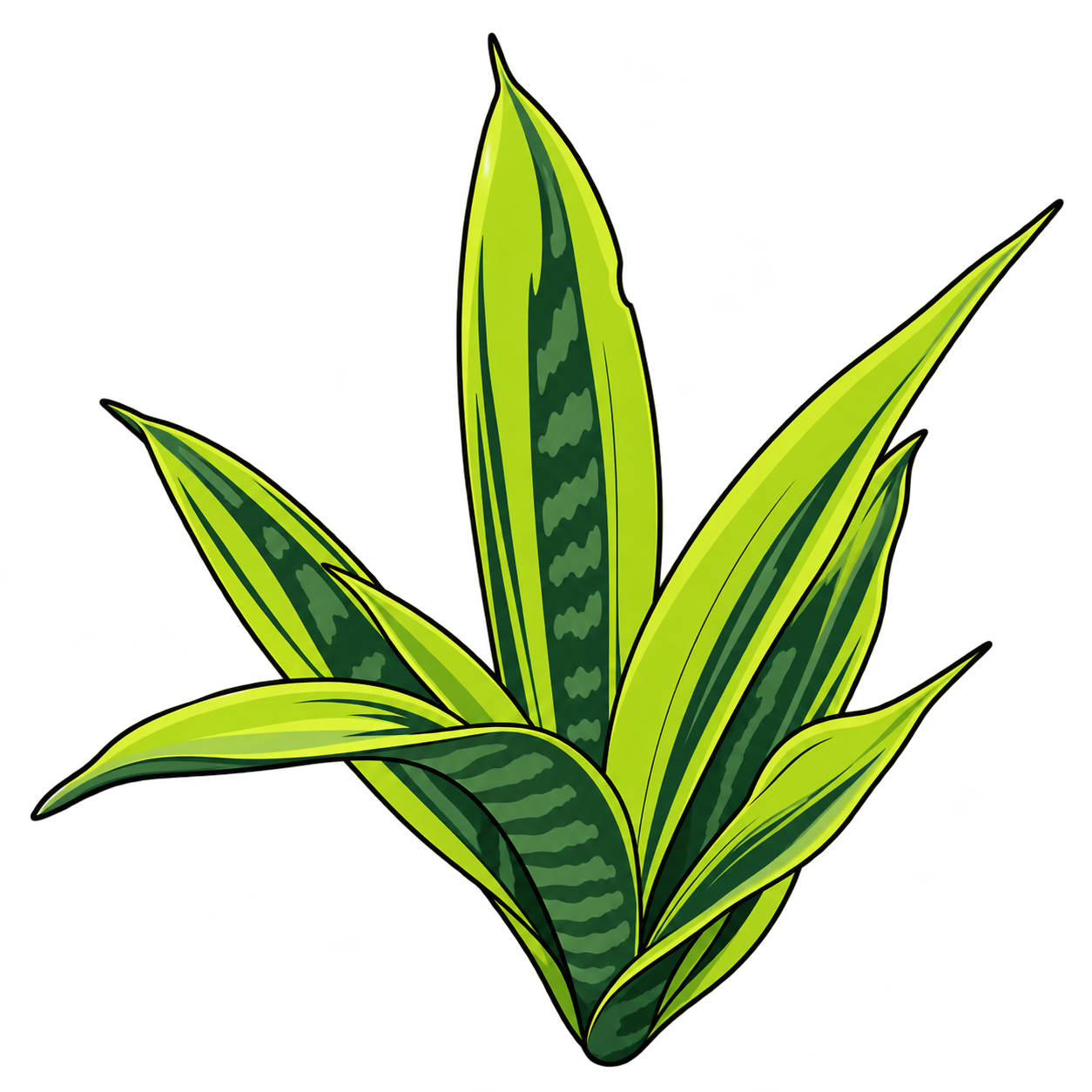
Source photograph · Mila’s Exotic Plants owner catalogue; individual photographer uncredited
Reference photograph from the owner’s shop listing; no public open license is stated.
Mila's catalogue offers this snake plant as Golden Flame, with golden yellow and deep green foliage. [18]
Snake plants belong to Dracaena; Sansevieria is the familiar earlier genus name. [11]
NC State describes its Golden Flame reference with gray-green leaves that darken as they age and yellow-gold stripes. [13]
Choose a bright indoor position with protection from strong midday sun. Introduce a brighter position gradually. [15]
Allow the soil to dry completely between waterings. During slow winter growth, check the pot before adding more water. [16]
Feel the mix and lift the pot to assess moisture. Recheck as light, growth and room conditions change. [1]
Water evenly through the mix, allow excess to drain, then empty the saucer or cover pot. [1]
Feed during active growth with houseplant fertilizer at the label rate. Reduce or withhold feeding when growth slows. [10]
Use fresh mix and retain the existing planting depth. Water it in and let excess drain. [2]
Remove badly damaged leaves at their base. Leave healthy leaves intact. Wear gloves when cutting; the sap can irritate skin. [15]
Check moisture before adding water. [3]
Review light and placement. [3]
RHS identifies snake plants as poisonous; keep them away from children and pets. [15]
Eating plant material can still upset a pet's stomach. [9]
Keep plants, fallen leaves and cuttings away from pets that chew them. [9]
For suspected poisoning or signs of illness, contact your veterinarian or ASPCA Poison Control at 888-426-4435. Provide the botanical name. [5]
Keep plants, cuttings and loose potting material beyond young children's reach. Keep the botanical name with the pot. [6]
For human plant ingestion in the United States, call Poison Control at 1-800-222-1222. Elsewhere, contact your local poison service. Call emergency services for breathing difficulty, seizures, collapse or inability to awaken. [7]
University of Maryland Extension
Accessed October 5, 2026 · Updated: 2023-03-10
University of Illinois Extension
Accessed October 5, 2026
Iowa State University Extension and Outreach
Accessed October 5, 2026 · Updated: Last reviewed January 2024
Iowa State University Extension and Outreach
Accessed October 5, 2026 · Updated: Last reviewed January 2024
ASPCA Poison Control
Accessed October 5, 2026
National Capital Poison Center
Look closely for insects. [4]
Accessed October 5, 2026
National Capital Poison Center
Accessed October 5, 2026
Iowa State University Extension and Outreach
Accessed October 5, 2026 · Updated: Last reviewed October 2023
ASPCA Poison Control
Accessed October 5, 2026
University of Illinois Extension
Accessed October 5, 2026
Royal Botanic Gardens, Kew
Accessed October 5, 2026
Logee's Plants
Accessed October 5, 2026
NC State Extension
Accessed October 5, 2026
Royal Horticultural Society
Accessed October 5, 2026
Royal Horticultural Society
Accessed October 5, 2026
University of Illinois Extension
Accessed October 5, 2026
Iowa State University Extension and Outreach - Aaron Steil
Accessed October 5, 2026 · Updated: Last reviewed January 2025
Mila's Exotic Plants
Accessed October 5, 2026