The Antler-Leaf Herbarium
Fern-Leaf Kalanchoe
Kalanchoe ceratophylla
Loading this page…
Return homePlease wait while the next page arrives.


The Antler-Leaf Herbarium
Kalanchoe ceratophylla
Deeply divided succulent foliage gives Fern-Leaf Kalanchoe its branching silhouette. Grow it with bright light, a drying cycle and room around its leaves.
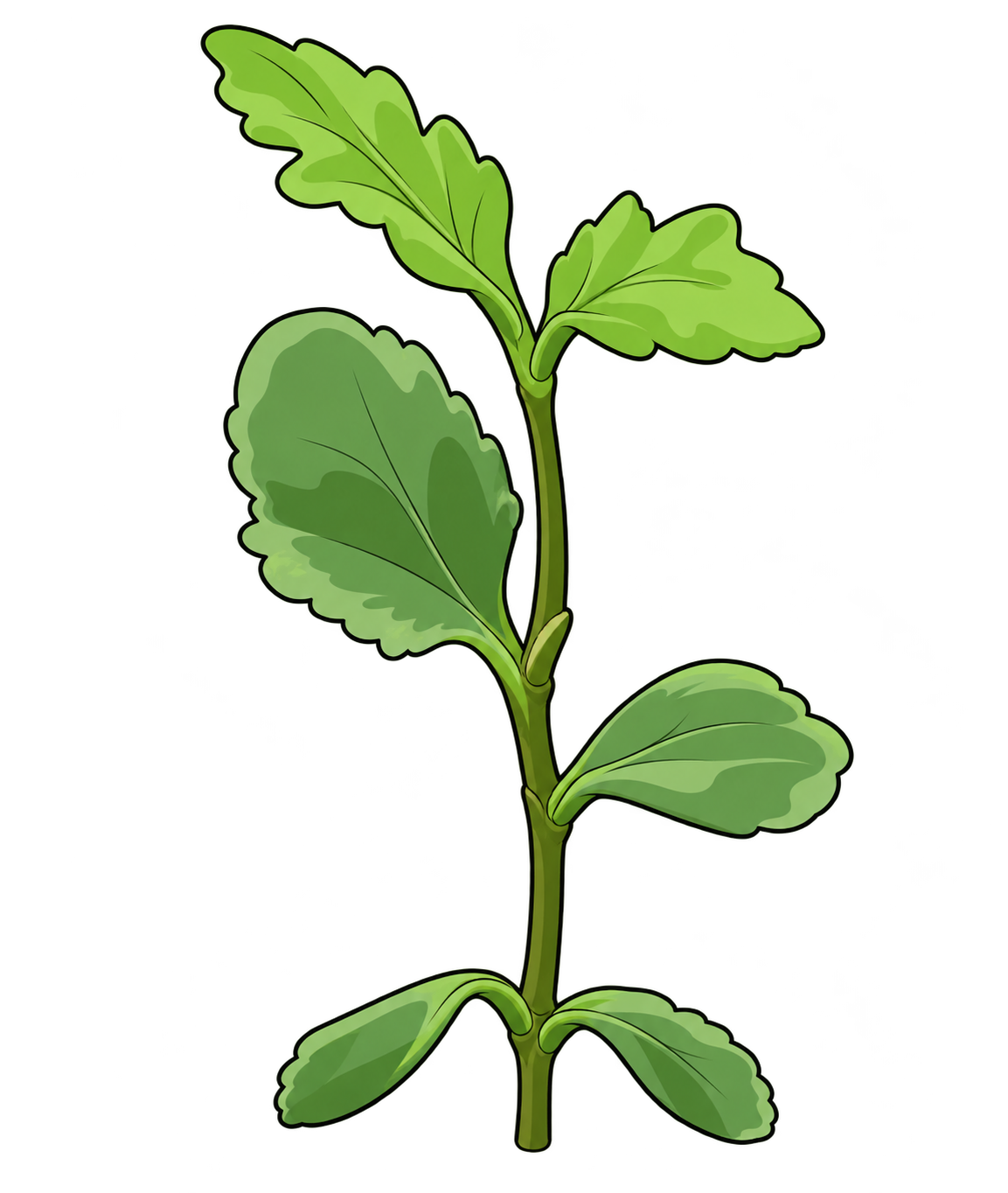
Source photograph · Mila’s Exotic Plants and Curiosities / Luminary Oddities; photographer not separately credited
Reference photograph from the owner’s shop listing; no public open license is stated.
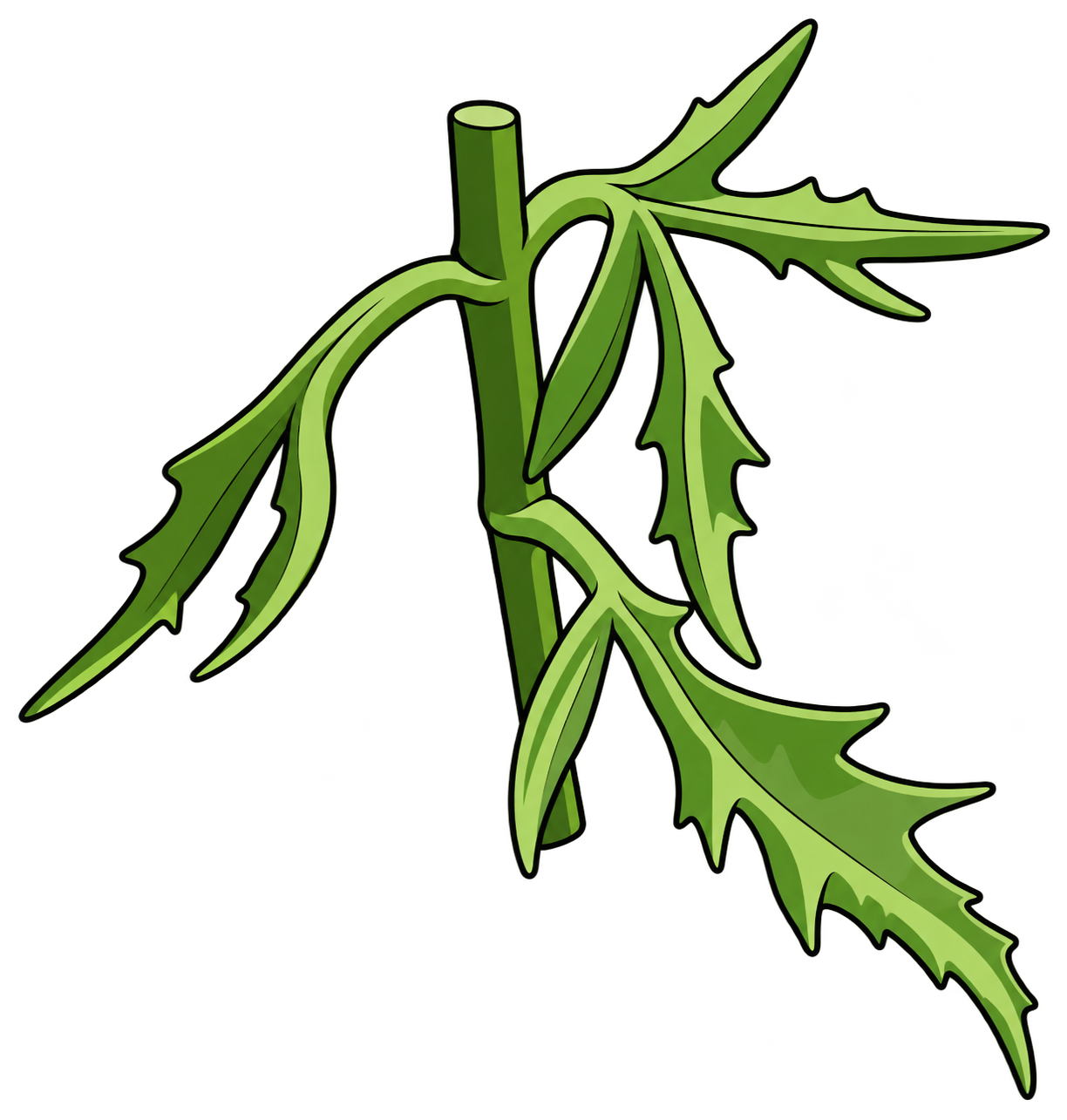
Source photograph · Mila’s Exotic Plants and Curiosities / Luminary Oddities; photographer not separately credited
Reference photograph from the owner’s shop listing; no public open license is stated.
Fern-Leaf Kalanchoe is Kalanchoe ceratophylla, a succulent subshrub in the Crassulaceae family. The species comes from subtropical parts of Asia. [1]
The fern-like effect comes from deeply divided leaves along the middle of the stem. It is a flowering succulent with fleshy tissue, rather than a fern. [2]
Use a cactus or succulent mix with a coarse, airy texture. A pot with drainage holes lets you water the whole root ball without leaving it submerged. [9]
Keep the stem base at its existing level when filling around the roots. A much larger pot creates extra damp compost the small root system cannot use. [11]
Waterlogged roots may lose function. [17]
Appearance alone cannot determine watering need. [19]
Low light can elongate growth.
During lower-light months, prioritize light and slower watering. Increase care again with renewed growth instead of using a fixed rebloom or watering calendar. [10]
Kalanchoe species are toxic to cats and dogs. Ingestion can cause vomiting and diarrhea; heart-rhythm problems are possible. Prevent access to leaves and cuttings. [4]
Keep this ornamental plant out of mouths. Kalanchoe ingestion can also harm people; do not use leaves or sap as a home remedy. [3]
Human poisoning (U.S.): 1-800-222-1222. Medical emergencies: 911. [15]
Pet poisoning: veterinarian; ASPCA 888-426-4435 (consultation fee). [16]
Fern-Leaf Kalanchoe has divided foliage; many florist kalanchoes have broad, scalloped leaves. Mother-of-thousands types produce leaf-edge plantlets, a different propagation habit. [3]
References checked October 5, 2026. Botanical identity, cultivation and handling guidance are linked to the sources below; general growing advice is adapted to container conditions.
Royal Botanic Gardens, Kew
Accessed October 5, 2026
World Flora Online / Flora of China
Accessed October 5, 2026
NC State Extension
Accessed October 5, 2026
ASPCA Poison Control
Accessed October 5, 2026
Royal Horticultural Society
Accessed October 5, 2026
Mealybugs produce wax and feed on sap. [20]
Iowa State University Extension
Accessed October 5, 2026
Iowa State University Extension
Accessed October 5, 2026
West Virginia University Extension
Accessed October 5, 2026
Colorado State University Extension / PlantTalk
Accessed October 5, 2026
UC Master Gardeners of Tulare and Kings County
Accessed October 5, 2026 · Publisher date: 2026-06-27
University of New Hampshire Extension
Accessed October 5, 2026 · Publisher date: 2019-01-17
University of Illinois Extension
Accessed October 5, 2026 · Publisher date: 2015-06-04
University of Illinois Extension
Accessed October 5, 2026
Royal Horticultural Society
Accessed October 5, 2026
National Capital Poison Center
Accessed October 5, 2026
ASPCA Poison Control
Accessed October 5, 2026
University of Maryland Extension
Accessed October 5, 2026 · Updated: 2023-03-13
University of Maryland Extension
Accessed October 5, 2026 · Updated: 2023-03-13
University of Maryland Extension
Accessed October 5, 2026 · Updated: 2023-03-10
University of Maryland Extension
Accessed October 5, 2026 · Updated: 2024-10-17
Penn State Extension
Accessed October 5, 2026 · Updated: 2026-02-23
University of Georgia Cooperative Extension
Accessed October 5, 2026 · Updated: 2022-07-21